
Do you find yourself asking why am I always tired? Whilst feeling tired occasionally is normal. But when low energy follows you through the day—despite getting what seems like enough sleep—it can affect your concentration, motivation, exercise, food choices and overall quality of life.
Fatigue can have many causes. Poor sleep, stress, an unbalanced diet and inactivity are common contributors, but persistent tiredness may also be associated with iron deficiency, vitamin B12 or folate deficiency, thyroid disorders, diabetes, sleep apnoea, medication side effects or another underlying condition. The NHS advises speaking to a GP when tiredness lasts for several weeks, affects daily life or is accompanied by other unexplained symptoms.
This guide explains how to increase energy naturally through food, sleep, movement and evidence-informed supplementation—without relying on caffeine, restrictive diets or products promising an instant energy boost.
Tiredness vs Fatigue: What Is the Difference?
The words are often used interchangeably, but they can describe slightly different experiences.
| Tiredness | Fatigue |
|---|---|
| Often follows a busy day or poor night’s sleep | Can feel overwhelming or persistent |
| Usually improves with rest | May not fully improve after sleep |
| Often has an obvious cause | May have several overlapping causes |
| Short-lived | Can continue for weeks or longer |
Fatigue may feel physical, mental or both. You may experience heavy limbs, reduced stamina, brain fog, poor motivation, irritability or difficulty concentrating.
Persistent fatigue should not automatically be blamed on getting older, menopause or a busy lifestyle.
Why Am I Always Tired?
There is rarely one universal cause to why you feel tired all the time. Your energy is influenced by how well you sleep, what and how much you eat, your stress levels, activity, hormones, health and medication.
Poor-quality sleep fatigue
You may spend eight hours in bed without obtaining eight hours of deep restorative sleep your body needs. Night waking, hot flushes, anxiety, alcohol, pain, restless legs and an inconsistent routine can all reduce sleep quality – as it’s not just the number of sleep hours that matters, it’s sleep quality.
Sleep apnoea is another possible cause of low energy. Warning signs include loud snoring, gasping or choking during sleep, morning headaches and excessive daytime tiredness. It is important to seek assessment because untreated sleep apnoea can be serious.
Low Food Fatigue – Not eating enough
Chronic dieting, skipping meals or cutting out entire food groups can leave you short of energy and essential nutrients.
Food supplies the calories your body uses for movement, body temperature, brain activity, digestion, tissue repair and every other biological process. Eating substantially less than your body needs can lead to tiredness, weakness, reduced exercise performance and difficulty concentrating.
A balanced diet should contain a variety of fruit and vegetables, starchy carbohydrates, protein foods, dairy or suitable alternatives, and small amounts of unsaturated fats.
Carb Fatigue – Meals dominated by refined carbohydrates
A sugary snack can produce a rapid source of energy, but it is often less satisfying than a balanced meal containing protein, fibre and healthy fat.
Rather than eliminating carbohydrates, choose more nutrient-dense sources such as:
- Oats
- Wholegrain bread
- Potatoes with their skins
- Beans and lentils
- Brown rice
- Wholewheat pasta
- Fruit and vegetables
Combining carbohydrate with protein and fibre generally creates a more balanced and satisfying meal.
Low iron fatigue
Iron is required for the production of haemoglobin, which transports oxygen in the blood.
Iron-deficiency anaemia can cause tiredness, low energy, headaches, shortness of breath, palpitations and paler-than-usual skin. Heavy periods are a common cause, making iron particularly relevant during perimenopause when bleeding may become heavier or more irregular.
Good food sources include:
- Lean red meat
- Shellfish
- Lentils and beans
- Tofu
- Fortified breakfast cereals
- Pumpkin seeds
- Dark green vegetables
Plant-based iron is absorbed less efficiently than iron from animal foods. Eating a source of vitamin C—such as peppers, berries, citrus fruit or tomatoes—with plant-based iron may improve absorption.
Do not begin high-dose iron supplements simply because you feel tired. Excess iron can be harmful, and fatigue should be properly investigated.
Low vitamin B12 or folate deficiency
Vitamin B12 and folate are involved in red-blood-cell formation and normal nervous-system function.
Folate or vitamin B12 deficiency may cause extreme tiredness, weakness, pins and needles, a sore tongue, muscle weakness and cognitive changes. Some neurological effects of untreated B12 deficiency can become irreversible, so early diagnosis matters.
Vitamin B12 is naturally found mainly in:
- Meat
- Fish
- Eggs
- Milk and dairy foods
- Fortified plant milks
- Fortified nutritional yeast
- Fortified breakfast cereals
People following a vegan diet need a reliable fortified food or supplement source of B12.
Folate is found in:
- Leafy green vegetables
- Broccoli
- Brussels sprouts
- Peas
- Chickpeas
- Kidney beans
- Oranges
- Fortified cereals
Thyroid fatigue
An underactive thyroid can cause fatigue, feeling unusually cold, weight gain, constipation, poor concentration, low mood and dry skin or hair. These symptoms often develop gradually and can overlap with perimenopause. A blood test is needed to diagnose thyroid dysfunction.
Stress fatigue and mental overload
Stress can be physically exhausting. It may interfere with sleep, change eating habits and leave you feeling permanently alert but never restored.
The problem is not simply that stress “uses up” nutrients. More often, chronic stress disrupts the behaviours that sustain energy:
- Sleep becomes fragmented.
- Meals become irregular.
- Caffeine intake increases.
- Movement decreases—or exercise becomes excessive.
- Alcohol is used to unwind.
- Recovery time disappears.
Stress management therefore belongs in any realistic fatigue plan.
Perimenopause and menopause fatigue
Women can feel especially tired during menopause. Fatigue during the perimenopause and menopause transition may result from several factors occurring together:
- Night sweats and disrupted sleep
- Mood changes or anxiety
- Heavy or irregular periods contributing to iron loss
- Reduced physical activity
- Muscle loss
- Caring and work pressures
- Thyroid or other health problems occurring at the same life stage
Menopause should not become a catch-all explanation for persistent exhaustion. NICE recommends an individualised approach to menopause symptoms and consideration of appropriate treatment options, including HRT where suitable.
Further reading: The 100 Symptoms of Perimenopause: Full List + Early Signs – Pretty Pea
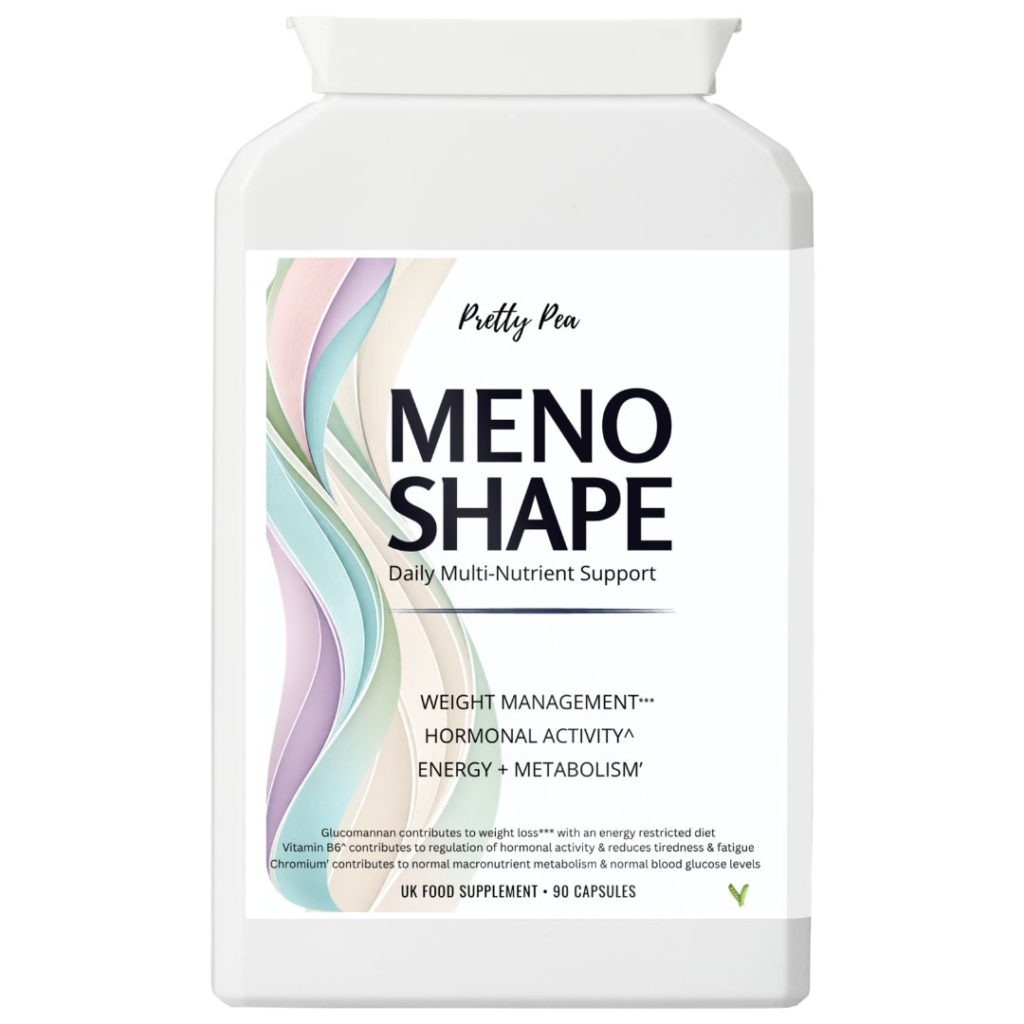
Menopause Supplement UK – Women’s Nutritional Support with Vitamins, Fibre & Botanicals
Signs Your Fatigue May Need Medical Investigation
Arrange a GP appointment when tiredness:
- Has lasted several weeks
- Is becoming worse
- Interferes with work or normal activities
- Continues despite improving sleep and nutrition
- Is accompanied by unexplained weight loss
- Comes with breathlessness or palpitations
- Occurs alongside very heavy periods
- Includes persistent thirst or frequent urination
- Is associated with loud snoring, gasping or choking during sleep
- Comes with weakness, numbness or pins and needles
- Is accompanied by feeling unusually cold, constipation or hair loss
Blood tests may be appropriate depending on your symptoms and medical history. These might assess a full blood count, ferritin, vitamin B12, folate, thyroid function, blood glucose or vitamin D—but the tests needed are individual.
The Best Foods for Energy
There is no one best food for energy as no single food creates limitless energy. The goal is to eat enough overall and choose foods that a supply a combination of protein, fibre, complex carbohydrates, fats, vitamins and minerals.
Here are some of the typical foods that give you energy and why:
| Foods for Energy | Why include it? | Easy use |
|---|---|---|
| Oats | Fibre and slow-digesting carbohydrate | Porridge or overnight oats |
| Eggs | Protein, B12 and other micronutrients | Breakfast, salad or snack |
| Salmon | Protein, B12 and omega-3 fats | Add to rice, potatoes or salad |
| Greek yoghurt | Protein and calcium | Add berries, oats and seeds |
| Lentils | Fibre, protein, folate and iron | Soups, curries and salads |
| Spinach | Folate, iron and magnesium | Add to eggs, curries or pasta |
| Pumpkin seeds | Magnesium, iron and protein | Sprinkle over yoghurt or oats |
| Bananas | Carbohydrate and potassium | Pair with yoghurt or nut butter |
| Potatoes | Carbohydrate, potassium and vitamin C | Top with beans, tuna or cottage cheese |
| Beans | Fibre, carbohydrate and plant protein | Add to chilli, wraps and salads |
| Berries | Fibre, vitamin C and polyphenols | Add to breakfast or yoghurt |
| Lean meat or tofu | Protein and key minerals | Build into a balanced main meal |
Foods for Energy – Build a Meal for Steadier Energy
To build a meal for steadier energy use this flexible food formula:
1. Include protein
Protein supports the maintenance of muscle mass (your metabolic engine) and helps make meals more satisfying.
Examples:
- Eggs
- Greek yoghurt or Skyr
- Chicken or turkey
- Fish
- Tofu or tempeh
- Beans and lentils
- Cottage cheese
- Soy foods
A practical target for many adults is approximately 20–30 g of protein at a main meal, although individual needs vary according to body size, age, activity and health.
2. Add a fibre-rich carbohydrate
Carbohydrate is an important fuel source. Choosing fibre-rich varieties provides additional digestive and nutritional benefits.
Examples:
- Oats
- Wholegrain bread
- Potatoes with skins
- Brown rice
- Quinoa
- Wholewheat pasta
- Beans
- Fruit
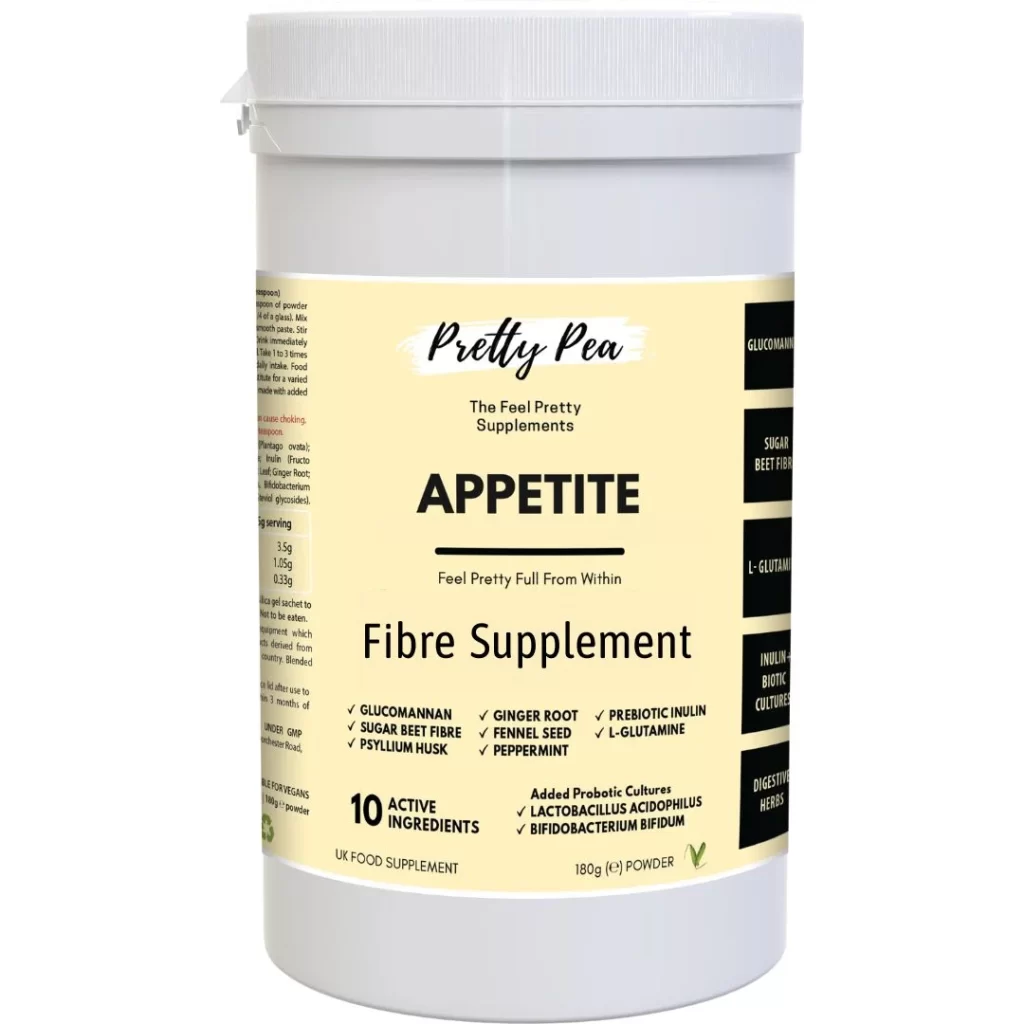
If you struggle to read the recommended 25-30g each day we have a range of Fibre supplements including soluble fibres popular Psyllium Husk and Glucomannan which supports weight management.
3. Add vegetables or fruit
Aim for colour and variety rather than relying on one “superfood”.
If you struggle to consume a variety (at least 5 portions a day, and 30 varieties weekly), consider Pretty Pea Pretty Nourished supplements, a blend of 35+ organic fruits, vegetables, supergreens, mushrooms, seeds and digestive enzymes for optimum absorption. Glow up with real foods your body recognises.
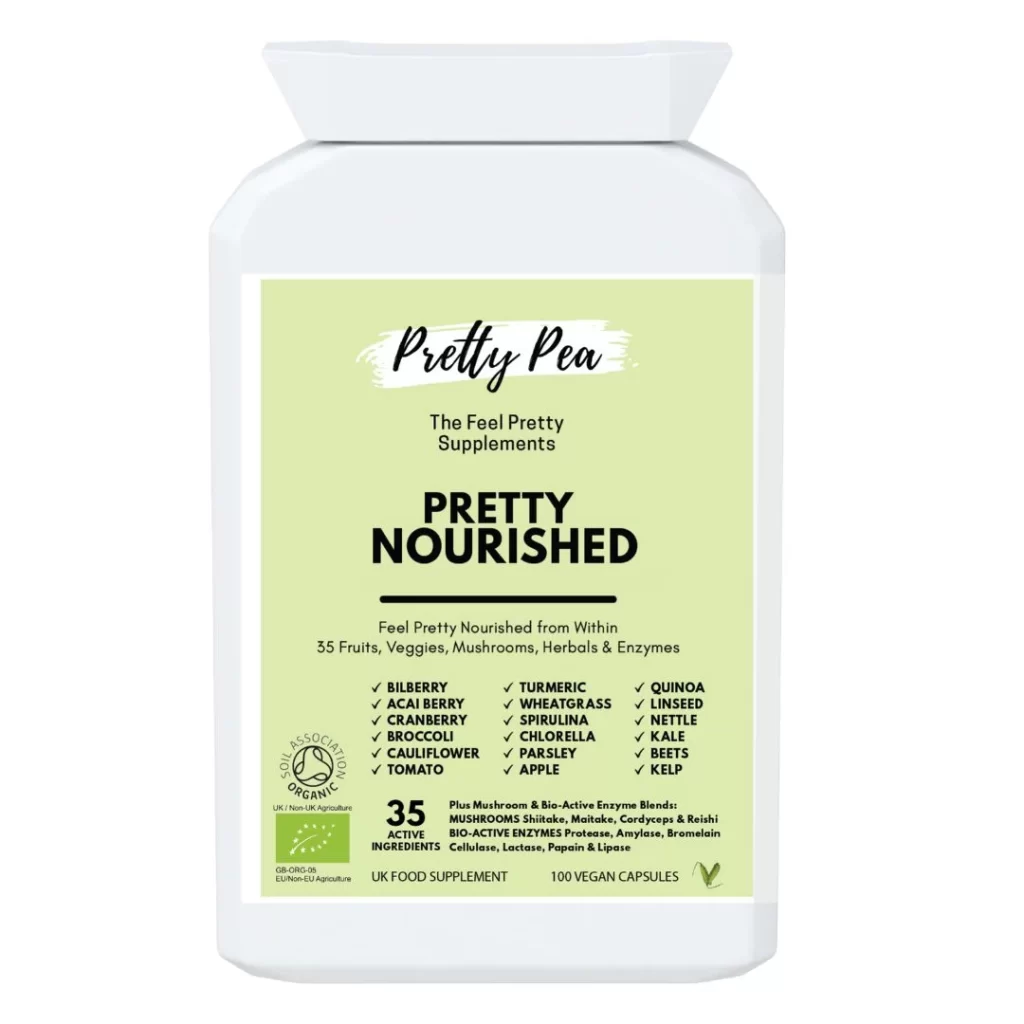
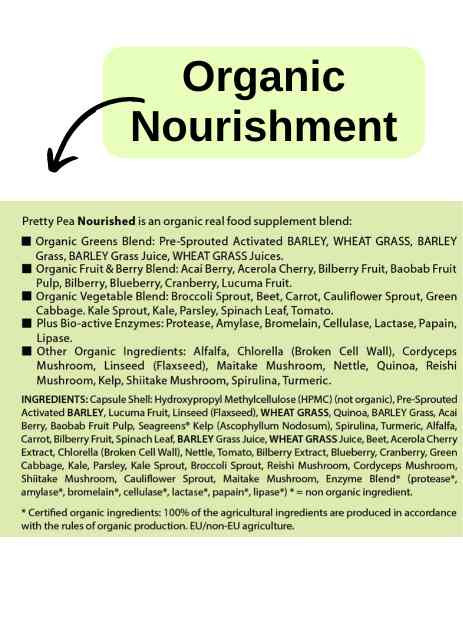
Fruit and Vegetable Supplement
4. Include some healthy fat
Examples include:
- Extra-virgin olive oil
- Avocado
- Nuts
- Seeds
- Oily fish
If you’re not eating oily fish on a regular basis consider supplementing.
Example meal
Salmon energy bowl
- Grilled salmon
- Cooked quinoa or baby potatoes
- Spinach and roasted peppers
- Chickpeas
- Olive-oil and lemon dressing
- Pumpkin seeds
This supplies protein, fibre, complex carbohydrate, fats and a range of micronutrients without depending on stimulants.
More reading: The Menopause Diet 5-Day Plan to Lose Weight – Pretty Pea
Should You Eat Breakfast for More Energy?
Breakfast is not compulsory for everyone. Some people feel well eating later, while others experience low energy, overeating or poor concentration when they skip it.
A useful breakfast contains more than refined cereal or toast on its own.
Try:
- Greek yoghurt, berries, oats and seeds
- Eggs on wholegrain toast with tomatoes
- Porridge with milk, chia seeds and fruit
- Tofu scramble with vegetables and wholegrain toast
- A smoothie containing yoghurt or protein powder, fruit, oats and nut butter
The best pattern is one that provides adequate nutrition and works consistently with your appetite, schedule and health needs.
Can Caffeine Make Fatigue Worse?
Caffeine can temporarily improve alertness, but it does not correct the reason you are tired.
Large amounts—or caffeine consumed late in the day—may interfere with sleep and create a cycle:
Poor sleep → more caffeine → poorer sleep → more fatigue
Try to:
- Avoid using caffeine instead of food.
- Monitor how it affects anxiety, palpitations and hot flushes.
- Reduce intake gradually if you consume a lot.
- Switch to decaffeinated drinks later in the day.
- Avoid energy drinks as a routine fatigue strategy.
Hydration and Energy
Even mild dehydration can leave some people feeling sluggish, headachy or less able to concentrate.
There is no need to force excessive amounts of water. Drink regularly and increase fluids during hot weather, exercise, fever, diarrhoea or vomiting.
Water, milk, unsweetened drinks, tea and coffee all contribute to fluid intake, although large amounts of caffeine may not be suitable for everyone.
Exercise When You Feel Tired
It can feel counterintuitive, but regular movement can improve sleep, fitness, mood and day-to-day energy. The NHS includes regular exercise among its self-help strategies for tiredness.
The key is to match activity to your current capacity.
Start with:
- A 10-minute walk
- Light resistance exercises
- Gentle cycling
- Mobility work
- Short activity breaks during the day
Then gradually build towards a combination of:
- Moderate aerobic activity
- Resistance training
- Mobility and balance work
- Adequate rest
Constantly training hard while under-eating and sleeping poorly can worsen fatigue. Recovery is part of the plan.
Why Strength Training Matters After 40
Muscle supports strength, mobility and physical independence. It is also metabolically active tissue and helps your body manage everyday movement more efficiently.
A sensible routine might include:
- Squats or sit-to-stands
- Rows
- Presses
- Hip hinges
- Step-ups
- Carries
- Calf raises
Two or three full-body sessions per week can be effective, but beginners may start with less. Technique and gradual progression matter more than intensity at the beginning.
Sleep Strategies That May Improve Energy
Good sleep hygiene cannot resolve every sleep disorder, but it creates the conditions for better rest.
Try to:
- Wake at roughly the same time each day.
- Get daylight exposure in the morning.
- Reduce bright screens before bed.
- Keep the bedroom cool and dark.
- Avoid large amounts of alcohol.
- Limit late caffeine.
- Create a short wind-down routine.
- Address night sweats, pain or urinary symptoms.
- Seek help for persistent insomnia or suspected sleep apnoea.
If menopause symptoms are repeatedly disrupting sleep, discuss treatment options with your healthcare professional rather than simply accepting chronic exhaustion.
Vitamins for Energy & Tiredness
Supplements for fatigue are most useful when they correct a genuine shortfall, meeting a recognised nutritional need or making it easier to achieve an appropriate intake.
They are not a substitute for investigating persistent fatigue.
Iron
Iron contributes to normal oxygen transport and normal energy-yielding metabolism. However, iron supplements should generally be used when deficiency has been identified or on professional advice.
They can cause constipation, nausea and abdominal discomfort, and taking iron unnecessarily may be harmful.
Vitamin B12
Vitamin B12 contributes to normal energy-yielding metabolism, normal red-blood-cell formation, normal nervous-system function and the reduction of tiredness and fatigue.
Vitamin B 12 supplementation is particularly relevant for vegans, people with diagnosed deficiency, those with absorption problems and some people taking medications that affect B12 status.
Folate
Folate contributes to normal blood formation and the reduction of tiredness and fatigue.
Folate supplement may be recommended in certain circumstances, but unexplained fatigue should not be self-treated with folic acid because high doses can mask some signs of vitamin B12 deficiency.
Vitamin D
Vitamin D supports normal muscle and immune function and the maintenance of normal bones. It is not a stimulant and does not directly “boost energy”.
UK guidance recommends that people consider a daily vitamin D supplement during autumn and winter, with year-round supplementation advised for people at higher risk of low vitamin D.
Magnesium
Magnesium contributes to normal energy-yielding metabolism, normal muscle and psychological function, and the reduction of tiredness and fatigue.
However, taking extra magnesium will not necessarily improve fatigue when your intake and status are already adequate.
Food sources include:
- Pumpkin seeds
- Almonds
- Cashews
- Wholegrains
- Beans
- Spinach
- Dark chocolate
- Avocado
B-vitamin complexes
Several B vitamins, including vitamin B6, contribute to normal energy metabolism, but this does not mean taking high doses produces extra energy. Vitamin B6 also reduces tiredness and fatigue.
A broad vitamin B complex supplement may be useful for someone with a restricted diet, but more is not always better. Long-term high-dose vitamin B6 can cause nerve damage, so check the amount supplied by combined supplements.
Iodine
Iodine contributes to normal thyroid-hormone production, normal thyroid function and normal energy-yielding metabolism.
That does not mean iodine treats fatigue or “speeds up” the thyroid. Excessive iodine can disrupt thyroid function, so avoid stacking several iodine-containing products or taking high doses without professional guidance.
Protein powder
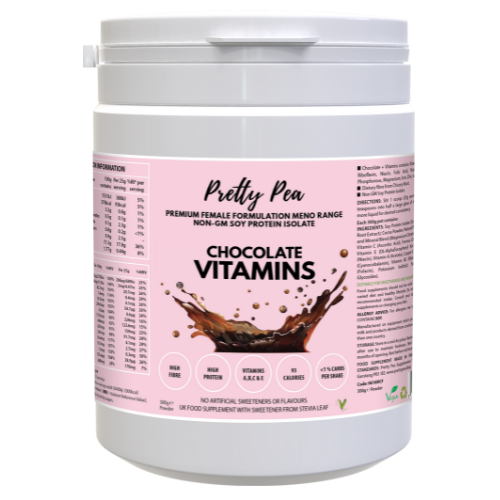
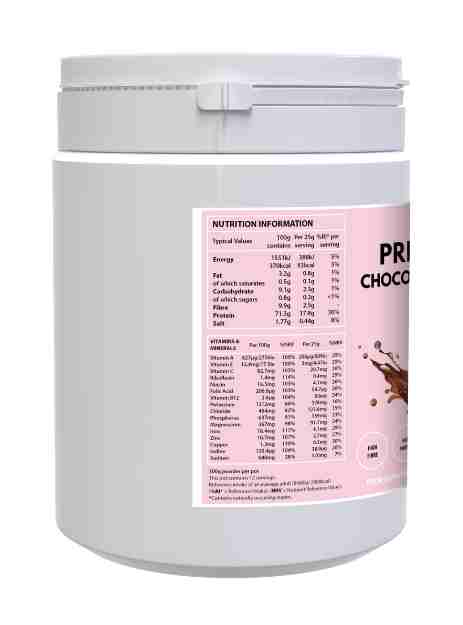
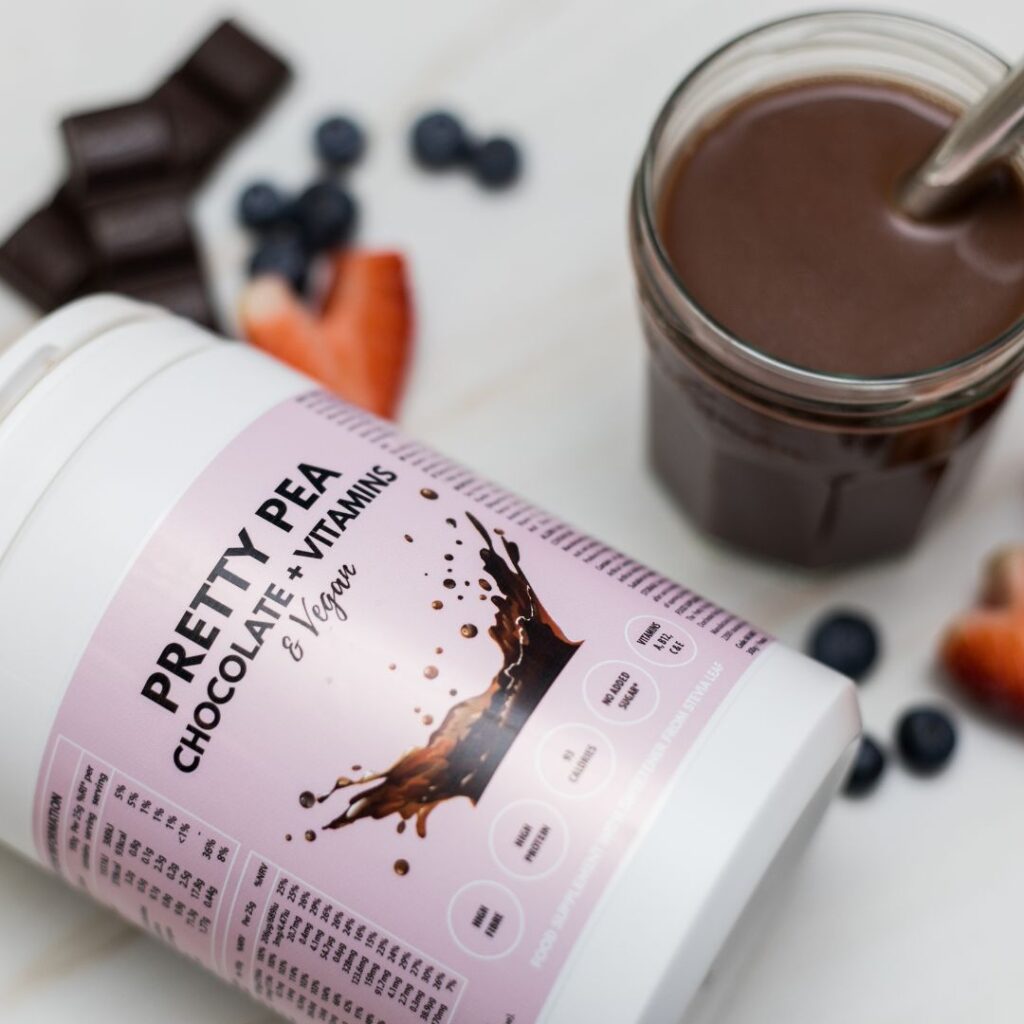
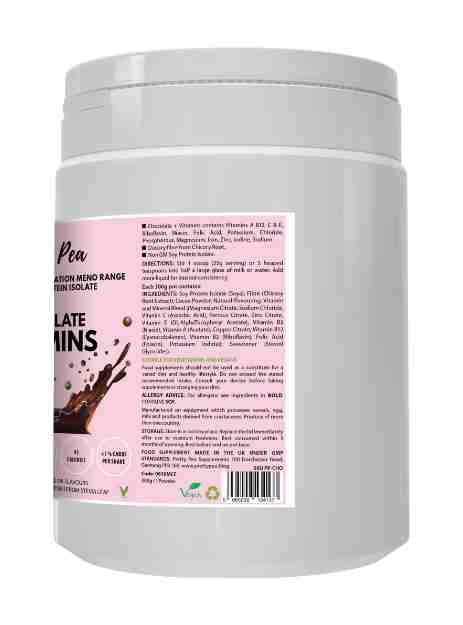
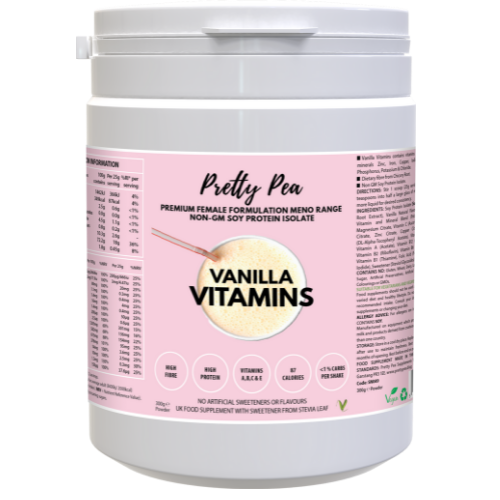
Protein powder is a convenient food supplement rather than an energy stimulant. It can help people who struggle to consume enough protein through food—particularly at breakfast, after exercise or during weight loss.
Choose a product that fits your dietary needs and check the label for serving size, protein content and added sugar.
Choosing Supplements for Fatigue Safely
Before adding supplements or vitamins for energy and tiredness, ask:
- What problem am I trying to solve?
- Could I reasonably obtain this nutrient through food?
- Do my symptoms suggest that I need a blood test or medical assessment?
- Am I already getting the same nutrient from another product?
- Could it interact with medication or a health condition?
- Does the dose stay within safe limits?
A supplement should have a clear purpose—not simply appear in a routine because it has been promoted as an “energy booster”.
A Practical Seven-Day Energy Reset
This is not a detox. It is a short period of returning to basics.
Every day for one week
- Eat three balanced meals—or a meal pattern that provides enough overall food.
- Include protein at each main meal.
- Add a fibre-rich carbohydrate.
- Eat at least five portions of fruit and vegetables.
- Drink regularly.
- Take a 10–30-minute walk.
- Keep caffeine earlier in the day.
- Use the same approximate wake time.
- Record when your energy is highest and lowest.
- Note any associated symptoms.
At the end of the week, look for patterns:
- Is your afternoon slump linked to skipping lunch?
- Does late caffeine affect your sleep?
- Are heavy periods occurring alongside fatigue?
- Is your energy worse after very restrictive eating?
- Do you wake tired despite sleeping for long enough?
- Are you trying to exercise intensely without eating enough?
This information can also be useful if you need to speak to your GP.
Quick Comparison: Common Fatigue Patterns
| What you notice | Possible consideration |
|---|---|
| Fatigue, breathlessness, palpitations, pale skin | Iron-deficiency anaemia |
| Fatigue, pins and needles, sore tongue, memory changes | Vitamin B12 or folate deficiency |
| Fatigue, feeling cold, constipation, weight gain | Underactive thyroid |
| Fatigue, thirst, frequent urination | Diabetes |
| Loud snoring, gasping, morning headaches | Sleep apnoea |
| Fatigue after poor sleep and night sweats | Menopause-related sleep disruption |
| Low energy during restrictive dieting | Insufficient energy or nutrient intake |
| Fatigue with persistent low mood or anxiety | Mental-health or chronic-stress support may be needed |
This table cannot diagnose the cause. Several conditions share similar symptoms, and more than one factor may be present.
Latest Products
-
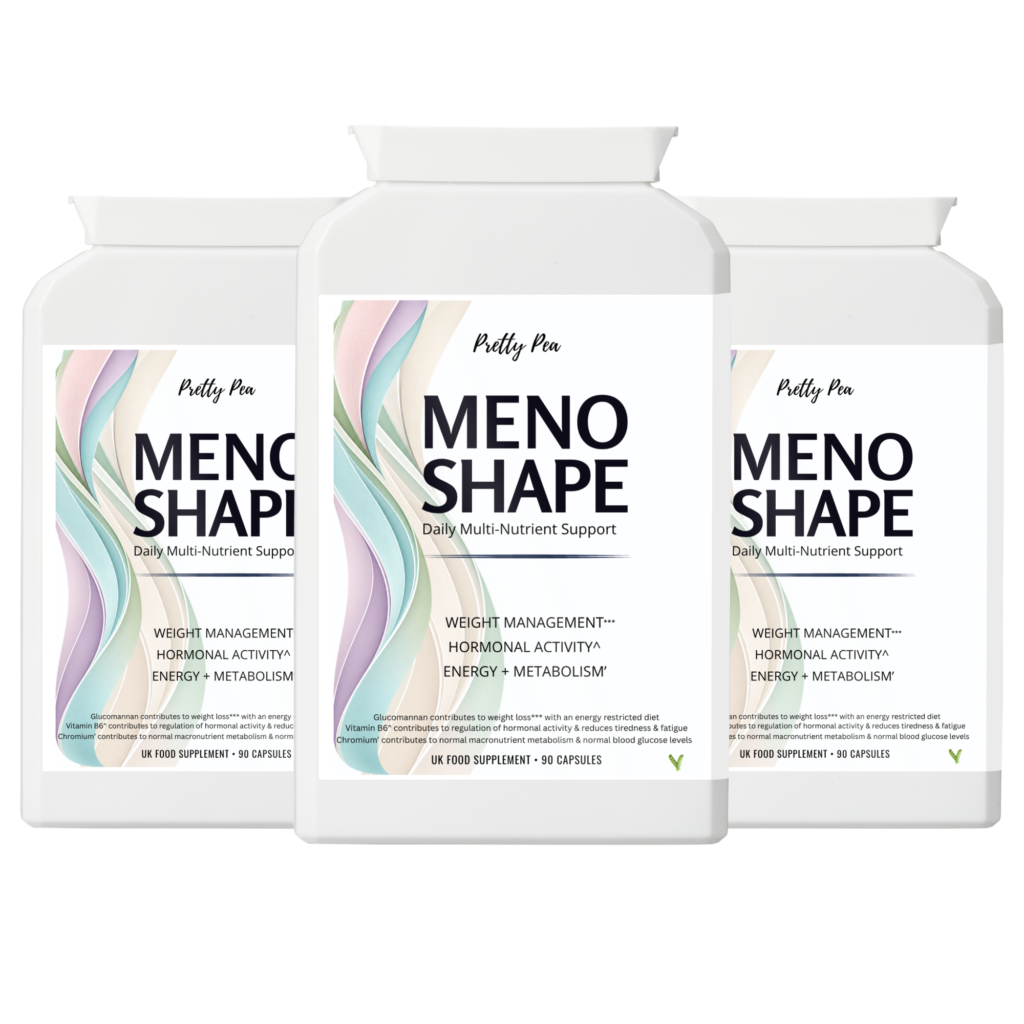
Menopause Supplement UK – Women’s Nutritional Support with Vitamins, Fibre & Botanicals
Original price was: £25.00.£19.99Current price is: £19.99. -
Menopause Supplement Bundle 3 for 2 Offer
Original price was: £77.97.£50.00Current price is: £50.00. -

-

-
-
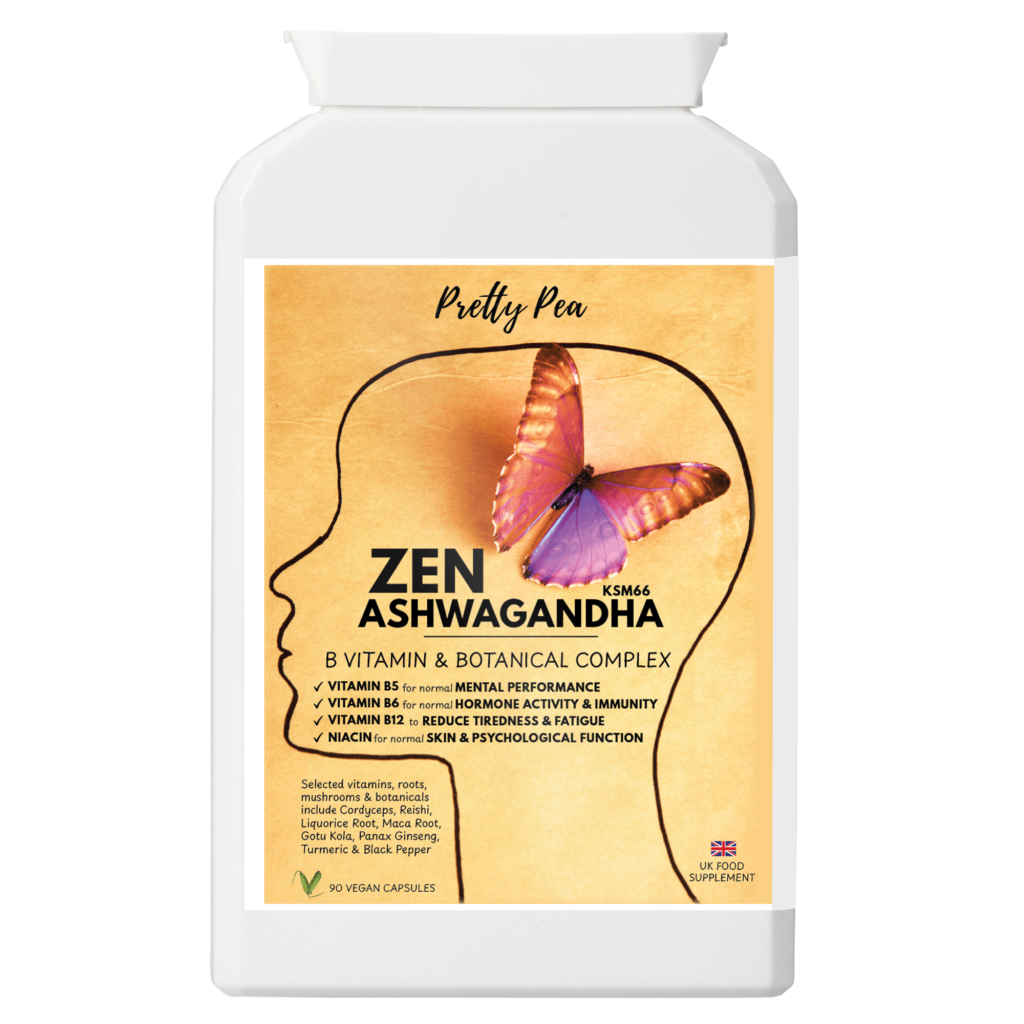
Ashwagandha Supplement plus B Vitamins
Original price was: £25.00.£19.99Current price is: £19.99.

Why Am Always Tired: Frequently Asked Questions
What foods give you energy quickly?
Foods for energy include fruit, bread, rice, oats and other carbohydrate-containing foods provide readily available fuel. For more sustained satisfaction, combine carbohydrate with protein, fibre or healthy fat—for example, a banana with yoghurt or wholegrain toast with eggs.
What foods help with tiredness and fatigue?
There is no single best food for energy. A varied diet containing protein, wholegrain carbohydrates, beans, fruit, vegetables, nuts, seeds and healthy fats is more useful than focusing on one ingredient. Particular foods only correct fatigue when the underlying problem relates to inadequate intake or deficiency.
Why am I always tired even after eight hours of sleep?
Possible explanations include poor sleep quality, repeated waking, sleep apnoea, stress, pain, menopause symptoms, alcohol, medication effects, iron deficiency, thyroid problems or another medical condition. Seek advice when this is persistent.
Does magnesium help with fatigue?
Magnesium contributes to normal energy-yielding metabolism and the reduction of tiredness and fatigue. Supplementation may help when intake is inadequate, but it is not a universal treatment for fatigue.
Does vitamin B12 give you energy?
Vitamin B12 is required for normal energy metabolism and red-blood-cell formation. Correcting a deficiency can improve deficiency-related fatigue, but taking extra B12 does not necessarily produce additional energy when your status is already adequate.
Should I take i take vitamin B12 if I am tired?
Vitamin B12 is required for normal energy metabolism and red-blood-cell formation. Correcting a deficiency can improve deficiency-related fatigue, but taking extra B12 does not necessarily produce additional energy when your status is already adequate.
Should I take iron if I am tired?
Not unless deficiency is suspected or confirmed, or a healthcare professional recommends it. Fatigue has many causes, and unnecessary iron can cause side effects and potentially be harmful.
Can menopause cause extreme fatigue?
Perimenopause and menopause can contribute through disrupted sleep, night sweats, mood changes and heavy periods. However, extreme or persistent fatigue should still be investigated rather than automatically attributed to hormones.
What is the best vitamin for tiredness?
There is no universal “best vitamin”. Iron, B12, folate, vitamin D and other nutrients may matter in particular circumstances, but the right choice depends on diet, symptoms, medication, health history and test results.
How can I improve energy without caffeine?
Eat enough, include balanced meals, hydrate regularly, move daily, get morning light, improve sleep routines and address medical or menopause symptoms that interrupt rest.
How long should fatigue last before seeing a GP?
Seek advice when fatigue has lasted several weeks, affects everyday life, is worsening or occurs with symptoms such as weight loss, breathlessness, palpitations, heavy bleeding, excessive thirst, numbness or loud snoring with disrupted breathing.
The Bottom Line
Fighting fatigue naturally is not about finding one miracle food or swallowing a long list of supplements.
It starts with the foundations:
- Enough food
- Regular balanced meals
- Adequate protein and fibre
- A varied, nutrient-rich diet
- Restorative sleep
- Appropriate movement
- Stress management
- Investigation of persistent symptoms
Supplements can help fill specific nutritional gaps, but they work best when chosen for a clear reason. If fatigue is persistent, severe or unexplained, seek medical advice before assuming that you simply need another vitamin.
Explore Pretty Pea’s science-informed supplements designed to complement a balanced diet and support women through midlife and beyond.
You may also be interested in:
The Menopause Diet 5 Day Plan to Lose Weight
Why Fibre Could Be the Secret to a Better Menopause
The 100 Symptoms of Perimenopause
Weird Perimenopause Symptoms: 25 Unusual Signs You Didn’t Expect
Hormone Imbalance in Women: Causes, Symptoms & How Hormones Work
What Is Insulin Resistance? Signs, Causes & What Helps – Pretty Pea
9 Benefits of Fibre: Why It’s Essential for Gut Health, Weight and Wellbeing
What Is Glucomannan? Benefits, Uses & Side Effects
GLP-1 Foods: The Ultimate List for Appetite Control, Fat Loss & Blood Sugar
Best Fibre Supplements for Women | Complete UK Fibre Supplement Guide
Your Gut Microbiome Is Talking to Your Brain — Are You Listening?
Appetite Regulation: How Fibre vs GLP-1 Compare
Glucomannan for Weight Loss: Does It Work and How Does It Compare to Medications?
What is the Highest Fibre Food
Why am I always tired: Sources
- NHS. Tiredness and fatigue.
- NHS. Self-help tips to fight tiredness.
- NHS. Eating a balanced diet.
- NHS. The Eatwell Guide.
- NHS. Iron deficiency anaemia.
- NHS. Vitamin B12 or folate deficiency anaemia.
- NHS. Vitamin B12 or folate deficiency anaemia: symptoms.
- NHS. Vitamin B12 or folate deficiency anaemia: complications.
- NHS. Underactive thyroid (hypothyroidism).
- NHS. Sleep apnoea.
- NICE. Menopause: identification and management, NG23.
- UK Government. Government Dietary Recommendations.
- Azzolino D, et al. Nutritional Status as a Mediator of Fatigue and Its Underlying Mechanisms in Older People. Nutrients. 2020.
