
Most women are told to expect hot flushes and irregular periods during perimenopause — but for many, the first symptoms are far less obvious. In reality, there are dozens of weird perimenopause symptoms that may impact the brain, nervous system, skin, and even the senses. Because they’re not widely discussed, these symptoms are often mistaken for stress, ageing, or unrelated health issues. Here we share 25 lesser known menopause and perimenopause symptoms.
What Causes Unusual & Weird Perimenopause Symptoms
Perimenopause isn’t just a reproductive transition — it’s a whole-body hormonal transition that can affect far more than your menstrual cycle.
Many of the more unusual symptoms experienced during perimenopause may be linked to fluctuating levels of oestrogen and progesterone. These hormones influence several systems throughout the body, including the brain, nervous system, skin, joints and temperature regulation.
As hormone levels rise and fall unpredictably, some women notice unexpected physical and emotional changes that they wouldn’t immediately associate with perimenopause. However, not every unusual symptom is necessarily caused by hormonal changes, and the scientific evidence is stronger for some symptoms than others.
Oestrogen interacts with multiple systems in the body, including:
- The central nervous system (mood, cognition, sensory processing)
- The autonomic nervous system (heart rate, temperature, stress response)
- The immune system (inflammation, allergies)
- The skin and connective tissue (collagen, hydration)
Because oestrogen receptors are widely distributed throughout the body, even small hormonal shifts can trigger unexpected neurological and sensory symptoms.
Neuroendocrine research shows that oestrogen helps regulate brain energy metabolism, neurotransmitters, and synaptic function, which explains why symptoms can feel neurological rather than hormonal (Brinton, 2013).
Read: Early Signs of Perimenopause in Your 40s: What to Look For
25 Weird Perimenopause Symptoms
Neurological & Sensory Symptoms
1. Brain fog
Brain fog is one of the most commonly reported yet least understood symptoms. It can include difficulty concentrating, forgetfulness, and slower mental processing.
Oestrogen plays a role in glucose metabolism in the brain, which affects cognitive performance. Fluctuations may temporarily reduce efficiency in brain energy use, leading to these symptoms.
2. Tingling sensations
Unexpected pins and needles, prickling or numb sensations in the hands, feet or other areas of the body can be unsettling. Some women report these sensations during perimenopause, although the precise relationship with hormonal changes remains unclear. Tingling can also be associated with vitamin deficiencies, nerve compression and other medical conditions, so new or persistent symptoms shouldn’t automatically be attributed to menopause.
3. Electric shock sensations
Some women describe brief, sudden sensations resembling tiny electric shocks or zaps, sometimes affecting the head, limbs or other parts of the body. These unusual sensations are occasionally reported during perimenopause, although scientific evidence directly linking them to hormonal fluctuations is limited. Similar sensations can have neurological or medication-related causes, making persistent or recurring symptoms worth discussing with a healthcare professional.
4. Dizziness
Feeling unexpectedly lightheaded, unsteady or slightly off balance can be particularly unsettling. Dizziness is sometimes experienced during perimenopause and may occur alongside hot flushes, anxiety or sleep disturbances. However, dizziness has many possible causes, including dehydration, low blood pressure, inner ear conditions and medication effects. Recurrent or unexplained dizziness should be investigated.
5. Worsening Headaches or Migraines
Have you suddenly started experiencing more frequent headaches or migraines that seem different from those you’ve had before? Fluctuating oestrogen levels during perimenopause can trigger headaches or make existing migraines more frequent or severe. Some women notice a connection with their menstrual cycle, while others experience headaches at unexpected times. Sleep disturbances and stress may also contribute.
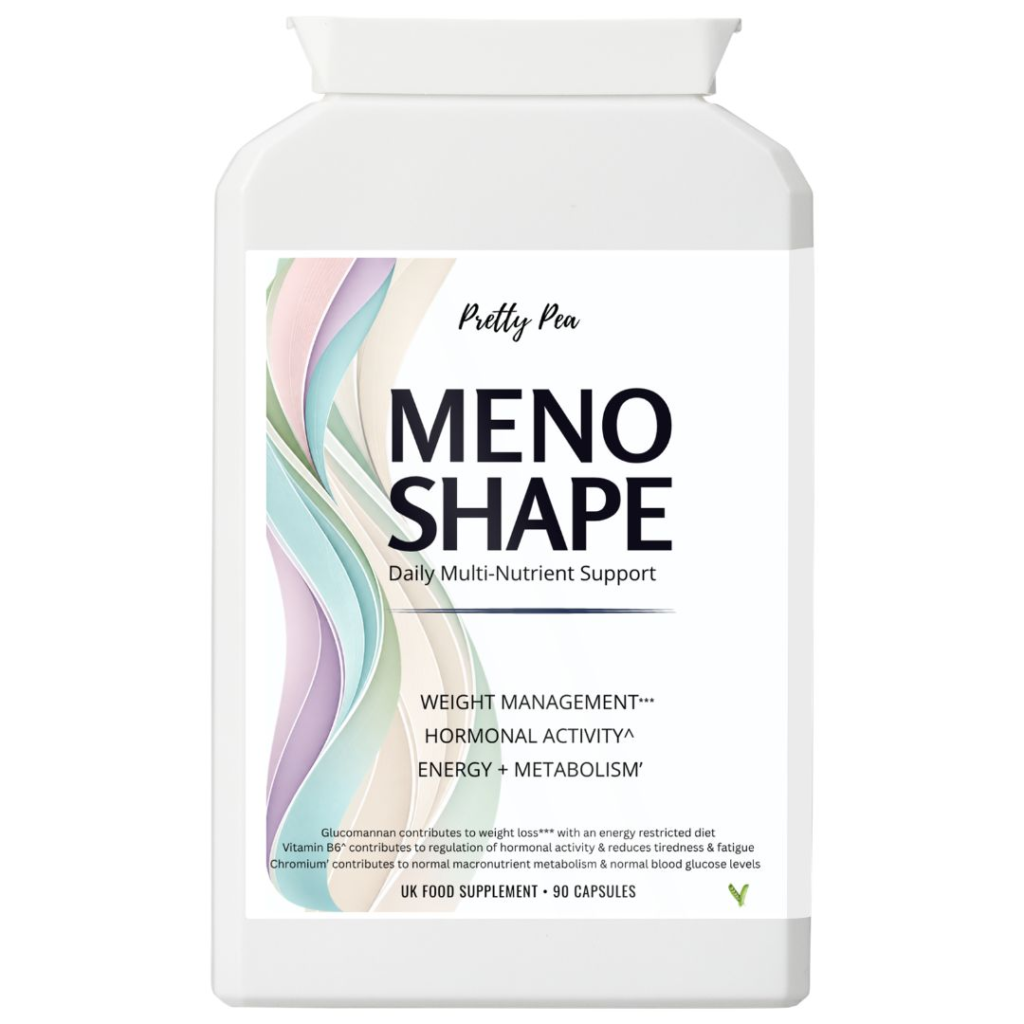
Menopause Supplement UK – Women’s Nutritional Support with Vitamins, Fibre & Botanicals
Mouth, Taste & Sensory Changes
6. Burning mouth syndrome
This can feel like a tingling, burning, or scalding sensation affecting the tongue, lips, or entire mouth.
It is thought to be linked to:
- Nerve sensitivity changes
- Reduced saliva production
- Hormonal effects on oral tissues
Although not widely discussed, it is recognised as a potential menopausal symptom in clinical literature.
7. Changes in taste
Have you suddenly noticed that your favourite foods taste different? Some women report metallic, bitter or unusual tastes around menopause. Hormonal changes may play a part in oral and sensory changes, although the connection isn’t fully understood. Changes in taste can also be linked to dental problems, medications or other health conditions, so persistent symptoms are worth investigating.
8. Dry mouth
Reduced saliva production.
Ear & Hearing Symptoms
9. Tinnitus – Ringing or Buzzing in the Ears
Tinnitus can cause ringing, buzzing, humming or whooshing sounds when there’s no external noise. Some women report noticing tinnitus for the first time, or finding that existing symptoms become more noticeable, during perimenopause.
Hormonal changes have been investigated as a possible influence on hearing and auditory sensitivity, although a direct connection isn’t firmly established. Tinnitus can also be associated with hearing loss, certain medications or ear conditions. Persistent or worsening tinnitus should be assessed by a GP
10. Ear pressure
Some women describe a strange feeling of fullness, pressure or blockage in their ears during midlife. Although ear-related changes are sometimes reported around menopause, there is limited evidence that hormonal fluctuations directly cause ear pressure. More common explanations include earwax, infections or problems with pressure regulation in the middle ear. Persistent symptoms, particularly with hearing changes, should be checked.
Dental & Oral Changes
11. Gum sensitivity
Increased bleeding or soreness.
12. Tooth discomfort
Heightened sensitivity without dental issues.
Skin, Hair & Body Changes
13. Itchy skin
Often without visible rash.
14. Crawling skin sensation
Itchy or crawling skin
This sensation, sometimes described as “formication,” can feel like insects moving on the skin.
It may be linked to:
- Declining collagen levels
- Reduced skin hydration
- Changes in nerve sensitivity
Oestrogen supports skin structure and hydration, so fluctuations can affect both the physical and sensory experience of the skin.
15. Sudden acne
Thought you’d left teenage breakouts behind? Unfortunately, spots and blemishes can reappear during midlife. Changes in the balance of reproductive hormones may contribute to increased oil production and adult acne, particularly around the chin and jawline. However, hormonal changes aren’t the only possible cause, and skincare products, stress and other factors can also contribute.
16. Dry eyes
Irritation or discomfort.
Cardiovascular & Physical Symptoms
17. Heart palpitations
Have you ever been sitting quietly when your heart suddenly starts racing, pounding or fluttering? Palpitations are a recognised symptom of perimenopause and may be associated with hormonal changes, hot flushes or anxiety. They can feel alarming, even when harmless.
However, palpitations can also have other causes, including thyroid disorders, anaemia or heart rhythm problems. Frequent or worsening episodes should be assessed, while palpitations accompanied by chest pain, breathlessness or faintness require emergency medical attention.
18. Cold sensitivity
While hot flushes are widely associated with menopause, some women also notice episodes of feeling unusually cold or experiencing chills. These sensations may sometimes accompany hot flushes or changes in temperature regulation. However, persistent cold intolerance isn’t a specific sign of perimenopause and can have other explanations, including thyroid problems or anaemia.
19. Sudden Urinary Urgency
Do you suddenly find yourself needing the toilet more frequently, even when you haven’t been drinking more than usual? Changes in oestrogen levels during perimenopause can affect the bladder and urinary tissues, sometimes contributing to increased urgency, frequency or bladder sensitivity. These changes may occur even without a urinary infection. However, symptoms such as burning, pain or blood in the urine should be medically assessed.
Emotional & Psychological Symptoms
20. Sudden anxiety
Even without obvious triggers.
21. Feeling “not like yourself”
Perhaps one of the hardest perimenopause symptoms to explain is the feeling that you’re simply not yourself anymore. You might feel less confident, more emotional, easily overwhelmed or unusually sensitive to situations you previously handled comfortably. Changes in sleep, mood and the challenges of midlife can all contribute to this experience. If these feelings persist or affect daily life, support and effective treatment options are available.
22. Irritability
Lower tolerance for stress.
Other Unexpected or Weird Perimenopause Symptoms
23. Digestive changes
Bloating or altered digestion.
24. Increased allergies
Have you noticed that your skin, nose or eyes seem more sensitive than usual? Some women report changes in allergy-like symptoms during perimenopause.
Oestrogen interacts with the immune system, but research hasn’t established that perimenopause directly causes new allergies or worsens existing ones. Seasonal allergens, environmental irritants and other conditions may also explain these changes.
25. Changes in body odour
Noticing that your usual deodorant doesn’t seem quite as effective? Changes in sweating, including those associated with hot flushes and night sweats, may affect body odour during perimenopause.
Sweat interacting with bacteria on the skin can produce a different or stronger smell. However, changes in body odour can also be influenced by diet, medication, hygiene and other health factors.
Menopause Supplement UK – Women’s Nutritional Support with Vitamins, Fibre & Botanicals
Can Weird Perimenopause Symptoms Start Before Your Periods Change?
For some women, the first clues of perimenopause aren’t hot flushes or missed periods. They might be unexpected changes in sleep, concentration, mood or physical wellbeing.
You could suddenly feel more anxious than usual, wake up several times during the night, or experience unusual sensations that seem to appear without explanation.
During perimenopause, hormone levels don’t simply decline in a straight line. Oestrogen and progesterone can fluctuate considerably, sometimes producing symptoms that change throughout the month.
This can make recognising perimenopause difficult, particularly if your menstrual cycle still appears relatively regular.
However, unusual symptoms alone don’t confirm perimenopause, and other possible causes should always be considered.
Why Do Weird Perimenopause Symptoms Come and Go?
One of the most frustrating things about perimenopause is how unpredictable it can feel.
You might experience several days of poor sleep, headaches or anxiety, followed by a week when you feel completely normal. Then, seemingly without warning, those symptoms return.
Changing hormone levels may contribute to this unpredictability, but sleep quality, stress, medication and other health conditions can also influence how you feel.
Not everyone experiences the same symptoms, and there’s no fixed order in which they appear. Some women notice only a handful of changes, while others experience symptoms that significantly affect daily life.
Could It Be Perimenopause or Something Else?
It’s tempting to connect every new or unexplained symptom to perimenopause, particularly in your 40s. However, many symptoms overlap with other health conditions.
For example, persistent tiredness, cold sensitivity, dizziness or palpitations may also be associated with thyroid problems, iron deficiency or other medical conditions. Tingling sensations can have several causes, including vitamin deficiencies or nerve problems.
In women aged 45 and over, perimenopause can often be identified through symptoms and menstrual history without routine hormone testing. However, other investigations may be appropriate depending on the symptoms.
The important thing is not to dismiss new or persistent changes simply because you’re approaching menopause.
What Can Help With Unusual & Weird Perimenopause Symptoms?
Although there isn’t one solution for every symptom, some practical changes may help support your wellbeing during this stage of life.
Track your symptoms. Keep a simple diary of what you’re experiencing, when it happens, your menstrual cycle, sleep patterns and anything that seems to make symptoms better or worse. This can help identify patterns and provide useful information for your GP.
Prioritise sleep. Poor sleep can make difficulties with concentration, mood and fatigue feel considerably worse. Maintaining a regular bedtime and reducing late-evening caffeine may help.
Keep moving. Regular physical activity supports cardiovascular health, bone strength, sleep and mental wellbeing. Even daily walking can be a useful starting point.
Pay attention to nutrition. A varied diet containing fibre-rich foods, protein, calcium and other essential nutrients supports general health throughout perimenopause.
Explore treatment options. If symptoms are affecting your quality of life, speak to a healthcare professional about available treatments. HRT can help manage several established menopausal symptoms, while other treatments may be more appropriate for particular concerns. Not every unusual symptom will necessarily respond to HRT.
When Should You Seek Medical Advice?
While some symptoms can be associated with perimenopause, it’s important not to assume that every unexplained change is hormonal.
Speak to your GP if symptoms are new, persistent, worsening or affecting your daily life. This is particularly important for ongoing dizziness, recurrent palpitations, unusual sensory changes or unexplained bleeding.
New breathlessness should be medically assessed rather than attributed to menopause. Call 999 if you experience persistent palpitations together with chest pain, shortness of breath or fainting.
Your GP can help determine whether symptoms may be related to perimenopause, another health condition or a combination of factors.
Remember: You don’t need to wait until symptoms become severe before asking for advice.Are These Symptoms Normal?
Yes — while these symptoms can feel unusual, they are commonly reported during perimenopause.
Large studies, including the Study of Women’s Health Across the Nation (SWAN), show that many women experience non-traditional symptoms during hormonal transition (Avis et al., 2001).
Common vs Weird Perimenopause Symptoms
Common Symptoms
- Hot flushes
- Night sweats
- Irregular periods
- Mood swings
Weird (Less Known) Symptoms
- Tingling or electric sensations
- Burning mouth
- Tinnitus
- Crawling skin
- Changes in taste or smell
Why Weird Perimenopause Symptoms Are Often Missed
Weird perimenopause symptoms are often overlooked because:
- They don’t match common expectations
- They can appear before menstrual changes
- They mimic other conditions
This can lead to delays in recognising the role of hormones.
What Research Says About Unusual & Weird Perimenopause Symptoms
Large observational studies show that perimenopause symptoms extend far beyond reproductive changes.
The SWAN study (Study of Women’s Health Across the Nation) found that women frequently report psychological, neurological, and physical symptoms during midlife hormonal transition (Avis et al., 2001).
Additionally, research highlights the role of oestrogen in regulating brain function, sensory processing, and systemic inflammation, supporting the wide range of symptoms observed (Brinton, 2013).
Weird Perimenopause Symptoms: When Should You Seek Advice?
You should consider speaking to a healthcare professional if:
- Symptoms are persistent
- They impact your daily life
- You’re unsure of the cause
Related: Weird Perimenopause Symptoms: Full Symptom List
You can explore the complete breakdown in this guide to the 100 symptoms of perimenopause
The Menopause Diet 5 Day Plan to Lose Weight
Why Fibre Could Be the Secret to a Better Menopause
Menopause Weight Changes Explained
Best Menopause Supplements UK (2026)
FAQ: Weird Perimenopause Symptoms
Can perimenopause mimic other health conditions?
Yes. Symptoms can resemble anxiety disorders, thyroid issues, or neurological conditions, which is why they are sometimes misdiagnosed.
What are weird perimenopause symptoms?
Weird perimenopause symptoms include unusual or unexpected changes such as tinnitus, burning mouth, tingling sensations, and brain fog, caused by hormonal fluctuations.
Can perimenopause cause strange neurological symptoms?
Yes. Hormonal fluctuations can affect brain function and the nervous system, leading to symptoms such as brain fog, dizziness, tingling sensations, and sensory sensitivity.
Why do I feel like something is wrong but tests are normal?
Hormone levels can fluctuate considerably during perimenopause, which means a single blood test may not give a clear picture of what’s happening. In women aged 45 and over, perimenopause is usually identified through symptoms and menstrual history rather than routine hormone testing. However, normal test results don’t automatically mean symptoms are hormonal, and further investigation may be appropriate.
Can perimenopause affect your senses?
Yes. Changes in taste, smell, hearing, and skin sensitivity are all reported during perimenopause.
Are these symptoms permanent?
No. Symptoms often fluctuate and may improve as hormone levels stabilise.
Can You Have Perimenopause Symptoms Even If Your Periods Are Regular?
Yes. Some women notice changes in sleep, mood, concentration or physical wellbeing before their periods become noticeably irregular. Hormonal fluctuations can begin during the transition towards menopause, although regular periods and unexplained symptoms alone don’t confirm perimenopause.
Can You Experience Perimenopause Without Hot Flushes?
Absolutely. Not every woman experiences hot flushes or night sweats. For some, the most noticeable changes involve anxiety, brain fog, disrupted sleep, headaches or joint discomfort. Perimenopause affects everyone differently, and there’s no fixed combination of symptoms that every woman will experience.
Why Do Perimenopause Symptoms Suddenly Appear and Disappear?
One of the most confusing aspects of perimenopause is how unpredictable symptoms can feel. Fluctuating hormone levels may contribute to changes in mood, sleep and temperature regulation. You might feel perfectly normal for several weeks before symptoms return. Stress, poor sleep and other health factors can also influence these patterns.
At What Age Do Unusual Perimenopause Symptoms Start?
Perimenopause most commonly begins during the 40s, although the timing varies considerably. Some women experience symptoms earlier, while others notice few changes until their late 40s or early 50s. Symptoms suggesting menopause before age 45 should be discussed with a GP, as earlier menopause may require additional assessment and support.
Does HRT Help With Unusual Perimenopause Symptoms?
Hormone replacement therapy (HRT) can help manage several recognised perimenopause symptoms, including hot flushes, night sweats and some sleep or mood difficulties associated with menopause. However, there’s less evidence that HRT directly improves symptoms such as tinnitus, electric shock sensations or unusual taste changes. Treatment should be tailored to individual symptoms and medical history.
How Long Do Strange Perimenopause Symptoms Last?
There’s no fixed timeline. Some symptoms last only a few weeks or months, while others may continue for several years. Symptoms can also change throughout perimenopause, with some improving and others becoming more noticeable. Certain menopausal symptoms may persist after periods have stopped, so it’s important not to assume they’ll all disappear immediately after menopause.
See Supplements
-
Menopause Supplement UK – Women’s Nutritional Support with Vitamins, Fibre & Botanicals
Original price was: £25.00.£19.99Current price is: £19.99. -
Menopause Supplement Bundle 3 for 2 Offer
Original price was: £77.97.£50.00Current price is: £50.00. -

-

-
-
Ashwagandha Supplement plus B Vitamins
Original price was: £25.00.£19.99Current price is: £19.99.



Related Weird Perimenopause Symptoms Reading:
Hormone Imbalance in Women: Causes, Symptoms & How Hormones Work
Bloating Isn’t Just “Too Much Gas”: The Real Causes of Bloating (and What Actually Helps)
Understanding Visceral Fat: The Ultimate Belly Fat Guide
Everything Psyllium How To Use: A Comprehensive Guide on How to Use It for Maximum Health Benefits
Can You Use Psyllium Husk for Weight Loss?
Weird Perimenopause Symptoms – References
- Brinton RD. (2013). Estrogen regulation of brain metabolism
- Avis NE et al. (2001). SWAN study
- National Health Service – Menopause overview
- British Menopause Society
- https://www.nhs.uk/conditions/menopause-and-perimenopause/symptoms/
- https://www.nhs.uk/symptoms/heart-palpitations
- https://www.nhs.uk/conditions/tinnitus/
- https://www.nhs.uk/conditions/menopause-and-perimenopause/symptoms/
- https://www.nice.org.uk/guidance/ng23/chapter/Recommendations
- https://www.cuh.nhs.uk/patient-information/burning-mouth-syndrome/
- Recommendations | Menopause: identification and management | Guidance | NICE
