
Psyllium husk has become one of the most popular fibre supplements — but what actually makes it different from other types of fibre?
Also known as ispaghula husk, psyllium is a plant-derived fibre made from the outer coating of the seeds of Plantago ovata. When mixed with water, the husk rapidly absorbs liquid and forms a thick, gel-like substance.
It is this ability to form a gel — rather than simply the fact that it contains fibre — that explains many of psyllium’s interesting properties.
Psyllium is commonly used to increase dietary fibre intake and support bowel regularity. Research has also investigated its effects on fullness, cholesterol levels and the glucose response to meals.
And unlike highly fermentable fibres such as inulin, psyllium is relatively resistant to fermentation by gut bacteria. This means different fibres can behave very differently once they reach the digestive system.
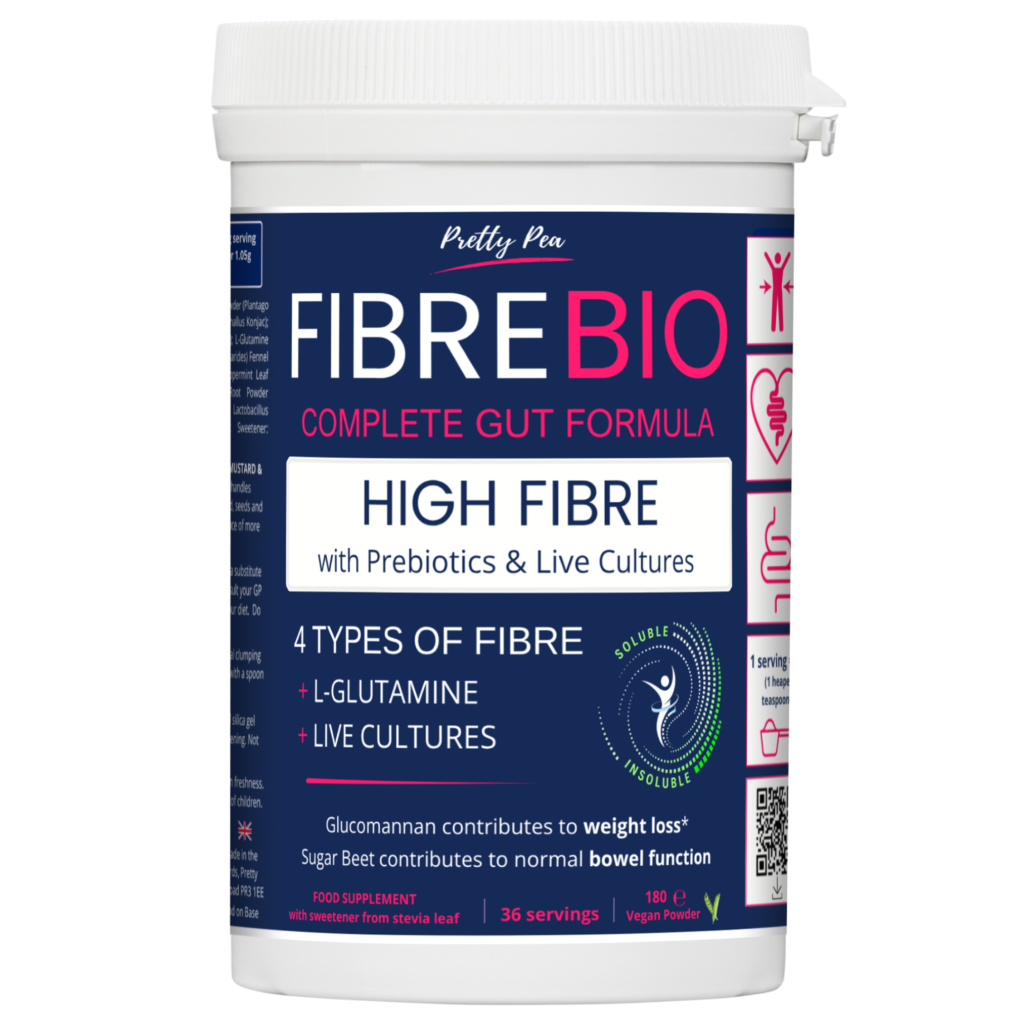
FIBREBIO Psyllium Husk Powder | High Fibre Supplement
Why FIBREBIO?
- High-fibre, diverse multi-fibre formula
- Psyllium husk + glucomannan
- Prebiotics + live cultures
- Sugar beet fibre contributes to an increase in faecal bulk*
- Glucomannan contributes to weight loss in the context of an energy-restricted diet*
- 36 servings | Vegan | UK made
This guide explains:
- what psyllium husk is
- how psyllium works
- psyllium husk benefits
- psyllium for constipation and bowel regularity
- whether psyllium helps you feel fuller
- psyllium and weight loss
- psyllium and gut bacteria
- psyllium vs glucomannan
- psyllium vs inulin
- soluble vs insoluble fibre
- how much psyllium to take
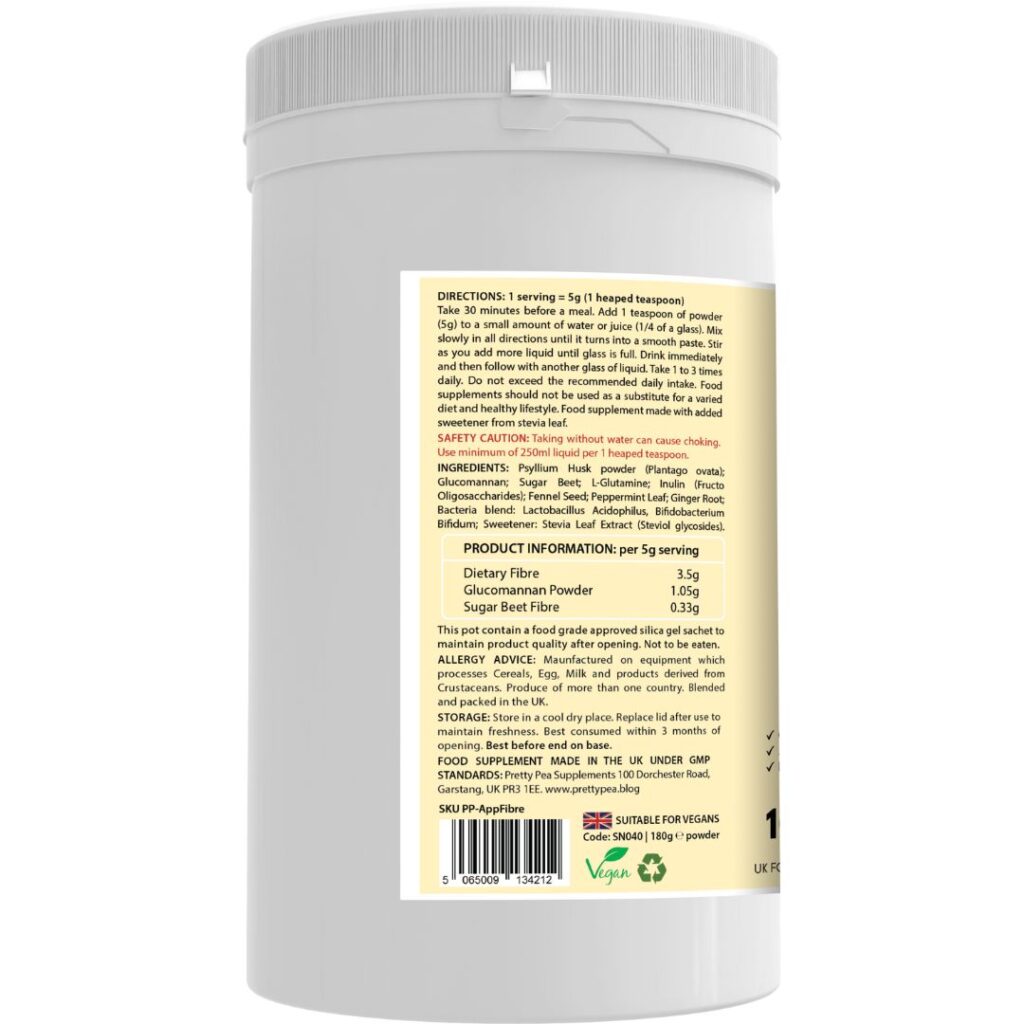
- how to take psyllium safely
- possible side effects
- frequently asked questions about psyllium
Psyllium Husk at a Glance
| Psyllium | |
|---|---|
| Also called | Ispaghula husk |
| Plant source | Plantago ovata |
| Type of fibre | Mainly soluble, viscous, gel-forming fibre |
| What happens in water? | Swells and forms a thick gel |
| Highly fermented? | No — relatively resistant to fermentation |
| Common use | Increasing fibre and supporting bowel regularity |
| May affect fullness? | Yes |
| Studied for cholesterol? | Yes |
| Needs water? | Absolutely |
Psyllium is also frequently known online using the US spelling psyllium fiber.
What Is Psyllium Husk?
Psyllium (ispaghula husk) comes from plants in the Plantago genus, with commercial psyllium supplements usually produced from Plantago ovata.
The husk is the outer coating surrounding the seed.
It contains a high concentration of mucilage — plant compounds capable of absorbing large amounts of water.
When psyllium husk comes into contact with liquid it:
absorbs water → swells → thickens → forms a viscous gel
This physical transformation is important.
Many of psyllium’s effects are associated with what happens when this hydrated fibre moves through the digestive tract.
The European Medicines Agency recognises ispaghula husk (Plantago ovata) as a bulk-forming substance used for habitual constipation.
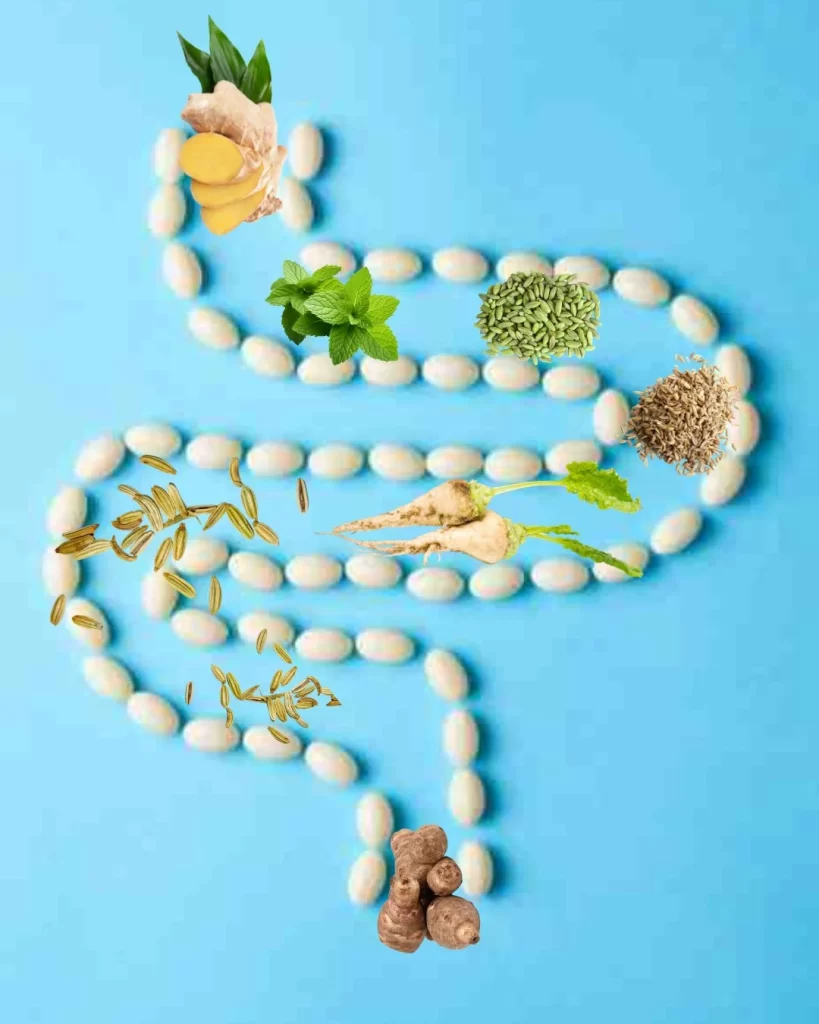
Fibre Powder
Psyllium Husk vs Psyllium Powder: What’s the Difference?
You may see products labelled:
- psyllium husk
- whole psyllium husk
- psyllium husk powder
- ispaghula husk
- ispaghula powder
- psyllium fibre
They generally originate from the same part of the plant.
The main difference is particle size.
Whole psyllium husks consist of larger flakes, whereas psyllium husk powder has been ground more finely.
Finely ground powder can hydrate quickly, which is why psyllium drinks should normally be consumed soon after mixing rather than left sitting until they become extremely thick.
Always follow the directions provided with the particular product you are using.
FIBREBIO Psyllium Husk Powder | High Fibre Supplement
Why FIBREBIO?
- High-fibre, diverse multi-fibre formula
- Psyllium husk + glucomannan
- Prebiotics + live cultures
- Sugar beet fibre contributes to an increase in faecal bulk*
- Glucomannan contributes to weight loss in the context of an energy-restricted diet*
- 36 servings | Vegan | UK made
Why Is Psyllium Different From Other Fibre?
One of the biggest mistakes when talking about fibre is treating every type of fibre as though it does the same thing.
It doesn’t.
Fibres differ in several important ways:
- whether they dissolve in water
- whether they form a gel
- how viscous that gel becomes
- how much water they retain
- whether gut bacteria ferment them
- where in the digestive tract they exert their effects
Psyllium is particularly interesting because it is a viscous, gel-forming soluble fibre that largely retains its physical structure as it moves through the bowel.
Researchers studying fibre supplements have found that viscosity is particularly important for some of the physiological effects associated with fibres such as psyllium.
In other words:
Fibre isn’t just about grams. The type of fibre matters too.
What Happens When You Mix Psyllium With Water?
This is probably the easiest way to understand how psyllium works.
Place dry psyllium husk in water and it begins absorbing the liquid almost immediately.
The mixture becomes progressively thicker and more gel-like.
Inside the digestive system, hydrated psyllium also holds onto water.
That gel-forming ability helps explain why psyllium can influence stool consistency, while its viscosity may also alter how quickly nutrients come into contact with the intestinal surface.
The basic process
Dry psyllium
↓
Water is added
↓
Psyllium hydrates
↓
Volume increases
↓
A viscous gel forms
↓
The hydrated fibre travels through the digestive tract
This is also why psyllium should never be swallowed dry.
FIBREBIO Psyllium Husk Powder | High Fibre Supplement
Why FIBREBIO?
- High-fibre, diverse multi-fibre formula
- Psyllium husk + glucomannan
- Prebiotics + live cultures
- Sugar beet fibre contributes to an increase in faecal bulk*
- Glucomannan contributes to weight loss in the context of an energy-restricted diet*
- 36 servings | Vegan | UK made
1. Psyllium Can Help Increase Your Daily Fibre Intake
UK adults are advised to consume around 30g of fibre every day.
Yet the latest National Diet and Nutrition Survey data found that around 96% of adults failed to meet the recommended fibre intake.
Ideally, most fibre should come from a varied diet containing foods such as:
- vegetables
- fruit
- beans
- lentils
- peas
- whole grains
- oats
- nuts
- seeds
But fibre supplements can provide an additional concentrated source when dietary intake is falling short.
Psyllium is therefore best thought of as one way of increasing fibre intake — not a substitute for eating a varied plant-rich diet.
2. Psyllium for Constipation and Bowel Regularity
This is one of the best-established uses of psyllium.
In the UK, ispaghula husk is used as a bulk-forming laxative.
When psyllium absorbs water, it increases the water content and volume of stool. This can make hard stool softer and easier to pass.
NICE guidance includes ispaghula among bulk-forming treatments used for constipation, while the NHS explains that ispaghula works by bulking stool with fluid so it becomes softer.
Psyllium + water
Psyllium absorbs fluid
↓
Stool retains more water
↓
Stool volume increases
↓
Stool becomes softer and easier to move
This is one reason psyllium is sometimes described as a bowel-regulating fibre rather than simply a laxative.
Its water-holding properties can help produce a softer, more formed stool rather than simply stimulating bowel contractions.
How Quickly Does Psyllium Work for Constipation?
Psyllium is not usually an immediate laxative.
The NHS advises that ispaghula products such as Fybogel generally take around two to three days to work.
That makes psyllium very different from stimulant laxatives such as senna or bisacodyl, which work by stimulating intestinal movement and may act more quickly.
Psyllium’s action is predominantly physical and water-dependent.
3. Psyllium May Help You Feel Fuller
One reason psyllium frequently appears in discussions about weight management is its ability to absorb water and increase viscosity.
Once hydrated, psyllium occupies more volume than the dry powder.
Controlled human studies have investigated whether this translates into greater feelings of fullness.
In one randomised crossover study, psyllium taken before meals reduced reported hunger and desire to eat while increasing feelings of fullness compared with placebo.
That does not mean psyllium works as a pharmaceutical appetite suppressant.
A better way to describe it is:
Psyllium + water → increased volume and viscosity → greater meal-related fullness in some people
This makes psyllium an interesting fibre for people looking at the relationship between:
- fibre and fullness
- fibre and hunger
- fibre and satiety
- high-fibre diets and weight management
Read here to compare fibre and GLP-1 appetite regulation
FIBREBIO Psyllium Husk Powder | High Fibre Supplement
Why FIBREBIO?
- High-fibre, diverse multi-fibre formula
- Psyllium husk + glucomannan
- Prebiotics + live cultures
- Sugar beet fibre contributes to an increase in faecal bulk*
- Glucomannan contributes to weight loss in the context of an energy-restricted diet*
- 36 servings | Vegan | UK made
4. Does Psyllium Help With Weight Loss?
This needs a more nuanced answer.
Psyllium may help with fullness.
But:
Greater fullness does not automatically equal significant weight loss.
Studies examining psyllium and body weight have produced mixed results.
A systematic review and dose-response meta-analysis of randomised controlled trials found no significant overall reduction in body weight, BMI or waist circumference from psyllium supplementation.
Other analyses and individual trials have reported modest changes under certain conditions.
The most sensible conclusion is therefore:
Psyllium may be useful as part of a higher-fibre approach to weight management because it can increase fullness, but it should not be viewed as a stand-alone weight-loss solution.
Weight management still depends on the wider dietary pattern, energy intake, physical activity, sleep, muscle mass and numerous other factors.
Psyllium vs Glucomannan for Weight Management
Psyllium and glucomannan are often grouped together because both are water-absorbing soluble fibres.
But they are not identical.
| Psyllium | Glucomannan | |
|---|---|---|
| Source | Plantago ovata husk | Konjac root |
| Soluble | Yes | Yes |
| Forms a gel | Yes | Yes |
| Water absorbing | High | Very high |
| Fermentation | Relatively low | More fermentable |
| Fullness research | Yes | Yes |
Glucomannan has also been specifically assessed in relation to body weight, although—as with many fibre interventions—results across studies are not completely consistent.
The key similarity is that both fibres work partly through their physical interaction with water.
The key difference is that they are different plant fibres with different chemical structures and fermentation characteristics.
Which is better: psyllium or glucomannan?
That depends on the reason you are taking fibre.
For general bowel regularity, psyllium has extensive clinical use.
For a fibre formula designed around fullness and weight management, glucomannan is often used because of its exceptionally high water-binding capacity.
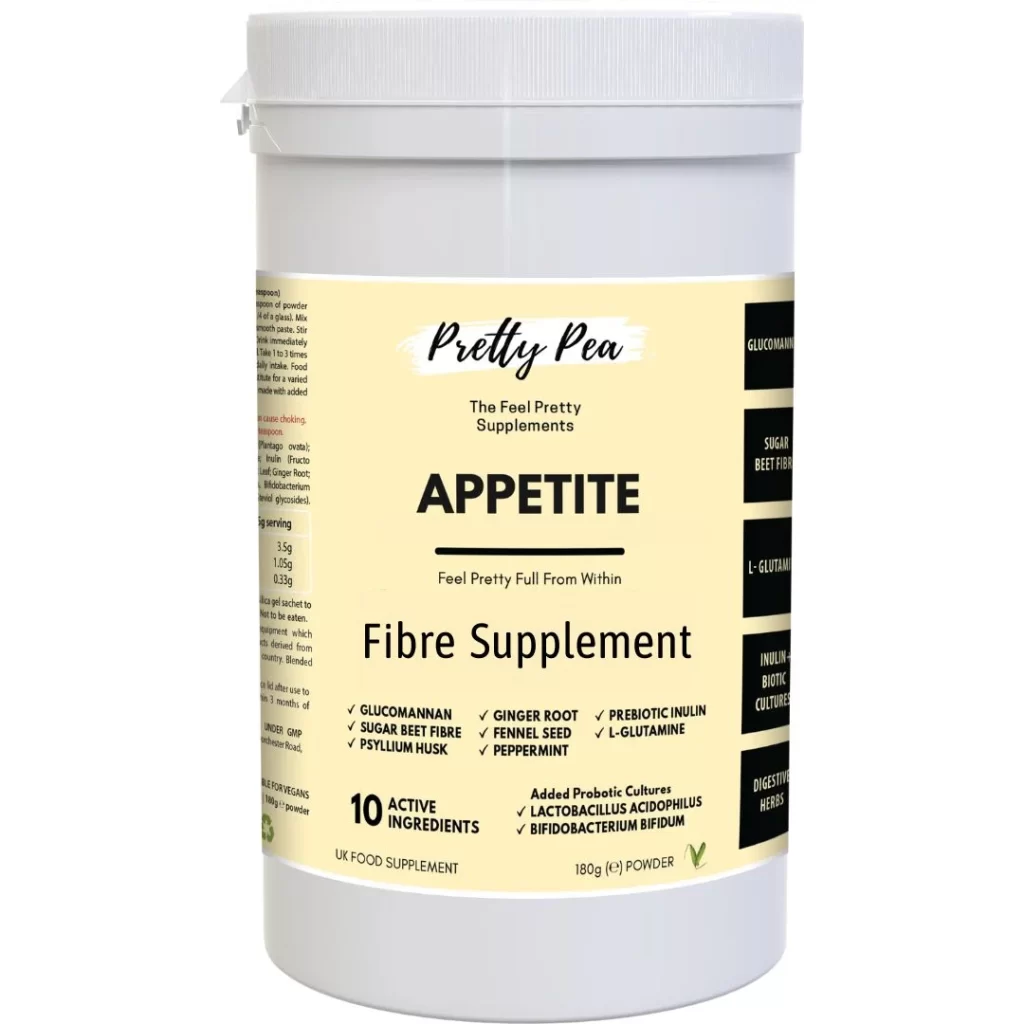
Some supplements combine several fibre types rather than relying on just one, such as Pretty Pea FibreBio.
FIBREBIO Psyllium Husk Powder | High Fibre Supplement
Why FIBREBIO?
- High-fibre, diverse multi-fibre formula
- Psyllium husk + glucomannan
- Prebiotics + live cultures
- Sugar beet fibre contributes to an increase in faecal bulk*
- Glucomannan contributes to weight loss in the context of an energy-restricted diet*
- 36 servings | Vegan | UK made
Read here for more on Glucomannan and weight loss
5. Psyllium and Cholesterol
Psyllium is also one of the more extensively researched fibre supplements in relation to blood lipids.
A systematic review and meta-analysis of 28 randomised controlled trials involving around 1,900 participants found that a median psyllium intake of approximately 10.2g per day reduced LDL cholesterol compared with control.
The pooled reduction in LDL cholesterol was approximately 0.33 mmol/L.
Researchers believe viscosity plays an important role.
One proposed mechanism is that the gel formed by psyllium interferes with the normal reabsorption of bile acids in the intestine. The body then needs to use more cholesterol to produce replacement bile acids.
This doesn’t mean a psyllium supplement should replace prescribed cholesterol medication.
Anyone who has high cholesterol or cardiovascular disease should follow the treatment plan recommended by their healthcare professional.
6. Psyllium and Blood Sugar
Viscous fibres may also alter the speed at which nutrients move through and are absorbed from the digestive tract.
A meta-analysis of 35 randomised controlled studies found that psyllium’s effects on glycaemic control varied depending on a person’s starting glucose control.
The largest effects were seen among people already being treated for type 2 diabetes, while little effect was seen in people with normal blood glucose regulation.
A more recent systematic review also reported reductions in fasting glucose and HbA1c across included studies, although results and study populations varied.
This is important because it means claims such as “psyllium balances everyone’s blood sugar” are far too simplistic.
If you take insulin or diabetes medication, speak to your doctor or pharmacist before substantially increasing psyllium intake because changes in fibre intake can affect medication requirements and absorption.
7. Is Psyllium Good for Gut Health?
Psyllium can certainly influence the gut environment, but it works differently from classic prebiotic fibres such as inulin.
Psyllium is comparatively resistant to fermentation.
Inulin, by contrast, is rapidly fermented by gut bacteria.
That means psyllium’s main actions are largely linked to:
- water retention
- gel formation
- stool consistency
- intestinal viscosity
rather than large-scale fermentation.
Human research has nevertheless shown that taking psyllium can alter the intestinal microbiota, particularly in people with constipation.
So it is reasonable to say that psyllium interacts with the gut ecosystem, but it should not simply be described as interchangeable with a highly fermentable prebiotic.
Psyllium vs Inulin
This is an important distinction.
Both psyllium and inulin are classified as soluble fibres, but their behaviour in the digestive system is very different.
| Psyllium | Inulin | |
|---|---|---|
| Soluble fibre | Yes | Yes |
| Gel-forming | Strongly | No |
| Highly viscous | Yes | No |
| Fermentation | Low | High |
| Prebiotic effect | Limited/indirect | Strong |
| Gas potential | Usually lower | Often higher |
Psyllium
Psyllium’s most distinctive property is gel formation.
Inulin
Inulin’s most distinctive property is fermentation by gut bacteria.
During fermentation, bacteria produce compounds including short-chain fatty acids.
Fermentation also produces gas, which helps explain why rapidly increasing highly fermentable fibres can cause:
- wind
- abdominal pressure
- bloating
- digestive discomfort
This doesn’t make one fibre “better” than the other.
They simply perform different jobs.
A varied fibre intake is generally more useful than thinking there is one perfect fibre. You’ll find inulin, psyllium and more fibres in Pretty Pea FibreBio.
FIBREBIO Psyllium Husk Powder | High Fibre Supplement
Why FIBREBIO?
- High-fibre, diverse multi-fibre formula
- Psyllium husk + glucomannan
- Prebiotics + live cultures
- Sugar beet fibre contributes to an increase in faecal bulk*
- Glucomannan contributes to weight loss in the context of an energy-restricted diet*
- 36 servings | Vegan | UK made
Read here for more about what science says about this prebiotic fibre: What Is Inulin?
Psyllium vs Insoluble Fibre
The traditional way of discussing fibre divides it into:
soluble fibre and insoluble fibre.
That distinction is useful, but modern fibre science goes further because solubility alone doesn’t tell us how a fibre behaves.
| Soluble fibre | Insoluble fibre |
|---|---|
| Dissolves/disperses in water | Does not dissolve readily |
| May form gels | Usually does not form gels |
| Includes psyllium | Includes much wheat bran |
| Can affect viscosity | Often increases physical bulk |
Psyllium is unusual because it is soluble and strongly gel-forming while still contributing to stool bulk.
This is why simply saying “soluble fibre dissolves and insoluble fibre bulks stool” can be misleading.
Psyllium does both.
Psyllium vs Wheat Bran
Wheat bran and psyllium can both increase stool bulk, but they achieve this differently.
Wheat bran is predominantly insoluble.
Psyllium is predominantly soluble and gel-forming.
Wheat bran
Adds coarse physical material to the stool.
Psyllium
Absorbs and retains water, creating a hydrated gel that contributes to stool mass.
For some people, coarse wheat bran can feel more irritating than gentler gel-forming fibres, although individual tolerance varies considerably.
Psyllium vs Chia Seeds
Chia seeds also swell in water and contain soluble fibre.
However, chia seeds are a whole food, providing:
- fibre
- fat
- protein
- minerals
- plant compounds
Psyllium husk is much more concentrated as a fibre ingredient.
So if the goal is specifically to increase fibre without adding a significant amount of food volume or calories, psyllium is more concentrated.
If the goal is increasing the overall variety of whole plant foods in your diet, chia seeds offer nutritional components that isolated psyllium does not.
Again, the two do not need to compete.
Is Psyllium Husk a Prebiotic?
Not in the same sense as inulin, fructooligosaccharides or other highly fermentable prebiotic fibres.
A prebiotic is a substrate that is selectively used by microorganisms and produces a health benefit.
Psyllium is relatively resistant to bacterial fermentation, so describing it simply as a “prebiotic fibre” can give the wrong impression about its primary mechanism.
However, changes in stool environment and bowel transit can indirectly influence the microbiome, and human studies have observed changes in gut bacteria following psyllium supplementation.
Think of it this way:
Inulin → primarily feeds bacteria
Psyllium → primarily holds water and forms a gel
Both can influence the gut, but through different mechanisms.
Can Psyllium Cause Bloating?
Yes — particularly when you suddenly increase your fibre intake.
The NHS lists wind and bloating among the common side effects of ispaghula husk and notes that they can occur because of the sudden increase in dietary fibre.
This is one reason it can make sense to increase fibre gradually.
Your digestive system may need time to adjust.
If you currently eat very little fibre, jumping immediately from a low-fibre diet to a large amount of psyllium plus beans, lentils, vegetables and other fibres all at once may be uncomfortable.
How to Start Taking Psyllium
A gradual approach is often easier.
For example:
Start low
↓
Take with plenty of water
↓
Assess tolerance
↓
Increase gradually if needed
There isn’t one universal psyllium dose appropriate for every person or every product.
Different products also contain different quantities of actual psyllium per serving.
Always check the label.
FIBREBIO Psyllium Husk Powder | High Fibre Supplement
Why FIBREBIO?
- High-fibre, diverse multi-fibre formula
- Psyllium husk + glucomannan
- Prebiotics + live cultures
- Sugar beet fibre contributes to an increase in faecal bulk*
- Glucomannan contributes to weight loss in the context of an energy-restricted diet*
- 36 servings | Vegan | UK made
How Much Psyllium Should You Take?
The appropriate amount depends on:
- why you are using it
- the concentration of the product
- your existing fibre intake
- your digestive tolerance
- other medication you take
Medicinal ispaghula products sold for constipation have their own specific dosing instructions.
For example, NHS guidance for Fybogel advises adults and children aged 12 and over to take one sachet twice daily, with each dose mixed into at least 150ml water. That guidance applies to that medicine, rather than establishing a universal dose for every psyllium powder or supplement.
Research studies looking at different outcomes have also used different amounts.
So avoid assuming that “one tablespoon” is automatically the right dose.
Check the actual grams of psyllium per serving.
How Much Water Should You Drink With Psyllium?
Water is essential.
Dry psyllium can swell rapidly when exposed to liquid.
Medicinal guidance for ispaghula therefore specifically warns that it must not be taken dry.
Products such as Fybogel are mixed with at least 150ml of liquid per sachet, with adequate fluid intake throughout the day also advised.
For ordinary psyllium supplements, follow the manufacturer’s instructions because serving sizes differ.
The important rule is:
Never take psyllium without sufficient fluid.
What Happens If You Don’t Drink Enough Water With Psyllium?
Without enough liquid, a bulk-forming fibre can become excessively thick.
Official product guidance warns that inadequate fluid intake can, in rare circumstances, result in obstruction of the throat or oesophagus and choking.
That is why the “psyllium before and after water” visual is more than just an interesting experiment.
It demonstrates the most important rule about taking psyllium:
PSYLLIUM NEEDS WATER.
When Is the Best Time to Take Psyllium Husk ?
There isn’t one universally “best” time.
The ideal timing depends on why you are taking it and the instructions for your particular product.
Psyllium may be taken:
- in the morning
- around meals
- between meals
- later in the day
However, medicinal ispaghula guidance advises against taking it immediately before going to sleep.
If using psyllium specifically in relation to fullness, studies investigating satiety have typically administered it before meals.
Always prioritise the instructions supplied with your product.
Can You Take Psyllium Husk Every Day?
Many people use psyllium regularly as part of their daily fibre intake.
However, if you are relying on a laxative every day because of persistent constipation, it is worth discussing the underlying reason with a healthcare professional rather than simply continuing to increase the dose.
Persistent changes in bowel habits should not automatically be assumed to be caused by insufficient fibre.
Can You Put Psyllium Husk in Food?
Psyllium husk powder is sometimes added to:
- yoghurt
- porridge
- overnight oats
- smoothies
- high-fibre puddings
- baking
- bread
- pancakes
Because psyllium absorbs water rapidly, adding it to recipes can dramatically change texture.
If adding psyllium to a relatively dry meal, remember that it still requires adequate fluid.
Psyllium in Smoothies
Psyllium can thicken a smoothie remarkably quickly.
If using it this way:
- Prepare the smoothie.
- Add the psyllium last.
- Blend briefly.
- Drink promptly.
- Continue to consume adequate water.
Leave a psyllium smoothie sitting for long enough and you may end up with something closer to pudding than a drink.
Psyllium Husk in Yoghurt
Psyllium can also be mixed into yoghurt.
Again, the important consideration is hydration.
Because yoghurt itself is thick, you should still drink sufficient water alongside it rather than relying purely on the moisture within the food.
Psyllium Husk for Women Over 40 and During Menopause
There is nothing inherently female-specific about the way psyllium works.
However, fibre becomes particularly relevant when looking at nutrition during midlife.
Priorities during this period commonly include:
- maintaining a balanced diet
- supporting digestive regularity
- increasing plant food intake
- managing weight
- maintaining healthy cholesterol levels
- supporting long-term cardiovascular and metabolic health
Psyllium may provide a practical way to increase fibre intake, but it should sit alongside a diet containing plenty of whole fibre-rich foods rather than replacing them.
This also makes psyllium particularly useful to understand alongside topics such as:
- fibre during menopause
- protein and muscle after 40
- foods that keep you fuller for longer
- visceral fat during menopause
- GLP-1 and appetite regulation
Whole Foods vs Psyllium Husk Supplements
Psyllium is useful.
But more psyllium is not necessarily the same thing as eating a more varied high-fibre diet.
Whole plant foods supply substances that isolated fibre powders do not, including:
- vitamins
- minerals
- polyphenols
- resistant starch
- different fibres
- plant proteins
- healthy fats
Different gut microbes also favour different substrates.
A useful approach is therefore:
Foundation
A varied plant-rich diet.
Supplement
Additional fibre when useful or necessary.
Not:
Replacement
Using one fibre powder instead of eating fibre-rich foods.
Which Fibre Is Best?
There isn’t one best fibre for every purpose.
| Goal | Fibre worth considering |
|---|---|
| Stool regularity | Psyllium |
| Highly fermentable prebiotic | Inulin |
| Gel-forming fibre | Psyllium |
| Fullness-focused fibre | Psyllium or glucomannan |
| Insoluble bulk | Wheat bran |
| Whole-food fibre | Oats, pulses, vegetables, fruit, seeds |
| Fibre variety | Combination approach |
Rather than asking:
“What is the best fibre?”
a better question is:
“What type of fibre am I currently missing?”
Psyllium, Inulin and Glucomannan: Why Combine Different Fibres?
This is where multi-fibre formulas become interesting.
A mixture can potentially provide different fibre characteristics within the same product.
For example:
Psyllium
Gel-forming + stool-water retention
Inulin
Fermentable + prebiotic
Glucomannan
Highly water-absorbing + viscous
Rather than one fibre trying to perform every role, each ingredient contributes different physical or fermentative properties.
This mirrors a fundamental principle of nutrition:
Fibre diversity matters.
Fibre Capsules
Original price was: £25.99.£16.99Current price is: £16.99.
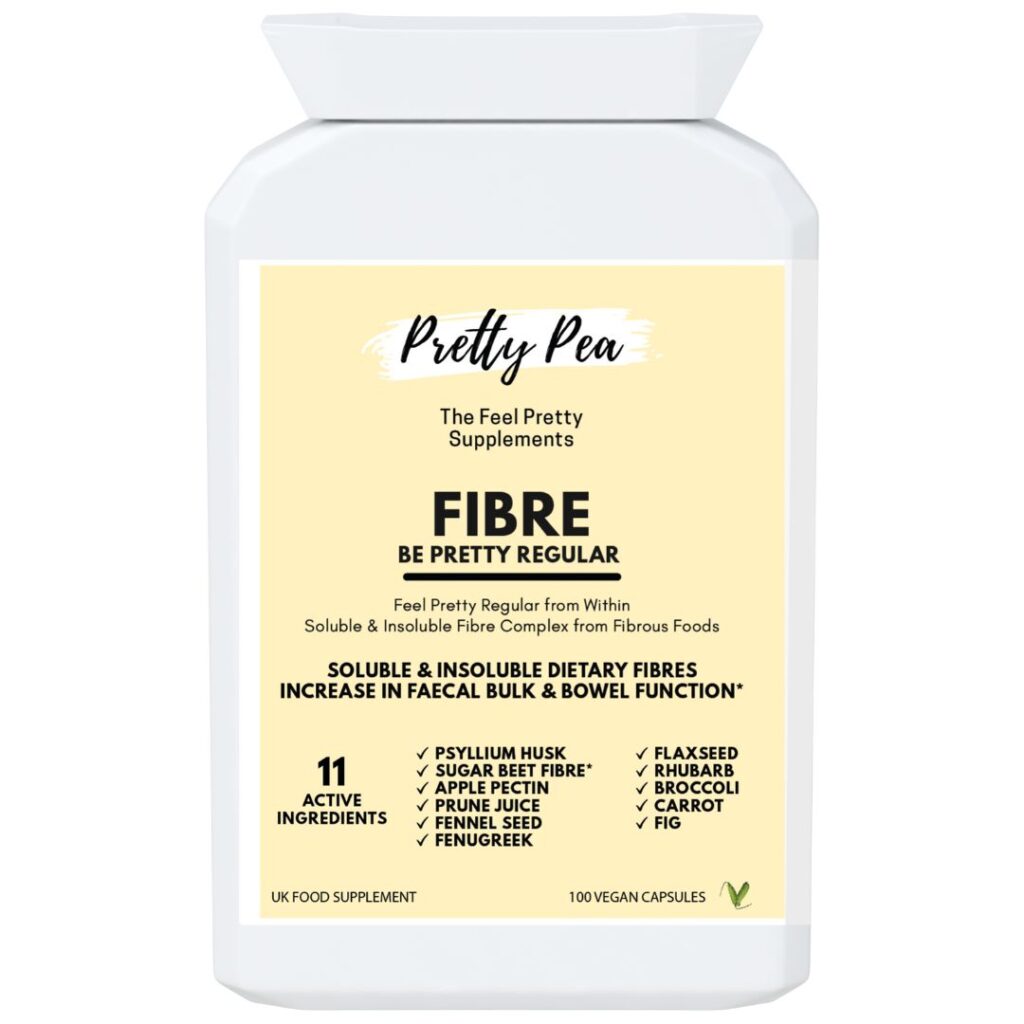
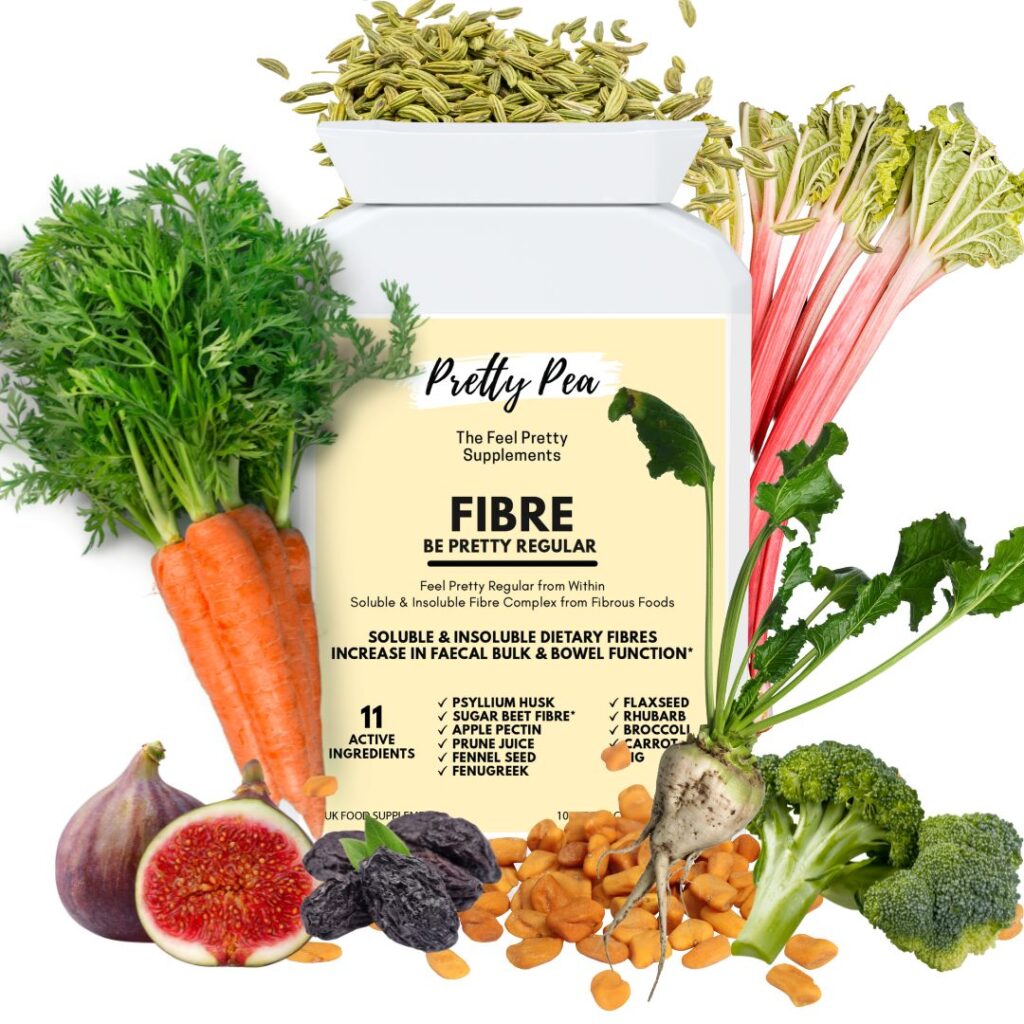
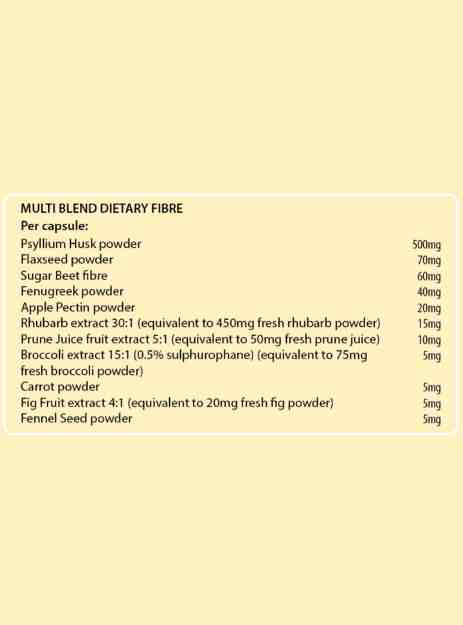
Possible Psyllium Husk Side Effects
Psyllium is generally well tolerated, but increasing fibre too quickly can cause digestive symptoms.
Possible side effects include:
- wind
- bloating
- abdominal discomfort
- changes in bowel movements
Symptoms often improve as the digestive system adapts to a higher fibre intake.
Reducing the amount and increasing more gradually may help.
Who Should Be Careful With Psyllium Husk ?
Psyllium is not appropriate for everyone.
Seek medical advice before taking psyllium husk if you have:
- difficulty swallowing
- narrowing of the gastrointestinal tract
- known or suspected intestinal obstruction
- faecal impaction
- unexplained abdominal pain
- nausea or vomiting alongside constipation
- sudden unexplained changes in bowel habits
Official ispaghula product information specifically warns against its use in people with swallowing disorders or gastrointestinal obstruction.
If you experience chest pain, difficulty swallowing, difficulty breathing or vomiting after taking psyllium, seek urgent medical advice.
Can Psyllium Husk Affect Medication?
Potentially.
Because psyllium alters the physical contents of the digestive tract, it can affect how some medicines are absorbed.
The NHS recommends taking Fybogel at least 30 minutes before or after other medicines, while its medicines-interaction guidance advises separating it by more than an hour from other medicines, remedies or supplements in some circumstances.
Particular care may be required with medicines including:
- diabetes medication
- lithium
- carbamazepine
- digoxin
- some bowel medications
If you regularly take prescription medicines, ask your pharmacist how far apart your medication and psyllium should be taken.
The Bottom Line on Psyllium Husk
Psyllium husk is much more interesting than simply being “another fibre powder”.
Its defining characteristic is its ability to absorb water and form a highly viscous gel.
That helps explain why psyllium has been researched for:
- bowel regularity
- constipation
- stool consistency
- fullness
- cholesterol
- glucose responses
It also explains why psyllium behaves differently from highly fermentable fibres such as inulin.
And it highlights something increasingly important in nutrition science:
Not all fibre is the same.
Rather than searching for one “best” fibre, think about fibre as a collection of different compounds performing different roles.
Psyllium husk can be one useful part of that picture.
But a varied diet containing whole grains, vegetables, fruits, beans, lentils, nuts and seeds should still form the foundation of your fibre intake.
FIBREBIO Psyllium Husk Powder | High Fibre Supplement
Why FIBREBIO?
- High-fibre, diverse multi-fibre formula
- Psyllium husk + glucomannan
- Prebiotics + live cultures
- Sugar beet fibre contributes to an increase in faecal bulk*
- Glucomannan contributes to weight loss in the context of an energy-restricted diet*
- 36 servings | Vegan | UK made
Frequently Asked Questions About Psyllium Husk
What is psyllium husk?
Psyllium husk is the fibre-rich outer coating of seeds from Plantago ovata. It absorbs water and forms a thick gel inside the digestive tract.
Is psyllium husk the same as ispaghula husk?
Yes. Ispaghula husk is the term commonly used for psyllium in UK medicines such as Fybogel. Both usually refer to husk from Plantago ovata.
Is psyllium husk soluble or insoluble fibre?
Psyllium is predominantly considered a soluble, viscous, gel-forming fibre, although its behaviour is unusual because it remains relatively intact and also contributes significant stool bulk.
Is psyllium husk a prebiotic?
Psyllium is not a highly fermentable prebiotic in the way that inulin is. It is relatively resistant to fermentation, although taking psyllium can still change the intestinal environment and influence gut microbiota.
Does psyllium husk make you poo?
Psyllium can make stool larger, softer and easier to pass by absorbing and retaining water. This is why ispaghula husk is used as a bulk-forming laxative for constipation.
How long does psyllium husk take to work?
For constipation, NHS guidance says ispaghula products generally take around two to three days to work.
Does psyllium husk help with constipation?
Yes. Constipation is one of the best-established uses of psyllium. It works by retaining water and increasing stool volume.
Does psyllium husk cause diarrhoea?
Taking too much fibre can alter stool consistency and bowel frequency. Psyllium’s gel-forming properties can also help bind water, however, which is why it is sometimes described as stool-normalising rather than simply laxative.
Persistent diarrhoea should be investigated rather than self-treated indefinitely with fibre.
Can psyllium husk cause bloating?
Yes. Wind and bloating are common when fibre intake is increased rapidly. Starting with a smaller amount and increasing gradually can improve tolerance.
Does psyllium husk help you feel full?
Research suggests it can. Controlled trials have found greater fullness and reductions in hunger after psyllium compared with placebo.
Does psyllium husk cause weight loss?
Not necessarily. Psyllium may increase fullness, but systematic reviews examining actual changes in body weight have produced mixed results. It should not be viewed as a stand-alone weight-loss treatment.
Is psyllium better than glucomannan?
Neither is universally better. Both are soluble, viscous fibres that absorb water. Psyllium has extensive use for bowel regularity, while glucomannan has particularly high water-binding capacity and is frequently used in weight-management fibre formulas.
Is psyllium better than inulin?
They perform different roles. Psyllium is primarily a water-holding, gel-forming fibre. Inulin is a highly fermentable prebiotic fibre used by gut bacteria.
Combining different fibre types may offer greater fibre diversity.
Can you take psyllium every day?
Many people consume psyllium regularly, but the appropriate amount depends on the product, your diet and why you are using it. Persistent constipation or other bowel symptoms should be discussed with a healthcare professional.
Should you take psyllium before or after food?
It depends on the product and purpose. Medicinal ispaghula is often taken after meals, while studies investigating fullness have commonly used psyllium before meals.
Can you take psyllium before bed?
It is better not to take psyllium immediately before lying down. UK medicinal ispaghula guidance specifically advises against taking the final dose immediately before sleep.
Can I mix psyllium with yoghurt?
Yes, but psyllium still needs adequate fluid. Drink water alongside thicker foods containing psyllium
Can I put psyllium in a smoothie?
Yes. Add it near the end, blend and drink fairly promptly because the smoothie will continue thickening as the psyllium absorbs liquid.
Can psyllium be taken with medication?
Psyllium may interfere with the absorption of some medicines. Separate it from medication according to the advice provided with the product or by your pharmacist.
Is psyllium gluten free?
Psyllium itself does not naturally contain gluten. However, anyone who needs to strictly avoid gluten should check the label of the individual product for manufacturing and cross-contamination information.
Is psyllium the same as a laxative?
Psyllium is classed as a bulk-forming laxative when used medicinally for constipation, but it works differently from stimulant laxatives. Rather than directly stimulating bowel contractions, it absorbs water and increases stool bulk.
Is more psyllium better?
No.
Fibre works best as part of an appropriate overall intake. Excessively increasing psyllium can simply increase the likelihood of wind, bloating or abdominal discomfort.
With fibre, more isn’t automatically better — consistency and variety matter.
Latest Products
-
Menopause Supplement UK – Women’s Nutritional Support with Vitamins, Fibre & Botanicals
Original price was: £25.00.£19.99Current price is: £19.99. -
Menopause Supplement Bundle 3 for 2 Offer
Original price was: £77.97.£50.00Current price is: £50.00. -

-

-
-
Ashwagandha Supplement plus B Vitamins
Original price was: £25.00.£19.99Current price is: £19.99.

- 9 Benefits of Fibre
- Appetite Regulation: How Fibre vs GLP-1 Compare
- Glucomannan for Weight Loss: Does It Work and How Does It Compare to Medications?
- What is the Highest Fibre Food
- Bloating Isn’t Just “Too Much Gas”: The Real Causes of Bloating (and What Actually Helps)
- Appetite Regulation: How Fibre vs GLP-1 Compare
- What Is Inulin? Benefits, Uses and What the Science Says About This Prebiotic Fibre – Pretty Pea
- Plantago Ovata (Psyllium Husk): Benefits, Uses, Science and FAQs
- GLP-1 Foods: The Ultimate List for Appetite Control, Fat Loss & Blood Sugar
- 50 High Fibre Foods Ranked by Fibre Content
- Best Fibre Supplements for Women | Complete UK Fibre Supplement Guide
- Why Fibre and Water Always Go Together
- Signs You Need More Fibre | Common Low Fibre Symptoms Explained
Sources: Psyllium Husk Fiber (Ispaghula Husk)
- National Health Service. How to get more fibre into your diet. NHS. UK guidance recommends approximately 30g dietary fibre daily for adults.
- Office for Health Improvement and Disparities. National Diet and Nutrition Survey 2019 to 2023. UK Government, 2025. The survey reports that the majority of the UK population does not achieve recommended fibre intake.
- Lambeau KV, McRorie JW Jr. Fiber supplements and clinically proven health benefits: How to recognise and recommend an effective fiber therapy. Journal of the American Association of Nurse Practitioners. 2017;29(4):216–223.
- Chutkan R, Fahey G, Wright WL, McRorie J. Viscous versus nonviscous soluble fiber supplements: mechanisms and evidence for fiber-specific health benefits. Journal of the American Academy of Nurse Practitioners. 2012.
- Jovanovski E, Yashpal S, Komishon A, et al. Effect of psyllium (Plantago ovata) fiber on LDL cholesterol and alternative lipid targets, non-HDL cholesterol and apolipoprotein B: a systematic review and meta-analysis of randomized controlled trials. American Journal of Clinical Nutrition. 2018.
- Gibb RD, McRorie JW Jr, Russell DA, Hasselblad V, D’Alessio DA. Psyllium fiber improves glycemic control proportional to loss of glycemic control: a meta-analysis of data in euglycemic subjects, patients at risk of type 2 diabetes and patients being treated for type 2 diabetes. American Journal of Clinical Nutrition. 2015.
- Mofrad MD, Mozaffari H, Mousavi SM, et al. The effects of psyllium supplementation on body weight, body mass index and waist circumference in adults: a systematic review and dose-response meta-analysis of randomized controlled trials. Critical Reviews in Food Science and Nutrition. 2020.
- Brum JM, Gibb RD, Peters JC, Mattes RD. Satiety effects of psyllium in healthy volunteers. Appetite. 2016;105:27–36.
- Jalanka J, Major G, Murray K, et al. The effect of psyllium husk on intestinal microbiota in constipated patients and healthy controls. International Journal of Molecular Sciences. 2019.
- Holscher HD. Dietary fiber and prebiotics and the gastrointestinal microbiota. Gut Microbes. 2017.
- National Health Service. About Fybogel (ispaghula husk). NHS.
- National Health Service. How and when to take Fybogel. NHS. Page reviewed January 2026.
- National Health Service. Side effects of Fybogel. NHS.
- National Institute for Health and Care Excellence. Constipation: management in adults. NICE Clinical Knowledge Summaries.
This article is for general nutritional information and is not intended to diagnose, treat or replace individual medical advice. Speak to your doctor or pharmacist if you have persistent bowel symptoms, difficulty swallowing, a gastrointestinal condition or take medication that could interact with fibre supplements.
