
Most women associate menopause with hot flushes and missed periods, but the early signs of perimenopause often begin years earlier and can feel confusing or unrelated. Perimenopause is the transitional stage before menopause, but many women don’t realise just how many symptoms it can cause. In fact, there are over 100 symptoms of perimenopause — affecting everything from your mood and sleep to your metabolism, skin, and brain.
Studies show that over 75% of women experience physical or psychological perimenopause symptoms, yet many don’t recognise them as hormone-related.
This is because perimenopause is driven by fluctuating (not just declining) levels of oestrogen and progesterone, which affect nearly every system in the body — including the brain, metabolism, skin, and cardiovascular system.
Below is a comprehensive, research-informed list of the 100 symptoms of perimenopause, grouped by body system — with a clear explanation of each.
Key Facts About Perimenopause
- Over 75% of women experience symptoms (National Health Service)
- Symptoms can last 4–10 years (NICE)
- There are 100+ recognised symptoms across multiple body systems
Quick Summary: 100 Symptoms of Perimenopause
Perimenopause can cause over 100 symptoms due to fluctuating hormone levels, particularly oestrogen and progesterone.
The most common symptoms include:
- Irregular periods
- Hot flushes and night sweats
- Anxiety and mood swings
- Sleep disturbances
- Brain fog and memory issues
- Weight gain and fatigue
Most women experience symptoms for 4–10 years before menopause (NHS).
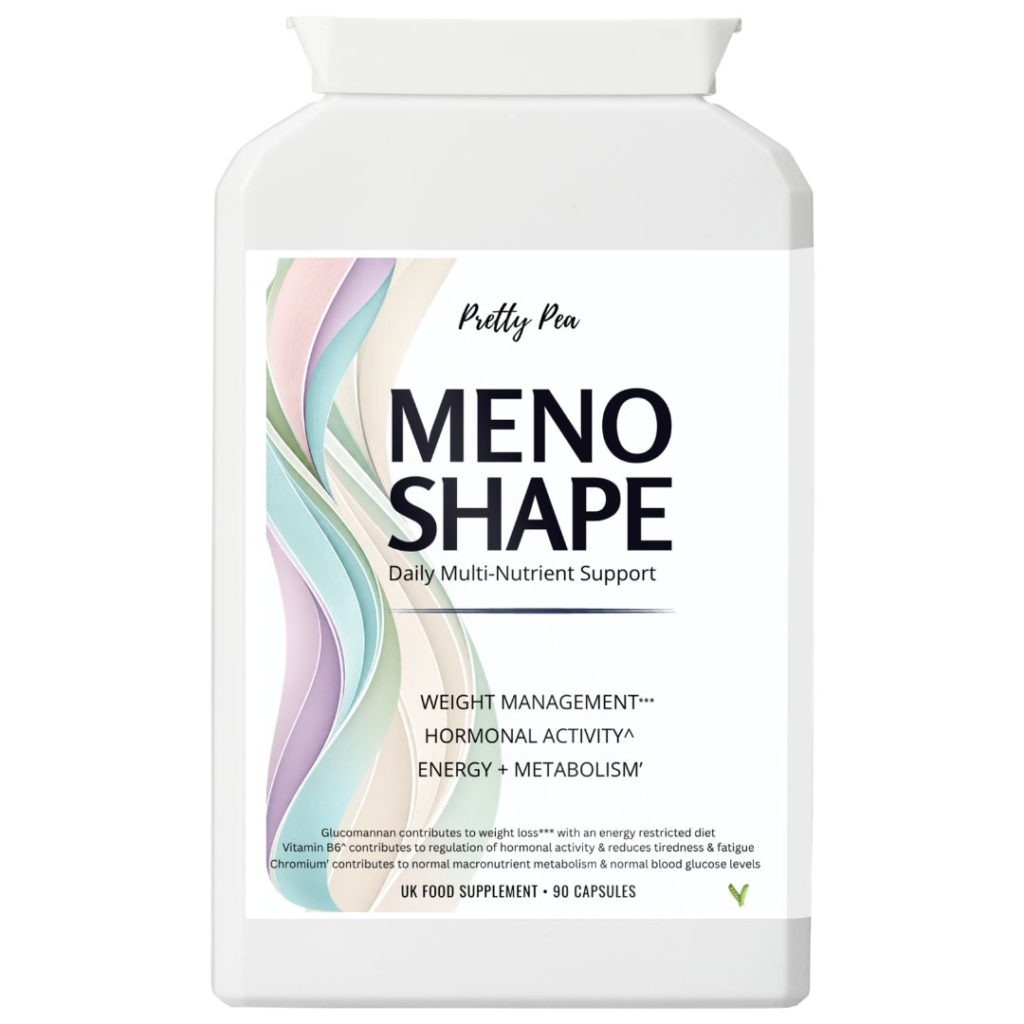
Support your menopause journey with Meno Shape. Our advanced daily formula combines feel full glucomannan fibre, vitamins, minerals and botanical extracts selected to support hormonal activity, energy metabolism, cognitive function and overall wellbeing as part of a healthy lifestyle.
Menopause Supplement UK – Women’s Nutritional Support with Vitamins, Fibre & Botanicals
What to Expect at Each Stage of Menopause
The menopause transition usually happens gradually over several years and is divided into four stages. Although every woman’s experience is unique, understanding what typically happens at each stage can help explain why symptoms change over time.
Late 30s–40s → Early Perimenopause → Late Perimenopause → Menopause (average age 51) → Postmenopause
Early Perimenopause
Typical age: Late 30s to mid-40s
What happens?
Hormone levels, particularly oestrogen, begin to fluctuate, although periods are usually still regular.
Common symptoms
- Irregular or heavier periods
- Mood changes
- Breast tenderness
- Bloating
- Poor sleep
- Anxiety
- Headaches
- Early weight changes
How long?
Typically 2–5 years, although it varies considerably.
Late Perimenopause
Typical age: Mid-40s to early 50s
What happens?
Periods become increasingly irregular as hormone fluctuations become more pronounced.
Common symptoms
- Hot flushes
- Night sweats
- Brain fog
- Fatigue
- Vaginal dryness
- Reduced libido
- Joint aches
- Sleep disturbances
- Weight gain around the middle
How long?
Usually 1–4 years.
Menopause
Typical age: Around 51 years in the UK.
What happens?
Menopause is officially reached when you have gone 12 consecutive months without a menstrual period. It marks the end of natural fertility.
Common symptoms
Many symptoms continue from perimenopause, although some women begin to notice improvements while others experience their most troublesome symptoms around this time.
How long?
Menopause itself is one day — it isn’t a stage that lasts for years.
Postmenopause
Typical age: Usually from age 52 onwards
What happens?
Hormone levels become more stable at consistently lower levels. Some symptoms improve, while others may continue.
Common symptoms
- Vaginal dryness
- Urinary symptoms
- Reduced bone density
- Loss of muscle mass
- Changes in cholesterol
- Persistent hot flushes (for some women)
How long?
Postmenopause lasts for the rest of your life.
How Long Does Perimenopause Last?
Most women experience perimenopause for around 4 to 8 years, although some notice symptoms for only a couple of years, while others experience changes for up to 10 years. Symptoms often come and go because hormone levels fluctuate rather than decline in a straight line.
When Are Symptoms Usually at Their Worst?
Many women find that symptoms become more noticeable during late perimenopause, when hormone fluctuations are greatest. Hot flushes, disturbed sleep, mood changes and irregular periods often become more frequent during this stage. However, every woman’s experience is different, and symptoms don’t always follow the same pattern.
Perimenopause vs Menopause: What’s the Difference?
Perimenopause is the transition phase where hormones fluctuate and symptoms begin, while menopause is defined as 12 months without a period, and postmenopause is the stage after this when hormone levels stabilise.
Here’s a simple comparison of perimenopause vs menopause vs postmenopause
Key differences:
| Stage | Definition | Hormones | Periods | Symptoms | Health Risks |
|---|---|---|---|---|---|
| Perimenopause | Transition phase before menopause | Fluctuating | Irregular | Wide range (100+ symptoms) | Early bone changes |
| Menopause | 12 months without a period | Low | Stopped | Hot flushes, sleep issues | ↑ heart disease risk |
| Postmenopause | After menopause | Stable low | None | Some symptoms persist | ↑ osteoporosis risk |
- Perimenopause = changing hormones
- Menopause = a diagnosis point
- Postmenopause = long-term health phase
Perimenopause Symptom Checker
Tick any symptoms you’re experiencing:
- Irregular periods
- Anxiety or mood swings
- Sleep problems
- Brain fog
- Weight gain
- Hot flushes
If you recognise multiple symptoms, you may be in perimenopause.
Always consult a GP for diagnosis (National Health Service).
The 100 Symptoms of Perimenopause (Full List Explained)
This full list of the 100 symptoms of perimenopause highlights how wide-ranging hormonal changes can be.
Hormonal & Menstrual Symptoms
These are often the earliest signs of perimenopause, caused by irregular ovulation and shifting progesterone levels.
- Irregular periods – cycles become unpredictable due to inconsistent ovulation
- Shorter cycles – luteal phase shortens with declining progesterone
- Longer cycles – delayed ovulation extends cycle length
- Missed periods – anovulatory cycles become more common
- Heavier bleeding – oestrogen thickens uterine lining (Munro et al., 2011)
- Lighter bleeding – reduced hormone stimulation of endometrium
- Clotting – heavier flow leads to coagulated blood loss
- Spotting – unstable hormones cause breakthrough bleeding
- Worsening PMS – hormonal swings intensify symptoms
- New PMS – symptoms can appear for the first time
- Increased cramping – prostaglandin changes increase uterine contractions
- Reduced fertility – ovulation becomes irregular
Vasomotor Symptoms (Temperature Regulation)
These are among the most recognised perimenopause symptoms and are linked to brain temperature regulation.
- Hot flushes – Sudden feelings of intense heat due to hypothalamic changes.
- Night sweats – Hot flushes that occur during sleep, often disrupting rest.
- Chills – Feeling cold after a hot flush as body temperature drops.
- Cold sensitivity – Increased sensitivity to cooler environments.
- Sudden flushing – Rapid reddening of the face and chest.
- Excessive sweating – Overactive sweat response linked to hormone changes.
Up to 75% of women experience these types of perimenopause symptoms during the transition.
Menopause Supplement UK – Women’s Nutritional Support with Vitamins, Fibre & Botanicals
Sleep Disturbances
Sleep issues are often one of the earliest signs of perimenopause.
- Difficulty falling asleep – Hormonal shifts affect melatonin and relaxation.
- Night waking – Frequent waking due to temperature or anxiety changes.
- Early morning waking – Cortisol disruption can cause early rising.
- Non-restorative sleep – Sleep feels unrefreshing despite enough hours.
- Insomnia – Persistent difficulty sleeping.
- Vivid dreams – Hormonal fluctuations can intensify dreaming.
- Night-time anxiety – Increased cortisol can trigger anxious thoughts at night.
Mood & Emotional Symptoms
Hormonal volatility plays a major role in emotional wellbeing.
- Anxiety – Heightened nervous system sensitivity increases worry.
- Low mood – Reduced serotonin activity can affect mood stability.
- Irritability – Lower stress tolerance leads to frustration.
- Mood swings – Rapid emotional changes due to hormonal shifts.
- Tearfulness – Increased emotional sensitivity.
- Reduced stress tolerance – Everyday stress feels harder to manage.
- Panic attacks – Sudden episodes of intense fear or discomfort.
- Loss of confidence – Emotional and physical changes affect self-esteem.
- Social withdrawal – Reduced desire for social interaction.
- Depression-like symptoms – Persistent low mood or lack of motivation.
Large cohort studies show hormonal volatility — rather than low hormone levels alone — increases vulnerability to anxiety, low mood and and depressive symptoms during perimenopause.
Cognitive & Neurological Symptoms
Oestrogen plays a key role in brain function, which explains these changes.
- Brain fog – Feeling mentally slow or unclear.
- Poor concentration – Difficulty focusing on tasks.
- Memory lapses – Forgetting names, dates, or tasks.
- Word-finding difficulty – Struggling to recall words mid-sentence.
- Reduced mental clarity – Slower thinking processes.
- Headaches – Hormonal changes can trigger tension headaches.
- Migraines (new or worsening) – Fluctuating oestrogen can trigger migraines.
- Dizziness – Hormonal effects on circulation and the nervous system.
- Tingling sensations – Nerve sensitivity changes (paresthesia).
- Sensitivity to noise or light – Increased neurological sensitivity.
Neuroimaging studies indicate oestrogen plays a key role in brain glucose metabolism, explaining cognitive changes during hormonal transition.
Energy & Fatigue
(Oestrogen plays a key role in brain function and energy metabolism)
- Chronic fatigue – Persistent tiredness not relieved by rest.
- Morning exhaustion – Waking up feeling tired.
- Post-exertional fatigue – Increased tiredness after activity.
- Reduced stamina – Lower energy levels during exercise.
- Lack of motivation – Hormonal changes affect drive and energy.
Fatigue often results from a combination of sleep disruption, cortisol imbalance, and fluctuating oestrogen levels.
Ashwagandha Supplement plus B Vitamins
Musculoskeletal Symptoms
Declining oestrogen affects joints, muscles, and connective tissue.
- Joint pain – Inflammation and reduced lubrication.
- Muscle aches – Increased muscle soreness.
- Stiffness – Reduced flexibility, especially in the morning.
- Reduced muscle strength – Loss of muscle mass over time.
- Slower recovery from exercise – Increased repair time.
- Frozen shoulder – Hormonal link to joint stiffness conditions.
- Back pain – Changes in muscle and joint support.
Oestrogen has anti-inflammatory effects and supports collagen production, which explains the rise in joint and connective tissue pain.
Weight & Metabolic Changes
Hormones significantly influence metabolism and fat storage.
- Weight gain – Particularly common during hormonal transition.
- Abdominal fat gain – Fat shifts toward the midsection.
- Difficulty losing weight – Slower metabolism and insulin changes.
- Blood sugar instability – Increased risk of energy crashes.
- Increased cravings – Hormones affect hunger signals.
- Reduced metabolic rate – Energy expenditure declines.
Research shows insulin sensitivity can decline during perimenopause, even without changes in diet or exercise.
Declining oestrogen also shifts where the body stores fat, accumulating more abdominal fat.
The loss of oestrogen can see women change from fat storage around the hips and thighs (during childbearing years) shift to becoming more ‘apple’ shape post menopause.
Looking for nutritional support during perimenopause? Meno Shape combines glucomannan with carefully selected vitamins, minerals and botanical extracts, including glucomannan for weight management, vitamin B6 to support the regulation of hormonal activity, iodine to support normal thyroid function and energy-yielding metabolism, chromium to support normal blood glucose levels, and zinc to support normal cognitive function and carbohydrate metabolism.
Menopause Supplement UK – Women’s Nutritional Support with Vitamins, Fibre & Botanicals
Cardiovascular Symptoms
Heart-related symptoms can feel alarming but are often hormone-related.
- Heart palpitations – Awareness of heartbeat or irregular rhythm.
- Racing heart – Sudden increase in heart rate.
- Blood pressure changes – Hormonal effects on blood vessels.
- Shortness of breath – Changes in cardiovascular response.
- Exercise intolerance – Reduced cardiovascular endurance.
Palpitations are common and usually benign but can be distressing.
As oestrogen levels and it’s protective effect decline, women’s risk of heart disease increases (a leading cause of death in women post menopause).
Digestive Symptoms
Hormones also influence gut function and the microbiome.
- Bloating – Slower digestion or hormonal water retention.
- Constipation – Reduced gut motility.
- Diarrhoea – Hormonal fluctuations affecting digestion.
- Acid reflux – Changes in digestive function.
- Food sensitivities – Increased gut sensitivity.
- Slower digestion – Delayed gastric emptying.
Skin, Hair & Nails
Collagen decline accelerates during perimenopause.
- Dry skin – Reduced oil production.
- Itching – Skin dryness and sensitivity.
- Thinning hair – Hormonal impact on hair growth cycles.
- Hair shedding – Increased hair loss.
- Brittle nails – Weaker nail structure.
- Acne – Hormonal imbalance can trigger breakouts.
- Changes in skin texture – Loss of elasticity and firmness.
Sexual & Urogenital Symptoms
These symptoms are often under-discussed but very common.
- Vaginal dryness – Reduced lubrication due to low oestrogen.
- Reduced libido – Changes in testosterone and oestrogen.
- Pain during sex – Thinner vaginal tissues increase discomfort.
- Reduced arousal – Slower physical response.
- Recurrent UTIs – Changes in urinary tract health.
- Urinary urgency – Increased need to urinate.
- Stress incontinence – Leakage during coughing or exercise.
Immune & Sensory Changes
Hormonal shifts can affect immune responses and senses.
- Increased allergies – Heightened immune sensitivity.
- Sensitivity to smells – Changes in sensory perception.
- Changes in taste – Altered taste sensations.
- Burning mouth sensation – Hormone-related nerve sensitivity.
- Dry eyes – Reduced tear production.
- Dry mouth – Reduced saliva production.
Perimenopause vs Menopause vs Postmenopause (Quick Comparison)
| Stage | What Happens | Key Symptoms |
|---|---|---|
| Perimenopause | Hormones fluctuate unpredictably | Irregular periods, anxiety, sleep issues, brain fog |
| Menopause | 12 months without a period (NICE) | Hot flushes, night sweats, vaginal dryness |
| Postmenopause | Hormones stabilise at low levels | Fewer fluctuations, ongoing joint, skin, and urogenital symptoms |
Understanding where you are in the menopause transition can help explain your symptoms and what to expect next.
Menopause Supplement Bundle 3 for 2 Offer
Key Differences to Know
- Perimenopause = hormonal chaos → symptoms fluctuate and can feel unpredictable
- Menopause = a point in time → confirmed after 12 months without a period
- Postmenopause = long-term phase → focus shifts to prevention and long-term health
Why This Matters for Symptoms
Many women search for “100 symptoms of perimenopause” because symptoms can feel confusing and inconsistent.
- If your symptoms are changing month-to-month, you are likely in perimenopause
- If your periods have completely stopped for a year, you are in menopause
- If symptoms persist but cycles are long gone, you are postmenopausal
Other Common Perimenopause Symptoms
Some symptoms don’t fit neatly into one category but are still widely reported.
- Jaw pain – Muscle tension or inflammation.
- Gum problems – Hormonal effects on oral health.
- Tinnitus – Ringing in the ears.
- Electric shock sensations – Brief nerve-related sensations.
- Breast tenderness – Hormonal fluctuations affecting breast tissue.
- Feeling “not like yourself” – A common but hard-to-define sense of change.
Most Common Perimenopause Symptoms
- Irregular periods
- Hot flushes
- Night sweats
- Anxiety
- Sleep disturbances
Less Known Perimenopause Symptoms
- Burning mouth
- Electric shock sensations
- Tinnitus
- Gum problems
- Sensitivity to smells
Perimenopause Symptoms Timeline
Early stage (late 30s–early 40s):
- Anxiety
- Sleep issues
- Brain fog
- Subtle cycle changes
Mid stage:
- Irregular periods
- Mood swings
- Fatigue
- Weight changes
Late stage:
- Hot flushes
- Night sweats
- Missed periods
How Long Do Perimenopause Symptoms Last?
Perimenopause symptoms can last anywhere from 4 to 10 years, depending on genetics, lifestyle, and overall health.
Symptoms are often non-linear, meaning they can come and go, change in intensity, or appear in new forms over time.
Oestrogen influences gut motility and the gut microbiome, which may explain digestive changes.
Why Perimenopause Symptoms Vary So Widely
No two women experience perimenopause the same way. Studies show symptom severity and type can be influenced a woman’s personal history, current health status (especially obesity).
Factors can include:
- Genetics
- Stress levels
- Nutritional status
- Gut health
- Lifestyle factors
Many women experience clusters of perimenopause symptoms, which can vary month to month.
How to Manage Perimenopause Symptoms
1. Nutrition
- Increase protein, fibre, and omega-3s
- Support blood sugar balance
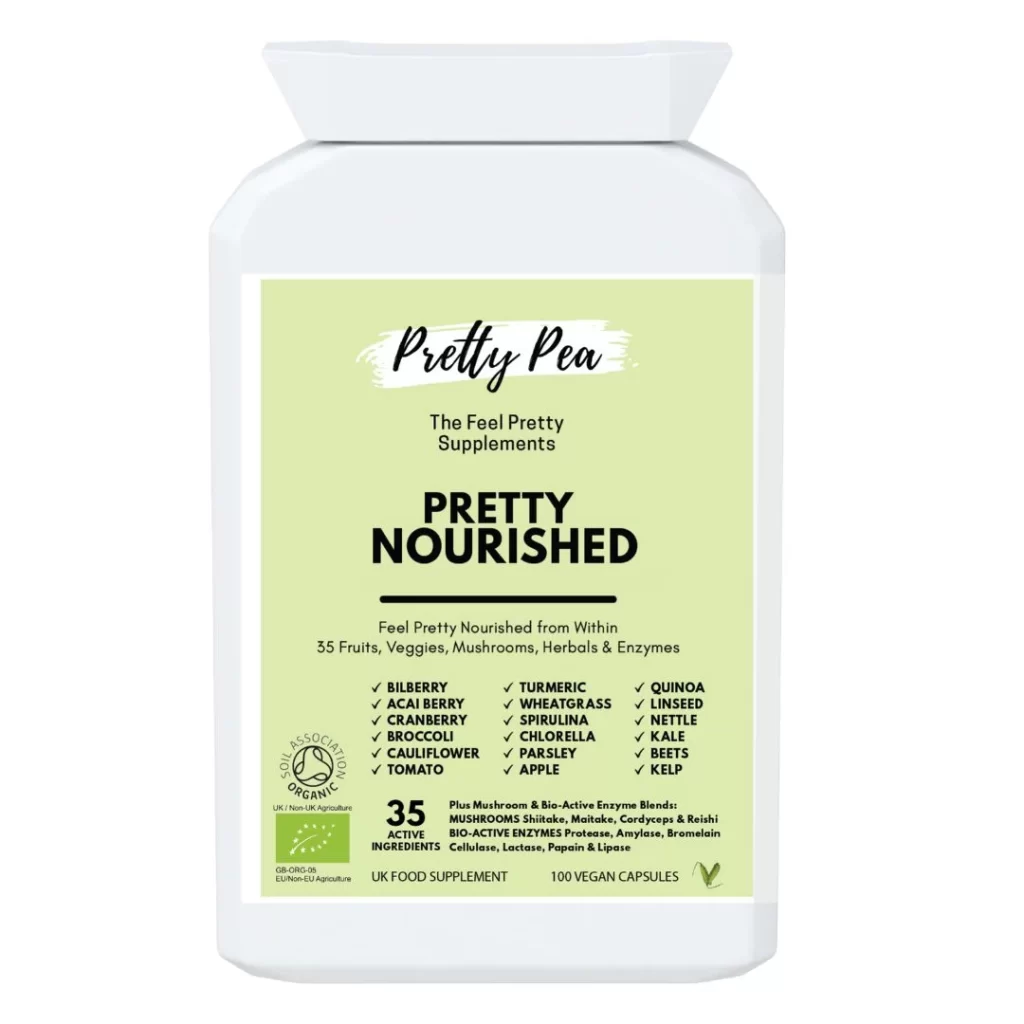
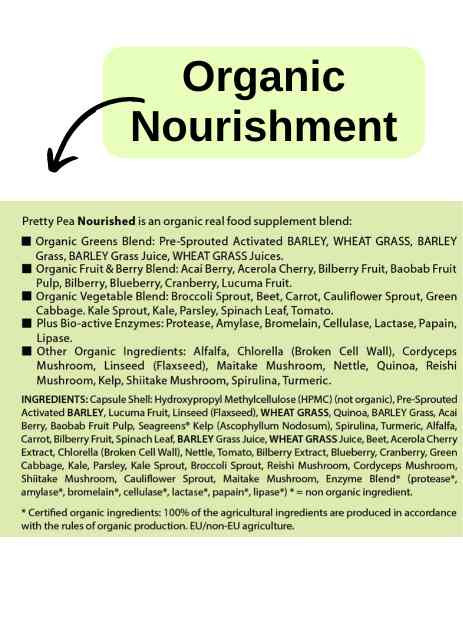
Fruit and Vegetable Supplement
Pretty Nourished 35+ Organic Real food form Fruit, Greens, Mushrooms, Seeds & Digestive Enzymes & more!
2. Exercise
- Strength training supports metabolism and bone health
3. Sleep support
- Consistent sleep routine
- Reduce caffeine and alcohol
4. Medical support
- Hormone Replacement Therapy (HRT) may be recommended
Refer to NICE guidelines for treatment options.
When to Seek Support
If symptoms:
- Interfere with daily life
- Affect work or relationships
- Cause persistent low mood or anxiety
It’s important to speak with a healthcare professional knowledgeable about menopause care.
Need Extra Nutritional Support?
Diet and lifestyle form the foundation of menopause health, but some women also choose to use a supplement. Meno Shape combines glucomannan soluble fibre with vitamin B6, iodine, chromium, zinc and carefully selected botanical extracts to support weight management with hormonal activity, energy metabolism, normal blood glucose levels and overall wellbeing. Explore the formula to see whether it’s the right fit for your menopause journey.

As you can see, the 100 symptoms of perimenopause can affect nearly every system in the body.
Further reading:
- Appetite Regulation: How Fibre vs GLP-1 Compare
- Glucomannan for Weight Loss: Does It Work and How Does It Compare to Medications?
- Why Fibre Could Be the Secret to a Better Menopause
- GLP-1 Foods: The Ultimate List for Appetite Control, Fat Loss & Blood Sugar
- Understanding Visceral Fat: The Ultimate Belly Fat Guide
- Hormone Imbalance in Women: Causes, Symptoms & How Hormones Work
- The Menopause Diet 5 Day Plan to Lose Weight
Latest Products
-
Menopause Supplement UK – Women’s Nutritional Support with Vitamins, Fibre & Botanicals
Original price was: £25.00.£19.99Current price is: £19.99. -
Menopause Supplement Bundle 3 for 2 Offer
Original price was: £77.97.£50.00Current price is: £50.00. -

-

-
-
Ashwagandha Supplement plus B Vitamins
Original price was: £25.00.£19.99Current price is: £19.99.

FAQ: Perimenopause Symptoms
What are the 100 symptoms of perimenopause?
The 100 symptoms of perimenopause include physical, emotional, and cognitive changes caused by fluctuating hormones.
What are the first signs of perimenopause?
The earliest signs often include irregular periods, sleep disturbances, anxiety, and subtle mood changes — sometimes years before hot flushes begin.
Can perimenopause cause anxiety and depression?
Yes. Hormonal fluctuations — especially changes in oestrogen — can significantly affect neurotransmitters like serotonin, increasing the risk of anxiety and low mood.
Why do I feel tired all the time during perimenopause?
Fatigue is usually caused by a combination of poor sleep, cortisol imbalance, and fluctuating hormones.
Is weight gain inevitable during perimenopause?
Not inevitable, but common. Hormonal changes can slow metabolism and increase fat storage — especially around the abdomen.
When should I speak to a doctor?
If symptoms are affecting your quality of life, mental health, or sleep, it’s important to seek medical advice. Many effective treatments and lifestyle strategies are available

Meno Shape is the multi-function supplement supporting women during perimenopause and menopause.
You might also be interested in:
Supplements are not to be used as a substitute for a varied diet and healthy lifestyle. Consult your doctor before taking any supplements or changing your diet.
The 100 Symptoms of Perimenopause: Sources
- Santoro, N. et al. (2015). Perimenopause and hormonal changes. Endocrine Reviews.
- Freeman, E. W. et al. (2014). Mood disorders during the menopausal transition. Psychological Medicine.
- Avis, N. E. et al. (2015). Duration and predictors of vasomotor symptoms. Menopause.
- Greendale, G. A. et al. (2019). Cognitive changes in perimenopause. Neurology.
- Thurston, R. C. et al. (2018). Sleep disturbances and menopause. Sleep Medicine Reviews.
- Davis, S. R. et al. (2015). Sexual function and menopause. The Lancet.
- Monteleone, P. et al. (2018). Metabolic changes during perimenopause. Climacteric.
- Nappi, R. E. & Palacios, S. (2014). Genitourinary syndrome of menopause. Climacteric.
- Onset of the Menopause Transition: The Earliest Signs and Symptoms – PubMed
- Symptoms of menopause — global prevalence, physiology and implications | Nature Reviews Endocrinology
- References
- National Health Service – Menopause overview
- NICE (2015) Menopause guidelines
- British Menopause Society
- North American Menopause Society (2020)
- Brinton RD. (2013). Estrogen regulation of brain metabolism
- Freeman EW et al. (2014). Vasomotor symptoms and menopause
- Soares CN. (2014). Mood disorders in perimenopause
- Greendale GA et al. (2009). Joint pain and menopause
- Carr MC. (2003). Metabolic changes in menopause
- Kim & Park (2017). Oestrogen and gut microbiome
- Thornton MJ. (2013). Skin ageing and menopause
- Avis NE et al. (2001). Fatigue in midlife women
- MacGregor EA. (2017). Migraine and hormonal changes
- Munro MG et al. (2011). Abnormal uterine bleeding classification
