
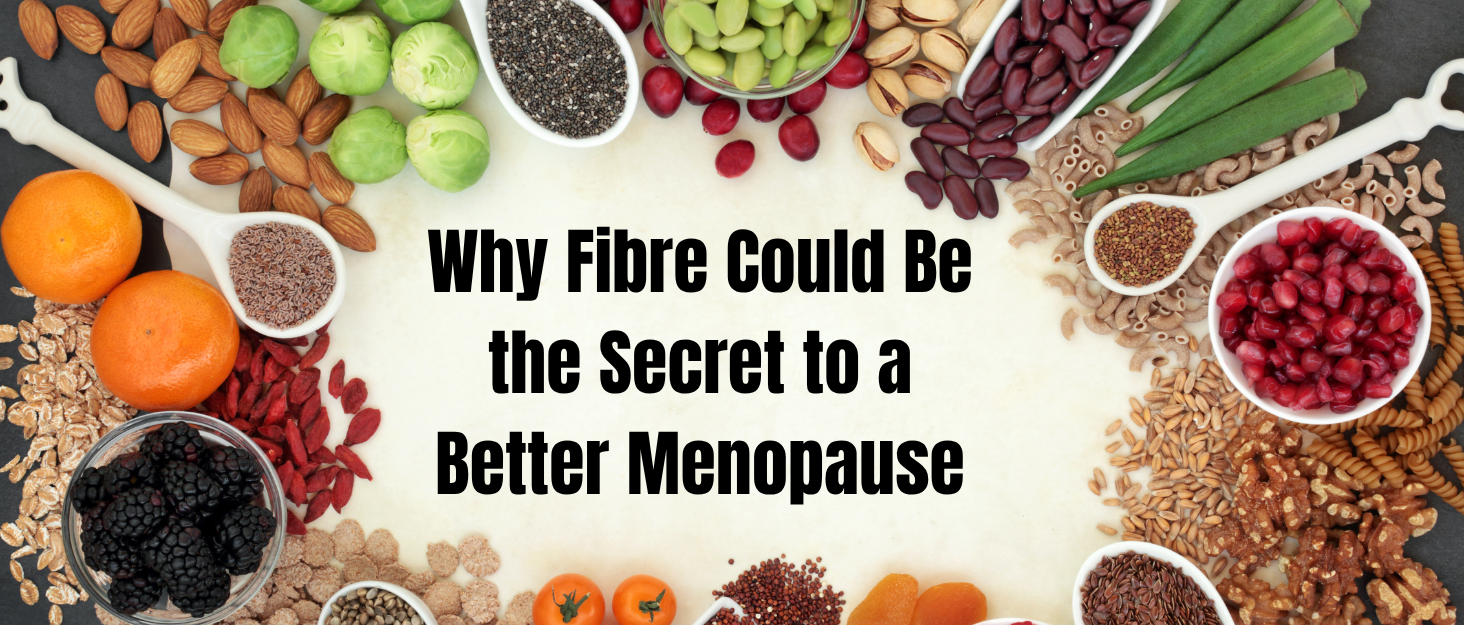
Could something as simple as increasing fibre in your diet during menopause improve menopause symptoms? Recent research has highlighted the importance of carbohydrate quality — especially the amount of fibre and whole grains in your diet — for improving menopause symptoms and quality of life.
It’s estimated that approximately 1.1 billion women will have entered menopause by 2025 and quality of life matters – as women can reach menopause with a third of their life ahead of them.
We know menopause often comes with unwanted changes such as hot flushes, sleep disturbances, nervousness, anxiety, mood shifts, bone and joint issues, decreased desire, changes in eating habits, weight gain (and more) – and these factors can impact on the quality of life for women 1
While hormone levels are the driving force behind many of these symptoms, it makes sense that your diet during menopause can also play a significant role in menopause symptoms.
- Study: How Carbohydrate Quality Affects Menopausal Health
- The Importance of Fibre In Your Diet During Menopause
- The Glycaemic Index Connection
- Fibre, Mood, and Mental Wellbeing
- Food Sources of Fibre for Menopausal Health
- Why Fibre Supplements Can Help During Menopause
- The Takeaway: Fibre In Your Diet During Menopause is Fundamental for Menopausal Wellness
Study: How Carbohydrate Quality Affects Menopausal Health
A large study of over 600 postmenopausal women explored how the Carbohydrate Quality Index (CQI) — a measure that considers fibre intake, whole grain consumption, and glycaemic index — relates to menopausal symptoms and quality of life.2
Women who scored highest on this index (ate most fibre and whole grains, and fewer refined carbs) had:
Fewer and less severe menopausal symptoms
Better overall quality of life
Lower glycaemic index diets (steady blood sugar)
Higher fibre intake
In contrast, women who consumed more refined grains, sugary foods, and low-fibre carbohydrates experienced more intense symptoms, including mood changes, sleep disruption, and fatigue.
These findings are consistent with previous studies showing that whole grains and unprocessed, fibre-rich foods are linked with fewer hot flushes, better energy levels, and improved mental wellbeing during menopause.
A previous study 3 found that:
Higher consumption of vegetables was associated with lower intensity of vasomotor (hot flushes) symptoms, sleep disorders and better quality of life.
Intake of ultra-processed foods was associated with more intense vasomotor and sexual symptoms.
Intakes of sugar-sweetened beverages and sausage were related to greater intensity of somatic symptoms and worse memory.
The Importance of Fibre In Your Diet During Menopause
1. Supports Hormonal Balance and Blood Sugar
As oestrogen levels drop during menopause, blood sugar regulation becomes less efficient — leading to cravings, energy dips, and fat gain around the abdomen.
Fibre slows digestion and helps stabilise blood sugar levels, reducing insulin spikes and the hormonal fluctuations that can worsen menopausal symptoms.
2. Promotes Healthy Weight and Reduces Belly Fat
Menopause often brings a shift in body fat distribution, with more fat stored around the the meno belly.
Studies show that high-fibre diets help with appetite control, reduce calorie intake naturally, and support a healthy metabolism.
Soluble fibre (found in glucomannan, oats, flaxseeds) forms a gel-like substance in the gut, helping you feel full for longer — which can support healthy weight management during menopause.

3. Improves Gut Health and Mood
Your gut microbiome plays a key role in hormone metabolism, inflammation, and even mood regulation.
Fibre acts as fuel for beneficial gut bacteria, producing short-chain fatty acids (SCFAs) that support gut integrity and reduce inflammation. Emerging evidence also links a healthy gut with better mood and cognitive function — crucial for women navigating the emotional changes of menopause.
4. Protects Heart and Bone Health
After menopause, declining oestrogen levels can increase the risk of heart disease and osteoporosis.
Fibre helps lower cholesterol levels, improve blood pressure, and may even support bone density. One study reported that women with higher fibre intake had greater bone mineral density, potentially reducing the risk of fractures and bone loss.4
The Glycaemic Index Connection
The study also highlighted that low glycaemic index (GI) diets — those rich in whole grains, pulses, fruits, and vegetables — were linked to fewer menopausal symptoms.
High-GI foods such as white bread, rice, pastries, and sugary drinks cause rapid spikes in blood glucose, triggering inflammation and oxidative stress. Over time, this can worsen hot flushes, mood swings, and fatigue.
A low-GI, high-fibre diet keeps blood sugar levels steady, promoting hormonal stability and reducing stress on the body — key factors for a smoother menopausal transition.
Fibre, Mood, and Mental Wellbeing
Interestingly, the research found that women with better carbohydrate quality (i.e., more fibre and whole grains) reported fewer psychological symptoms, including irritability and low mood.
This may be due to fibre’s positive effects on:
Blood sugar balance (preventing mood dips)
Gut-brain communication via the vagus nerve
Lower inflammation, which has been linked to depression and anxiety
Together, these effects help women feel more emotionally balanced and resilient during menopause.
Food Sources of Fibre for Menopausal Health
Aim for at least 25–30 grams of fibre per day from a variety of foods. Great sources include:
Whole grains: oats, barley, brown rice, quinoa
Legumes: chickpeas, lentils, black beans
Fruits: apples, pears, berries, oranges
Vegetables: broccoli, carrots, leafy greens
Seeds: flaxseed, chia, psyllium husk
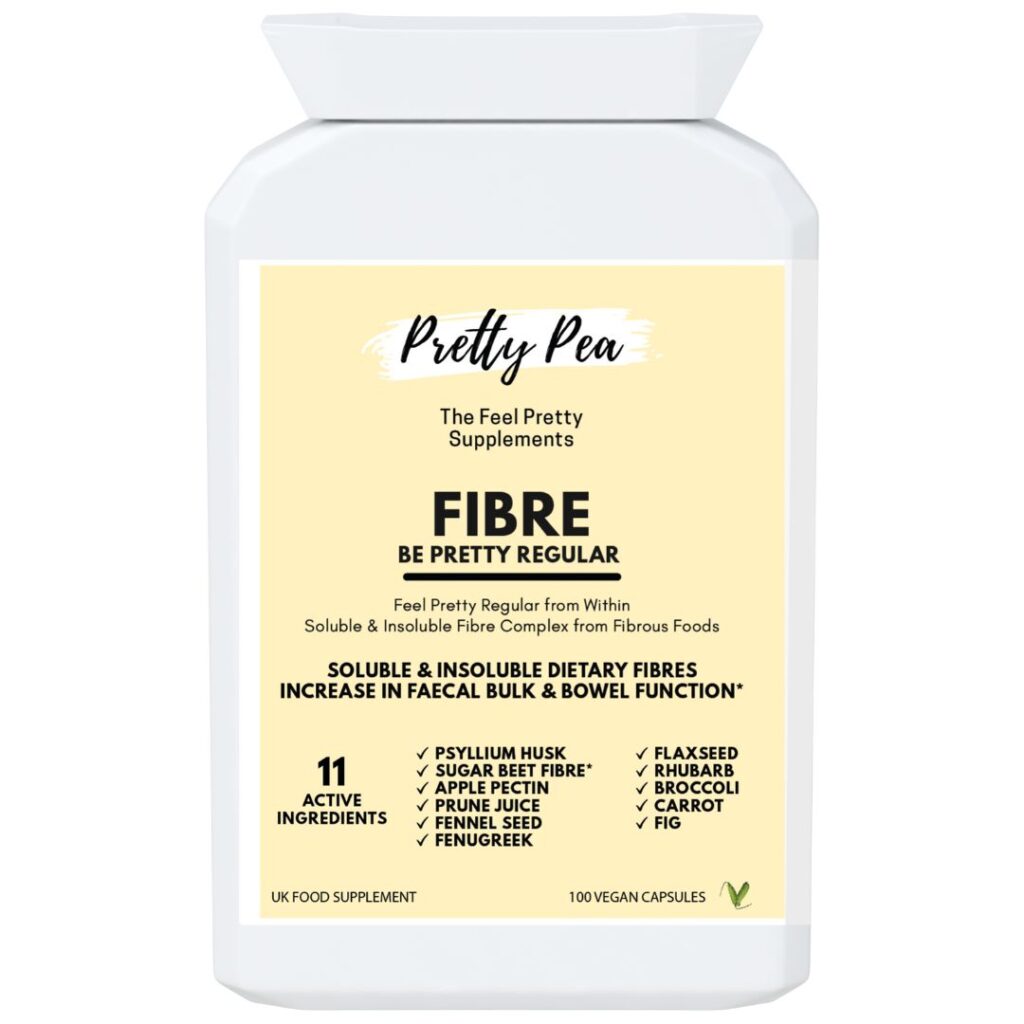
If you struggle to reach your fibre goals through diet alone, a high-quality fibre supplement can be a simple and effective way to bridge the gap — especially one that’s gentle on digestion and clinically proven to support gut and hormonal health.
Why Fibre Supplements Can Help During Menopause
Even with the best intentions, most women only consume around half the recommended daily fibre.
Fibre supplements can make it easier to meet your needs — particularly during menopause when digestive comfort and hormonal balance are key priorities.
Look for supplements that:
Contain soluble fibres like psyllium husk or inulin
Are low-FODMAP if you have IBS symptoms
Can be easily mixed into water, smoothies, or breakfast bowls
Regular use can help:
Regulate digestion and reduce bloating
Support steady energy and appetite control
Improve cholesterol and blood sugar balance
Promote a healthier gut microbiome
The Takeaway: Fibre In Your Diet During Menopause is Fundamental for Menopausal Wellness
This study reinforces what many women’s health experts have long suspected — it’s not just how many carbohydrates you eat, but the quality of them that determines how you feel during menopause.
- By focusing on high-fibre, whole-grain, low-GI foods, you can:
Reduce the severity of hot flushes and mood swings
Improve energy, sleep, and digestion
Support heart, bone, and gut health
Enhance overall quality of life
If dietary changes alone aren’t enough, adding a daily fibre supplement can be a game-changer — a simple step with big benefits for your hormonal health and long-term wellbeing.
Practical Tips:
1.Start gradually. Increase your fibre intake over 1–2 weeks
2.Drink plenty of water to help your body adjust smoothly
Latest Products
-
Menopause Supplement UK – Women’s Nutritional Support with Vitamins, Fibre & Botanicals
Original price was: £25.00.£19.99Current price is: £19.99. -
Menopause Supplement Bundle 3 for 2 Offer
Original price was: £77.97.£50.00Current price is: £50.00. -

-

-
-
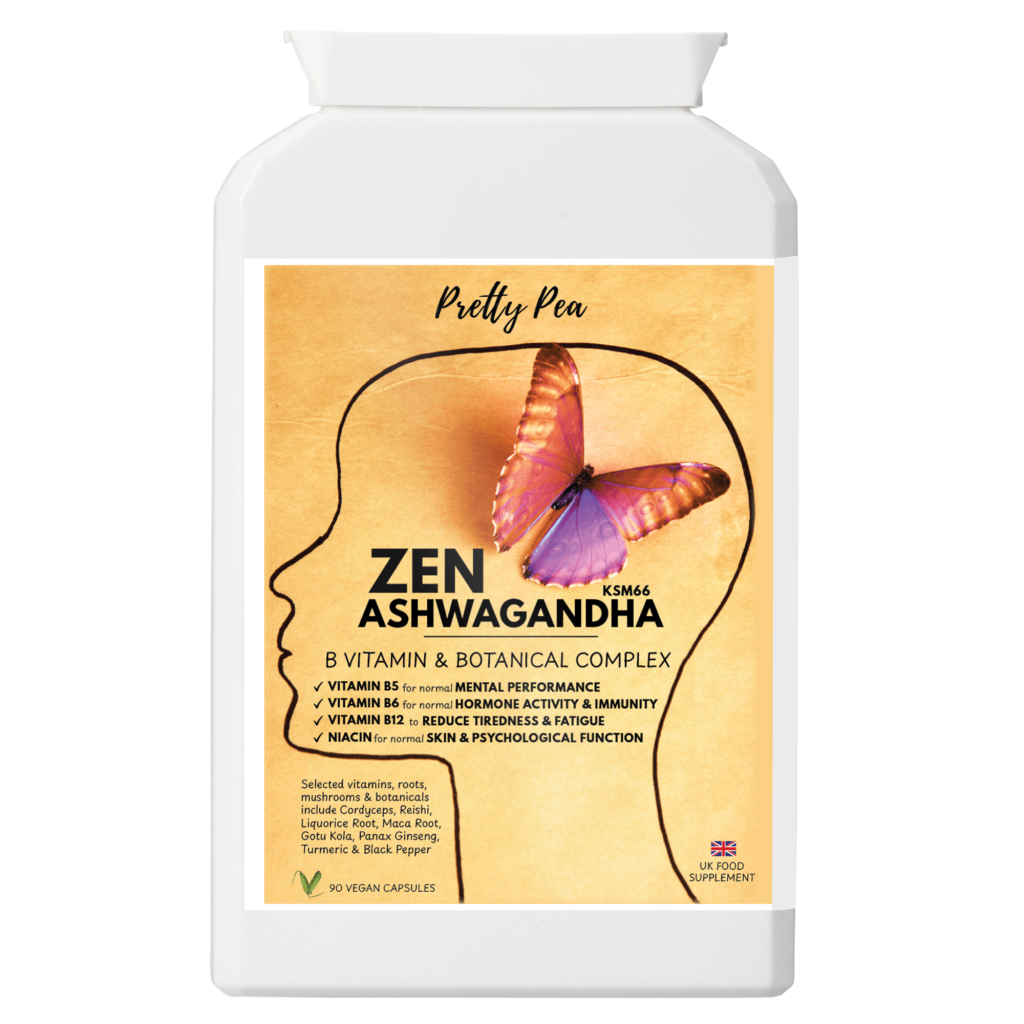
Ashwagandha Supplement plus B Vitamins
Original price was: £25.00.£19.99Current price is: £19.99.
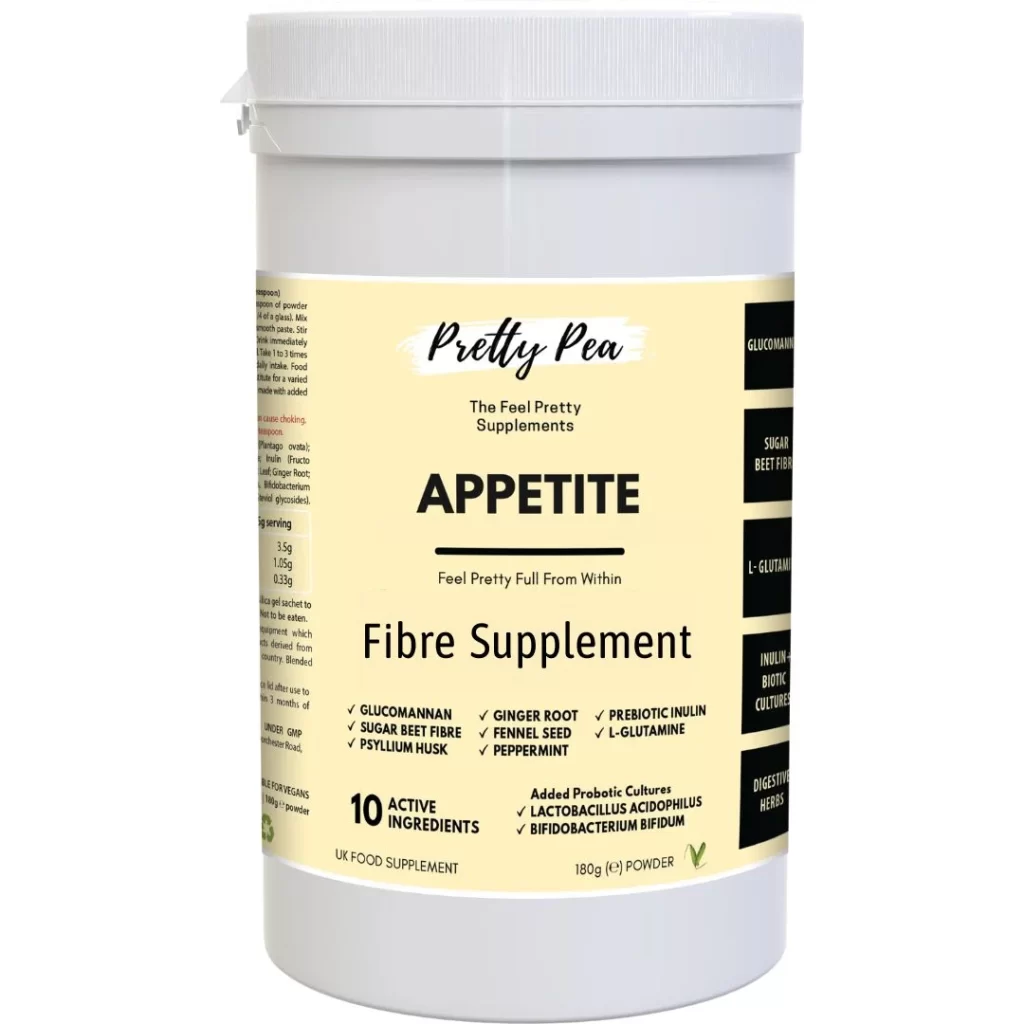
You might also be interested in..
RELATED ARTICLES
The Menopause Diet 5 Day Plan to Lose Weight
- Appetite Regulation: How Fibre vs GLP-1 Compare
- Glucomannan for Weight Loss: Does It Work and How Does It Compare to Medications?
- What Is Glucomannan? Benefits, Uses & Side Effects
- Bloating Isn’t Just “Too Much Gas”: The Real Causes of Bloating (and What Actually Helps)
- Plantago Ovata (Psyllium Husk): Benefits, Uses, Science and FAQs – Pretty Pea
- Can You Use Psyllium Husk for Weight Loss?
- How to Lose Weight During Menopause (Without Eating Less and Exercising More) – Pretty Pea
- The Menopause Diet 5 Day Plan to Lose Weight
- The 100 Symptoms of Perimenopause
- Weird Perimenopause Symptoms: 25 Unusual Signs You Didn’t Expect
- Hormone Imbalance in Women: Causes, Symptoms & How Hormones Work
- What Is Insulin Resistance? Signs, Causes & What Helps – Pretty Pea
- Early First Symptoms of Perimenopause – 7 Telling Subtle Signs
Fibre in Your Diet During Menopause – Sources:
- Health-related quality of life among menopausal women: A cross-sectional study from Pokhara, Nepal – PMC ↩︎
- The impact of carbohydrate quality index on menopausal symptoms and quality of life in postmenopausal women | BMC Women’s Health | Full Text ↩︎
- Life habits of postmenopausal women: Association of menopause symptom intensity and food consumption by degree of food processing – PubMed ↩︎
- How do carbohydrate quality indices influence on bone mass density in postmenopausal women? A case-control study – PubMed ↩︎
