
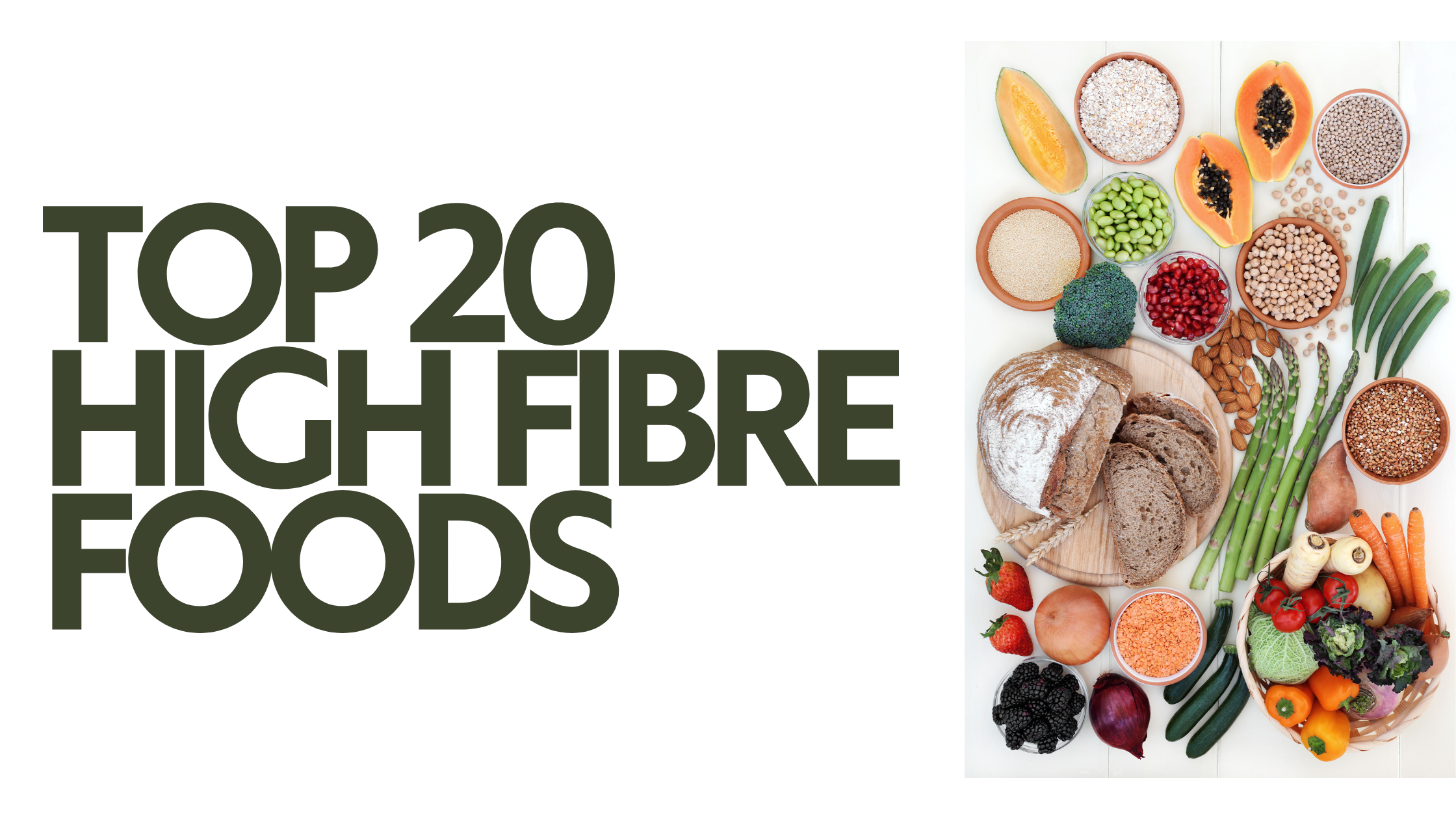
If you’ve ever wondered what are the highest fibre foods, and what you should be eating more of to reach your goals you’re in the right place. In this guide, we’ll look at 20 highest fibre foods, detailing their nutrient profiles, fibre content per serving, and the added health benefits they offer — all backed by science.
Whether your goal is better digestion, more balanced eating or simply increasing your daily fibre intake, this handy list can help you get started.
- Understanding Fibre
- Why Fibre Matters for Gut Health and Digestion
- How to Eat More Fibre Without Feeling Bloated
- What Is the Highest Fibre Food?
- Tips to Boost Your Daily Fibre Intake
- Intake for Different Dietary Requirements
- Fibre Supplements.
- Daily Fibre Recommendations: How Much Fibre Do Women Need?
- What is the Highest Fibre Foods for Different Dietary Needs
- Increasing Fibre Intake Safely
- Recommended Supplements
Understanding Fibre
Fibre is a type of carbohydrate that the body can’t digest. Unlike other carbs that break down into sugar molecules, fibre remains intact as it passes through the digestive system.
There are two main types of fibre: soluble and insoluble.
Soluble fibre1 dissolves in water to form a gel-like substance, which helps slow down digestion and can lower cholesterol and blood sugar levels.
Insoluble fibre does not dissolve in water and adds bulk to the stool, aiding in the movement of materials through the digestive tract.
Why Fibre Matters for Gut Health and Digestion
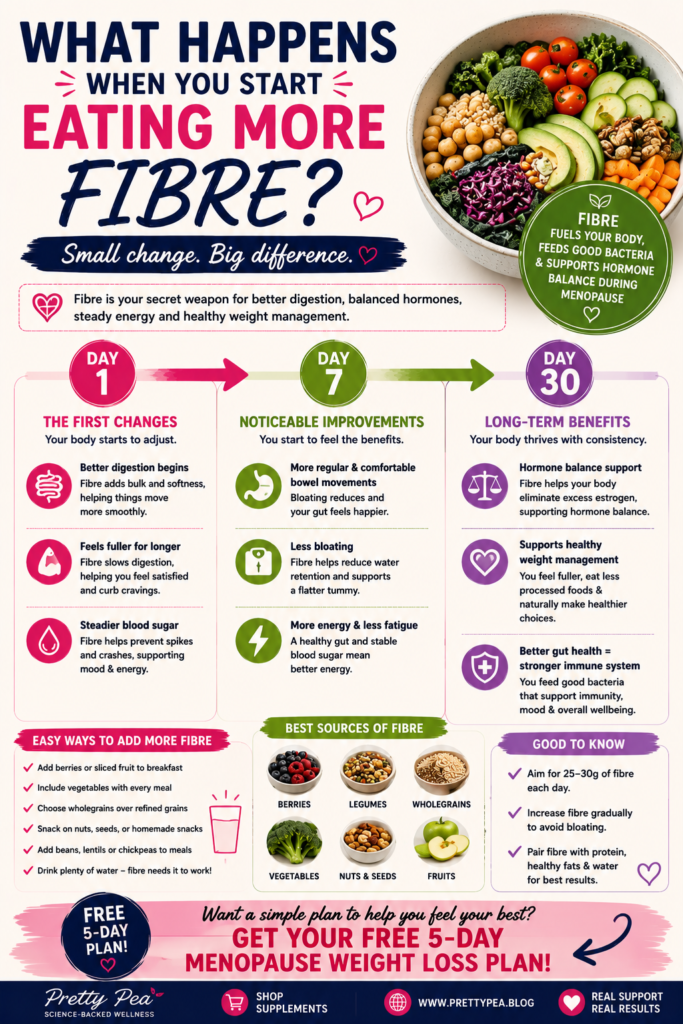
Fibre plays an important role in digestion, bowel regularity, fullness and overall gut health.
It can help support healthy digestion, feed beneficial gut bacteria and make meals more satisfying, which is one reason fibre-rich foods are typically recommended as part of a balanced diet.
How to Eat More Fibre Without Feeling Bloated
If you’re increasing your fibre intake, it’s best to do it gradually. Eating too much fibre too quickly can lead to bloating or discomfort, especially if your usual intake is low.
Drinking enough water and spreading fibre-rich foods throughout the day can help your digestion adjust more comfortably.
What Is the Highest Fibre Food?
Before you dive into the list; There isn’t just one “best” high-fibre food, because different foods provide different types and amounts of fibre. However, foods like chia seeds, lentils, flaxseeds, beans and certain whole grains are among the highest in fibre per serving.
In practice, eating a range of fibre-rich foods is usually more beneficial than relying on one alone.
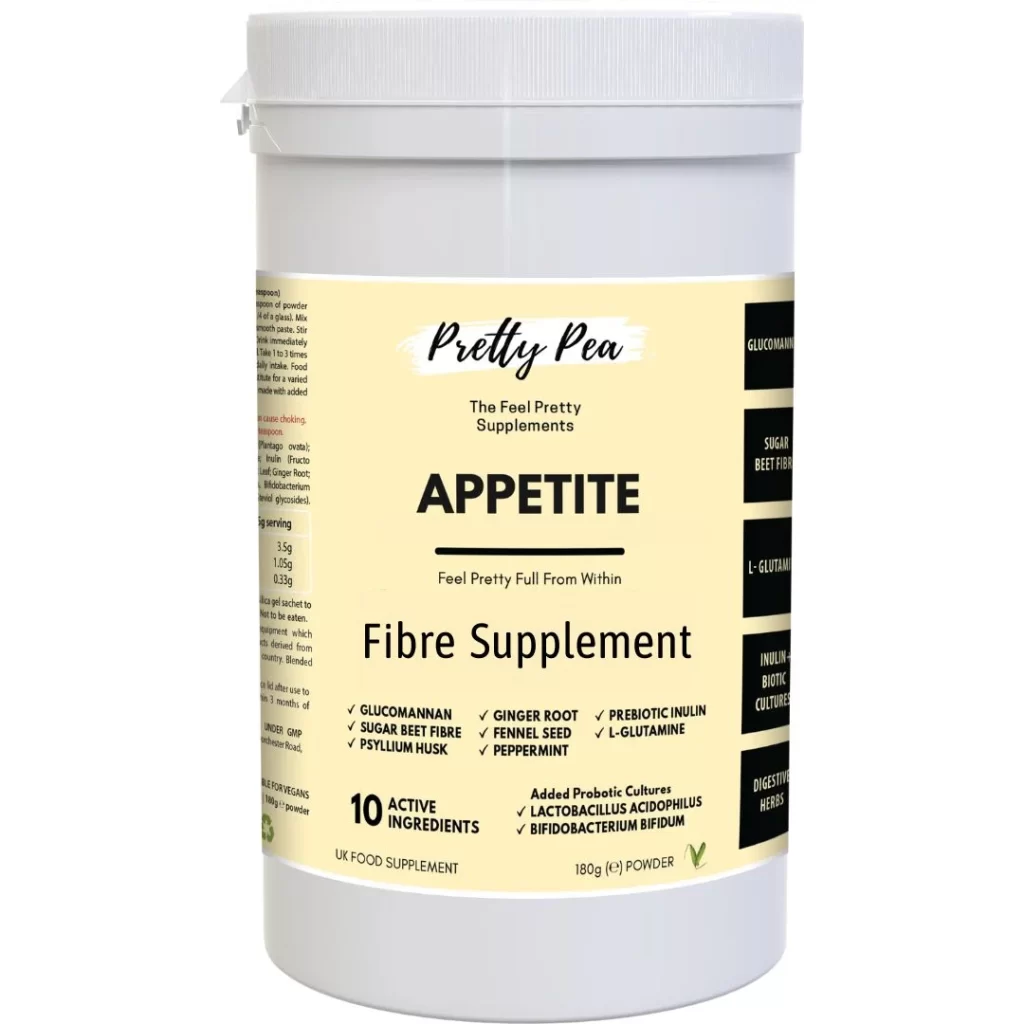
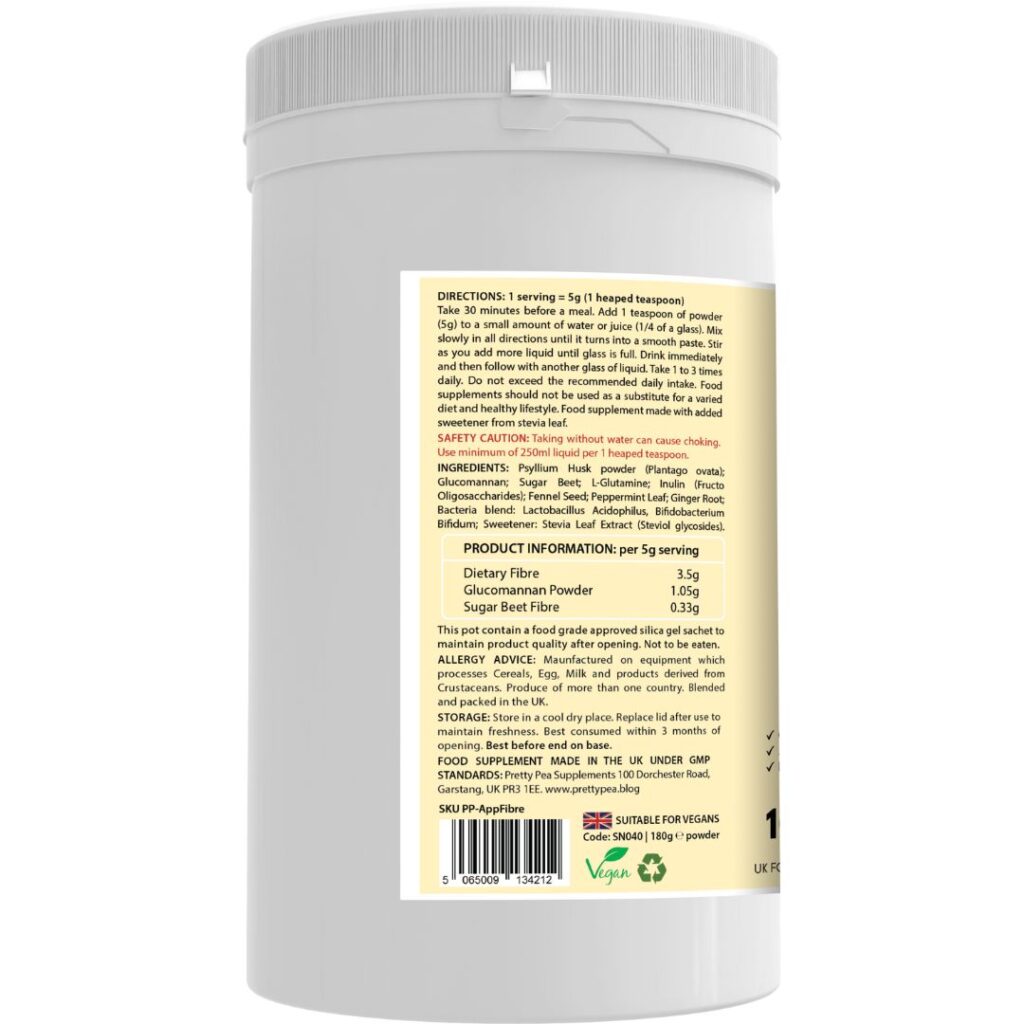
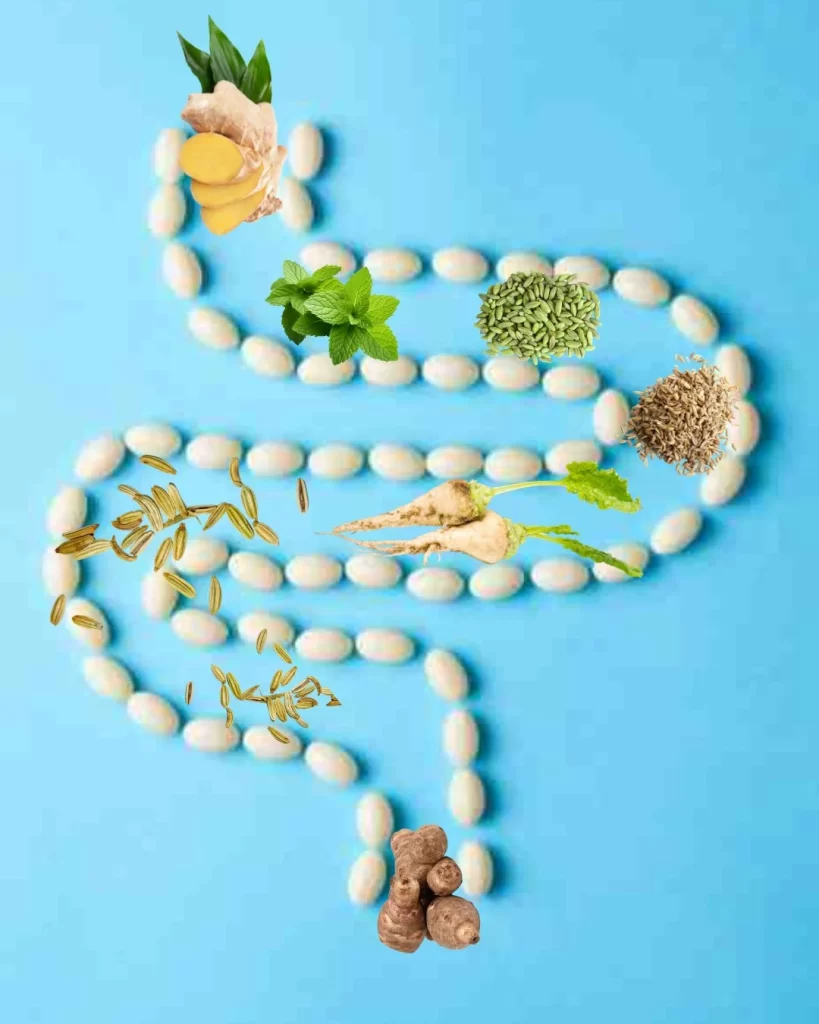
Fibre Powder
Fibre Full blend with Psyllium Husk powder; Glucomannan; Sugar Beet; L-Glutamine; Inulin (FOS); Fennel Seed; Peppermint Leaf; Ginger Root; Bacteria blend, Lactobacillus Acidophilus, Bifidobacterium Bifidum; Sweetener, Stevia Leaf extract – No Artificial Sweeteners
List of 20 Highest Fibre Food to Include in Your Diet
| Food | Serving Size | Fibre (g) | Key Nutrients |
1. Split Peas (Cooked)
Fibre: 16.3g per 1 cup (200g)
Nutrients: Protein (16g), Iron (2.5mg), Folate (127µg), Magnesium (50mg), Potassium (710mg)
Great in soups and stews, split peas are fibre and protein powerhouses.
2. Lentils (Cooked)
Fibre: 15.6g per 1 cup (198g)
Nutrients: Protein (18g), Folate (90% DV), Iron (6.6mg), Manganese, Zinc
Lentils are easy to cook and perfect in curries or salads.
3. Black Beans (Cooked)
Fibre: 15g per 1 cup (172g)
Nutrients: Protein (15g), Magnesium (120mg), Folate (256µg), Antioxidants
An excellent source of resistant starch and gut-friendly fibre.
4. Chia Seeds
Fibre: 10.6g per 28g (2 tbsp)
Nutrients: Omega-3s (5g ALA), Calcium (179mg), Magnesium, Iron
Add to smoothies, overnight oats, or yoghurt for an instant fibre boost.
Get your Fibre Checklist sent straight to your inbox with everything fibre you need to know!
5. Flaxseeds (Ground)
Fibre: 7.6g per 2 tbsp (20g)
Nutrients: Omega-3s (ALA), Lignans (antioxidants), Manganese, Thiamin
Best consumed ground for maximum absorption of nutrients.
6. Kidney Beans (Cooked)
Fibre: 13.6g per 1 cup (177g)
Nutrients: Protein (15g), Iron (3.9mg), Potassium (713mg), Phosphorus
Perfect for chilli, stews or bean salads.
7. Avocado
Fibre: 9.2g per medium avocado (200g flesh)
Nutrients: Monounsaturated fats, Vitamin E, Potassium, Folate
A creamy source of both soluble and insoluble fibre.
8. Raspberries
Fibre: 8g per 1 cup (123g)
Nutrients: Vitamin C (54% DV), Manganese, Antioxidants
One of the highest-fibre fruits, with anti-inflammatory benefits.
9. Artichokes (Cooked)
Fibre: 10.3g per medium (120g)
Nutrients: Vitamin C, Magnesium, Folate, Antioxidants
Supports liver health and digestion.
10. Bran Flakes Cereal
Fibre: 7g per 40g serving
Nutrients: Iron (45% DV), B vitamins, Folate, Zinc
Quick breakfast choice to boost fibre intake.
11. Oats (Rolled, Cooked)
Fibre: 4g per 1 cup (234g cooked)
Nutrients: Beta-glucan (soluble fibre), Manganese, Iron, B vitamins
Supports heart health and stable energy levels.
12. Pears (With Skin)
Fibre: 5.5g per medium (180g)
Nutrients: Vitamin C, Potassium, Polyphenols
A juicy way to satisfy sweet cravings with fibre.
13. Quinoa (Cooked)
Fibre: 5.2g per 1 cup (185g)
Nutrients: Complete protein (8g), Magnesium, Manganese, Iron
A gluten-free grain alternative rich in nutrients.
14. Sweet Potato (With Skin)
Fibre: 5.9g per medium (150g)
Nutrients: Beta-carotene, Vitamin C, Potassium
The skin provides most of the fibre — don’t peel it!
15. Green Peas (Cooked)
Fibre: 8.8g per 1 cup (160g)
Nutrients: Vitamin A, C, K, B vitamins, Protein
An easy addition to pasta, soups, and rice dishes.
16. Almonds
Fibre: 3.5g per 28g (23 almonds)
Nutrients: Healthy fats, Vitamin E, Magnesium, Protein
Snackable and satiating.
17. Broccoli (Cooked)
Fibre: 5.1g per 1 cup (150g)
Nutrients: Vitamin C, K, Folate, Sulforaphane (a cancer-fighting compound)
A cruciferous hero for digestion and detoxification.
18. Carrots (Raw)
Fibre: 3.6g per 1 cup (130g)
Nutrients: Beta-carotene, Vitamin K, Potassium
Great raw, roasted or blended into soups.
19. Popcorn (Air-popped)
Fibre: 3.6g per 3 cups (24g)
Nutrients: Polyphenols, Whole grains
A low-calorie snack — just skip the butter!
20. Barley (Cooked, Hulled)
Fibre: 6g per 1 cup (157g)
Nutrients: Selenium, Phosphorus, Niacin
Contains beta-glucan, a powerful cholesterol-lowering fibre.
Tips to Boost Your Daily Fibre Intake
- Eat whole fruits and vegetables with the skin on.
- Swap white bread/pasta for whole grain versions.
- Add beans or lentils to salads, soups, or stir-fries.
- Start the day with oats or bran cereal.
- Snack on nuts, popcorn or fruit.
- Hydrate — fibre needs water to function properly in the gut.
- Top up with fibre supplement – an easy and convenient way to top up and especially useful for those on restricted diets
What is the Highest Fibre Foods Types to add into Your Meals
Incorporating high-fibre foods into your meals doesn’t have to be challenging. Start by making small changes to your daily diet.
What is the highest fibre foods for breakfast?
Consider swapping your usual cereal for oatmeal topped with berries and chia seeds. This simple switch can significantly increase your fibre intake and provide a nutritious start to your day.
What is the highest fibre foods for lunch and dinner?
Lunch and dinner offer plenty of opportunities to add more fibre to your diet. Try adding a variety of beans and legumes to your salads, soups, and stews. Whole grains like quinoa or brown rice can replace refined grains in many dishes, providing more fibre and nutrients.
Don’t forget to include plenty of vegetables, such as broccoli and sweet potatoes, as side dishes or main components of your meals.
Include Whole Grains
Whole grains like oats, quinoa, and brown rice are not only high in fibre but also loaded with essential nutrients.
For example, one cup of cooked quinoa provides around 5 grams of fibre. Whole grains can be easily incorporated into meals as a base for salads, in soups, or as side dishes.
Include Beans and Legumes
Beans and legumes, such as black beans, lentils, and chickpeas, are some of the richest sources of fibre. A single cup of cooked black beans contains approximately 15 grams of fibre, which is more than half of the recommended daily intake for women.
These foods are also packed with protein, making them an excellent choice for vegetarians and vegans.
What is the highest fibre foods for snacking?
Think high-fibre snacks on hand, such as apples, pears, nuts, and seeds. These can be easily packed for on-the-go snacking and can help you meet your daily fibre goals.
By making these small adjustments and being mindful of your food choices, you can effortlessly increase your fibre intake and enjoy the numerous health benefits that come with it.
Include Berries
Berries, including raspberries, blackberries, and strawberries, are delicious and fibre-rich. One cup of raspberries contains about 8 grams of fibre. These fruits are also high in antioxidants and can be added to yogurt, smoothies, or eaten on their own as a healthy snack.
Include Apples
Apples are a convenient and tasty source of fibre. One medium apple contains about 4 grams of fibre, primarily in the skin. Enjoy apples as a snack, add them to salads, or use them in baking to increase your fibre intake.
Include Nuts and Seeds
Nuts and seeds, such as almonds, flaxseeds, and sunflower seeds, are excellent sources of fibre. A quarter cup of almonds contains around 4 grams of fibre. They can be eaten as a snack, added to salads, or used in baking to boost fibre content.
Fibre Supplements
Fibre supplements are of course an option for support topping up your fibre needs and meeting the recommended daily amount.
Fibre Supplements.
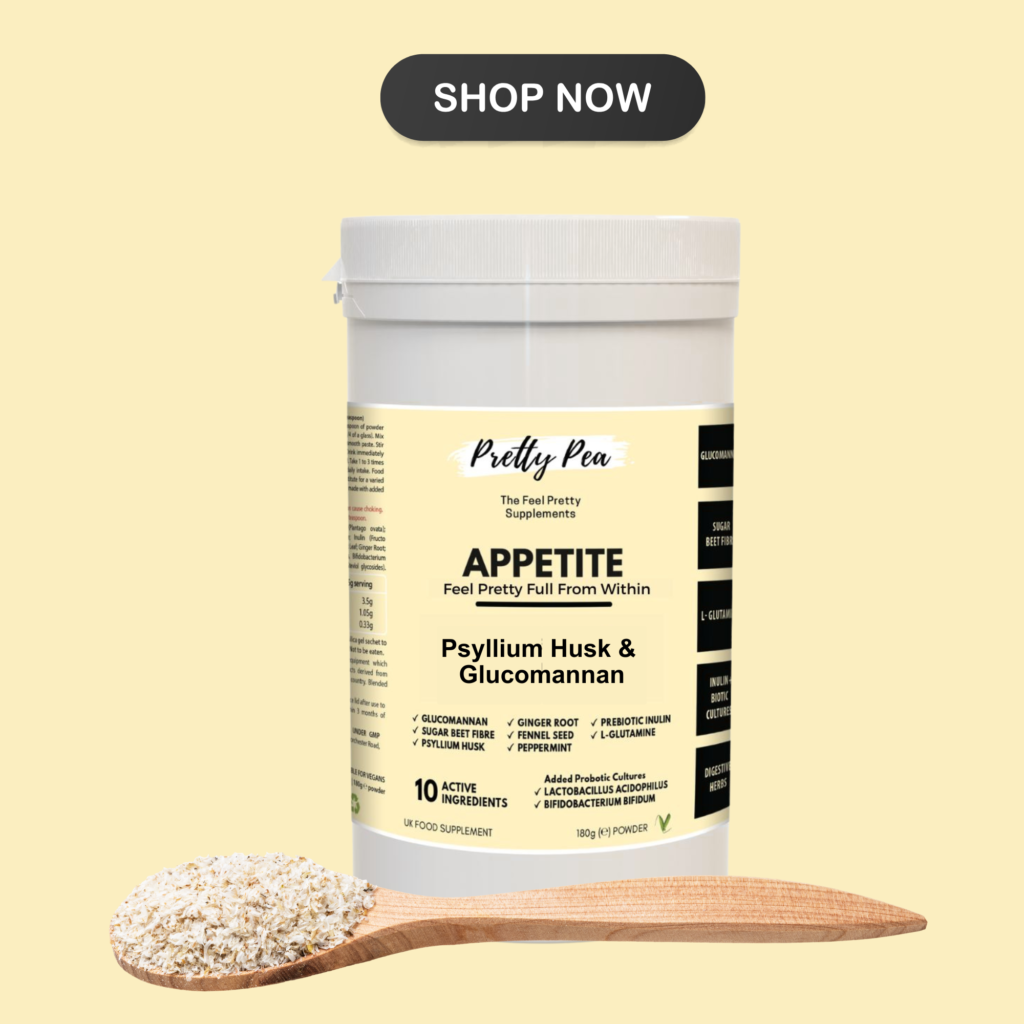
Feel pretty full from within with 4 fibre blend, prebiotic & live cultures, L-glutamine, ginger, fennel & peppermint

Supporting satiety, energy metabolism, hormonal activity & blood sugar balance
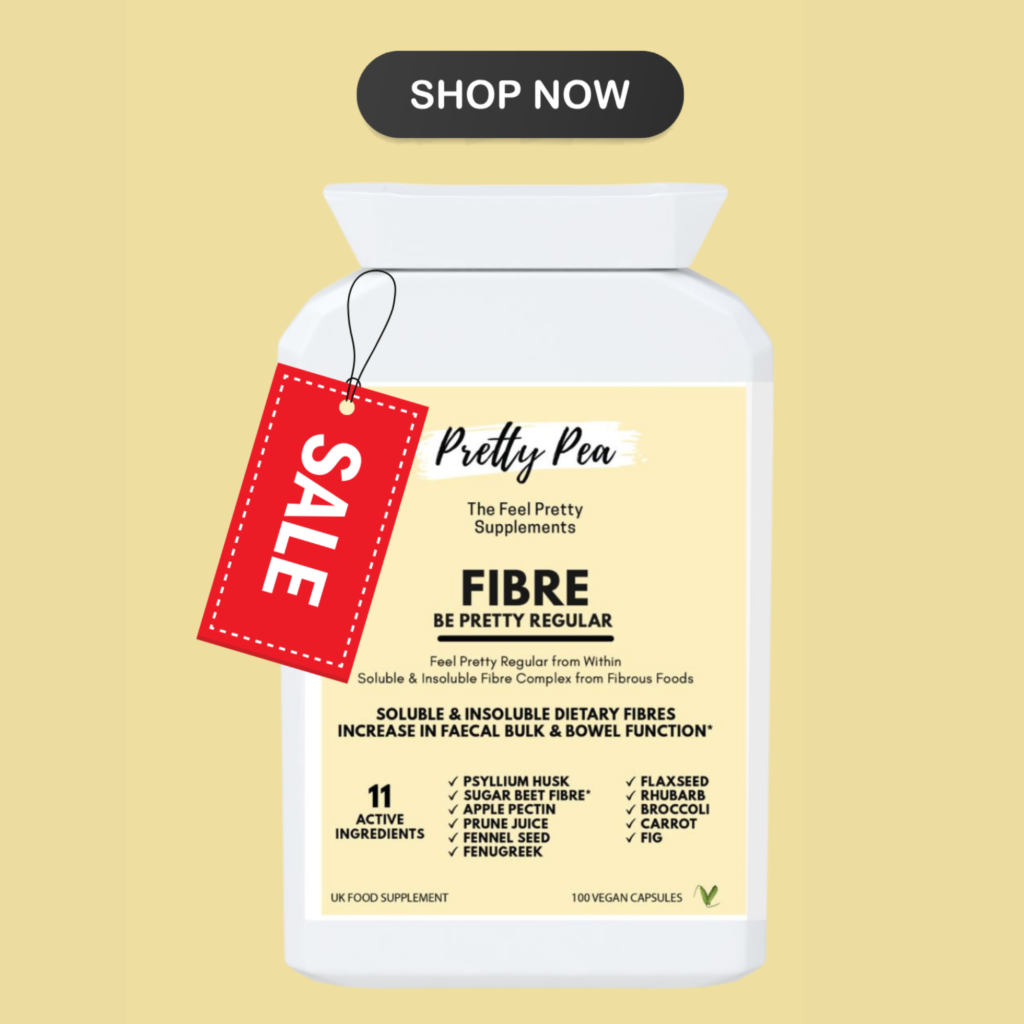
Healthy bowel blend of soluble and insoluble fibre from 11 high fibrous foods
Daily Fibre Recommendations: How Much Fibre Do Women Need?
The amount of fibre you need daily depends on your age, sex, and overall health. The NHS however recommends 30g of fibre per day, but most adults only average around 18g. 2
Increasing your intake of fibre-rich foods is one of the easiest and most powerful ways to improve your digestion, stabilise blood sugar, manage weight, and reduce chronic disease risk.
It’s important to gradually increase your fibre intake to avoid digestive discomfort such as bloating and gas. Start by incorporating small amounts of high-fibre foods into your diet and gradually increase the portion sizes.
Drinking plenty of water is also essential when increasing fibre intake, as fibre works best when it absorbs water, helping to keep stools soft and bulky.
Tracking your fibre intake can also be beneficial in ensuring you meet the recommended daily amounts. There are various apps and tools available that can help you log your daily food intake and calculate the fibre content.
What is the Highest Fibre Foods for Different Dietary Needs
The highest fibre food for differing dietary needs require different approaches. For example, vegetarians and vegans, beans, legumes, and whole grains are excellent sources of fibre and protein.
For individuals following a gluten-free diet, there are still plenty of high-fibre options available. Quinoa, brown rice, and gluten-free oats are excellent sources of fibre that can be included in a gluten-free diet.
Additionally, fruits, vegetables, nuts, and seeds are naturally gluten-free and high in fibre.
For those on a low-carb or ketogenic diet, it can be challenging to meet fibre needs while keeping carbohydrate intake low. Non-starchy vegetables, such as broccoli, spinach, and cauliflower, are low in carbs and high in fibre. Nuts and seeds, particularly chia seeds and flaxseeds, are also great options.
Tips for Increasing Fibre Intake Safely
Increasing fibre intake safely requires a gradual approach to avoid digestive discomfort.
Now you know what is the highest fibre fibre food, it’s important to start by introducing small amounts of high-fibre foods into your diet and gradually increase the portion sizes over time. This allows your digestive system to adjust and minimizes the risk of bloating and gas.
Staying hydrated is crucial when increasing fibre intake. Fibre works best when it absorbs water, helping to keep stools soft and bulky. Aim to drink at least eight glasses of water a day, and consider drinking more if you are increasing your fibre intake significantly.
Variety is key when it comes to fibre. Incorporate a wide range of high-fibre foods into your diet to ensure you get both soluble and insoluble fibre. This can be achieved by including fruits, vegetables, whole grains, beans, legumes, nuts, and seeds in your meals.
By following these tips, you can safely increase your fibre intake and enjoy the numerous health benefits that come with a high-fibre diet.
FAQ’s
What are the highest fibre foods?
Some of the foods highest in fibre include chia seeds, lentils, beans, flaxseeds and certain whole grains. Rather than focusing on just one food, eating a variety of high-fibre foods is often the best way to support digestion and overall health.
Can fibre help with constipation?
Yes, fibre can help support regular bowel movements, especially when combined with enough fluids. Both soluble and insoluble fibre play a role in digestive health, so eating a variety of fibre-rich foods is helpful.
What vegetables are high in fibre?
Vegetables rich in fibre include broccoli, Brussels sprouts, carrots, peas, sweet potatoes and artichokes. Including a range of vegetables in your meals is a simple way to eat more fibre.
What are the best high-fibre foods for women?
Some of the best high-fibre foods for women include chia seeds, lentils, oats, berries, flaxseeds, avocado and beans. These foods can support gut health, fullness and balanced eating, and may be especially useful during midlife and menopause.
Are fibre supplements better than high-fibre foods?
Whole foods are usually the best place to start because they provide fibre along with vitamins, minerals and plant compounds. Fibre supplements can be useful in some situations, but fibre-rich foods offer broader nutritional benefits.
What fruits are highest in fibre?
Some of the highest fibre fruits include raspberries, pears, blackberries, apples (with the skin on), figs and avocado. These can help increase your daily fibre intake while also providing vitamins and antioxidants.
How can I add more fibre to my diet?
You can increase fibre by adding beans, lentils, oats, fruit, vegetables, seeds and whole grains to your meals. Small changes, like choosing wholegrain bread or adding chia seeds to yoghurt, can make a big difference over time.
How much fibre should I eat each day?
Adults in the UK are generally advised to aim for around 30g of fibre per day. Many people eat less than this, so gradually increasing high-fibre foods can help support digestion and overall health.
Looking For More Fibre Advice?
- Soluble vs Insoluble Fibre Explained
- Why Fibre Could Be the Secret to a Better Menopause
- What Is Glucomannan? Benefits, Uses & Side Effects
- 9 Benefits of Fibre: Why It’s Essential for Gut Health, Weight and Wellbeing
- Appetite Regulation: How Fibre vs GLP-1 Compare
- Glucomannan for Weight Loss: Does It Work and How Does It Compare to Medications?
- The Real Causes of Bloating (and What Actually Helps)
- Plantago Ovata (Psyllium Husk): Benefits, Uses, Science and FAQs
- GLP-1 Foods: The Ultimate List for Appetite Control, Fat Loss & Blood Sugar
- 50 High Fibre Foods Ranked by Fibre Content
- Best Fibre Supplements for Women | Complete UK Fibre Supplement Guide
Recommended Supplements
-
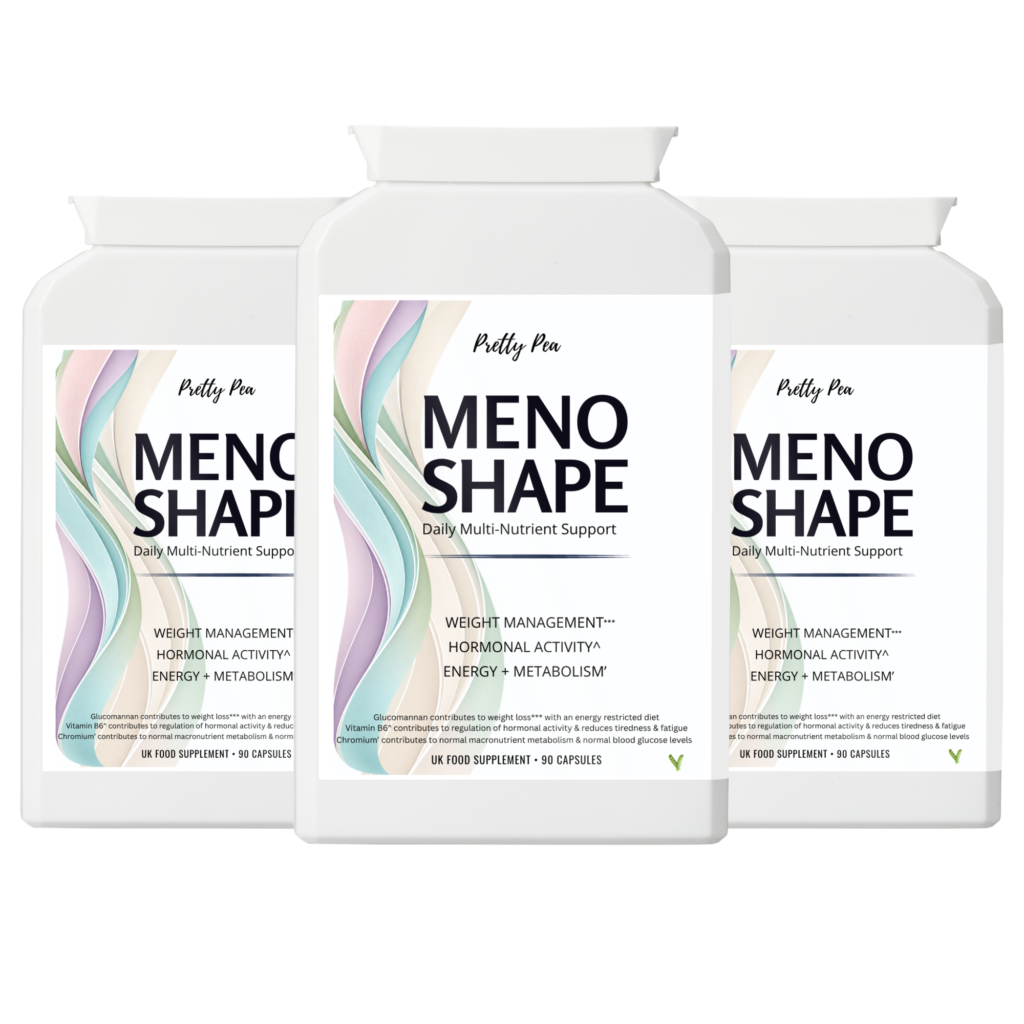
Menopause Supplement UK – Women’s Nutritional Support with Vitamins, Fibre & Botanicals
Original price was: £25.00.£19.99Current price is: £19.99. -
Menopause Supplement Bundle 3 for 2 Offer
Original price was: £77.97.£50.00Current price is: £50.00. -

-

-
-
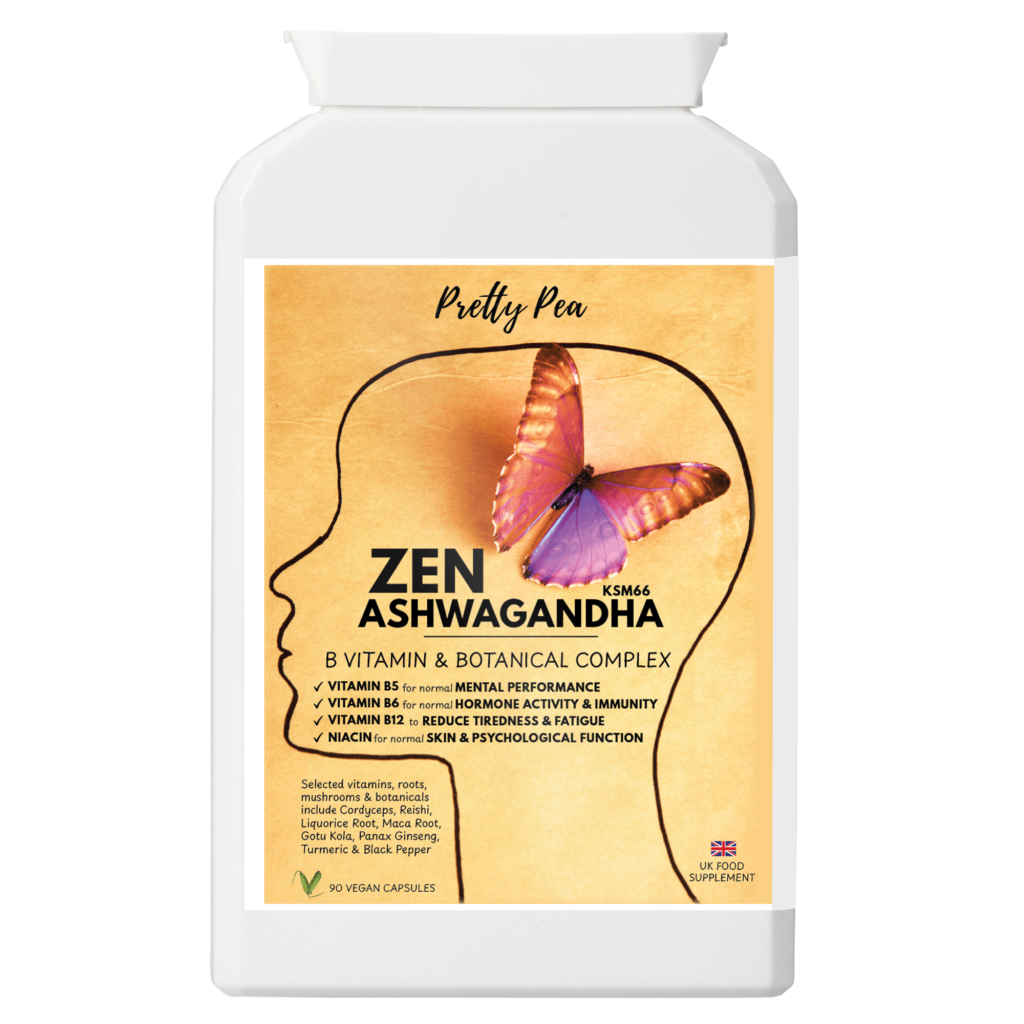
Ashwagandha Supplement plus B Vitamins
Original price was: £25.00.£19.99Current price is: £19.99.
You might also be interested in..




You may also like:
Your Gut Microbiome Is Talking to Your Brain — Are You Listening
The Ultimate Guide to Fibre Supplements for a Happier Gut: Unlocking Your Digestive Health
10 Green Tea Benefits: The Ultimate Science-Backed Guide
Understanding Visceral Fat: The Ultimate Belly Fat Guide
Everything Psyllium How To Use: A Comprehensive Guide on How to Use It for Maximum Health Benefits
Simple Food Group Swaps – Make Life Easier for Yourself
The 100 Symptoms of Perimenopause
What is the Highest Fibre Food – References
Public Health England. (2015). Scientific Advisory Committee on Nutrition: Carbohydrates and Health Report.
Slavin, J. (2013). Dietary fiber and body weight. Nutrition, 29(4), 486–489.
Anderson, J. W. et al. (2009). Health benefits of dietary fibre. Nutrition Reviews, 67(4), 188–205.
USDA FoodData Central. (2024). Nutrient database for standard reference.
NHS UK. (2023). How to get more fibre into your diet. Retrieved from www.nhs.uk
