

Searching for the best supplements for women? How do you know the page you land on is actually evidence-based nutrition, not marketing hype?
The supplement industry is worth billions of pounds each year, with products promising everything from more energy and stronger immunity to faster weight loss and younger-looking skin. Yet despite the growing popularity of supplements, one question remains:
Do they actually work?
The honest answer is yes – some do. But not all supplements are created equal, and no supplement can replace the foundations of good health.
Some nutrients have decades of high-quality research behind them and are recommended by the NHS or healthcare professionals in certain circumstances. Others show promise but need more research. Some are marketed far beyond what the scientific evidence can support.
This guide looks at the supplements most relevant to women’s health, explaining:
- Which nutrients are genuinely important
- Who may benefit from supplementation
- When food should come first
- UK Reference Nutrient Intakes (RNIs)
- Safe supplementation guidance
- What the evidence really says
Rather than asking “Best supplements for women?”, the better question is:
“Is this the right supplement, at the right dose, for the right person?”
Supplements Are Designed to Supplement
A supplement should add to a healthy diet—not replace it.
Even the highest-quality supplement cannot compensate for:
- A diet low in fruit, vegetables and wholegrains
- Too little fibre
- Poor sleep
- Lack of exercise
- Smoking
- Excess alcohol
- Chronic stress
For most women, these lifestyle factors have a far greater impact on long-term health than any individual supplement.
Think of supplements as one tool in a much larger health toolkit.
Why Women Have Different Nutritional Needs
Women’s nutritional requirements change throughout life.
Hormonal changes, menstruation, pregnancy, breastfeeding and menopause all influence nutrient needs.
For example:
| Life stage | Nutrients that may become more important |
|---|---|
| Menstruation | Iron |
| Pregnancy planning | Folic acid, iodine, vitamin D |
| Pregnancy | Folic acid, iodine, iron (if required), vitamin D |
| Breastfeeding | Iodine, vitamin D, calcium |
| Perimenopause | Protein, fibre, vitamin D, calcium |
| Menopause | Protein, fibre, calcium, vitamin D |
This doesn’t mean every woman needs supplements—but it does explain why nutritional requirements are not identical throughout life.
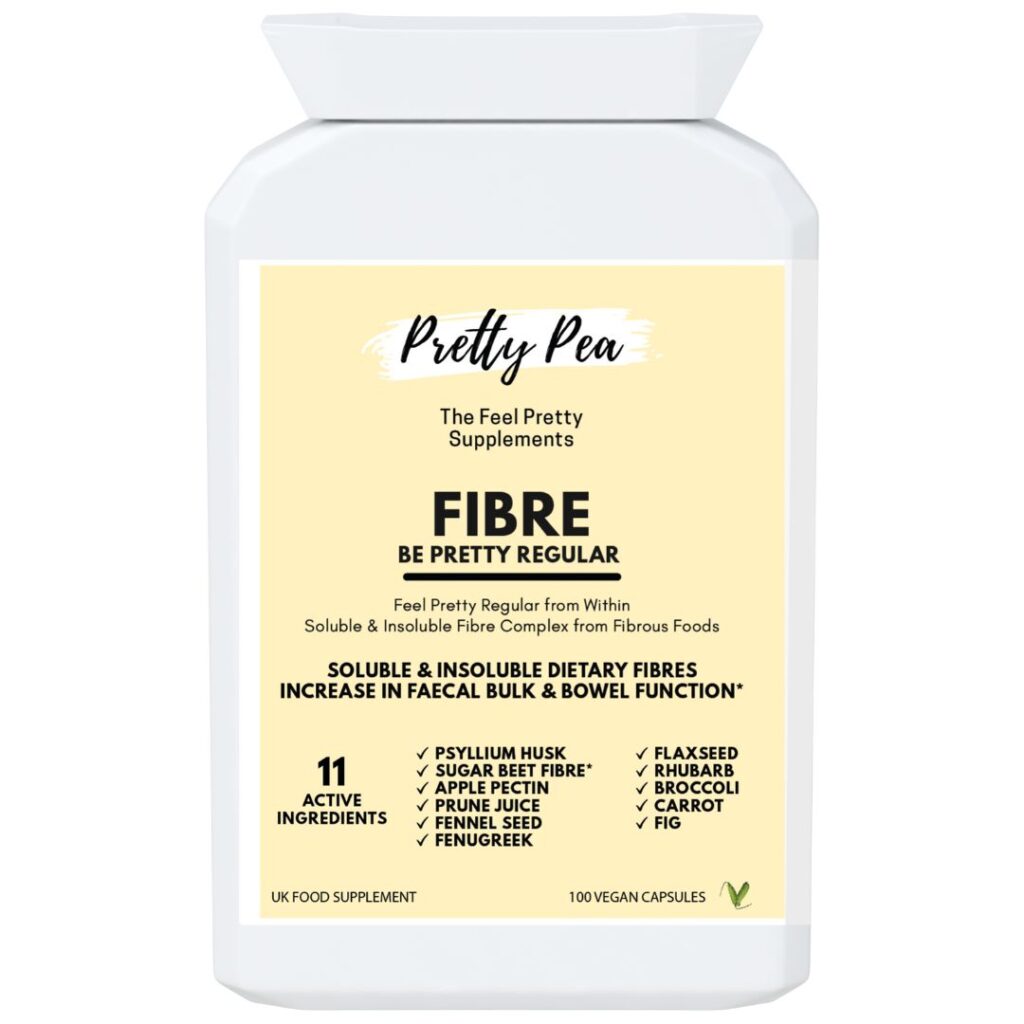
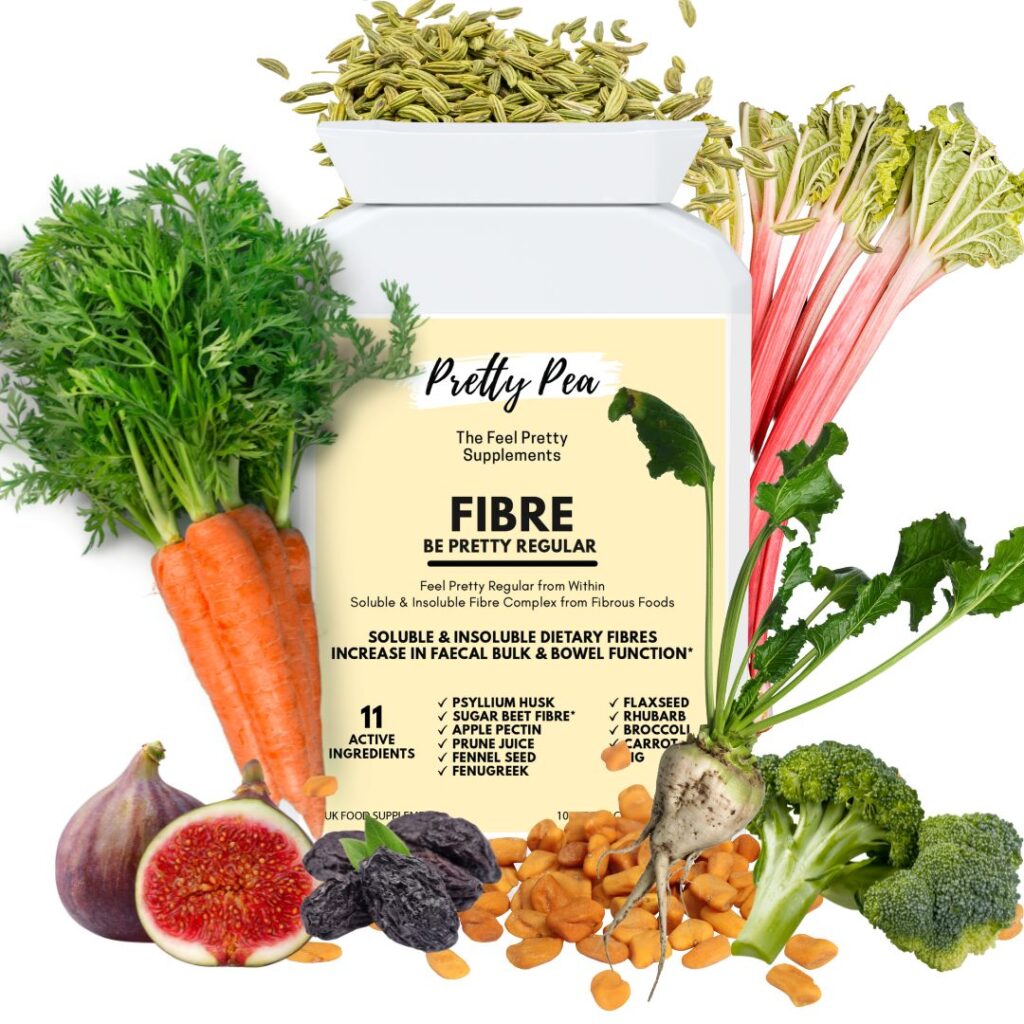
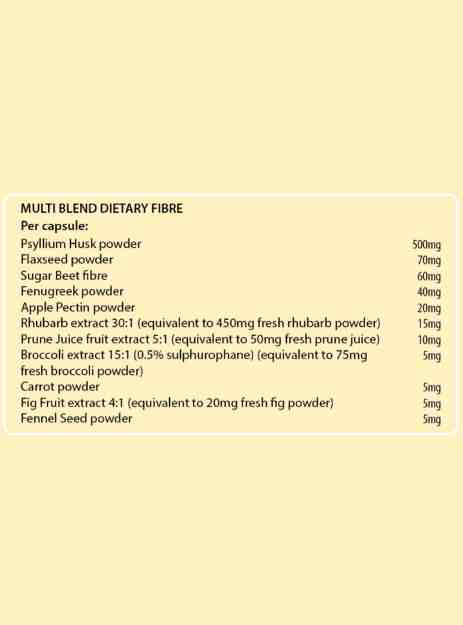
Fibre Capsules
Food First or Supplements?
Healthcare professionals generally recommend a food-first approach wherever possible.
Whole foods provide:
- vitamins
- minerals
- fibre
- healthy fats
- antioxidants
- phytochemicals
- protein
all working together in ways that a single capsule cannot fully replicate.
However, supplements become useful when:
- dietary intake is consistently low
- requirements increase
- absorption is reduced
- deficiency is confirmed
- achieving recommended intakes through food alone is difficult
Understanding UK Reference Nutrient Intakes (RNIs)
Throughout this guide you’ll see the term RNI.
The Reference Nutrient Intake is the amount estimated to meet the needs of almost all healthy people.
It is not a target to exceed, and consuming significantly more doesn’t necessarily provide additional benefits.
You’ll also see references to safe upper intake levels or guidance values. These represent the amount that most healthy adults can consume daily over the long term without an appreciable risk of adverse effects. They are intended to help avoid excessive supplementation—not to discourage appropriate use within recommended amounts.
Understanding RNIs, NRVs and Safe Upper Levels
When comparing supplements, you’ll often see terms such as RNI, NRV and safe upper level. Although they sound similar, they mean different things.
Reference Nutrient Intake (RNI)
The Reference Nutrient Intake (RNI) is the amount of a nutrient that is considered sufficient to meet the needs of almost all healthy people in a particular age and sex group.
For example, the UK RNI for vitamin B6 is 1.2 mg per day for women and 1.4 mg per day for men.
Meeting the RNI helps ensure you’re getting enough of a nutrient for normal health.
Lower Reference Nutrient Intake (LRNI)
The Lower Reference Nutrient Intake (LRNI) is much lower than the RNI.
Regularly consuming less than the LRNI increases the likelihood that your intake is insufficient and that deficiency could develop over time.
Healthcare professionals sometimes use the LRNI when assessing dietary adequacy.
Nutrient Reference Value (NRV)
You’ll often see NRV on supplement labels.
This is the reference value used for nutrition labelling across Great Britain and the European Union. It allows you to compare products by showing what percentage of the daily reference amount each serving provides.
For example, a supplement providing 10 micrograms of vitamin D supplies 200% of the NRV.
This does not necessarily mean it provides “too much” vitamin D—it simply reflects that the NRV used for labelling differs from some UK recommendations.
Safe Upper Intake Levels
More is not always better.
For some nutrients, scientists have established a safe upper intake level or guidance level. This represents the amount that most healthy adults can consume every day over a prolonged period without an appreciable risk of adverse effects.
Exceeding these levels occasionally is unlikely to cause harm, but regularly consuming large amounts from multiple supplements may increase the risk of unwanted effects.
The goal of supplementation is not to take the highest dose available—it’s to consume enough to meet your needs safely.
How We Rated the Evidence
★★★★★ Strong evidence, supported by multiple clinical studies and established public health guidance.
★★★★ Good evidence, although benefits depend on the individual.
★★★ Promising evidence with ongoing research.
★★ Limited or inconsistent evidence.
★ Little convincing evidence for routine use.
It’s important to remember that these ratings relate to supplementation, not whether a nutrient is essential.
For example, magnesium is unquestionably essential for human health. However, the evidence supporting routine magnesium supplementation in healthy adults with adequate dietary intake is less convincing than the evidence for correcting a magnesium deficiency.
Similarly, vitamin D has very strong evidence because both deficiency and the benefits of correcting inadequate intake are well established.
1. Fibre ★★★★★
Why fibre matters
If there is one nutrient that deserves far more attention, it is fibre.
Most adults in the UK consume around 20 g of fibre per day, well below the recommended 30 g daily.
Low fibre intake has been linked with poorer digestive health and is associated with a higher risk of several long-term conditions.
Increasing fibre intake is one of the simplest dietary improvements many women can make.
Not all fibres are the same
Different fibres perform different roles.
Soluble fibre
Forms a gel when mixed with water.
Examples include:
- Glucomannan
- Psyllium husk
- Oats
- Barley
These fibres can help increase stool softness and support feelings of fullness.
Read: Can You Use Psyllium Husk for Weight Loss? Benefits, Dosage & Science Explained – Pretty Pea
Glucomannan for Weight Loss: Does It Work and How Does It Compare to Medications?
Insoluble fibre
Adds bulk to stool.
Examples include:
- Wheat bran
- Wholegrains
- Vegetable skins
Prebiotic fibre
Feeds beneficial gut bacteria.
Examples include:
- Inulin
- Chicory root fibre
- Garlic
- Onions
UK recommendation
30 g fibre/day
Can food provide enough?
Yes.
Excellent sources include:
- beans
- lentils
- oats
- vegetables
- berries
- nuts
- seeds
- wholegrains
Unfortunately, many adults still struggle to reach the recommended intake consistently.
When can fibre supplements help?
Fibre supplements can be useful when dietary intake is low or increasing fibre through food alone is difficult.
Different fibre supplements have different properties.
For example:
- Psyllium provides a gel-forming soluble fibre.
- Glucomannan is a highly viscous soluble fibre. At 3 g daily, taken in three 1 g doses before meals with water as part of an energy-restricted diet, it has an authorised health claim for contributing to weight loss.
- Inulin acts primarily as a prebiotic fibre.
The aim should be to increase total daily fibre intake, whether through food, supplements or a combination of both.
Read: Glucomannan for Weight Loss: Does It Work and How Does It Compare to Medications?
At a Glance
| Recommendation | Fibre |
|---|---|
| UK recommendation | 30 g/day |
| Evidence | ★★★★★ |
| Food first? | Yes |
| Supplement useful? | Often, if dietary intake is low |
Read: Why Fibre Could Be the Secret to a Better Menopause
2. Vitamin D ★★★★★
Why is it important?
Vitamin D contributes to:
- normal immune function
- maintenance of bones
- normal muscle function
- normal teeth
Unlike many vitamins, sunlight is the main source.
During autumn and winter, the UK receives insufficient UVB sunlight for most people to make enough vitamin D through the skin.
UK recommendation
10 micrograms (400 IU) daily
The NHS advises most people should consider a daily vitamin D supplement during autumn and winter, with some individuals advised to supplement all year round.
Safe upper intake
100 micrograms (4,000 IU) per day for healthy adults unless under medical supervision.
Food sources
- Oily fish
- Eggs
- Fortified breakfast cereals
- Fortified dairy alternatives
Evidence
★★★★★
Vitamin D supplementation is one of the most evidence-supported supplements where intake or sun exposure is insufficient.
At a Glance
| Vitamin D | |
|---|---|
| UK recommendation | 10 µg/day |
| Evidence | ★★★★★ |
| Food alone sufficient? | Sometimes |
| Supplement useful? | Often |
3. Vitamin B6 ★★★★★
Vitamin B6 is involved in more than 100 enzyme reactions throughout the body.
It contributes to normal:
- energy-yielding metabolism
- nervous system function
- psychological function
- immune function
- protein and glycogen metabolism
- red blood cell formation
- regulation of hormonal activity
- reduction of tiredness and fatigue
These are authorised health claims in Great Britain and the EU.
UK RNI
| Group | Vitamin B6 |
|---|---|
| Women | 1.2 mg/day |
| Men | 1.4 mg/day |
Food sources
- Chicken
- Turkey
- Salmon
- Potatoes
- Chickpeas
- Bananas
Should women supplement?
Many women achieve adequate vitamin B6 through diet.
However, supplementation may be appropriate where dietary intake is low or where a healthcare professional recommends it.
Vitamin B6 is commonly included in multivitamins and women’s health formulations because of its well-established role in normal energy metabolism, hormonal activity and nervous system function.
Safe supplementation
Vitamin B6 has an excellent safety profile when used as directed.
Very high intakes taken over prolonged periods have been associated with nerve-related side effects in some individuals. For this reason, UK regulators have adopted a cautious approach to higher-dose supplementation, and many well-formulated products provide around 10 mg per daily serving. As with all supplements, it is sensible to follow the manufacturer’s recommended intake and avoid combining multiple products that contain the same nutrient unless advised by a healthcare professional.
Evidence
★★★★★
Vitamin B6 is an essential nutrient with well-established physiological functions, although additional supplementation is most beneficial when dietary intake is inadequate or individual requirements are increased.
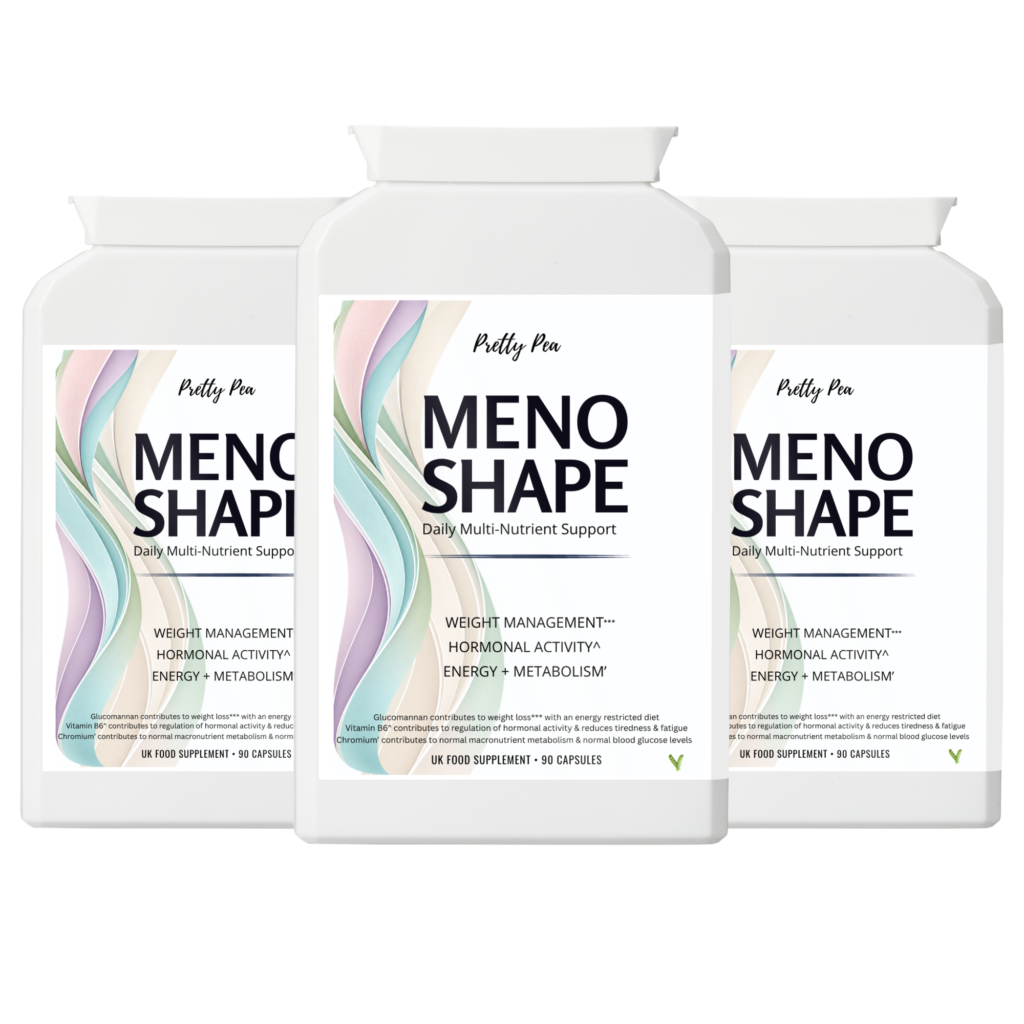
You can find vitamin B6 in Meno Weight.
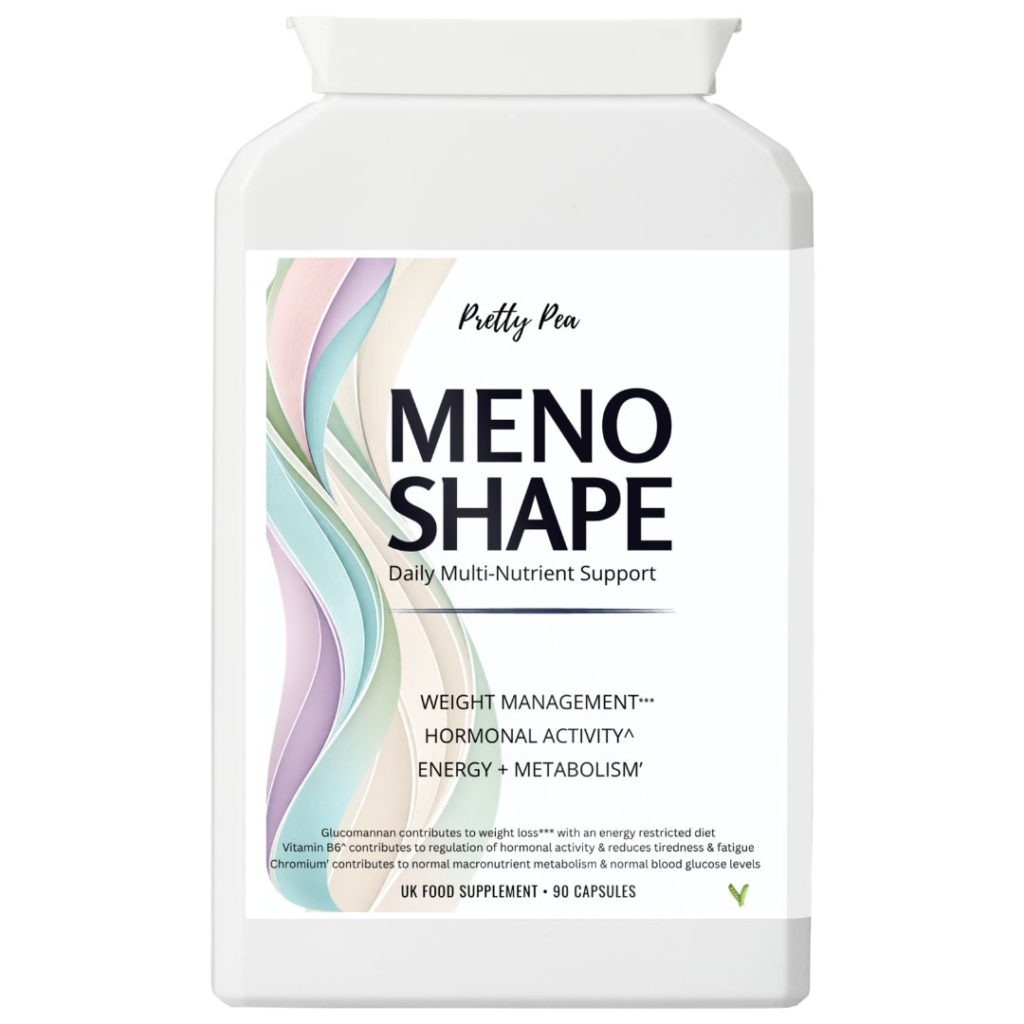
Menopause Supplement UK – Women’s Nutritional Support with Vitamins, Fibre & Botanicals
At a Glance
| Vitamin B6 | |
|---|---|
| UK recommendation | 1.2 mg/day (women) |
| Evidence | ★★★★★ |
| Food first? | Yes |
| Supplement useful? | In some women |
4. Iron ★★★★★
Iron is one of the nutrients most commonly lacking in women of reproductive age.
It is essential for making haemoglobin, the protein in red blood cells that carries oxygen around the body. Iron also contributes to normal cognitive function, energy-yielding metabolism, immune function and the reduction of tiredness and fatigue.
Women lose iron through menstruation, meaning requirements are higher than for men before the menopause.
UK Reference Nutrient Intake (RNI)
| Group | Iron |
|---|---|
| Women (19–50 years) | 14.8 mg/day |
| Women (50+ years) | 8.7 mg/day |
| Men | 8.7 mg/day |
Good Food Sources
Haem Iron (more easily absorbed)
- Lean red meat
- Liver (avoid in pregnancy due to high vitamin A)
- Poultry
- Fish
Non-Haem Iron
- Lentils
- Chickpeas
- Kidney beans
- Tofu
- Pumpkin seeds
- Fortified breakfast cereals
- Spinach
Vitamin C helps improve the absorption of non-haem iron, so pairing plant sources with foods such as peppers, berries or citrus fruit is a simple way to increase iron uptake.
Who May Benefit from Supplementation?
Iron supplements may be appropriate for:
- Women with heavy menstrual bleeding
- Women with confirmed iron deficiency
- Some pregnant women (under medical advice)
- People following diets low in iron-rich foods
- Individuals with conditions affecting iron absorption
However, iron is not a supplement that everyone should take “just in case.”
Too much iron can be harmful, and symptoms such as tiredness are not always caused by iron deficiency.
Whenever possible, iron deficiency should be confirmed through appropriate testing before starting supplementation.
Safe Supplementation
Iron supplements commonly cause digestive side effects, including constipation, nausea or stomach discomfort.
If supplementation is needed:
- Take only the amount recommended by your healthcare professional or the product directions.
- Keep iron supplements out of the reach of children, as accidental overdose can be extremely dangerous.
Evidence
★★★★★
Iron supplementation is highly effective when iron deficiency is present.
There is much less evidence of benefit in women whose iron stores are already adequate.
At a Glance
| Iron | |
|---|---|
| UK recommendation | 14.8 mg/day (women 19–50) |
| Evidence | ★★★★★ |
| Food first? | Yes |
| Supplement useful? | If deficiency or increased requirements |
5. Iodine ★★★★★
Although it receives far less attention than vitamin D or iron, iodine is an essential nutrient for women.
It is required to produce thyroid hormones, which help regulate growth, brain development, metabolism and normal nervous system function.
Iodine is particularly important before and during pregnancy because the developing baby’s brain depends on an adequate supply.
UK Reference Nutrient Intake (RNI)
| Group | Iodine |
|---|---|
| Adults | 140 micrograms/day |
Good Food Sources
- Milk
- Yoghurt
- Cheese
- White fish
- Oily fish
- Eggs
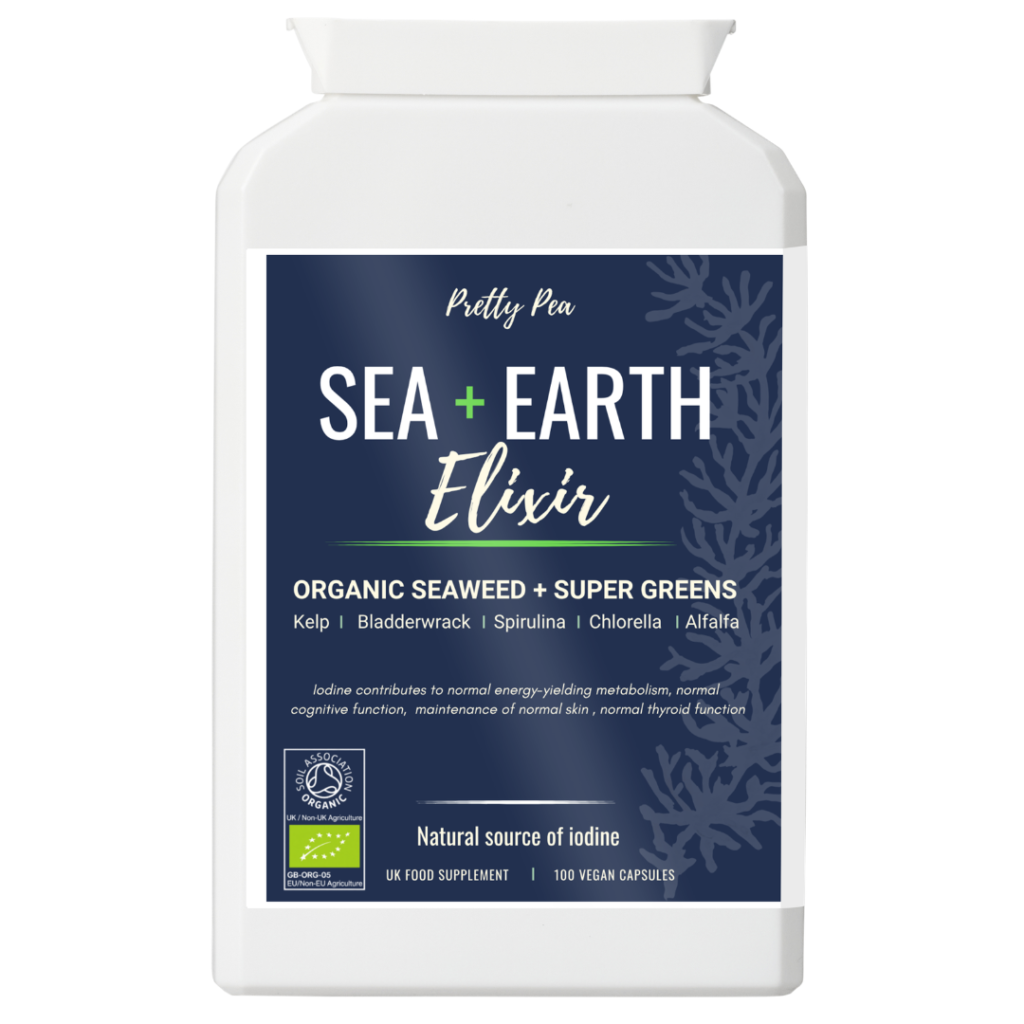
Seaweed can contain very large and highly variable amounts of iodine, making it unsuitable as a regular source for many people.
Who May Benefit?
Women who may have lower iodine intakes include:
- Vegans
- Some vegetarians
- Women who avoid dairy
- Women planning pregnancy
- Pregnant women (following professional advice)
Safe Supplementation
Iodine is essential—but more is not necessarily better.
Excessive iodine intake can affect normal thyroid function in some individuals, particularly those with underlying thyroid disorders.
People with diagnosed thyroid disease should seek medical advice before taking iodine supplements.
Evidence
★★★★★
Adequate iodine intake is well established as being important for normal thyroid hormone production and healthy development during pregnancy.
At a Glance
| Iodine | |
|---|---|
| UK recommendation | 140 µg/day |
| Evidence | ★★★★★ |
| Food first? | Yes |
| Supplement useful? | Some women |
6. Zinc ★★★★★
Zinc is involved in hundreds of enzyme reactions throughout the body.
It contributes to the normal:
- function of the immune system
- maintenance of normal hair
- maintenance of normal skin
- maintenance of normal nails
- cognitive function
- fertility and reproduction
- carbohydrate metabolism
- protein synthesis
- maintenance of bones
- maintenance of normal testosterone levels in the blood
- protection of cells from oxidative stress
Despite its importance, mild zinc deficiency can occur in people with low dietary intake.
UK Reference Nutrient Intake (RNI)
| Group | Zinc |
|---|---|
| Women | 7 mg/day |
| Men | 9.5 mg/day |
Food Sources
- Beef
- Lamb
- Seafood
- Pumpkin seeds
- Chickpeas
- Cashews
- Cheese
Should Women Supplement?
Many women obtain sufficient zinc from food.
Supplementation may be useful where intake is consistently low or dietary patterns reduce zinc consumption.
Because zinc and copper compete for absorption, prolonged high-dose zinc supplementation should generally be avoided unless supervised by a healthcare professional.
Evidence
★★★★★
Zinc is an essential mineral with well-established roles throughout the body, although supplementation is most useful when intake is inadequate.
At a Glance
| Zinc | |
|---|---|
| UK recommendation | 7 mg/day |
| Evidence | ★★★★★ |
| Food first? | Yes |
| Supplement useful? | Sometimes |
7. Magnesium ★★★★☆
Magnesium has become one of the most talked-about supplements in recent years.
It contributes to:
- normal muscle function
- normal psychological function
- reduction of tiredness and fatigue
- maintenance of normal bones
- electrolyte balance
- normal energy-yielding metabolism
- normal nervous system function
While many claims are made about magnesium online, not all are supported by strong clinical evidence.
UK Reference Nutrient Intake (RNI)
| Group | Magnesium |
|---|---|
| Women | 270 mg/day |
| Men | 300 mg/day |
Food Sources
- Almonds
- Pumpkin seeds
- Spinach
- Wholegrain cereals
- Beans
- Dark chocolate
Should Women Supplement?
Most women can meet their magnesium needs through a balanced diet.
Supplementation may be appropriate when intake is consistently low or where deficiency has been identified.
Claims that magnesium routinely improves sleep, anxiety or muscle cramps in everyone remain an active area of research, with mixed findings depending on the population studied and the form of magnesium used.
Safe Supplementation
High amounts of supplemental magnesium may cause diarrhoea or stomach upset.
Taking more is not necessarily better, and it is sensible to follow the manufacturer’s recommended daily intake.
Evidence
★★★★☆
Magnesium is unquestionably essential for health, but the evidence for routine supplementation in healthy adults is less clear than for correcting an inadequate intake.
At a Glance
| Magnesium | |
|---|---|
| UK recommendation | 270 mg/day |
| Evidence | ★★★★☆ |
| Food first? | Yes |
| Supplement useful? | Some women |
8. Vitamin B12 ★★★★★
Vitamin B12 is essential for keeping the body’s nerve cells healthy, producing red blood cells and supporting normal energy metabolism.
Unlike many vitamins, vitamin B12 is found naturally almost exclusively in foods of animal origin, making it one of the nutrients that deserves particular attention in people following plant-based diets.
Vitamin B12 contributes to normal:
- Energy-yielding metabolism
- Nervous system function
- Psychological function
- Immune system function
- Red blood cell formation
- Homocysteine metabolism
- Reduction of tiredness and fatigue
UK Reference Nutrient Intake (RNI)
| Group | Vitamin B12 |
|---|---|
| Adults | 1.5 micrograms/day |
Good Food Sources
- Beef
- Chicken
- Fish
- Eggs
- Milk
- Cheese
- Fortified breakfast cereals
- Fortified plant-based drinks
Who May Benefit?
Vitamin B12 supplementation is commonly recommended for:
- Vegans
- Some vegetarians
- Older adults with reduced stomach acid
- People with digestive disorders affecting absorption
- Individuals taking certain medications, such as long-term metformin or proton pump inhibitors (under medical advice)
Safe Supplementation
Vitamin B12 has a very low potential for toxicity because excess amounts are generally excreted in the urine.
However, taking more than needed is unlikely to provide additional benefits in someone whose vitamin B12 status is already adequate.
Evidence
★★★★★
Vitamin B12 supplementation is highly effective when dietary intake or absorption is inadequate.
At a Glance
| Vitamin B12 | |
|---|---|
| UK recommendation | 1.5 µg/day |
| Evidence | ★★★★★ |
| Food first? | Yes |
| Supplement useful? | Vegans, some vegetarians and others at risk of low intake |
9. Calcium ★★★★★
Calcium is best known for maintaining healthy bones and teeth, but it also plays essential roles in muscle contraction, nerve signalling and blood clotting.
Bone health becomes increasingly important during and after the menopause, when falling oestrogen levels accelerate bone loss.
Although calcium often receives attention, maintaining healthy bones also depends on adequate vitamin D, regular weight-bearing exercise, sufficient protein intake and avoiding smoking.
UK Reference Nutrient Intake (RNI)
| Group | Calcium |
|---|---|
| Adults | 700 mg/day |
Good Food Sources
- Milk
- Cheese
- Yoghurt
- Fortified plant-based alternatives
- Tofu made with calcium salts
- Sardines (with bones)
- Kale
- Broccoli
Should Women Supplement?
Most women can meet their calcium requirements through diet.
Supplementation may be appropriate for women with consistently low dietary intake, those avoiding dairy without suitable alternatives, or where recommended by a healthcare professional.
Safe Supplementation
Large doses of calcium are generally unnecessary unless advised by a healthcare professional.
Obtaining calcium from food is usually preferred because intake is spread throughout the day and foods provide additional nutrients that support bone health.
Evidence
★★★★★
Calcium is essential throughout life, although supplements appear to provide the greatest benefit when dietary intake is inadequate.
At a Glance
| Calcium | |
|---|---|
| UK recommendation | 700 mg/day |
| Evidence | ★★★★★ |
| Food first? | Yes |
| Supplement useful? | If dietary intake is consistently low |
10. Omega-3 ★★★★☆
Omega-3 fatty acids are a group of healthy fats that play important roles throughout the body.
The two long-chain omega-3 fats with the strongest evidence are:
- EPA (eicosapentaenoic acid)
- DHA (docosahexaenoic acid)
These are found primarily in oily fish.
A third omega-3 fat, ALA (alpha-linolenic acid), is found in plant foods such as flaxseed, chia seeds and walnuts, although only a small proportion is converted into EPA and DHA.
Is There an RNI?
There is currently no UK RNI for omega-3.
However, public health advice recommends eating at least two portions of fish each week, including one portion of oily fish.
Food Sources
- Salmon
- Sardines
- Mackerel
- Herring
- Trout
- Anchovies
Plant sources include:
- Chia seeds
- Flaxseed
- Walnuts
Who May Benefit?
Women who rarely eat oily fish may benefit from increasing their intake through diet or supplementation.
Algae-derived omega-3 supplements are suitable for vegetarians and vegans.
Evidence
★★★★☆
The evidence supporting omega-3 is strongest for individuals with low dietary intake rather than suggesting everyone should routinely take a supplement.
At a Glance
| Omega-3 | |
|---|---|
| UK recommendation | Two portions of fish weekly |
| Evidence | ★★★★☆ |
| Food first? | Yes |
| Supplement useful? | If oily fish intake is low |
11. Protein ★★★★★
Strictly speaking, protein is not a supplement—it is an essential macronutrient.
However, protein powders are among the most commonly purchased nutritional supplements, particularly by women trying to support muscle health or healthy ageing.
Protein provides the building blocks (amino acids) needed to maintain and repair muscle and other tissues.
Maintaining muscle becomes increasingly important during perimenopause and menopause, when age-related muscle loss (known as sarcopenia) gradually accelerates.
UK Reference Nutrient Intake (RNI)
Adults require approximately:
0.75 g of protein per kilogram of body weight per day
For example:
| Body Weight | Approximate Daily Protein Requirement |
|---|---|
| 60 kg | 45 g |
| 70 kg | 53 g |
| 80 kg | 60 g |
Older adults, highly active individuals and women aiming to preserve muscle mass may benefit from higher intakes, although recommendations vary depending on individual circumstances.
Good Food Sources
- Chicken
- Fish
- Eggs
- Greek yoghurt
- Cottage cheese
- Lentils
- Beans
- Tofu
- Soy products
Are Protein Powders Necessary?
Not usually.
Most women can achieve adequate protein intake through food.
However, protein powders can provide a convenient option for those who struggle to consume enough protein from meals alone.
Evidence
★★★★★
Higher protein intakes, alongside regular resistance exercise, are well supported for maintaining muscle mass and strength as we age.
At a Glance
| Protein | |
|---|---|
| UK recommendation | 0.75 g/kg/day |
| Evidence | ★★★★★ |
| Food first? | Yes |
| Powder useful? | Sometimes, for convenience |
Research Summary
One of the biggest misconceptions about supplements is that essential always means everyone needs more.
For most nutrients, research consistently shows the greatest benefits occur when a deficiency is corrected or dietary intake is improved. Once nutritional needs are met, taking larger amounts does not necessarily produce additional health benefits.
For this reason, the goal of supplementation should be to fill genuine nutritional gaps rather than chase increasingly higher doses.
Understanding the Different Types of Supplements
One reason supplements can seem confusing is that they are often grouped together, even though they serve very different purposes.
A vitamin tablet, a protein shake and a botanical extract are all sold as “supplements”, but the evidence supporting them—and the reasons for taking them—can be very different.
Understanding these differences makes it much easier to decide which products are worth considering.
Essential Nutrients
These are vitamins and minerals that your body needs to function normally but cannot produce in sufficient amounts itself.
Examples include:
- Vitamin D
- Vitamin B12
- Iron
- Calcium
- Iodine
- Zinc
- Magnesium
- Folate
If your intake is too low, deficiency can develop over time.
For these nutrients, supplementation can be highly effective when there is an inadequate intake, increased requirement or confirmed deficiency.
These generally have the strongest scientific evidence.
Macronutrients
Macronutrients are nutrients the body needs in much larger quantities.
These include:
- Protein
- Fibre
- Carbohydrate
- Fat
Only protein and fibre are commonly sold as supplements.
Unlike vitamins and minerals, they are not correcting a deficiency in the traditional sense. Instead, they help people reach recommended dietary intakes.
For example:
A fibre supplement can help someone increase their daily fibre intake from 18 g to the recommended 30 g.
A protein powder may help someone consistently achieve their daily protein target.
Probiotics
Probiotics are live microorganisms that may provide health benefits when consumed in adequate amounts.
Unlike vitamins, probiotics are strain-specific.
This means that one probiotic cannot automatically be assumed to have the same effects as another.
When reading research on probiotics, always look for the specific strain rather than simply the number of billions of bacteria.
The scientific evidence is growing, but benefits depend on:
- the strain
- the dose
- the condition being studied
- the individual taking it
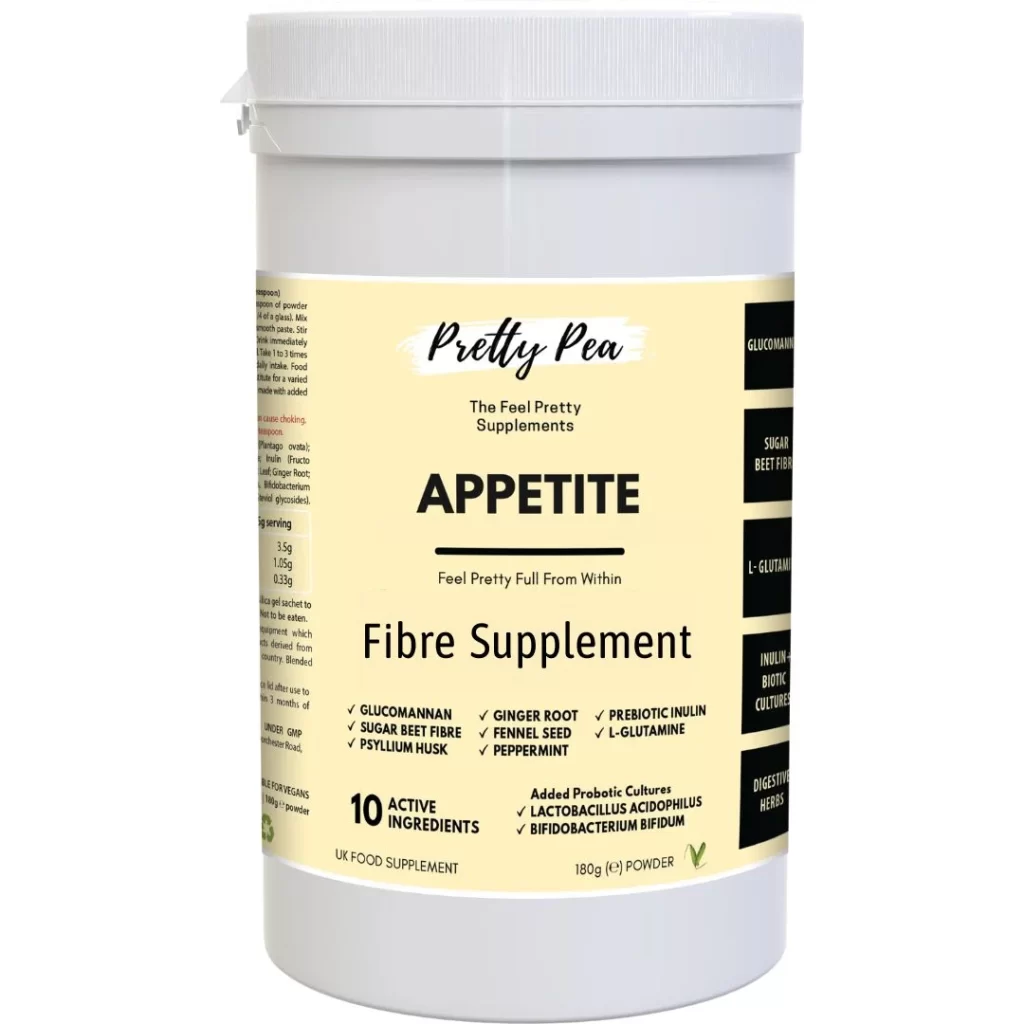
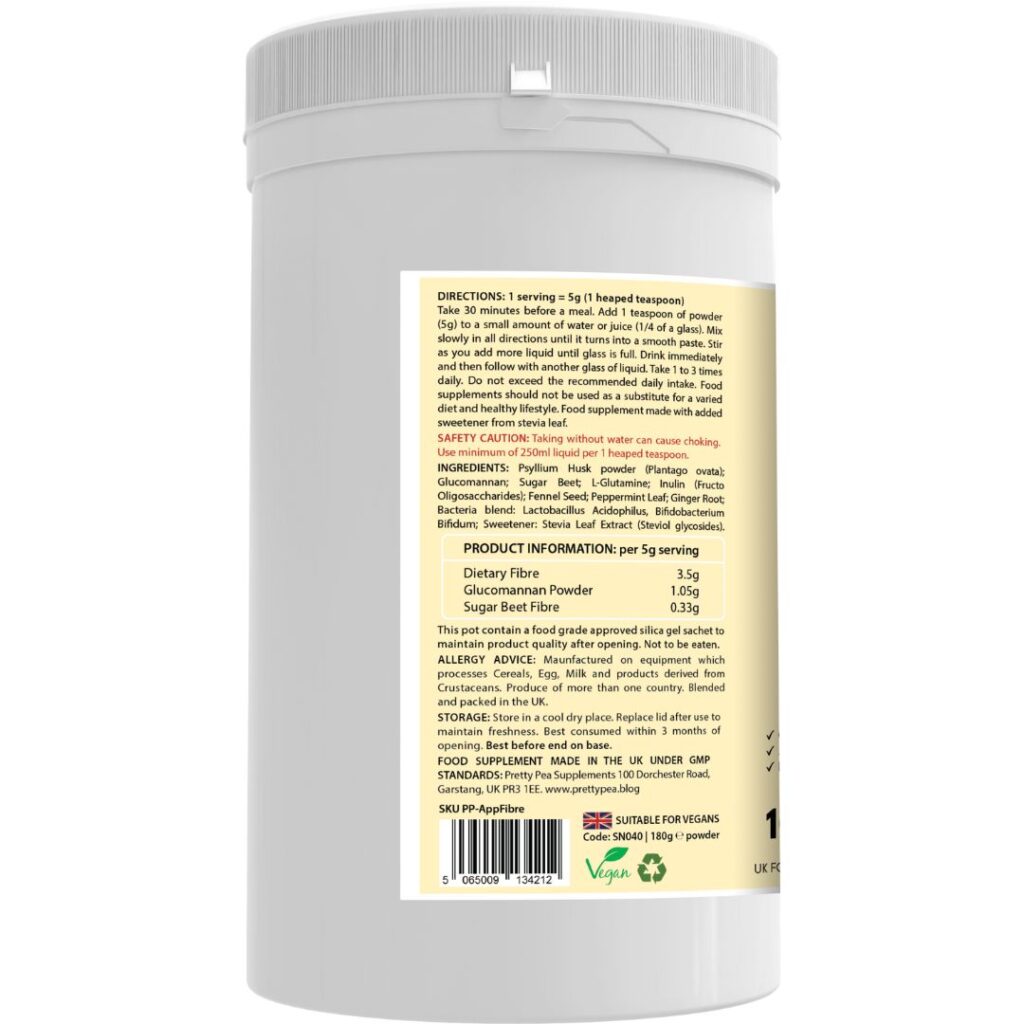
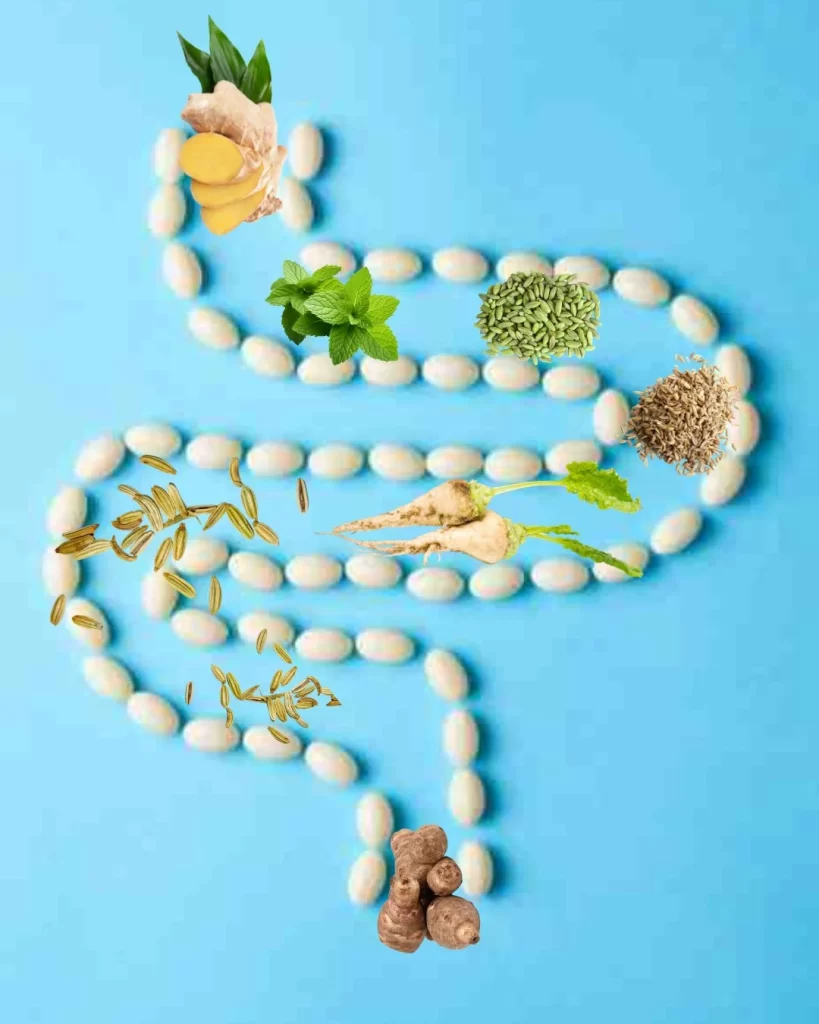
Fibre Powder
Botanicals
Botanical supplements contain concentrated extracts from plants.
Examples include:
- Green tea
- Turmeric (curcumin)
- Ginger
- Ashwagandha
- Rhodiola
- Siberian ginseng
- Garlic
- Peppermint
Many botanicals have been used traditionally for centuries.
Some now have encouraging scientific evidence, while others still require larger, well-designed clinical trials before firm conclusions can be drawn.
Unlike vitamins, botanicals are not considered essential nutrients.
Performance Supplements
These supplements are primarily used to improve physical performance or body composition.
Examples include:
- Creatine
- Protein powders
- Electrolytes
- Caffeine
Although often associated with athletes, some performance supplements are now being researched for healthy ageing, including maintaining muscle mass and physical function in older adults.
Weight Management Supplements
This category contains some of the strongest—and weakest—evidence in nutrition.
Many products promise:
- Fat burning
- Appetite suppression
- Faster metabolism
- Rapid weight loss
Unfortunately, most of these claims are poorly supported.
However, there are exceptions.
For example, glucomannan has one of the few authorised health claims for weight loss in Great Britain and the EU.
To qualify for this claim it must be consumed:
- at a total daily intake of 3 g
- divided into three 1 g doses
- before meals
- with water
- alongside an energy-restricted diet
This illustrates an important point:
The evidence should always be judged ingredient by ingredient, rather than assuming all products within a category work equally well.
12. Creatine ★★★★★
Creatine is one of the most extensively researched sports nutrition ingredients.
Although traditionally associated with bodybuilding, research over the past decade has shown that creatine may also be valuable for women, particularly during midlife and older age.
Creatine is naturally stored in muscles, where it helps produce energy during short bursts of high-intensity activity.
Food Sources
Small amounts are found in:
- Beef
- Pork
- Fish
However, obtaining the amounts commonly used in research through food alone would require consuming large quantities every day.
Who May Benefit?
Research suggests creatine may be particularly useful for:
- Women performing resistance training
- Older adults
- Women concerned about maintaining muscle strength during and after menopause
- Vegetarians and vegans, who generally have lower muscle creatine stores
Importantly, creatine works best when combined with regular strength training.
It is not a substitute for exercise.
Does Creatine Cause Water Retention?
This is one of the most common myths.
Creatine increases water stored inside muscle cells, not under the skin.
This is different from the type of fluid retention many women worry about.
Some people notice a small increase in body weight when they first begin taking creatine, largely due to this increase in muscle water content.
Safe Supplementation
Creatine monohydrate is the form used in the vast majority of research.
For healthy adults, long-term supplementation at commonly recommended doses has been shown to have a good safety profile.
Anyone with kidney disease or another significant medical condition should seek advice from their healthcare professional before taking creatine.
Evidence
★★★★★
Creatine has some of the strongest scientific evidence of any performance supplement.
Research consistently supports its role in improving strength and high-intensity exercise performance, with growing evidence for supporting healthy ageing when combined with resistance exercise.
At a Glance
| Creatine | |
|---|---|
| Essential nutrient? | No |
| Evidence | ★★★★★ |
| Food first? | Yes |
| Supplement useful? | Often for active women and healthy ageing |
13. Probiotics ★★★☆☆
Interest in gut health has grown enormously over the past decade.
While probiotics are among the most popular supplements available, the science is often more complex than the marketing suggests.
What Are Probiotics?
Probiotics are live microorganisms that may provide health benefits when consumed in adequate amounts.
Different strains perform different functions.
This is why it is impossible to say that “probiotics work” or “probiotics don’t work.”
The correct question is:
“Has this specific strain been studied for this specific purpose?”
Should Everyone Take One?
Not necessarily.
A healthy, varied diet rich in fibre helps support a diverse gut microbiome.
For many healthy people, increasing fibre intake may have a greater impact than simply adding a probiotic supplement.
Some probiotic strains have shown benefits in specific situations, but routine supplementation is not essential for everyone.
What About Prebiotics?
Prebiotics are different.
Rather than adding bacteria, prebiotics feed the beneficial bacteria already living in the gut.
Examples include:
- Inulin
- Chicory root fibre
- Resistant starch
Eating a variety of plant foods provides a natural source of prebiotic fibres.
You can find prebiotic fibre plus live cultures in Pretty Pea Fibre Powder.
Fibre Powder
Evidence
★★★☆☆
Some strains have strong evidence for specific uses, while others have little supporting research.
Always look beyond the headline “contains 20 billion bacteria” and consider the strains included and the evidence behind them.
At a Glance
| Probiotics | |
|---|---|
| Essential nutrient? | No |
| Evidence | ★★★☆☆ |
| Food first? | Yes |
| Supplement useful? | Depends on the strain and individual |
Synbiotics, Postbiotics and the Future of Gut Health
As research into the gut microbiome has expanded, you’ve probably come across terms such as prebiotics, probiotics, synbiotics and postbiotics.
Although they sound similar, they describe different things.
Probiotics
Live microorganisms that may provide health benefits when consumed in adequate amounts.
Prebiotics
Types of fibre that feed beneficial bacteria already living in your gut.
Examples include:
- Inulin
- Chicory root fibre
- Resistant starch
- Galacto-oligosaccharides (GOS)
Synbiotics
A synbiotic combines probiotics and prebiotics in the same product.
The idea is simple: the probiotic introduces beneficial bacteria, while the prebiotic provides a food source to help support them.
Postbiotics
Postbiotics are beneficial compounds produced by microorganisms during fermentation.
Research into postbiotics is still developing, but they represent an exciting area of microbiome science.
Which Is Best?
There isn’t one simple answer.
Current evidence suggests that maintaining a healthy, diverse gut microbiome depends primarily on eating a varied diet rich in plant foods and fibre.
Supplements may play a role for some people, but they should complement—not replace—a fibre-rich diet.
14. Collagen ★★★☆☆
Collagen supplements have become increasingly popular, particularly among women interested in supporting skin, hair, joints and healthy ageing.
But what does the science actually say?
Collagen is the most abundant protein in the human body and forms an important structural component of:
- Skin
- Bones
- Tendons
- Ligaments
- Cartilage
- Blood vessels
As we age, collagen production naturally declines. This contributes to visible skin ageing and, alongside many other factors, changes in joint and connective tissue health.
Can Eating Collagen Replace Lost Collagen?
Not exactly.
When you consume collagen, your digestive system breaks it down into amino acids and small peptides, just like other dietary proteins.
These amino acids can then be used throughout the body wherever they are needed—they are not automatically directed to the skin or joints.
However, research suggests certain collagen peptides may influence collagen synthesis in some tissues, which is why collagen has become an active area of scientific research.
Food Sources
Collagen naturally occurs in:
- Meat
- Fish
- Bone broth
- Gelatin
Your body also makes collagen from amino acids obtained from protein-rich foods, alongside nutrients such as vitamin C, zinc and copper.
What Does the Evidence Say?
The strongest evidence currently relates to:
- Skin hydration
- Skin elasticity
- Skin appearance
Some studies have also reported improvements in joint comfort, particularly in physically active adults and older individuals.
However:
- Studies often use different collagen types.
- Doses vary considerably.
- Many trials are relatively small.
- Some studies are industry funded.
Overall, the evidence is encouraging but not yet as strong as for essential nutrients such as vitamin D or iron.
Should Women Take Collagen?
Collagen may be worth considering for women specifically interested in supporting skin health or joint comfort.
However, maintaining an adequate intake of total dietary protein remains far more important than adding collagen alone.
Evidence
★★★☆☆
Promising evidence, particularly for skin health, but more large independent studies are needed.
At a Glance
| Collagen | |
|---|---|
| Essential nutrient? | No |
| Evidence | ★★★☆☆ |
| Food first? | Yes |
| Supplement useful? | May be, depending on your goals |
15. Green Tea Extract ★★★☆☆
Green tea has been consumed for thousands of years and contains naturally occurring compounds called catechins, particularly epigallocatechin gallate (EGCG).
It also naturally contains caffeine, although the amount varies depending on the extract used.
Why Do People Take It?
Green tea supplements are commonly marketed for:
- Weight management
- Metabolism
- Fat burning
- Antioxidant support
While some studies suggest green tea extract may have modest effects on energy expenditure or fat oxidation, these effects are generally modest and should not be viewed as a substitute for healthy eating and physical activity.
Weight Management
Research suggests green tea extract may provide modest support when used alongside a calorie-controlled diet and regular exercise.
However, expectations should remain realistic.
No tea extract will produce substantial weight loss on its own.
Safety
Green tea consumed as a drink has an excellent safety record.
Concentrated extracts provide much higher levels of catechins than a typical cup of tea.
For this reason:
- Always follow the manufacturer’s directions.
- Avoid taking concentrated green tea extracts on an empty stomach unless advised otherwise.
- People with liver disease or those taking medication should seek medical advice before using concentrated extracts.
Evidence
★★★☆☆
Some promising evidence, although effects are generally modest.
You can find Green Tea as one of the ingredients in Pretty Pea Meno Weight formula.
Menopause Supplement UK – Women’s Nutritional Support with Vitamins, Fibre & Botanicals
At a Glance
| Green Tea | |
|---|---|
| Essential nutrient? | No |
| Evidence | ★★★☆☆ |
| Food first? | Yes |
| Supplement useful? | May provide modest support |
Read: 10 Green Tea Benefits: The Ultimate Science-Backed Guide
16. Curcumin (Turmeric Extract) ★★★☆☆
Turmeric is the bright yellow spice widely used in Indian and South Asian cooking.
Its best-known active compound is curcumin.
Curcumin has attracted considerable scientific interest because laboratory studies suggest it possesses antioxidant and anti-inflammatory properties.
A Challenge: Poor Absorption
One of the biggest challenges with curcumin is that it is naturally absorbed poorly.
Many supplements therefore combine curcumin with ingredients designed to improve absorption, such as black pepper extract (piperine), or use specialised formulations.
This makes it difficult to compare studies directly because different products may deliver very different amounts of curcumin to the body.
What Does the Research Show?
Research has investigated curcumin for a wide range of health conditions.
Some studies have shown encouraging results, particularly in people with joint discomfort.
However:
- Results remain inconsistent.
- Studies often use different formulations.
- Larger, longer-term trials are still needed for many proposed uses.
Evidence
★★★☆☆
Promising, but more high-quality research is needed before broad conclusions can be drawn.
At a Glance
| Curcumin | |
|---|---|
| Essential nutrient? | No |
| Evidence | ★★★☆☆ |
| Food first? | Yes |
| Supplement useful? | Potentially, depending on individual circumstances |
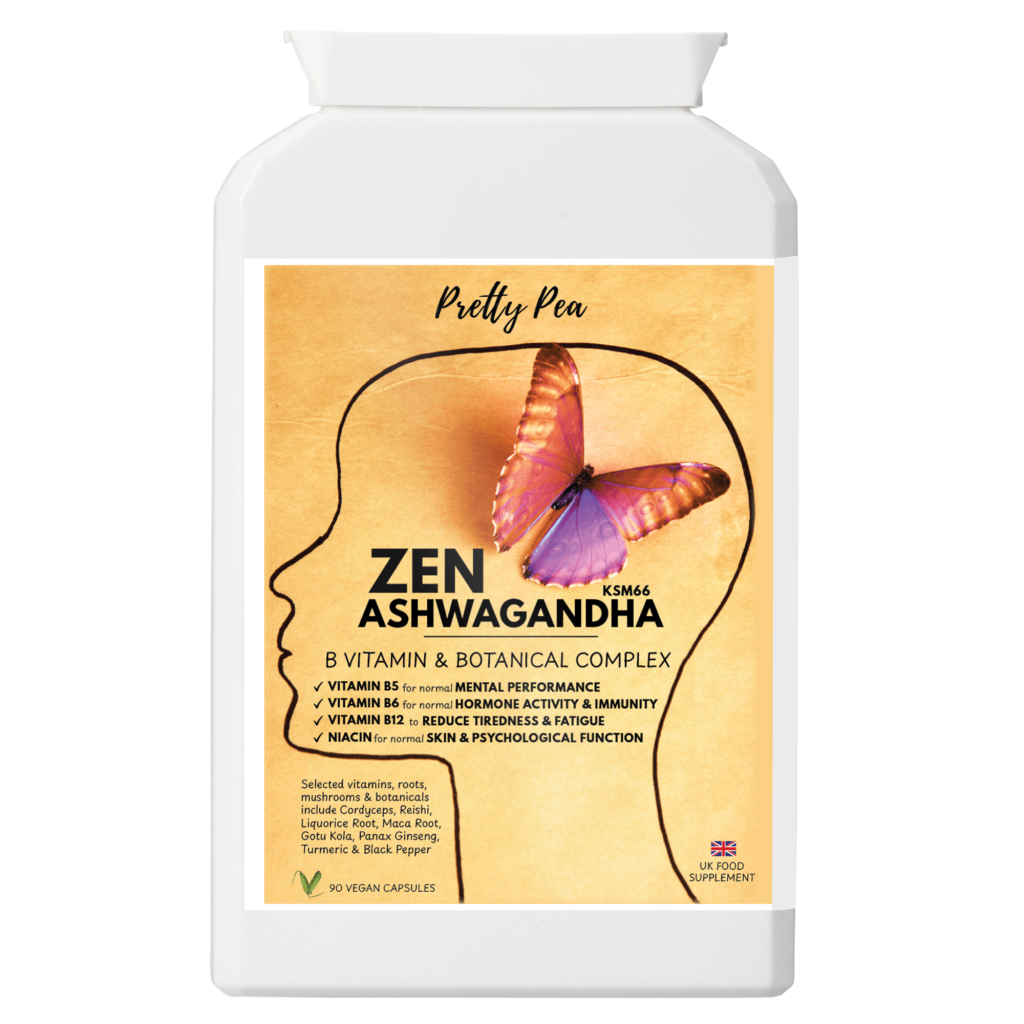
17. Ashwagandha ★★☆☆☆
Ashwagandha is one of the most popular herbal supplements in the wellness industry.
Traditionally used in Ayurvedic medicine, it is commonly marketed for stress, sleep and general wellbeing.
Interest in ashwagandha has grown rapidly over the past decade, with a number of clinical trials reporting positive findings.
However, there are still important questions regarding:
- Long-term safety
- Differences between extracts
- Appropriate dosage
- Which populations are most likely to benefit
Not all ashwagandha supplements use the same extract, making comparisons difficult.
Is It Suitable for Everyone?
No.
Ashwagandha may not be suitable for everyone and can interact with some medications.
It should generally be avoided during pregnancy, and people with thyroid disorders or autoimmune conditions should seek advice from a healthcare professional before taking it.
Evidence
★★☆☆☆
Encouraging early research, but considerably less evidence than exists for essential vitamins and minerals.
At a Glance
| Ashwagandha | |
|---|---|
| Essential nutrient? | No |
| Evidence | ★★☆☆☆ |
| Food first? | Not applicable |
| Supplement useful? | Possibly for some adults, but more research is needed |
18. Multivitamins ★★★☆☆
Multivitamins are among the most commonly purchased supplements in the UK.
They can provide a convenient way to top up several vitamins and minerals at once.
However, they are not a substitute for a varied diet.
Are They Worth Taking?
That depends on the individual.
A multivitamin may be useful for someone whose diet is consistently low in a range of nutrients.
On the other hand, a healthy adult who already consumes a balanced diet may obtain little additional benefit from taking a daily multivitamin.
Look Beyond the Marketing
When choosing a multivitamin, consider:
- Does it provide sensible amounts of nutrients?
- Does it avoid unnecessarily high doses?
- Is it manufactured to recognised quality standards?
- Does it contain nutrients that are relevant to your life stage?
A product containing dozens of ingredients is not automatically better than one with fewer, well-chosen nutrients.
Evidence
★★★☆☆
Useful in some circumstances, but not essential for everyone.
Myth vs Fact
Myth
“If it’s natural, it must be safe.”
Fact
Many natural substances can cause side effects or interact with medicines. Natural does not automatically mean risk-free.
Myth
“The more vitamins I take, the healthier I’ll become.”
Fact
Once your nutritional needs are met, taking more does not usually provide extra benefit and, for some nutrients, excessive intakes may increase the risk of unwanted effects.
Myth
“Expensive supplements must be better.”
Fact
Price is not a reliable indicator of quality. Look for transparent ingredient lists, appropriate doses and reputable manufacturers rather than marketing claims.
Myth
“Supplements can replace healthy eating.”
Fact
Supplements should complement—not replace—a balanced diet rich in fruit, vegetables, wholegrains, protein and healthy fats.
Choosing a Supplement: A Simple Checklist
The quality of supplements varies considerably.
Before buying any product, ask yourself the following questions.
✓ Does it clearly state the amount of every active ingredient?
✓ Are the doses sensible rather than unnecessarily high?
✓ Does the manufacturer avoid exaggerated health claims?
✓ Is the product manufactured to recognised quality standards such as Good Manufacturing Practice (GMP)?
✓ Are there clear directions for use?
✓ Is the product suitable for your age, health status and life stage?
✓ Is there scientific evidence supporting the ingredients?
Remember, a supplement containing 30 ingredients isn’t automatically better than one containing five carefully chosen nutrients at appropriate doses.
Choosing supplements based on quality and evidence is far more important than choosing them based on the length of the ingredient list.
Latest Supplements for Women
-
Menopause Supplement UK – Women’s Nutritional Support with Vitamins, Fibre & Botanicals
Original price was: £25.00.£19.99Current price is: £19.99. -
Menopause Supplement Bundle 3 for 2 Offer
Original price was: £77.97.£50.00Current price is: £50.00. -

-

-
-
Ashwagandha Supplement plus B Vitamins
Original price was: £25.00.£19.99Current price is: £19.99.
Best Supplements for Women – FAQ
Is it better to get nutrients from food or supplements?
Food should usually be the first choice because it provides a wide range of nutrients and beneficial compounds that work together. Supplements are most useful when dietary intake is insufficient, requirements are increased or a deficiency has been identified.
Can I take several supplements together?
In many cases, yes, but it is important to check the total intake of vitamins and minerals from all products combined. Taking multiple supplements containing the same nutrient can result in unnecessarily high intakes.
Can supplements replace a healthy diet?
No. Supplements are designed to complement a balanced diet, not replace it. Regular exercise, adequate sleep, a varied diet and other healthy lifestyle habits remain the foundations of good health.
The Bottom Line
The biggest myth isn’t that supplements work—or that they don’t.
The truth is far more nuanced.
Some supplements, such as vitamin D and fibre, have strong evidence and can be particularly useful where dietary intake or lifestyle makes it difficult to meet recommendations.
Others are beneficial in specific circumstances, such as iron for confirmed deficiency or folic acid before and during early pregnancy.
The best supplements for women aren’t necessarily the newest or most expensive. It is the one that addresses a genuine nutritional need, is supported by good evidence and is used at an appropriate dose.
When chosen carefully and used alongside a healthy lifestyle, supplements can play a valuable role in supporting long-term health—but they should never be seen as a shortcut or substitute for a balanced diet.
You might also like:
- GLP-1 Foods: The Ultimate List for Appetite Control, Fat Loss & Blood Sugar
- 50 High Fibre Foods Ranked by Fibre Content
- Best Fibre Supplements for Women | Complete UK Fibre Supplement Guide
- Appetite Regulation: How Fibre vs GLP-1 Compare
- The 100 Symptoms of Perimenopause
- Weird Perimenopause Symptoms: 25 Unusual Signs You Didn’t Expect
- Early Signs of Perimenopause in Your 40s: What to Look For
- Hormone Imbalance in Women: Causes, Symptoms & How Hormones Work
- Best Menopause Supplements UK (2026): What to Look For + Evidence-Based Comparison Guide
- Menopause Weight Changes Explained (UK Guide): What Research Says About Body Composition, Metabolism & Nutrition
- The Menopause Diet 5 Day Plan to Lose Weight




Best Supplements for Women: Sources
- NHS. Vitamins and Minerals.
- NHS. Vitamin D Advice.
- Scientific Advisory Committee on Nutrition (SACN). Vitamin D and Health Report.
- SACN. Dietary Reference Values for Energy and Nutrients.
- European Food Safety Authority (EFSA). Dietary Reference Values for Vitamins and Minerals.
- EFSA Register of Nutrition and Health Claims.
- British Nutrition Foundation. Healthy Eating and Nutrients.
- World Health Organization. Healthy Diet Fact Sheet.
- Cochrane Library. Selected systematic reviews on vitamin D, omega-3 fatty acids and micronutrient supplementation.
