
Feeling tired after meals, craving sugar, gaining weight around your middle or struggling to lose weight despite “eating well”, can be possible signs of insulin resistance.
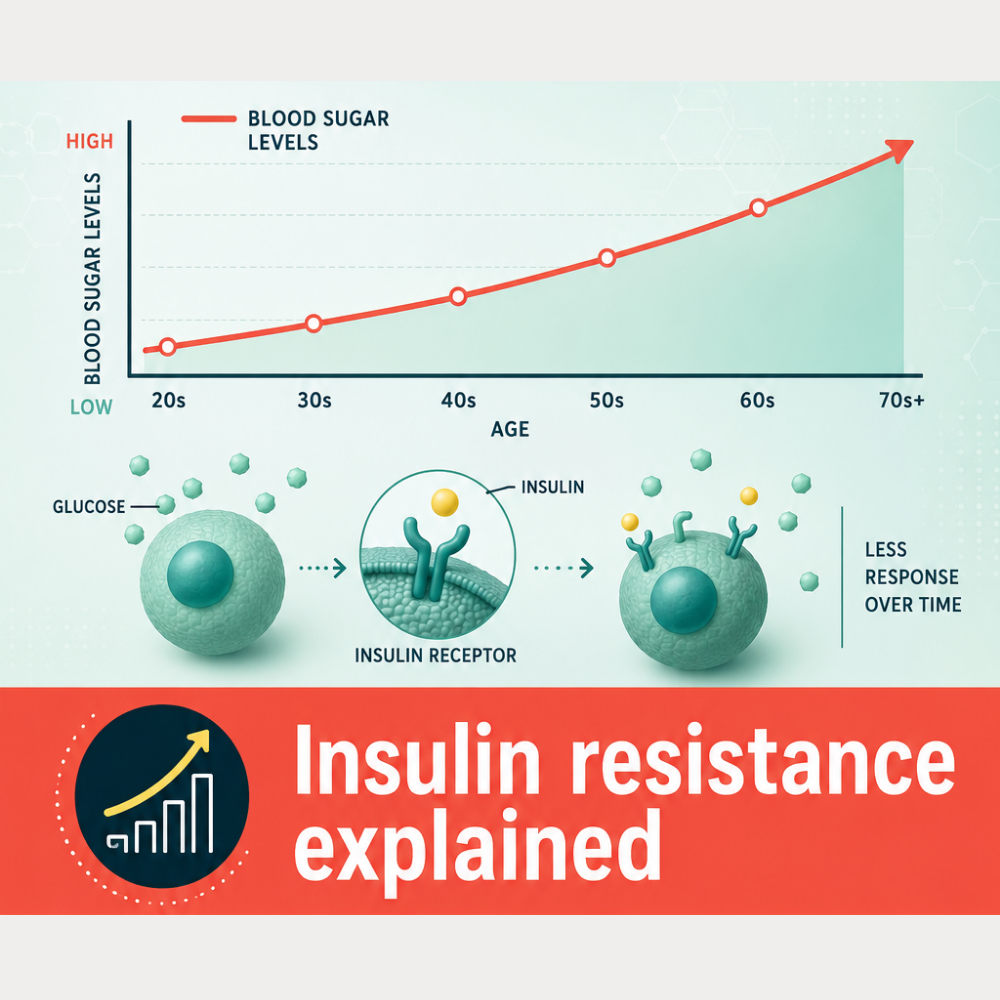
Insulin resistance happens when your body’s cells stop responding to insulin as effectively as they should. Insulin is the hormone that helps move glucose, or sugar, from your blood into your cells, where it can be used for energy.
When your cells become resistant to insulin, glucose can stay in the bloodstream for longer. In response, your pancreas may produce more insulin to try to keep blood sugar stable. For a while, this can happen quietly, which is why many people do not know they have insulin resistance.
Over time, insulin resistance may increase the risk of prediabetes and type 2 diabetes if the pancreas can no longer keep up with demand. Diabetes UK explains that insulin resistance is not the same as diabetes, but it can increase the risk of raised blood sugar and type 2 diabetes in some people Diabetes UK.
Quick Answer: What Is Insulin Resistance?
Insulin resistance means your cells do not respond properly to insulin, the hormone that helps move glucose from your blood into your cells. Your body may make more insulin to compensate, but over time blood sugar can rise.
Insulin Resistance Explained Simply
| Term | What it means |
|---|---|
| Insulin | A hormone made by the pancreas that helps move glucose into cells |
| Glucose | Sugar in the blood, used by the body for energy |
| Insulin resistance | When cells respond less well to insulin |
| Prediabetes | Blood sugar is higher than normal but not in the diabetes range |
| HbA1c | A blood test showing average blood sugar over the last 2 to 3 months |
Why Does Insulin Resistance Matter?
Insulin resistance matters because it can make it harder for the body to keep blood sugar within a healthy range.
In the UK, prediabetes is often described as an HbA1c level between 42 and 47 mmol/mol. Type 2 diabetes is usually diagnosed at 48 mmol/mol or above, when confirmed by a healthcare professional Diabetes UK, NICE.
Insulin resistance is also linked with wider metabolic health. It may appear alongside raised triglycerides, lower HDL cholesterol, high blood pressure and increased waist measurement. These markers can increase long-term risk for type 2 diabetes and cardiovascular disease.
Common Signs of Insulin Resistance
Insulin resistance often has no obvious symptoms. Many people only find out after routine blood tests.
Possible signs of insulin resistance or raised blood sugar include:
- Feeling tired after meals
- Increased hunger or cravings
- Weight gain around the middle
- Difficulty losing weight
- Energy dips during the day
- Dark, velvety patches of skin, often around the neck or armpits
- Skin tags
- Raised blood pressure
- Raised triglycerides
- Higher fasting glucose or HbA1c
These signs do not prove insulin resistance on their own. If you are concerned, it is best to ask your GP about testing.
You should seek medical advice promptly if you have symptoms of diabetes, such as excessive thirst, needing to wee more often, blurred vision, unexplained weight loss or extreme tiredness.
Insulin Resistance in Women and Menopause
Many women first notice signs of poorer blood sugar control during perimenopause or menopause.
Falling oestrogen, poorer sleep, lower muscle mass and increased abdominal fat can all affect how the body uses insulin. Insulin resistance in women may show up as stronger cravings, energy dips, stubborn belly weight or feeling less tolerant of carbohydrates than before.
This does not mean weight gain or blood sugar changes are inevitable. However, it does mean that protein, fibre, strength training, sleep and stress support become especially important during midlife.
You may also like: The Menopause Diet 5 Day Plan to Lose Weight
What Causes Insulin Resistance?
Insulin resistance is usually linked to a combination of factors rather than one single cause.
Common risk factors include:
- Carrying more weight around the middle
- Low physical activity
- Family history of type 2 diabetes
- Polycystic ovary syndrome, also known as PCOS
- Previous gestational diabetes
- Poor sleep or sleep apnoea
- Fatty liver disease
- Long-term stress
- Certain medicines, including some steroid medicines
- Hormonal life stages, including puberty, pregnancy and menopause
Insulin resistance can affect people of different body sizes, ages and backgrounds. Weight can be one factor, but it is not the whole story.
How Is Insulin Resistance Tested?
There is no single everyday test that is always used to diagnose insulin resistance directly.
Instead, healthcare professionals usually look at blood sugar markers and overall risk. These may include:
- HbA1c: shows average blood sugar over the previous 2 to 3 months.
- Fasting blood glucose: measures blood sugar after fasting.
- Oral glucose tolerance test: sometimes used to see how the body handles glucose.
- Cholesterol and triglycerides: useful for wider metabolic health.
- Blood pressure and waist measurement: helpful risk indicators.
In the UK, NICE recommends blood testing for adults at high risk of type 2 diabetes, using fasting plasma glucose or HbA1c NICE.
Can Insulin Resistance Be Improved?
In many cases, insulin sensitivity can improve with consistent diet and lifestyle changes. This does not mean every case is fully reversible, and some people may still need medical support. But small, steady changes can make a meaningful difference.
1. Build Balanced Meals
A blood-sugar-friendly meal does not need to be extreme. Aim to combine protein, fibre-rich carbohydrates, healthy fats and colourful plants.
Better meal combinations may include:
- Greek yoghurt with berries and chia seeds
- Eggs with avocado and wholegrain toast
- Chicken salad with lentils or chickpeas
- Oats with flaxseed, berries and Greek yoghurt
- Salmon with vegetables and brown rice
- Tofu stir-fry with vegetables and wholegrain noodles
- Bean chilli with salad and avocado
This combination can help slow digestion and support steadier energy after meals.
2. Increase Fibre Gradually
Fibre is especially important for blood sugar balance. Soluble fibre forms a gel-like texture in the gut, which can slow digestion and support steadier post-meal glucose responses.
Good sources include:
- Oats
- Beans
- Lentils
- Chickpeas
- Apples
- Berries
- Ground flaxseed
- Chia seeds
- Psyllium husk
- Vegetables
Increase fibre slowly and drink enough water to help reduce digestive discomfort.
You may also like:
- 50 High Fibre Foods
- What Is Psyllium Husk?
- Glucomannan for Weight Loss: Does It Work and How Does It Compare to Medications?
- Why Fibre Could Be the Secret to a Better Menopause
- Best Fibre Supplements for Women
- Signs You Need More Fibre
Looking to increase your daily fibre intake? Our fibre blends are designed to support everyday fibre intake, fullness and digestive wellbeing as part of a balanced diet.
3. Move After Meals
A short walk after meals can help your muscles use glucose from the bloodstream. This does not need to be intense. Even 10 to 15 minutes of gentle movement after a meal may be helpful for blood sugar management.
Strength training is also useful because muscle is one of the main places the body stores and uses glucose. More active muscle tissue can support better insulin sensitivity over time.
4. Prioritise Sleep
Poor sleep can affect appetite, cravings, stress hormones and blood sugar control. If possible, aim for a regular sleep routine, morning daylight, less late caffeine and a calmer wind-down routine.
If you snore heavily, wake up gasping or feel exhausted despite sleeping, speak to your GP about sleep apnoea, as it is linked with insulin resistance.
5. Manage Stress Where Possible
Long-term stress can affect hormones involved in blood sugar regulation. You do not need a perfect lifestyle, but simple routines can help.
Helpful options include:
- Walking
- Breathing exercises
- Time outdoors
- Strength training
- Gentle stretching
- Reducing late-night screen time
- Creating more consistent meal times
Can Fibre Supplements Support Blood Sugar Balance?
Fibre supplements are not a treatment for insulin resistance, prediabetes or diabetes.
However, increasing fibre intake may help support fullness, digestion and steadier post-meal blood sugar responses as part of a balanced diet. Fibre supplements may be useful for people who struggle to get enough fibre from food alone.
Always speak to your GP, pharmacist or dietitian if you have diabetes, take medication, are pregnant, or have concerns about your blood sugar.
Fibre Supplements
Looking to increase your daily fibre intake? Our fibre blends are designed to support everyday fibre intake, fullness and digestive wellbeing as part of a balanced diet.

Combine 4 Fibres, live cultures, prebiotic fibre, L-glutamine and digestive herbals for total gut love
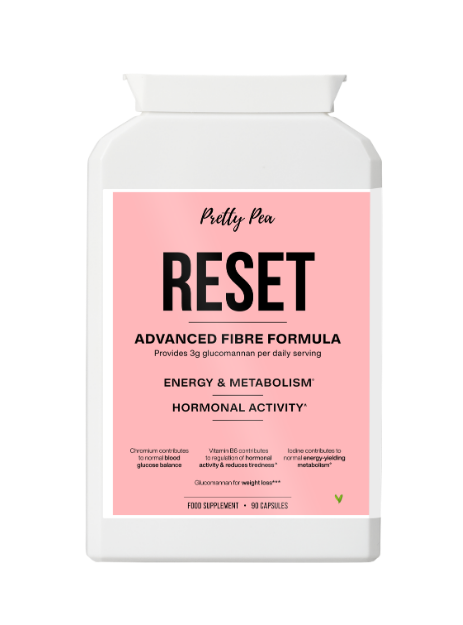
Advanced Reset Glucomannan Capsules
Fullness, Metabolism, Energy, Hormone Regulation

Healthy bowel formula with 11 soluble & insoluble high fibre foods
FAQ Insulin Resistance
Is insulin resistance the same as diabetes?
No. Insulin resistance means the body is not responding to insulin as effectively. Diabetes means blood sugar has reached a diagnostic range. Insulin resistance can increase the risk of prediabetes and type 2 diabetes, but they are not the same thing.
Can you have insulin resistance with normal blood sugar?
Yes. In the early stages, the pancreas may produce extra insulin to keep blood sugar normal. This is one reason insulin resistance can go unnoticed for years.
What is the best diet for insulin resistance?
There is no single perfect diet. A good starting point is a high-fibre, protein-rich diet based on whole foods, vegetables, beans, lentils, wholegrains, healthy fats and fewer sugary drinks or highly refined carbohydrates.
Does insulin resistance symptoms cause weight gain?
It can make weight management harder for some people, especially around the middle. However, weight gain is usually influenced by several factors, including hormones, sleep, stress, appetite, activity, medication and overall diet.
Can menopause make insulin resistance worse?
For some women, yes. Perimenopause and menopause can affect sleep, body fat distribution, muscle mass and blood sugar regulation. This may make cravings, energy dips and abdominal weight gain more noticeable.
Can fibre help insulin resistance?
Fibre can support better blood sugar control by slowing digestion and helping reduce sharp post-meal glucose rises. It also supports fullness and gut health. Fibre is not a treatment for insulin resistance, but it can be part of a healthy diet pattern.
Should I ask my GP for a blood test?
Yes, if you have risk factors such as family history of type 2 diabetes, PCOS, previous gestational diabetes, increased waist measurement, symptoms of diabetes, or concerns about blood sugar. Your GP may check HbA1c, fasting glucose and other metabolic markers
Can supplements treat insulin resistance symptoms?
No supplement should be used as a treatment for insulin resistance or diabetes. Some fibres and nutrients may support a healthy diet, but diagnosis and treatment should always be discussed with a qualified healthcare professional.
Final Thoughts
Insulin resistance is common, but it is not always obvious. You may not feel unwell, and your body may compensate for a long time before blood sugar levels rise.
The good news is that everyday habits can make a real difference. Fibre-rich meals, enough protein, regular movement, strength training, better sleep and stress support can all help support healthier blood sugar balance over time.
If you are concerned about insulin resistance, prediabetes or type 2 diabetes, ask your GP for appropriate blood tests and personalised advice.
For more advice :
Why Fibre Could Be the Secret to a Better Menopause
The 100 Symptoms of Perimenopause
Weird Perimenopause Symptoms: 25 Unusual Signs You Didn’t Expect
Hormone Imbalance in Women: Causes, Symptoms & How Hormones Work
GLP-1 Foods: The Ultimate List for Appetite Control, Fat Loss & Blood Sugar
Appetite Regulation: How Fibre vs GLP-1 Compare
Understanding Visceral Fat: The Ultimate Belly Fat Guide


Insulin Resistance – Sources
Diabetes UK. Insulin resistance: meaning, causes and treatment. Diabetes UK
Diabetes UK. Prediabetes. Diabetes UK
National Institute for Health and Care Excellence. Type 2 diabetes: prevention in people at high risk. NICE PH38
National Institute of Diabetes and Digestive and Kidney Diseases. Insulin resistance and prediabetes. NIDDK
Mayo Clinic. Prediabetes: symptoms and causes. Mayo Clinic
Lee, S. H., Park, S. Y., & Choi, C. S. (2022). Insulin resistance: From mechanisms to therapeutic strategies. Diabetes & Metabolism Journal, 46(1), 15-37. PubMed
