Author: Cate Boyd
-

The Science Behind D-Mannose & Cranberry for Women
D-Mannose and cranberry for women have become increasingly popular in supplements focused on urinary and intimate health. Cranberry has been associated with women’s urinary health for generations, while more recently D-mannose, probiotics and the female microbiome have become major areas of scientific interest. But they don’t all work in the same way — and the…
-
What Is GLP-1? The Gut Hormone That Helps Regulate Hunger & Blood Sugar
If you’ve heard of GLP-1, there’s a good chance it has been in connection with weight-loss medications. But GLP-1 isn’t something invented for a medication. Your body makes GLP-1 naturally. So what is GLP-1? GLP1 is a hormone released primarily from specialised cells in your gut after you eat. It forms part of the communication…
-
Psyllium Husk: Benefits, How to Take It, Side Effects & How It Compares
Psyllium husk has become one of the most popular fibre supplements — but what actually makes it different from other types of fibre? Also known as ispaghula husk, psyllium is a plant-derived fibre made from the outer coating of the seeds of Plantago ovata. When mixed with water, the husk rapidly absorbs liquid and forms…
-
Why Am I Always Tired? The Ultimate Guide to Fighting Fatigue Naturally
Do you find yourself asking why am I always tired? Whilst feeling tired occasionally is normal. But when low energy follows you through the day—despite getting what seems like enough sleep—it can affect your concentration, motivation, exercise, food choices and overall quality of life. Fatigue can have many causes. Poor sleep, stress, an unbalanced diet…
-
Which Supplements Do Women Really Need? An Evidence-Based Guide
Searching for the best supplements for women? How do you know the page you land on is actually evidence-based nutrition, not marketing hype? The supplement industry is worth billions of pounds each year, with products promising everything from more energy and stronger immunity to faster weight loss and younger-looking skin. Yet despite the growing popularity…
-
How to Lose Weight During Menopause (Without Eating Less and Exercising More)
If you’re eating less than ever, exercising more than ever, and still struggling to lose weight, you’re far from alone. How to lose weight during menopause can feel, for many women, that someone has quietly changed the rules. The diet that worked in your 30s suddenly stops working. The scales refuse to budge, fat seems…
-
Which Foods Increase GLP-1 Naturally? Here’s What the Research Says
Which Foods Increase GLP-1 Naturally? Short answer: Possibly. Emerging research suggests that some foods, herbs and plant compounds may help support your body’s natural GLP-1 response. While they don’t produce the same effects as GLP-1 medications such as Wegovy®, Ozempic® or Mounjaro®, studies suggest that certain foods may influence GLP-1 production, secretion or signalling in…
-

Calories Explained: Where Do Calories Go (And What Really Happens After You Eat)
Did you know that around two-thirds of the calories you eat are simply used to keep you alive? If you’ve ever wondered where do calories go, what happens after you eat, or how your body uses energy, this guide explains everything in simple terms. You’ll learn what calories really are, how metabolism works, where excess…
-

What Is Insulin Resistance? Signs, Causes & What Helps
Learn what insulin resistance means, why it can affect blood sugar, energy, cravings and weight around the middle, and how fibre-rich foods, movement, sleep and healthy daily habits may help support better blood sugar balance
-

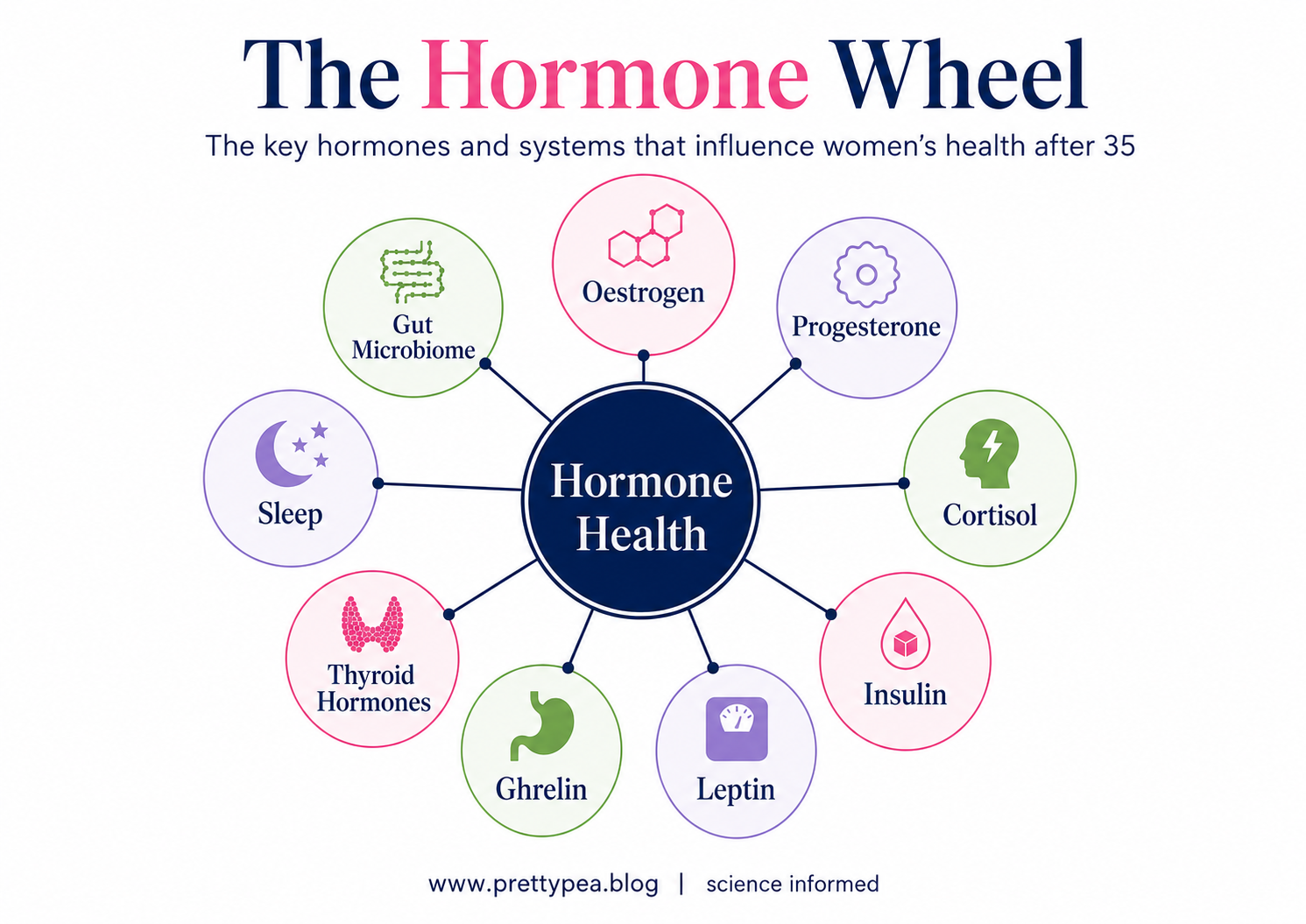
Hormone Imbalance in Women: Causes, Symptoms & How Hormones Affect Your Health
Hormone imbalance is a phrase many women use when their body starts to feel different. This guide explains what hormones do, why symptoms can change during perimenopause and menopause, and how diet, fibre, protein, sleep, stress and lifestyle habits can support women’s health.