Glucomannan is a naturally occurring soluble fibre derived from the konjac root. What makes it unique is its ability to absorb water and form a gel-like consistency, which is why it has become increasingly popular in fibre supplements and wellness routines.
In fact, the European Food Safety Authority (EFSA) has approved the claim that glucomannan contributes to weight loss in the context of an energy-restricted diet, when consumed at 3g per day in three 1g doses with 1–2 glasses of water before meals.
Beyond this, glucomannan is simply another way to increase your daily fibre intake alongside a healthy, balanced diet.
Many people choose glucomannan because it is:
✔ A source of soluble fibre ✔ Derived from konjac root ✔ Available in convenient capsule and powder formats ✔ Easy to incorporate into a daily routine
Remember, fibre doesn`t just come from supplements. Foods such as oats, legumes, fruits and vegetables also contribute to your daily fibre intake.
📌 Save this post if you`re curious about different types of fibre.
💬 Have you tried glucomannan before?
You can find Glucomannan in Pretty Pea supplements.
Appetite is influenced by several hormones that help regulate hunger and fullness.
Ghrelin is often referred to as the “hunger hormone” because it signals when the body needs food.
Leptin helps signal fullness and energy balance.
Blood sugar also plays a role. When meals are very low in fibre or protein, digestion may happen more quickly, which can contribute to blood sugar fluctuations and increased hunger signals.
Another hormone involved is insulin, which helps regulate blood sugar levels.
Including meals that provide fibre, protein and healthy fats may help support more stable energy levels and appetite regulation.
Understanding these mechanisms can help make nutrition choices feel more supportive rather than restrictive.
If you’re new here, this post is your mini guide to the page. Pretty Pea is all about helping women 30+ support hormone harmony, gut health, digestion, and balanced nutrition through practical tips and plant-based supplements.
Here’s what you’ll find: ✅ Evidence-based advice on fibre, protein, and gut health ✅Latest science on Nutrition & Botanicals ✅Tips for managing energy, digestion, and menopause nutrition & weight ✅Simple ways to build healthy habits that last
Start exploring posts on fibre, gut health, and balanced nutrition — and follow for weekly tips and supplement guidance.
Pretty Pea supports every woman with an ever evolving body..
"I started taking these tablets back in October last year, they have reduced my bloating and helped me with energy to get back into the gym and walking. I have currently lost 2 stone and feel so much more like the old me. I’m wearing clothes that I never thought I would wear again. Thankyou pretty pea I’m so happy with my results!"
Trying to lose weight but constantly feeling hungry? You might be missing one of the most important nutrients for appetite control: FIBRE
Fibre isn’t just about digestion. Research shows it can play a powerful role in supporting healthy weight management, especially for women over 30 navigating changing bodies and appetites with hormone imbalances and metabolic shifts.
Here’s why fibre can help:
✅Keeps you fuller for longer – fibre slows digestion, helping reduce hunger between meals. ✅Supports balanced blood sugar – fewer spikes can mean fewer cravings. ✅Feeds beneficial gut bacteria – your gut microbiome influences metabolism and appetite. ✅Naturally reduces calorie intake – many fibre-rich foods are filling but lower in calories.
In fact, some studies have found that simply increasing fibre intake can lead to gradual weight loss, even without strict dieting.
For many women navigating busy lifestyles, hormone shifts, or menopause, fibre can be one of the easiest and most natural ways to support weight goals.
For more, including the science (in simple terms): • how fibre supports weight management • the best fibre-rich foods to eat • how to increase fibre without bloating
Read the full article via link in bio
And tell me below – Do you think you get enough fibre each day?
Struggling with bloating, tiredness, or weight that won’t budge—then fibre might just be your secret weapon
You’ve probably heard fibre helps with digestion, but it does so much more. From regulating hormones to supporting weight management, fibre is essential for women—especially in their 30s, 40s and 50s. Yet studies show over 90% of UK adults don’t meet daily fibre intake recommendations
So Why Should You Care?
Fibre is the part of plant-based food your body can’t digest. It travels through your system, supporting digestion, blood sugar balance, and gut bacteria. There are two main types:
Soluble fibre: dissolves in water to form a gel that slows digestion & helps lower cholesterol Insoluble fibre: adds bulk to stool & keeps things moving
Fibre also plays a vital role in feeding beneficial gut microbes which support immune function, hormone regulation, & mental health
Regulates estrogen: Fibre binds excess estrogen in the gut, helping it be excreted
Balances blood sugar: High-fibre diets reduce insulin spikes, which affect energy & weight
Supports satiety: Helps you feel full, leading to lower calorie intake
Improves gut health: A high-fibre diet increases beneficial bacteria diversity
Reduces systemic inflammation: Linked to clearer skin & better mood
Many women experience increased bloating, cravings & weight gain during perimenopause & menopause—and fibre can be a natural ally
Common signs of low fibre intake include:
Constipation or irregularity Persistent bloating or gas Fatigue and brain fog Feeling hungry soon after meals Hormonal skin breakouts Difficulty losing weight
NHS guidelines:
Women should aim for 30g of fibre daily Most common foods provide 3–6g per serving:
Food Fibre (approx.) 1 apple (with skin) 3–4g ½ cup lentils 8g 2 slices wholemeal bread 5g 1 tbsp chia seeds 5g
It can be difficult to meet your fibre needs through diet alone, especially when busy—making supplements a helpful option for many
See more at: https://prettypea.blog/fibre-women-over-30-gut-health/
GLP-1 medications have changed the conversation around appetite, blood sugar & weight regulation. But long before injections entered the picture, the body already had its own systems for managing hunger & fullness — and fibre plays a key role. So how does fibre vs GLP-1 compare?
This doesn’t mean fibre works like GLP-1 medication or replaces it. But it does mean fibre supports many of the same natural pathways involved in digestion, satiety & blood sugar stability — especially relevant during perimenopause & menopause, when appetite cues often feel unpredictable.
What is GLP-1 (in simple terms)? GLP-1 (glucagon-like peptide-1) is a hormone released in the gut after eating
It helps the body by:
✅signalling fullness to the brain ✅slowing the emptying of the stomach ✅supporting healthy blood sugar responses after meals ✅In everyday terms, GLP-1 helps you feel:
✅satisfied sooner ✅full for longer ✅less prone to sharp hunger swings
Fibre, on the other hand, supports the body’s own appetite regulation through digestion and gut health
How fibre supports similar outcomes (without acting as a drug)
1️⃣ Fibre slows digestion naturally Soluble fibre absorbs water and forms a gel-like substance in the gut. This:
✅slows how quickly food leaves the stomach ✅reduces rapid absorption of carbohydrates ✅helps meals feel more sustaining
10 Hidden Signs of Fibre Deficiency in Women Over 30: ✔ Persistent bloating or gas after meals ✔ Constipation or inconsistent bowel movements ✔ Chronic tiredness despite sleeping well ✔ Mood swings or low mood around your cycle ✔ Hormonal acne, especially on the chin or jaw ✔ Sugar cravings, especially mid-afternoon ✔ Brain fog or poor focus ✔ Weight gain, particularly around the belly ✔ Frequent UTIs or infections ✔ Feeling hungry soon after eating
Many of these are linked to gut dysbiosis and hormone fluctuations, both of which fibre directly supports [2][3].
For many women, the early signs of low fibre intake don’t feel serious enough to act on. A bit of bloating after meals, irregular digestion, low energy, or feeling “out of sync” can easily be blamed on stress, hormones, or a busy lifestyle.
At Pretty Pea, we regularly hear from women who thought these symptoms were simply part of getting older or juggling multiple responsibilities. Many describe pushing through discomfort, relying on coffee or quick snacks, and putting their own wellbeing last.
Often, it’s only when they begin paying attention to fibre intake — through simple dietary changes or gentle supplementation — that they realise how much better they can feel day to day. Improved digestion, more stable energy, and greater comfort become noticeable reminders that small nutritional foundations really matter.
This awareness can be empowering. Rather than searching for complex solutions, many women find that addressing basic fibre intake is one of the most practical first steps towards feeling more balanced and supported.
Read: The Rich List: Insoluble Fibre Rich Food List – Pretty Pea
Cayenne pepper is made from dried and ground chilli peppers belonging to the Capsicum family. Its distinctive heat comes from capsaicin, a bioactive compound responsible for many of its health effects.
Capsaicin interacts with receptors in the nervous system and digestive tract, influencing:
Heat production Appetite regulation Blood flow Digestive activity
These properties make cayenne particularly interesting in nutritional support for gut health and metabolic balance.
We explain how in our latest article at Pretty Pea.blog #vitamins #womenshealth #womenshealthsupplements #cayenne #cayennepepper #nutritionsupplements #menopausesupplements #perimenopausesupplements #womenshealthtips #nutritiontipoftheday #foodsupplements #dietarysupport #dietips #menopauseweight #perimenopauseweight #perimenopausesupport #perimenopause #prettypea #prettypeasupplements #naturalsupplements #herbalsupplements
Menopause Supplements can be a minefield! There can be so many to choose from, but then there’s so many issues women want help with – not to mention not all supplements are created equal and not all will be suitable for all women… it’s highly individual…It’s about what’s right for you. Here at Pretty Pea we’re happy to help.
Here’s a recent review of our hero supplement we wanted to share – MENO SHAPE- when she ran out boy did her body let her know about it…
“I’ve been taking Meno Shape for a couple of years now and swear by them. When I run out, boy do I know about it coz my meno symptoms play havoc! They are also excellent at curbing my appetite, so help with the dreaded meno weight gain. I used to take a few different over the counter supplements to help with the symptoms of menopause, but since taking these, I’ve stopped! I only take Meno Shape now as they provide everything I need. I absolutely swear by these and tell everyone about them. These are the best supplements I’ve tried and swear by them.” Ps. You can find Meno Shape on AMAZON. Note from us : Supplements are not intended to replace a healthy lifestyle. Consult your GP before taking supplements or changing your diet.
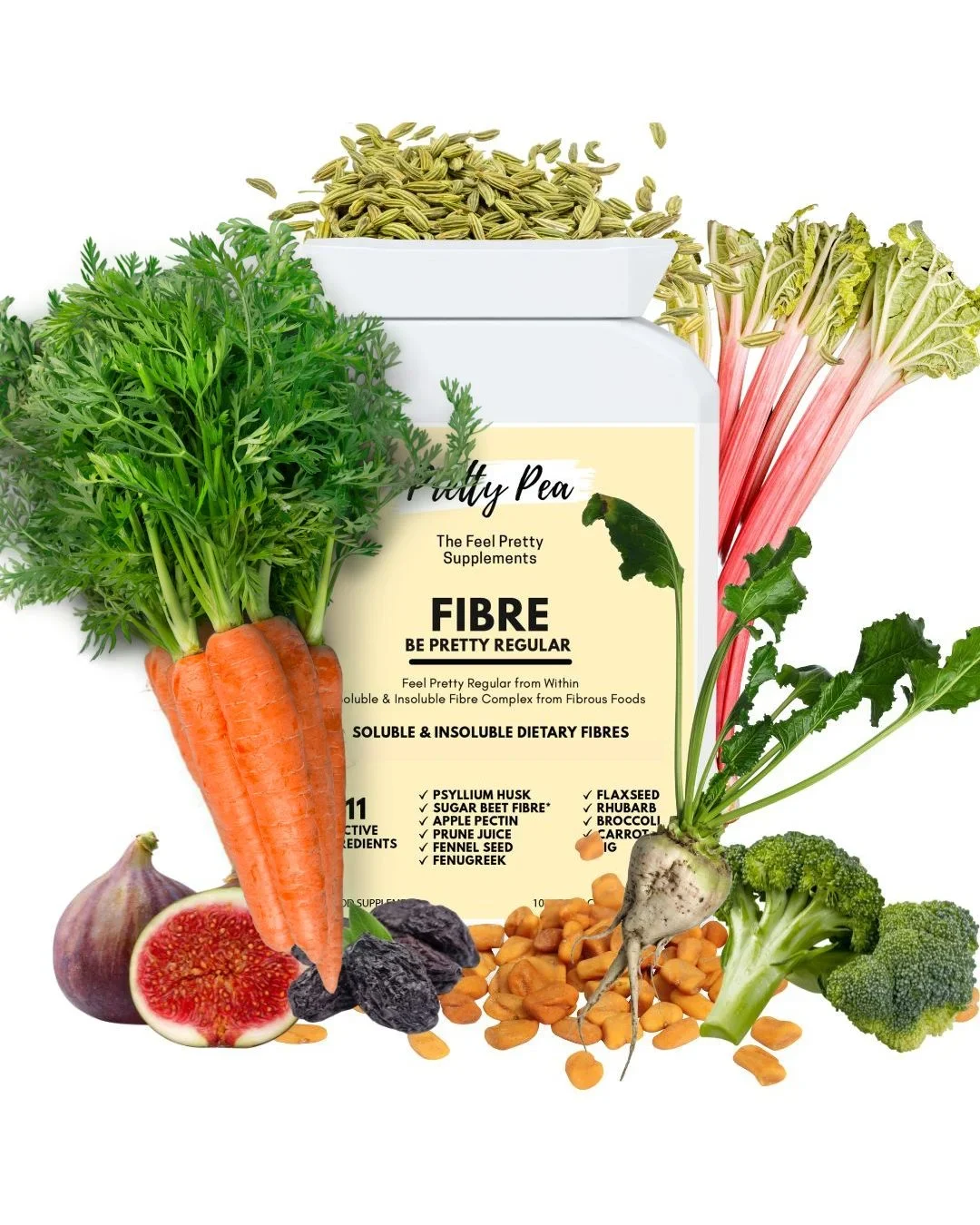
1. CHIA Seeds – 10g fibre per 2 tbsp Form a gel in the gut to hydrate & soften stools 2. FLAXSEED – 7g per 2 tbsp A natural laxative with omega-3s 3. PRUNES – 6g per 50g High in fibre and sorbitol, a natural sugar alcohol that draws water into the colon 4. KIWI – 2.5g per fruit Contains actinidin, an enzyme that promotes gut movement 5. OATS – 4g per 40g High in beta-glucan, a soluble fibre that acts as a softening agent 6. LENTILS – 7.9g per 100g Promote satiety & improve bowel regularity 7. PEARS – 5.5g per fruit Contain sorbitol & fermentable fibre beneficial for constipation 8. AVOCADO – 6.7g per ½ fruit High-fibre & fats promote digestive motility & microbiome diversity 9. RASPEBRRY – 6.5g per 100g Berry fibre supports microbial fermentation & regularity 10. SWEET POTATOE – 3.8g per 100g Promote improved stool weight & gut bacteria growth 11. BRUSSELS SPROUTS – 4.1g per 100g Sulphur-rich cruciferous vegetables enhance gut transit 12. FIGS (Dried) – 5g per 3 figs Increase stool frequency & reduce discomfort 13. APPLES – 4.4g per medium Apple pectin has a prebiotic effect & normalises stool 14. CHICKPEAS – 6.4g per 100g Pulses boost stool bulk & gut fermentation 15. LEAFY GREENS – 3–4g per cup Magnesium & fibre stimulate bowel function 16. FENUGREEK Seeds – 3g per tbsp Increase stool weight & reduce time to bowel movement 17. CARROTS – 2.8g per 100g Insoluble fibre promotes bulk formation & regularity 18. RHUBARB – 2g per 100g Anthraquinones in rhubarb act as natural laxative 19. BROCCOLI – 3.3g per 100g Boosts gut microbiota diversity & stool softness 20. SUGAR BEET Fibre – ~5g per 10g Improves transit time & bowel frequency 21. PSYLLIUM HUSK – 7g per tbsp Improves stool output, frequency & consistency For support adding these to your diet, shop Pretty Pea Fibre supplements #fibre #fibresupplement #fibrefood #fibrefoods #insolublefiber #insolublefibre #solublefiber #solublefibre #constipation #constipationremedy #constipationrelief #prettypea #onlinesupplements #menopausesupplements #menopausesupplement #perimenopausesupport #constipationsupport #bloatingrelief #foodremedy #womenshealthuk #womenshealth #menopauseweightloss
PSYLLIUM HUSK, derived from the seeds of the Plantago ovata, has gained attention for its ability to aid in weight loss & digestive issues
Psyllium husk is primarily composed of soluble fibre, ratio 7:3 soluble: insoluble (so you get a bit of both. One tablespoon contains approx 5 grams of fibre, making it an incredibly dense source of dietary fibre
The weight loss science behind psyllium husk lies in its high fibre content. Psyllium is water soluble so when consumed, it absorbs water forming a gel-like substance in the digestive tract. This gel slows down the digestion process & by expanding, creating bulk in the stomach, it signals to the brain that you are full, thereby reducing overall food & calorie intake
Psyllium also has the capacity to reduce the glycaemic index. With its slower digestion rate it helps to stabilize blood sugar levels by slowing the absorption of sugar into the bloodstream, preventing sudden spikes & crashes that can also trigger overeating
This gel not only aids in slowing digestion but also acts as a prebiotic, feeding the beneficial bacteria in your gut. A healthy gut microbiome is essential for efficient digestion, nutrient absorption & even mood regulation
Described as the gold standard in regulating bowel movements, Psyllium is also widely used for constipation as it traps water in the intestine increasing stool water, to ease movements, altering the colonic environment.
Results of studies indicate that the use of psyllium husk for bowel disorders has “significantly higher efficacy compared to pharmacological preparations such as loperamide”
You can find out more about Psyllium Husk and fibre supplements at https://prettypea.blog/unlock-weight-loss-success-the-surprising-benefits-of-psyllium-husk-to-lose-weight/
Glucomannan fibre, is a natural water-soluble dietary fibre that with exceptional water-absorbing capacity with ability to absorb water upto 50x its weight, forming a gel-like substance in the digestive system.
From the konjac root, glucomannan has become widely used as a dietary supplement thanks to its water-absorbing ability making this feel-full fibre effective in promoting satiety.
This prebiotic fibre passes through the upper gastrointestinal tract pretty much unaltered, reaching the colon intact. In the colon, konjac glucomannan acts as a fermentable substrate for intestinal microorganisms, contributing to metabolism and short-chain fatty acid production.
Glucomannan is supported by the European Food Safety Authority (EFSA) for use as a weight loss* supplement (when taken in the context of a calorie controlled diet) and a favourite here at Pretty Pea supplements.
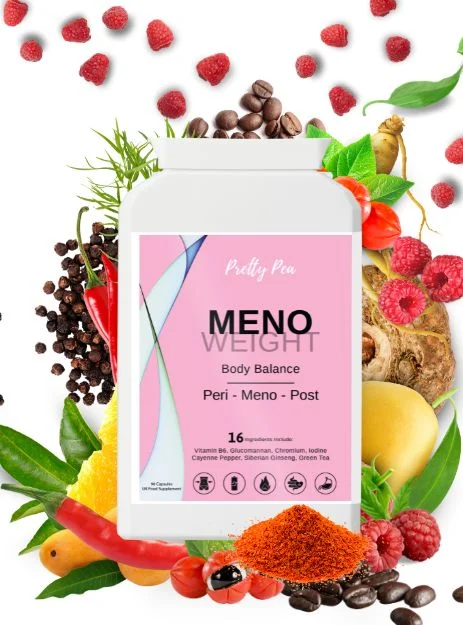
You’ll find Glucomannan at Pretty Pea supplements as in fibre blend powder and in Meno capsules.
Menopause Weight Gain: 8 Causes During perimenopause an aging body coincides with a changing body and causes the perfect storm for weight gain.
Here’s 8 changes that can result in weight gain:
1. Hormonal Changes Menopause is marked by a significant drop in estrogen. Estrogen plays a crucial role in regulating body fat distribution & lower estrogen levels causes fat to accumulate around the abdomen
2. Appetite Regulation Changes in ghrelin (hunger hormone) & leptin (satiety hormone) in menopause can disrupt appetite regulation. Low estrogen levels can increase ghrelin, making women feel hungrier, & reduced leptin sensitivity & impair feelings of fullness. Combined this can lead to overeating & weight gain
3. Slowed Metabolism with age basal metabolic rate slows. This means the body burns fewer calories at rest, making it easier to gain weight
4. Loss of Muscle Mass Aging can be associated with gradual loss of muscle mass. muscle tissue burns more calories than fat tissue, losing muscle can l reduce metabolic rate & increase fat storage
5. Poor Sleep Hormonal changes often lead to sleep issues which is linked to increased levels of cortisol (stress hormone) & altered levels of appetite-regulating hormones, leading to overeating & weight gain
6. Stress and Cortisol Levels The menopausal transition can be a stressful time due to physical & emotional changes. Elevated stress levels can increase cortisol production, which is associated with abdominal fat & craving high-calorie comfort foods
7. Lifestyle Factors lifestyle changes at menopause, such as reduced physical activity, Stress, fatigue, & emotional challenges brought on by menopause symptoms can lead to overeating or unhealthy food choices, exacerbating weight gain
8. Insulin Resistance Some women develop insulin resistance around menopause, this makes it harder for the body to regulate blood sugars & lead to increased fat storage and belly fat
See more Pretty Pea www.pretty.pea.blog #menopauseweightloss #menopausesymptoms #menopause #menopausematters #menopausehelp #menopausetips #menopausetreatment #menopausediet
Vitamin B6 (pyridoxine), is vital for women’s health, with a key role in hormone balance, mood regulation, & energy production
Here`s why it`s essential:
☑ Hormonal Balance & PMS Relief B6 helps manage hormonal fluctuations, alleviating symptoms of PMS like irritability & mood swings
Studies show that doses of 50-100 mg can significantly reduce these symptoms
☑ Menopause Support During menopause, B6 can improve mood by boosting serotonin levels, helping to ease anxiety & depression
☑ Energy Boost B6 is crucial in converting food into energy, combating fatigue & supporting metabolism.
☑ Mood Regulation B6 aids in the production of serotonin & dopamine, enhancing mood & reducing symptoms of depression & anxiety
☑ Cognitive Function It supports brain health, potentially reducing the risk of cognitive decline
☑ Recommended Daily Intake
Women (19-50): 1.4 mg/day Women (51+): 1.5 mg/day
Note many of the established RDA`s are set at levels that keep your body alive & to prevent deficiency & disease and not necessarily for your body to thrive.
Safe upper limit: 100 mg/day
Doses of 30–250 mg per day have been used in research on PMS, morning sickness & heart disease
Always consult a healthcare provider before starting any supplement regime to see what`s right for you
As the body cannot produce Vitamin B6 it`s essential to obtain it via diet & supplement if necessary
Let`s dive into the benefits of Chaga, Maitake, Shiitake, Lion’s Mane, and Reishi mushrooms! 🌿
🍄CHAGA Known as the "King of Mushrooms," Chaga is a powerhouse of antioxidants. It`s used to support immune function, reduce inflammation & combat oxidative stress. Perfect for those seeking to boost their overall health & vitality
🍄MAITAKE Known as the "Dancing Mushroom," & famous for its immune-enhancing properties. Rich in beta-glucans, which help regulate blood sugar levels & improve cardiovascular health
🍄SHIITAKE A culinary & medicinal gem, Shiitake mushrooms are loaded with vitamins B & vitamin D, selenium & polysaccharides. They support liver health, improve skin quality & strengthen the immune system
🍄LIONS MANE This unique mushroom, resembling a lion’s mane, is a brain booster! It enhances cognitive function, supports memory & promotes nerve growth. Pretty perfect anyone looking to keep their mind sharp
🍄REISHI Known as the "Mushroom of Immortality," Reishi is revered for its calming properties. It supports stress relief, enhances sleep quality & boosts the immune system. Ideal for those seeking balance & relaxation in their busy lives
Incorporate these magical mushrooms into your routine through teas, supplements, or culinary dishes and experience the transformative power of nature!
Which mushroom are you most excited to try?
You can get the goodness of all 5 of these mushrooms in Pretty Pea`s Mushroom supplement!
Ginseng has been used for centuries in traditional medicine & now embraced globally by those looking to boost their health naturally.
It`s a staple in Traditional Chinese Medicine (TCM), where it`s known as a vital energy tonic.
The most popular types are Asian ginseng (Panax ginseng), Siberian ginseng & American ginseng
Benefits of Ginseng ☑ Energy Booster: Ginseng is renowned for its ability to combat fatigue & enhance physical endurance. It`s often used by athletes & those needing a natural pick-me-up
☑ Cognitive Function: Studies suggest that ginseng can improve mental performance, focus & memory
☑ Immune Support: Regular consumption of ginseng is believed to strengthen the immune system, helping to ward off colds & other illnesses
☑ Anti-inflammatory Effects: Ginseng`s ginsenosides have shown anti-inflammatory properties, which may help reduce inflammation
☑ Blood Sugar Regulation: Some research indicates that ginseng can help maintain healthy blood sugar levels
☑ Stress Relief: Ginseng is an adaptogen, meaning it helps the body adapt to stress & restore balance
☑ How to Use Ginseng? Ginseng is available in various forms including capsules, powders, teas, and extracts.
☑ Who Can Take Ginseng? While ginseng is generally safe, it can interact with certain medications & may not be suitable for everyone. As with all supplements, pregnant or breastfeeding women & those with specific health conditions, should seek medical advice before use
☑ Recommended Ginseng Supplements: You can find Ginseng in Meno Weight, ZEN Ashwagandha & Adaptogen capsules & MIND+ Brain Food Supplements
The human body is composed of trillions of cells, each with a specific role & life cycle
Cell renewal (turnover) varies significantly between different tissues & organs:
☑ Skin Cells • Epidermis (Outer Layer of Skin): Skin cells, particularly keratinocytes, renew approx every 28-30 days.
The process involves the production of new cells in the basal layer, which then move upward, gradually becoming dead cells that form the protective outer layer of the skin.
☑ Liver Cells • Hepatocytes: Liver cells have a slower turnover, renewing roughly every 150-500 days. That said, the liver has a high regenerative capacity in response to injury
☑ Hair and Nails • Hair Follicles: Hair growth occurs in cycles, with growth phases (anagen) lasting several years, followed by resting phases (telogen) and shedding (catagen)
• Nail Cells: Fingernails grow about 3.5 mm per month, while toenails grow about 1.6 mm per month
☑ Adipose Cells • Fat Cells (Adipocytes): These cells have a turnover rate of about 8 years. Adipocytes can expand and contract in size, but their number can increase through differentiation of precursor cells
☑ Gastrointestinal Cells • Stomach Lining: Epithelial cells lining the stomach replace themselves every 2-9 days due to the harsh acidic environment.
• Intestinal Epithelium: The cells lining the small intestine renew every 2-4 days
☑ Blood Cells • Red Blood Cells (Erythrocytes): Have a lifespan of about 120 days
• Nutrient Rich: Excellent source of vitamins (C, A, K), potassium & magnesium, fibre & antioxidants • Disease Prevention: Antioxidants & anti-inflammatory compounds • Hydration: High water content • Skin Health: Collagen production & fight free radicals
4 Popular Types of Cherry
1. MONTMORENCY CHERRY • Muscle Recovery: Support muscle recovery & pain relief post-exercise due to high antioxidant content • Joint Health: Anti-inflammatory properties may help joints • Improved Sleep: High levels of melatonin can improve sleep duration & quality. You’ll find these cherries in our SLEEP+ supplements.
2. ACEROLA CHERRY • Immune Boost: One of the richest natural sources of vitamin C, crucial for a strong immune system, collagen production & skin health • Antioxidant Power: The high vitamin C content & other antioxidants, help combat oxidative stress & may lower risk of chronic diseases • Skin Health: Vitamin C is essential for collagen synthesis, helps maintain skin elasticity & reduce the appearance of wrinkles • Anti-Aging: Antioxidants help protect the body from damage, potentially slowing the aging process • Eye Health: Rich in vitamin A, supports eye health & may help prevent cataracts & age-related macular degeneration • You’ll find these in our MUSHROOM supplement
3. BING CHERRY • Antioxidants: Rich in anthocyanins, to fight oxidative stress & inflammation • Anti-inflammatory: May reduce arthritis symptoms • Heart Health: Contains potassium & polyphenols, regulate blood pressure & improve cardiovascular function
4. SWEETHEART CHERRY • Weight Management: Low in calories & high in fibre, promoting satiety • Blood Sugar Control: Fibre regulates blood sugar levels • Immune Support: Rich in vitamin C & other antioxidants
Vitamin A (Retinol) • Renowned for skin benefits, promoting a radiant complexion & natural glow. Helps reduce the appearance of wrinkles • Strengthens immunity, fights infections & illnesses • Crucial for maintaining good vision, night vision & overall eye health
Vitamin B6 • Vital role in regulating hormones, alleviate PMS symptoms & improve mood • Supports cognitive function, memory & reduces risk of cognitive decline • Aids the metabolism of proteins, fats & carbs, helps boost energy levels
Vitamin B7 (Biotin) • Famous for promoting healthy hair, strong nails & glowing skin • Aids the metabolism of fats, carbs & proteins, for effective nutrient utility
Vitamin B5 • Helps reduce stress & anxiety • Essential for converting food into energy for consistent energy levels • Helps maintain healthy skin, improving hydration & reducing acne
Vitamin B12 • Energy production, helps combat fatigue • Supports a healthy nervous system • Essential for red blood cell formation, & ensuring oxygen transport
Vitamin C • A potent antioxidant that boosts immunity, protecting against infections • Vital for collagen production, to keep skin firm & youthful • Helps fight free radicals, reducing oxidative stress
Vitamin D (The Sunshine Vitamin) • Crucial for calcium absorption, maintaining strong & healthy bones • Plays a role in mood regulation • Supports your immune system & fight infections
Vitamin E • A powerful antioxidant, helps protect skin from damage • Supports heart health, preventing oxidative stress • Enhances immune function
Iodine • Essential for healthy thyroid function, regulates metabolism & energy levels • Cognitive Function & Skin Health
Wheatgrass, the young grass of the wheat plant can be consumed fresh, juiced, or in supplements.
1. Rich in Nutrients & Antioxidants: Contains vitamins A, C, & E, iron, magnesium, calcium & amino acids. Also super-rich in chlorophyll, a natural detoxifier
2. Boosts Immunity: The high concentration of vitamins & antioxidants strengthen the immune system & ward off infections
3. Aids in Digestion: It`s high fibre content & natural enzymes assist in breaking down food & absorbing nutrients. It has 80+ enzymes, including superoxide dismutase (SOD), which helps fight oxidative stress
4. Detoxifies the Liver: Chlorophyll in wheatgrass helps detoxify the liver & improve function, essential for overall health
5. Alkalizes the Body: Wheatgrass is alkaline & can help balance the body`s pH levels, counteracting the effects of a diet high in acidic foods
6. Improves Skin Health: The antioxidants in wheatgrass can help reduce skin issues such as acne, eczema & psoriasis by promoting detoxification & reducing inflammation
7. Enhances Energy Levels: Wheatgrass is known to increase energy levels due to its dense nutrient profile, providing a natural energy boost
8. Reduces Inflammation: The anti-inflammatory properties of wheatgrass can help reduce chronic inflammation, which is linked to various health issues like arthritis & heart disease
9. Supports Weight Loss: Consuming wheatgrass can aid in weight loss by boosting metabolism, aiding digestion, & providing a feeling of fullness
10. Improves Mental Clarity: The high levels of oxygen in wheatgrass can improve brain function & mental clarity by increasing oxygen supply to the brain
You`ll find Wheatgrass in our organic PRETTY NOURISHED supplements
I.B.S and Dietary Fibre: Should you take bran for irritable bowel syndrome (IBS)?
What`s already known is:
• Increasing dietary fibre (either insoluble or soluble) is almost universally advocated for IBS treatment
• No trial has assessed its effects in a primary care setting, where the vast majority of patients are managed
A study of IBS patients in primary care found that:
• The addition of soluble fibre (psyllium) but not insoluble fibre (bran) was effective in the clinical management of IBS patients in primary care
• The benefit of psyllium is greater in patients who fulfil the Rome II criteria for IBS
• Bran may worsen IBS symptoms, especially at the start of treatment & should be advised only with caution
Definition of IBS as set out in Rome II criteria:
✔ At least 12 consecutive weeks of abdominal discomfort or pain in the preceding 12 months, with at least two of the following features:
1. Relieved with defecation 2. Onset associated with change in stool frequency 3. Onset associated with change in stool consistency
✔ In the absence of structural or metabolic abnormalities to explain the symptoms
Pragmatic definition of IBS:
✔ Chronic gastrointestinal disorder characterised by recurrence of abdominal pain or bloating in relation to disturbed bowel habits, for at least 4 weeks
✔ Mucus without blood in the stools, the presence of a palpable tender colon, and discomfort during rectal examination have been proposed to support the diagnosis of IBS
✔ In the absence of alarm symptoms (weight loss, rectal bleeding, nocturnal symptoms, or anaemia)
pmc/articles/PMC3272664/
You`ll find psyllium plus other digestion-loving fibrous foods in Pretty Pea Fibre supplements
Pretty Cleansed combines some of the most nutrient dense foods on the planet, from both sea and soil.
From the sea it contains mineral rich Seaweed, protein packed Spirulina & heavy metal cleansing Chlorella.
Chlorella is a single-cell marine algae. Also known as sea-moss or sea lettuce it has biological & pharmacological properties important for human health.
✔ Chlorella provides useful detoxification support as it can bind with heavy metals & pesticides (such as PCBs), that can accumulate in the body.
✔ Studies have found that Chlorella may increase collagen production in the skin, making it ideal for anti-aging and wound-healing.
✔ Rich in fibre it also supports healthy digestion & overall digestive tract health.
✔ Chlorella’s high nutrient content, liver protection, digestive tract cleansing actions and other elimination support, help to keep the blood free from impurities and the immune system strong.
✔ Chlorella has a long history of use as a functional food source and contains a unique and diverse composition of functional macro- and micro-nutrients including:
✔ Proteins, omega-3 polyunsaturated fatty acids, polysaccharides, vitamins and minerals.
✔ Beta-carotene and 19 amino acids (including the 8 essential amino acids).
✔ Vitamins include D and B12, that are absent in plant-derived food sources.
✔ It contains even more vitamin B12 than liver.
✔ Chlorella contains larger amounts of folate and iron than other plant-derived foods.
✔ Chlorella contains more chlorophyll than many known foods.
✔ It’s also a rich source of calcium, iron, selenium and zinc.
�10 sources of phytoestrogens & their potential benefits:
Soy (tofu, tempeh, edamame): Phytoestrogens in soy may help reduce menopausal symptoms, such as hot flashes & night sweats
Flaxseeds: Rich in lignans, a type of phytoestrogen, may help regulate estrogen levels, potentially reducing the risk of breast cancer & improving heart health
Sesame seeds: Contain lignans similar to those found in flaxseeds, and may also have protective effects against breast cancer & promote heart health
Whole grains (oats, barley & wheat): Phytoestrogens in whole grains may help regulate menstrual cycles & reduce the risk of hormone-related cancers
Legumes (lentils, chickpeas, beans): Contain phytoestrogens that may help alleviate menopause symptoms & support bone health
Alfalfa sprouts: Rich in phytoestrogens, they may help reduce menopausal symptoms & support cardiovascular health
Fruits (apples, berries & grapes): Certain fruits contain phytoestrogens that may help balance hormone levels & reduce the risk of hormone-related cancers
Vegetables (broccoli, cauliflower & kale): Cruciferous veg contain phytoestrogens that may help regulate estrogen levels & reduce the risk of breast cancer
Nuts (almonds, walnuts & pistachios): Contain phytoestrogens that may help support cardiovascular health & reduce the risk of hormone-related cancers
Red clover: This herb contains high levels of phytoestrogens called isoflavones. It has long been used as a traditional remedy in the East to alleviate menopausal symptoms, such as hot flashes
Important note: while phytoestrogens may offer some health benefits to women, effects vary depending on individual factors such as hormonal balance & health status. Phytoestrogens may mimic the effect of estrogen in the body. Always consult a healthcare professional before making significant dietary changes or starting any new supplements
A recent study has found that Curcumin (found in turmeric) has comparable effect as the medication omeprazole for treating indigestion & curbing excess stomach acid
Experts say these findings published in the journal BMJ Evidence-Based Medicine may justify considering its use in clinical practice
Turmeric is derived from the root of the Curcuma longa plant
It contains a naturally active compound called curcumin thought to have anti-inflammatory & antimicrobial properties.
It has traditionally long been used as a medicinal remedy, including for the treatment of indigestion and other ailments, in Asia.
Omeprazole is a proton pump inhibitor (PPI), which has been linked to increased fracture risk, micronutrient deficiencies & a heightened risk of infections
The results of this randomised, double blind controlled trial found significant reductions in symptom severity by day 28 for pain & even stronger results after day 56.
doi 10.1136/bmjebm-2022-112231 Journal: BMJ Evidence-Based Medicine
The maca plant has traditionally been used to: ✔️enhance fertility ✔️boost sex drive (in both men and women) ✔️improve energy & stamina ✔️menopause remedy
Studies also show Maca may improve symptoms of menopause, including hot flashes and disrupted sleep at night.
Maca is part of the Brassicaceae family and it has been used as a traditional food and medicinal plant for more than 2000 years
In 1843, Gerhard Walpers named the species Lepidium meyenii
Maca contains several bioactive chemical compounds, including:
glucosinolates, long-chain fatty acid, unsaturated long-chain fatty acid derivatives, alkaloids, sterols, fatty acids (caprylic, capric, lauric, myristic, palmitic, palmitoleic, stearic, oleic, linoleic, and linolenic acids) and vitamins B, C, and E
Maca is very nutritious, containing an average of 60–75% carbohydrates, 10–14% protein, 8.5% fibre, and 2.2% lipids
The dried root is rich in essential amino acids, while fresh root has unusually high iodine and iron contents
Studies show Maca has potential anti-fatigue treatment and findings suggest that Maca could provide a beneficial functional food in the future to slow age-related cognitive decline
Studies have revealed various nootropic effects such as memory and learning enhancement, reduced fatigue, and neuroprotective activity
The studies that have been conducted have shown that maca has enormous potential
Pretty Pea MACA supplement is combined with other traditional herbals used by women since ancient times
Vitamin D deficiency is fairly common in the UK, especially during the winter months when sunlight exposure is limited
Deficiency affects various age groups, & factors like age, lifestyle & skin pigmentation can increase risk:
• live in an area with high pollution • use sunscreen • spend most of your time indoors • live where buildings block sunlight • have darker skin (The higher the levels of melanin, the less vitamin D the skin can absorb)
So it’s important to get some of your vitamin D from non-sunlight sources
Deficiency signs may include fatigue, bone pain, muscle pain or weakness, stress fractures & weakened immunity
Vitamin D is a fat-soluble vitamin crucial for bone health & immune function
It’s also important for your nerves & muscles & regulating the absorption of calcium & phosphorus
Research has shown that vitamin D may play an important role in regulating mood & decreasing the risk of depression
Studies also show a link between vitamin D and weight. The current research doesn’t show that vitamin D can cause weight loss, however there does seems to be a relationship between vitamin D and body weight
`The tablets have certainly stopped the bloating and suppressed my appetite for sure. I`m gradually seeing the weight coming off and feel so much like me again. Sleeping is so much better, and i never stop have so much energy now….
Here`s what our customers love about Meno; "This product really works!!"
"I am a 44 year old mother of 2 teenage girls who I would consider to be fairly intelligent. I have googled and read up on so many different products that could/would help me feel more like the me I have always known before hitting perimenopause…..
…..After reading reviews, I bought this product hoping that what others had written was in fact true and not written by people being paid to say what they had been told…..
….I have taken this product exactly as it has been recommended and no word of a lie I have lost 6 pounds this week….
….. I have watched my food intake and my days are quite active. But more so than the weightloss I feel motivated, focused, calm and more importantly like me again!!…
… I highly recommend this product as long as you are determined to stick by their recommendations and do the obvious healthy eating and exercise!!!" Miss J. – Verified Purchase
Psyllium husk is a soluble fibre derived from the husks and seeds of the Plantago ovata plant
Its primary benefit is promoting digestive health by relieving constipation and acting a as a bulking agent to support regular bowel movements
Additionally, it may help lower cholesterol levels and manage blood sugar levels
Psyllium is an excellent source of dietary fibre, providing the extra fibre that so many people need in order to maintain regular and healthy bowels
It contains around 71 grams of fibre per 100 grams
However, it`s important to note that a typical serving size is much smaller, usually around 5 grams, which would provide approximately 3.5 grams of fibre
It provides a water absorbing / retention fibre, which gives bulk to stools by absorbing water – as much as 20 times its own weight
This gives the bowel wall something to work on and lets it push matter through smoothly and quickly via peristalsis
Fibre also stimulates natural bacteria in the bowel
When water is added to psyllium husks, a soft gel is formed, which helps the unwanted matter in the colon (constipation) move through smoothly, with no straining or discomfort, known as colon cleansing
Good dietary sources include psyllium husk supplements, whole grains, and some cereals
It`s important to consume it with sufficient water to avoid potential choking hazards and to enhance its effectiveness in promoting digestive health.
When adding additional fibre to your usual diet it’s important to do so slowly to allow the body time to acclimatize and prevent any potential digestive discomfort.
Always consult with a healthcare professional before adding new supplements to your routine.
A review of 3 million adults found that fibre can lengthen lifespan A higher fibre intake significantly decreased the risk of all-causes by 23%, cardiovascular disease (CVD) 26% & cancer mortality 22% Fibre from whole grains & veg is linked to a reduced risk of all-cause mortality, with fibre from nuts & seeds reducing the risk of CVD-related death by 43%
DOI:https://doi.org/10.1016/j.clnu.2023.11.005
Other fibre benefits range from digestive health, preventing constipation, appetite control, balancing blood sugar levels, maintaining healthy weight to lowering cholesterol & supporting heart health
Soluble fibre is viscous – it dissolves in water
Soluble fibre may help people to reduce appetite, lower cholesterol & balance blood sugars
Examples of Soluble Fibres
1. Inulin (found in chicory root) 2. Beta-glucans (found in oats / barley) 3. Pectin (found in fruits like apples & citrus) 4. Guar gum (found in guar beans) 5. Psyllium 6. Gums (e.g., locust bean gum, found in carob seeds) 7. Mucilage (e.g. found in flaxseeds) 8. Fructooligosaccharides (FOS, found in certain fruits & veg) 9. Resistant starch (can act as soluble or insoluble, found in green bananas) 10. Glucomannan (extremely viscous & useful for weight loss)
Insoluble Fibre
Insoluble fibre, found in whole grains & veg. It adds bulk to the stool, aiding in regular bowel movements & preventing constipation
Examples of Insoluble Fibres
1. Cellulose (found in most plant cell walls) 2. Hemicellulose (found in the bran of cereal grains) 3. Lignin (found in plant cell walls) 4. Wheat bran 5. Sugar Beet fibre 6. Brown rice 7. Nuts and seeds 8. Green beans 9. Cauliflower 10. Potato skins
Both soluble & insoluble fibre support overall digestive well-being
The human body is more bacteria than it is cells with 10x more bacteria in the body than cells.
Most of our bacteria is located in the large intestine and it needs food to function and survive.
Diet is considered as one of the main drivers in shaping the gut microbiota across the life time.
There are hundreds of different types of gut bacteria with an estimated 500–1000 species of bacteria existing in the human body at any one time, with many being vital to our health, such as supporting the immune system, blood sugar control and weight management.
They are also known to have a role in the prevention or treatment of some diseases and can even affect brain function by influencing the gut-brain axis.
Fibre reaches the large intestine relatively undigested because humans don’t have the necessary enzymes to digest fibre, like we do for digesting protein and fats – (these are absorbed in the bloodstream before reaching the large intestine).
Our intestinal bacteria do however have the enzymes needed to digest many of these fibres which is why these fibres are vital for our health.
These prebiotic fibres feed the “good” bacteria in our intestine which is why these fibres are so vital for our health.
As the fibre is fermented by the gut bacteria this can produce gases which may cause some people to experience temporary flatulence and stomach discomfort. These side effects resolve as the body adjusts.
To see more about the benefits of fibre, how much we need daily, and list of fibre rich foods check our recent blog on the PrettyPea.blog website – Fibre Facts – Pretty Pea
�Kelp is a type of seaweed that belongs to the brown algae family. Rich in various nutrients, including:
1. Iodine: Kelp is one of the best natural sources of iodine, essential for thyroid function, healthy skin, energy yielding metabolism (& therefore healthy weight management), cognitive function, immune function & overall health
2. Vitamins: It contains vitamins like vitamin K, vitamin A, vitamin C, & B vitamins
3. Minerals: Kelp is a good source of minerals such as calcium, magnesium, & potassium
4. Fibre: It provides dietary fibre, which is beneficial for digestion, &has a prebiotic effect on gut flora. It also supports the gut lining & stimulates the secretion of digestive enzymes
5. Antioxidant: Kelp contains antioxidants like fucoxanthin, which may help protect cells from damage. Research suggests that the Kelp used in Pretty Pea supplements has a high concentration of antioxidants that are released in the gut lumen where it can provide protection from oxidative damage. Importantly its antioxidant capacity remains high through digestion, after enzymatic digestion
6. Alkalising effect: Kelp supports the acid-alkaline balance, with its powerful alkalising effect on the body
Feel nourished with 35 organic fruits, berries, greens, mushrooms & enzymes in just one capsule.
Get more than your 5 a day and eat the rainbow with greens like broccoli, apple & kale, bright orange turmeric, red & purple berries such as cranberry, bilberry & acai berry and `superfoods` spirulina & wheatgrass.
Add in detoxifier chlorella, hormone supporting linseed and nutrient rich kelp, beets & quinoa.
And powerful adaptogenic mushrooms reishi, cordyceps, shiitake & maitake and your body will thank you.
Plus, Digestive enzymes that include amylase, bromelain, papain, lactase, cellulose, lipase & protease to ensure your body breaks down the food you consume for maximum nutrient absorption and daily energy.
10 adaptogens known for their potential to help manage stress & promote relaxation:
ASHWAGANDHA: One of the most powerful herbs in Ayurveda, known for its ability to reduce stress & anxiety & rejuvenating powers. Its effective in helping reduce stress by lowering cortisol levels & mimicking the inhibitory neurotransmitter GABA
REISHI: the ‘spirit mushroom’, & ‘mushroom of immortality’ for its anti-ageing powers, it supports detoxification, energy boosting & overall well-being
CORDYCEPS MUSHROOM: Used to support the adrenal system, reduce stress & help the body produce & maintain consistent energy levels
SCHISANDRA: Said to ‘calm the heart & quiet the spirit’, it helps the body adapt to stressors &promotes mental clarity. It’s red berries have been traditionally used by hunters & athletes to combat fatigue, stress & increase endurance
PANAX GINSENG: a rich source of photo-estrogen & biologically active ingredients called eleutherosides supporting the body’s recuperative powers used traditionally to strengthen the immune system & ward off stress & disease
LIQUORICE ROOT: One of the top herbs for adrenal exhaustion, it’s active ingredient inhibits cortisol breakdown helping regulate cortisol levels & reduce stress
MACA ROOT: Rich in vitamins & minerals and also in beneficial plant sterols that are biochemically related to estrogen, progesterone & testosterone & used to balance hormones & manage stress
GOTU KOLA: the ancient herb of enlightenment & longevity, also known as Bhrami, `God consciousness, & considered one of the most powerful brain tonics in Ayurvedic healing, used to relieve symptoms of anxiety, improve memory & boost circulation
RHODIOLA: Helps the body adapt to stress & improves resilience
Note: adaptogens may have individual variations in effectiveness, so it’s important to consult with a healthcare professional
Ashwagandha is an ancient medicinal herb, often referred to as "Indian ginseng" or "Winter Cherry." As an adaptogen it helps the body respond to stressors and it has been used in traditional Ayurvedic medicine for centuries.
Some potential benefits of ashwagandha include:
1. Stress Reduction: Ashwagandha is considered an adaptogen, which may help the body manage stress by reducing the production of the stress hormone cortisol.
2. Anxiety and Mood: It may have anxiolytic properties and could help improve mood and reduce symptoms of anxiety and depression.
3. Anti-Inflammatory: Ashwagandha contains compounds with anti-inflammatory properties, which can help with various inflammatory conditions.
4. Cognitive Function: Some studies suggest it may enhance cognitive function, memory, and concentration.
5. Energy and Stamina: It`s believed to boost energy levels, endurance, and overall vitality.
6. Immune Support: Ashwagandha may have immune-enhancing properties.
7. Hormonal Balance: Some research indicates it could help regulate hormones, including thyroid hormones.
See the full range of Pretty Pea supplements at www.prettypea.blog
Note: If you`re considering using ashwagandha for its benefits, or any other supplements, consult a healthcare professional for guidance, especially if you have underlying health conditions or are taking medications.