

Many women struggle to achieve the recommended daily fibre intake through diet alone making fibre supplements for women a popular choice. Busy schedules, highly processed foods, travel, and changing dietary habits can make it difficult to consistently consume enough fibre-rich foods every day.
According to UK dietary guidelines, adults should aim for approximately 30g of fibre daily. However, surveys suggest that average intakes remain significantly below this target. For women looking to support their fibre intake, fibre supplements can offer a convenient addition to a balanced diet.
This guide explains what fibre is, why it matters, the different types of fibre supplements available, and how to choose the best fibre supplement for your needs.
Why Is Fibre Important?
Fibre is a type of carbohydrate naturally found in plant foods that passes through the digestive system without being fully digested.
Unlike other carbohydrates, fibre is not absorbed in the small intestine. Instead, it continues through the digestive tract where it contributes to normal digestive function and overall dietary balance.
Fibre is naturally present in foods such as:
- Fruits
- Vegetables
- Whole grains
- Legumes
- Nuts
- Seeds
Many health organisations recommend increasing fibre intake as part of a healthy eating pattern.
See more at: 9 Benefits of Fibre
What Happens When You Start Eating More Fibre?
Within 24 hours:
You may notice meals feel more filling and satisfying, particularly if you’ve increased soluble fibre from foods or supplements such as psyllium husk or glucomannan. Some people also become more aware of how often they usually snack between meals.
After 1 week:
As fibre intake becomes more consistent, many people find it easier to stay satisfied between meals. Digestive habits may also start to feel more predictable as your body adapts to the increase in fibre.
After 2 weeks:
Regular fibre intake often becomes part of your daily routine. Whether you’re getting fibre from foods, supplements or both, you may find it easier to meet your daily target and maintain a consistent intake.
After 1 month:
By this stage, many people are consuming significantly more fibre than before. Consistent fibre intake can support digestive health, regularity and feelings of fullness, making it easier to maintain healthy eating habits over the long term.
Top tip: Increase fibre gradually and drink plenty of fluids. A sudden increase in fibre intake may cause temporary digestive discomfort while your body adapts. Give your digestive system time to adapt can help minimise temporary bloating or digestive discomfort.
To find out more continue reading at: Signs You Need More Fibre
Fibre Powder
How Much Fibre Do Women Need?
The NHS recommends that adults consume around 30 grams of fibre per day.
Unfortunately, many women consume considerably less.
Factors that may contribute to lower fibre intake include:
- Skipping meals
- Low vegetable consumption
- Frequent consumption of processed foods
- Busy lifestyles
- Restrictive diets
Monitoring daily fibre intake can help identify potential gaps in the diet. For more fibre guidance get your free guide below:
Common Signs Your Fibre Intake May Be Low
Although fibre requirements vary between individuals, some signs that your diet may benefit from additional fibre-rich foods include:
Digestive Irregularity
Fibre contributes to normal digestive function and helps support regular bowel habits.
Low Fruit and Vegetable Intake
If vegetables, fruits and whole grains rarely appear in your meals, your fibre intake may be below recommended levels.
Frequent Reliance on Processed Foods
Highly processed foods are often lower in fibre than their whole-food alternatives.
Difficulty Reaching Daily Fibre Targets
Many women simply find it difficult to consume 30g of fibre every day through food alone.
Read: What is the Highest Fibre Food
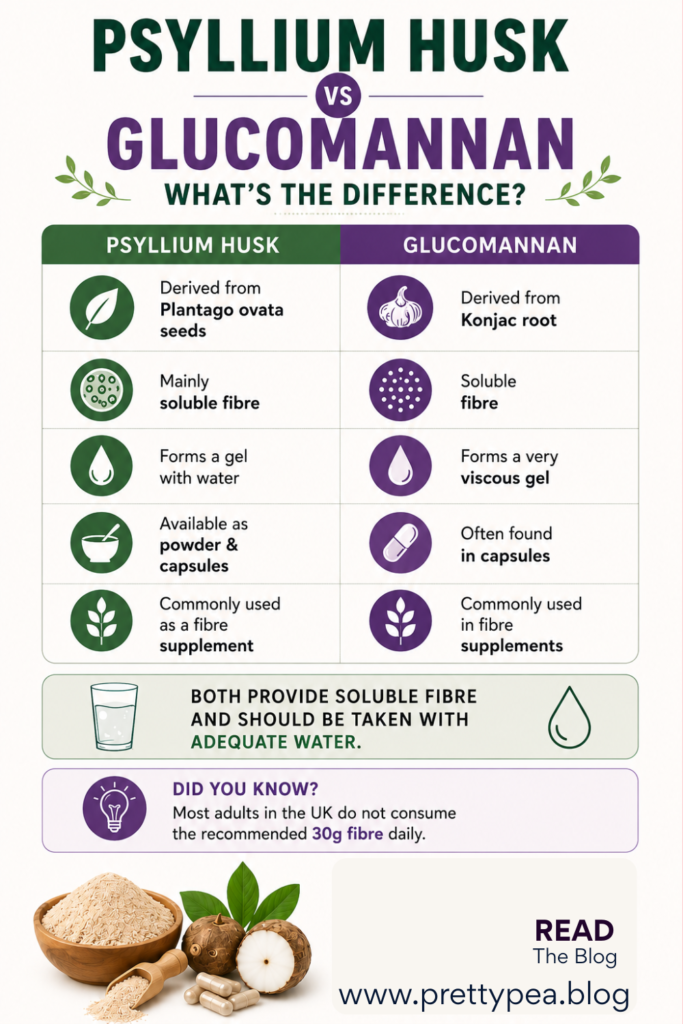
Glucomannan vs Psyllium Husk: Key Differences at a Glance
Both glucomannan and psyllium husk are popular fibre supplements that absorb water and form a gel-like consistency in the digestive tract. Both can help increase daily fibre intake, support digestive health and contribute to feelings of fullness when used as part of a healthy diet.
The main difference is that glucomannan is derived from the konjac root and is an extremely viscous soluble fibre, whereas psyllium husk comes from the seeds of the Plantago ovata plant and contains a mixture of soluble and insoluble fibre.
Many people use glucomannan as a concentrated fibre supplement, while psyllium husk is often chosen as a versatile daily fibre that can be added to drinks, smoothies, yoghurt, porridge and recipes.
Find out more about: Glucomannan for Weight Loss: Does It Work and How Does It Compare to Medications?
| Feature | Glucomannan | Psyllium Husk |
|---|---|---|
| Source | Konjac root | Plantago ovata seeds |
| Type of Fibre | Soluble, highly viscous fibre | Soluble and insoluble fibre |
| Forms Available | Capsules, powders, drinks | Powders, capsules, husks |
| Water Absorption | Very high | High |
| Supports Fullness | Yes | Yes |
| Supports Regularity | Yes | Yes |
| Supports Gut Health | Yes | Yes |
| Fermented By Gut Bacteria | Partially | Partially |
| Common Use | Fullness and fibre intake | Digestive health and regularity |
| Best Taken With | Plenty of water before meals | Plenty of water throughout the day |
| Typical Daily Amount | Around 3g daily | 5–10g daily (varies) |
| Suitable For Vegetarians & Vegans | Yes | Yes |
| Naturally Gluten Free | Yes | Yes |
| Main Consideration | Must be taken with adequate water | Must be introduced gradually |
| Best For | People seeking a concentrated soluble fibre | People wanting a versatile daily fibre supplement |
Get your free Fibre Checklist below:
Types of Fibre Supplements for Women
Not all fibre supplements are the same.
Understanding the different types can help you choose an option that fits your lifestyle and dietary preferences.
Fibre Capsules
Fibre capsules provide a convenient way to supplement dietary fibre intake without the need for mixing powders or preparing fibre-rich foods.
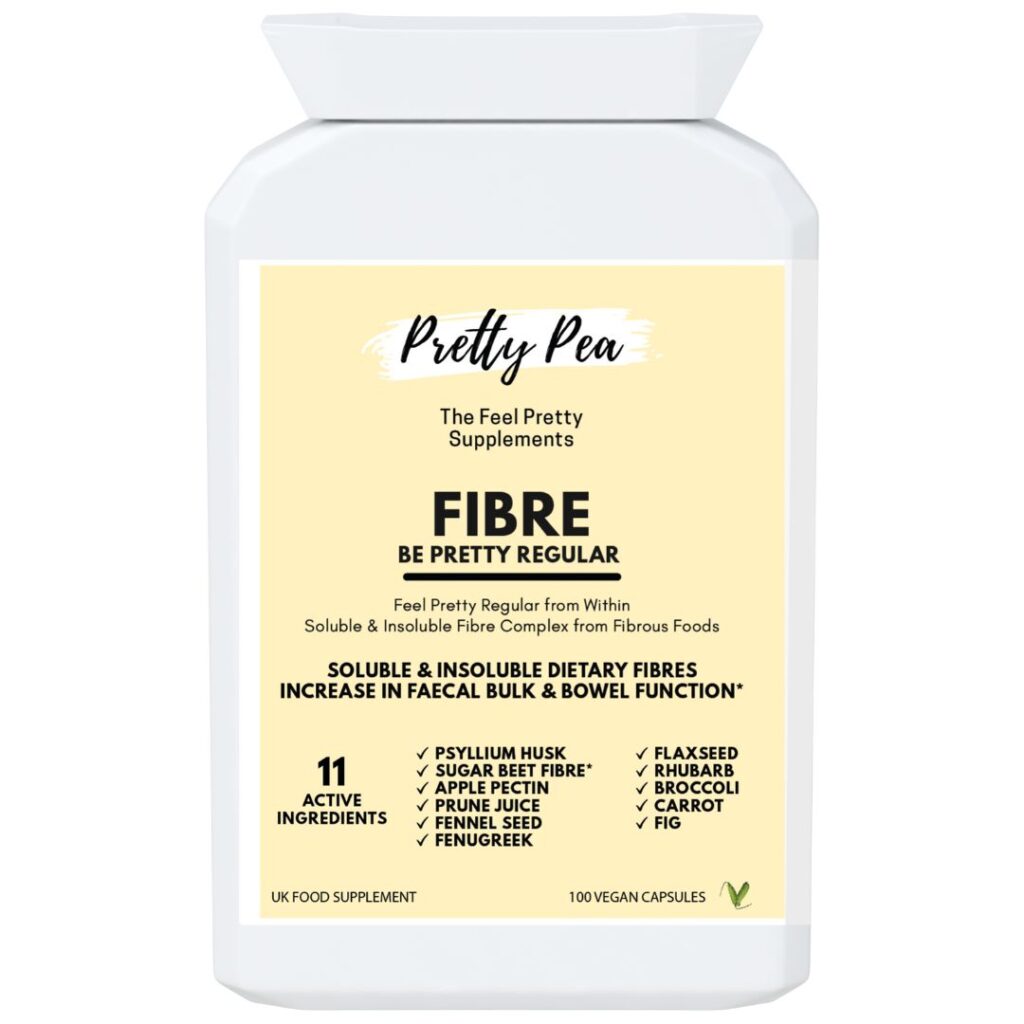
Unlike single-ingredient fibre supplements, some fibre capsules contain a blend of naturally derived fibre sources, providing both soluble and insoluble fibre.
Soluble fibre dissolves in water to form a gel-like substance, while insoluble fibre adds bulk and contributes to overall fibre intake. Both types of fibre play different roles within a balanced diet.
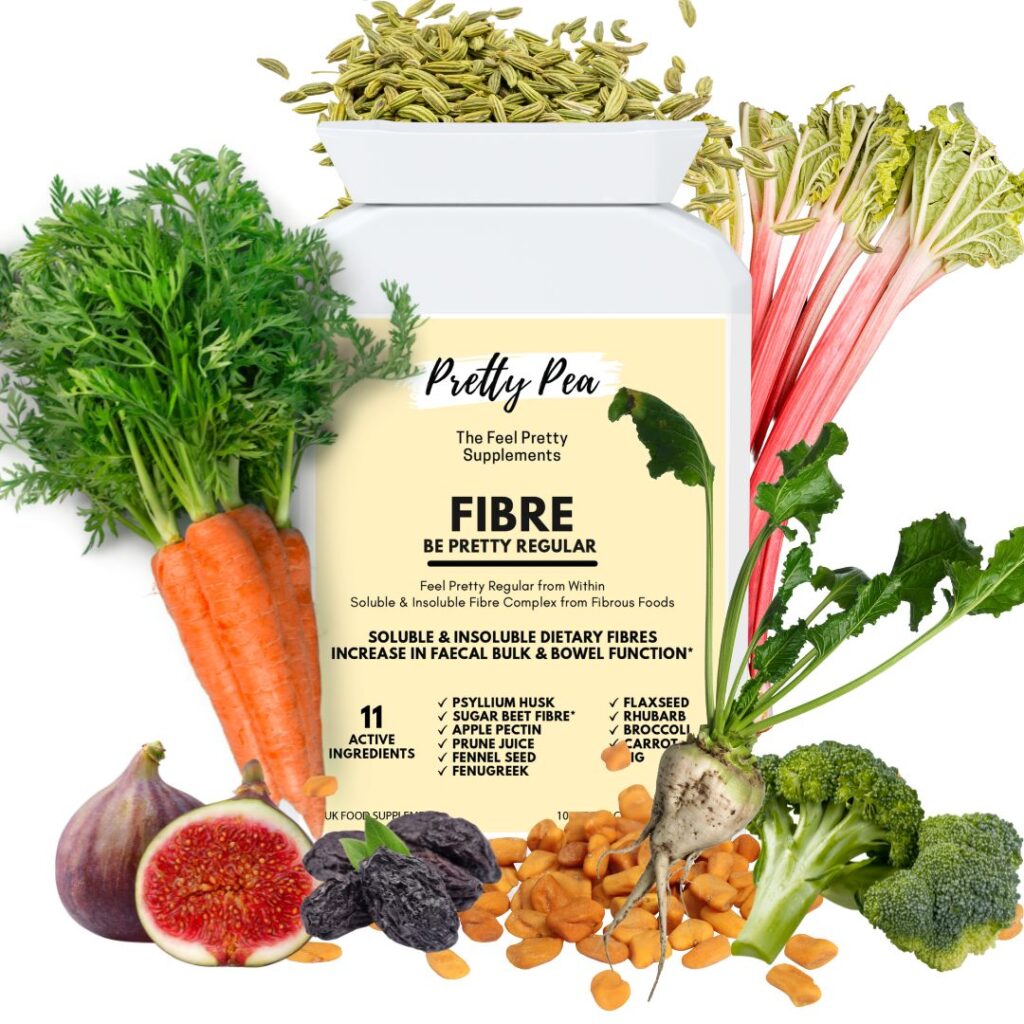
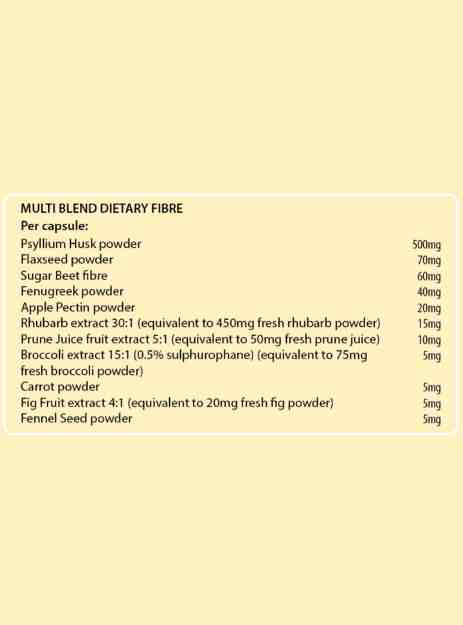
Pretty Pea Daily Fibre Capsules contain a carefully selected blend of fibre-rich plant ingredients, providing a combination of soluble and insoluble fibre from multiple natural food sources.
This approach reflects the way fibre is typically consumed through a varied diet, where different fruits, vegetables, seeds and plant foods contribute different types of fibre.
Whereas Pretty Reset capsules primary ingredient soluble Glucomannan fibre expands in the stomach increasing feelings of fullness.
For women looking for a convenient alternative to powders, fibre capsules can be an easy way to support daily fibre intake alongside a healthy, balanced diet.
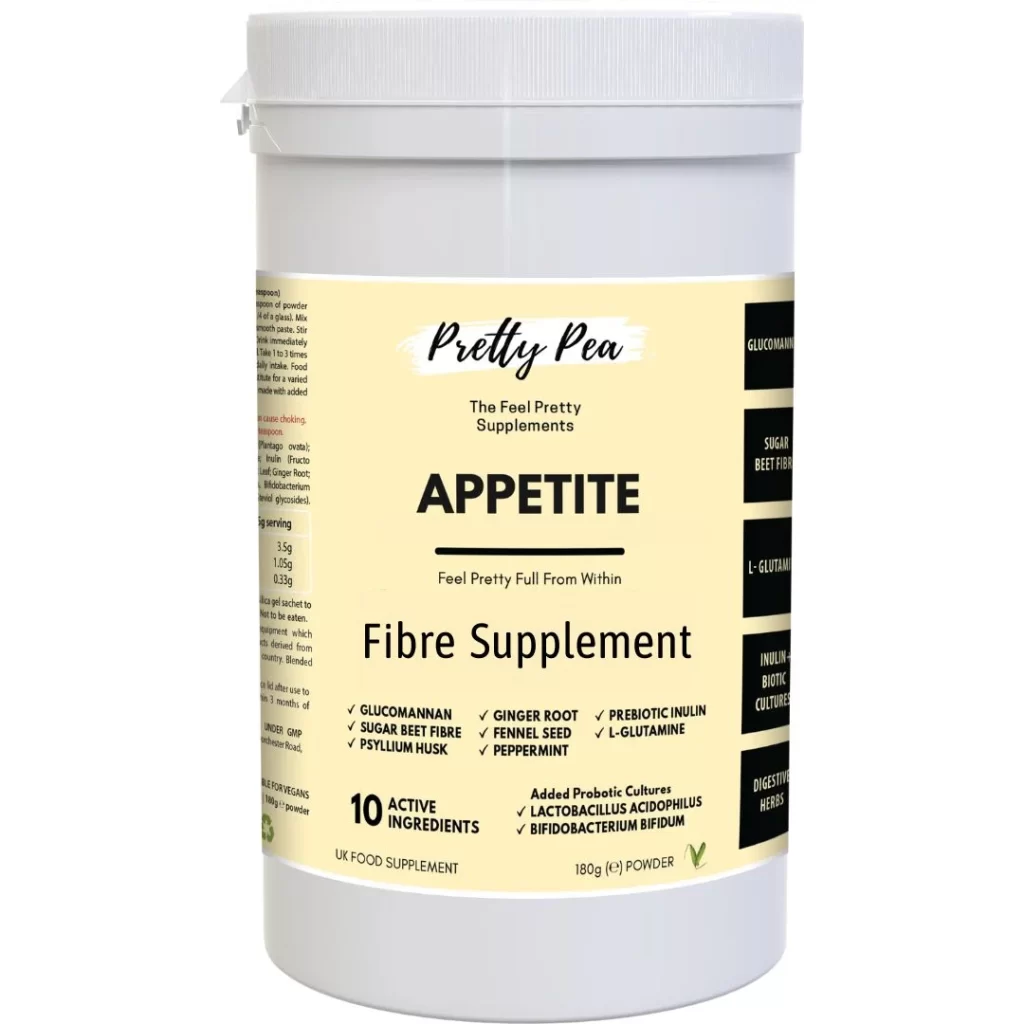
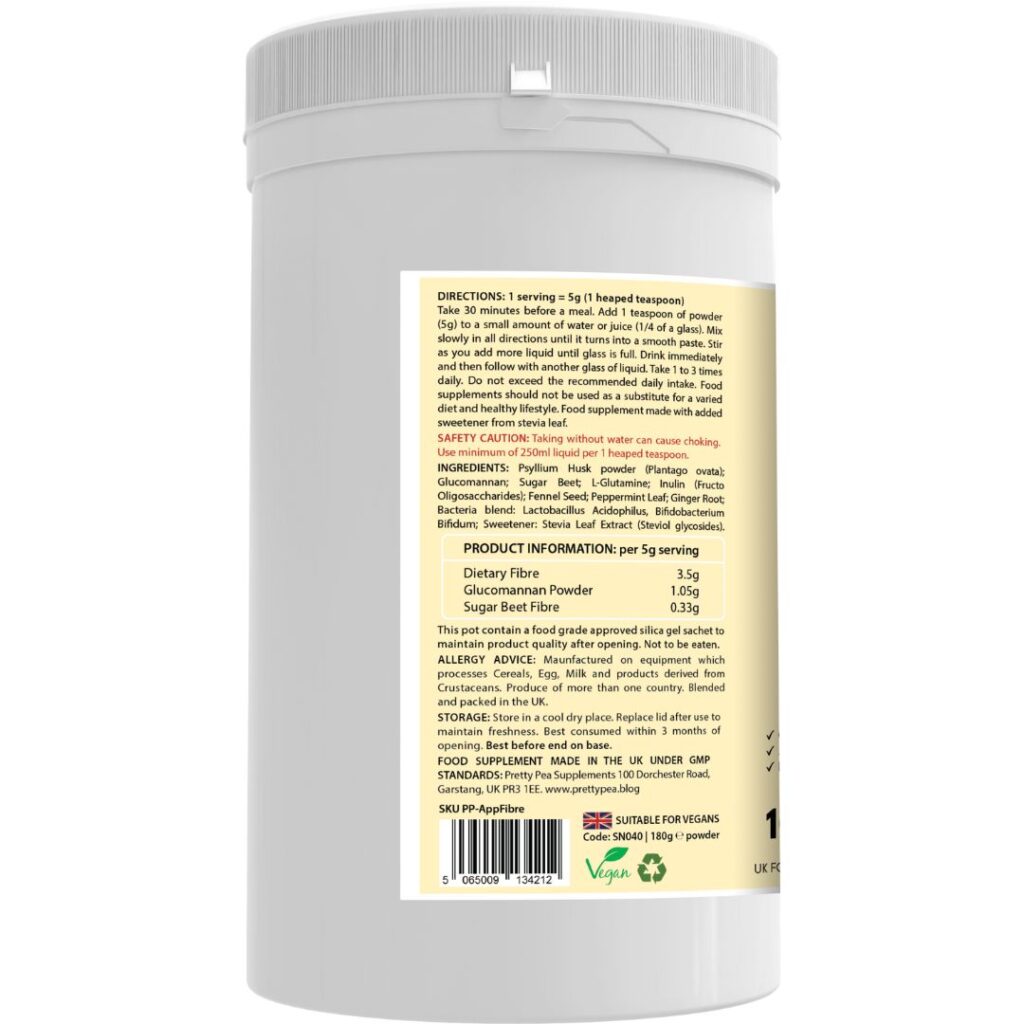
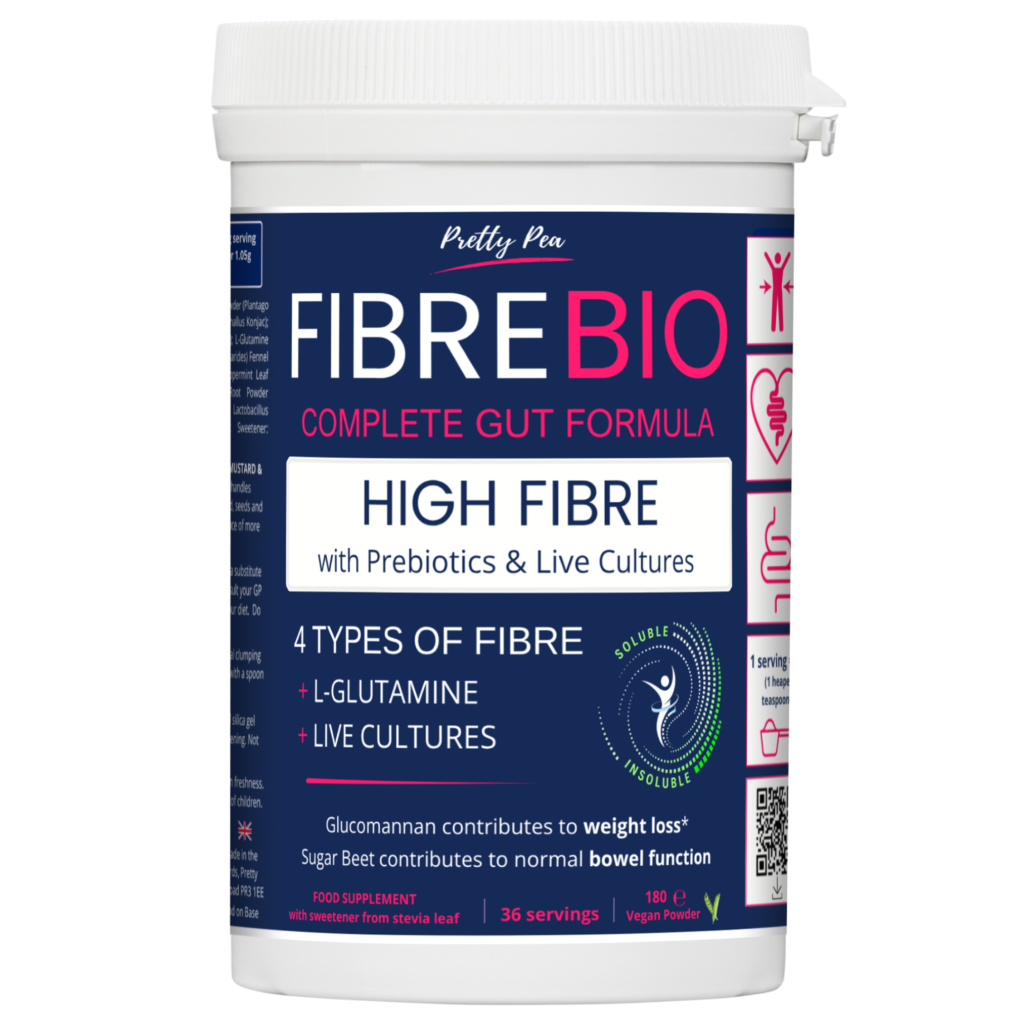
Fibre Powder with Prebiotic Inulin and Live Cultures
If you’re choosing a fibre powder, then it’s worth knowing that some fibre powders offer more than fibre alone.
Formulas containing prebiotic fibres such as inulin and added live cultures provide a broader approach to supporting daily dietary habits.
Inulin is a naturally occurring fibre found in foods such as chicory root, onions and garlic. It is classified as a prebiotic fibre, meaning it serves as a food source for beneficial bacteria naturally present in the gut.
When combined with live cultures and dietary fibre, a powder format can offer a convenient way to incorporate multiple complementary ingredients into a daily routine.
For women looking for a versatile supplement that combines fibre, prebiotic ingredients and live cultures in one serving, a fibre powder may be an attractive option.
Powdered fibre supplements can be mixed into:
- Water
- Smoothies
- Yoghurts
- Protein shakes
They are popular among people who prefer flexible serving sizes. Get your free psyllium husk fibre powder recipe guide here.
| Feature | Fibre Capsules | Fibre Powder |
|---|---|---|
| No mixing required | ✓ | – |
| Easy for travel | ✓ | – |
| Add to smoothies/yoghurt | – | ✓ |
| Quick daily routine | ✓ | ✓ |
Which Fibre Supplement Is Right For You?
| If you want… | Recommended Option |
|---|---|
| The convenience of capsules | Daily Fibre Capsules |
| A psyllium-based fibre supplement | Daily Fibre Capsules |
| Fibre plus prebiotic inulin and live cultures | Fibre Powder |
| Something to add to smoothies or yoghurt | Fibre Powder |
| A travel-friendly option | Fibre Capsules |
| A blend of soluble and insoluble fibre | Daily Fibre Capsules |
Fibre supplements for women are available as powders, capsules, gummies and sachets. At Pretty Pea, we focus on powders and capsules because they provide a simple and convenient and sugar free way to supplement fibre intake.
| Pretty Pea | Format | Ideal For |
|---|---|---|
| Appetite | Powder | Women who prefer adding fibre to drinks, smoothies or yoghurt with prebiotic & live cultures |
| High Fibre | Capsules | Women looking for a quick, convenient daily option (soluble & insoluble) |
| Pretty Reset | Capsules | Women seeking a filling fibre with additional ingredient profile (inc. hormonal regulation) |
Soluble vs Insoluble Fibre
When choosing a fibre supplement, it helps to understand the two primary categories of fibre.
Soluble Fibre
Soluble fibre dissolves in water to form a gel-like substance.
Common sources include:
- Psyllium
- Oats
- Barley
- Apples
- Beans
Many popular fibre supplements contain soluble fibre due to its versatility and convenience.
Insoluble Fibre
Insoluble fibre adds bulk to food as it moves through the digestive tract.
Sources include:
- Whole grains
- Wheat bran
- Vegetables
- Nuts
- Seeds
A balanced diet typically contains a combination of both fibre types.
See: Insoluble Fibre Rich Food List
Fibre Supplements for Women – What to look for?
When comparing women’s fibre supplements, consider the following factors.
Fibre Content Per Serving
Check how much fibre is provided in each serving.
Different products vary considerably.
Ingredient Simplicity
Many consumers prefer products with:
- Minimal ingredients (after active ingredients)
- No unnecessary fillers
- Transparent labelling
Convenience
The best supplement is often the one you will consistently remember to take.
Consider whether you prefer:
- Capsules
- Powders
Quality Standards
Look for products manufactured according to recognised UK Good Manufacturing Practice (GMP) quality and safety standards.
Suitable For Your Lifestyle
Some products may be suitable for:
- Vegetarians
- Vegans
- Gluten-free diets
Always check the label if you have specific dietary requirements.
Fibre Supplements.
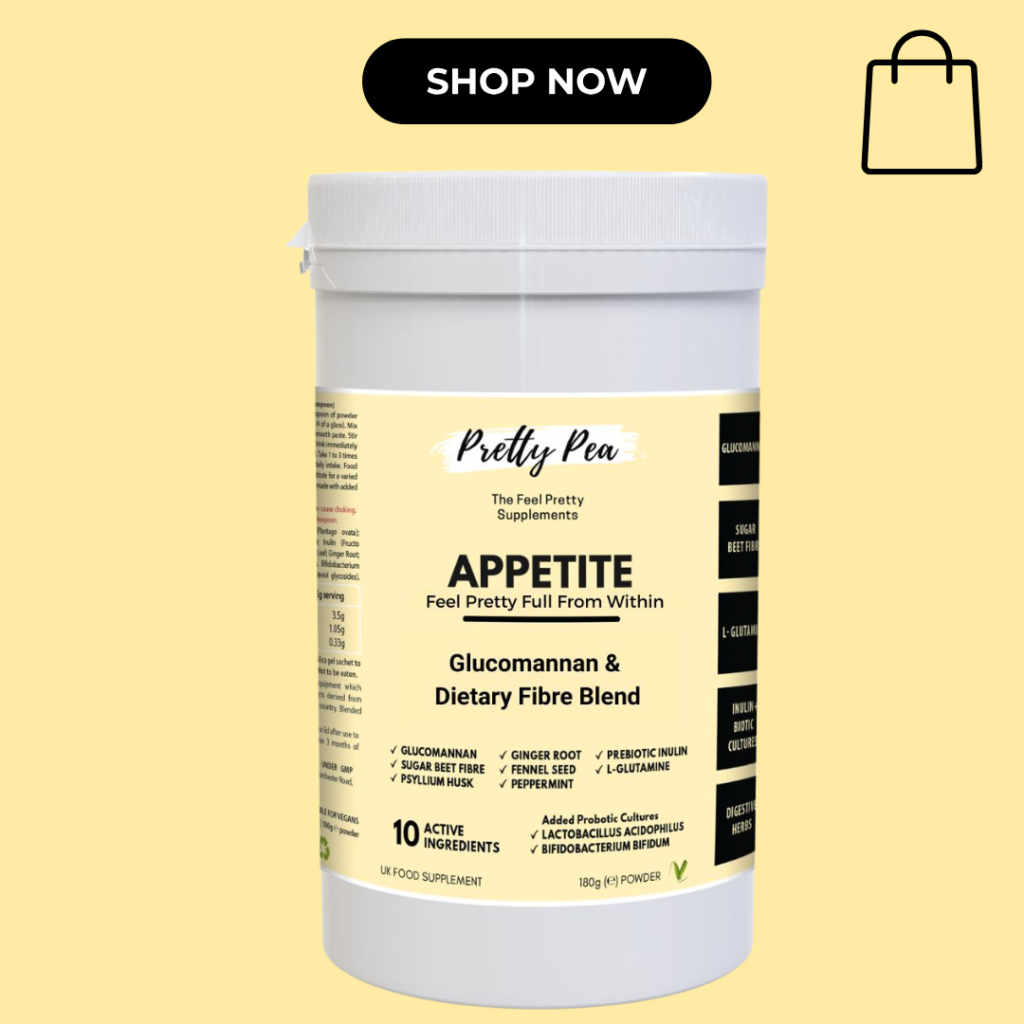
Blend of 4 Fibres, prebiotic fibre, live cultures & more
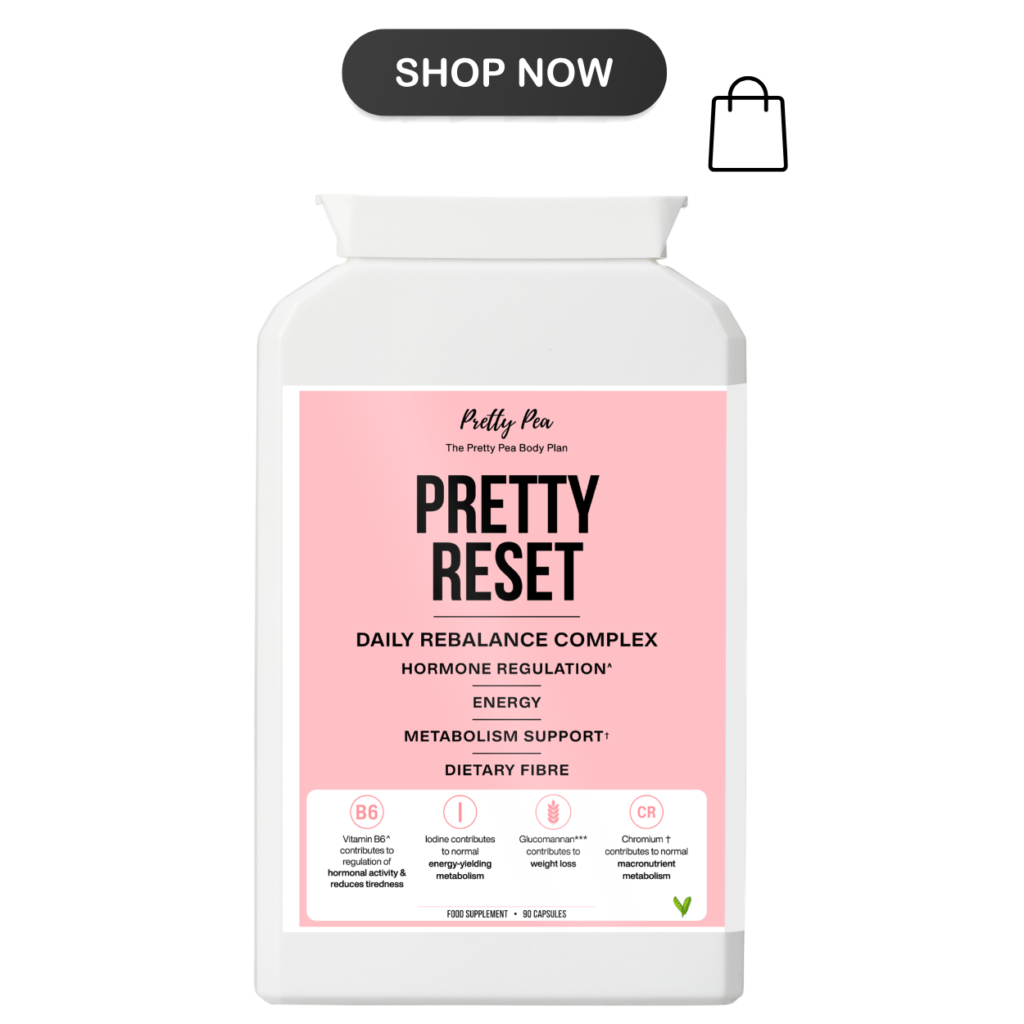
Drive in style with our top-of-the-line premium vehicles
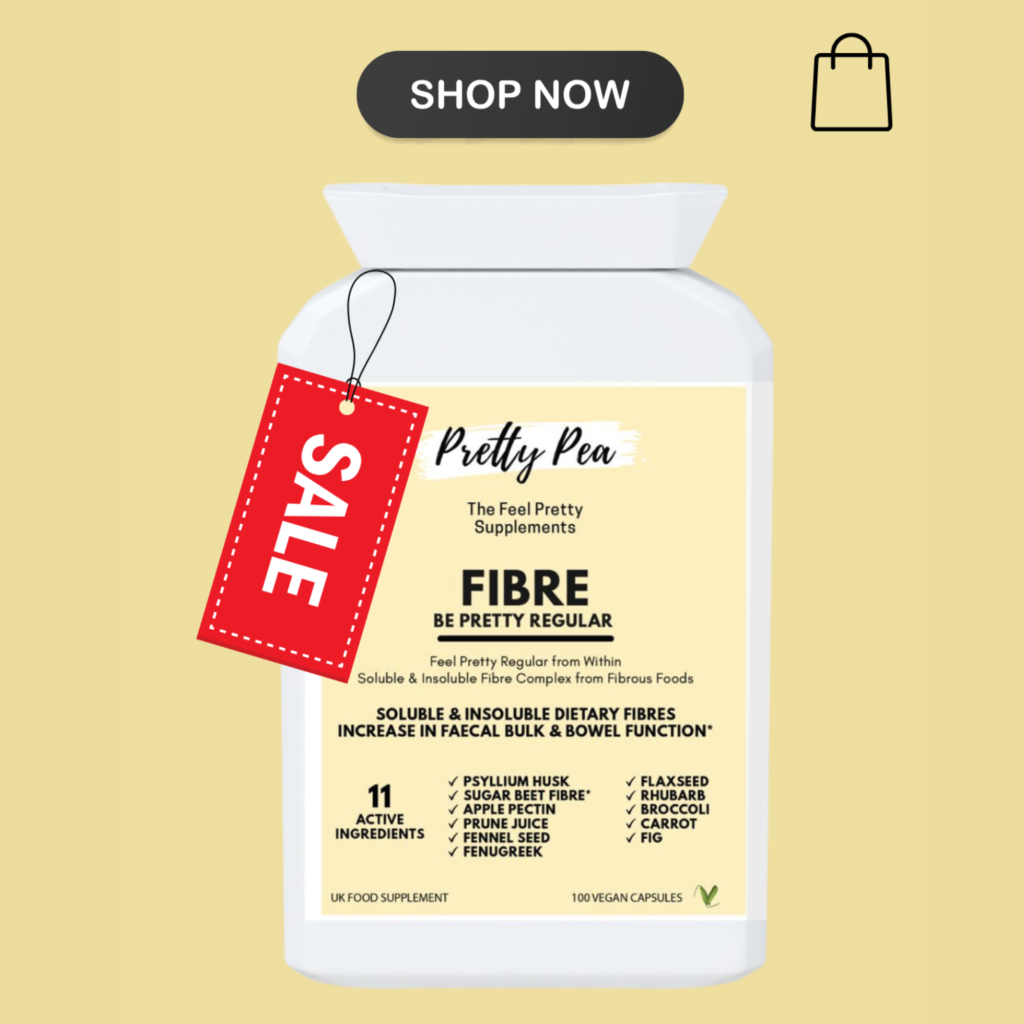
Soluble & Insoluble fibre from high fibrous foods
Psyllium Husk Powder Vs Psyllium Husk Capsules
Psyllium husk is one of the most widely used fibre supplements. Derived from the seeds of the Plantago ovata plant, psyllium contains primarily soluble fibre.
Psyllium husk fibre capsules have become increasingly popular among women seeking a simple way to supplement their fibre intake.
Benefits of psyllium husk capsules include:
- Easy to take
- No mixing required
- Convenient for travel
- Consistent serving sizes
- Portable and discreet
For many busy women, capsules fit more easily into a daily wellness routine than powders or drinks.
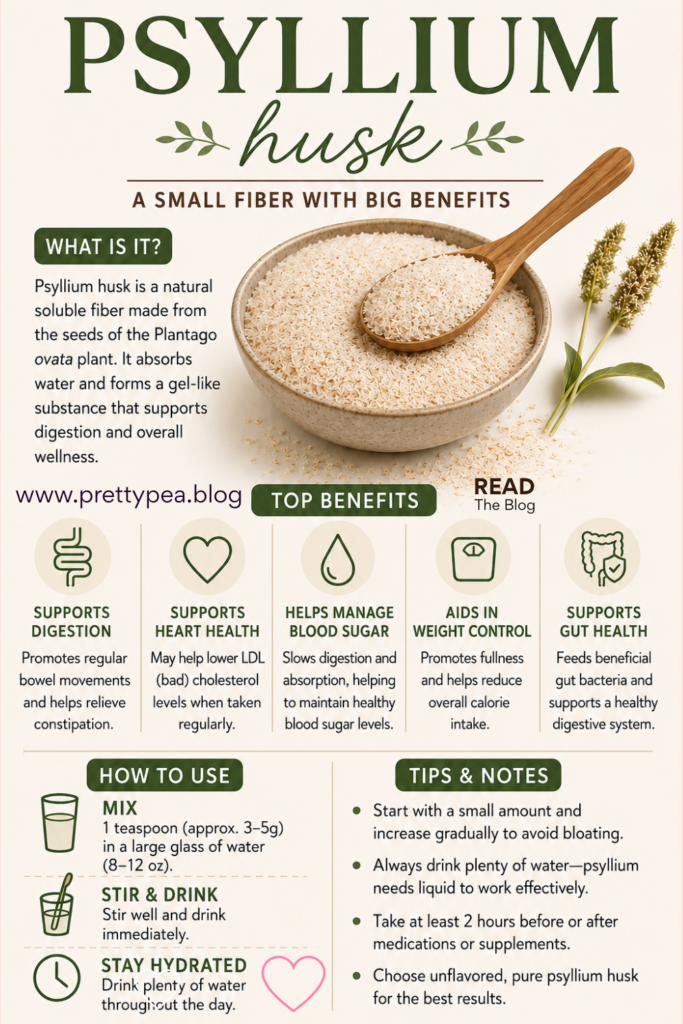
Why Choose Psyllium Husk Fibre Powder?
Fibre powders offer flexibility and can be easily incorporated into your daily routine. They can be mixed into water, smoothies, yoghurt, porridge or other foods, making them a versatile option for those who enjoy customising their fibre intake.
Some people prefer powders because they allow larger amounts of fibre to be consumed in a single serving and can be seamlessly added to meals and drinks without the need to take multiple capsules.
Fibre powders may be particularly suitable for individuals who regularly prepare smoothies, breakfast bowls or homemade wellness drinks.
Fibre Capsules
Fibre Supplements Comparison Table
| Feature | Psyllium Husk Capsules | Psyllium Husk Powder |
|---|---|---|
| Convenience | Very convenient and easy to take | Requires measuring and mixing |
| Preparation | No preparation required | Must be mixed with water or another liquid |
| Travel Friendly | Excellent for travel and on-the-go use | Less convenient when travelling |
| Taste | Virtually tasteless | Some people dislike the texture or taste |
| Serving Size | May require several capsules per serving | Larger amounts can be taken in a single serving |
| Flexibility | Fixed serving size | Easy to adjust serving size |
| Use in Recipes | Not suitable | Can be added to smoothies, porridge, yoghurt and baking |
| Portability | Easy to carry in a handbag or travel bag | Bulkier to transport |
| Daily Routine | Quick and simple | Takes slightly more time to prepare |
| Best For | Busy individuals seeking convenience | People who enjoy adding fibre to foods and drinks |
Which Type Is Better?
Neither format is inherently better—the best choice depends on your lifestyle and preferences.
Psyllium husk capsules may suit those looking for a quick, convenient option that can easily fit into a busy routine.
Psyllium husk powder may appeal to those who prefer flexible serving sizes or enjoy adding fibre to smoothies, yoghurt, porridge or recipes.
Whichever format you choose, it should be used alongside a varied, balanced diet rich in naturally fibre-containing foods such as fruits, vegetables, legumes, whole grains, nuts and seeds.
For more: Everything Psyllium How To Use: A Comprehensive Guide on How to Use It for Maximum Health Benefits
Not ready to buy yet, Get your Free Psyllium Husk Recipe Guide
Can Fibre Supplements Replace Fibre-Rich Foods?
No. Whole foods should remain the foundation of a healthy diet.
Fruits, vegetables, legumes, nuts, seeds and whole grains provide a wide range of nutrients beyond fibre alone.
Fibre supplements are best viewed as a complement to a balanced diet rather than a replacement for healthy eating habits.
A practical approach is to:
- Prioritise fibre-rich foods.
- Monitor your daily fibre intake.
- Use supplements when needed to help bridge dietary gaps.
Tips For Increasing Fibre Intake
Alongside supplementation, consider these simple strategies:
Start The Day With Oats
Oats provide a useful source of soluble fibre and can be incorporated into breakfast easily.
Add Seeds To Meals
Flaxseed and chia seeds can be sprinkled onto:
- Yoghurt
- Porridge
- Smoothies
- Salads
Choose Wholegrain Options
Swap:
- White bread for wholegrain bread
- White rice for brown rice
- Refined cereals for higher-fibre alternatives
Include More Legumes
Beans, chickpeas and lentils are among the richest natural sources of fibre.
Increase Fibre Gradually
A gradual increase allows the digestive system time to adapt comfortably.
Adequate hydration is also important.
Why Women Often Choose Fibre Supplements
Many women choose fibre supplements because they:
- Have busy schedules
- Travel frequently
- Struggle to consistently achieve recommended fibre intake
- Want a convenient daily routine
- Prefer capsules over powders
The best fibre supplement for women is ultimately the one that fits comfortably into a sustainable, balanced lifestyle.
Choosing The Right Fibre Supplement for Women
Before purchasing any fibre supplement, consider:
- Your current dietary fibre intake
- Preferred format (capsule or powder)
- Ingredient quality
- Convenience
- Lifestyle compatibility
A product that is simple, easy to use and fits your daily routine is often the easiest to take consistently.
Explore Our Daily Fibre Capsules
Pretty Pea fibre supplements provide a convenient way to support your fibre intake alongside a balanced diet.
Designed for busy women, they offer:
- Convenient format
- Easy integration into daily routines
- Suitable alongside healthy eating habits
Latest Products
-
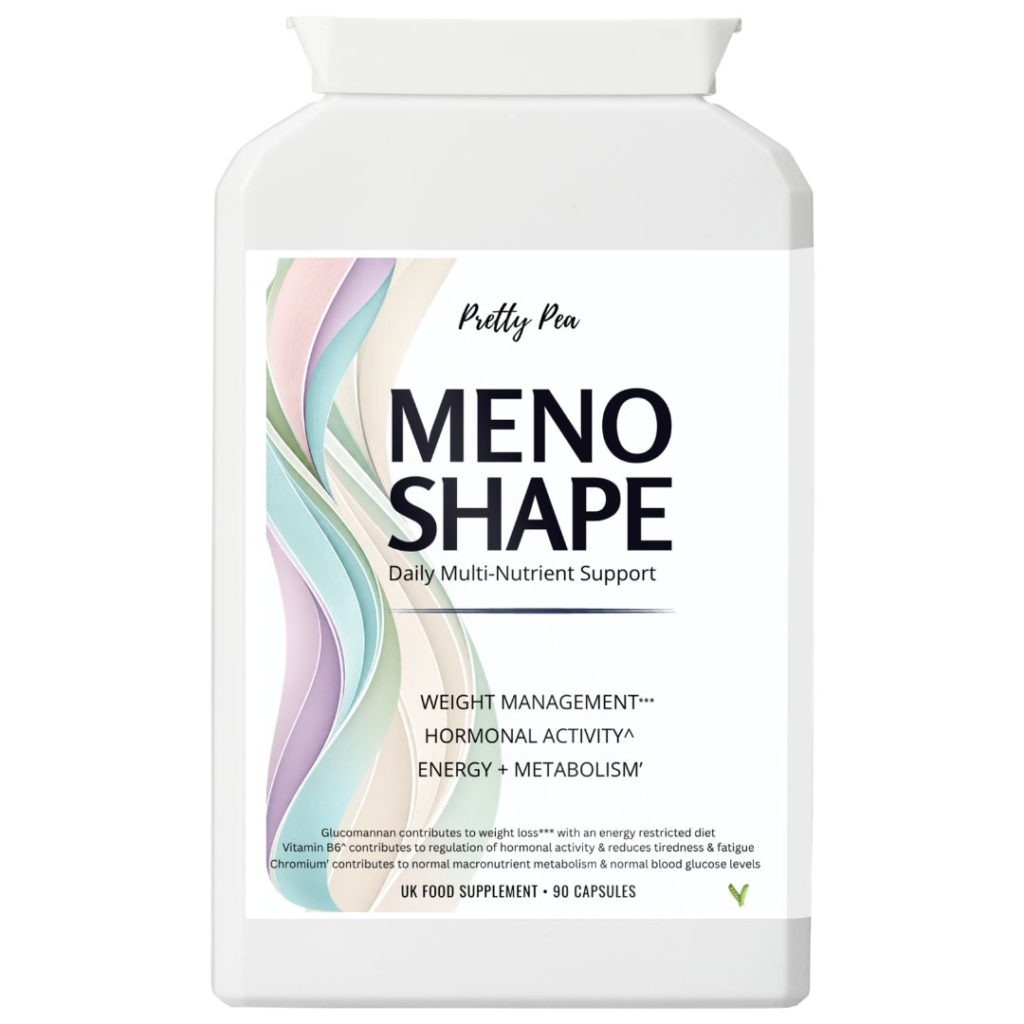
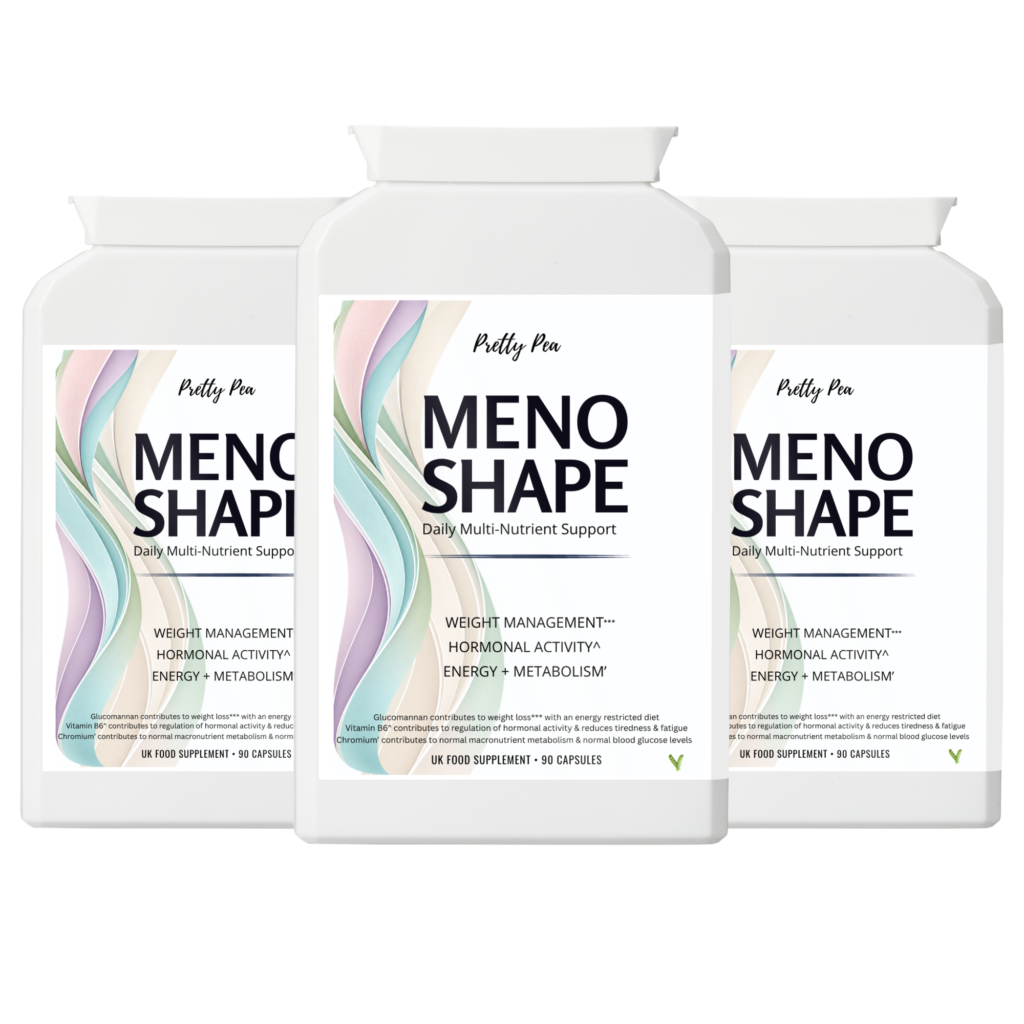
Menopause Supplement UK – Women’s Nutritional Support with Vitamins, Fibre & Botanicals
Original price was: £25.00.£19.99Current price is: £19.99. -
Menopause Supplement Bundle 3 for 2 Offer
Original price was: £77.97.£50.00Current price is: £50.00. -

-

-
-
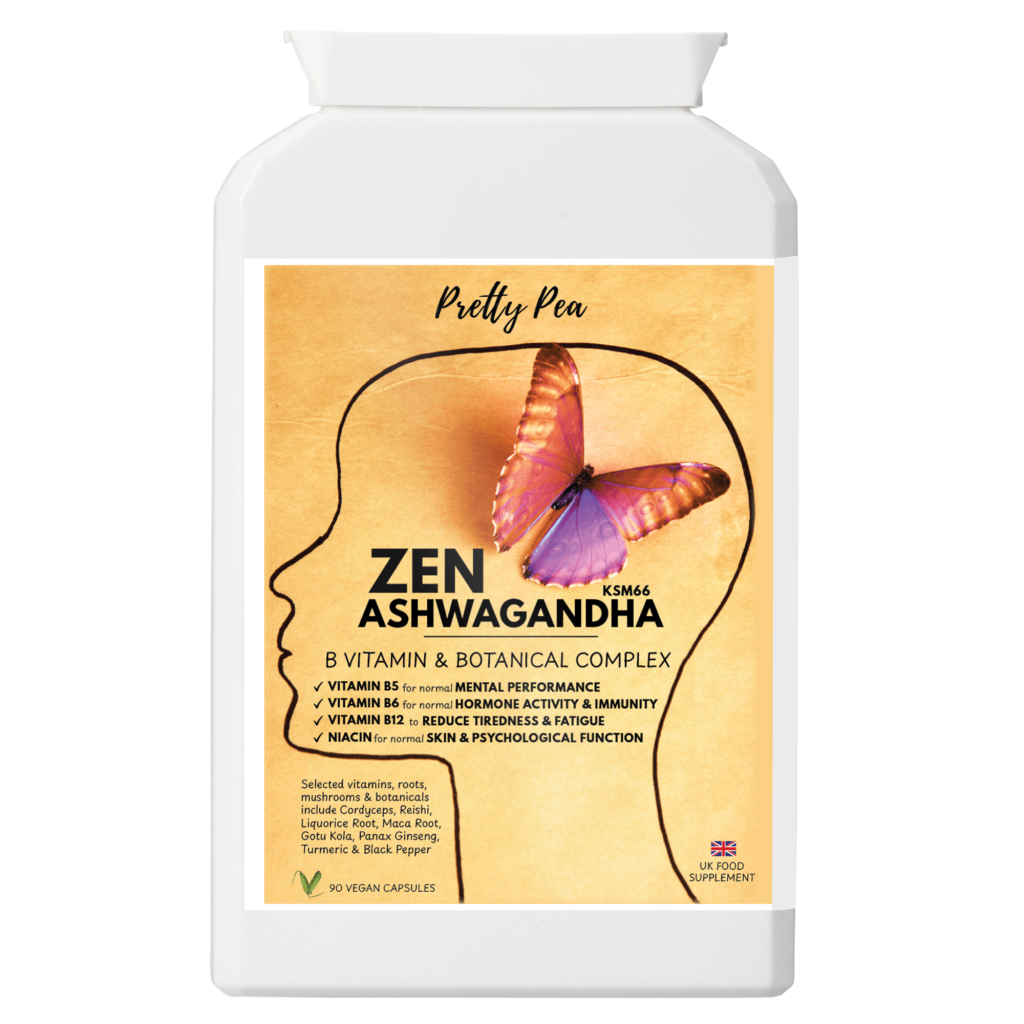
Ashwagandha Supplement plus B Vitamins
Original price was: £25.00.£19.99Current price is: £19.99.
Looking For More Fibre Advice?
You may also find these guides helpful:
- Soluble vs Insoluble Fibre Explained
- Why Fibre Could Be the Secret to a Better Menopause
- 9 Benefits of Fibre: Why It’s Essential for Gut Health, Weight and Wellbeing
- Appetite Regulation: How Fibre vs GLP-1 Compare
- Glucomannan for Weight Loss: Does It Work and How Does It Compare to Medications?
- What is the Highest Fibre Food
- What Is Inulin?
- Bloating Isn’t Just “Too Much Gas”: The Real Causes of Bloating (and What Actually Helps)
FAQ – Fibre Supplements for Women
What is the best fibre supplement for women?
The best fibre supplement depends on individual preferences and lifestyle. Many women choose psyllium fibre capsules because they are convenient, portable and easy to incorporate into a daily routine.
How much fibre should women consume each day?
UK guidelines recommend that adults consume approximately 30 grams of fibre daily.
Are fibre capsules as effective as fibre powders?
Both capsules and powders can provide dietary fibre. The best choice often comes down to personal preference and consistency of use.
Should I take fibre supplements every day?
Always follow the manufacturer’s instructions. Fibre supplements are intended to complement a balanced diet rather than replace fibre-rich foods.
Can fibre supplements replace fruits and vegetables?
No. Whole foods provide a variety of nutrients, vitamins and minerals that supplements cannot fully replicate.
What foods contain the most fibre?
Examples include:
- Lentils
- Beans
- Chickpeas
- Oats
- Berries
- Vegetables
- Nuts
- Seeds
Are psyllium fibre capsules suitable for women?
Many women choose psyllium fibre capsules because they offer a convenient and portable way to supplement fibre intake.



Browse Collection

Best Fibre Supplements for Women: Sources
- NHS. Fibre in your diet.
https://www.nhs.uk/live-well/eat-well/food-types/fibre-in-your-diet/ - Scientific Advisory Committee on Nutrition (SACN). Carbohydrates and Health Report.
- British Nutrition Foundation. Fibre and Health.
- World Health Organization. Healthy Diet Fact Sheet.
- Reynolds A, Mann J, Cummings J, et al. Carbohydrate quality and human health: systematic reviews and meta-analyses. The Lancet. 2019;393(10170):434-445.
- National Diet and Nutrition Survey (NDNS). UK Government.
