Interest in GLP-1 medications like Ozempic and Wegovy has exploded the conversation around GLP-1 foods — with many people are now asking:
Can you naturally support GLP-1 with food?
The answer is yes.
There are certain foods that naturally increase GLP-1 production, foods that keep you fuller for longer, stabilise blood sugar, reduce cravings, and make weight management easier — without medication.
This guide combines the best ideas from popular GLP-1 food lists and breaks down:
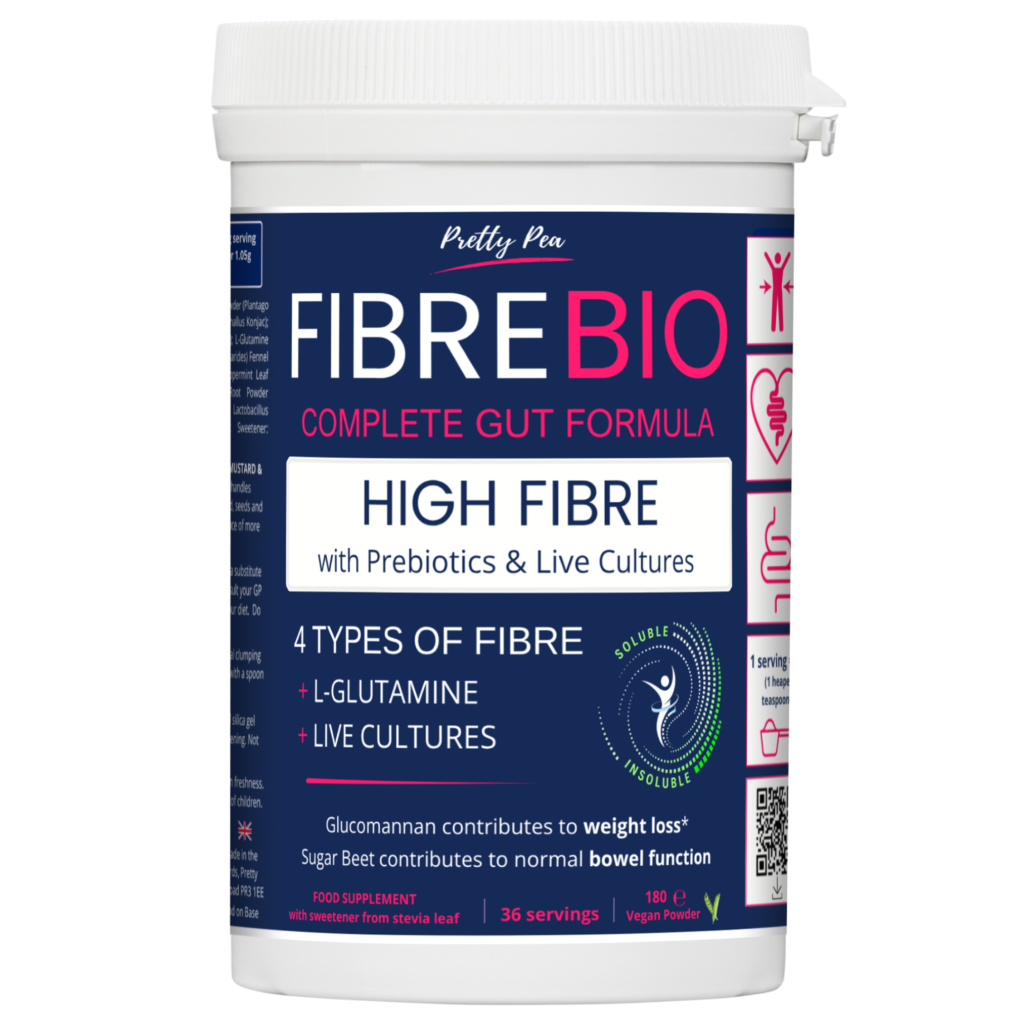
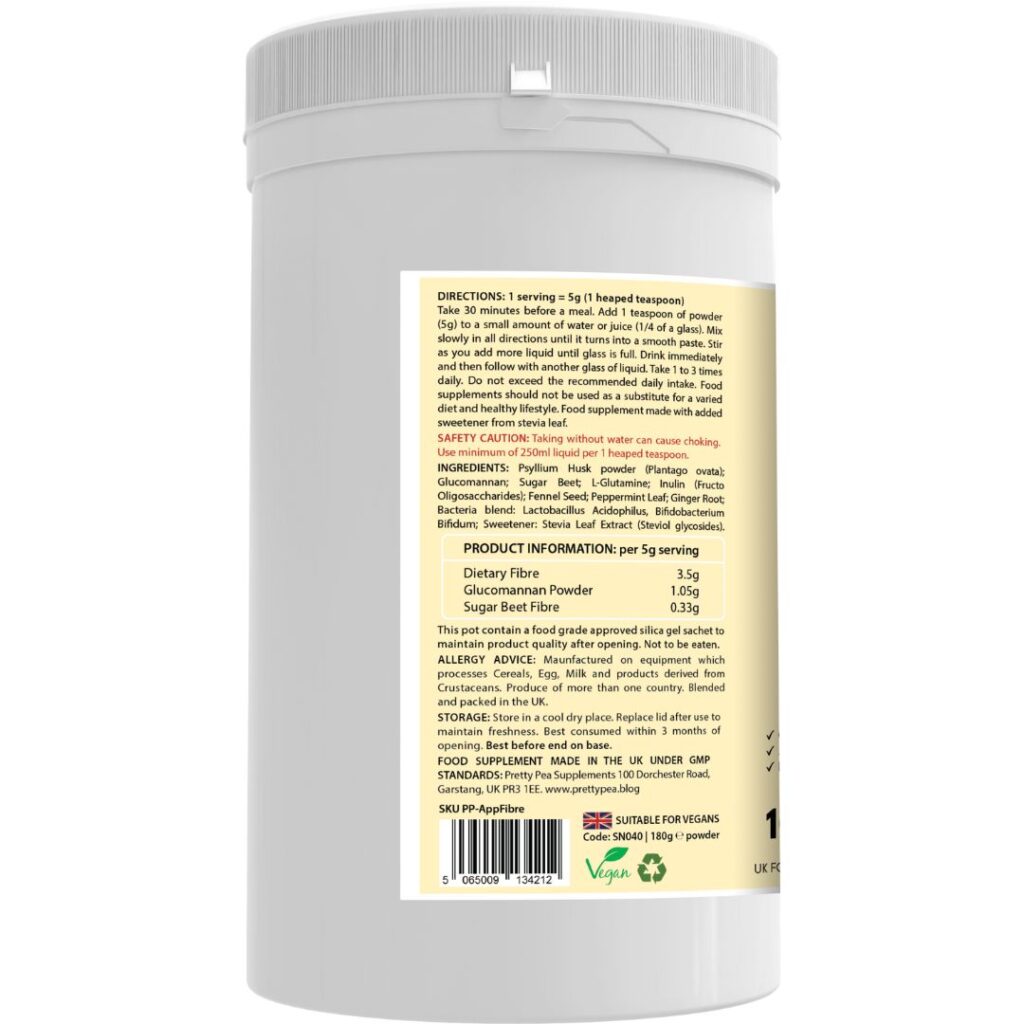
FIBREBIO Psyllium Husk Powder | High Fibre Supplement
Why FIBREBIO?
- High-fibre, diverse multi-fibre formula
- Psyllium husk + glucomannan
- Prebiotics + live cultures
- Sugar beet fibre contributes to an increase in faecal bulk*
- Glucomannan contributes to weight loss in the context of an energy-restricted diet*
- 36 servings | Vegan | UK made
What Is GLP-1?
GLP-1 stands for glucagon-like peptide-1, a hormone naturally released in your gut after eating.
It helps:
- Slow stomach emptying
- Increase fullness
- Reduce appetite
- Stabilise blood sugar
- Reduce cravings
- Improve insulin response
Certain foods appear to naturally encourage GLP-1 release — especially foods high in:
- Protein
- Fibre
- Healthy fats
- Slow-digesting carbohydrates
Continue here for the full read on What is GLP-1
Foods to Eat on GLP-1
GLP-1 Protein Foods
These foods help increase fullness and support stable blood sugar.
Best Choices
- Chicken breast
- Turkey breast
- Eggs
- Egg whites
- Salmon
- Tuna
- Cod
- Tilapia
- Sardines
- Shrimp
- Crab
- Lean ground turkey
- Lean ground beef
- Sirloin steak
- Pork tenderloin
- Skinless rotisserie chicken
- Plain Greek yogurt
- Cottage cheese
- Skyr yogurt
- Low-fat mozzarella
- String cheese (light)
- Tofu
- Tempeh
- Edamame
- Lentils
- Chickpeas
- Black beans
- Kidney beans
- Split peas
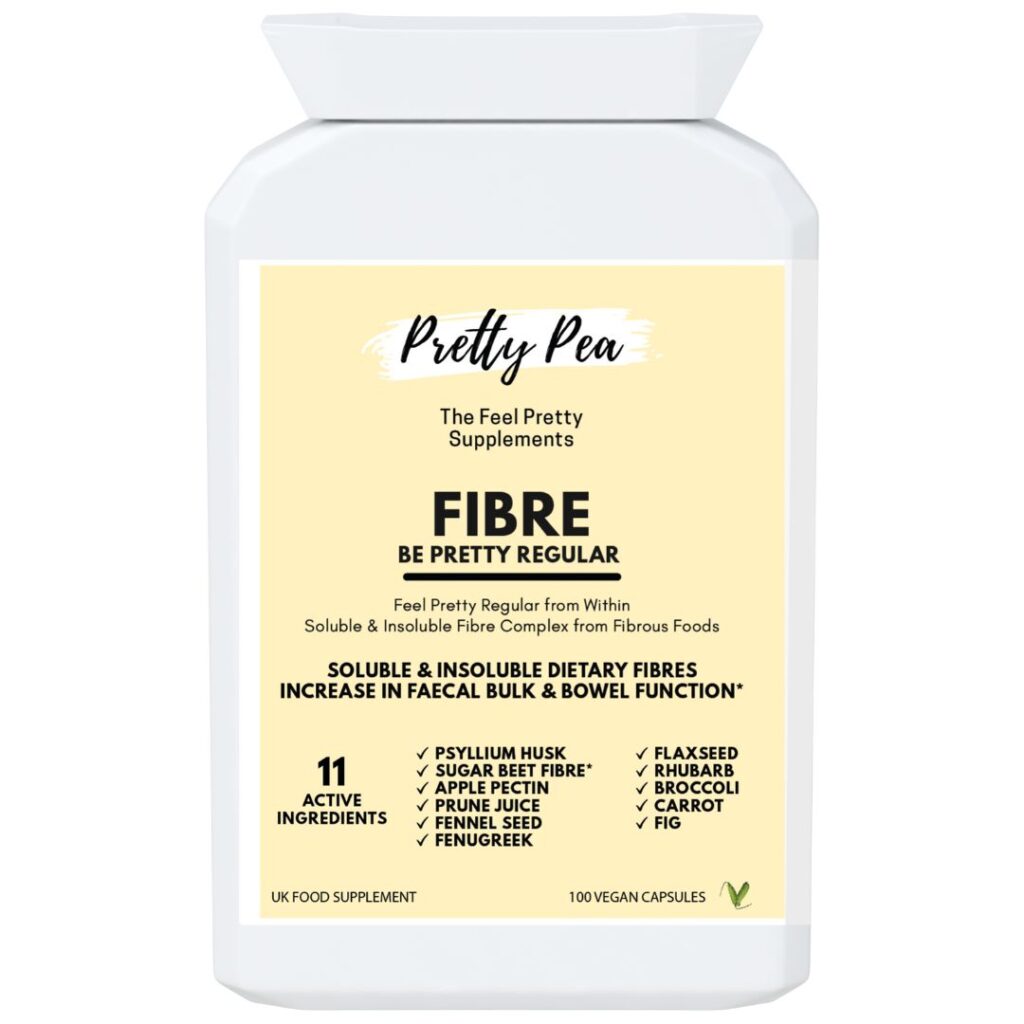
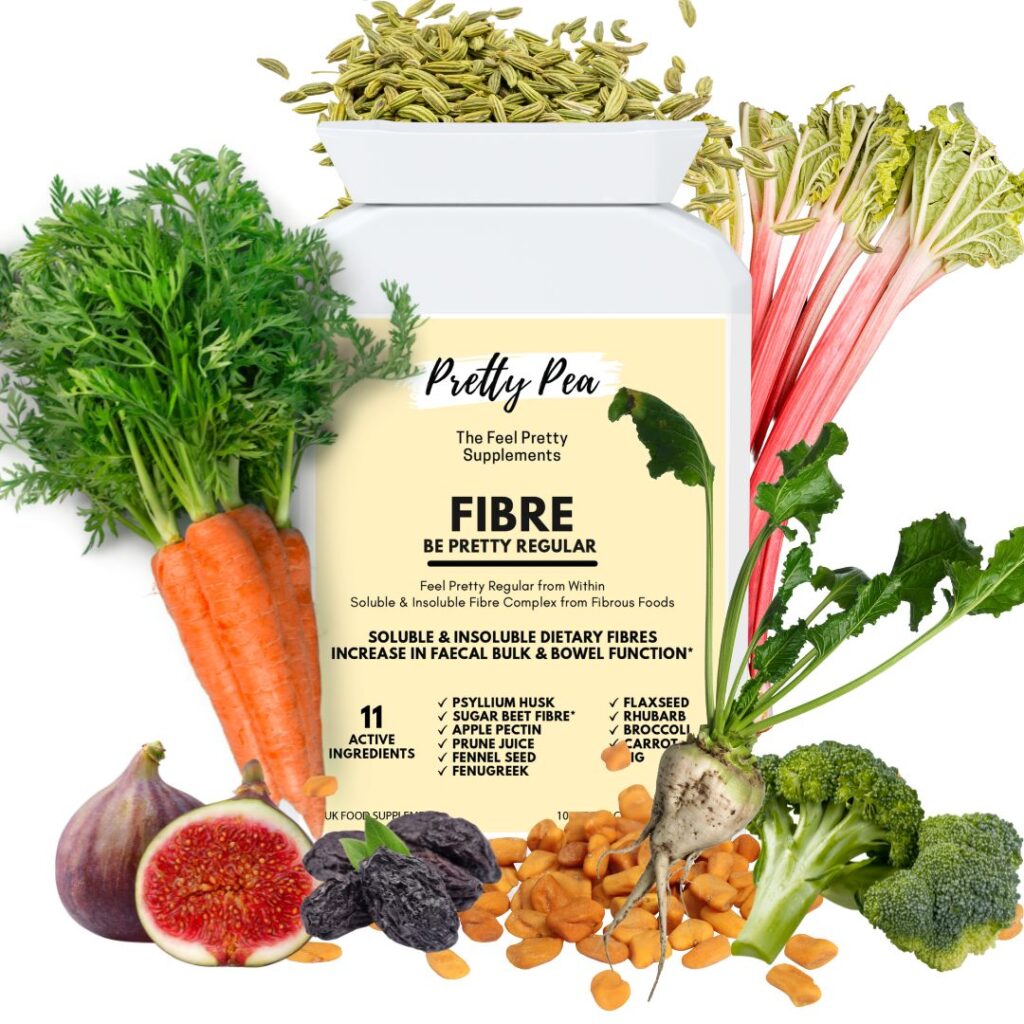
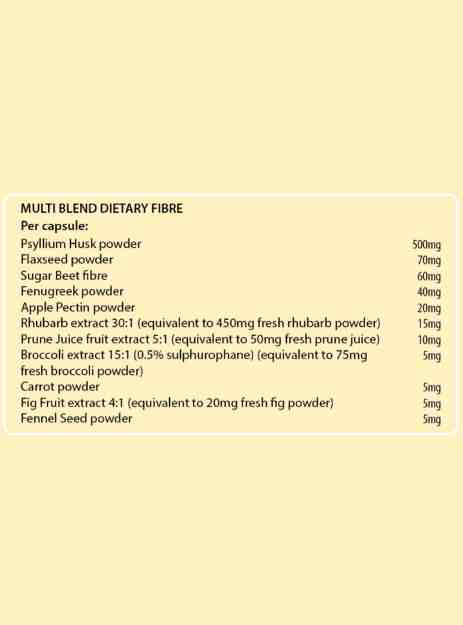
Fibre Capsules
GLP-1 Vegetables
Low-calorie, fibre-rich vegetables help slow digestion and improve fullness.
GLP-1 Friendly Vegetables
- Spinach
- Kale
- Arugula
- Romaine lettuce
- Broccoli
- Cauliflower
- Brussels sprouts
- Bell peppers
- Cucumbers
- Tomatoes
- Zucchini
- Squash
- Green beans
- Asparagus
- Mushrooms
- Carrots (moderate portions)
- Sweet potatoes (small portions)
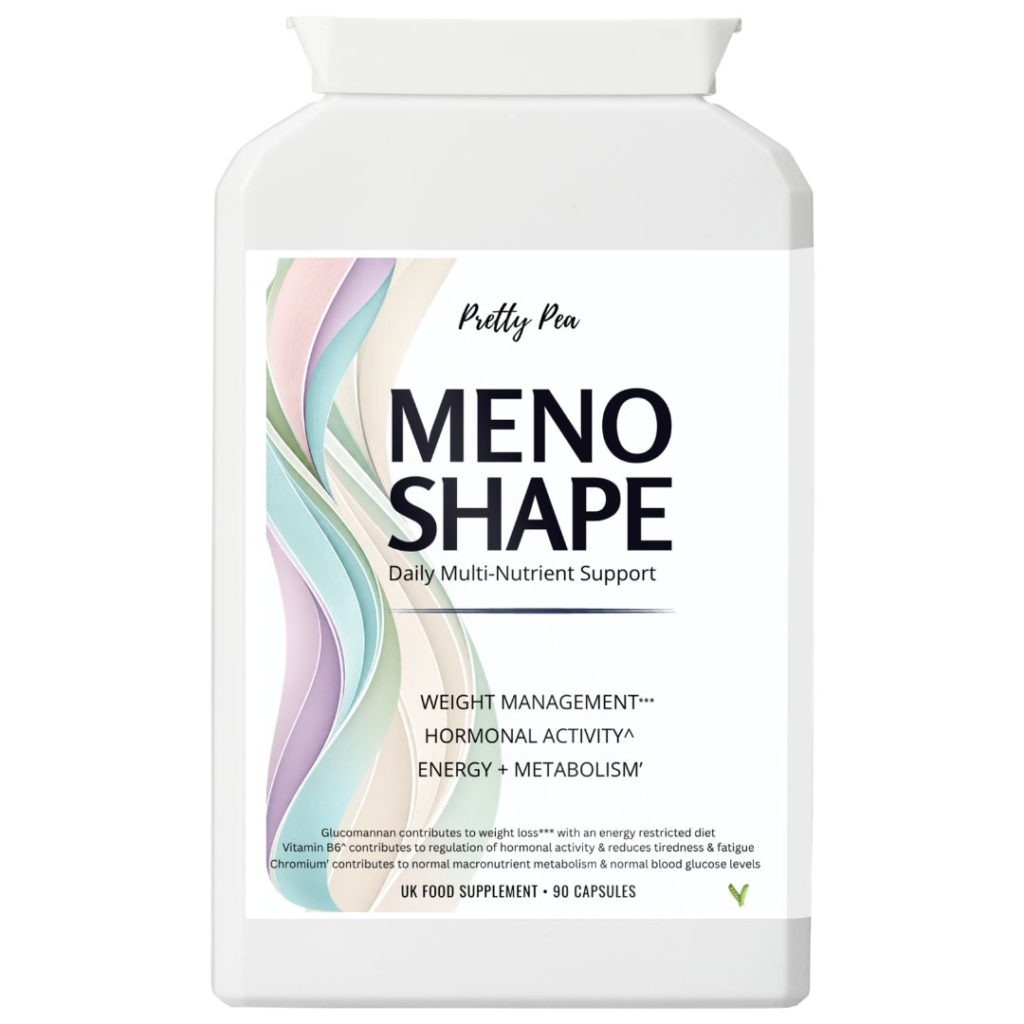
Menopause Supplement UK – Women’s Nutritional Support with Vitamins, Fibre & Botanicals
GLP-1 Fruits
Fruit provides fibre and nutrients while satisfying sweet cravings naturally.
Best Fruits
- Strawberries
- Blueberries
- Raspberries
- Blackberries
- Apples
- Pears
- Oranges
- Clementines
- Cherries
- Grapefruit
- Kiwi
- Dragon fruit
Limit Larger Portions Of
- Bananas
- Mango
- Grapes
- Watermelon
- Fruit juice
- Sweet smoothies
GLP-1 Healthy Fats
Healthy fats help increase satiety and reduce overeating.
Best Healthy Fats
- Avocados
- Olive oil
- Nuts (almonds, walnuts, pistachios)
- Seeds (pumpkin, sunflower, chia, flax)
- Nut butters (no added sugar)
- Coconut oil (moderation)
GLP-1 Fibre-Rich Carbohydrates
These digest more slowly and help avoid blood sugar spikes.
Better Carb Choices
- Quinoa
- Brown rice
- Wild rice
- Oats
- Whole-grain bread
- Whole-grain tortillas
- Whole-grain pasta
- Barley
- Farro
Foods To Limit
- White bread
- Bagels
- Croissants
- White rice
- Fries
- Sugary cereal
- Crackers
- Pretzels
- Tortilla chips
Further reading: What is the Highest Fibre Food
9 Benefits of Fibre: Why It’s Essential for Gut Health, Weight and Wellbeing
Natural GLP-1 Boosters
Certain fibres may help support fullness, appetite control, digestion, and blood sugar balance by slowing stomach emptying — similar to one of the mechanisms of GLP-1 medications.
Psyllium Husk
Psyllium husk is a soluble fibre that absorbs water and forms a gel-like texture in the gut.
It may help:
- Increase fullness
- Reduce appetite
- Slow digestion
- Improve blood sugar control
- Support regular digestion
Best Ways to Use Psyllium Husk
- Mixed into yogurt
- Added to smoothies
- Stirred into oats
- Mixed with water before meals
Further reading: Everything Psyllium How To Use: A Comprehensive Guide on How to Use It for Maximum Health Benefits
Can You Use Psyllium Husk for Weight Loss? Benefits, Dosage & Science Explained
Glucomannan
Glucomannan is a fibre derived from konjac root and is known for absorbing large amounts of water.
It may help:
- Increase satiety
- Reduce calorie intake
- Slow gastric emptying
- Support weight management
Because it expands significantly, it should always be taken with plenty of water.
You’ll find Glucomannan and Psyllium in FibreBio, along with other prebiotics, live cultures and gut nourishing nutrients.
Best Ways to Use Glucomannan
- Capsules before meals
- Powder mixed into shakes
- Added to soups or smoothies
- Konjac noodles as a lower-calorie pasta alternative
Further reading: Glucomannan for Weight Loss: Does It Work and How Does It Compare to Medications?
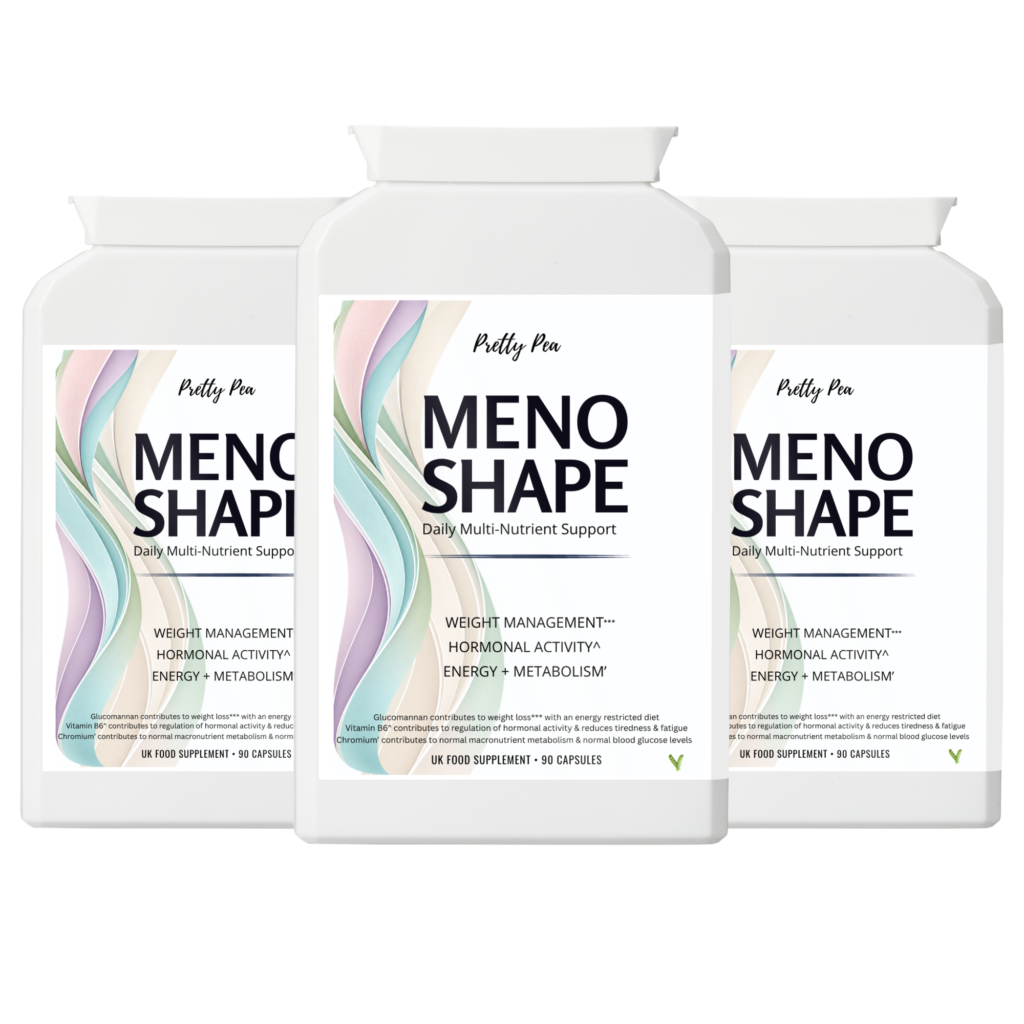
Supplements: You’ll find Glucomannan in Pretty Pea Meno Capsules and, Psyllium Husk in Fibre Capsules and, both Psyllium Husk and Glucomannan in Fibre Powder.
Foods To Avoid on a GLP-1 Friendly Diet
These foods tend to increase cravings, blood sugar spikes, and overeating.
Ultra-Processed Foods
- Fried chicken
- Chicken nuggets
- Fast food burgers
- Pepperoni pizza
- Frozen pizza
- Instant noodles
- Microwave burritos
Sugary Foods
- Donuts
- Cakes
- Cookies
- Brownies
- Pastries
- Ice cream
- Candy bars
- Chocolate spreads
- Sugary granola bars
Sugary Drinks
- Soda
- Milkshakes
- Energy drinks
- Sweet tea
- Bubble tea
- Sports drinks
- Packaged fruit juice
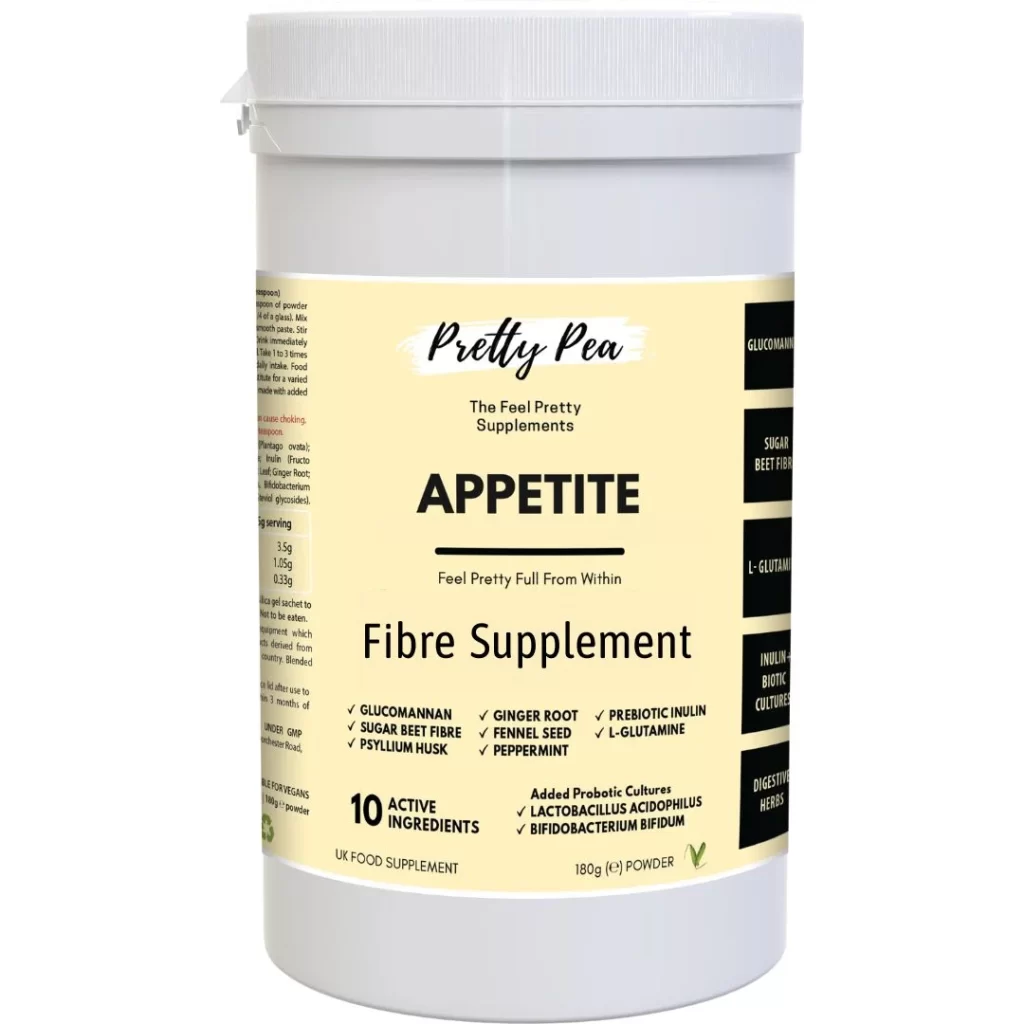
Fibre Powder
How GLP-1 Foods Work
GLP-1 friendly foods work through several mechanisms:
1. Protein Increases Fullness
Protein stimulates satiety hormones and may help increase natural GLP-1 release after meals.
2. Fibre Slows Digestion
Fibre slows glucose absorption, helping reduce spikes and crashes that trigger hunger.
3. Healthy Fats Improve Satiety
Healthy fats help meals feel more satisfying and reduce constant snacking.
4. Stable Blood Sugar Reduces Cravings
Highly processed foods can cause rapid blood sugar spikes followed by crashes — often leading to hunger and cravings.
Whole foods help create steadier energy and appetite control.
Further reading: Understanding Visceral Fat: The Ultimate Belly Fat Guide
GLP-1 Foods vs GLP-1 Medications
GLP-1 Medications
Medications like:
- Ozempic
- Wegovy
- Mounjaro
are designed to mimic or enhance GLP-1 hormone activity.
They can:
- Reduce appetite significantly
- Slow stomach emptying
- Improve blood sugar control
- Support substantial weight loss
However, they may also cause:
- Nausea
- Digestive symptoms
- Muscle loss if protein intake is low
- Cost concerns
- Weight regain after stopping in some people
You might also be interested in: Appetite Regulation: How Fibre vs GLP-1 Compare
Natural GLP-1 Foods
Foods do not act as powerfully as medication, but foods that naturally increase GLP-1 may:
- Support natural appetite regulation
- Improve fullness
- Reduce overeating
- Support sustainable fat loss
- Improve metabolic health long term
For many people, combining:
- High protein
- Fibre-rich foods
- Strength training
- Sleep
- Blood sugar management
can dramatically improve appetite control naturally.
If you are looking to supplement you can find Glucomannan in Pretty Pea Meno Capsules and, Psyllium Husk in Fibre Capsules and, both Psyllium Husk and Glucomannan in Fibre Powder
FIBREBIO Psyllium Husk Powder | High Fibre Supplement
Why FIBREBIO?
- High-fibre, diverse multi-fibre formula
- Psyllium husk + glucomannan
- Prebiotics + live cultures
- Sugar beet fibre contributes to an increase in faecal bulk*
- Glucomannan contributes to weight loss in the context of an energy-restricted diet*
- 36 servings | Vegan | UK made
Sample Natural GLP-1 Meal Plan
Breakfast
Greek yogurt with berries and chia seeds
Lunch
Chicken salad with olive oil dressing and quinoa
Snack
Apple with almond butter
Dinner
Salmon, broccoli, and sweet potato
Dessert
Frozen berries or dark chocolate
You may be interested in: The Menopause Diet 5 Day Plan to Lose Weight
Why Fibre Could Be the Secret to a Better Menopause
FAQs : GLP-1 Foods
What foods naturally increase GLP-1?
Protein-rich foods, fibre-rich vegetables, legumes, whole grains, and healthy fats appear to support natural GLP-1 release.
Can you lose weight with GLP-1 foods alone?
Yes — many people can lose weight through improved appetite control, stable blood sugar, and reduced calorie intake from higher satiety foods.
Are GLP-1 foods as effective as Ozempic?
No. Natural foods cannot replicate the strength of prescription GLP-1 medications, but they can still meaningfully support appetite and metabolic health.
What is the best breakfast for GLP-1 support?
High-protein breakfasts tend to work best:
- Eggs
- Greek yogurt
- Protein oats
- Cottage cheese
- Smoked salmon
Are carbs bad for GLP-1?
Not necessarily. Whole-food, fibre-rich carbohydrates are usually much better tolerated than refined carbohydrates and sugary foods.
Do GLP-1 foods help insulin resistance?
They may help improve blood sugar stability and reduce overeating, which can support insulin sensitivity over time.
Key Takeaway
GLP-1 medications may be changing the weight loss landscape, but nutrition still matters enormously.
A diet focused on:
- Lean protein
- Fibre
- Whole foods
- Healthy fats
- Minimally processed carbohydrates
These foods can naturally support appetite control, blood sugar balance, and sustainable fat loss.
The goal isn’t perfection — it’s creating meals that keep you fuller for longer while reducing the cycle of cravings and overeating.
Latest Products
-
Menopause Supplement UK – Women’s Nutritional Support with Vitamins, Fibre & Botanicals
Original price was: £25.00.£19.99Current price is: £19.99. -
Menopause Supplement Bundle 3 for 2 Offer
Original price was: £77.97.£50.00Current price is: £50.00. -

-

-
-
Ashwagandha Supplement plus B Vitamins
Original price was: £25.00.£19.99Current price is: £19.99.