
What if improving the way we cope with everyday stress involves more than simply getting enough sleep or finding time to relax?
A clinical study published in February 2026 has produced some intriguing findings about stress, mental fatigue and sleep quality.
The research investigated whether two botanical formulations could influence perceived stress and related symptoms.
A randomised, double-blind, placebo-controlled study involved 186 adults reporting high levels of stress. Participants were randomly assigned to receive either one of the two formulations or a placebo.
After 60 days, participants receiving the botanical preparations reported improvements in several measures, including perceived stress and sleep quality, compared with placebo.
One preparation contained schisandra alongside rhodiola and holy basil. The other contained ashwagandha.
Perceived Stress, at day 60, both botanical groups reported significantly reduced Perceived Stress Scale (PSS) scores compared to placebo.
Sleep quality, as measured by the Pittsburgh Sleep Quality Index (PSQI), improved significantly in both adaptogen groups.
Mood dysregulation, anxiety, and stress levels also showed significant improvements compared to placebo.
Interestingly, the study did not find a significant difference in mental alertness.
Whereas several other clinical trials have shown that adaptogens have potential to exert an anti-fatigue effect and increase mental work capacity against a stress and fatigue background [7].
Good scientific evidence has been documented where Schisandra berry benefits include increased endurance and mental performance in individuals with mild fatigue and weakness [6] alongside its history being used as a potential natural stimulant to increase WW2 fighter pilots stress resilience.

Psychological resilience and biological stress responses
Resilience is often discussed as a psychological skill, but it also has biological dimensions.
Researchers are interested in how different systems contribute to our ability to adapt to stress, including:
The nervous system: Helps regulate alertness and the body’s transition between periods of activity and rest.
The HPA axis: Coordinates hormonal responses to challenges, including the release and regulation of cortisol.
Energy metabolism: Provides the energy needed for physical activity, mental performance and normal cellular function.
Inflammatory signalling: Interacts with stress-related processes and may be affected by prolonged psychological strain.
Sleep regulation: Supports memory, emotional processing and recovery.
These systems don’t operate independently. They communicate continuously, influencing how we feel and function.
This complexity is one reason researchers have become interested in substances that may affect more than one stress-related pathway.
It also explains why there is unlikely to be a single supplement, food or technique that dramatically transforms stress resilience.
What Is Schisandra Berry?
Schisandra (Schisandra chinensis) is a woody climbing vine native to parts of East Asia, including China, Korea and the Russian Far East. Its Chinese name, Wu Wei Zi, translates as five-flavour fruit.
The plant produces clusters of small, bright-red berries, which are harvested and traditionally dried for use in herbal preparations.
Why five flavours?
Because the berry is traditionally described as combining all five tastes recognised in Chinese medicine:
- Sweet
- Sour
- Salty
- Bitter
- Pungent (spicy)
Schisandra berry has a long history in traditional Chinese medicine, where it was used in preparations associated with vitality, fatigue and various aspects of physical wellbeing.
TCM is about 5000 years old, so billions of people in China (the world’s biggest population with ~1.4 billion) have been treated with these herbal medicines/botanicals for centuries.
The Berry That Attracted the Attention of Soviet Scientists
Long before modern clinical trials, Soviet researchers were investigating the small red Schisandra berry.
Traditionally used in East Asian medicine, schisandra became a subject of Soviet research during the 1940s, when scientists were investigating substances that might help fighter pilots maintain physical endurance and mental performance under demanding conditions.
Its history contributed to the later development of the scientific concept of adaptogens — substances proposed to influence the body’s responses to stress.
Today, schisandra is being studied for its natural compounds, particularly a group called lignans, and their potential effects on biological stress pathways.
Was Schisandra Really Used by Fighter Pilots During World War II?
During the Second World War, authorities issued an official order on 4 March 1943 to investigate the plant as a potential source of tonic substances and scientists began investigating schisandra as a possible natural stimulant.
Military aviation placed enormous demands on pilots. Long periods of concentration, fatigue, demanding physical conditions and the challenges of flying at night made alertness and endurance important research priorities.
Soviet scientists were particularly interested in whether substances derived from schisandra might influence physical performance, attention and visual adaptation to darkness.
The interest in S. chinensis arose from investigations by. Komarov (1895) and Arsenyev (1903–1907) where the berries and seeds had been used by Nanai hunters (natives of far eastern Siberia and Chinese Manchuria, also known as Goldis or Samagir) as a tonic to reduce thirst, hunger, and exhaustion and to improve night-time vision.69
The first studies on the stimulating and tonic effects on S. chinensis were published in World War II-era military journals.64–66
During the 1960s and 1970s, other Soviet scientists extended the research of adaptogens to “rejuvenating and invigorating” medicinal plants traditionally used in China, Korea, Japan, Siberia, and the far east of the USSR for a variety of pathological conditions including diseases and their symptoms such as ‘hypodynamia, asthenia, shortness of breath, palpitation, insomnia, hemorrhage, impotence, and diabetes.’70–72
In 1967 some of these were incorporated into official medical practice in the USSR as central nervous system (CNS)-stimulating medicinal products and as tonics to fight fatigue and general weakness during convalescence for ‘infectious diseases, chemotherapy and psychiatric disorders, after surgery, poisoning, heart attacks, ischemia, chemotherapy, and psychiatric disorders’.
The research drew partly on earlier observations of the Nanai people of the Russian Far East, who traditionally used schisandra berries and seeds during hunting expeditions for dealing with hunger, thirst and exhaustion, as well as for supporting vision during low-light conditions.
So did fighter pilots actually take schisandra to stay awake?
Research confirms that Soviet scientists investigated schisandra during WWII with military applications. It is less clear how widely schisandra preparations were actually issued to or used by operational pilots.
Nevertheless, these investigations helped establish schisandra’s later reputation as an adaptogen.
It’s understood adaptogens were later widely used in:
- sports medicine to promote quicker recovery after heavy exercise and overstraining,
- occupational medicine for protection against negative environmental factors, and
- geriatric medicine with the aim of promoting health by preventing and treating diseases and disabilities in older adults.
Why Is Schisandra Called an Adaptogen?
You’ve probably come across the word adaptogen, particularly in relation to herbs such as ashwagandha, rhodiola, ginseng and now schisandra berry.
The term adaptogen was introduced in 1958 by the Soviet toxicologist Lazarev following the results of intensive studies of Schisandra chinensis in the USSR during World War II,64–66 .
So what is an adaptogen?
Herbalists refer to adaptogens as restoratives, qi-tonics, rasayanas, or rejuvenating herbs. Tonic herbs are classified as the highest and most sought-after herbal remedies in many traditional systems of healing such as TCM and Ayurveda.
A 2020 study reviewed common adaptogenic plants in relation to stress induced and aging-related disorders and described adaptogens as comprising a “category of herbal medicinal and nutritional products promoting adaptability, resilience, and survival of living organisms in stress.”
Essentially the term is used to describe substances proposed to help the body adapt to different forms of stress.
The number of plants reported as being adaptogenic has increased exponentially during the past decades.
However, it should be emphasized that only a few are true adaptogens that comply with the most important criterium—exhibiting multitarget effects on the neuroendocrine-immune system. See Table 1.
Table 1. Definitions of adaptogens
| Adaptogens are medicinal substances causing the “state of nonspecifically increased resistance” of the organism.6, 7 |
| Only those preparations that meet the following requirements may be included in the group of adaptogens: (a) An adaptogen should be innocuous and cause minimal disorders in the physiological functions of an organism; (b) The action of an adaptogen should be nonspecific, i.e., it should increase resistance to adverse influences of a wide range of factors of physical, chemical and biological nature, (c) An adaptogen may possess normalizing action irrespective of the direction of the foregoing pathologic changes.8 |
| The adaptogens are nontoxic compounds with polyvalent mechanisms of action and pharmacological effects related to adaptability and survival.9 |
| Adaptogens are substances, which elicit in an organism a state of nonspecifically raised resistance, allowing them to counteract stressor signals and to adapt to exceptional strain.10 |
| Adaptogens are metabolic regulators, which increase the ability of an organism to adapt to environmental factors and to avoid damage from such factors.11 |
| Plant adaptogens are agents, which reduce damaging effects of various stressors due to reduction of the reactivity of host defense system. They adapt organism to stress and have curative effect in stress-induced disorders.12 |
| Adaptogenic substances have the capacity to normalize body functions and strengthen systems compromised by stress. They have a protective effect on health against a wide variety of environmental assaults and emotional conditions.13 |
| Adaptogens comprise a pharmacotherapeutic group of herbal preparations used to: increase attention and endurance in fatigue and prevent/mitigate/reduce stress-induced impairments and disorders related to neuro-endocrine and immune systems.14 |
| Botanical adaptogens are plant extracts, or specific constituents of plant extracts, which function to increase survival in animals and humans by stimulating their adaptability to stress by inducing adaptive responses.15 |
| Adaptogens are stress-response modifiers that increase an organism’s nonspecific resistance to stress by increasing its ability to adapt and survive.16 |
| Botanical adaptogens are metabolic regulators that increase survival by increasing adaptability in stress.16 |
| Adaptogens are natural compounds or plant extracts that increase adaptability and survival of living organisms to stress.17 |
| Adaptogen—any of various natural substances used in herbal medicine to normalize and regulate the systems of the body. https://www.dictionary.com/browse/adaptogen |
Similar to antioxidants and vitamins, adaptogens constitute a category of nutritional and herbal medicinal products essential for good health, adaptability, resilience, survival, and healthy aging.
Regardless of the nature of the stimulus (stressor), an adaptogen increases adaptability, resilience, and survival by activating adaptive signaling pathways of cellular and organismal defence systems (stress system e.g., neuroendocrine-immune complex).
Adaptogens also trigger the generation of hormones (cortisol, corticotropin-releasing hormone [CRH] and gonadotropin-releasing hormones, urocortin, neuropeptide Y), playing key roles in metabolic regulation and homeostasis.
The 2020 study published in Medicinal Research Reviews continues that “adaptogens are most likely effective for the prevention and treatment of stress-induced and adult-onset disorders such as chronic fatigue, memory impairment, depression, anxiety, sleep disturbance, diabetes, heart disease and high blood pressure, chronic inflammation and autoimmune diseases, cold and flu, infections, skin diseases, liver diseases, and cancer.”
“This can be achieved due to their ability to activate the innate defence system, increase resistance to stress, adapt organisms to stress, increase recovery of stress-induced damages, provide energy to fight fatigue, reduce aging-associated decline of the neuroendocrine-immune system”.

What’s Actually Inside Schisandra Berry?
Schisandra contains a range of naturally occurring plant chemicals, including organic acids, polyphenols and specialised compounds known as lignans.
Some of the best-studied lignans include:
- Schisandrin (also called schizandrin)
- Schisandrin A
- Schisandrin B
- Gomisin A
These compounds have attracted attention because laboratory studies suggest they may influence cellular processes involved in oxidative stress, inflammation and nerve-cell signalling.
What is oxidative stress?
Our cells naturally produce reactive molecules during everyday metabolism. The body has protective systems to manage them, but an imbalance between these molecules and the body’s defences is described as oxidative stress.
Scientists are interested in whether schisandra’s lignans interact with these cellular systems.
A comprehensive 2025 review in the journal Chinese Medicine examined the pharmacological mechanisms of schisandra lignans, including their antioxidant and neuroprotective activities.
However, much of this evidence comes from laboratory experiments and animal studies.
An effect observed in a laboratory does not necessarily mean that eating schisandra berries or taking a supplement will produce the same effect in humans.
The 2025 review also highlighted challenges involving absorption, differences between extracts and the limited availability of high-quality human trials – but it’s certainly interesting data.
Schisandra Berry Benefits: What Does the Research Say?
Schisandra berry has been studied in several different areas, but the strength of evidence varies.
Here are some of the more interesting findings.
1. Schisandra Berry Benefits and Stress Research
Schisandra’s association with stress adaption is rooted in its traditional use and its history of Soviet pharmacological research and a small number of human studies have investigated its potential effects on stress-related responses.
In a 1999 clinical trial published in Phytomedicine, researchers examined how schisandra extracts influenced physiological responses to strenuous exercise in athletes.
A later study, published in 2010, investigated a combination of schisandra, rhodiola and Siberian ginseng in 40 women performing demanding mental tasks, reporting improvements in certain measures of cognitive performance.
More recently, a 2026 randomised controlled trial involving 186 adults found that a botanical formula containing schisandra, rhodiola and holy basil significantly improved perceived stress scores compared with placebo over 60 days. Improvements in sleep quality and fatigue were also reported.
Although these findings are promising, the distinction between individual ingredients and combined formulations is important. The 2026 study cannot establish how much schisandra contributed to the results, while research involving physical stress does not necessarily translate into reduced everyday psychological stress. Larger clinical trials investigating schisandra alone are still needed.
2. Schisandra Berry Benefits and Brain function
Another area of interest is schisandra’s potential relationship with cognitive function.
A 2018 review published in Biomedicine & Pharmacotherapy examined research on schisandra lignans and their possible neuroprotective properties.
It found that S. chinensis has been used to improve cognitive performances such as memory and working capacity.
A further review in Medicinal Reviews Research 20201 defined adaptogens as stimulating neurogenesis and exhibiting neuroprotective activity, suggesting their potential benefits in neurodegenerative disorders.
However, these findings cannot yet establish that schisandra supplements improve memory, concentration or cognitive performance in healthy people.
Well-designed human trials are still needed.
3. Schisandra Berry Benefits and Energy & Physical performance
Could there be something behind the berry’s historical reputation for endurance?
Schisandra has traditionally been used to support stamina, endurance and resistance to fatigue, but it doesn’t work like caffeine or other conventional stimulants.
The Differences between Adaptogens and other Stimulants
| Stimulants | Adaptogens | |
|---|---|---|
| Stress protective (neuro-, hepato-, cardio-protective) | No | High |
| Recovery process after exhaustive physical load | Low | High |
| Energy depletion | Yes | No |
| Performance in stress | – | Increased |
| Survival in stress | – | Increased |
| Quality of arousal | Poor | Good |
| Addiction potential | Yes | No |
| Side effects | Yes | Rare |
| DNA/proteins synthesis | Decreased | Increased |
| NPY mediated activation of Hsp70 | – | Increased |
Some preliminary studies suggest potential effects on fatigue and physical performance, although much of the evidence comes from laboratory and animal research rather than large human clinical trials.
A small human study has also investigated schisandra supplementation and muscle strength in older women, but this does not establish that it increases everyday energy levels.
A small randomised controlled trial published in 2020 investigated schisandra extract in 45 healthy postmenopausal women.
Participants received either 1,000 mg of schisandra extract daily or a placebo for 12 weeks.
Researchers reported improvements in quadriceps muscle strength and changes in resting lactate measurements in the schisandra group.
However, the study did not demonstrate improvements across every outcome measured.
The research is interesting, but it involved a relatively small number of participants.
It does not establish that schisandra reliably increases exercise endurance or energy in the wider population.
Does Schisandra Give You Energy?
The bottom line: Schisandra is an interesting subject of fatigue and endurance research, but there is currently insufficient clinical evidence to conclude that it reliably boosts energy or reduces tiredness in humans.
4. Schisandra Berry Benefits and Menopause Symptoms
One particularly interesting study for women’s health investigated whether schisandra extract influenced menopause symptoms.
A randomised, double-blind, placebo-controlled trial published in Climacteric in 2016 included women aged between 40 and 70.
Thirty-six women completed the trial, with half receiving a schisandra extract and half receiving placebo.
Researchers reported significantly lower menopausal symptom scores, finding effects on hot flushes, sweating and palpitations.
The participants received treatment for six weeks and were followed for 12 weeks and the study results concluded Schisandra chinensis can be a safe and effective complementary medicine for menopausal symptoms, especially for hot flushes, sweating, and heart palpitations.
Although the results were encouraging, the study was small. Larger and longer trials would be needed before drawing reliable conclusions about schisandra for menopause symptoms.

5. Schisandra Berry Benefits and Liver Research
Schisandra has also attracted scientific interest because of its traditional association with liver health.
Research has examined how compounds found in schisandra might influence oxidative stress, inflammatory signalling and other cellular processes involved in liver injury.
A 2025 systematic review and meta-analysis examined 54 animal studies investigating schisandra in experimental models of liver injury.
The review reported changes in several biochemical markers, including liver enzymes and oxidative-stress indicators.
Schisandra chinensis demonstrates significant therapeutic effects in liver injury, likely due to its anti-inflammatory, antioxidant, and anti-apoptotic properties.
However, further research is needed to validate its efficacy and safety. Because the analysis involved animal studies, it cannot establish that schisandra prevents or treats liver disease in humans.
What Can We Actually Conclude From Schisandra Berry Benefits Science?
The most important distinction is between traditional use, early experimental findings and reliable clinical evidence.
| Area of research | What we know |
|---|---|
| Traditional use | Schisandra has a well-documented long-standing history in East Asian herbal practices for stress, anxiety, depression, sleep & more |
| Stress | Some promising research involving multi-herb formulas, but limited evidence for schisandra alone |
| Memory and cognition | Interesting emerging laboratory and animal findings; insufficient human evidence to date |
| Physical performance | A small human trial reported improvements in particular strength measures |
| Menopause | A small clinical trial reported encouraging findings |
| Liver health | Substantial preclinical research, but human clinical evidence remains inadequate |
Overall, schisandra is a scientifically interesting plant, with it’s wide-ranging health benefits yet to be conclusively demonstrated in human trials here in the West.
How Is Schisandra Berry Traditionally Used?
Schisandra is available in several forms.
Dried berries: Traditionally used in herbal preparations, often infused in hot water.
Schisandra tea: Made by steeping dried berries, producing a characteristically tart drink.
Schisandra Powder: Dried schisandra fruit can be ground into a powder and included in foods or drinks.
Schisandra Capsules and extracts: Modern supplements may contain powdered fruit or concentrated extracts.
It’s worth understanding that these forms are not necessarily equivalent.
The concentration and composition of lignans can vary depending on the plant material and extraction method.
Similarly, a clinical trial using a particular standardised extract cannot automatically tell us what to expect from another product.
There is currently insufficient evidence to establish one universally effective dose for the various health outcomes being researched.
You can find Schisandra in Pretty Pea ZEN Adaptogen formula.
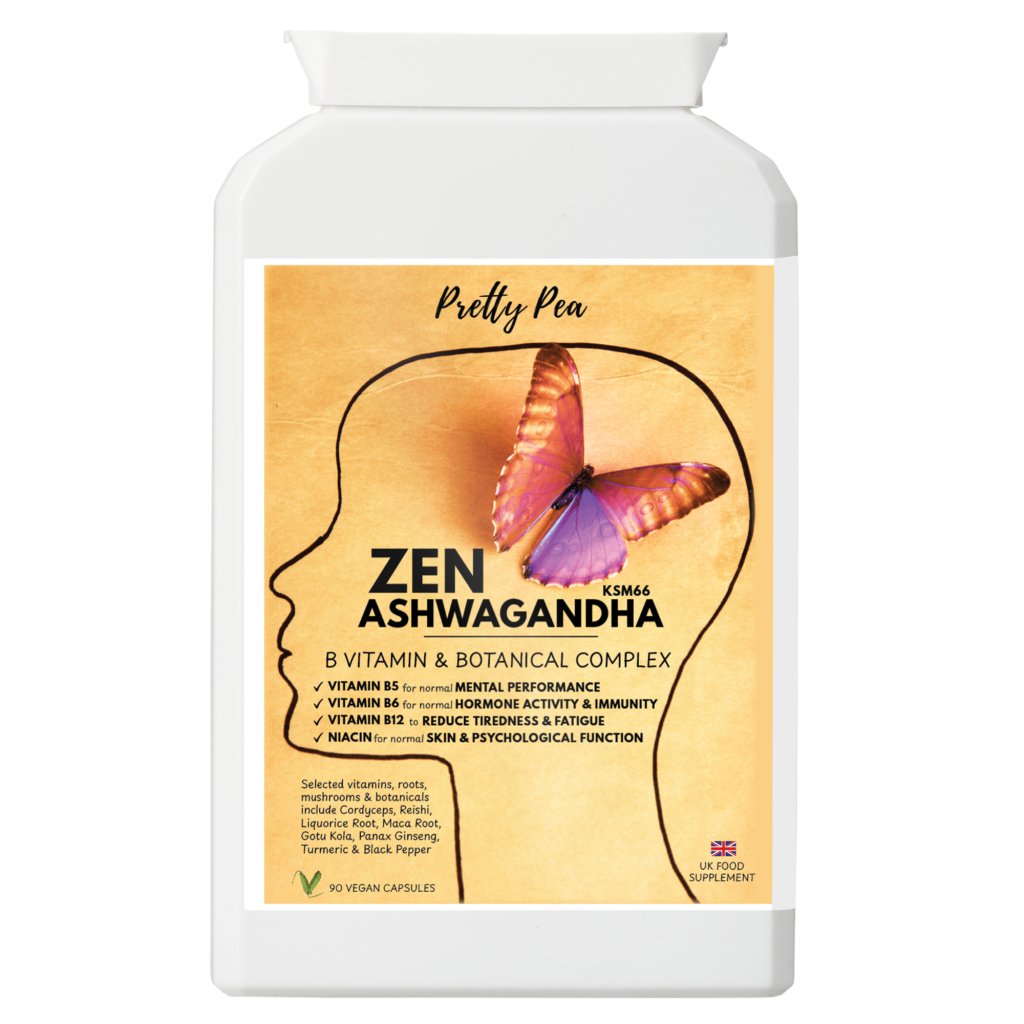
Ashwagandha Supplement plus B Vitamins
ZEN Ashwagandha supplement. A synergistic blend of nature’s most powerful Adaptogens and B Vitamins formulated to support the immune system, energy levels, mental performance along with promoting a sense of calm, focus & vitality, with 1000% NRV of Vitamin B12.
Are There Any Schisandra Berry Side Effects or Precautions?
Schisandra has a long history of traditional use, but that doesn’t automatically establish its safety for everyone.
Human safety data, particularly concerning long-term use and concentrated preparations, remain limited.
One important consideration is its potential to interact with medicines.
Researchers have identified effects on enzymes and transport proteins involved in how the body processes certain medications.
For example, schisandra preparations have been shown to alter blood concentrations of tacrolimus, a prescription immunosuppressant.
People taking prescription medicines should check with a pharmacist or healthcare professional before using schisandra supplements.
Pregnant or breastfeeding women should also avoid using schisandra medicinally unless specifically advised by an appropriately qualified healthcare professional, because reliable safety information is insufficient.
Frequently Asked Questions About Schisandra Berry Benefits
What are the potential benefits of schisandra berry?
Schisandra has been investigated for possible effects relating to stress responses, cognitive function, physical performance, menopausal symptoms and liver biology. However, much of the research is preclinical, and there is currently insufficient high-quality human evidence to confirm most proposed benefits.
Does schisandra berry keep you awake?
Schisandra was investigated by Soviet researchers for possible effects on alertness and fatigue, particularly during the 1940s. However, modern clinical evidence is insufficient to establish that schisandra reliably keeps people awake or improves alertness.
Is schisandra the same as ashwagandha?
No. They are different plants with different chemical compositions and traditional histories. Both are frequently described as adaptogens, but that does not mean they have identical effects or an equivalent level of scientific evidence.
Can schisandra help with menopause?
A small clinical trial involving 36 women reported promising findings relating to menopausal symptom scores. Nevertheless, larger studies are needed, and schisandra should not be regarded as an established treatment for menopausal symptoms.
What does schisandra berry taste like?
Schisandra is known as the five-flavour fruit because traditional Chinese medicine associates it with sour, sweet, salty, bitter and pungent tastes. Its tart flesh and more bitter seeds help produce its distinctive flavour
How long does schisandra take to work?
There is no established timeframe. The human trials investigating schisandra have used particular extracts and different study periods. Their findings cannot be used to predict when an individual might notice an effect from an ordinary supplement.
Is schisandra safe to take every day?
Some clinical studies have involved daily supplementation over several weeks, but longer-term safety evidence remains limited. Suitability depends on the preparation, dose, medication use and individual circumstances.
Can you take schisandra with other supplements or medicines?
Schisandra is sometimes included in multi-ingredient botanical supplements. However, combinations have not necessarily been tested for safety or effectiveness. Schisandra may also interact with some prescription medicines, so professional advice is especially important if you take regular medication.
Schisandra Berry Benefits Final Thoughts: An Ancient Berry with a Modern Research Story
Few botanical ingredients have quite such an unusual history as schisandra.
From its role in traditional East Asian herbal practices to its investigation by Soviet scientists during the Second World War, this little red berry has attracted interest across very different cultures and generations.
Modern research is now exploring the compounds responsible for some of its experimental biological effects.
Some findings are encouraging, particularly in smaller studies examining physical performance and menopausal symptoms. But there are still significant gaps in our understanding.
And perhaps that’s what makes schisandra so interesting.
It’s a reminder that traditional knowledge can inspire modern scientific investigation — while also showing why the difference between historical use, promising research and proven health benefits matters.
Latest Products
-
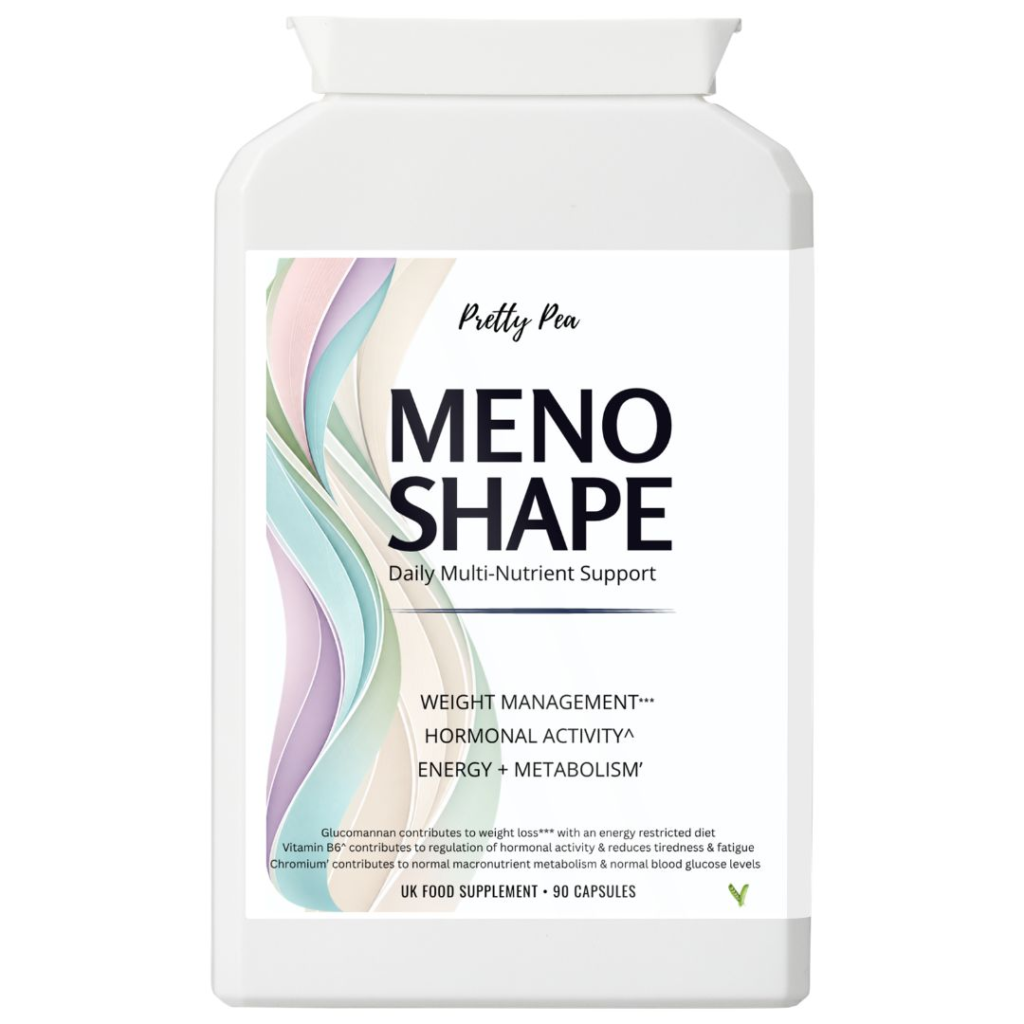
Menopause Supplement UK – Women’s Nutritional Support with Vitamins, Fibre & Botanicals
Original price was: £25.00.£19.99Current price is: £19.99. -
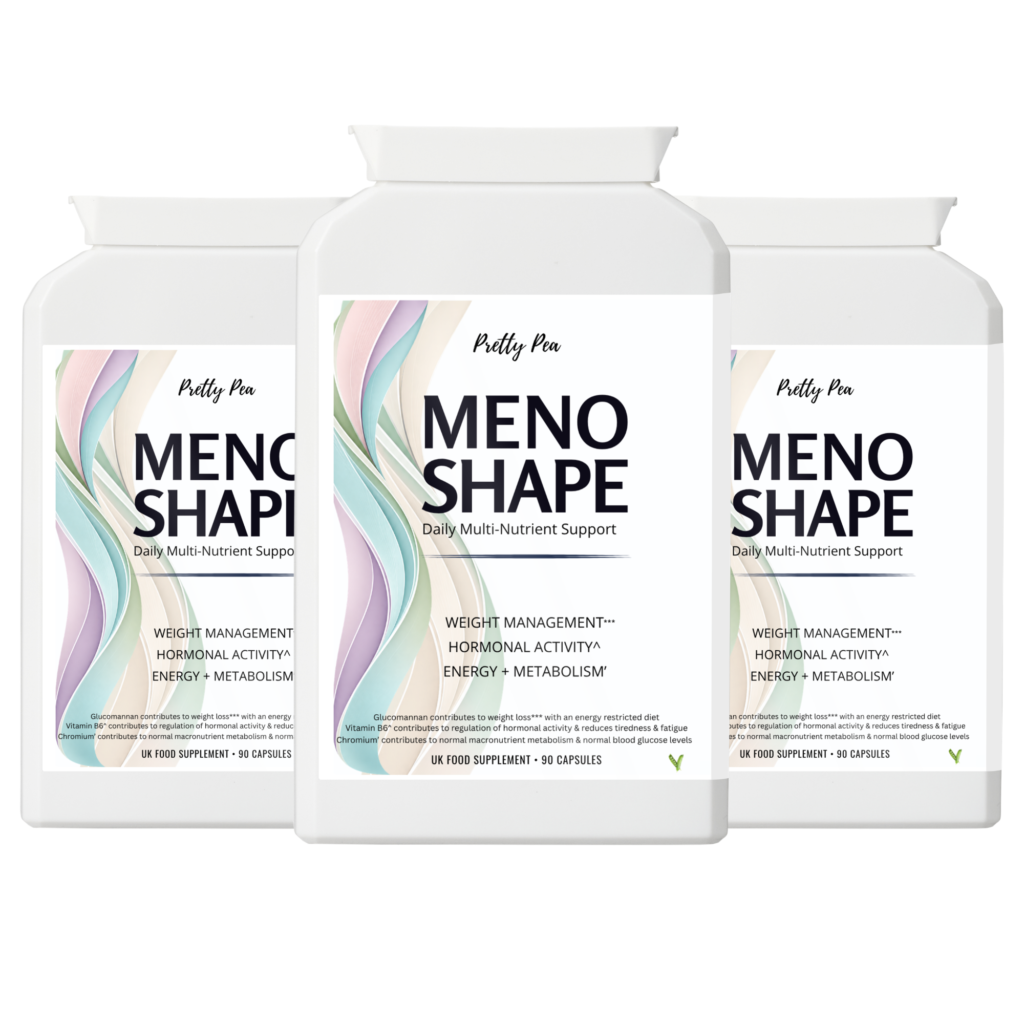
Menopause Supplement Bundle 3 for 2 Offer
Original price was: £77.97.£50.00Current price is: £50.00. -

-

-
-
Ashwagandha Supplement plus B Vitamins
Original price was: £25.00.£19.99Current price is: £19.99.

You may also like:
- Plantago Ovata (Psyllium Husk): Benefits, Uses, Science and FAQs
- The 100 Symptoms of Perimenopause
- Weird Perimenopause Symptoms: 25 Unusual Signs You Didn’t Expect
- Hormone Imbalance in Women: Causes, Symptoms & How Hormones Work
- What Is Insulin Resistance? Signs, Causes & What Helps – Pretty Pea
Schisandra Berry Benefits: References and Further Reading
- Kew Science. Schisandra chinensis — Medicinal Plant Names Services. Botanical identification and traditional plant names.
- Memorial Sloan Kettering Cancer Center. Schisandra. Overview of traditional uses, research and interactions.
- Panossian A, Wikman G. (2008). Pharmacology of Schisandra chinensis Bail.: An overview of Russian research and uses in medicine. Journal of Ethnopharmacology, 118(2), 183–212. PubMed.
- Panossian AG et al. (2021). Evolution of the adaptogenic concept from traditional use to medical systems: Pharmacology of stress- and aging-related diseases. Medicinal Research Reviews, 41(1), 630–703. Full research review.
- Ehambarampillai D, Wan MLY. (2025). A comprehensive review of Schisandra chinensis lignans: pharmacokinetics, pharmacological mechanisms, and future prospects in disease prevention and treatment. Chinese Medicine, 20, 47. Full study.
- McKinney E et al. (2026). Effects of multi-herb and ashwagandha root formulas on stress modulation: a randomized, double-blind, placebo-controlled clinical study. Trials, 27, 205. Full study.
- Sowndhararajan K et al. (2018). An overview of neuroprotective and cognitive enhancement properties of lignans from Schisandra chinensis. Biomedicine & Pharmacotherapy, 97, 958–968. PubMed.
- Lee et al. (2020). Effect of Schisandra Chinensis Extract Supplementation on Quadriceps Muscle Strength and Fatigue in Adult Women: A Randomized, Double-Blind, Placebo-Controlled Trial. PubMed.
- Park JY, Kim KH. (2016). A randomized, double-blind, placebo-controlled trial of Schisandra chinensis for menopausal symptoms. Climacteric, 19(6), 574–580. PubMed.
- Huang BH et al. (2025). Efficacy of Schisandra chinensis in liver injury: a systematic review and preclinical meta-analysis. Frontiers in Pharmacology, 16, 1627081. Full study.
- 1999 human trial — Exercise and adaptogens
- 2010 human trial — Cognitive performance
- 2026 human trial — Stress and botanical formulations
- 2016 — Schisandra and the HPA axis: Schisandra chinensis and Rhodiola rosea exert an anti-stress effect on the HPA axis. PubMed Central (PMC)
- 2007 — Schisandra and cortisol responses: The Adaptogens Rhodiola and Schizandra Modify the Response to Immobilization Stress in Rabbits. PubMed Central (PMC)
This article is for educational purposes and is not intended to provide medical advice or recommend schisandra for the treatment or prevention of any medical condition.
