

Many women are surprised to learn that they may not be getting enough fibre. Despite fibre being an essential part of a balanced diet, most UK adults consume significantly less than the recommended 25-30g per day. Yet because low fibre intake often develops gradually, many people don’t immediately recognise the signs you need more fibre.
Get started with your free fibre packed recipe guide!
What Is Fibre?
Fibre is a type of carbohydrate found in plant foods that the body cannot fully digest. Unlike other carbohydrates, fibre passes through the digestive system largely intact.
There are two main types:
Soluble Fibre
Soluble fibre dissolves in water to form a gel-like substance. It can be found in:
- Oats
- Psyllium husk
- Apples
- Citrus fruits
- Beans
- Lentils
Insoluble Fibre
Insoluble fibre adds bulk and helps food move through the digestive system. Sources include:
- Whole grains
- Vegetables
- Nuts
- Seeds
- Wheat bran
Most fibre-rich foods naturally contain a combination of both types.
Further reading: The Fibre Fix: Insoluble vs Soluble Fibre and Womens Health
9 Benefits of Fibre: Why It’s Essential for Gut Health, Weight and Wellbeing
Digestive Signs You May Need More Fibre
One of fibre’s most important roles is supporting healthy digestion and regular bowel movements. When fibre intake is too low, your digestive system is often one of the first places you may notice a difference.
Common digestive signs of low fibre intake include:
- Constipation or infrequent bowel movements
- Hard, dry or difficult-to-pass stools
- Feeling like you haven’t completely emptied your bowels
- Irregular bowel habits
- Digestive discomfort
- Spending longer on the toilet than usual
- Needing to rely on laxatives regularly
- Going several days without a bowel movement
Fibre helps add bulk to stool and supports the movement of waste through the digestive tract. Soluble fibres, such as psyllium husk, absorb water and form a gel-like substance, while insoluble fibres help add bulk and support regularity.
If you’re experiencing persistent constipation, digestive symptoms or changes in bowel habits, it’s important to speak with a healthcare professional to rule out underlying causes.
How Low Fibre Can Make You Feel
Not getting enough fibre doesn’t just affect digestion. Because fibre plays a role in fullness, blood sugar balance and overall gut health, low fibre intake can affect how you feel physically throughout the day.
Some people who aren’t getting enough fibre report:
- Feeling hungry again soon after eating
- Frequent snacking or cravings between meals
- Feeling less satisfied after meals
- Digestive discomfort or irregular bowel habits
- Feeling sluggish after eating highly processed foods
- Difficulty reaching or maintaining a healthy weight
- Relying on convenience foods that are naturally low in fibre
- Finding it difficult to meet the recommended 30g of fibre per day
While these symptoms can have many causes, low fibre intake is surprisingly common. Most UK adults consume only around 18–20g of fibre per day, well below the recommended 30g target.
If several of these signs sound familiar, increasing your fibre intake through fibre-rich foods—or, where appropriate, a fibre supplement—may help close the gap.

Common Signs You Need More Fibre
Low fibre intake does not always produce obvious symptoms. However, several signs may indicate that your diet could benefit from more fibre-rich foods.
1. Your Diet Contains Few Fibre-Rich Foods
One of the clearest indicators is simply looking at what you eat.
If a typical day contains:
- White bread
- Refined cereals
- Processed snacks
- Limited fruit
- Limited vegetables
then your fibre intake may be lower than recommended.
Compare these examples:
| Lower Fibre Choices | Higher Fibre Choices |
|---|---|
| White toast | Wholegrain toast |
| Sugary cereal | Porridge oats |
| Crisps | Nuts and seeds |
| White rice | Brown rice |
| Biscuits | Fruit and berries |
Small swaps can gradually increase daily fibre intake.
2. You Rarely Eat Fruits and Vegetables
Fruit and vegetables are among the most important contributors to dietary fibre.
The NHS recommends at least five portions per day, yet many adults consume fewer than this amount.
If vegetables only appear occasionally on your plate, increasing your intake may help improve overall dietary fibre consumption.
3. Your Meals Leave You Feeling Less Satisfied
Fibre-rich foods often require more chewing and take longer to digest than highly refined foods.
Meals containing:
- Vegetables
- Whole grains
- Beans
- Lentils
- Nuts
- Seeds
can help create meals that feel more substantial and satisfying as part of a balanced diet.
4. You Frequently Choose Convenience Foods
Modern diets often contain highly processed foods that are lower in fibre.
Examples include:
| Lower Fibre Option | Higher Fibre Alternative |
| White pasta | Wholewheat pasta |
| White bread | Wholegrain bread |
| Refined breakfast cereal | Oats or muesli |
| Sweet snacks | Fruit and nuts |
While convenience foods can fit into a balanced lifestyle, relying on them heavily may reduce overall fibre intake.
5. You Struggle To Reach The Recommended 30g Daily
Many women simply do not realise how much fibre 30 grams actually is.
A typical high-fibre day might include:
| Meal | Fibre-Rich Foods |
| Breakfast | Porridge oats, berries, flaxseed |
| Lunch | Wholegrain wrap, salad, chickpeas |
| Snack | Apple and almonds |
| Dinner | Lentil curry with vegetables and brown rice |
Tracking your food intake for a few days can help determine whether you’re reaching your target.
6. You Follow Restrictive Eating Patterns
Some restrictive diets can unintentionally reduce fibre intake.
Examples may include:
- Very low-carbohydrate diets
- Diets that exclude grains
- Diets low in legumes
- Highly processed meal replacement plans
If entire food groups are excluded, fibre intake can sometimes fall below recommended levels.
Also See: Tired, Bloated, or Moody? Signs You Need More Fibre?
Fibre Supplements.


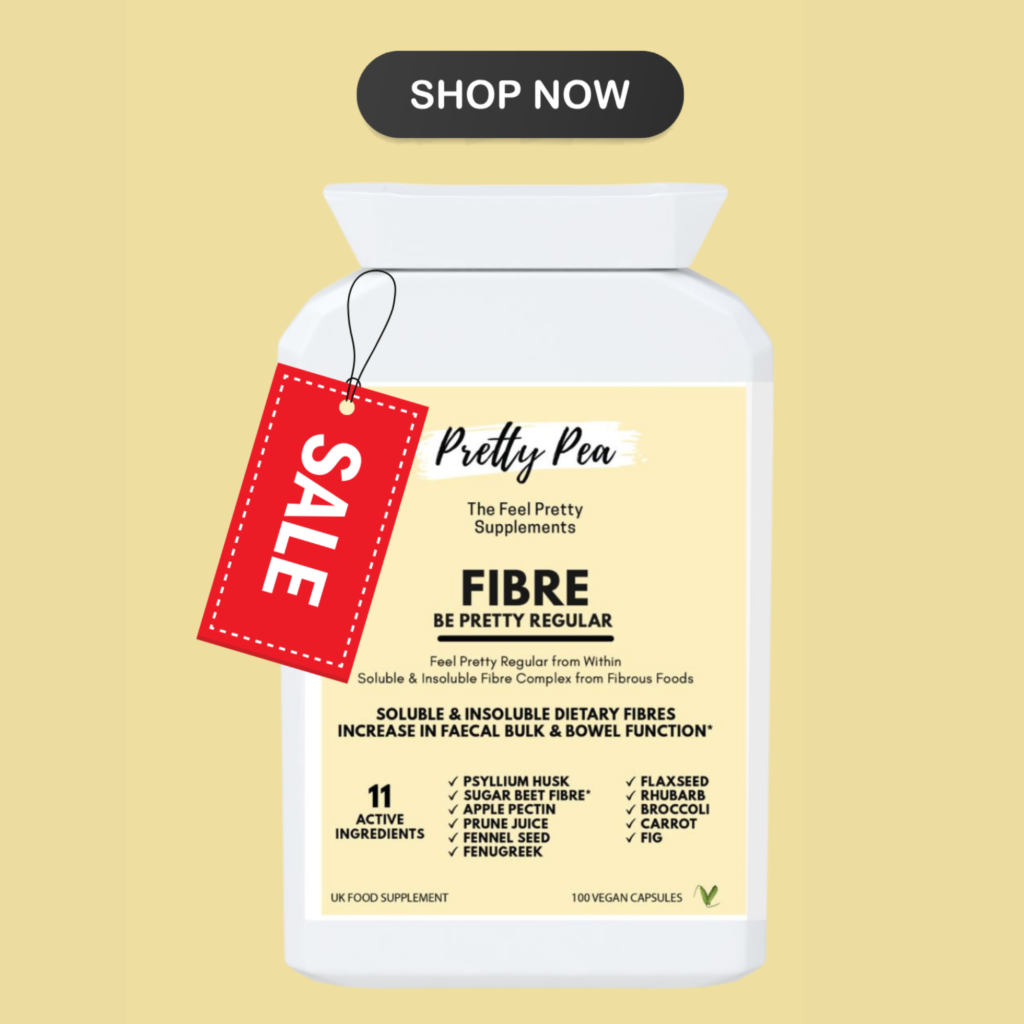
The First Month of Eating More Fibre
Day 1–3
- Your digestive system starts adapting.
- Meals may feel more satisfying.
- Some people notice temporary bloating as fibre intake increases.
Week 1
- Staying full between meals may become easier.
- Digestive habits may start to become more regular.
Week 2–3
- Fibre-rich eating becomes more routine.
- Reaching your daily fibre target feels less like a challenge.
- Fullness and digestive comfort often become more noticeable.
Month 1
- Higher fibre intake has become a habit rather than an effort.
- Many people are consistently consuming more fibre than before.
- The long-term benefits of a fibre-rich diet are supported by regular, ongoing intake.
Foods Naturally Rich In Fibre
If you’re concerned about low fibre symptoms, food should always be the first place to start.
Oats
A versatile source of soluble fibre that can be enjoyed at breakfast or added to recipes.
Lentils
Among the richest natural sources of dietary fibre.
Beans And Chickpeas
Easy to add to soups, salads and stews.
Flaxseed
A simple addition to smoothies, porridge and yoghurt.
Berries
Particularly raspberries and blackberries.
Vegetables
Excellent options include:
- Broccoli
- Carrots
- Brussels sprouts
- Sweet potatoes
- Peas
Nuts And Seeds
Almonds, chia seeds and pumpkin seeds all contribute valuable fibre.
Food First Vs Fibre Supplements
The best approach is always to prioritise fibre-rich foods where possible.
However, many women find it challenging to consistently consume enough fibre every day.
Food Sources
Benefits include:
- Naturally occurring vitamins and minerals
- Variety of fibre types
- Greater dietary diversity
Fibre Supplements
Benefits may include:
- Convenience
- Consistency
- Easy integration into daily routines
| Food Sources | Fibre Supplements |
| Provide fibre plus other nutrients | Convenient and portable |
| Require meal planning | Quick and easy to use |
| Wide variety of foods available | Useful when dietary intake is low |
Fibre supplements should complement, not replace, a healthy diet.
For a detailed guide, read our Best Fibre Supplements for Women article.
Simple Ways To Increase Fibre Intake
Improving fibre intake doesn’t have to be complicated.
Try:
- Choosing wholegrain bread
- Adding berries to breakfast
- Including vegetables at lunch and dinner
- Snacking on nuts and seeds
- Adding lentils and beans to meals
- Using a fibre supplement when appropriate
Small, sustainable changes often work best.
Further Reading: How to Increase Fibre Intake (30g a Day): Easy, Science-Backed Tips That Actually Work
When Might A Fibre Supplement Be Helpful?
Some women find it difficult to achieve recommended fibre intake through food alone.
This may be due to:
- Busy lifestyles
- Travel
- Limited meal preparation time
- Dietary preferences
In these situations, fibre supplements can offer a convenient addition to a balanced diet.
Depending on your preferences, options may include:
- Fibre powders
- Fibre capsules
- Psyllium fibre supplements
Learn more in our complete guide to Best Fibre Supplements for Women.
How Much Fibre Do Women Need?
According to NHS guidance, adults should aim for approximately 30 grams of fibre per day.
However, surveys suggest average intakes are often much lower.
Women may fall short of their daily fibre needs due to:
- Busy schedules
- Skipping meals
- Low vegetable consumption
- Frequent consumption of processed foods
- Restrictive dieting patterns
Key Takeaway
Many women consume less fibre than recommended without realising it.
If your diet contains limited fruits, vegetables, legumes, nuts, seeds and whole grains, increasing your fibre intake may be worth considering. Starting with fibre-rich foods and making gradual dietary improvements can help support overall dietary balance and digestive wellbeing.
For those who struggle to meet daily fibre needs consistently, fibre supplements may provide a convenient way to complement a healthy lifestyle.
Not ready to buy, download your free Fibre Checklist Guide!
FAQ – Signs You Need More Fibre
What are the most common signs you need more fibre?
Common signs include a diet low in fruits, vegetables and whole grains, frequent reliance on processed foods, and difficulty achieving recommended daily fibre intake.
How much fibre should women consume daily?
Adults in the UK are advised to consume approximately 30g of fibre per day.
What foods contain the most fibre?
Excellent sources include:
- Lentils
- Beans
- Chickpeas
- Oats
- Flaxseed
- Berries
- Vegetables
- Nuts and seeds
Can I get enough fibre through food alone?
Many people can meet their fibre needs through a varied, balanced diet rich in plant foods. However, some individuals choose fibre supplements as a convenient addition when dietary intake is lower than desired.
Is soluble or insoluble fibre better?
Both types of fibre contribute differently to a balanced diet, and most fibre-rich foods naturally contain a combination of soluble and insoluble fibre.
Are fibre supplements a replacement for healthy eating?
No. Fibre supplements are intended to complement a healthy diet, not replace fibre-rich foods.
Latest Products
-
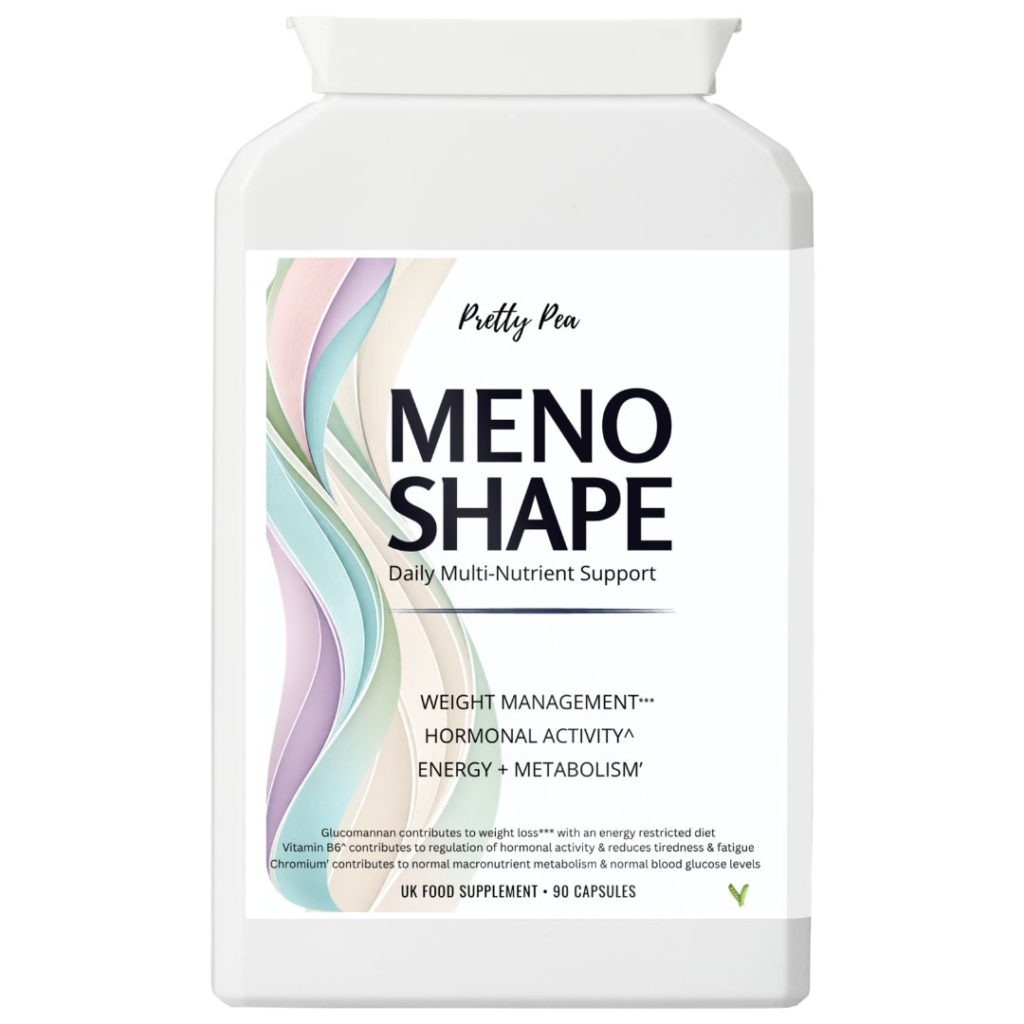
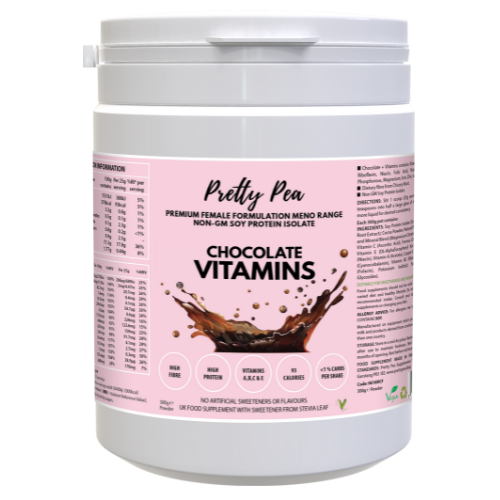
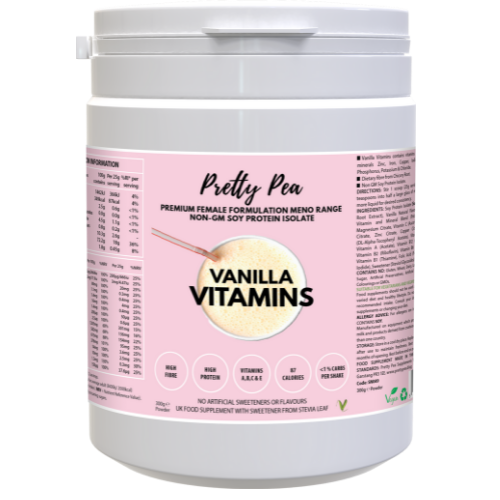
Menopause Supplement UK – Women’s Nutritional Support with Vitamins, Fibre & Botanicals
Original price was: £25.00.£19.99Current price is: £19.99. -
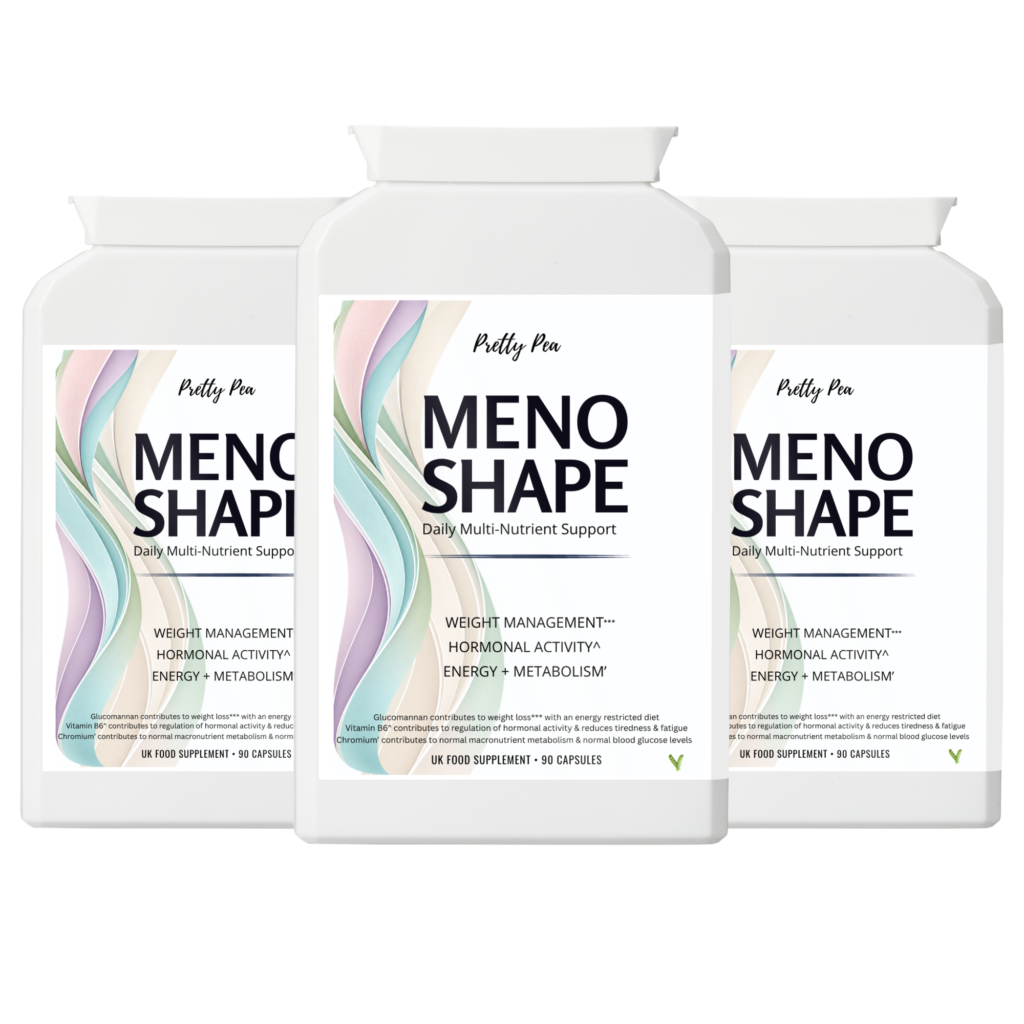
Menopause Supplement Bundle 3 for 2 Offer
Original price was: £77.97.£50.00Current price is: £50.00. -

-

-
-
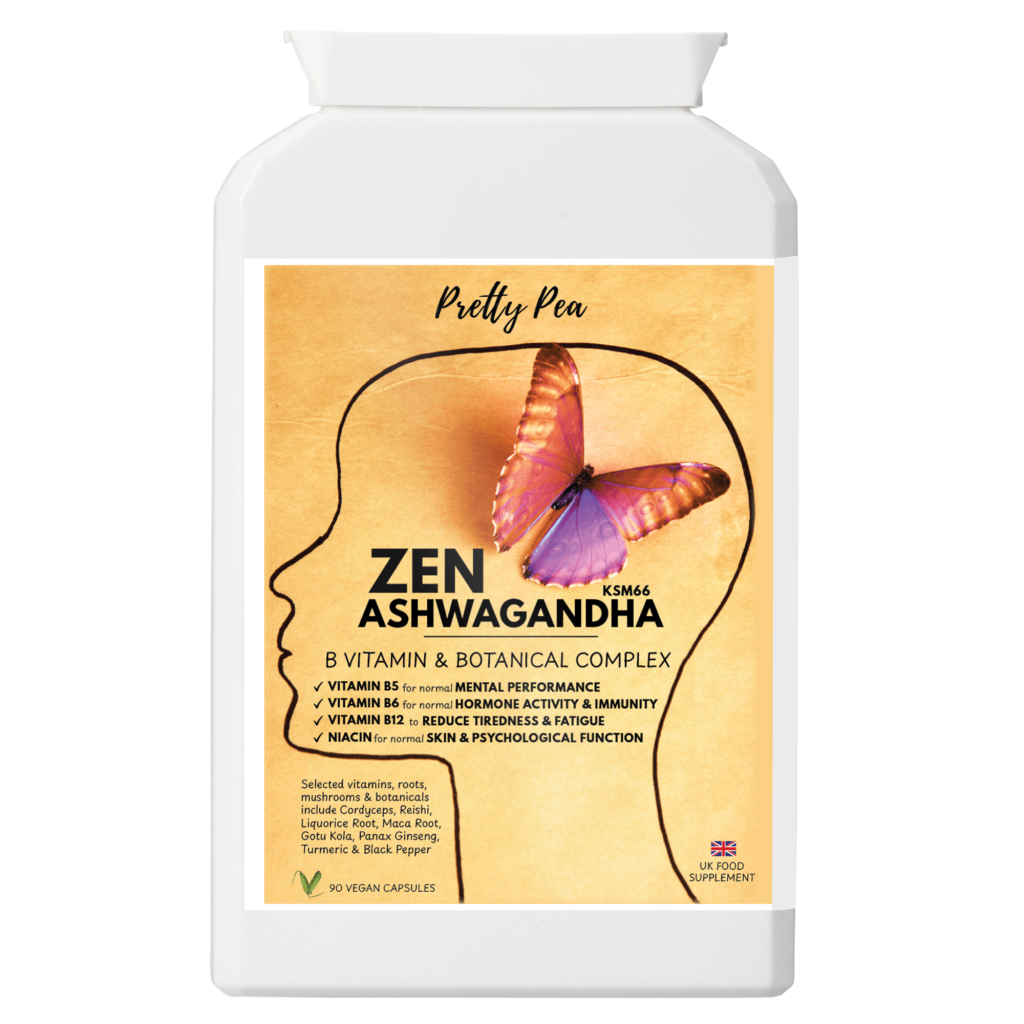
Ashwagandha Supplement plus B Vitamins
Original price was: £25.00.£19.99Current price is: £19.99.



For more fibre advice:
- Glucomannan for Weight Loss: Does It Work and How Does It Compare to Medications?
- What is the Highest Fibre Food
- Bloating Isn’t Just “Too Much Gas”: The Real Causes of Bloating (and What Actually Helps)
- Appetite Regulation: How Fibre vs GLP-1 Compare
- What Is Inulin? Benefits, Uses and What the Science Says About This Prebiotic Fibre
- Plantago Ovata (Psyllium Husk): Benefits, Uses, Science
- GLP-1 Foods: The Ultimate List for Appetite Control, Fat Loss & Blood Sugar
- 50 High Fibre Foods Ranked by Fibre Content
- Best Fibre Supplements for Women | Complete UK Fibre Supplement Guide
- Why Fibre and Water Always Go Together
- The Fibre Fix: Insoluble vs Soluble Fibre and Womens Health
- Why Fibre Could Be the Secret to a Better Menopause
- What Is Glucomannan? Benefits, Uses & Side Effects
Signs You Need More Fibre: Sources
- NHS. Fibre in your diet.
https://www.nhs.uk/live-well/eat-well/food-types/fibre-in-your-diet/ - Scientific Advisory Committee on Nutrition (SACN). Carbohydrates and Health Report.
- British Nutrition Foundation. Fibre and Health.
- National Diet and Nutrition Survey (NDNS), UK Government.
- Reynolds A, Mann J, Cummings J, et al. Carbohydrate quality and human health: systematic reviews and meta-analyses. The Lancet. 2019;393(10170):434-445.
- World Health Organization. Healthy Diet Fact Sheet.
