

With a growing number of menopause supplements available in the UK, it can be difficult to understand what actually matters when choosing a product.
Rather than focusing on marketing claims, it is more useful to look at evidence-based nutrients and formulation quality.
This guide explores the best supplements during menopause in the UK, focusing on vitamins, minerals and fibre that support nutritional needs.
How to Choose the Best Supplements During Menopause?
A well-formulated supplement should focus on:
- essential vitamins and minerals
- dietary fibre where appropriate
- transparent labelling
- evidence-based ingredients
Avoid products that rely on exaggerated claims or promise to “fix” menopause symptoms.
Essential nutrients to look for
- Vitamin D
- Calcium
- Magnesium
- Vitamin B6
- Vitamin B12
- Zinc
- Protein
- Omega-3
Other ingredients you may find
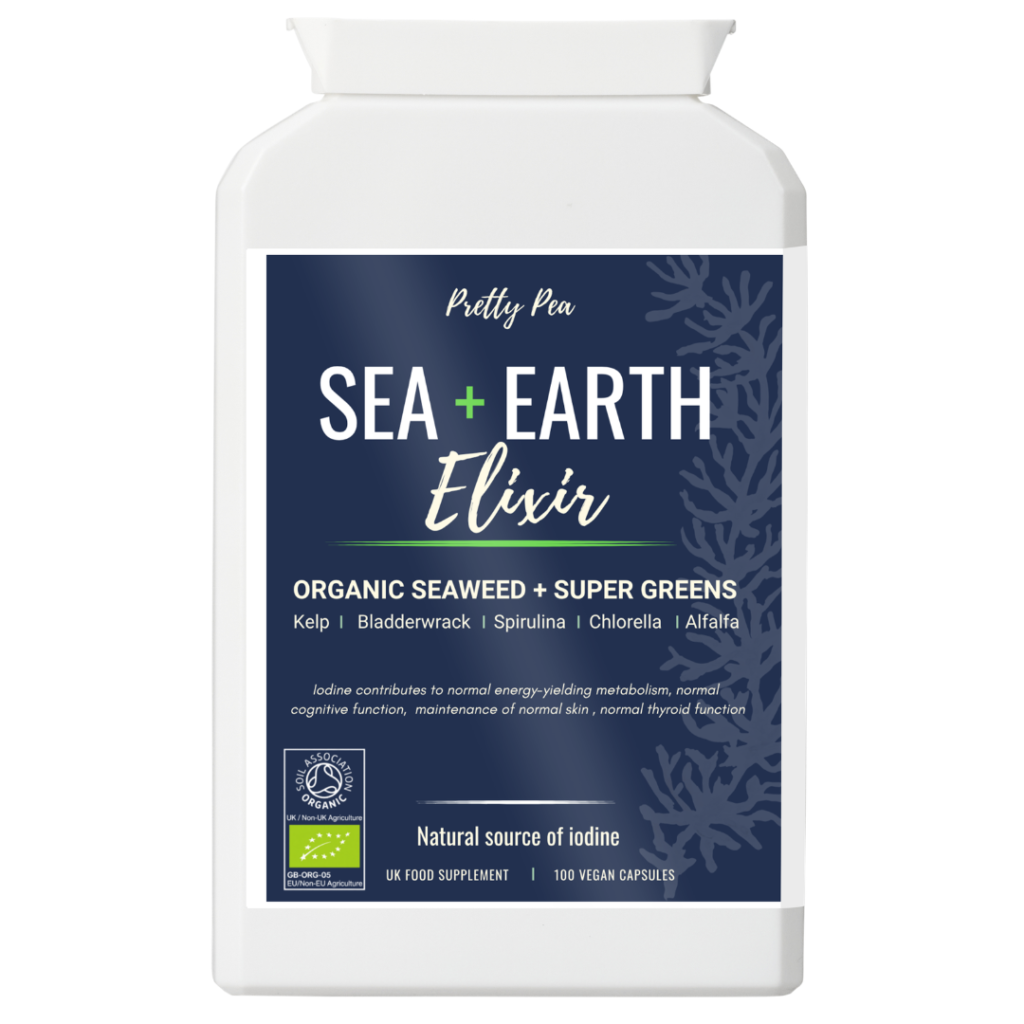
- Iodine
- Chromium
- Choline
- Glucomannan
- Psyllium husk
- Probiotics
- Sage
- Red clover
- Soy isoflavones
- Black cohosh
- Ashwagandha
Before You Buy
✔ Ingredients supported by evidence
✔ Transparent ingredient amounts
✔ Appropriate doses
✔ Matches your health goals
✔ Reputable manufacturer
✔ Realistic claims
How to Choose a Menopause Supplement
✓ Does it target your symptoms?
✓ Does it contain evidence-based ingredients?
✓ Are the vitamin and mineral doses meaningful?
✓ Does it make authorised health claims?
✓ Is it suitable for your diet?
✓ Does it contain unnecessary fillers?
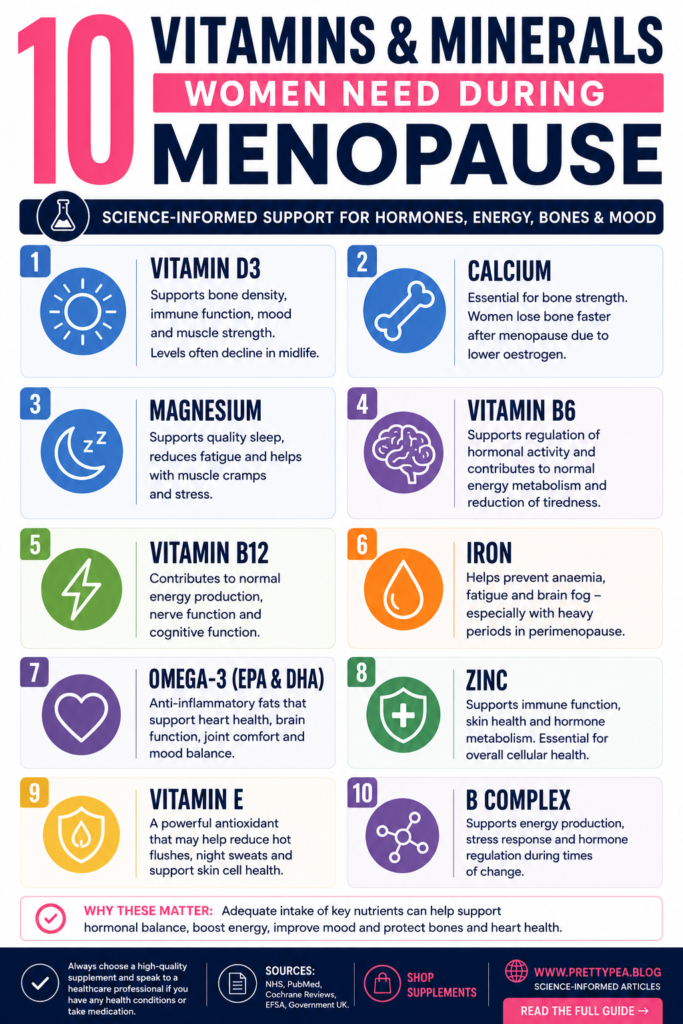
Different symptoms need different nutrients
| If your main concern is… | Consider looking for… |
|---|---|
| Bone health | Vitamin D, Calcium, Vitamin K2 |
| Energy & tiredness | Vitamin B12, Vitamin B6, Iron (if deficient) |
| Muscle function | Magnesium, Vitamin D, Protein |
| Hormonal activity | Vitamin B6 |
| Cognitive function | Iodine, Vitamin B12, Zinc |
| Heart health | Omega-3 |
| Feelings of fullness | Glucomannan, psyllium husk |
| Digestive health | Psyllium husk, fibre blends, probiotics and live cultures |
Note: Glucomannan contributes to weight loss in the context of an energy-restricted diet when consumed at 3 g daily in three 1 g doses with 1–2 glasses of water before meals.
Psyllium husk is a soluble fibre that forms a gel when mixed with water, helping to increase feelings of fullness and support digestive health, although it does not have an equivalent authorised EU weight-loss health claim.
What to Look for When Choosing a Menopause Supplement
✓ Evidence-based ingredients
Choose supplements containing ingredients with authorised health claims or supported by high-quality scientific research rather than relying on marketing claims alone.
Strength of Scientific Evidence for Common Menopause Supplement Ingredients
| Ingredient | Strength of Evidence | Why? |
|---|---|---|
| Vitamin D | ⭐⭐⭐⭐⭐ | Strong evidence for supporting bone, muscle and immune health, particularly important after menopause. |
| Calcium | ⭐⭐⭐⭐⭐ | Well-established role in maintaining normal bones and reducing age-related bone loss when intake is adequate. |
| Protein | ⭐⭐⭐⭐⭐ | Strong evidence for preserving muscle mass and supporting healthy ageing alongside resistance exercise. |
| Magnesium | ⭐⭐⭐⭐☆ | Good evidence for supporting muscle function, energy metabolism and reducing tiredness and fatigue. |
| Vitamin B6 | ⭐⭐⭐⭐☆ | Authorised health claims for hormonal activity, energy metabolism and reduction of tiredness and fatigue. |
| Vitamin B12 | ⭐⭐⭐⭐☆ | Strong evidence for energy metabolism, nervous system function and reducing tiredness and fatigue. |
| Zinc | ⭐⭐⭐⭐☆ | Well-supported for immune function, cognition, carbohydrate metabolism and maintenance of hair, skin, nails and bones. |
| Iodine | ⭐⭐⭐⭐☆ | Strong evidence for thyroid hormone production, thyroid function and energy-yielding metabolism. |
| Omega-3 | ⭐⭐⭐⭐☆ | Good evidence for supporting heart and brain health, although not menopause-specific. |
| Psyllium husk | ⭐⭐⭐⭐☆ | Good evidence for digestive health, regularity and increasing feelings of fullness. |
| Glucomannan | ⭐⭐⭐⭐⭐ | Has an authorised health claim for contributing to weight loss in the context of an energy-restricted diet when used as directed. |
| Chromium | ⭐⭐⭐☆☆ | Supports normal blood glucose levels and macronutrient metabolism, but evidence for menopause-specific benefits is more limited. |
| Probiotics / Live Cultures | ⭐⭐⭐☆☆ | Growing evidence for gut health, but menopause-specific research is still developing. |
| Choline | ⭐⭐⭐☆☆ | Essential nutrient with authorised health claims for lipid metabolism and liver function, but limited menopause-specific evidence. |
| Soy Isoflavones | ⭐⭐⭐☆☆ | Moderate evidence for helping some women with menopausal symptoms, although results vary between studies. |
| Sage | ⭐⭐☆☆☆ | Some evidence for menopausal symptoms, but larger, higher-quality studies are needed. |
| Black Cohosh | ⭐⭐☆☆☆ | Mixed evidence; some studies suggest benefits, while others show little effect. |
| Red Clover | ⭐⭐☆☆☆ | Contains isoflavones, but overall evidence for symptom relief remains inconsistent. |
| Ashwagandha | ⭐⭐☆☆☆ | Emerging evidence for stress and wellbeing, but limited research specifically in menopause. |
How to interpret these ratings: These star ratings reflect the current strength and consistency of scientific evidence, together with authorised UK/EU health claims where applicable. A lower rating does not necessarily mean an ingredient is ineffective; it may simply indicate that less high-quality research is currently available, particularly for menopause-specific outcomes.
✓ Meaningful ingredient doses
A long ingredient list doesn’t always mean a better product. Check whether nutrients are included in meaningful amounts rather than tiny “label dressing” doses.
✓ Transparent labelling
Look for products that clearly state the amount of every active ingredient.
✓ Your main health goal
The best menopause supplement depends on what you’re trying to support.
✓ Quality manufacturing
Choose supplements manufactured to recognised quality standards and purchased from reputable retailers or brands that provide clear ingredient information.
✓ Realistic claims
Be cautious of products claiming to:
- “balance hormones”
- “melt belly fat”
- “reverse menopause”
- “cure symptoms”
Menopause supplements can support health, but they should not promise unrealistic results.
Key Ingredients to Look for in a Menopause Supplement
| Ingredient | What to look for |
|---|---|
| Vitamin D | Around 10–25 µg (400–1000 IU), depending on individual needs and guidance. |
| Magnesium | Well-absorbed forms such as citrate or glycinate. |
| Glucomannan | At least 3 g/day for the authorised weight-loss claim. |
| Psyllium husk | Aim for products providing several grams of soluble fibre per serving. |
| Omega-3 | Look for the combined EPA and DHA content rather than just the total fish oil amount. |
Essential Vitamins & Minerals
Many menopause supplements contain a combination of vitamins, minerals and botanical ingredients designed to support specific aspects of health during midlife. While no single supplement can prevent or treat menopause, certain nutrients have authorised health claims and may help support normal bodily functions that become increasingly important as women age.
Vitamin D
Vitamin D contributes to the maintenance of normal bones, muscle function and the normal function of the immune system. As oestrogen levels decline during menopause, maintaining healthy bones becomes increasingly important.
Calcium
Calcium contributes to the maintenance of normal bones and teeth and supports normal muscle function. Adequate calcium intake, together with vitamin D, is essential for lifelong bone health.
Magnesium
Magnesium contributes to normal muscle function, normal psychological function, normal energy-yielding metabolism and the reduction of tiredness and fatigue. It also contributes to the maintenance of normal bones.
Vitamin B6
Vitamin B6 contributes to the regulation of hormonal activity, normal energy-yielding metabolism and the reduction of tiredness and fatigue. It also supports the normal function of the immune system.
Vitamin B12
Vitamin B12 contributes to normal energy-yielding metabolism, normal psychological function, normal nervous system function and the reduction of tiredness and fatigue.
Chromium
Chromium contributes to the maintenance of normal blood glucose levels and normal macronutrient metabolism. It is commonly included in menopause supplements designed to support healthy carbohydrate metabolism and blood sugar balance.
Choline
Choline contributes to normal lipid metabolism, normal homocysteine metabolism and the maintenance of normal liver function. Although it is not included in every menopause supplement, choline plays important roles in fat metabolism and overall health, making it a valuable addition to some formulations.
Zinc
Zinc contributes to normal carbohydrate metabolism, normal cognitive function, normal fertility and reproduction, maintenance of normal testosterone levels in the blood, normal immune system function, and the maintenance of normal bones, vision, hair, nails and skin.
Iodine
Iodine contributes to normal energy-yielding metabolism, normal cognitive function, the production of thyroid hormones and normal thyroid function.
Other Ingredients You May See:
Omega-3 Fatty Acids
Omega-3 fatty acids, particularly EPA and DHA, are commonly included in women’s health supplements. Although they do not carry specific authorised health claims relating to menopause symptoms, they play recognised roles in supporting heart and brain health.
Glucomannan
Glucomannan is a highly soluble dietary fibre derived from the konjac root. It contributes to weight loss in the context of an energy-restricted diet when consumed at 3 g per day in three 1 g doses with 1–2 glasses of water before meals.
Psyllium Husk
Psyllium husk is a soluble fibre that absorbs water to form a gel in the digestive tract. It is commonly used to support digestive health, regular bowel movements and feelings of fullness, making it a popular ingredient in weight management and fibre supplements.
Protein
Maintaining adequate protein intake becomes increasingly important during menopause to help preserve muscle mass alongside regular resistance exercise. Protein also contributes to the maintenance of normal bones.
Probiotics and Live Cultures
Some menopause supplements include live cultures to support the balance of beneficial gut bacteria. Research into the gut microbiome and women’s health is growing, although evidence for specific menopause-related benefits is still developing.
Botanical Ingredients
Many menopause supplements also contain herbal ingredients such as sage, red clover, soy isoflavones, black cohosh or ashwagandha. These botanicals are commonly included to support women during menopause, although the strength of scientific evidence varies between ingredients. When choosing a supplement, look for products that are transparent about ingredient amounts and avoid products making unrealistic or unsupported claims.
Key Ingredients Compared
| Ingredient | Best for |
|---|---|
| Glucomannan | ⭐⭐⭐⭐⭐ Weight management & fullness |
| Protein | ⭐⭐⭐⭐⭐ Muscle maintenance & healthy ageing |
| Psyllium husk | ⭐⭐⭐⭐☆ Digestive health & fullness |
| Vitamin D | ⭐⭐⭐⭐⭐ Bone & muscle health |
| Magnesium | ⭐⭐⭐⭐☆ Energy, muscles & fatigue |
| Vitamin B6 | ⭐⭐⭐⭐☆ Hormonal activity & energy |
| Vitamin B12 | ⭐⭐⭐⭐☆ Energy & nervous system |
| Calcium | ⭐⭐⭐⭐⭐ Bone health |
| Zinc | ⭐⭐⭐⭐☆ Immunity, cognition & skin |
| Iodine | ⭐⭐⭐⭐☆ Thyroid & energy metabolism |
| Chromium | ⭐⭐⭐☆☆ Blood glucose & metabolism |
| Choline | ⭐⭐⭐☆☆ Lipid metabolism & liver function |
| Omega-3 | ⭐⭐⭐⭐☆ Heart & brain health |
| Probiotics | ⭐⭐⭐☆☆ Gut health |
| Botanicals | ⭐⭐☆☆☆ Evidence varies by ingredient |
1. Vitamins & Minerals
Most evidence-based supplements include:
- B vitamins (energy metabolism support)
- Vitamin D (bone health support)
- Magnesium (nervous system function)
- Vitamin B6 (hormone regulation)
These nutrients are widely studied and form the foundation of menopause nutrition.
2. Fibre-Based Supplements
Some formulations include dietary fibre to support nutritional balance.
Fibre such as glucomannan:
- is water-soluble
- forms a gel in the digestive system
- contributes to daily fibre intake
This makes it a useful addition for women not meeting fibre targets through diet alone.
Read more: Appetite Regulation: How Fibre vs GLP-1 Compare
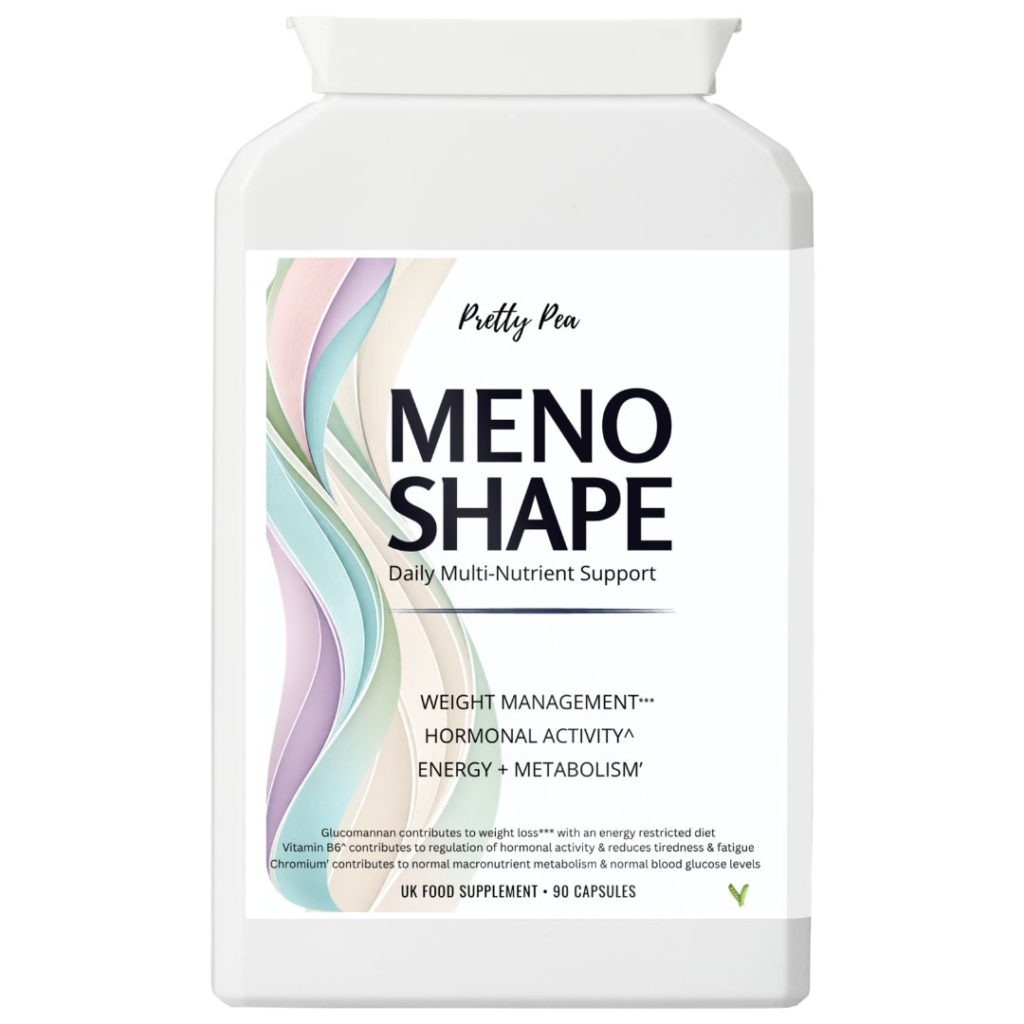
Menopause Supplement UK – Women’s Nutritional Support with Vitamins, Fibre & Botanicals
3. Botanical Ingredients
Plant-based ingredients such as soy isoflavones or herbal extracts are often included.
However, research findings on these ingredients are mixed, and they are generally considered supportive rather than essential nutrients.
What Does the Research Say?
Botanical ingredients are commonly included in menopause supplements, particularly plant-based compounds such as soy isoflavones, black cohosh, and red clover.
Soy Isoflavones
Soy isoflavones are plant compounds that have a similar structure to oestrogen.
Some clinical studies suggest they may have mild effects on menopausal symptoms, particularly in populations with higher habitual soy intake. However, results across studies are inconsistent, and effects tend to be modest.
Systematic reviews generally conclude that while soy isoflavones may have potential, the evidence is not strong enough to draw firm conclusions.
Black Cohosh
Black cohosh is one of the most widely studied herbal ingredients in menopause supplements.
Research findings are mixed:
- some trials report small improvements in certain symptoms
- others show no significant difference compared to placebo
Major reviews, including those referenced by health organisations, note that evidence remains inconclusive.
Red Clover
Red clover contains isoflavones similar to soy.
Some studies suggest potential benefits, but systematic reviews again report:
- inconsistent results
- variation in study quality
- limited long-term data
Overall Evidence Summary
Across botanical ingredients:
- results are mixed and inconsistent
- effects (if present) are generally modest
- quality of evidence varies between studies
For this reason, botanical ingredients are typically considered supportive additions rather than core nutritional components.
What Research Suggests
Nutrition research in midlife women consistently highlights:
- importance of micronutrient adequacy
- role of dietary fibre in gut health
- value of overall diet quality over single ingredients
No single supplement has been shown to address menopause as a whole — instead, combined nutritional support is most relevant.
Overall, research consistently supports vitamins, minerals, and dietary fibre as foundational components of menopause nutrition, while evidence for botanical ingredients remains mixed.
Menopause Weight Management
| Ingredient | Evidence for Menopause Weight Management |
|---|---|
| Glucomannan | ⭐⭐⭐⭐⭐ |
| Protein | ⭐⭐⭐⭐⭐ |
| Psyllium husk | ⭐⭐⭐⭐☆ |
| Chromium | ⭐⭐⭐☆☆ |
| Omega-3 | ⭐⭐☆☆☆ |
| Magnesium | ⭐⭐☆☆☆ |
| Vitamin D | ⭐⭐☆☆☆ |
| Green Tea Extract | ⭐⭐☆☆☆ |
| Probiotics | ⭐⭐☆☆☆ |
| Choline | ⭐⭐☆☆☆ |
| Vitamin B6 | ⭐☆☆☆☆ |
| Calcium | ⭐☆☆☆☆ |
| Zinc | ⭐☆☆☆☆ |
| Iodine | ⭐☆☆☆☆ |
These ratings reflect the current strength of scientific evidence for supporting healthy weight management during menopause. They consider the quality of published research, the consistency of findings and, where applicable, authorised health claims.
A higher rating does not necessarily mean an ingredient causes weight loss on its own. Lasting weight management still depends on factors such as overall diet, physical activity, sleep and lifestyle.
Why these ratings?
- ⭐⭐⭐⭐⭐ Glucomannan – Has an authorised EU/UK health claim for contributing to weight loss in the context of an energy-restricted diet when consumed under the specified conditions.
- ⭐⭐⭐⭐⭐ Protein – Strong evidence for supporting satiety, preserving muscle mass during weight loss and helping maintain metabolic health.
- ⭐⭐⭐⭐☆ Psyllium husk – Good evidence for increasing feelings of fullness and supporting calorie control, although it does not have the same authorised weight-loss claim as glucomannan.
- ⭐⭐⭐☆☆ Chromium – Supports normal blood glucose levels and normal macronutrient metabolism, which may be helpful as part of an overall healthy lifestyle.
- ⭐⭐☆☆☆ ingredients – Some promising or indirect evidence, but results are less consistent or they support general health rather than weight management specifically.
- ⭐☆☆☆☆ ingredients – Important for overall health and normal body functions, but there is little evidence that they directly support menopause weight management.
Menopause Supplement UK – Women’s Nutritional Support with Vitamins, Fibre & Botanicals
How to Choose the Right Product
When choosing the right supplements for menopause look for:
- clear ingredient transparency
- evidence-based nutrients
- realistic claims
- fibre inclusion if needed
Ingredients to be cautious of:
- promise rapid weight loss
- claim to “balance hormones”
- hide ingredient doses
Final Thoughts
The best menopause supplements are those that support nutritional intake consistently and transparently, rather than relying on exaggerated claims.
A balanced approach combining diet and targeted supplementation is most commonly recommended in nutrition research.
Best Menopause Supplements UK (2026) FAQ
What are the best supplements during menopause in the UK?
There is no single best product, but supplements with vitamins, minerals, and fibre are commonly used for nutritional support.
Do menopause supplements work?
They do not treat menopause but may support nutritional intake where dietary gaps exist.
What should I look for in a menopause supplement?
Look for evidence-based nutrients, transparent labelling, and no exaggerated health claims.
Are herbal menopause supplements effective?
Research on herbal ingredients is mixed, and they are generally considered supportive rather than essential.
Is fibre important in menopause supplements?
Yes, fibre contributes to normal digestive function and dietary balance.
You might also like:
Why Fibre Could Be the Secret to a Better Menopause
Latest Products
-
Menopause Supplement UK – Women’s Nutritional Support with Vitamins, Fibre & Botanicals
Original price was: £25.00.£19.99Current price is: £19.99. -
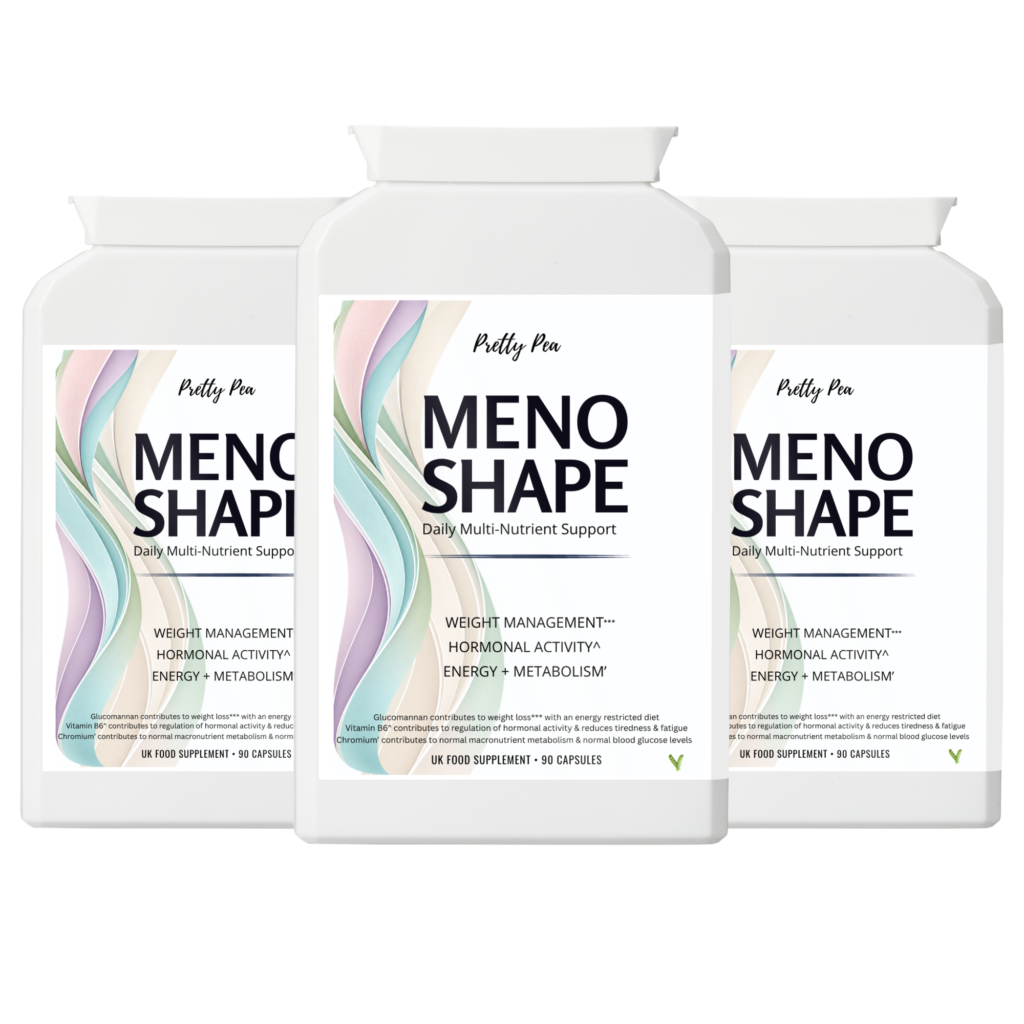
Menopause Supplement Bundle 3 for 2 Offer
Original price was: £77.97.£50.00Current price is: £50.00. -

-

-
-
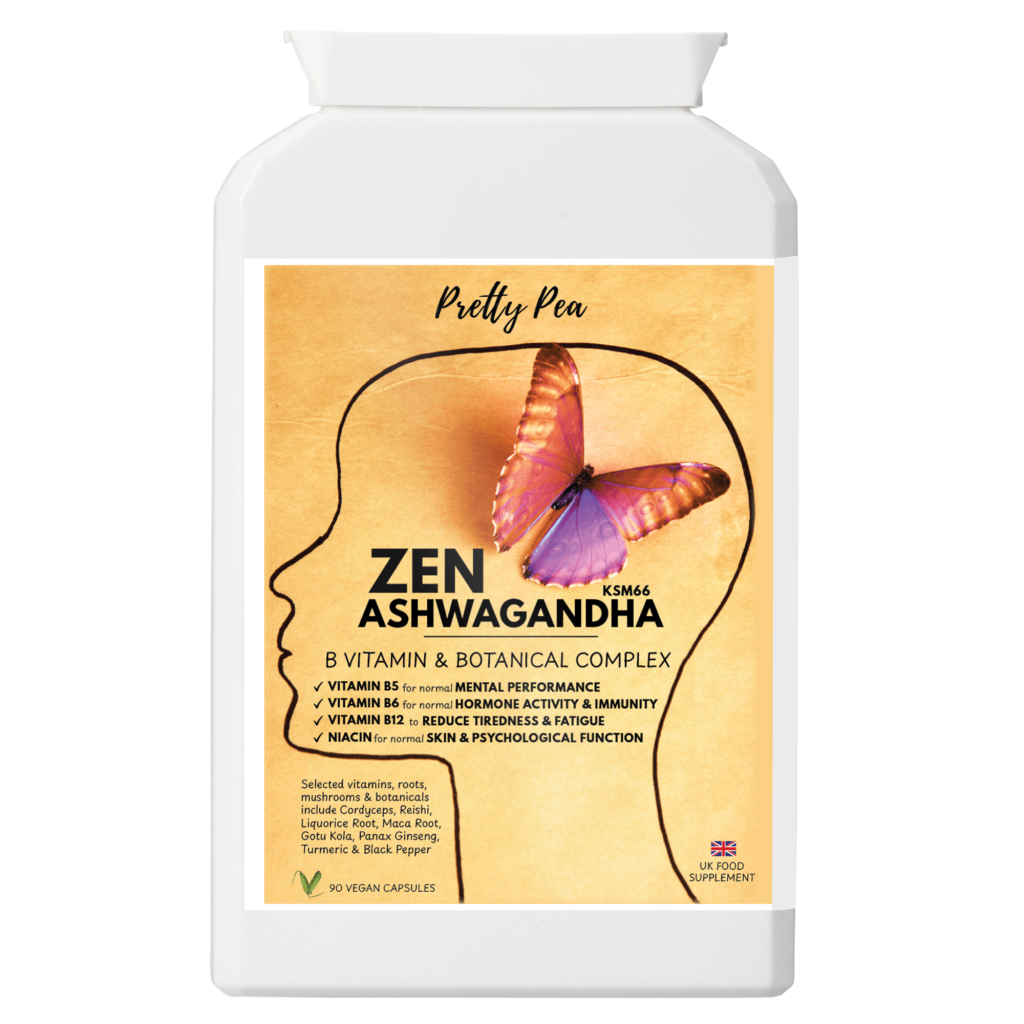
Ashwagandha Supplement plus B Vitamins
Original price was: £25.00.£19.99Current price is: £19.99.



Best Menopause Supplements UK 2026 – References & Evidence
This article is based on current nutrition research and reviews of menopause health, including:
- Systematic reviews of menopause nutrition and dietary patterns from National Institutes of Health (PMC database)
- Evidence summaries on micronutrients and menopause from British Nutrition Foundation
- EU-authorised nutrition and health claims guidance from European Food Safety Authority
- Reviews of midlife women’s health and metabolism published in peer-reviewed journals
- Scientific Opinion on the substantiation of health claims related to vitamin B6 and contribution to normal homocysteine metabolism (ID 73, 76, 199), maintenance of normal bone (ID 74), maintenance of normal teeth (ID 74), maintenance of normal hair (ID 74), maintenance of normal skin (ID 74), maintenance of normal nails (ID 74), contribution to normal energy‐yielding metabolism (ID 75, 214), contribution to normal psychological functions (ID 77), reduction of tiredness and fatigue (ID 78), and contribution to normal cysteine synthesis (ID 4283) pursuant to Article 13(1) of Regulation (EC) No 1924/2006 – – 2010 – EFSA Journal – Wiley Online Library
These sources consistently highlight the importance of:
- adequate micronutrient intake
- dietary fibre consumption
- overall diet quality during menopause
