

Which Foods Increase GLP-1 Naturally?
Short answer: Possibly.
Emerging research suggests that some foods, herbs and plant compounds may help support your body’s natural GLP-1 response. While they don’t produce the same effects as GLP-1 medications such as Wegovy®, Ozempic® or Mounjaro®, studies suggest that certain foods may influence GLP-1 production, secretion or signalling in ways that support fullness, blood sugar regulation and metabolic health. So which foods increase GLP-1 naturally?
Scientists are particularly interested in foods rich in fibre, polyphenols and other naturally occurring compounds that interact with specialised hormone-producing cells in the gut. Although much of the research is still at the laboratory and animal stage, several foods have already shown promising results in human studies.
In this guide, we’ll explore the foods currently being investigated for their effects on GLP-1, explain what the research actually shows, and separate well-supported evidence from early discoveries.
What Is GLP-1?
GLP-1 (glucagon-like peptide-1) is a hormone produced naturally by specialised L cells in the small intestine after you eat.
Often called the body’s natural “fullness hormone”, GLP-1 plays several important roles in metabolism.
It helps:
- Promote feelings of fullness after meals
- Slow the rate at which food leaves the stomach
- Stimulate insulin release when blood glucose rises
- Reduce glucagon secretion
- Help regulate appetite through the brain
- Support healthy blood sugar control
Because GLP-1 acts on multiple organs—including the gut, pancreas, brain and liver—it has become one of the most important targets for treating type 2 diabetes and obesity.
Prescription medications such as Wegovy®, Ozempic® and Mounjaro® work by activating this pathway. Researchers are now investigating whether certain foods may also influence the body’s own natural GLP-1 response.
Your next read: Appetite Regulation: How Fibre vs GLP-1 Compare
Can Food Really Increase GLP-1?
This is one of the biggest questions in nutrition research today.
The answer is yes—but with an important caveat.
No food has been shown to reproduce the powerful effects of GLP-1 medications. However, an increasing number of studies suggest that certain foods and naturally occurring plant compounds may influence GLP-1 production, release or activity.
Some appear to encourage the gut to release more GLP-1 after eating, while others may improve the hormone’s signalling pathways or help increase the sensitivity of GLP-1 receptors.
NEW SCIENTIFIC REVIEW
│
▼
Researchers examined
foods and plant compounds
that may influence
natural GLP-1 secretion
│
▼
Eight foods emerged
as promising dietary
options
│
▼
Incorporate them into
an overall balanced,
high-fibre diet
The strongest evidence currently exists for dietary fibre and prebiotic fibres, while compounds found in green tea, ginger, cinnamon and several fruits and vegetables are also attracting scientific interest.
Much of this research is still developing, so it’s important to distinguish between findings from laboratory experiments, animal studies and clinical trials in people.

Expert commentary
Interest in GLP-1 has increased dramatically with the popularity of GLP-1 medications. However, GLP-1 is a hormone your body naturally produces after eating. Current research suggests that certain dietary fibres, polyphenol-rich foods and botanical compounds may help support this natural response as part of an overall healthy dietary pattern. While no individual food can replicate the effects of prescription GLP-1 medications, eating a varied diet rich in whole plant foods remains one of the most evidence-supported ways to support metabolic health.
Which Foods Increase GLP-1 Naturally
Foods That May Support Your Body’s Natural GLP-1 Response
Below are the foods with the most promising evidence to date, ranked according to the current strength of research.
⭐⭐⭐⭐⭐ 1. Fibre-Rich Foods (Strongest Evidence)
If there is one dietary factor consistently linked with a healthier GLP-1 response, it is fibre.
Unlike rapidly digested carbohydrates, soluble and fermentable fibres travel further through the digestive system before being broken down by beneficial gut bacteria.
This fermentation process produces short-chain fatty acids (SCFAs) such as butyrate, acetate and propionate. These compounds interact directly with the specialised L cells that produce GLP-1, encouraging the body to release more of the hormone after meals.
The recent review also highlights fructo-oligosaccharides (FOS) and other fermentable fibres as promising natural modulators of GLP-1 secretion.
In addition, studies examining different types of fibre-rich bread demonstrate that the structure and processing of foods may also influence the body’s GLP-1 response.
Foods naturally rich in fermentable fibre include:
- Oats
- Barley
- Beans
- Lentils
- Chickpeas
- Onions
- Garlic
- Asparagus
- Chicory root
- Jerusalem artichokes
Increasing your overall fibre intake also supports a healthier gut microbiome, creating an environment that may further enhance natural GLP-1 production.
Evidence strength: ★★★★★ Human studies, mechanistic research and a well-established biological pathway.
⭐⭐⭐⭐ 2. Green Tea
Green tea has long been associated with metabolic health, and researchers are now investigating whether it may also support the body’s natural GLP-1 response.
Green tea is rich in plant compounds called catechins, particularly epigallocatechin gallate (EGCG). These powerful polyphenols have been shown to influence several biological pathways involved in glucose regulation, inflammation and gut health.
The review identified green tea as one of the most promising natural foods currently being studied for its GLP-1-stimulating properties. Researchers believe green tea may help support GLP-1 signalling directly while also improving the health of the gut microbiome, which plays an important role in hormone production.
Although more large human studies are needed, green tea remains one of the most widely researched beverages for metabolic health.
Ways to enjoy more green tea
- Freshly brewed green tea
- Matcha
- Iced green tea without added sugar
- Supplements
Evidence strength: ★★★★☆ Promising human and experimental evidence.
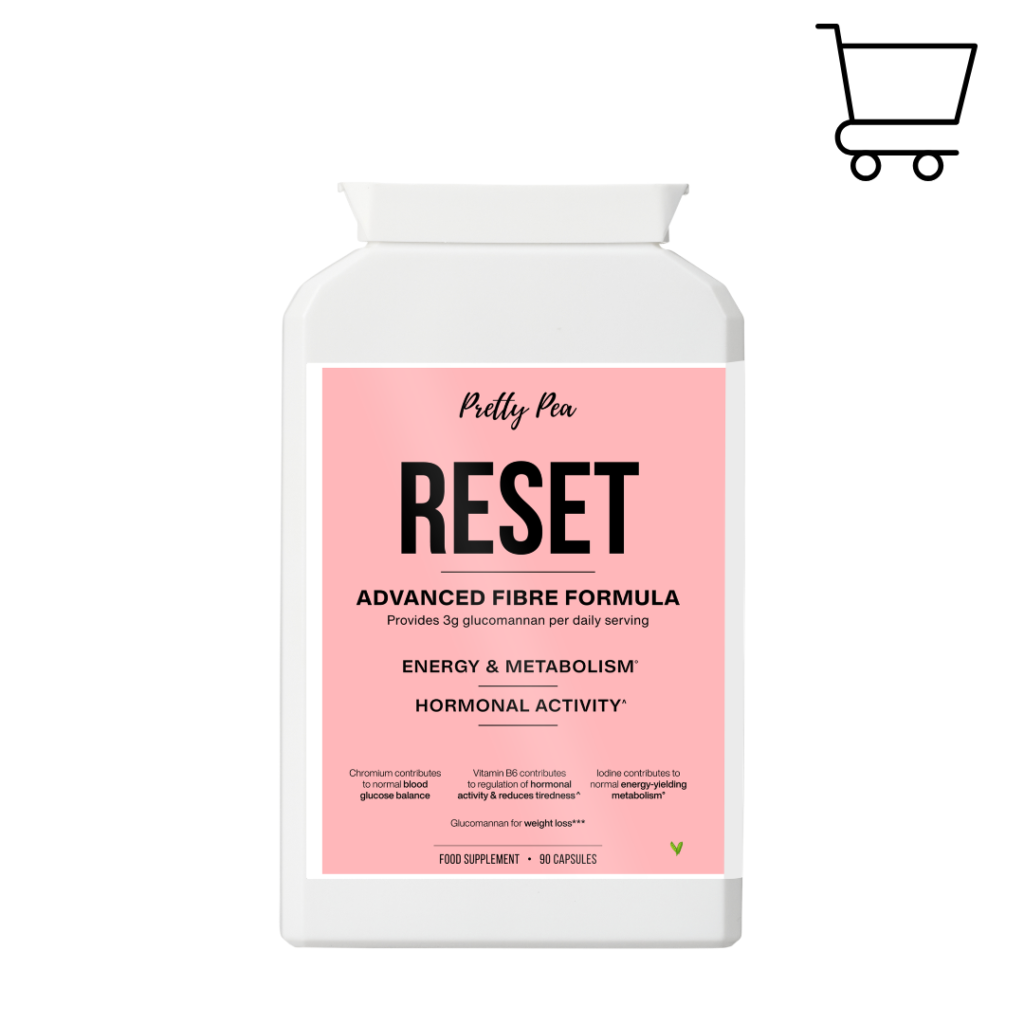
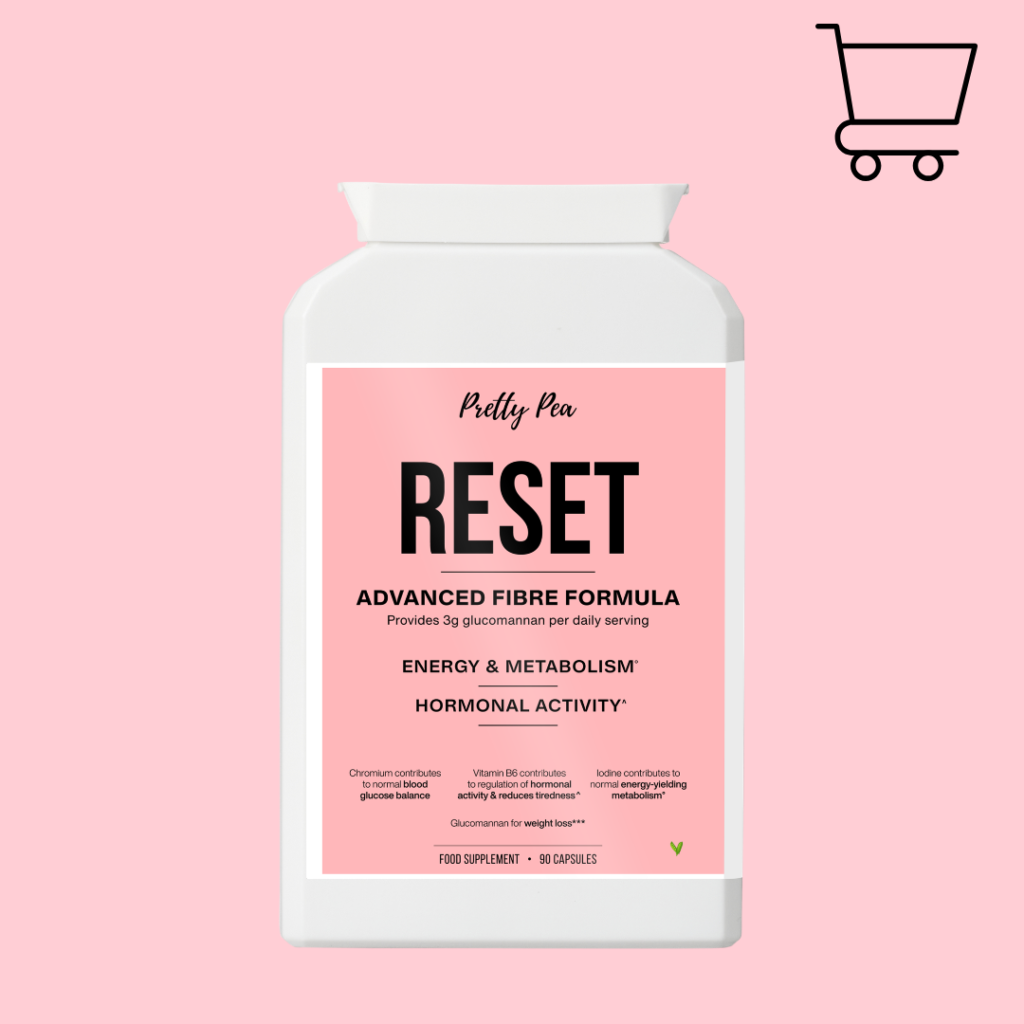
RESET Fibre Capsules provide Green Tea and soluble glucomannan fibre as part of a carefully formulated daily supplement.
Read: 10 Green Tea Benefits: The Ultimate Science-Backed Guide
⭐⭐⭐⭐ 3. Cinnamon
Cinnamon is more than a popular spice—it’s also one of the natural ingredients receiving increasing scientific attention for its potential effects on GLP-1.
The review highlights research suggesting that cinnamon extracts may:
- Increase GLP-1 secretion
- Improve GLP-1 sensitivity
- Help protect GLP-1 from breakdown
- Support healthy blood sugar regulation
Some human studies have reported improvements in post-meal glucose control following cinnamon supplementation, although results remain mixed and further research is needed.
Fortunately, adding cinnamon to meals is an easy way to increase flavour while following a healthy dietary pattern.
Easy ways to include cinnamon
- Sprinkle over porridge
- Add to Greek yoghurt
- Blend into smoothies
- Stir into overnight oats
- Add to coffee
Evidence strength: ★★★★☆ Promising, with several human studies alongside laboratory research.
⭐⭐⭐ 4. Ginger
Ginger has been used traditionally for digestive health for centuries, but scientists are now exploring whether its natural compounds may also influence GLP-1.
The review describes research showing that 6-gingerol, one of ginger’s main active compounds, increased GLP-1 production in diabetic mice. Researchers also observed improvements in insulin secretion, glucose tolerance and blood sugar regulation.
These findings are encouraging, but most evidence currently comes from animal studies rather than clinical trials in people.
That said, ginger is an excellent addition to a healthy diet and offers several other well-established benefits, including supporting normal digestion and providing antioxidant compounds.
Simple ways to eat more ginger
- Fresh ginger tea
- Stir-fries
- Curries
- Smoothies
- Soups
Evidence strength: ★★★☆☆ Mainly laboratory and animal research.
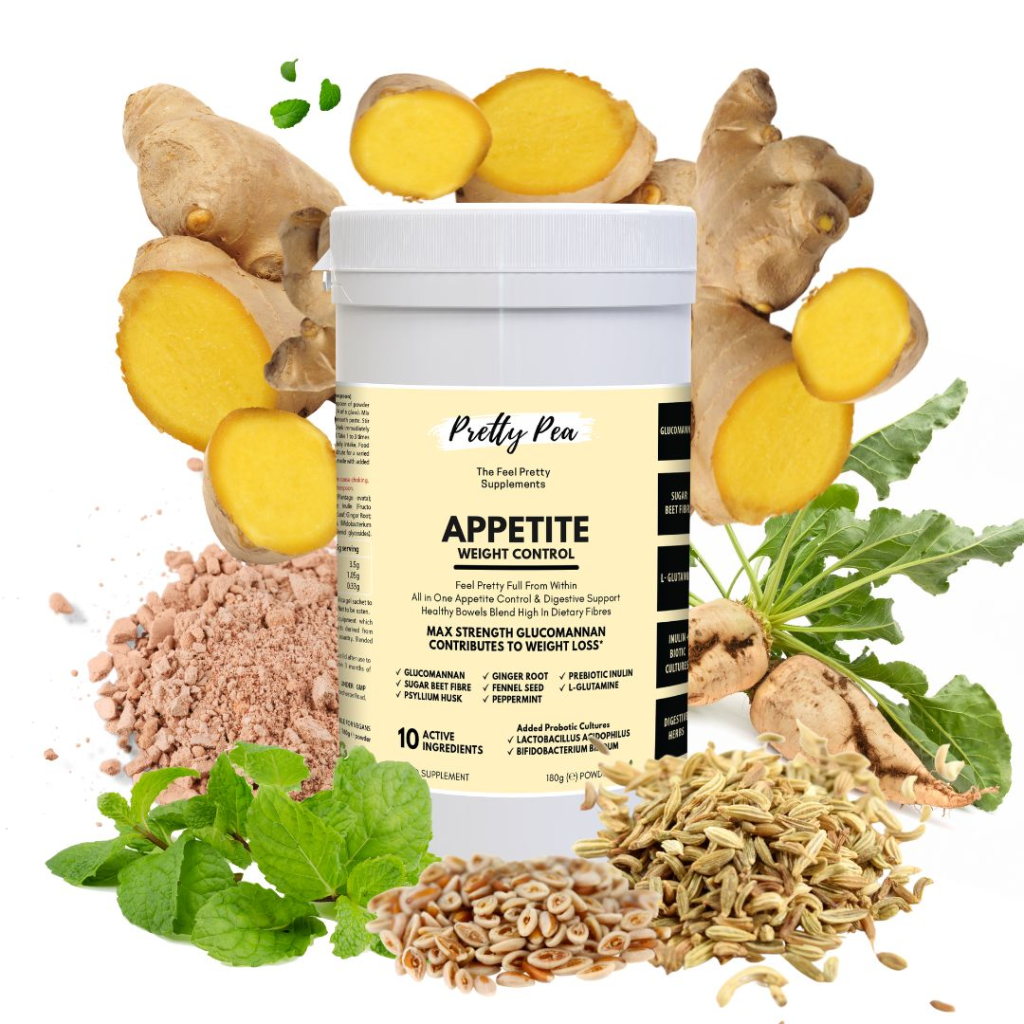
Since dietary fibre has the strongest evidence for supporting the body’s natural GLP-1 response, increasing your fibre intake can be a practical first step. If you struggle to consume enough fibre through food alone, APPETITE Fibre powder provides four types of fibre including glucomannan, psyllium husk, prebiotic inulin and ginger root.
⭐⭐⭐ 5. Quercetin-Rich Foods
Quercetin is a naturally occurring flavonoid found in many fruits and vegetables.
The review discusses research suggesting quercetin may influence GLP-1 signalling while also improving insulin sensitivity and glucose metabolism.
Rather than taking supplements, most people can obtain quercetin from everyday foods.
Good sources include:
- Apples
- Red onions
- Berries
- Cherries
- Kale
- Broccoli
- Grapes
Although research is still developing, these foods are already recognised as valuable components of a healthy diet.
Evidence strength: ★★★☆☆ Early but promising.
Read: GLP-1 Foods: The Ultimate List for Appetite Control, Fat Loss & Blood Sugar
⭐⭐⭐ 6. Turmeric
Turmeric contains curcumin, a bright yellow polyphenol that has attracted considerable research interest.
The review suggests curcumin may:
- Support GLP-1 secretion
- Reduce inflammation
- Improve insulin sensitivity
- Influence gut hormone signalling
However, much of the evidence currently comes from laboratory and animal studies.
Adding turmeric to meals remains an easy way to increase dietary variety while benefiting from its antioxidant properties.
Try turmeric in
- Curries
- Soups
- Rice dishes
- Roasted vegetables
Evidence strength: ★★★☆☆ Emerging evidence.
⭐⭐ 7. Fenugreek
Fenugreek seeds are commonly used in Indian and Middle Eastern cooking and have traditionally been used to support healthy blood sugar regulation.
The review discusses evidence suggesting fenugreek may enhance GLP-1 secretion and improve post-meal glucose responses.
Fenugreek also contains soluble fibre, which may contribute to its beneficial metabolic effects.
Although results are encouraging, further human studies are needed.
Evidence strength: ★★☆☆☆ Emerging evidence.
⭐⭐ 8. Berberine
Berberine is a naturally occurring plant compound found in several medicinal plants.
The review highlights berberine as one of the most extensively researched natural compounds affecting GLP-1 pathways.
Studies suggest berberine may:
- Increase GLP-1 secretion
- Improve insulin sensitivity
- Support healthy blood sugar regulation
However, berberine is not a food and can interact with prescription medications. It should only be taken under the guidance of a healthcare professional.
Evidence strength: ★★★★☆ Strong mechanistic evidence, but not suitable as a general food recommendation.
Why Fibre Still Comes Out on Top
Although many individual foods and plant compounds are being investigated, one message stands out from the research:
A high-fibre dietary pattern is likely to have the greatest overall impact on your body’s natural GLP-1 response.
Fibre doesn’t simply provide one active ingredient. It supports GLP-1 through several complementary mechanisms by:
- Feeding beneficial gut bacteria
- Increasing production of short-chain fatty acids
- Slowing digestion
- Supporting healthy blood sugar responses
- Helping you feel fuller for longer
This is one reason diets rich in vegetables, legumes, whole grains and other fibre-rich foods are consistently associated with better metabolic health.
Fibre Supplements
Foods That Support the Gut Microbiome May Also Support GLP-1
Scientists increasingly recognise that the gut microbiome plays a central role in GLP-1 production.
HIGH-FIBRE FOODS
│
▼
GUT MICROBIOME
│
▼
SHORT-CHAIN FATTY ACIDS
│
▼
GLP-1 RELEASE
│
┌──────┼──────┐
▼ ▼ ▼
FULLNESS BLOOD SUGAR DIGESTION
When beneficial bacteria ferment certain fibres, they produce short-chain fatty acids (SCFAs) such as acetate, propionate and butyrate. These compounds stimulate specialised L cells in the intestine, encouraging the release of GLP-1.
This helps explain why foods that nourish the microbiome may also support healthy appetite regulation.
Examples include:
- Onions
- Garlic
- Leeks
- Chicory root
- Asparagus
- Oats
- Barley
- Beans
- Lentils
Rather than focusing on a single “superfood”, researchers increasingly believe that eating a wide variety of fibre-rich plant foods is likely to provide the greatest benefit.
| Food | GLP-1 evidence | Human studies | Overall evidence |
|---|---|---|---|
| Soluble fibre | ⭐⭐⭐⭐⭐ | ✔✔✔ | Strong |
| Green tea | ⭐⭐⭐⭐ | ✔✔ | Promising |
| Cinnamon | ⭐⭐⭐⭐ | ✔✔ | Promising |
| Ginger | ⭐⭐⭐ | Limited | Emerging |
| Quercetin foods | ⭐⭐⭐ | Limited | Emerging |
| Turmeric | ⭐⭐⭐ | Limited | Emerging |
| Fenugreek | ⭐⭐ | Limited | Early |
| Berberine | ⭐⭐⭐⭐ | ✔✔ | Strong compound evidence (supplement, not food) |
Putting It Into Practice
If you want to support your body’s natural GLP-1 response, focus on your overall dietary pattern rather than one ingredient.
GLP-1 SUPPORT

🥣 Wholegrains
🫘 Legumes 🫐 Berries
🥬 Greens 🫒 Olive oil
🍵 Green tea
🥛 Fermented foods
🫚 GingerA balanced day might include:
Breakfast
- Porridge topped with berries and cinnamon
- Green Tea
- Overnight oats with:
- ✓ Oats
- ✓ Greek yoghurt
- ✓ Blueberries
- ✓ Flaxseed
- ✓ Cinnamon
- Green Smoothie with:
- Spinach
- Kefir
- Frozen berries
- Fresh ginger
- Fibre bowl with:
- Rolled oats
- Walnuts
- Mixed berries
- Live yoghurt
Lunch
- Lentil and vegetable soup with:
- Wholegrain bread
- Mediterranean lentil salad with:
- Extra virgin olive oil
- Mixed beans
- Rocket
- Tomatoes
- Chickpea soup with:
- Chickpeas
- Leafy greens
- Olive oil
- Fresh herbs
Snack
- Apple with a handful of nuts
- Greek yoghurt + berries
- Edamame
- Green tea
- Apple with nut butter
- Hummus
Dinner
- Salmon or tofu with:
- Roasted vegetables
- Barley or quinoa
- Ginger and garlic stir-fry with:
- Bean chilli
- Black beans
- Kidney beans
- Brown rice
- Greek yoghurt
- Salmon with greens with:
- Leafy greens
- Broccoli
- Olive oil
- Lentils
- Stir fry with:
- Tofu
- Ginger
- Pak choi
- Mixed vegetables
Small changes made consistently are likely to have a greater long-term impact than relying on a single food or supplement.
Important: This review examined foods and dietary compounds that may support the body’s natural GLP-1 response. These foods are not alternatives to prescription GLP-1 medications, and the effects are not considered equivalent.
Key Takeaway
✔ Focus on your overall dietary pattern rather than one “superfood”.
✔ Fibre-rich foods, polyphenol-rich foods and fermented foods all contribute to a healthy eating pattern.
✔ No individual food works like a GLP-1 medication, but many can form part of a balanced diet that supports overall metabolic health.
The Bottom Line
Research into natural ways to support GLP-1 is expanding rapidly. Foods rich in fibre, along with green tea, cinnamon, ginger and other plant compounds, show promising potential to influence the body’s natural GLP-1 response.
However, it’s important to keep expectations realistic. Most of these foods do not work in the same way or to the same extent as prescription GLP-1 medications, and much of the evidence is still emerging.
The strongest evidence continues to support eating a varied, fibre-rich diet that nourishes the gut microbiome and promotes overall metabolic health.
What this study DOES show
✔ Certain foods contain compounds that may influence GLP-1 secretion.
✔ Many are naturally high in fibre and polyphenols.
✔ Most also support overall dietary quality.
What this study DOESN’T show
✘ That any food works like Ozempic.
✘ That one food alone increases GLP-1 enough to cause weight loss.
✘ That everyone will respond the same way.
Frequently Asked Questions
Which foods increase GLP-1 naturally?
Current research suggests that fibre-rich foods, green tea, cinnamon, ginger and foods rich in polyphenols may support the body’s natural GLP-1 response. Fibre has the strongest evidence because it helps produce short-chain fatty acids that stimulate GLP-1 release in the gut.
Does green tea increase GLP-1?
Green tea contains catechins such as EGCG that are being studied for their potential effects on GLP-1 signalling. While findings are promising, more high-quality human studies are needed before firm conclusions can be drawn.
Does ginger increase GLP-1?
Animal studies suggest that compounds in ginger, particularly 6-gingerol, may increase GLP-1 production and improve glucose metabolism. More clinical studies in people are needed to confirm these effects.
Is cinnamon good for GLP-1?
Research suggests cinnamon may support GLP-1 secretion and healthy blood sugar regulation. Adding cinnamon to meals is an easy way to enjoy its flavour as part of a balanced diet.
Is fibre the best food for supporting GLP-1?
Based on current evidence, fibre-rich foods appear to have the strongest support. Fermentable fibres help nourish beneficial gut bacteria, leading to the production of short-chain fatty acids that stimulate GLP-1 release.
Can foods replace GLP-1 medications?
No. While some foods may support the body’s natural GLP-1 response, they do not produce the same effects as prescription GLP-1 receptor agonists. Diet and medication should be viewed as complementary approaches rather than direct alternatives.
For more advice:
The Menopause Diet 5 Day Plan to Lose Weight
Why Fibre Could Be the Secret to a Better Menopause
Glucomannan for Weight Loss: Does It Work and How Does It Compare to Medications?
What is the Highest Fibre Food
Everything Psyllium How To Use: A Comprehensive Guide on How to Use It for Maximum Health Benefits
Can You Use Psyllium Husk for Weight Loss? Benefits, Dosage & Science Explained – Pretty Pea



Which Foods Increase GLP-1 :Sources
Holst JJ. (2007). The physiology of glucagon-like peptide 1
Drucker DJ
Delzenne NM, Cani PD. Interaction between obesity and the gut microbiota.
Chambers ES et al. Effects of targeted delivery of propionate to the human colon on appetite regulation.
Canfora EE et al. Gut microbial metabolites in obesity and type 2 diabetes.
Morrison DJ & Preston T. Formation of short-chain fatty acids by the gut microbiota.
Yang CS et al. Green tea catechins and metabolic health.
Li Y et al. 6-Gingerol increases GLP-1 secretion in diabetic mice.
Anderson RA et al. Cinnamon and glucose metabolism.
Anand David AV et al. Quercetin and metabolic disease.
Panahi Y et al. Curcumin supplementation and metabolic markers.
Yin J et al. Berberine in type 2 diabetes.
