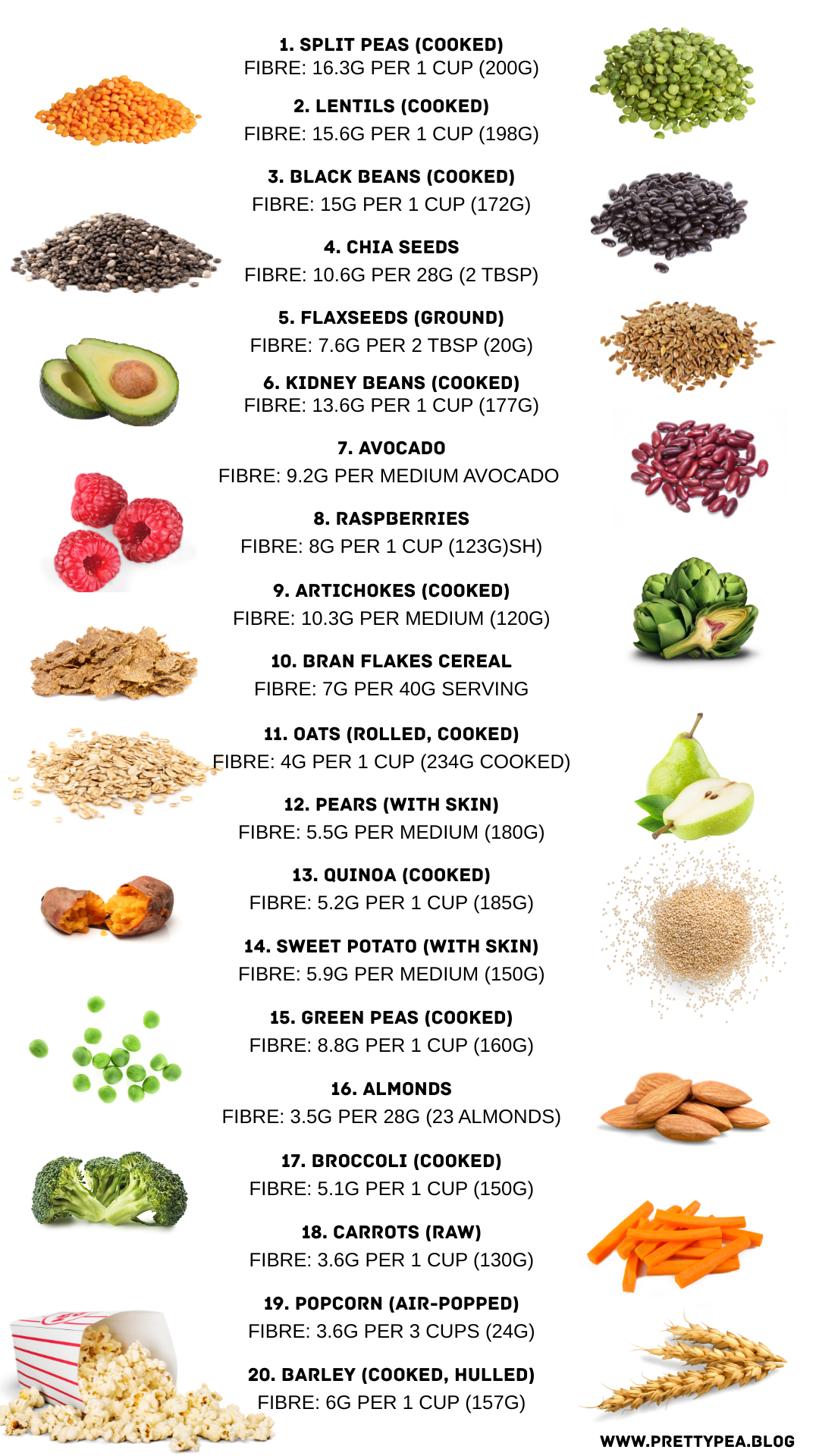
If you’re eating less than ever, exercising more than ever, and still struggling to lose weight, you’re far from alone. How to lose weight during menopause can feel, for many women, that someone has quietly changed the rules. The diet that worked in your 30s suddenly stops working. The scales refuse to budge, fat seems to gather around your middle, and every article tells you to simply cut more calories.
The truth is more complicated.
Menopause changes the hormones that influence muscle mass, body fat distribution, appetite, sleep, insulin sensitivity and energy expenditure. That doesn’t mean weight loss becomes impossible—but it does mean your approach needs to change.
Rather than asking “How can I eat less?”, a better question is:
“How can I help my body work better?”
Ironically, that’s often when healthy, sustainable weight loss begins.
In this guide you’ll learn:
- Why weight loss becomes harder during menopause
- Why muscle matters more than ever
- How protein and fibre support healthy ageing
- The role of strength training and sleep
- Common menopause weight loss myths
- Practical steps to support long-term health and sustainable menopause fat loss
Menopause Supplement UK – Women’s Nutritional Support with Vitamins, Fibre & Botanicals
Why Weight Loss Gets Harder During Menopause
During menopause, falling oestrogen affects much more than your reproductive system.
It influences how your body stores fat, maintains muscle, regulates blood sugar and responds to exercise.
These changes happen gradually, but together they can make weight management during perimenopause and menopause feel far more difficult than it did ten or twenty years ago.
What Changes Inside Your Body During Menopause?
| Before Menopause | During Menopause |
|---|---|
| Oestrogen helps maintain muscle | Muscle is lost more quickly |
| Fat is more evenly distributed | More fat is stored around the abdomen |
| Better insulin sensitivity | Blood sugar regulation may become less efficient |
| Higher daily calorie needs | Energy requirements gradually decline |
| Faster recovery from exercise | Recovery often takes longer |
None of these changes mean you cannot lose weight.
They simply mean your body responds differently.
Why “Eat Less and Move More” Often Stops Working
For years, women have been told that losing weight is simply a matter of eating fewer calories and exercising more.
Many women respond by:
- cutting portion sizes
- skipping meals
- avoiding carbohydrates
- doing more cardio
- eating as little as possible
While a calorie deficit is still required for fat loss, how you create that deficit matters.
Very restrictive diets often make it difficult to consume enough protein, fibre, vitamins and minerals. At the same time, long periods of dieting can leave you feeling constantly hungry, tired and less motivated to stay active.
Many women also unconsciously move less during the day when calories become very low, reducing the amount of energy they burn outside of formal exercise.
The result?
You work harder but often see fewer results.
Myth vs Fact: How to Lose Weight During Menopause
| Myth | Fact |
|---|---|
| Eating less is always better. | Eating too little can make it harder to consume enough protein and preserve muscle. |
| Cardio is the best way to lose weight. | Cardio is excellent for heart health, but strength training becomes increasingly important during menopause. |
| Muscle turns into fat. | Muscle and fat are completely different tissues. One cannot turn into the other. |
| Fat weighs more than muscle. | A kilogram of fat and a kilogram of muscle weigh exactly the same. Muscle is simply much denser and takes up less space. |
| Menopause causes weight gain that can’t be prevented. | Hormonal changes make weight management harder, but healthy habits still make a significant difference. |
| Carbohydrates should be avoided. | Wholegrain, fibre-rich carbohydrates can support gut health, fullness and overall nutrition. |
For more on fat loss read Understanding Visceral Fat: The Ultimate Belly Fat Guide
The Hidden Problem in Menopause Weight Loss: Losing Muscle Instead of Fat
One of the biggest reasons weight loss becomes harder after 40 is the gradual loss of muscle.
From around the age of 30, adults naturally begin losing muscle mass. During perimenopause and menopause, declining oestrogen can accelerate this process if muscle isn’t protected through resistance exercise and adequate protein intake.
Many women unknowingly lose muscle while trying to lose weight.
Whereas, muscle is actually one of your greatest allies.
Most people assume that every kilogram they lose is body fat. In reality, that’s rarely the case. Research suggests that around 1/4 of the weight lost during calorie-restricted diets comes from lean mass, including muscle, while roughly 3/4 comes from fat.
This is one reason why preserving muscle through adequate protein intake and resistance training is so important—particularly during menopause, when muscle loss is already accelerated by declining oestrogen levels.
A recent 2025 BMJ review discussing both calorie restriction and GLP-1 medications states:
- roughly 60% of weight loss comes from fat
- around 30% comes from lean mass
- more severe calorie restriction results in greater muscle loss
- resistance training and higher protein intake can substantially reduce this lean muscle loss during menopause
Muscle Timeline
| Age | What typically happens |
|---|---|
| 20s | Peak muscle mass and strength. Easier to build and maintain muscle with training. |
| 30s | Muscle loss can begin gradually (around 3–8% per decade if inactive). Recovery may become slightly slower. |
| 40s | Perimenopause may begin. Oestrogen starts fluctuating, making it harder to maintain muscle and easier to gain abdominal fat. Strength training becomes increasingly important. |
| 50s | Menopause for most women (average UK age ~51). Muscle loss often accelerates without resistance training and adequate protein. Weight management becomes more challenging. |
| 60s | Resting metabolic rate begins to decline more noticeably (supported by the Pontzer 2021 study after adjusting for body composition). Risk of sarcopenia increases. Balance and power also start declining. |
| 70s+ | Faster muscle loss, reduced strength and mobility if not actively maintained. Resistance exercise and adequate protein remain highly beneficial. |
Why Muscle Matters
Muscle helps to:
- support your resting metabolic rate
- improve insulin sensitivity
- store glucose efficiently
- increase strength and mobility
- reduce the risk of falls as you age
- make everyday activities easier
The goal shouldn’t simply be to weigh less.
It should be to keep as much healthy muscle as possible while reducing excess body fat.
Many women spend years trying to lose weight while unknowingly losing the very tissue that helps them maintain a healthy weight.
Why preserving muscle matters
Research suggests around 1/4 of weight lost during calorie-restricted dieting comes from lean mass, including muscle. Higher protein intakes and resistance training can substantially reduce this loss, helping maintain strength and metabolic health during weight loss.
Reference: Systematic Review & Meta-analysis (2024), 49 studies, 4,785 participants.
Menopause Supplement UK – Women’s Nutritional Support with Vitamins, Fibre & Botanicals
Why Traditional Weight Loss Diets Often Fail During Menopause
Eat less
↓
Less protein
↓
Lose muscle
↓
Lower daily energy needs
↓
Weight loss slows
↓
Eat even less
↓
Cycle repeats
Instead
Eat enough protein
↓
Strength train
↓
Preserve muscle
↓
Support metabolism
↓
Improve body composition
↓
More sustainable fat loss
Cardio vs Strength Training
Both forms of exercise have important health benefits—but they do different jobs.
| Cardio | Strength Training |
|---|---|
| Supports heart health | Builds and preserves muscle |
| Burns calories during exercise | Helps maintain metabolic health |
| Improves fitness | Improves strength and bone health |
| Can improve mood | Supports healthy ageing |
| Excellent alongside resistance training | Particularly important during menopause |
Walking, cycling and swimming are all excellent forms of cardiovascular exercise.
However, resistance training becomes increasingly important during menopause because it helps preserve the muscle that naturally declines with age.
Strength training
Resistance training is consistently shown to improve muscle strength, preserve lean mass and support healthy ageing in postmenopausal women.
Why Protein Becomes More Important
Protein isn’t just for athletes.
Every day your body repairs muscle, produces enzymes and hormones, and replaces old cells. Protein provides the building blocks for these processes.
Eating enough protein may help:
- preserve muscle during weight loss
- increase fullness after meals
- support exercise recovery
- maintain healthy ageing
Aim to include a good source of protein with each meal rather than eating most of it at dinner.
Protein after menopause
Evidence suggests women become less responsive to protein with age (“anabolic resistance”), meaning adequate protein intake becomes increasingly important for maintaining muscle after menopause.
Why Fibre Is One of the Most Overlooked Nutrients
Protein receives most of the attention, but fibre deserves just as much.
Many adults in the UK consume significantly less fibre than recommended.
Increasing fibre intake can help support:
- digestive health
- healthy gut bacteria
- fullness after meals
- healthy cholesterol levels
- more gradual rises in blood sugar after eating
Different fibres work in different ways.
For example, soluble fibres absorb water to form a gel-like consistency, while insoluble fibres help add bulk to the stool.
Some fibres, such as glucomannan, have also been authorised in the UK and EU for specific health claims relating to weight loss when consumed as part of an energy-restricted diet at the required daily amount.
Get your FREE 14 Menopause Diet Plan:
[
Related reading:


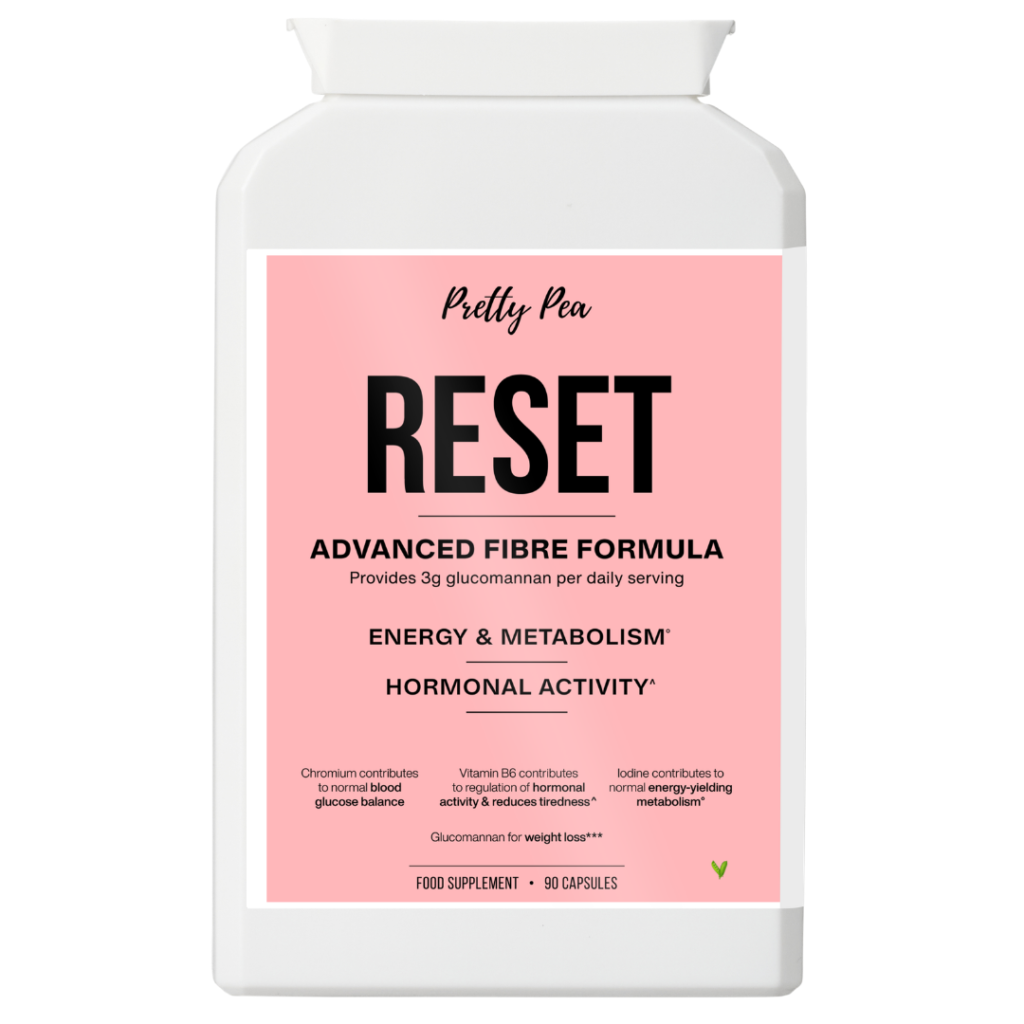
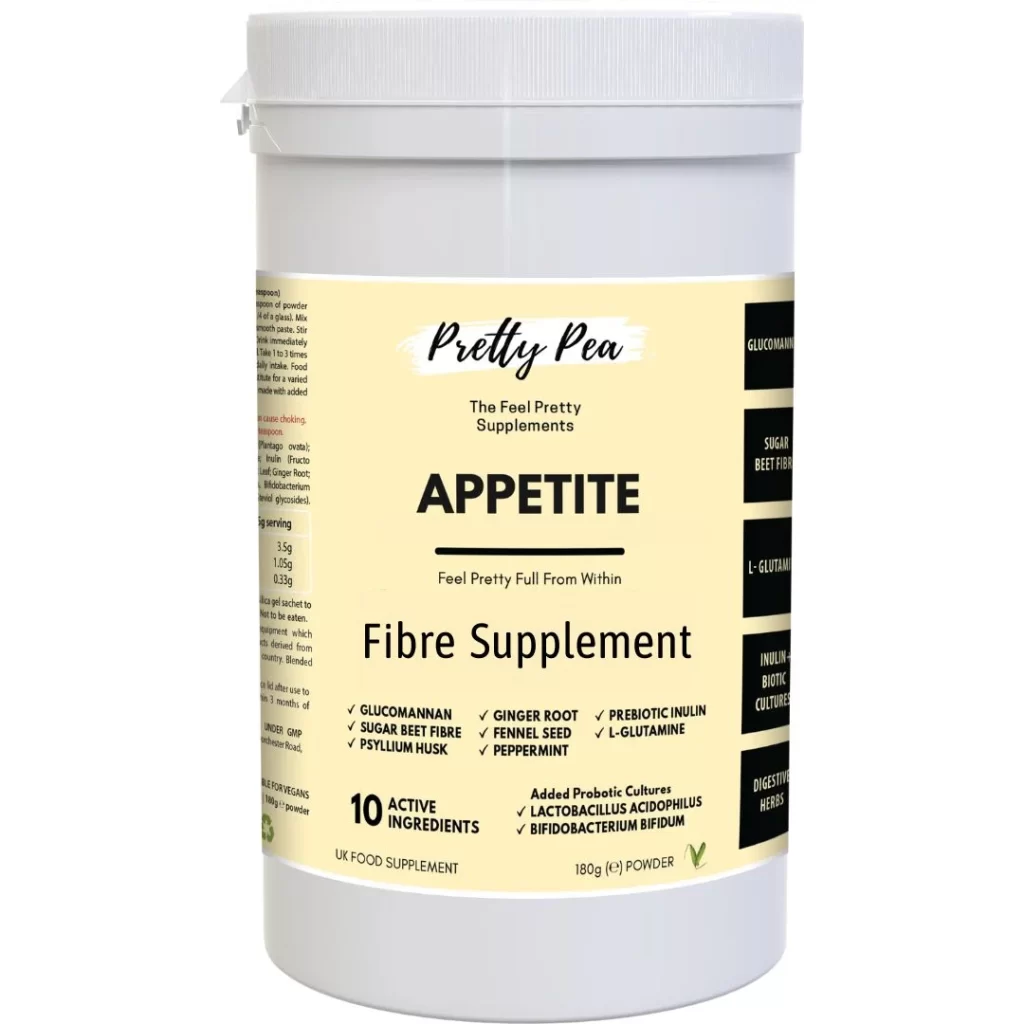
Glucomannan Reset | Fibre Supplement
Glucomannan fibre supplement | Formulated to support fullness, digestive health, energy and daily wellbeing.
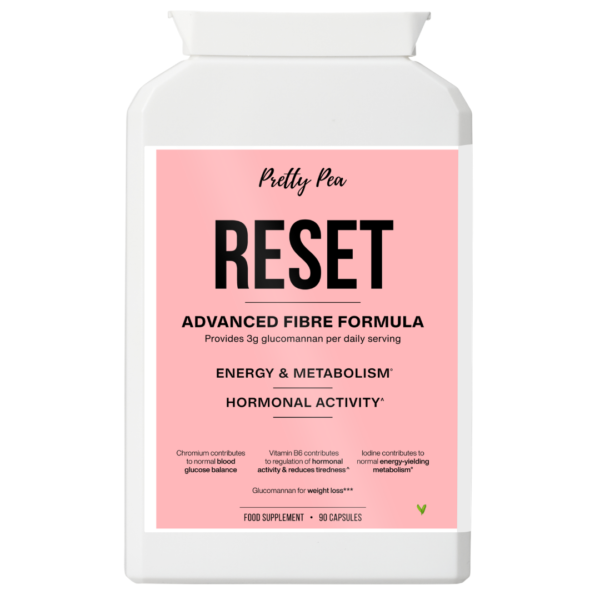
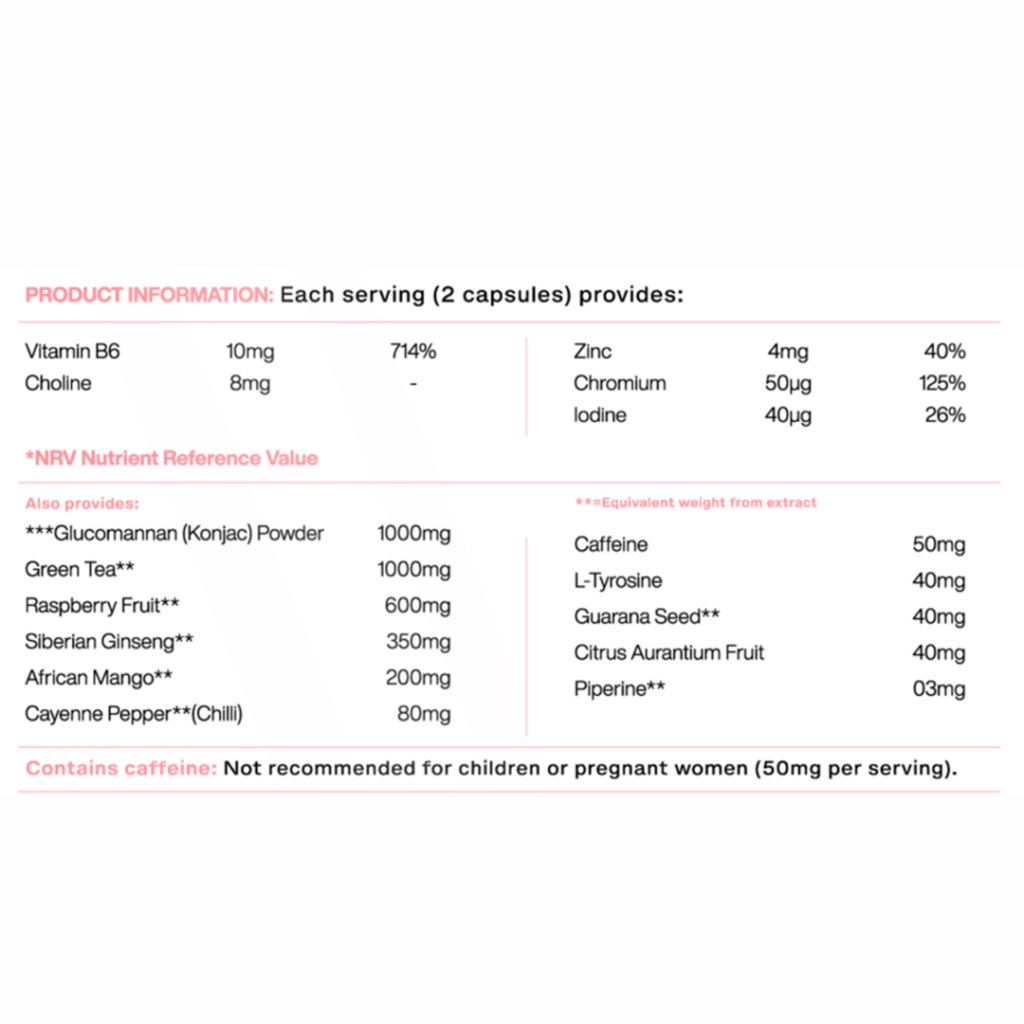
Each full daily serving delivers 3g of glucomannan, a soluble fibre derived from konjac root that expands in the stomach to help promote fullness.
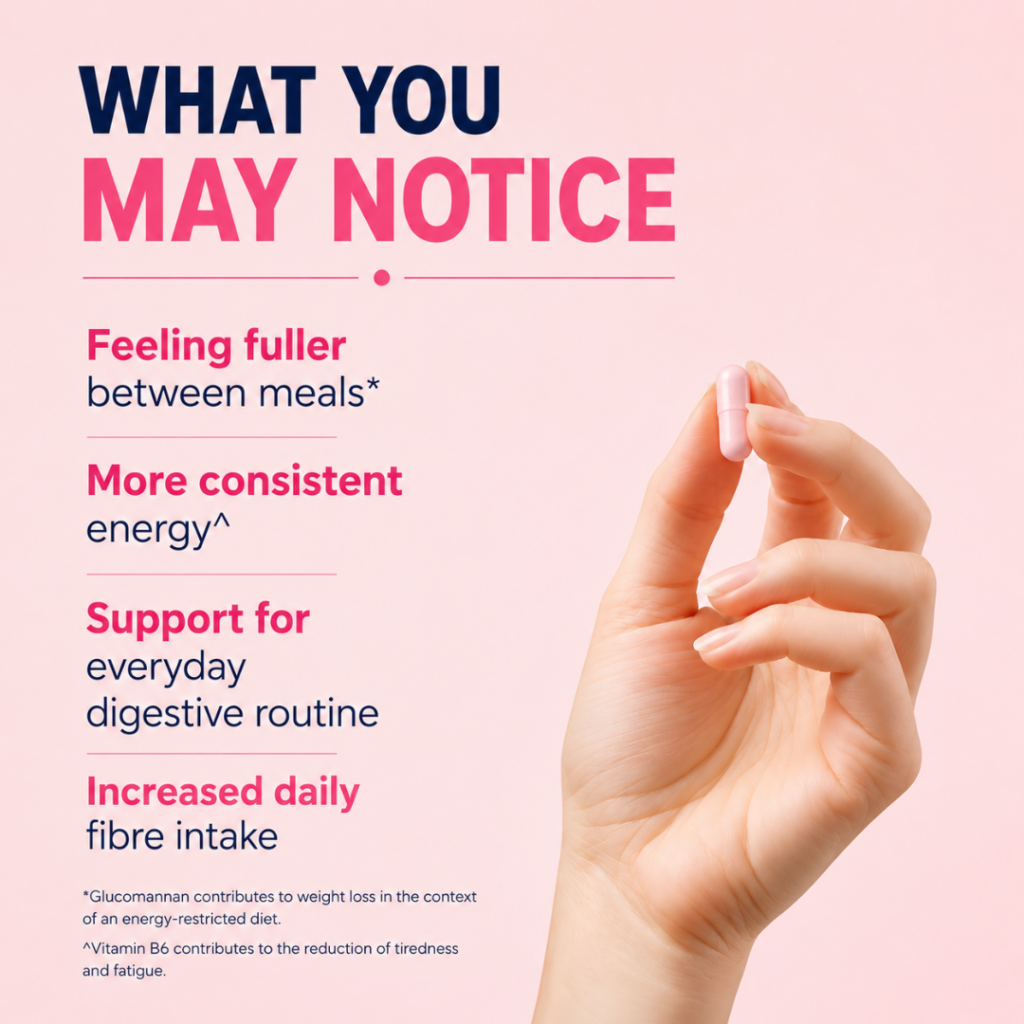
Fibre & fullness
Glucomannan is one of the few fibres with an authorised UK/EU health claim for weight loss. Consuming 3 g daily, divided into three 1 g doses before meals, contributes to weight loss as part of an energy-restricted diet.
Sleep May Be Affecting Your Waistline
Sleep is often overlooked when discussing weight loss.
Poor sleep can influence:
- hunger hormones
- food cravings
- energy levels
- exercise performance
- food choices the following day
Many women experience disrupted sleep during menopause because of hot flushes, night sweats or hormonal changes.
Improving sleep won’t magically cause weight loss, but it can make healthy eating and regular exercise much easier to maintain.
Stress Matters Too
Menopause often coincides with one of the busiest stages of life.
Many women are balancing careers, ageing parents, teenagers, financial pressures and disrupted sleep—all while navigating significant hormonal changes.
Chronic stress doesn’t stop fat loss on its own, but it can influence:
- appetite
- food choices
- sleep quality
- motivation to exercise
- recovery from training
Reducing stress where possible supports overall health and makes healthy habits easier to maintain.
Focus on Metabolic Health, Not Just the Scales
The scales only measure body weight.
They cannot tell you:
- how much muscle you’ve built
- whether you’ve improved your fitness
- whether your blood sugar control has improved
- whether your cholesterol has improved
- whether you’ve become stronger
Sometimes the healthiest changes happen long before dramatic weight loss appears.
That’s why success should never be measured by the scales alone.
Common Menopause Weight Loss Mistakes
| Instead of… | Try… |
|---|---|
| Eating as little as possible | Eating enough protein and nutrient-rich foods |
| Hours of cardio only | Combining walking with strength training |
| Skipping meals | Building balanced meals |
| Avoiding all carbohydrates | Choosing fibre-rich whole foods |
| Chasing quick fixes | Building sustainable habits |
| Obsessing over the scales | Tracking strength, energy and waist measurements |
A Better Menopause Weight Loss Formula
Rather than asking your body to survive on less, help it become healthier.
A simple framework looks like this:
✓ Prioritise protein
✓ Eat more fibre
✓ Lift weights regularly
✓ Walk most days
✓ Sleep as well as possible
✓ Manage stress
✓ Stay consistent
Small habits repeated over months are far more powerful than extreme diets followed for weeks.
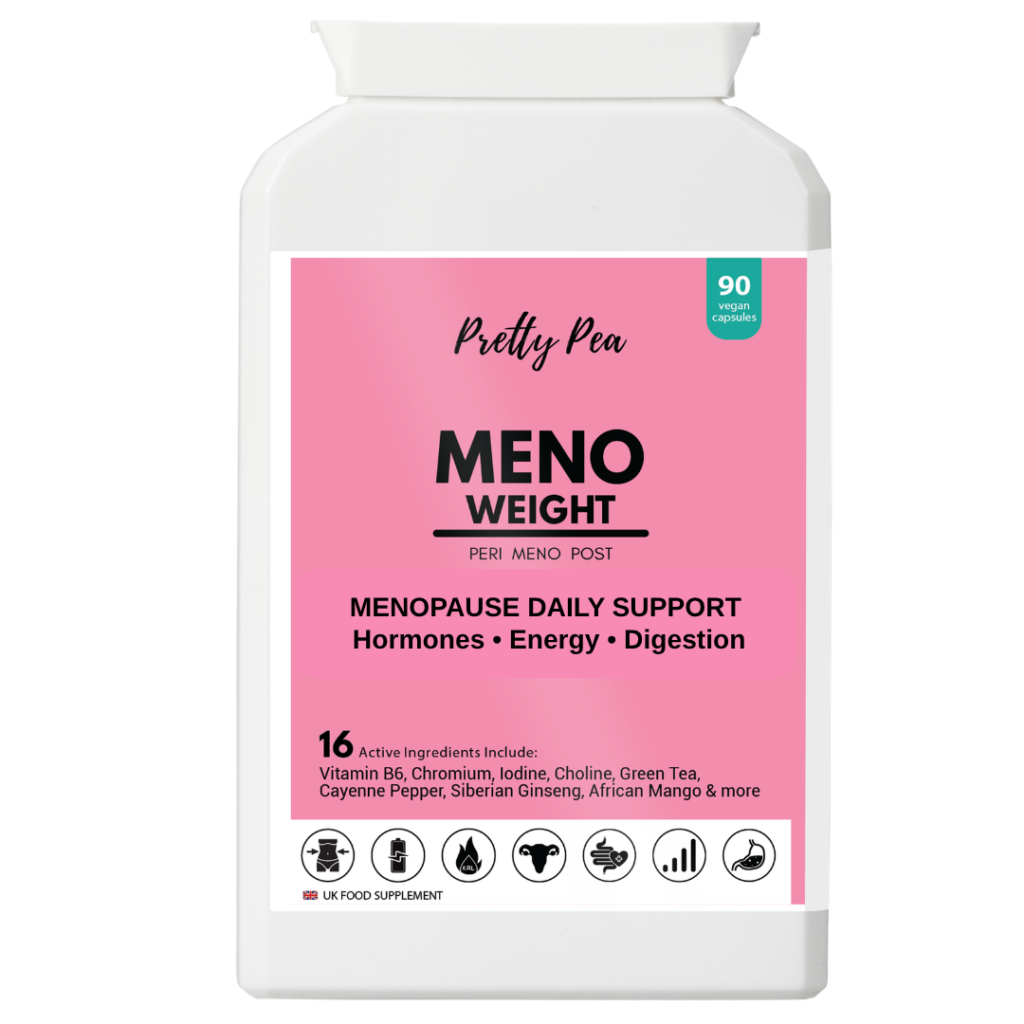
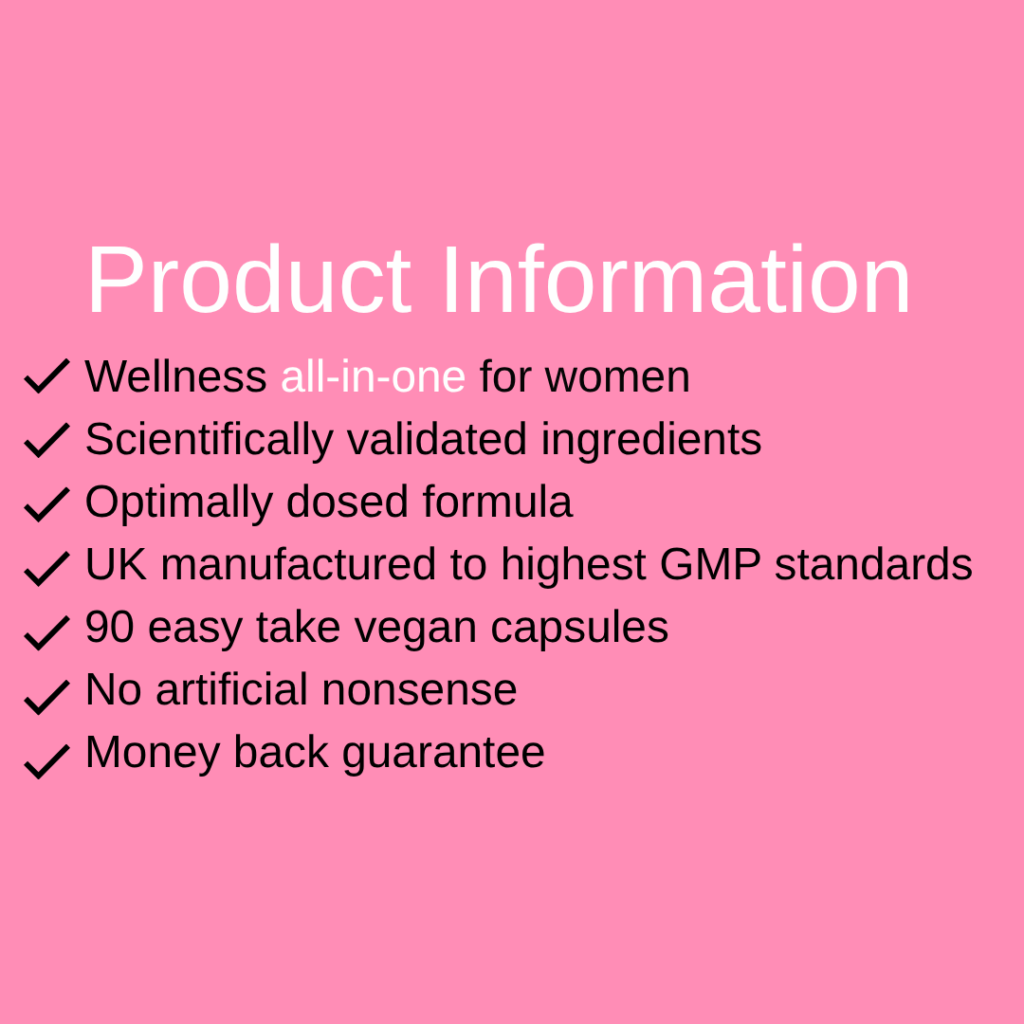
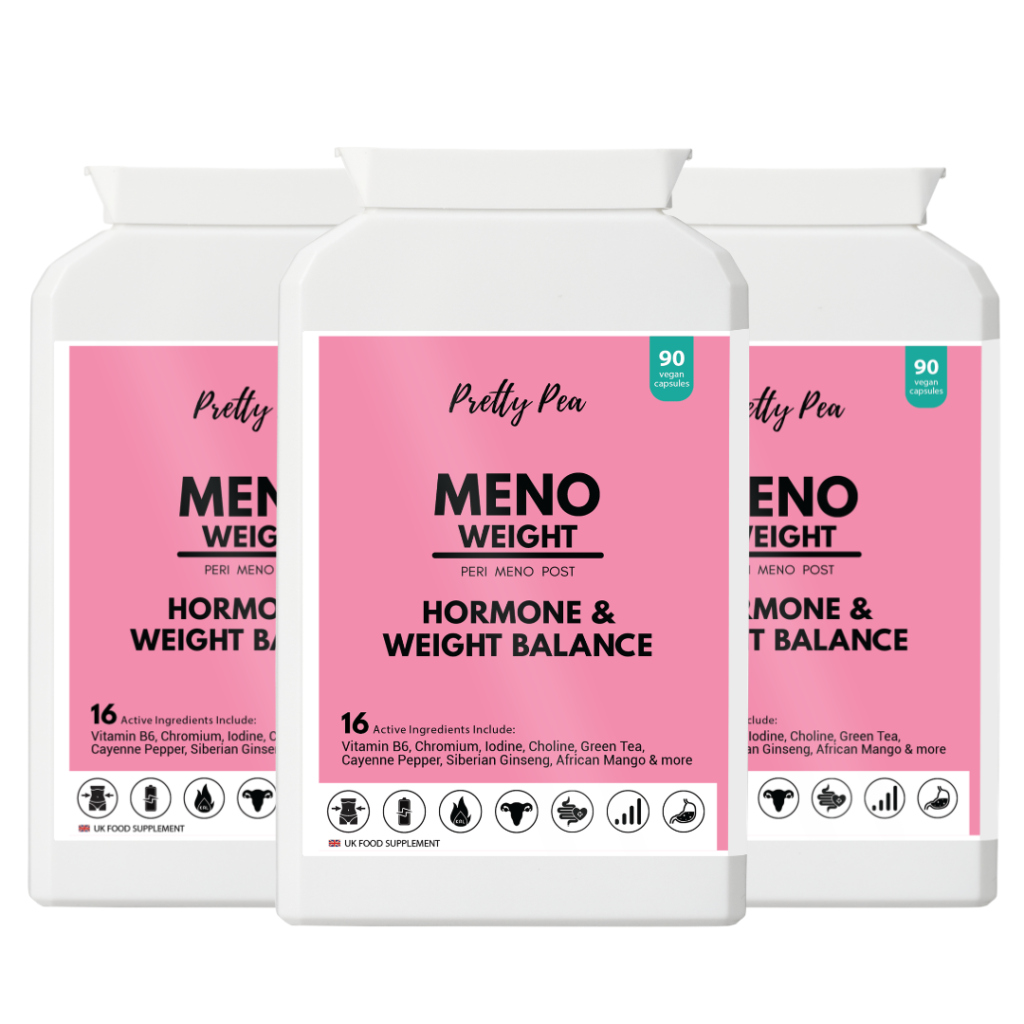
If you’re looking for an easy way to add more soluble fibre to your diet, Meno Weight Capsules contain glucomannan, a highly viscous soluble fibre, alongside carefully selected ingredients to complement a healthy lifestyle.
Menopause Supplement UK – Women’s Nutritional Support with Vitamins, Fibre & Botanicals
A Day of Eating for Menopause Weight Management
Breakfast
Greek yoghurt
Berries
Chia seeds
Oats
≈ 30 g protein
≈ 10 g fibre
Lunch
Chicken salad
Mixed beans
Olive oil
Wholegrain wrap
≈ 35 g protein
≈ 12 g fibre
Snack
Apple
Handful of almonds
≈ 6 g protein
≈ 6 g fibre
Dinner
Salmon
Roasted vegetables
Quinoa
≈ 35 g protein
≈ 9 g fibre
Daily total
✔ around 100 g protein
✔ around 35 g fibre
You could add
This is simply an example—not a meal plan. Individual requirements vary.
Don’t Lose Weight to Get Healthy—Get Healthy to Lose Weight
For years we’ve been told that health comes after weight loss.
In reality, the relationship often works the other way around.
When you support your muscles, nourish your body with protein and fibre, prioritise sleep, manage stress and stay active, you’re creating the conditions that allow your metabolism to function at its best.
That doesn’t guarantee rapid weight loss—and no honest health professional should promise that.
But it gives your body the best chance of losing fat while preserving the muscle that keeps you strong, mobile and healthy as you age.
Instead of punishing your body into becoming smaller, focus on helping it become healthier.
Because the goal isn’t simply to lose weight.
It’s to build a healthier body that can support you through menopause and for many years beyond.
Key Takeaways
- Menopause changes how your body regulates fat, muscle and energy.
- Extreme dieting often makes it harder to preserve muscle and meet your nutritional needs.
- Strength training, protein and fibre become increasingly important after 40.
- Sleep and stress influence the habits that support successful weight management.
- Sustainable weight loss starts with improving your overall health—not simply eating less.
Healthy weight loss during menopause isn’t about fighting your body.
It’s about understanding how it has changed and working with it rather than against it.
Latest Products
-
Menopause Supplement UK – Women’s Nutritional Support with Vitamins, Fibre & Botanicals
Original price was: £25.00.£19.99Current price is: £19.99. -
Menopause Supplement Bundle 3 for 2 Offer
Original price was: £77.97.£50.00Current price is: £50.00. -

-

-
-
Ashwagandha Supplement plus B Vitamins
Original price was: £25.00.£19.99Current price is: £19.99.
FAQ – Why can’t I lose weight during menopause?
Why can’t I lose weight during menopause?
Because menopause affects hormones that influence muscle mass, fat distribution, appetite, sleep and insulin sensitivity. Weight loss is still possible, but many women benefit from focusing on preserving muscle, eating enough protein and increasing fibre rather than simply cutting calories.
Does menopause slow your metabolism?
Metabolism generally slows gradually with age, largely because muscle mass naturally declines. Hormonal changes during menopause can accelerate muscle loss, making it even more important to stay active and consume enough protein.
What is the best exercise for menopause weight loss?
A combination of resistance training and regular cardiovascular exercise is ideal. Strength training helps preserve muscle, while walking, cycling or swimming support cardiovascular health and energy expenditure.
How much protein should women over 50 eat?
Many experts recommend a higher protein intake than the minimum recommended amount, particularly during weight loss or regular resistance training. Individual needs depend on age, body weight and activity levels
Does fibre help with menopause weight loss?
Increasing fibre intake can help improve fullness, support digestive health and contribute to a healthy diet. Certain fibres, such as glucomannan, have authorised health claims relating to weight loss when consumed at the required daily amount as part of an energy-restricted diet.
Can I lose belly fat after menopause?
Yes. Fat cannot be lost from one specific area, but overall body fat can be reduced through sustainable nutrition, regular activity and preserving muscle mass.
Is walking enough?
Walking is excellent for overall health, but combining it with resistance training generally provides greater benefits for preserving muscle.
Should I stop eating carbohydrates?
No. Wholegrain carbohydrates provide fibre, vitamins and minerals and can form part of a healthy menopause diet.
Does stress stop weight loss?
Stress doesn’t automatically prevent fat loss, but it can affect sleep, appetite, food choices and exercise habits, making weight management more challenging.
Is lifting weights safe after menopause?
For most women, yes. Resistance training is one of the most effective ways to maintain muscle and bone health as you age. If you’re new to exercise or have medical conditions, seek personalised advice before starting.
Further reading:
The 100 Symptoms of Perimenopause
Weird Perimenopause Symptoms: 25 Unusual Signs You Didn’t Expect
Early Signs of Perimenopause in Your 40s: What to Look For
Hormone Imbalance in Women: Causes, Symptoms & How Hormones Work
Best Menopause Supplements UK (2026): What to Look For + Evidence-Based Comparison Guide
The Menopause Diet 5 Day Plan to Lose Weight
Why Fibre Could Be the Secret to a Better Menopause
How To Lose Weight During Menopause – Sources
- El Khoury D, et al. Lean mass loss during weight loss in adults with and without type 2 diabetes: a systematic review and meta-analysis. The American Journal of Clinical Nutrition. 2024.
https://doi.org/10.1016/j.ajcnut.2024.09.010 - Stokes T, Hector AJ, Morton RW, McGlory C, Phillips SM. Recent perspectives regarding the role of dietary protein for the promotion of muscle hypertrophy with resistance exercise training. Nutrients. 2018;10(2):180.
https://doi.org/10.3390/nu10020180 - Bauer J, Biolo G, Cederholm T, et al. Evidence-based recommendations for optimal dietary protein intake in older people. Journal of the American Medical Directors Association. 2013;14(8):542–559.
https://doi.org/10.1016/j.jamda.2013.05.021 - European Society for Clinical Nutrition and Metabolism. ESPEN guideline on clinical nutrition and hydration in geriatrics. Clinical Nutrition. 2022.
https://doi.org/10.1016/j.clnu.2022.01.024 - European Menopause and Andropause Society. EMAS Clinical Guide: Menopause and Lifestyle. Maturitas. 2023.
- North American Menopause Society. The 2022 Hormone Therapy Position Statement of The North American Menopause Society. Menopause. 2022.
- Dent JR, et al. Lean mass losses during obesity treatment are not inevitable: current evidence and strategies for preservation. BMJ Open Sport & Exercise Medicine. 2025.
- Morton RW, Murphy KT, McKellar SR, et al. A systematic review, meta-analysis and meta-regression of protein supplementation on resistance training-induced gains in muscle mass and strength. British Journal of Sports Medicine. 2018;52(6):376–384.
https://doi.org/10.1136/bjsports-2017-097608 - Phillips SM, Fulgoni VL, Heaney RP, et al. Commonly consumed protein foods contribute to nutrient intake, diet quality and nutrient adequacy. American Journal of Clinical Nutrition. 2015.
- Reynolds A, Mann J, Cummings J, Winter N, Mete E, Te Morenga L. Carbohydrate quality and human health: a series of systematic reviews and meta-analyses. The Lancet. 2019;393(10170):434–445.
https://doi.org/10.1016/S0140-6736(18)31809-9 - European Food Safety Authority. Scientific Opinion on the substantiation of health claims related to glucomannan and weight loss. EFSA Journal. 2010;8(10):1798.
- European Commission. Authorised Health Claim: Glucomannan contributes to weight loss in the context of an energy-restricted diet. Commission Regulation (EU) No 432/2012.
- Westcott WL. Resistance training is medicine: effects of strength training on health. Current Sports Medicine Reports. 2012;11(4):209–216.
- Watson SL, Weeks BK, Weis LJ, et al. High-intensity resistance and impact training improves bone mineral density and physical function in postmenopausal women. Journal of Bone and Mineral Research. 2018.
- Zhang Y, et al. Natural GLP-1 Secretagogues: A Review of Dietary Compounds and Botanical Extracts That Modulate Endogenous GLP-1 Secretion. 2025.
- NHS. Healthy weight and menopause guidance.
- British Nutrition Foundation. Healthy eating and dietary fibre resources.
- World Health Organization. Healthy diet.