

If you’re wondering how to use psyllium husk, you’re not alone. Psyllium husk is one of the most popular fibre supplements in the UK, used to support digestive health, regular bowel movements, healthy cholesterol levels, blood sugar balance, and feelings of fullness.
But knowing how to use psyllium husk correctly is important. Taking the right amount, drinking enough water, and choosing the best time to take it can help you get the most from this soluble fibre.
Get your free 25 fibre fuelled Recipe Guide here
In this guide, you’ll learn how much psyllium husk to take, when to take it, expert recommendations, easy ways to add it to meals and drinks, and practical tips to avoid common mistakes.
Whether your goal is to improve digestive regularity, increase your daily fibre intake, support heart health, or feel fuller between meals, psyllium husk is a simple and versatile addition to a healthy diet.
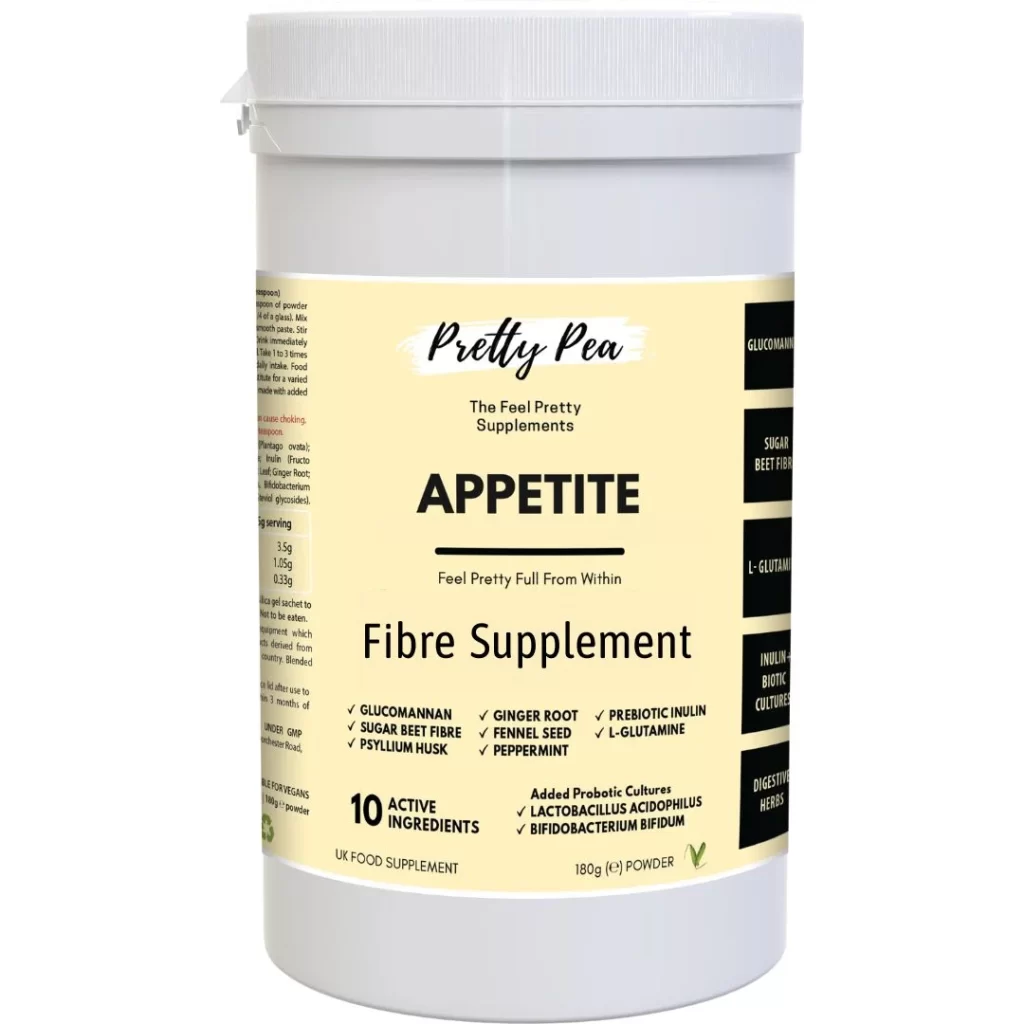
Want more than psyllium husk alone, Pretty Pea 4 Fibre supplement provides satiety, weight loss*, bowel support and more combining Psyllium Husk, Glucomannan, Sugar Beet fibre, prebiotic Inulin with live cultures and complementary Ginger, Peppermint and Fennel in one convenient, science-informed daily formula.
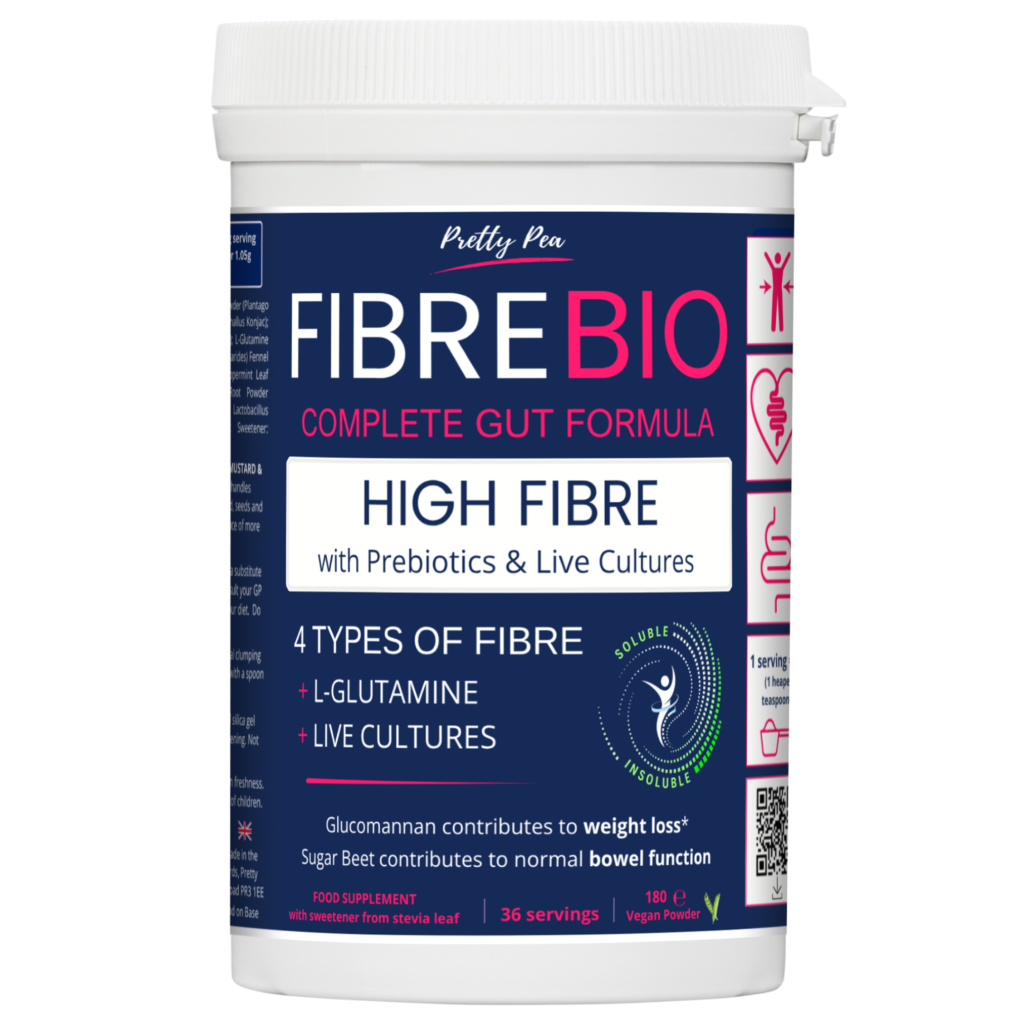
FIBREBIO Psyllium Husk Powder | High Fibre Supplement
Why FIBREBIO?
- High-fibre, diverse multi-fibre formula
- Psyllium husk + glucomannan
- Prebiotics + live cultures
- Sugar beet fibre contributes to an increase in faecal bulk*
- Glucomannan contributes to weight loss in the context of an energy-restricted diet*
- 36 servings | Vegan | UK made
The Nutritional Profile of Psyllium: Key Components and Benefits
Psyllium husk is high in natural soluble fibre made from the outer husks of the seeds of the Plantago ovata plant.
Psyllium husk is well known for its powerful benefits for digestive health, gut health, cholesterol management, blood sugar control, and weight management.
Psyllium is primarily made up of complex carbohydrates called polysaccharides, which are not fully digested or absorbed by the body. Psyllium contains insoluble fibre at a ratio of 7:3 soluble to insoluble, which adds bulk to stools to aid in the digestive process. 1
This allows psyllium husk to support digestive function and overall health without adding significant calories. One of the main health benefits of psyllium husk is its unique ability to absorb water and form a thick, gel-like substance in the digestive tract.
This soluble fibre helps soften stools, promote regular bowel movements, and support a healthy digestive system. As the gel moves through the gut, it may slow the absorption of sugar, helping to balance blood sugar levels after meals.
Because psyllium expands in the stomach when mixed with liquid, it can help increase feelings of fullness.
In addition, psyllium acts as a prebiotic fibre, helping to nourish beneficial gut bacteria and support a healthy gut microbiome, which plays an important role in digestion, immunity, and overall wellbeing.
Additionally, psyllium contains a small amount of protein and essential minerals such as potassium, calcium, and magnesium, which contribute to its overall nutritional value.
Recommended Psyllium Husk fibre blend powder
FIBREBIO Psyllium Husk Powder | High Fibre Supplement
Why FIBREBIO?
- High-fibre, diverse multi-fibre formula
- Psyllium husk + glucomannan
- Prebiotics + live cultures
- Sugar beet fibre contributes to an increase in faecal bulk*
- Glucomannan contributes to weight loss in the context of an energy-restricted diet*
- 36 servings | Vegan | UK made
Health Benefits of Psyllium Husk
Psyllium’s impact on digestive health is perhaps its most well-known benefit. By forming a gel-like substance when mixed with water, psyllium helps to soften stools and promote regular bowel movements.
This makes it popular for constipation and diarrhoea, as it can add bulk to loose stools while also making hard stools easier to pass. 2
Moreover, studies suggest psyllium may regulate bowel movements which may support irritable bowel syndrome (IBS) and other digestive disorders.3
Beyond its digestive benefits, psyllium has been shown to have a positive effect on cardiovascular health. Studies have demonstrated that regular consumption of psyllium may significantly reduce levels of LDL (bad) cholesterol, which is a major risk factor for heart disease. 4
How it works: Cholesterol is one of the main components of bile. The soluble fibre in psyllium forms a viscous gel that binds to bile salts in the digestive tract, and increases their extraction with stools, leading to a reduction of bile acid.
This process forces the liver to use more cholesterol to produce new bile acids, thereby lowering the amount of cholesterol circulating in the blood.
Psyllium also plays a crucial role in blood sugar management, making it particularly beneficial for individuals with diabetes or those at risk of developing the condition.
How it works: The soluble fibre in psyllium slows down the absorption of sugar in the digestive tract, leading to more stable blood sugar levels. 5
Additionally, the feeling of fullness provided by psyllium may help curb appetite. Studies have shown that gel-forming nonfermented psyllium fibre, dosed just before meals, to be effective in facilitating weight loss in overweight and obese participants.6
How much to take: A review of studies 7 found that psyllium, dosed just before meals, 10.8g/day for 4.8 months) was effective for decreasing body weight by 2.1kg, BMI by 0.8kg, waist circumference 2.2cm in overweight and obese populations.
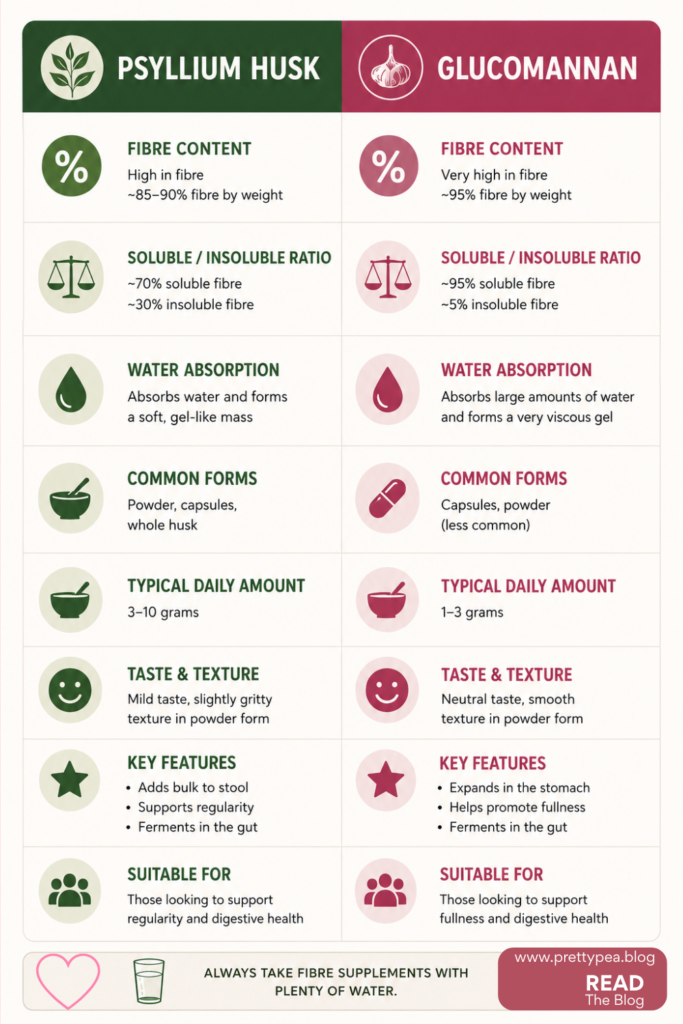
If psyllium husk isn’t right for you, Glucomannan fibre is another soluble fibre, that can be another simple way to increase your satiety intake, daily fibre intake and support digestive wellbeing (see comparison table below). Glucomannan is the key ingredient in Pretty Pea RESET advanced Fibre capsules.
Your next read: Glucomannan for Weight Loss: Does It Work and How Does It Compare to Medications?
How To Use Psyllium Husk In Your Diet
Incorporating psyllium into your diet can be simple and versatile, thanks to its neutral taste and easy-to-use form.
One of the most common ways to consume psyllium is by mixing it with water or another liquid. To do this, simply stir a teaspoon of psyllium husk powder into a glass of water, juice, or smoothie, and drink it immediately before it thickens.
This method ensures that you receive the full benefits of psyllium’s soluble fibre, making it an excellent addition to your daily routine.
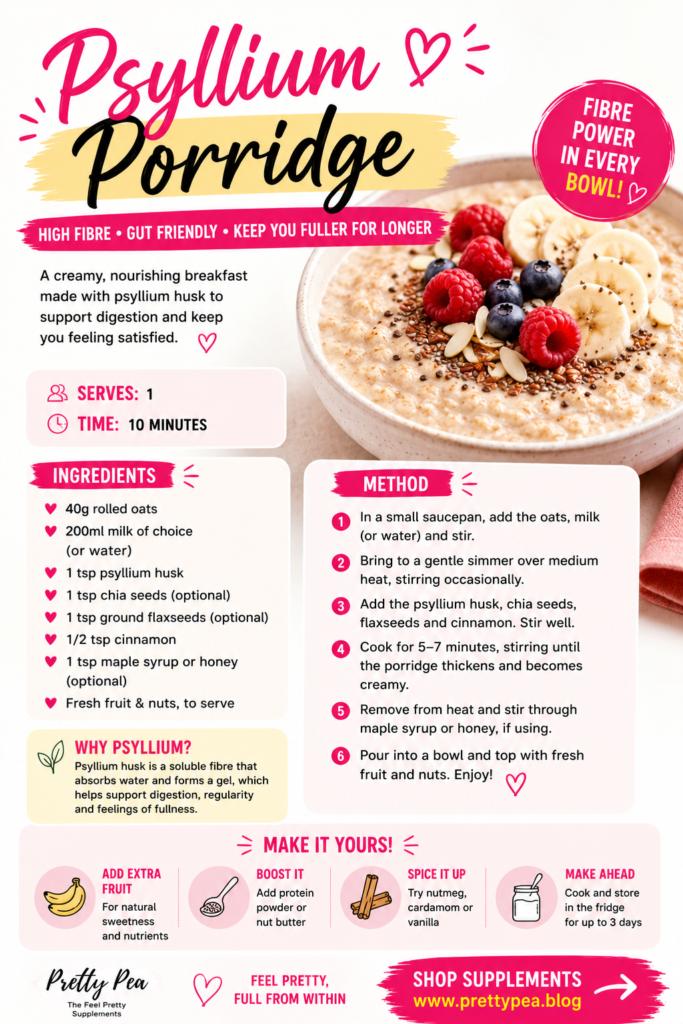
Psyllium can also be added to a variety of foods to boost their fibre content. For example, you can sprinkle psyllium husk powder over your morning cereal or yogurt, or mix it into your oatmeal or porridge.
When using psyllium husk in baking, it is important to remember that it absorbs a significant amount of liquid, so you may need to adjust the liquid ingredients in your recipes accordingly.
Additionally, psyllium can be incorporated into baked goods such as bread, muffins, and pancakes. For more inspiration get your free recipe guide below.
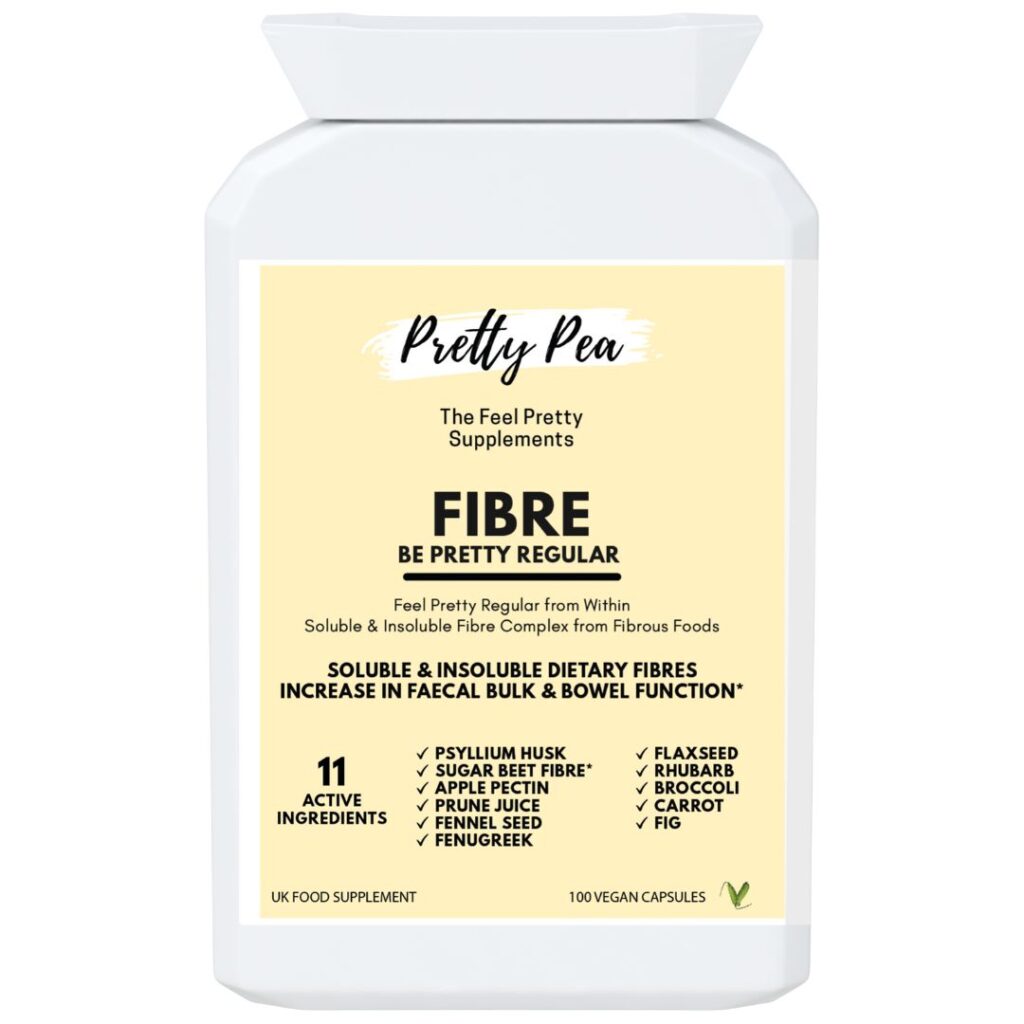
Prefer a multi-fibre capsule approach? Discover our soluble and insoluble Fibre capsules from high fibrous foods including psyllium husk, sugar beet fibre, apple pectin, prune juice, flaxseed, rhubarb, fig, fenugreek, fennel seed and more developed to support your daily fibre intake.
How to Use Psyllium Husk: Recommended Dosage
The recommended dosage of how to use psyllium husk in your diet can vary depending on the specific health goal you are targeting.
If you are new to psyllium, start with a lower dose and increase gradually as tolerated. If you have a medical condition or take prescription medications, speak with your healthcare provider before using psyllium supplements.
Psyllium absorbs water and expands into a gel-like fibre. For this reason, it should always be taken with a full glass of water and followed by adequate fluid intake throughout the day.
Digestive Health and Regularity
A common starting dose is 5–10 grams per day, taken with plenty of water. Many people find it easiest to split this into two smaller servings taken throughout the day.
Increasing fibre intake too quickly may cause temporary bloating or digestive discomfort, so it is best to build up gradually.
Cholesterol Support
Research suggests that doses of 10–20 grams per day may help support healthy cholesterol levels when taken consistently as part of a healthy diet. 8
Blood Sugar Management
Studies have shown that taking 5–15 grams daily before meals may help slow the absorption of carbohydrates, supporting more stable blood sugar levels. This should not replace any medication or treatment advised by your healthcare professional.
Fullness and Weight Management
When it comes to filling up on fibre, the effects of satiety and appetite have been studied at various doses.
Several studies have found that taking psyllium before meals may increase feelings of fullness and reduce hunger. Research has used doses ranging from approximately 7–10 grams daily, often divided before meals.⁹⁻¹²
Satiety Study 1
A study 9 investigating the satiety effects of psyllium in healthy individuals found that doses of psyllium 6.8 g and 10.2 g taken before breakfast, lunch, and dinner for 3 consecutive days reduced hunger and desire to eat, and increased fullness between meals.
Satiety Study 2
Other studies 10 have also confirmed the efficacy of psyllium for increasing satiety/decreasing hunger. After dosing with7.4 g/d, it was found that post meal, hunger feelings and energy intake were significantly lower with psyllium compared to the placebo.
Satiety Study 3
A 12-week study of 51 patients with type 2 diabetes and chronic constipation also compared the effects of psyllium (taking 10 g/d, divided doses before meals) on weight. The study found that psyllium significantly reduced body weight by 2.0 kg versus placebo.
Satiety Study 4
Other studies 11 showed that psyllium, dosed just before meals (average dose 10.8 g/day, average duration 4.8 months), was effective for decreasing body weight by 2.1 kg, BMI -0.8 kg/m 2, and waist circumference -2.2 cm in overweight and obese populations.
Satiety Study 5
A study investigating the satiety effects of psyllium in healthy individuals found that doses of psyllium 6.8 g and 10.2 g taken before breakfast, lunch, and dinner for 3 consecutive days reduced hunger and desire to eat, and increased fullness between meals. 12
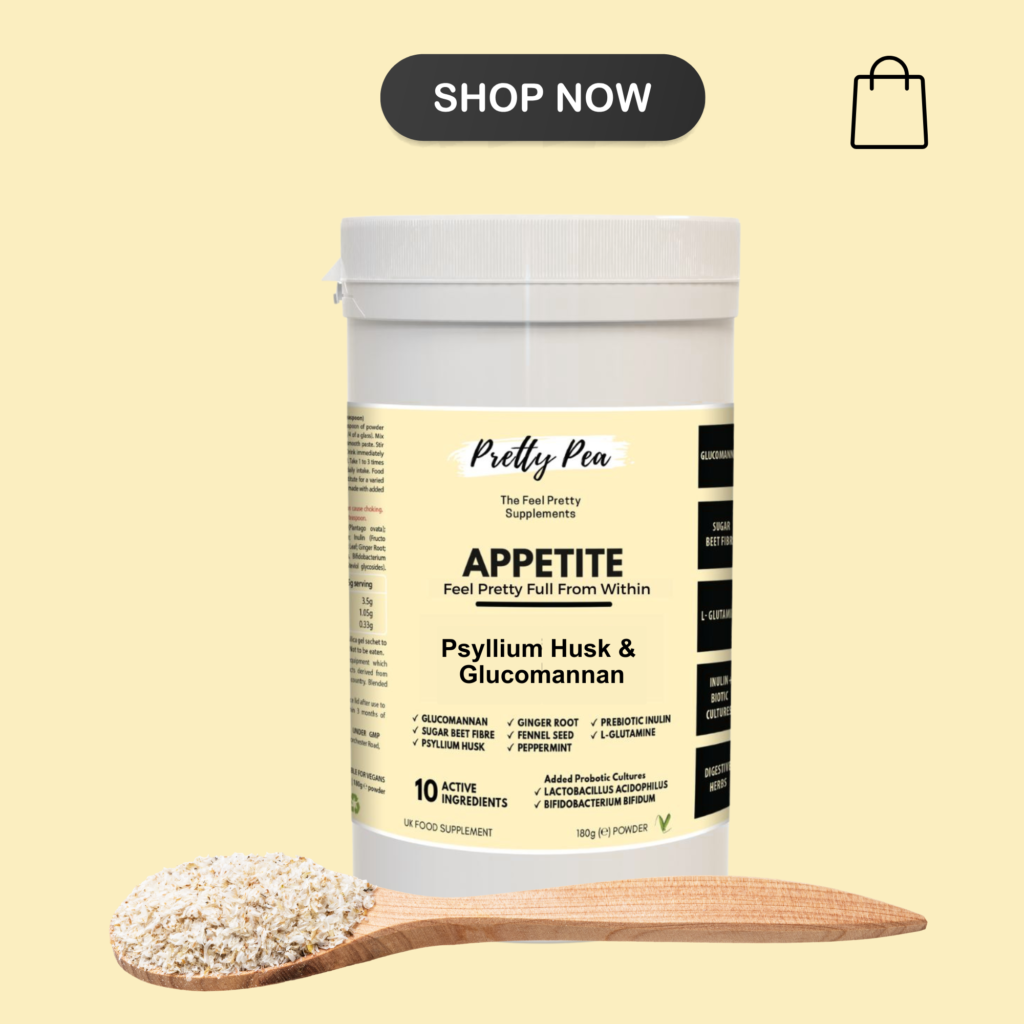
Further reading: GLP-1 Foods: The Ultimate List for Appetite Control, Fat Loss & Blood Sugar
More here on Psyllium Husk benefits and the full fibre comparisons
Psyllium Husk Recipes
Psyllium is easy to incorporate into everyday meals:
- Smoothies: Add 1 teaspoon to smoothies for extra fibre and a thicker texture.
- Gluten-free baking: Helps improve the structure of breads, muffins and pancakes.
- Soups and sauces: Stir in a small amount near the end of cooking to naturally thicken dishes.
- Fibre puddings: Mix with milk or a dairy-free alternative and allow to thicken before serving.
Never be stuck for ideas, get your free fibre fuelled Recipe Guide:
The Biggest Psyllium Husk Mistakes
- Not drinking enough water – Psyllium absorbs water and forms a gel-like substance in the digestive tract. Without adequate fluid intake, it may not work as intended and can cause digestive discomfort.
- Starting with too much – Jumping straight to a large dose can increase the likelihood of bloating, gas or digestive upset. It’s usually best to increase intake gradually.
- Increasing too quickly – Your digestive system needs time to adapt to a higher fibre intake. A gradual increase is often more comfortable than making a dramatic change overnight.
- Taking it inconsistently – Occasional use is unlikely to provide the same benefits as making psyllium part of a regular daily routine.
- Expecting immediate results – While some people notice changes quickly, consistency over days and weeks is often more important than what happens after a single serving.
- Ignoring your overall fibre intake – Psyllium can help increase fibre consumption, but it works best as part of a balanced diet that includes a variety of fibre-rich foods.
Top tip: For best results, take psyllium with plenty of water, start slowly and give your body time to adjust.
Potential Side Effects When Using Psyllium
While psyllium is generally considered safe and well tolerated by most people (at 10.5g, 52 weeks)13, it is important to be aware of potential side effects and take necessary precautions.
One of the most common side effects of psyllium is gastrointestinal discomfort, which can include bloating, gas, and cramping. These symptoms are often temporary and may subside as your body adjusts to the increased fibre intake.
To minimize these effects, it is recommended to start with a lower dose of psyllium and gradually increase it while ensuring adequate hydration. It should be noted, however, that not all experts agree that psyllium causes excess gas.14 15
In rare cases, psyllium can cause allergic reactions, which may manifest as skin rashes, itching, or difficulty breathing.16 If you experience any of these symptoms, it is important to discontinue use and seek medical attention immediately.
Additionally, psyllium can interact with certain medications, including those for diabetes, high blood pressure, and cholesterol. It is important to consult with a healthcare provider before starting psyllium if you are taking any medications or have underlying health conditions.
Another precaution to consider is the risk of choking or blockages in the digestive tract if psyllium is not taken with enough water. Psyllium absorbs a significant amount of liquid and expands, so it is essential to drink plenty of water when consuming it.
This helps ensure that psyllium moves smoothly through the digestive system and prevents it from causing any obstructions.
Psyllium vs Other Fibre Supplements
Psyllium is one of several fibre supplements available, but its unique ability to absorb water and form a gel sets it apart.
Glucomannan vs Psyllium Husk: What’s the Difference?
Glucomannan and psyllium husk are two of the best-known soluble fibres, but although they share some similarities, they behave quite differently in the digestive system.
Both absorb water and form a gel when mixed with liquid, helping to slow the movement of food through the digestive tract and support feelings of fullness.
However, glucomannan is significantly more viscous than psyllium. It has one of the highest water-binding capacities of any natural dietary fibre, with the ability to absorb up to around 50 times its own weight in water, whereas psyllium typically absorbs around 10–15 times its weight. This means much less glucomannan is needed to produce a thick gel.
Psyllium husk, derived from the seeds of Plantago ovata, contains both soluble and insoluble fibre. The soluble portion forms a viscous gel, while the insoluble fibre helps add bulk to stool, making psyllium particularly well known for supporting bowel regularity.
Glucomannan, extracted from the root of the konjac plant (Amorphophallus konjac), is almost entirely soluble fibre. Because it forms such a highly viscous gel, it has been extensively studied for its effects on fullness and is the only fibre with an authorised European health claim stating that it contributes to weight loss in the context of an energy-restricted diet when consumed at 3 g per day in three 1 g doses before meals with 1–2 glasses of water.
Both fibres also act as fermentable fibres, meaning they can be utilised by beneficial gut bacteria in the colon. During fermentation they produce short-chain fatty acids (SCFAs), compounds that help nourish the cells lining the colon and contribute to a healthy gut environment.
Glucomannan vs Psyllium at a Glance
| Feature | Glucomannan | Psyllium Husk |
|---|---|---|
| Source | Konjac root (Amorphophallus konjac) | Plantago ovata seed husks |
| Fibre type | Almost entirely soluble fibre | Mixture of soluble and insoluble fibre |
| Water absorption | Up to ~50× its weight | Around 10–15× its weight |
| Gel formation | Extremely thick, highly viscous gel | Thick viscous gel |
| Best known for | Fullness and authorised weight-loss claim* | Bowel regularity and stool bulk |
| Fermentable by gut bacteria | Yes | Yes (partially) |
| Supports bowel regularity | Yes | Yes |
| Typical use | Capsules, powders, noodles, food thickener | Powders, capsules, cereals, baking |
Psyllium vs Methylcellulose
Like psyllium, methylcellulose is a soluble fibre that can help support regular bowel movements. However, methylcellulose is not fermented by gut bacteria, making it less likely to cause gas. Unlike psyllium, it does not provide meaningful prebiotic benefits for the gut microbiome.
Psyllium vs Inulin
Inulin is a prebiotic fibre found naturally in chicory root and other plants. While it helps feed beneficial gut bacteria, it does not form a gel and may cause more gas and bloating in some individuals. Psyllium is generally better tolerated and may be more effective for stool softening and bowel regularity.
Psyllium vs Chia and Flaxseeds
Chia and flaxseeds provide fibre alongside healthy fats and other nutrients. However, they can alter the texture of foods and typically require larger serving sizes. Psyllium offers a simple way to increase fibre intake with minimal impact on taste or texture.
Which Fibre Should You Choose?
The answer depends on your goals.
If your priority is supporting bowel regularity and increasing stool bulk, psyllium husk has an excellent evidence base and is widely used for digestive health.
If your goal is supporting fullness as part of a calorie-controlled diet, glucomannan’s exceptional ability to absorb water and form a highly viscous gel makes it a distinctive choice, and it is the only fibre currently carrying an authorised European weight-loss health claim.
That said, these fibres don’t have to compete. Because they work in slightly different ways, many comprehensive fibre supplements combine glucomannan, psyllium, prebiotic fibres such as inulin, and other complementary ingredients to provide broader digestive support than a single fibre alone.
FIBREBIO Psyllium Husk Powder | High Fibre Supplement
Why FIBREBIO?
- High-fibre, diverse multi-fibre formula
- Psyllium husk + glucomannan
- Prebiotics + live cultures
- Sugar beet fibre contributes to an increase in faecal bulk*
- Glucomannan contributes to weight loss in the context of an energy-restricted diet*
- 36 servings | Vegan | UK made
Not ready to buy yet, get your free Fibre Checklist Guide
Latest Products & Psyllium Husk FAQ
-
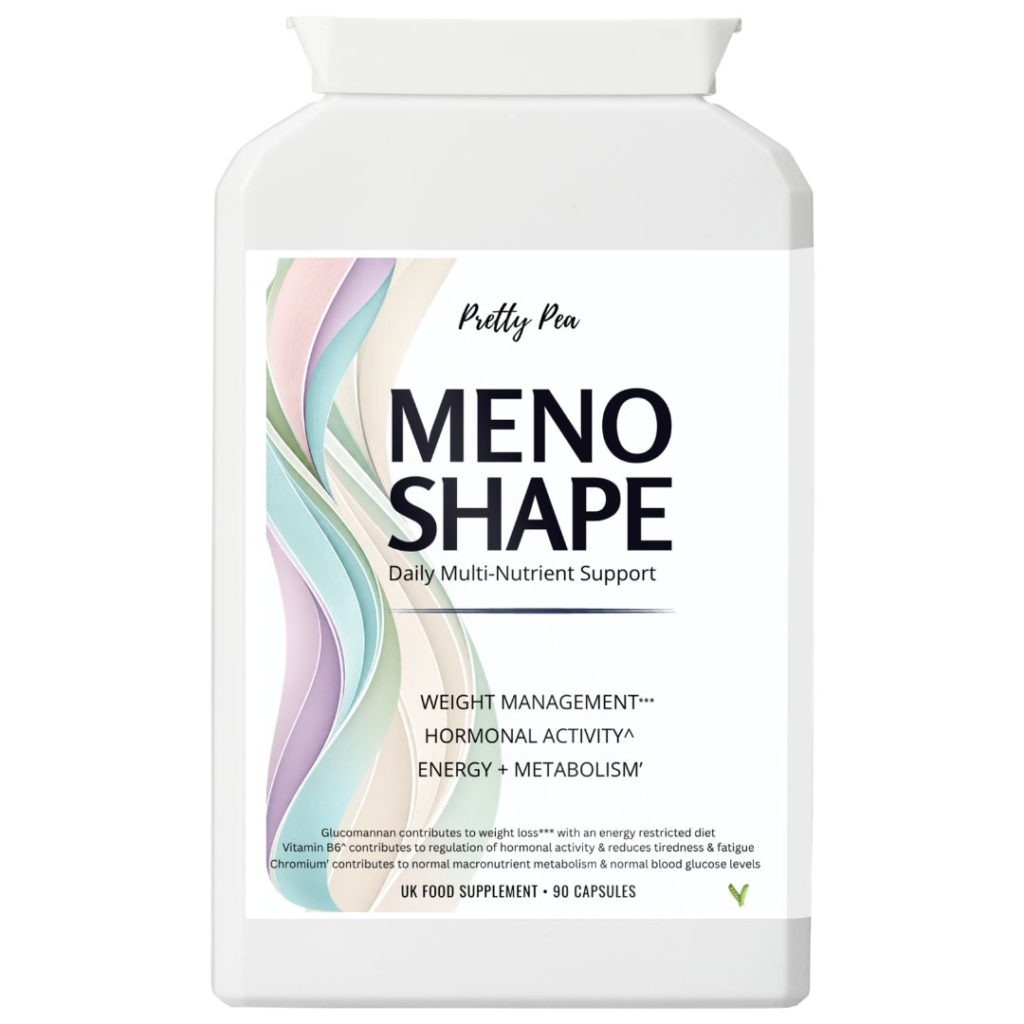
Menopause Supplement UK – Women’s Nutritional Support with Vitamins, Fibre & Botanicals
Original price was: £25.00.£19.99Current price is: £19.99. -
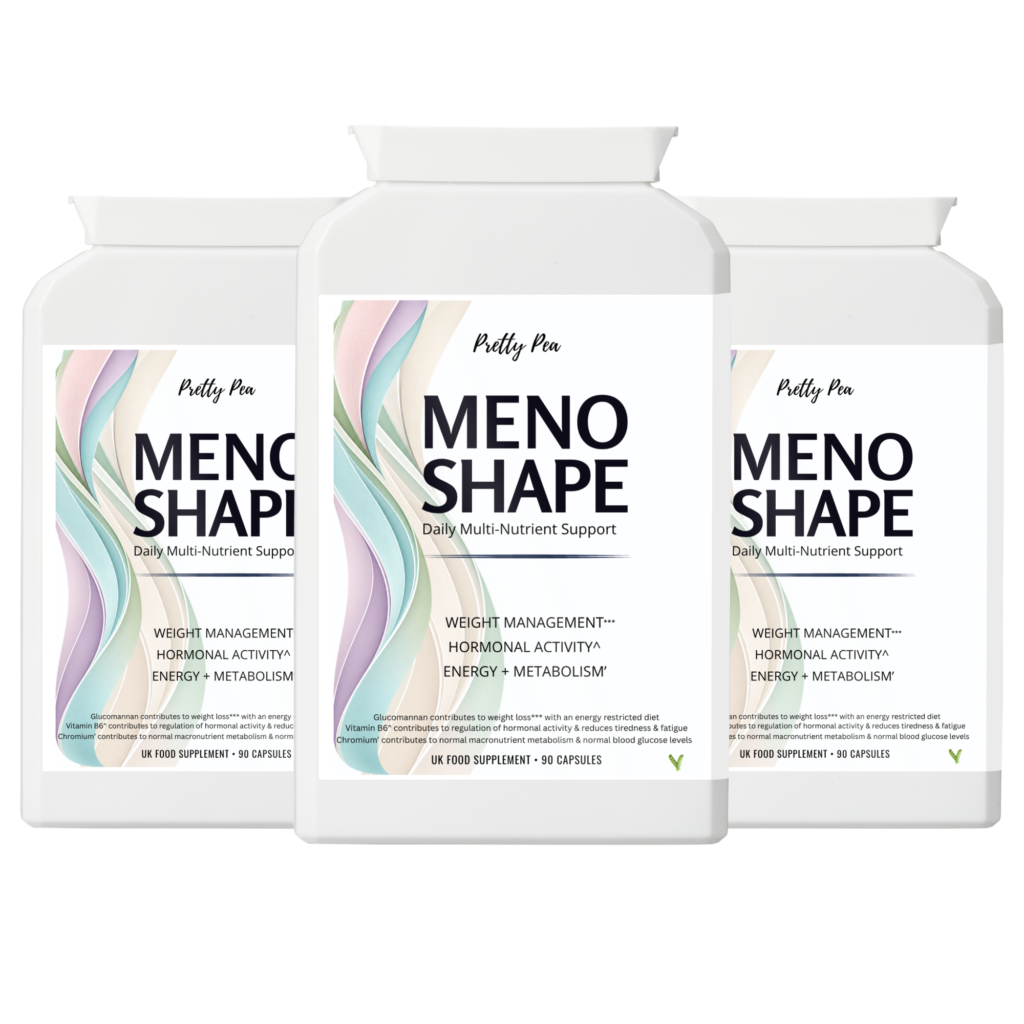
Menopause Supplement Bundle 3 for 2 Offer
Original price was: £77.97.£50.00Current price is: £50.00. -

-

-
-
Ashwagandha Supplement plus B Vitamins
Original price was: £25.00.£19.99Current price is: £19.99.
Frequently Asked Questions About Psyllium How to Use
What is psyllium and where does it come from?
Psyllium is a form of soluble fibre derived from the husks of the seeds of the Plantago ovata plant. It is primarily grown in India and has been used for centuries in traditional medicine for its digestive health benefits.
Psyllium is available in various forms, including husk, powder, capsules, and tablets.
How does psyllium benefit digestive health?
Psyllium benefits digestive health by absorbing water and forming a gel-like substance in the digestive tract. This helps to soften stools, promote regular bowel movements, and alleviate symptoms of constipation and diarrhoea.
Psyllium also acts as a prebiotic, nourishing beneficial gut bacteria and supporting a healthy microbiome.
Can psyllium help with weight loss?
Psyllium can aid in weight loss by promoting feelings of fullness and reducing appetite.
The soluble fibre in psyllium slows down digestion and helps control blood sugar levels, making it easier to manage cravings and maintain a healthy diet.
However, psyllium should be used as part of a balanced diet and healthy lifestyle for optimal results.
Are there any side effects of taking psyllium?
While psyllium is generally safe and well tolerated by most people, it can cause gastrointestinal discomfort, such as bloating, gas, and cramping, especially when first introduced to the diet and in large amounts.
These symptoms usually subside as the body adjusts to the increased fibre intake. It is important to drink plenty of water when taking psyllium to prevent blockages in the digestive tract.
Can psyllium interact with medications?
Psyllium can interact with certain medications, including those for diabetes, high blood pressure, and cholesterol. Psyllium may affect the absorption of some medications, so timing and dosage adjustments may be necessary.
It is important to consult with a healthcare provider before starting psyllium if you are taking any medications or have underlying health conditions.
How To Use Psyllium For a Healthier Lifestyle
Incorporating psyllium into your daily routine can have a profound impact on your overall health and well-being.
This versatile soluble fibre offers a wide range of benefits, from improving digestive health and regulating bowel movements to lowering cholesterol levels and stabilizing blood sugar.
Whether you choose to mix psyllium with water, add it to your favorite recipes, or take it as a supplement, the key is to find a method that works best for you and fits seamlessly into your lifestyle.
By staying mindful of recommended dosages and potential side effects, you can safely and effectively harness the power of psyllium to enhance your health.

You might also be interested in:
Hormone Imbalance in Women: Causes, Symptoms & How Hormones Work
Bloating Isn’t Just “Too Much Gas”: The Real Causes of Bloating (and What Actually Helps)
Understanding Visceral Fat: The Ultimate Belly Fat Guide – Pretty Pea
The Menopause Diet 5 Day Plan to Lose Weight
Why Fibre Could Be the Secret to a Better Menopause
The 100 Symptoms of Perimenopause
What Is Insulin Resistance? Signs, Causes & What Helps – Pretty Pea
9 Benefits of Fibre: Why It’s Essential for Gut Health, Weight and Wellbeing
What Is Glucomannan? Benefits, Uses & Side Effects
GLP-1 Foods: The Ultimate List for Appetite Control, Fat Loss & Blood Sugar
Best Fibre Supplements for Women | Complete UK Fibre Supplement Guide
References : How to Use Psyllium Husk
- The role and therapeutic effectiveness of Plantago ovata seed husk (psyllium husk) in the prevention and non-pharmacological treatment of gastrointestinal diseases. Part 1. Clinical use of psyllium husk in the treatment of irritable bowel syndrome, ulcerative colhttps://pubmed.ncbi.nlm.nih.gov/40620304/itis, and colorectal cancer – PubMed ↩︎
- The Effect of Psyllium Husk on Intestinal Microbiota in Constipated Patients and Healthy Controls – PubMed ↩︎
- The role and therapeutic effectiveness of Plantago ovata seed husk (psyllium husk) in the prevention and non-pharmacological treatment of gastrointestinal diseases. Part 1. Clinical use of psyllium husk in the treatment of irritable bowel syndrome, ulcerative colitis, and colorectal cancer – PubMed ↩︎
- Beneficial effects of psyllium on the prevention and treatment of cardiometabolic diseases – Food & Function (RSC Publishing) ↩︎
- Psyllium: a useful functional ingredient in food systems – PubMed ↩︎
- Psyllium is a natural nonfermented gel-forming fiber that is effective for weight loss: A comprehensive review and meta-analysis – PubMed ↩︎
- Psyllium is a natural nonfermented gel-forming fiber that is effective for weight loss: A comprehensive review and meta-analysis – PubMed ↩︎
- Beneficial effects of psyllium on the prevention and treatment of cardiometabolic diseases – Food & Function (RSC Publishing) ↩︎
- Beneficial effects of psyllium on the prevention and treatment of cardiometabolic diseases – Food & Function (RSC Publishing) ↩︎
- Psyllium is a natural nonfermented gel-forming fiber that is effective for weight loss: A comprehensive review and meta-analysis – PubMed ↩︎
- Psyllium is a natural nonfermented gel-forming fiber that is effective for weight loss: A comprehensive review and meta-analysis – PubMed ↩︎
- Beneficial effects of psyllium on the prevention and treatment of cardiometabolic diseases – Food & Function (RSC Publishing) ↩︎
- Beneficial effects of psyllium on the prevention and treatment of cardiometabolic diseases – Food & Function (RSC Publishing) ↩︎
- Psyllium is not fermented in the human gut – PubMed ↩︎
- Clinical data support that psyllium is not fermented in the gut – PubMed ↩︎
- Anaphylaxis following ingestion of a psyllium-containing cereal – PubMed ↩︎
