How to Increase Fibre Intake (30g a Day): A Simple, Science-Backed Guide for Women 30+
If you’ve ever tried to “eat healthier” and felt overwhelmed, fibre is one of the easiest — and most powerful — places to start.
I’ll be honest: for years, I thought I was eating well. Porridge for breakfast, salads here and there… but when I actually tracked my fibre intake, I was barely hitting half of the recommended amount.
And I’m not alone.
In the UK, most adults consume around 18g of fibre per day, well below the recommended 30g daily target set by UK health guidelines.
In this guide we cover:
Why Fibre Matters More Than You Think
Fibre isn’t just about digestion.
Research consistently shows that higher fibre intake is linked to:
- Improved gut health
- Reduced bloating and constipation
- Better blood sugar control
- Lower cholesterol levels
- Support for weight management
A major review published in The Lancet found that higher fibre intake is associated with:
“15–30% reduction in risk of cardiovascular-related mortality and disease”
“When comparing the lowest fibre intakes.., the greatest benefits were observed for individuals consuming 25–29 g per day“
Fibre also plays a critical role in gut health. Because it isn’t fully digested, it reaches the large intestine where it feeds beneficial gut bacteria — supporting digestion, metabolism, and even hormone balance.
Find out here why fibre could even be the key to a better menopause.
How Much Fibre Do You Actually Need?
According to UK recommendations:
- Adults should aim for 30g of fibre per day
- Most women consume closer to 18–22g on average
This gap is significant — and closing it can have meaningful health benefits.
Research suggests that even increasing intake to 25–29g per day is associated with measurable improvements in long-term health outcomes.
Evidence suggests additional benefits are also likely to accrue with even higher fibre intakes.
How to Increase Fibre Intake (What Actually Worked for Me)
When I consciously increased my fibre intake, I noticed:
- Less snacking (I felt fuller for longer)
- More stable energy (fewer afternoon crashes)
- Improved digestion within days
The biggest shift?
I found the best way to increase fibre intake wasn’t about eating perfectly — it was about making small, consistent upgrades.
How to Increase Fibre Intake (Without Overhauling Your Diet)
1. Start With Breakfast (The Easiest Win)
Most breakfasts are surprisingly low in fibre.
Simple upgrades:
- White toast → wholegrain or seeded bread
- Cereal → oats + chia seeds + berries
Examples:
- 1 tbsp chia seeds = ~5g fibre
- Berries = ~3–4g fibre
👉 A fibre-focused breakfast can provide 10g+ in one meal
2. Add, Don’t Restrict
One of the most sustainable strategies is to add fibre rather than remove foods.
For example:
- Add lentils to sauces
- Add beans to salads
- Add vegetables to every meal
This approach supports consistency and avoids the “all-or-nothing” mindset.
3. Upgrade Your Carbs
Whole grains are a key source of dietary fibre.
Choosing:
- Brown rice instead of white
- Wholewheat pasta
- Oats, quinoa, bulgur
…can significantly increase daily intake.
Not all carbs are equal when it comes to fibre.
A study in The American Journal of Clinical Nutrition found that whole grains significantly improve digestive health and reduce disease risk.
4. Snack Smarter
Swap low-fibre snacks for:
- Apple + nut butter
- Carrots + hummus
- Nuts and seeds
These not only increase fibre but also help stabilise blood sugar levels.
5. Include Fibre-Rich Foods Daily
Focus on foods like:
- Chia seeds
- Flaxseeds
- Lentils
- Chickpeas
- Avocado
- Berries
- Oats
Aim to include at least 2–3 high-fibre foods per meal.
For more on how to eat more fibre daily check out 20 Highest Fibre Foods to Add to Your Diet
6. Increase Fibre Gradually (Important)
If you suddenly go from low fibre to high fibre, you might experience:
- Bloating
- Gas
- Discomfort
This is normal — your gut bacteria are adjusting.
👉 Increase intake slowly over 1–2 weeks and drink plenty of water.
7. Don’t Forget Hydration
Fibre works best when paired with fluid.
Without enough water, increasing fibre can actually worsen constipation.
👉 Aim for at least 1.5–2 litres per day
Further reading: Why Fibre and Water Always Go Together
How to Increase Fibre Intake: Simple Daily Fibre Boost Plan
How to increase fibre intake quickly:
Breakfast:
Oats + chia seeds + berries (10–12g)
Lunch:
Wholegrain wrap + hummus + veg (8–10g)
Snack:
Apple + almonds (5g)
Dinner:
Chicken + quinoa + roasted veg (8–10g)
👉 Total: ~30g fibre (without being restrictive)
Do You Need a Fibre Supplement?
If you’re looking for how to get more fibre in your diet, whole foods should always come first.
However, supplements can help if:
- You struggle to reach 25–30g daily
- You have digestive issues
- Your diet is inconsistent
Look for:
- Natural fibre blends
- Minimal additives
- Gentle on digestion
(You can read more in our guide to best supplement for bloating for women 30+)
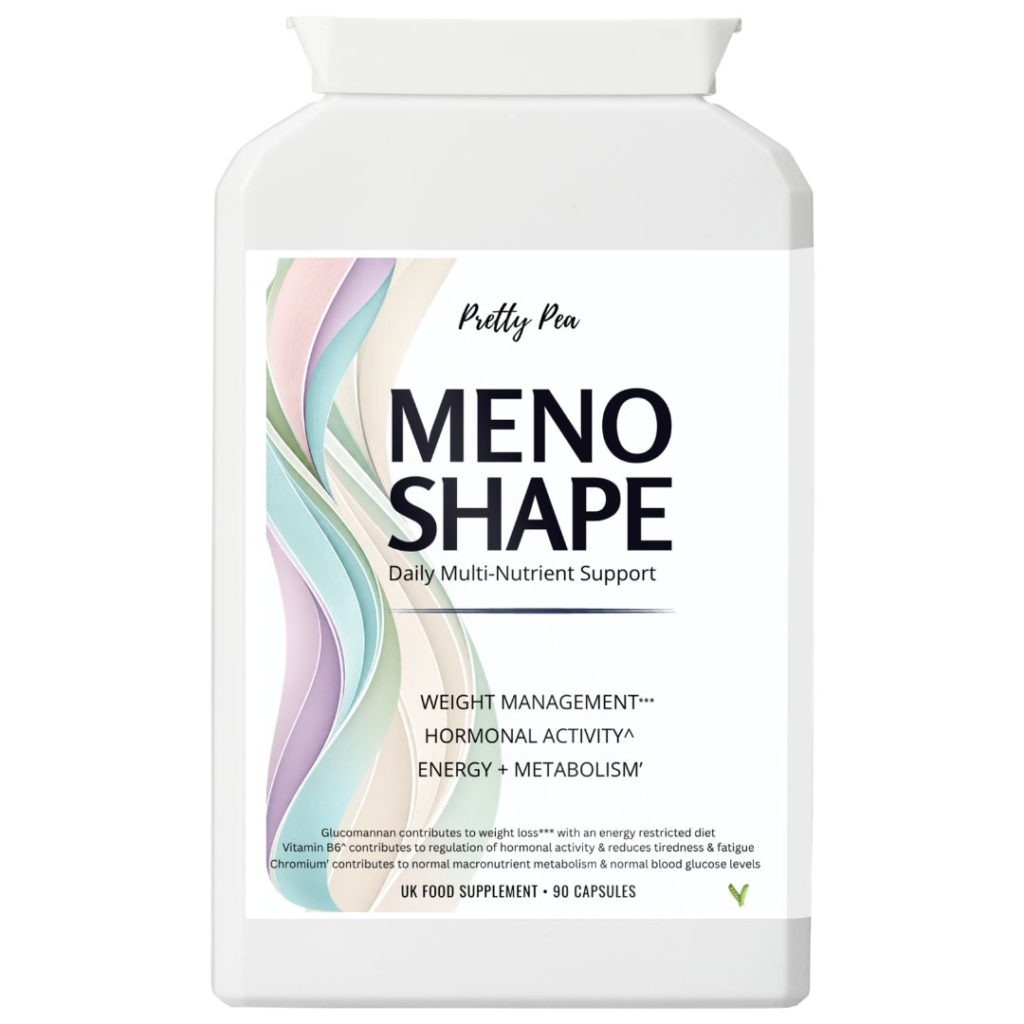
Menopause Supplement UK – Women’s Nutritional Support with Vitamins, Fibre & Botanicals
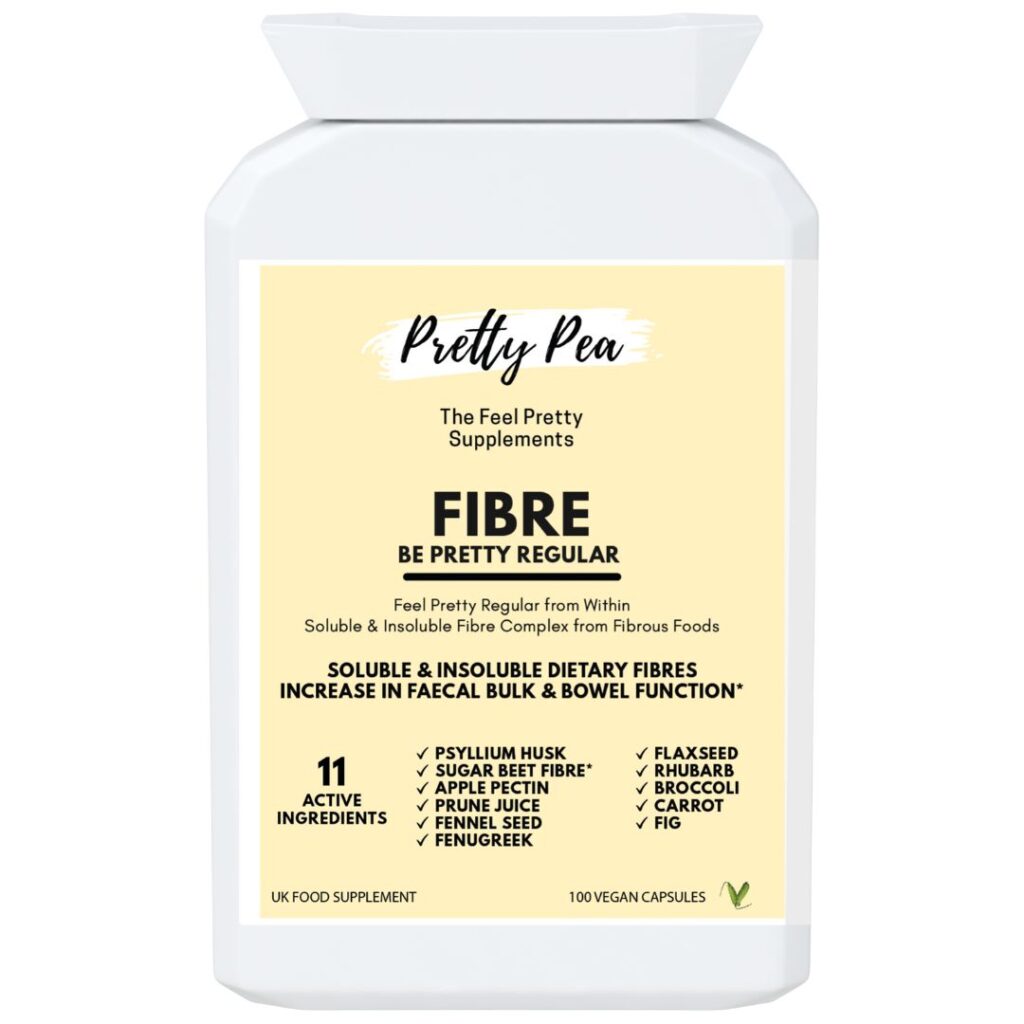
You’ll find Glucomannan Fibre in Pretty Pea Meno Shape
Further reading check out The Ultimate Guide to Fibre Supplements for a Happier Gut: Unlocking Your Digestive Health
How to Increase Fibre Intake: Common Mistakes to Avoid
- Increasing fibre too quickly
- Not drinking enough water
- Relying only on supplements
- Assuming “healthy foods” = high fibre
Key Takeaway
Increasing fibre is one of the simplest changes you can make for long-term health.
You don’t need a perfect diet.
You don’t need to track everything.
👉 Just start with one or two small changes — and build from there.
FAQ How to Increase Fibre Intake
How can I increase fibre quickly?
Focus on adding high-fibre foods like oats, beans, and seeds to each meal. Small daily swaps can increase intake rapidly.
What happens if you eat more fibre?
You may experience improved digestion, better fullness, and more stable energy levels. Evidence suggests fibre should be no less than 25–29 g per day with additional benefits likely to accrue with even higher intakes.
Is 30g of fibre a day realistic?
Yes — with the right food choices, most people can reach 30g without drastic diet changes.
Sources
- NHS. Fibre and digestive health guidelines
- British Nutrition Foundation. Fibre intake and recommendations
- The Lancet. Dietary fibre and chronic disease risk
- Reynolds et al. (2019). Carbohydrate quality and human health
- Food & Drink Federation. UK fibre intake trends
- NHS. Fibre and health benefits
- The BMJ (2022) Fibre intake and disease prevention
- Food & Drink Federation (2025) UK fibre intake awareness study
- European Journal of Clinical Nutrition. UK fibre intake trends
Last updated: April 2026
Written by: Cate Boyd, specialising in women’s nutrition and gut health