
Discover the causes, symptoms and science behind hormone imbalance in women. Learn how hormones affect weight, mood, sleep, digestion, menopause and overall health.
Have you ever felt like your body has changed overnight?
Perhaps you’ve started gaining weight despite eating the same foods, you’re waking at 3 am for no obvious reason, struggling with brain fog, feeling more anxious than usual or finding that your energy simply isn’t what it used to be.
For many women, these changes can feel confusing and frustrating. It’s common to wonder whether stress, ageing, diet or lifestyle are to blame—or whether your hormones have something to do with it.
The reality is that hormones influence almost every system in your body. They don’t just regulate your menstrual cycle. They also help control your metabolism, appetite, body fat distribution, digestion, sleep, mood, bone health, muscle mass, energy levels and much more.
During your late 30s and 40s, hormone levels naturally begin to fluctuate as the body transitions towards menopause. At the same time, everyday factors such as poor sleep, chronic stress, inactivity, weight changes and some medical conditions can also influence how hormones work.
Menopause Supplement UK – Women’s Nutritional Support with Vitamins, Fibre & Botanicals
The term “hormone imbalance” is widely searched online and commonly used to describe these symptoms. However, it’s important to understand that hormone imbalance isn’t a single medical diagnosis. Instead, it is an umbrella term that describes changes in one or more hormones that may occur naturally, particularly during perimenopause and menopause, or as part of another underlying medical condition.
Understanding how hormones work can help explain why symptoms develop and what practical lifestyle strategies may support your health.
In this guide, you’ll learn:
- What hormones are and why they matter.
- What people mean by “hormone imbalance.”
- Why hormones naturally change during perimenopause and menopause.
- The major hormones that influence women’s health.
- How hormones affect weight, metabolism, appetite and body fat.
- Lifestyle and dietary factors that support overall hormone health.
- When symptoms should be discussed with your GP.
What Are Hormones?
Hormones are chemical messengers produced by specialised glands within the endocrine system. Once released into the bloodstream, they travel throughout the body, carrying signals that help different organs and tissues communicate with one another.
Although hormones circulate in tiny amounts, they have remarkably powerful effects. Even relatively small changes in hormone levels or the way tissues respond to hormones can influence many aspects of health.
Rather than acting independently, hormones work together as an interconnected network. Changes in one hormone can influence several others, which helps explain why hormone-related symptoms are often varied and sometimes difficult to pinpoint.
For example:
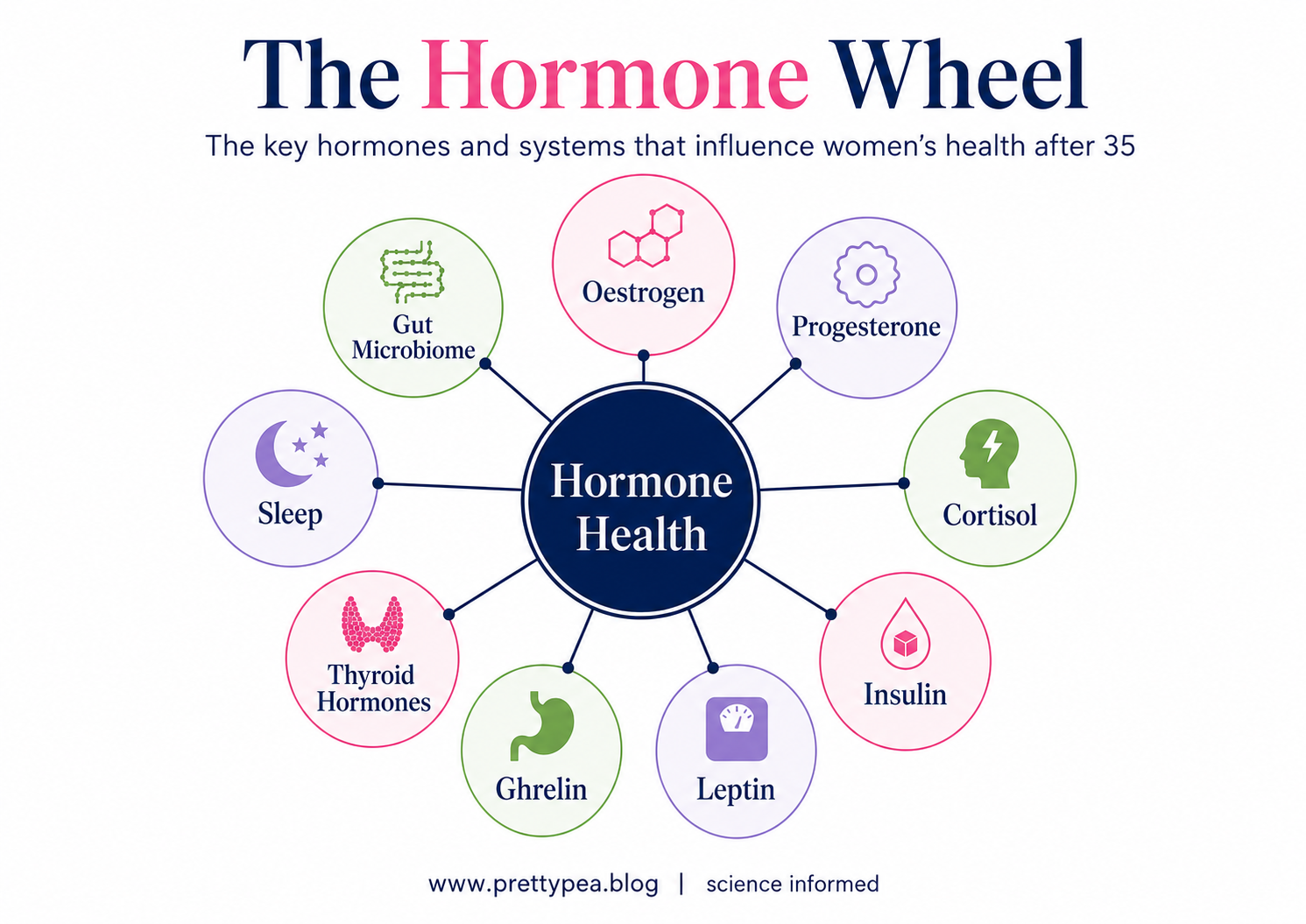
- Oestrogen influences bone health, cardiovascular health, skin, the brain and body fat distribution.
- Progesterone supports the menstrual cycle and also affects sleep and mood.
- Insulin regulates blood glucose but also influences fat storage.
- Cortisol helps the body respond to stress but also affects appetite and energy metabolism.
- Leptin and ghrelin work together to regulate hunger and fullness.
- Thyroid hormones help regulate metabolic rate and energy production.
Because these hormones interact constantly, symptoms rarely result from one hormone acting alone.
What Does “Hormone Imbalance” Actually Mean?
“Hormone imbalance” has become a popular phrase across social media, wellness websites and online searches.
However, healthcare professionals often use more specific medical terms depending on the underlying cause.
For example, rather than diagnosing someone with “hormone imbalance,” a doctor may identify:
- Perimenopause
- Menopause
- Polycystic ovary syndrome (PCOS)
- Thyroid disease
- Diabetes or insulin resistance
- Hyperprolactinaemia
- Cushing’s syndrome
- Other endocrine disorders
This distinction is important because hormone changes can occur for many different reasons, and the appropriate treatment depends on identifying the underlying cause.
Nevertheless, the phrase “hormone imbalance” remains useful because many women first notice symptoms before they know exactly which hormones are changing.
Common symptoms that people associate with hormone imbalance include:
- Weight gain, particularly around the abdomen.
- Fatigue.
- Brain fog.
- Poor concentration.
- Mood changes.
- Anxiety.
- Low mood.
- Poor sleep.
- Night sweats.
- Hot flushes.
- Irregular periods.
- Heavy periods.
- Hair thinning.
- Dry skin.
- Low libido.
- Joint aches.
- Digestive changes.
These symptoms are not unique to hormone changes and may have other medical causes, which is why persistent or severe symptoms should always be assessed by a healthcare professional.
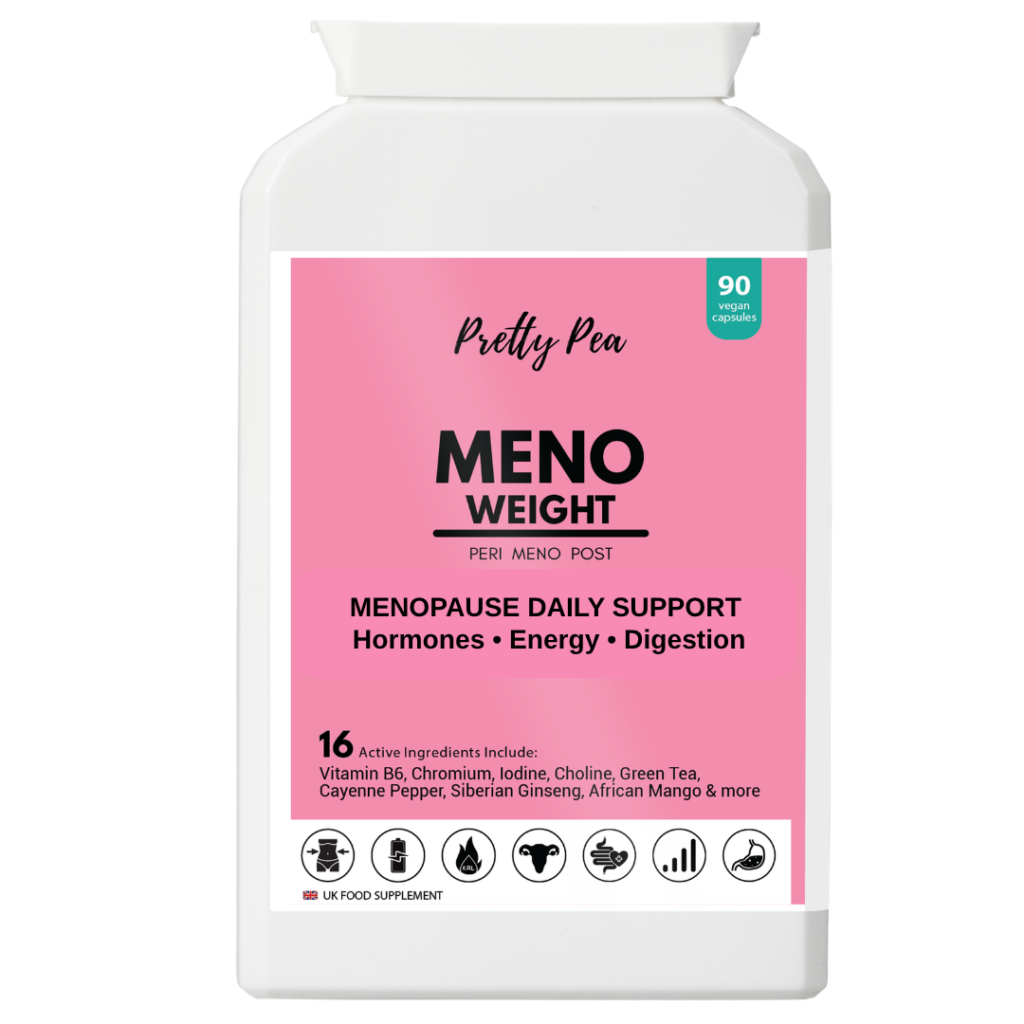
For all in one menopause weight management, hormone regulation, digestion and energy metabolism support see Meno Weight supplement support.
Menopause Supplement UK – Women’s Nutritional Support with Vitamins, Fibre & Botanicals
Why Hormones Change During Perimenopause
One of the biggest hormonal transitions in a woman’s life occurs during perimenopause, the years leading up to menopause.
Perimenopause often begins during the 40s, although some women notice changes earlier. See Early Signs of Perimenopause in Your 40s: What to Look For
During this time, ovarian function gradually becomes less predictable.
Rather than steadily declining, hormone production fluctuates from month to month.
Oestrogen levels may rise, fall and temporarily increase again.
Progesterone often begins declining earlier because ovulation becomes less regular.
These changing hormone patterns help explain why symptoms can appear inconsistent. Some months women feel completely normal.
Other months they may experience:
- Poor sleep.
- Mood changes.
- Breast tenderness.
- Bloating.
- Weight changes.
- Anxiety.
- Heavy periods.
- Brain fog.
Eventually, hormone production declines further until menopause occurs, defined as 12 consecutive months without a menstrual period.
Understanding that these fluctuations are part of a normal biological transition can help explain why symptoms often seem unpredictable rather than following a steady progression.
In the next section, we’ll explore the individual hormones that influence women’s health, how they interact, and why they affect everything from appetite and body composition to sleep, mood and energy.
Menopause Supplement Bundle 3 for 2 Offer
The Hormones Every Woman Should Understand
Hormones rarely work in isolation. They act more like an orchestra than a single instrument. When one hormone changes, others often respond.
This is why symptoms such as weight gain, tiredness, anxiety, poor sleep, hunger, hot flushes or digestive changes can feel connected, even when they seem to involve different parts of the body.
For women over 35, it is especially helpful to understand the hormones that influence perimenopause, menopause, appetite, metabolism, body composition and energy.
Oestrogen
Oestrogen is one of the main female sex hormones. It is often linked with periods and fertility, but its effects go far beyond the reproductive system.
Oestrogen also influences the brain, bones, skin, heart, blood vessels, joints, pelvic tissues and the way fat is stored in the body.
During the reproductive years, oestrogen rises and falls across the menstrual cycle. In perimenopause, these patterns become less predictable. Some months oestrogen may be higher than expected. Other months it may fall sharply. This fluctuation is one reason symptoms can feel inconsistent.
Oestrogen changes may contribute to symptoms such as:
- Hot flushes
- Night sweats
- Irregular periods
- Breast tenderness
- Mood changes
- Brain fog
- Vaginal dryness
- Skin changes
- Joint discomfort
- Changes in body fat distribution
After menopause, oestrogen levels remain lower than they were during the reproductive years. This can influence long-term health, including bone density, cardiovascular health and body composition.
One important change many women notice is that weight becomes more likely to settle around the middle. This does not mean oestrogen is the only cause of menopause weight gain. Ageing, muscle loss, insulin sensitivity, sleep, stress, diet and activity levels all matter. However, lower oestrogen can affect where fat is stored, particularly around the abdomen.
This is why many women say:
“I haven’t changed anything, but my body shape has changed.”
That experience is common during perimenopause and menopause.
Progesterone
Progesterone is another key female sex hormone. It rises after ovulation and helps prepare the body for a possible pregnancy.
Progesterone also has calming effects in the brain and may influence sleep, mood and temperature regulation.
During perimenopause, progesterone often starts to decline before oestrogen does. This is because ovulation becomes less regular. If ovulation does not happen, progesterone does not rise in the same way.
This changing balance between oestrogen and progesterone may help explain why some women experience:
- Heavier periods
- Shorter or more irregular cycles
- PMS-like symptoms
- Breast tenderness
- Mood swings
- Anxiety
- Poor sleep
- Feeling more emotionally reactive
This is also where the phrase “oestrogen dominance” often appears online. It usually refers to a situation where oestrogen activity feels high relative to progesterone.
However, it is important to be careful with this phrase. “Oestrogen dominance” is widely used in wellness content, but it is not usually used as a formal medical diagnosis. A more accurate way to describe it is that some symptoms may be linked to changes in the balance between oestrogen and progesterone, especially during perimenopause.
For example, a woman may not have unusually high oestrogen overall, but if progesterone has fallen, oestrogen may feel more dominant in comparison.
This is why symptoms can appear before periods stop completely.
Read: The 100 Symptoms of Perimenopause
Cortisol
Cortisol is often called the stress hormone, but that description is too simple.
Cortisol is essential for life. It helps regulate energy, blood pressure, inflammation, immune function and the body’s response to stress.
Cortisol follows a natural daily rhythm. It is usually higher in the morning to help you wake up and gradually falls throughout the day so your body can wind down at night.
Problems can occur when stress, poor sleep, shift work, under-eating, overtraining or ongoing worry disrupt this rhythm.
When cortisol is frequently elevated or poorly regulated, some women may notice:
- Waking at night
- Feeling wired but tired
- Cravings for sugar or caffeine
- Feeling more anxious
- Poor recovery from exercise
- Increased appetite
- More abdominal weight gain
- Low energy in the afternoon
Cortisol does not directly “cause belly fat” on its own, but long-term stress can affect behaviours and biology in ways that make weight management harder.
For example, stress may increase emotional eating, reduce sleep quality, increase cravings and reduce motivation to exercise. Poor sleep can then affect appetite hormones, blood sugar control and energy levels.
This creates a cycle:
Stress affects sleep.
Poor sleep affects appetite and energy.
Low energy affects food choices and movement.
Weight gain increases frustration.
Frustration increases stress.
This is why hormone health is not only about individual hormones. It is also about daily rhythms, sleep, food, movement and recovery.
Insulin
Insulin is a hormone produced by the pancreas. Its main job is to help move glucose from the bloodstream into cells, where it can be used for energy or stored for later.
After eating carbohydrate-containing foods, blood glucose rises. In response, insulin helps move that glucose into muscle, liver and fat cells.
Insulin is not a “bad” hormone. It is essential.
The issue is insulin resistance.
Insulin resistance means the body’s cells do not respond to insulin as effectively as they should. As a result, the pancreas may need to produce more insulin to keep blood sugar levels stable.
Over time, insulin resistance can make weight management more difficult and may increase the risk of type 2 diabetes and other metabolic health concerns.
Signs that may be associated with blood sugar swings or insulin resistance include:
- Energy crashes after meals
- Strong sugar cravings
- Feeling hungry soon after eating
- Weight gain around the middle
- Difficulty losing weight
- Tiredness
- Brain fog
- Increased thirst or frequent urination
These symptoms can have many causes, so they should not be self-diagnosed. However, insulin resistance is an important concept for women to understand, especially during midlife.
After menopause, some women become more prone to changes in body composition, including more abdominal fat and reduced muscle mass. Since muscle helps use glucose effectively, maintaining muscle through strength training and adequate protein becomes increasingly important.
Diet also matters.
Meals that combine protein, fibre and healthy fats tend to be more satisfying and may support steadier blood sugar levels than meals based mostly on refined carbohydrates.
Fibre is particularly relevant because it slows digestion, supports gut health and can help improve meal satisfaction.
This is one reason why fibre becomes such an important nutrition focus for women over 40.
Read more: What Is Insulin Resistance? Signs, Causes & What Helps
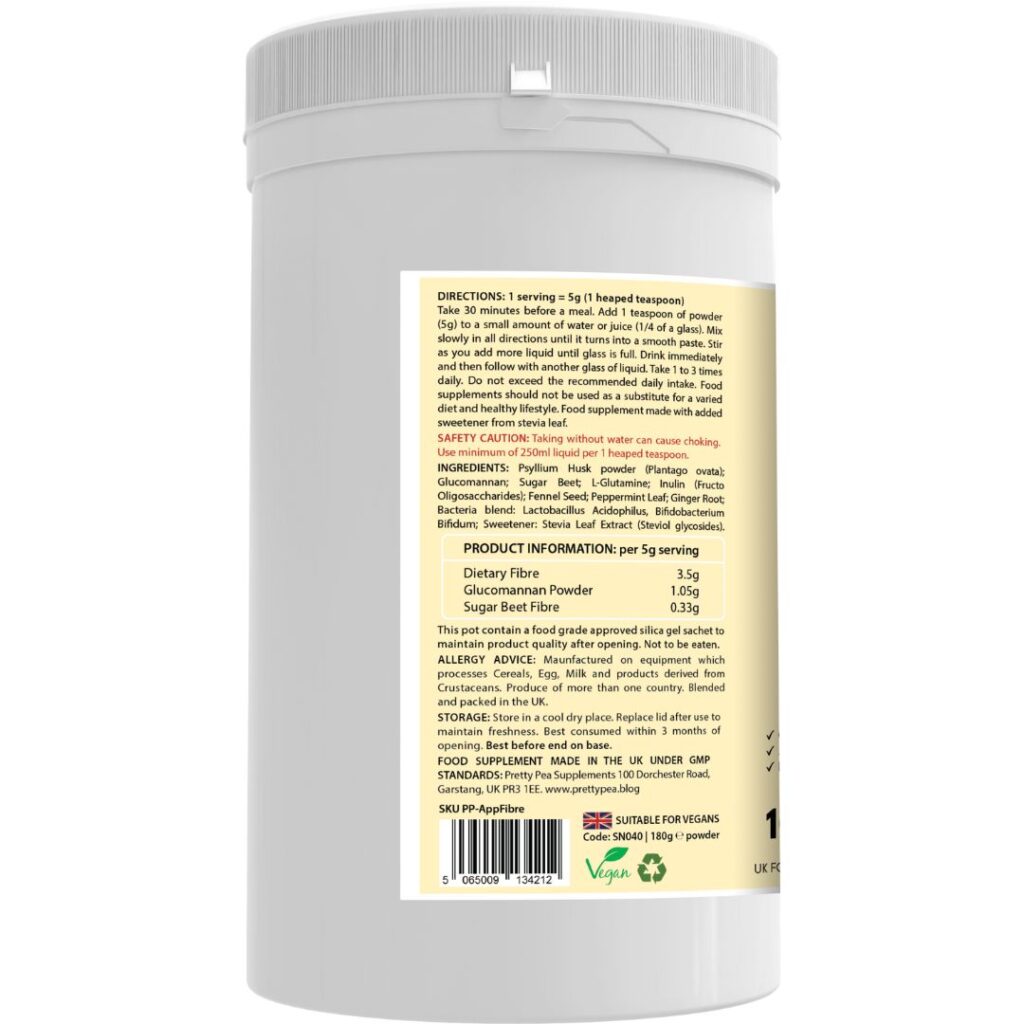
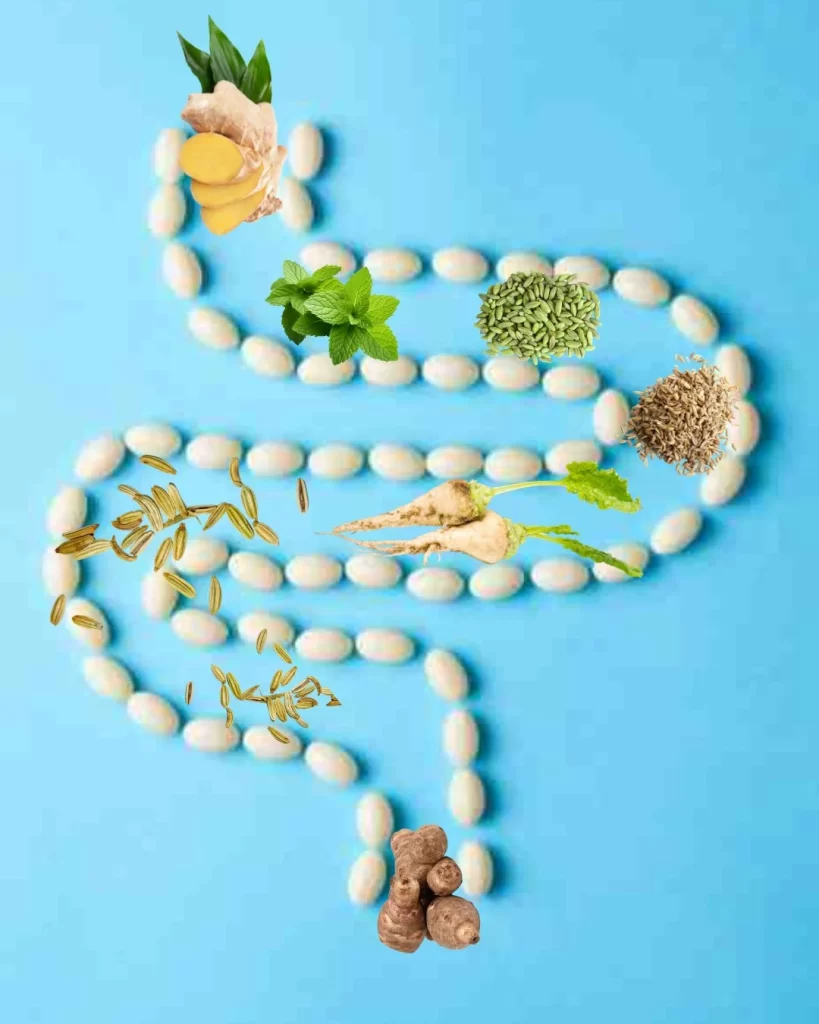
Fibre Powder
Leptin
Leptin is sometimes called the fullness hormone.
It is produced mainly by fat cells and helps signal to the brain that the body has enough stored energy.
In simple terms, leptin tells the brain:
“We have enough energy stored.”
When leptin signalling works well, it helps regulate appetite and energy balance.
However, in some people, leptin signalling becomes less effective. This is sometimes called leptin resistance. In this state, the body may have plenty of stored energy, but the brain does not respond to leptin’s message properly.
This can make appetite regulation harder.
Leptin is also influenced by weight loss. When someone loses weight, leptin levels often fall. This may increase hunger and reduce energy expenditure, making weight maintenance more difficult.
This is one reason many people feel hungrier after dieting.
It is not simply a lack of willpower. The body has biological systems designed to defend against weight loss.
For women in midlife, this matters because weight gain, dieting, stress, sleep problems and hormonal changes can all affect appetite regulation.
Rather than relying on restrictive diets, it is often more helpful to focus on meals that support fullness naturally.
That means building meals around:
- Protein
- Fibre
- Whole foods
- Plenty of plants
- Enough calories
- Regular meal patterns
Very low-calorie dieting can sometimes backfire by increasing hunger, reducing energy and making bingeing or overeating more likely later.
Ghrelin
Ghrelin is often described as the hunger hormone.
It is produced mainly in the stomach and rises before meals, helping signal hunger to the brain. After eating, ghrelin usually falls.
Ghrelin is one reason hunger can feel physical and urgent, not just psychological.
Several factors may influence ghrelin, including:
- Meal timing
- Sleep
- Dieting
- Stress
- Weight loss
- Protein intake
- Meal composition
Poor sleep can affect hunger and appetite regulation. Many women notice that after a bad night’s sleep, they crave more carbohydrates or snack more often the next day.
This is not imagined. Sleep and appetite hormones are closely linked.
Ghrelin may also rise during weight loss, which can make dieting feel harder over time. This is one reason aggressive restriction often fails.
The goal should not be to “shut down hunger.” Hunger is a normal biological signal.
The goal is to support more stable hunger patterns through better sleep, balanced meals, adequate protein and fibre-rich foods.
For example, a breakfast made with Greek yoghurt, berries, oats, chia seeds and psyllium husk is likely to be more filling than a low-fibre breakfast that is high in refined carbohydrates.
This is where practical nutrition becomes powerful. You do not need to micromanage every hormone. You need daily habits that support the systems those hormones belong to.
Thyroid Hormones
Thyroid hormones help regulate metabolic rate, body temperature, energy production, digestion, heart rate and many other body functions.
The thyroid gland produces hormones including thyroxine, also known as T4, and triiodothyronine, known as T3.
If thyroid hormone levels are too low, this is called hypothyroidism. If they are too high, this is called hyperthyroidism.
An underactive thyroid can cause symptoms such as:
- Fatigue
- Feeling cold
- Constipation
- Dry skin
- Weight gain
- Low mood
- Heavy or irregular periods
- Hair thinning
- Sluggishness
An overactive thyroid can cause symptoms such as:
- Anxiety
- Palpitations
- Weight loss
- Heat intolerance
- Trembling
- Sweating
- Sleep problems
- Frequent bowel movements
Some thyroid symptoms overlap with perimenopause and menopause symptoms, which can make it confusing.
For example, fatigue, weight changes, low mood, poor sleep and changes to periods may be linked with menopause, thyroid problems or something else entirely.
This is why it is important not to assume every symptom after 40 is “just hormones” or “just menopause.”
If symptoms are persistent, worsening or unusual for you, it is worth speaking to your GP. Thyroid function can usually be assessed with a blood test.
Why These Hormones Matter Together
The reason hormone symptoms can feel so complex is that these systems overlap.
Poor sleep can affect cortisol, hunger and cravings.
Stress can affect appetite and food choices.
Insulin resistance can make weight management harder.
Lower oestrogen can affect body fat distribution.
Reduced muscle mass can affect glucose control.
Dieting can affect leptin and ghrelin.
Thyroid changes can mimic menopause symptoms.
This does not mean every symptom is caused by hormones. It means hormones are part of a wider picture that includes age, lifestyle, medical history, nutrition, sleep, movement and stress.
For most women, supporting hormone health is not about chasing perfect hormone levels.
It is about creating a body environment that supports better regulation.
That includes:
- Eating enough protein.
- Increasing fibre intake.
- Building muscle through strength training.
- Prioritising sleep.
- Managing stress.
- Supporting gut health.
- Avoiding extreme diets.
- Seeking medical help when symptoms are persistent or concerning.
The next section explores the most common symptoms linked with hormone changes and when they should be checked by a healthcare professional.
Common Symptoms of Hormone Imbalance in Women
Hormone changes can affect many areas of the body. This is one reason symptoms can feel confusing.
One woman may notice poor sleep and anxiety.
Another may notice weight gain, cravings and heavy periods.
Another may mainly experience hot flushes, low mood, joint aches or digestive changes.
This does not mean every symptom is caused by hormones. Many symptoms linked with hormone changes can also be caused by thyroid problems, anaemia, vitamin deficiencies, stress, poor sleep, medication side effects or other medical conditions.
However, during perimenopause and menopause, hormonal fluctuation can be an important part of the picture.
The symptoms below are commonly discussed in relation to female hormone changes.
Read: The 100 Symptoms of Perimenopause
1. Changes to Periods
Changes to your menstrual cycle are often one of the earliest signs of perimenopause.
You may notice:
- Periods becoming closer together.
- Longer gaps between periods.
- Heavier bleeding.
- Lighter bleeding.
- More spotting.
- More painful periods.
- PMS symptoms feeling stronger.
- Periods becoming unpredictable.
This happens because ovulation becomes less regular during perimenopause.
When ovulation is less predictable, progesterone levels may not rise in the same way. Oestrogen can also fluctuate from month to month. These changes can affect the lining of the womb and lead to changes in bleeding patterns.
Although cycle changes are common during perimenopause, very heavy bleeding, bleeding after sex, bleeding between periods or any bleeding after menopause should always be discussed with your GP.
2. Hot Flushes and Night Sweats
Hot flushes are one of the best-known menopause symptoms.
A hot flush may feel like a sudden wave of heat across the face, neck, chest or whole body. Some women also experience sweating, flushing, a racing heart or a feeling of panic.
Night sweats are hot flushes that happen during sleep. They can leave you waking up hot, damp, uncomfortable or unable to get back to sleep.
These symptoms are linked to changes in how the brain regulates body temperature. Oestrogen plays a role in this system, which is why hot flushes and night sweats often appear during perimenopause and menopause.
For some women, hot flushes are mild.
For others, they are frequent and disruptive.
If they affect your sleep, confidence, work or quality of life, it is worth speaking to your GP. Treatment options are available.
3. Poor Sleep and Waking at 3am
Sleep problems are very common during perimenopause and menopause.
Some women struggle to fall asleep.
Others fall asleep normally but wake during the night.
Many describe waking around 3am and feeling unable to switch their brain off.
Sleep disruption can be caused by several overlapping factors:
- Night sweats.
- Stress.
- Anxiety.
- Changes in progesterone.
- Changes in body temperature.
- Alcohol.
- Caffeine.
- Blood sugar swings.
- Lifestyle pressures.
- Pain or joint discomfort.
Poor sleep can then affect other areas of health.
After a bad night, many women notice stronger cravings, lower motivation, worse mood, lower energy and more difficulty making healthy food choices.
This is why sleep is not a luxury. It is a key part of hormone health, appetite regulation and overall wellbeing.
4. Mood Changes, Anxiety and Irritability
Hormone changes can affect mood.
Some women notice they feel more anxious than usual. Others feel irritable, tearful, overwhelmed or emotionally reactive.
This can feel especially confusing if you have never struggled with anxiety or low mood before.
Oestrogen interacts with several brain chemicals, including serotonin and dopamine. These chemicals are involved in mood, motivation and emotional regulation.
Progesterone can also affect the nervous system and may have a calming influence for some women. When hormone levels fluctuate, mood can feel less stable.
Common emotional symptoms include:
- Anxiety.
- Low mood.
- Irritability.
- Tearfulness.
- Feeling overwhelmed.
- Loss of confidence.
- Mood swings.
- Feeling less resilient.
- Feeling unlike yourself.
It is important to take these symptoms seriously.
They are not “just in your head”.
If mood changes are severe, persistent or affecting your daily life, speak to a healthcare professional. Support is available.
5. Brain Fog and Poor Concentration
Brain fog is one of the most frustrating symptoms women report during perimenopause.
It may feel like:
- Forgetting words.
- Losing your train of thought.
- Walking into a room and forgetting why.
- Struggling to concentrate.
- Feeling mentally slower.
- Finding work tasks harder than usual.
- Forgetting names or appointments.
Brain fog can be linked to hormone changes, but it is often made worse by poor sleep, stress, anxiety, low mood and fatigue.
It can be frightening, but for many women it improves with the right support.
Practical steps that may help include improving sleep, managing stress, eating regular balanced meals, staying hydrated, moving daily and seeking medical advice if symptoms are worsening or unusual for you.
6. Weight Gain and Body Shape Changes
Many women notice that weight becomes harder to manage during their 40s and 50s.
This can feel deeply frustrating, especially if your diet has not changed.
You may notice:
- Weight gain around the middle.
- A thicker waist.
- Clothes fitting differently.
- Less muscle tone.
- More belly fat.
- Slower progress when dieting.
- Less tolerance for foods you used to eat easily.
Hormones can play a role, but they are not the only factor.
During midlife, several changes often happen at the same time:
- Oestrogen levels fluctuate and then decline.
- Muscle mass may reduce with age.
- Activity levels may fall.
- Sleep may worsen.
- Stress may increase.
- Insulin sensitivity may change.
- Appetite and cravings may feel harder to manage.
Lower oestrogen may also influence where fat is stored. This is why some women notice a shift from storing fat around the hips and thighs to storing more around the waist.
This does not mean weight gain is inevitable.
It does mean the strategies that worked in your 20s or 30s may not work as well now.
Midlife weight management often needs a stronger focus on:
- Protein.
- Fibre.
- Strength training.
- Walking.
- Sleep.
- Stress management.
- Blood sugar balance.
- Sustainable habits rather than strict dieting.
7. Cravings, Hunger and Appetite Changes
Some women feel hungrier during perimenopause and menopause.
Others notice cravings for sweet foods, salty snacks, caffeine or alcohol.
This can be linked to several factors:
- Poor sleep.
- Stress.
- Blood sugar swings.
- Lower protein intake.
- Low fibre intake.
- Dieting.
- Emotional eating.
- Changes in appetite hormones.
Leptin and ghrelin are two hormones involved in hunger and fullness. Insulin and cortisol also influence appetite, energy and cravings.
This is why appetite is not simply about willpower.
If you are sleeping badly, under-eating during the day, stressed, low in protein or not eating enough fibre, cravings can feel much stronger.
A more supportive approach is to build meals that keep you satisfied.
That usually means including:
- A source of protein.
- A high-fibre carbohydrate.
- Healthy fats.
- Colourful plants.
- Enough food to avoid feeling deprived.
For example, a breakfast made with yoghurt, berries, oats, chia seeds and psyllium husk is likely to be more filling than a low-fibre breakfast based mostly on refined carbohydrates.
Are Your Cravings Physical or Emotional?
Not every craving means your body needs food. Physical hunger develops gradually and is your body’s way of asking for energy. You might notice a growling stomach, low energy or difficulty concentrating, and almost any nourishing meal will usually satisfy you.
Emotional hunger, on the other hand, often appears suddenly. It is commonly triggered by stress, boredom, anxiety, loneliness or habit rather than a true need for food. It tends to create cravings for specific comfort foods—often those high in sugar, fat or salt—and eating them doesn’t always leave you feeling satisfied.
During perimenopause and menopause, changing hormones, poor sleep and increased stress can make emotional eating more common. For example, poor sleep can increase hunger hormones the following day, while stress may make highly palatable foods feel more rewarding. Recognising whether you’re experiencing physical or emotional hunger can help you respond in a way that better supports your health, rather than reaching for food automatically.
| Physical Hunger | Emotional Hunger |
|---|---|
| Builds gradually | Appears suddenly |
| Stomach feels empty or growls | Triggered by emotions, stress or boredom |
| Happy with a range of foods | Usually craves specific comfort foods |
| Stops when you’re comfortably full | Can continue even after feeling full |
| Leaves you feeling satisfied | May leave you feeling guilty or frustrated |
Quick self-check
Before reaching for a snack, ask yourself:
- Did this hunger come on gradually or all at once?
- Would I happily eat a balanced meal, or do I only want one specific food?
- Am I physically hungry, or am I feeling stressed, tired, bored or upset?
- Will eating solve the problem, or do I actually need rest, hydration, a break or emotional support?
There is nothing wrong with eating for comfort from time to time. The goal isn’t to eliminate emotional eating altogether, but to recognise it, understand what’s driving it, and choose the response that best meets your needs.
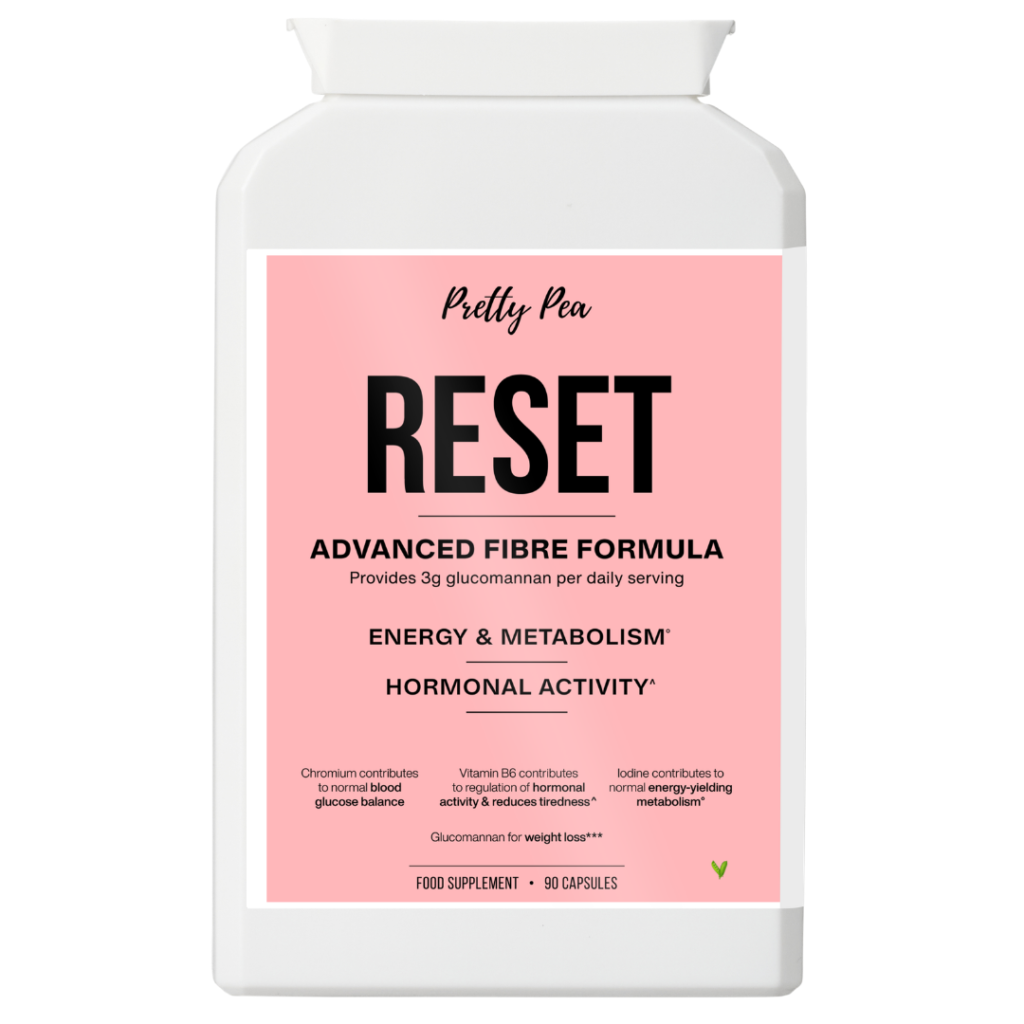
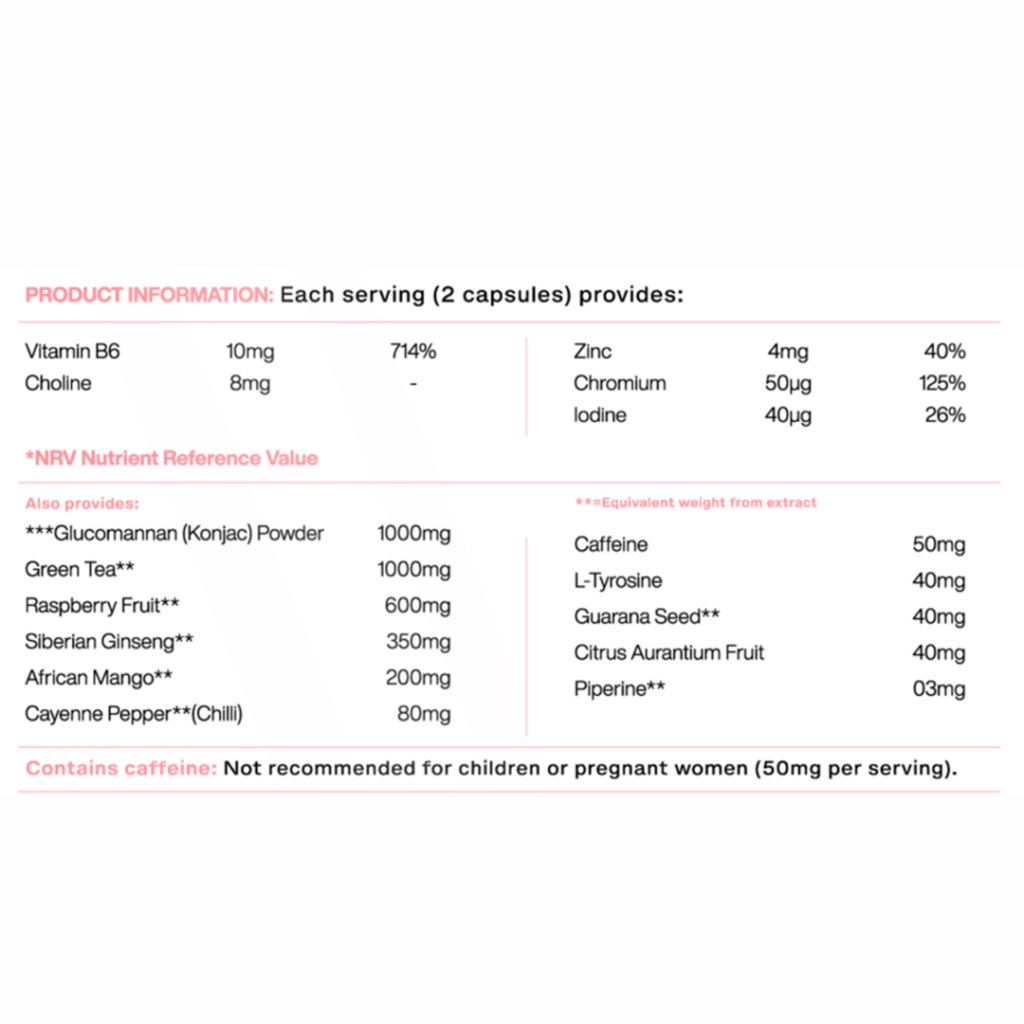
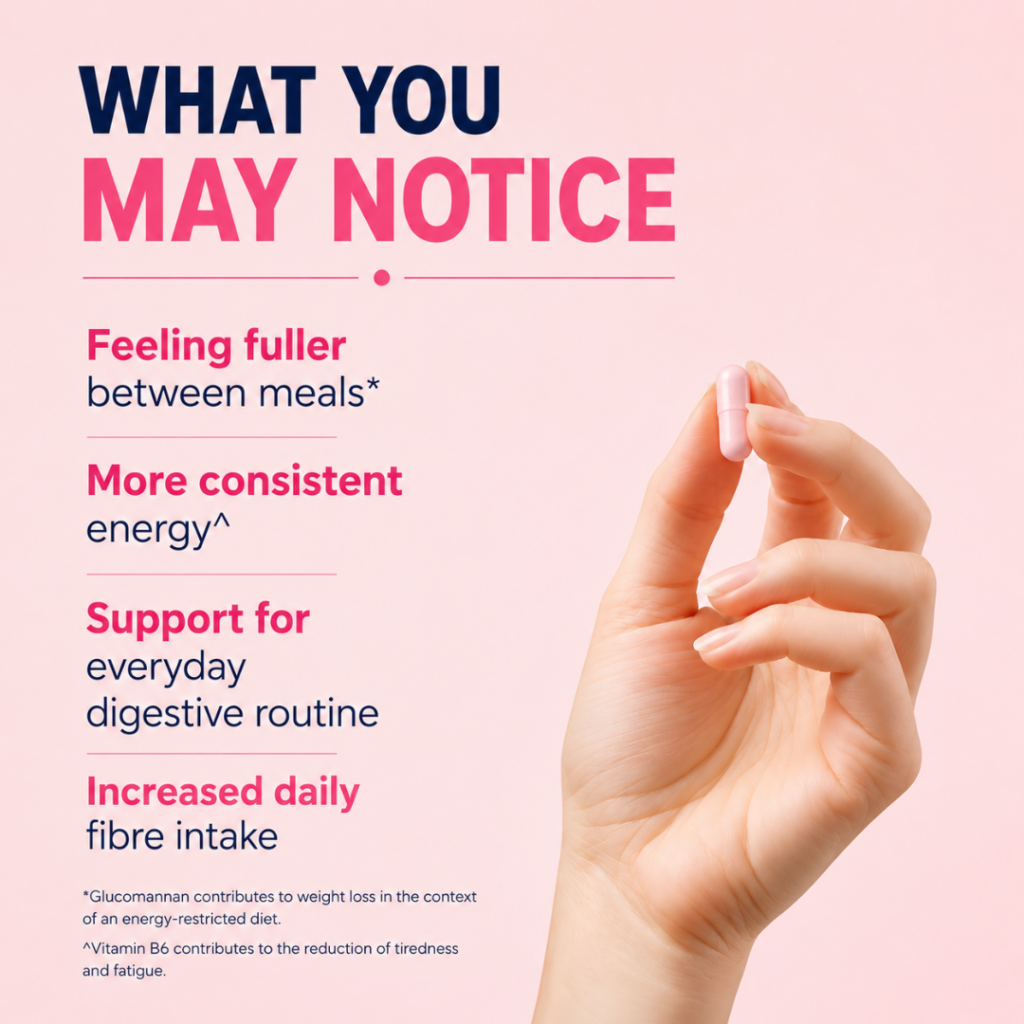
Glucomannan Reset | Fibre Supplement
Glucomannan fibre supplement | Formulated to support fullness, digestive health, energy and daily wellbeing.
Each full daily serving delivers 3g of glucomannan, a soluble fibre derived from konjac root that expands in the stomach to help promote fullness.
8. Digestive Changes
Digestive symptoms can also change during midlife.
Some women notice:
- Bloating.
- Constipation.
- Looser stools.
- More gas.
- Slower digestion.
- Changes in appetite.
- Feeling more sensitive to certain foods.
Hormones can influence digestion, but gut symptoms may also be affected by stress, diet, fibre intake, hydration, medications, alcohol and changes to the gut microbiome.
Constipation can become more common if fibre intake is low, fluid intake is poor or activity levels drop.
Increasing fibre gradually may help support regular bowel habits, but it is important to do this slowly.
Adding too much fibre too quickly can make gas and bloating worse.
Good fibre sources include:
- Oats.
- Beans.
- Lentils.
- Fruit.
- Vegetables.
- Chia seeds.
- Flaxseed.
- Psyllium husk.
- Wholegrains.
- Nuts and seeds.
If you experience persistent bloating, unexplained weight loss, blood in your stool, severe pain or a major change in bowel habits, speak to your GP.
9. Skin, Hair and Body Changes
Hormone changes can affect the skin, hair and body tissues.
Some women notice:
- Drier skin.
- Itchy skin.
- Adult acne.
- Hair thinning.
- More facial hair.
- Dry eyes.
- Changes in body odour.
- Lower skin elasticity.
- Slower recovery after exercise.
Oestrogen supports skin hydration, collagen and elasticity. As oestrogen declines, skin may feel drier or thinner.
Hair changes can also be influenced by thyroid function, iron levels, stress, genetics, medications and other hormone-related conditions.
If hair loss is sudden, patchy or severe, it is worth seeking medical advice.
10. Joint Aches and Muscle Changes
Joint aches are another symptom many women do not immediately connect with perimenopause.
You may notice:
- Stiffness in the morning.
- Aching joints.
- More muscle soreness.
- Reduced strength.
- Slower recovery.
- New aches that seem to appear from nowhere.
Oestrogen has effects on connective tissue, joints and inflammation. Sleep disruption and reduced activity can also make aches feel worse.
At the same time, muscle mass naturally tends to decline with age unless we actively maintain it.
This is why strength training becomes especially important after 40.
It supports:
- Muscle mass.
- Bone health.
- Metabolic health.
- Glucose control.
- Strength.
- Confidence.
- Long-term independence.
You do not need to train like an athlete. Even two or three short strength sessions each week can make a meaningful difference over time.
11. Low Libido and Vaginal Dryness
Lower libido, vaginal dryness and discomfort during sex can occur during perimenopause and menopause.
These symptoms are common, but many women feel embarrassed to talk about them.
Oestrogen helps support vaginal tissue, lubrication and elasticity. When oestrogen levels decline, tissues may become drier, thinner or more sensitive.
This can lead to:
- Vaginal dryness.
- Discomfort during sex.
- Recurrent urinary tract infections.
- Urinary urgency.
- Lower libido.
- Reduced confidence.
These symptoms can often be improved with the right support.
Options may include vaginal moisturisers, lubricants, local vaginal oestrogen or other treatments. Speak to your GP or pharmacist for advice.
12. Symptoms That Should Not Be Ignored
Hormone changes are common, but not every symptom should be assumed to be perimenopause or menopause.
You should speak to your GP if you experience:
- Bleeding after menopause.
- Very heavy or unusual bleeding.
- Bleeding after sex.
- Unexplained weight loss.
- Severe fatigue.
- Chest pain.
- New heart palpitations.
- Shortness of breath.
- Severe headaches.
- New neurological symptoms.
- Persistent low mood.
- Thoughts of self-harm.
- Blood in your stool.
- A major change in bowel habits.
- Sudden or severe hair loss.
It is also worth asking for medical advice if symptoms are affecting your work, relationships, sleep or quality of life.
You do not need to wait until things feel unbearable.
The Key Takeaway
Hormone-related symptoms can affect mood, sleep, appetite, digestion, periods, weight, skin, joints and energy.
But hormones are only one part of the picture.
Your symptoms may also be influenced by:
- Sleep.
- Stress.
- Diet.
- Fibre intake.
- Protein intake.
- Activity levels.
- Muscle mass.
- Medical conditions.
- Medications.
- Life pressures.
This is why a whole-body approach is often more helpful than trying to “fix” one hormone in isolation.
In the next section, we will look at how hormones influence weight gain, belly fat, visceral fat, cravings and metabolism during perimenopause and menopause.
Hormones, Weight Gain and Belly Fat After 40
One of the most common concerns women describe during perimenopause and menopause is weight gain, especially around the middle.
Many women say the same thing:
“I’m eating the same, but my body has changed.”
This can feel frustrating, especially if the habits that worked in your 20s or 30s no longer seem to produce the same results.
The important thing to understand is that midlife weight gain is rarely caused by one single factor. It is usually the result of several changes happening at the same time.
These may include:
- Fluctuating oestrogen.
- Lower progesterone.
- Poor sleep.
- Higher stress.
- Reduced muscle mass.
- Lower activity levels.
- Changes in insulin sensitivity.
- Changes in appetite and cravings.
- Lower fibre intake.
- More alcohol or comfort eating.
- Busy lifestyle pressures.
- Age-related changes in energy expenditure.
This means weight gain is not simply about “willpower”.
It also does not mean your body is broken.
It means your body may need a different approach than it did ten or twenty years ago.
Why Body Shape Often Changes During Menopause
During the reproductive years, many women tend to store more fat around the hips, thighs and bottom.
During perimenopause and menopause, this pattern can change.
As oestrogen levels fluctuate and eventually decline, fat distribution may shift towards the abdomen and upper body. This is why some women notice a thicker waist, more belly fat or a change in how clothes fit, even if their overall weight has not changed dramatically.
This change in fat distribution is one reason the phrase “menopause belly” has become so common.
However, it is important to avoid blaming oestrogen alone.
Several other factors influence body shape, including:
- Genetics.
- Muscle mass.
- Diet quality.
- Sleep.
- Stress.
- Alcohol intake.
- Physical activity.
- Insulin sensitivity.
- Medical conditions.
- Medication.
- Previous dieting history.
Hormones influence the environment in which weight gain can happen, but daily habits still matter.
This is good news because it means there are practical areas you can work on.
What Is Visceral Fat?
Not all belly fat is the same.
The fat you can pinch under the skin is called subcutaneous fat.
Visceral fat is different.
Visceral fat sits deeper inside the abdomen, around internal organs such as the liver, pancreas and intestines.
You cannot always tell how much visceral fat someone has by looking at them. Some women have a higher body weight but relatively lower visceral fat. Others may have a normal BMI but still carry more fat around the waist.
This is why waist measurement and body shape can sometimes give useful extra information alongside body weight.
Visceral fat matters because it is more metabolically active than subcutaneous fat. Higher levels are linked with greater risk of insulin resistance, type 2 diabetes, cardiovascular disease and other metabolic health problems.
This does not mean you should panic about belly fat.
It does mean that understanding fat distribution can be more useful than focusing only on the number on the scales.
Why Visceral Fat Can Increase After Menopause
Hormonal changes can influence where fat is stored.
As oestrogen levels decline after menopause, women may become more prone to storing fat around the abdomen.
This does not happen to every woman in the same way, and it is not the only factor involved. However, it is one reason many women notice their waist changing even if their overall weight gain is modest.
Visceral fat can also be influenced by:
- Low physical activity.
- Loss of muscle mass.
- Poor sleep.
- Chronic stress.
- High alcohol intake.
- Diets high in ultra-processed foods.
- Low fibre intake.
- Insulin resistance.
- Genetics.
- Ageing.
This is why a whole-body approach is usually more effective than focusing only on calories.
Calories still matter for weight management, but hormones, appetite, sleep, stress and muscle mass influence how easy or difficult it feels to maintain a healthy weight.
The Role of Muscle Loss
Muscle is one of the most overlooked parts of midlife weight management.
From around midlife onwards, adults gradually lose muscle unless they actively work to maintain it.
This matters because muscle is metabolically active tissue.
It helps support:
- Strength.
- Mobility.
- Balance.
- Bone health.
- Glucose control.
- Healthy ageing.
- Energy expenditure.
When muscle mass declines, the body may burn fewer calories at rest. This can make weight gain easier over time, especially if food intake stays the same but activity levels fall.
Muscle also helps the body use glucose more effectively. This is important for insulin sensitivity and blood sugar balance.
This is why strength training becomes especially important for women over 40.
It does not need to be extreme.
Useful forms of strength training include:
- Resistance bands.
- Dumbbells.
- Kettlebells.
- Gym machines.
- Bodyweight exercises.
- Pilates-style strength work.
- Squats, lunges, presses and rows.
The goal is not to become smaller at any cost.
The goal is to become stronger, healthier and more metabolically resilient.
Insulin Resistance and Weight Gain
Insulin is the hormone that helps move glucose from the bloodstream into cells.
When insulin is working well, the body can use glucose efficiently for energy.
Insulin resistance means the cells do not respond to insulin as effectively as they should. The pancreas may then produce more insulin to help keep blood sugar levels stable.
Over time, insulin resistance can make weight management harder and may increase the risk of type 2 diabetes.
Insulin resistance can affect people of different body sizes, but it is more likely when there is more abdominal fat, lower activity levels, poor sleep, a family history of type 2 diabetes or certain medical conditions such as PCOS.
Signs that may be associated with blood sugar swings include:
- Feeling tired after meals.
- Strong sugar cravings.
- Feeling hungry soon after eating.
- Energy crashes.
- Brain fog.
- Weight gain around the middle.
- Difficulty losing weight.
These symptoms can have many causes, so they should not be used to self-diagnose insulin resistance.
However, they can be a useful reason to speak to your GP, especially if you also have risk factors such as high waist measurement, family history of diabetes, previous gestational diabetes or symptoms such as increased thirst or frequent urination.
Blood Sugar, Fibre and Fullness
One reason fibre is so important during midlife is that it supports several systems linked with weight and metabolic health.
Fibre can help:
- Slow digestion.
- Support regular bowel movements.
- Feed beneficial gut bacteria.
- Increase meal satisfaction.
- Support steadier blood sugar responses.
- Help you feel fuller after meals.
Many people in the UK do not eat enough fibre. This matters because low-fibre meals are often digested more quickly, which can leave you feeling hungry again sooner.
Higher-fibre meals tend to be more filling, especially when combined with protein.
For example, compare these two breakfasts:
A low-fibre breakfast might be:
- White toast with jam.
- Sugary cereal.
- A pastry.
- Coffee only.
A more supportive breakfast might be:
- Greek yoghurt.
- Berries.
- Oats.
- Chia seeds.
- Psyllium husk.
- Nuts or seeds.
The second option contains more protein and fibre, which can help support fullness and more stable energy.
This does not mean you need to eat perfectly.
It means small changes to meal structure can make appetite feel easier to manage.
Get your free 25 Psyllium Husk Recipe Guide
Cortisol, Stress and Belly Fat
Cortisol is the body’s main stress hormone.
It helps you respond to challenges, wake up in the morning and regulate energy.
Short-term cortisol is normal and necessary.
The issue is when stress becomes constant and recovery is poor.
Long-term stress can indirectly affect weight by influencing:
- Sleep quality.
- Cravings.
- Emotional eating.
- Alcohol intake.
- Caffeine reliance.
- Motivation to exercise.
- Blood sugar regulation.
- Appetite.
- Energy levels.
This is why some women feel stuck in a cycle.
They feel stressed, so they sleep badly.
They sleep badly, so they crave sugar and caffeine.
They feel tired, so they move less.
They feel frustrated, so they restrict food.
Then hunger and cravings increase.
This cycle is not a character flaw. It is biology, behaviour and lifestyle interacting.
Stress management does not mean avoiding all stress. That is unrealistic.
It means building small recovery habits into daily life.
Helpful options may include:
- Morning light.
- Walking.
- Breathing exercises.
- Strength training.
- Less alcohol.
- More consistent meals.
- Reducing caffeine later in the day.
- Better bedtime routines.
- Asking for support.
Sleep and Appetite Hormones
Poor sleep can make weight management significantly harder.
After a bad night, many women notice:
- Stronger cravings.
- More hunger.
- Lower motivation.
- Poorer food choices.
- Lower energy.
- More emotional eating.
- Less desire to exercise.
This is partly because sleep affects hormones involved in appetite and blood sugar regulation.
Ghrelin, often called the hunger hormone, may increase when sleep is poor.
Leptin, often called the fullness hormone, may become less effective.
Cortisol may also be affected by poor sleep and stress.
This is why waking at 3am is not just annoying. Over time, disrupted sleep can affect the choices you make the next day and how your body responds to food.
Improving sleep does not always require a complicated routine.
Start with the basics:
- Keep caffeine earlier in the day.
- Reduce alcohol, especially in the evening.
- Eat enough during the day.
- Get natural light in the morning.
- Keep the bedroom cool.
- Reduce late-night scrolling.
- Create a consistent wind-down routine.
If night sweats, anxiety or insomnia are seriously affecting your sleep, speak to your GP. You do not need to just put up with it.
Why Dieting Often Feels Harder After 40
Many women respond to weight gain by eating less and trying harder.
Sometimes this works in the short term. But strict dieting can backfire, especially during midlife.
Very restrictive diets may lead to:
- Increased hunger.
- Low energy.
- Poor sleep.
- More cravings.
- Loss of muscle.
- Binge-restrict cycles.
- Reduced enjoyment of food.
- Lower long-term consistency.
This is especially relevant if you have been dieting for many years.
Instead of repeatedly cutting calories lower and lower, it is often more effective to improve the structure and quality of meals.
That means focusing on:
- Protein at each meal.
- Fibre-rich foods.
- Vegetables and fruit.
- Wholegrains.
- Healthy fats.
- Strength training.
- Daily movement.
- Sleep.
- Consistency.
The goal is to feel more satisfied, not more deprived.
You’re eating less but not seeing results
One reason a menopause diet may stop working is that the body often responds differently to food during perimenopause and menopause. Falling oestrogen levels can affect how the body stores fat, responds to insulin, manages blood sugar and maintains muscle mass.
This means that simply cutting calories or eating “healthy” may not be enough if meals are low in protein, low in fibre, too irregular or heavily focused on restriction.
A more effective approach is usually to build meals around protein, high-fibre carbohydrates, colourful plants and healthy fats, while also supporting sleep, stress levels and strength training.
The goal is not to eat less and less, but to help your body feel more stable, satisfied and supported.
A Better Approach to Midlife Weight Management
If your body has changed after 40, the answer is usually not another extreme diet.
A better approach is to support the systems that influence weight regulation.
That includes:
1. Build meals around protein
Protein supports muscle, fullness and healthy ageing.
Useful protein sources include:
- Eggs.
- Greek yoghurt.
- Fish.
- Chicken.
- Turkey.
- Tofu.
- Tempeh.
- Beans.
- Lentils.
- Protein powders.
- Lean meat.
- Cottage cheese.
2. Increase fibre gradually
Fibre supports digestion, gut health and fullness.
Good sources include:
- Oats.
- Beans.
- Lentils.
- Berries.
- Apples.
- Pears.
- Vegetables.
- Chia seeds.
- Flaxseed.
- Psyllium husk.
- Wholegrains.
- Nuts and seeds.
Increase fibre slowly and drink enough fluid.
3. Strength train
Strength training helps preserve muscle, support bone health and improve metabolic health.
Aim for two or three sessions per week if possible.
4. Walk more
Walking is underrated.
It supports blood sugar, mood, digestion and energy without adding too much stress to the body.
5. Prioritise sleep
Sleep affects appetite, cravings, energy and mood.
Improving sleep can make nutrition and exercise feel much easier.
You do not need a perfect morning routine.
6. Manage stress realistically
You need small, repeatable recovery habits that fit your real life.
7. Track more than weight
The scales can be useful, but they are not the whole picture.
You may also track:
- Waist measurement.
- Energy.
- Sleep.
- Strength.
- Mood.
- Digestion.
- Cravings.
- How clothes fit.
- Fitness.
This gives a more complete picture of progress.
When to Speak to Your GP
Weight gain during perimenopause and menopause is common, but it should not automatically be dismissed.
Speak to your GP if you experience:
- Rapid or unexplained weight gain.
- Unexplained weight loss.
- Severe fatigue.
- Increased thirst.
- Frequent urination.
- Irregular bleeding.
- Bleeding after menopause.
- New palpitations.
- Severe sleep problems.
- Symptoms of thyroid disease.
- Persistent low mood or anxiety.
It may be appropriate to check blood pressure, blood glucose, cholesterol, thyroid function, iron, vitamin B12, vitamin D or other markers depending on your symptoms.
The Key Takeaway
Hormones can influence weight gain, body shape, appetite, cravings, sleep, insulin sensitivity and where fat is stored.
But hormones do not act alone.
Midlife weight gain is usually caused by a combination of hormonal changes, lifestyle factors, muscle loss, stress, sleep, diet and ageing.
The good news is that many of these areas can be supported.
You do not need to fight your body.
You need to understand what has changed and build habits that work with your body now.
In the next section, we will look at how diet can support hormone health, including the role of protein, fibre, healthy fats, phytoestrogens and key micronutrients.
How Diet Can Support Hormone Health
Diet cannot “fix” hormones overnight.
It also cannot replace medical care if you have a hormone-related condition such as thyroid disease, PCOS, diabetes or early menopause.
However, food does play an important role in the systems that hormones rely on.
The way you eat can influence:
- Blood sugar balance.
- Appetite and fullness.
- Gut health.
- Energy levels.
- Muscle maintenance.
- Bone health.
- Cholesterol.
- Inflammation.
- Sleep quality.
- Body weight.
- Visceral fat risk.
This is why nutrition matters so much during perimenopause and menopause.
The goal is not to follow a perfect “hormone diet”.
The goal is to build meals that support your body more consistently.
That means focusing on protein, fibre, healthy fats, colourful plants, calcium, vitamin D, hydration and regular meal patterns.
Start With a Balanced Plate
A simple plate method can make healthy eating feel much easier.
For most meals, aim for:
- ½ plate vegetables or salad.
- ¼ plate protein.
- ¼ plate higher-fibre carbohydrates.
- A small amount of healthy fat.
This structure helps you build meals that are filling, nutrient-rich and balanced.
For example:
- Salmon, roasted vegetables, new potatoes and olive oil.
- Greek yoghurt, berries, oats, chia seeds and nuts.
- Lentil soup with wholegrain bread and salad.
- Chicken, brown rice, avocado and vegetables.
- Tofu stir-fry with noodles and mixed vegetables.
This approach is not about restriction.
It is about giving your body the nutrients it needs to regulate energy, appetite, digestion and metabolism.
Protein: Important for Muscle, Fullness and Healthy Ageing
Protein becomes especially important after 40.
This is because muscle mass naturally tends to decline with age unless we actively work to maintain it.
Muscle matters for much more than appearance.
It supports:
- Strength.
- Mobility.
- Bone health.
- Metabolic health.
- Blood sugar control.
- Healthy ageing.
- Resting energy expenditure.
Protein also helps you feel fuller after meals, which can make cravings and snacking easier to manage.
Many women undereat protein at breakfast and lunch, then feel hungry later in the day.
A simple goal is to include a protein source at each meal.
Good protein sources include:
- Eggs.
- Greek yoghurt.
- Cottage cheese.
- Fish.
- Chicken.
- Turkey.
- Lean meat.
- Tofu.
- Tempeh.
- Beans.
- Lentils.
- Chickpeas.
- Soya foods.
- Protein powder, if helpful.
You do not need to eat huge amounts of protein.
But you do need enough, spread across the day.
For example, instead of having toast alone for breakfast, you could add eggs, Greek yoghurt or cottage cheese.
Instead of having a salad with no protein, you could add chicken, salmon, tofu, lentils or beans.
These small changes can make meals far more satisfying.
Fibre: One of the Most Important Nutrients for Women Over 40
Fibre is one of the most overlooked nutrients in hormone health.
It does not act like a hormone, but it supports several systems that hormones influence.
Fibre can help support:
- Regular bowel movements.
- Gut health.
- Fullness after meals.
- Blood sugar control.
- Cholesterol levels.
- A healthy gut microbiome.
- Weight management.
Most adults in the UK do not reach the recommended fibre intake.
This matters because low-fibre diets are often less filling and may be linked with poorer metabolic health.
Fibre is found in plant foods, including:
- Oats.
- Beans.
- Lentils.
- Chickpeas.
- Vegetables.
- Fruit.
- Nuts.
- Seeds.
- Wholegrains.
- Psyllium husk.
- Flaxseed.
- Chia seeds.
There are two main types of fibre: soluble and insoluble.
Soluble fibre forms a gel-like substance in the gut. It can help slow digestion and support more stable energy after meals.
Good sources include oats, beans, lentils, apples, citrus fruit, chia seeds, flaxseed and psyllium husk.
Insoluble fibre helps add bulk to stools and supports regular bowel movements.
Good sources include wholegrains, wheat bran, nuts, seeds and the skins of fruit and vegetables.
Most high-fibre foods contain a mixture of both types.
The key is to increase fibre gradually.
Adding too much too quickly can cause gas, bloating or discomfort, especially if your gut is not used to it.
A better approach is to add one extra fibre-rich food each day, drink enough water and build up slowly.
Simple ways to increase fibre include:
- Add berries to breakfast.
- Choose oats instead of low-fibre cereal.
- Add beans or lentils to soups.
- Keep the skin on potatoes.
- Add chia seeds to yoghurt.
- Swap white bread for seeded or wholegrain bread.
- Add an extra portion of vegetables at dinner.
- Use psyllium husk in smoothies, porridge or yoghurt.
Fibre is one of the easiest ways to make meals more satisfying without relying on extreme dieting.
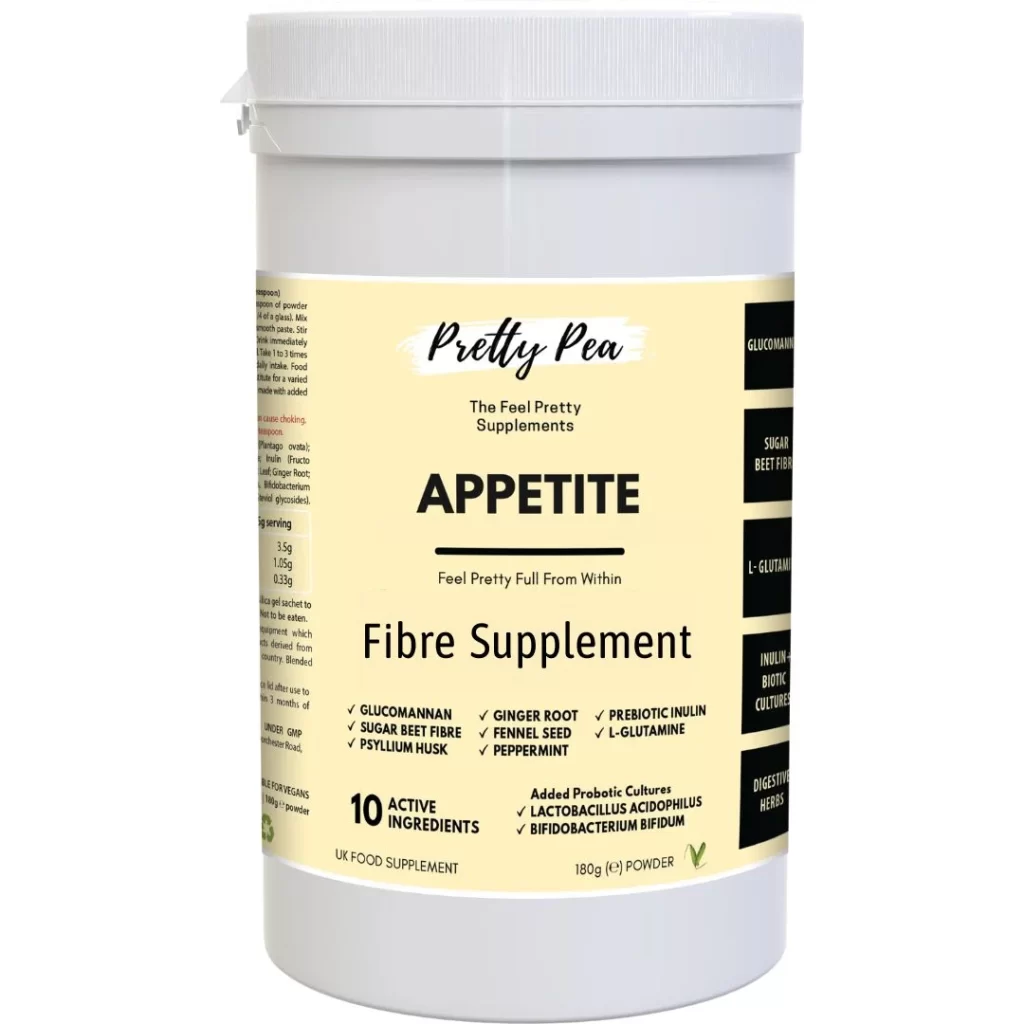
Looking to increase your daily fibre intake? Explore Pretty Pea fibre supplements designed to support everyday nutrition, fullness and digestive wellbeing as part of a balanced diet.
Carbohydrates: Choose the Type That Supports You
Carbohydrates are often blamed for weight gain, but they are not the enemy.
Your body uses carbohydrates for energy.
The type, amount and quality of carbohydrate matters more than avoiding them completely.
Higher-fibre, slower-digesting carbohydrates are usually more supportive than refined, low-fibre options.
Better choices include:
- Oats.
- New potatoes.
- Sweet potatoes.
- Brown rice.
- Basmati rice.
- Wholegrain pasta.
- Rye bread.
- Seeded bread.
- Beans.
- Lentils.
- Chickpeas.
- Quinoa.
- Barley.
- Fruit.
These foods provide fibre, vitamins, minerals and longer-lasting energy.
In contrast, highly refined carbohydrates can be easier to overeat and may leave some people feeling hungry again sooner.
Examples include:
- Sugary cereals.
- White bread.
- Cakes.
- Biscuits.
- Pastries.
- Sweets.
- Sugary drinks.
You do not need to cut these foods out completely.
But if your energy crashes, cravings or hunger feel hard to manage, improving carbohydrate quality can make a noticeable difference.
A simple rule is:
Pair carbohydrates with protein and fibre.
For example:
- Toast with eggs instead of toast alone.
- Oats with Greek yoghurt instead of instant sugary cereal.
- Apple with peanut butter instead of biscuits.
- Rice with chicken, beans and vegetables instead of plain rice alone.
This helps slow digestion and supports steadier energy.
Healthy Fats: Important for Hormones, Brain and Heart Health
Fat is another nutrient many women have been taught to fear.
But healthy fats are important.
They support:
- Cell membranes.
- Brain health.
- Hormone production.
- Absorption of fat-soluble vitamins.
- Heart health.
- Meal satisfaction.
The focus should be on choosing more unsaturated fats and reducing excess saturated fat.
Helpful fat sources include:
- Olive oil.
- Avocado.
- Nuts.
- Seeds.
- Oily fish.
- Nut butters.
- Flaxseed.
- Chia seeds.
Oily fish such as salmon, sardines, trout and mackerel provide omega-3 fats, which are important for heart and brain health.
This matters during menopause because cardiovascular risk increases after menopause for many women.
A Mediterranean-style diet is often a useful pattern to follow.
It focuses on:
- Vegetables.
- Fruit.
- Beans.
- Lentils.
- Wholegrains.
- Olive oil.
- Nuts.
- Seeds.
- Fish.
- Moderate amounts of dairy.
- Less ultra-processed food.
This style of eating is not a short-term diet.
It is a sustainable way to support long-term health.
Phytoestrogens: Can Plant Oestrogens Help?
Phytoestrogens are natural plant compounds that have a weak oestrogen-like effect in the body.
They are found in foods such as:
- Soya beans.
- Tofu.
- Tempeh.
- Soya milk.
- Edamame.
- Flaxseed.
- Linseed.
- Chickpeas.
- Lentils.
Some women find that regularly eating phytoestrogen-rich foods helps with menopause symptoms, especially hot flushes.
However, the evidence is mixed.
They do not work for everyone.
Part of this may be because gut bacteria influence how some phytoestrogens are processed in the body.
This is another reason gut health may matter during menopause.
If you want to try phytoestrogens, it is usually better to use whole foods rather than relying only on supplements.
For example:
- Add soya milk to porridge.
- Use tofu in stir-fries.
- Add edamame beans to salads.
- Sprinkle ground flaxseed onto yoghurt.
- Add lentils to soups or curries.
Phytoestrogens are not a magic solution, but they can be part of a balanced, plant-rich diet.
Calcium and Vitamin D: Essential for Bone Health
Bone health becomes especially important after menopause.
As oestrogen levels fall, bone loss can happen more quickly.
This increases the risk of osteoporosis and fractures later in life.
Calcium and vitamin D are two of the most important nutrients for bones.
Calcium helps build and maintain strong bones and teeth.
Vitamin D helps the body absorb calcium.
Good calcium sources include:
- Milk.
- Yoghurt.
- Cheese.
- Fortified plant milks.
- Calcium-set tofu.
- Sardines with bones.
- Kale.
- Broccoli.
- Fortified foods.
Vitamin D is harder to get from food alone.
The body makes vitamin D when skin is exposed to sunlight, but in the UK this can be limited, especially during autumn and winter.
Many women may need a vitamin D supplement, particularly during the darker months.
If you are unsure, speak to your GP, pharmacist or registered dietitian.
Bone health is not only about calcium and vitamin D.
It is also supported by:
- Protein.
- Strength training.
- Weight-bearing exercise.
- Not smoking.
- Limiting alcohol.
- Eating enough overall.
Micronutrients That Matter
Hormone health depends on many vitamins and minerals.
This does not mean you need dozens of supplements.
It means a varied diet matters.
Important nutrients include:
Magnesium
Magnesium is involved in muscle function, nervous system function and energy production.
Food sources include:
- Nuts.
- Seeds.
- Wholegrains.
- Dark chocolate.
- Leafy greens.
- Beans.
- Lentils.
B Vitamins
B vitamins support energy metabolism and nervous system function.
Food sources include:
- Wholegrains.
- Eggs.
- Dairy.
- Meat.
- Fish.
- Beans.
- Lentils.
- Leafy greens.
Vitamin B12 is mainly found in animal foods and fortified foods, so vegans may need a supplement.
Iodine and Selenium
Iodine and selenium are important for thyroid function.
Food sources include:
- Fish.
- Dairy.
- Eggs.
- Seaweed.
- Brazil nuts.
- Meat.
Seaweed can be very high in iodine, so it should be used carefully and not in large amounts.
If you have thyroid disease or take thyroid medication, always speak to a healthcare professional before using iodine or kelp supplements.
Iron
Iron supports oxygen transport and energy.
Women with heavy periods may be more at risk of low iron.
Food sources include:
- Red meat.
- Beans.
- Lentils.
- Spinach.
- Fortified cereals.
- Pumpkin seeds.
- Tofu.
If you suspect low iron, ask your GP about testing before supplementing.
Alcohol, Caffeine and Hot Flushes
Some women find that alcohol, caffeine, spicy foods or hot drinks trigger hot flushes or night sweats.
This does not mean everyone needs to avoid them completely.
But if symptoms are affecting your sleep or quality of life, it may be worth tracking your own triggers.
Common triggers include:
- Wine.
- Spirits.
- Coffee.
- Strong tea.
- Energy drinks.
- Spicy meals.
- Hot drinks before bed.
Alcohol can also affect sleep quality, appetite, mood and weight management.
Even small reductions may help some women feel better.
For example:
- Keep alcohol to weekends.
- Alternate alcoholic drinks with water.
- Avoid alcohol close to bedtime.
- Switch afternoon coffee to decaf.
- Keep caffeine earlier in the day.
These changes are not glamorous, but they can be very effective.
Gut Health and Hormones
The gut is closely connected to overall health.
Your gut microbiome is the community of bacteria and other microorganisms living in your digestive system.
A healthy gut microbiome is supported by:
- Fibre-rich foods.
- Plant variety.
- Fermented foods.
- Adequate hydration.
- Regular meals.
- Less ultra-processed food.
- Less excessive alcohol.
- Good sleep.
- Regular movement.
Gut health may influence digestion, immune function, inflammation and how some plant compounds are processed.
This is why a high-fibre, plant-rich diet is so useful.
Rather than focusing only on one “superfood”, aim for variety.
Try to include different plant foods across the week, such as:
- Vegetables.
- Fruit.
- Beans.
- Lentils.
- Herbs.
- Spices.
- Nuts.
- Seeds.
- Wholegrains.
A simple goal is to add one extra plant food to each meal.
A Simple Hormone-Supportive Day of Eating
Here is an example of what a balanced day could look like.
Breakfast
Greek yoghurt with berries, oats, chia seeds and ground flaxseed.
Or porridge made with soya milk, topped with berries, nuts and psyllium husk.
Lunch
Lentil and vegetable soup with wholegrain bread.
Or chicken, tofu or salmon salad with quinoa, avocado and mixed vegetables.
Snack
Apple with peanut butter.
Or yoghurt with berries and pumpkin seeds.
Or oatcakes with hummus.
Dinner
Salmon, tofu or chicken with roasted vegetables, sweet potato and olive oil.
Or bean chilli with brown rice and salad.
Evening
Herbal tea.
A small protein-rich snack if you are genuinely hungry.
The aim is not perfection.
The aim is steady energy, enough protein, enough fibre and meals that leave you satisfied.
What About Supplements?
Supplements can be useful in some situations, but they should not replace a healthy diet.
Some women may benefit from vitamin D, especially in the UK during autumn and winter.
Others may need specific nutrients if they have a diagnosed deficiency, follow a vegan diet or have increased needs.
However, more is not always better.
High-dose supplements can sometimes cause side effects or interact with medication.
Before taking supplements for hormone symptoms, consider:
- Do I know what I am trying to support?
- Could this interact with medication?
- Is the dose appropriate?
- Is there evidence behind it?
- Could I improve this through food first?
- Should I speak to my GP, pharmacist or dietitian?
A food-first approach is usually the safest foundation.
Supplements should add to that foundation, not replace it.
The Key Takeaway
There is no perfect hormone-balancing diet.
But there is a clear pattern that supports women’s health during perimenopause and menopause.
Focus on:
- Protein at each meal.
- More fibre-rich foods.
- Higher-fibre carbohydrates.
- Healthy fats.
- Plenty of colourful plants.
- Calcium and vitamin D for bones.
- Hydration.
- Less alcohol if it worsens symptoms.
- Less caffeine if it affects sleep or flushes.
- Consistent meals rather than extreme dieting.
The aim is not to control every hormone.
The aim is to support the systems that help your body feel more stable, energised and resilient.
In the next section, we will look at lifestyle habits that support hormone health, including strength training, walking, sleep, stress management and recovery.
Lifestyle Habits That Support Hormone Health
Hormone health is not only about what you eat.
Your hormones are also influenced by sleep, stress, exercise, body composition, alcohol, daily routines and how much recovery your body gets.
This does not mean you need a perfect lifestyle.
Most women do not have unlimited time, energy or freedom to follow complicated wellness routines.
The goal is to focus on the habits that make the biggest difference and build them into real life.
Small, consistent changes often work better than extreme plans that only last a few weeks.
Strength Training: One of the Most Important Habits After 40
Strength training is one of the most valuable habits women can build during perimenopause and menopause.
This is because muscle naturally becomes harder to maintain with age.
If we do not actively use muscle, we gradually lose it.
This matters because muscle supports:
- Strength.
- Mobility.
- Bone health.
- Glucose control.
- Insulin sensitivity.
- Metabolic health.
- Healthy ageing.
- Confidence.
- Long-term independence.
Many women focus mostly on cardio when they want to lose weight.
Cardio is useful, but strength training becomes especially important after 40 because it helps protect muscle and bone.
Muscle also acts as a storage site for glucose. When you build and maintain muscle, your body can often use glucose more effectively.
This is one reason strength training is helpful for metabolic health and blood sugar regulation.
You do not need to lift very heavy weights at the start.
Good options include:
- Bodyweight exercises.
- Resistance bands.
- Dumbbells.
- Kettlebells.
- Gym machines.
- Pilates-style strength work.
- Squats.
- Lunges.
- Step-ups.
- Presses.
- Rows.
- Deadlifts.
The best strength training is the version you can repeat consistently.
For beginners, two sessions per week is a good starting point.
Each session could include simple movements for the major muscle groups:
- Legs.
- Hips.
- Back.
- Chest.
- Shoulders.
- Arms.
- Core.
Over time, you can gradually increase resistance, repetitions or difficulty.
This progressive challenge is what encourages the body to adapt.
The goal is not punishment.
The goal is to tell your body:
“This muscle is needed. Keep it.”
Walking: Simple, Underrated and Powerful
Walking is one of the most underrated health habits.
It is accessible, low-cost and easier to recover from than intense exercise.
Walking may support:
- Blood sugar control.
- Digestion.
- Mood.
- Sleep.
- Heart health.
- Stress reduction.
- Weight management.
- Energy levels.
A short walk after meals can be especially useful because movement helps muscles use glucose from the bloodstream.
You do not need to reach a perfect step count every day.
Instead, look for easy ways to increase movement:
- Take a 10-minute walk after lunch.
- Walk while listening to a podcast.
- Park slightly further away.
- Take the stairs when possible.
- Walk around during phone calls.
- Add a short evening walk after dinner.
- Break up long periods of sitting.
For many women, walking is also a form of nervous system regulation.
It gives the body movement, light, rhythm and space to process stress.
This makes it useful not only for physical health, but also for emotional wellbeing.
Cardio: Support Your Heart and Energy
Cardiovascular exercise is still important during midlife.
It supports heart health, fitness, mood, circulation and long-term disease prevention.
Useful forms of cardio include:
- Brisk walking.
- Cycling.
- Swimming.
- Dancing.
- Jogging.
- Hiking.
- Aerobics.
- Rowing.
- Using a cross-trainer.
- Fitness classes.
The key is to choose a form you enjoy enough to repeat.
You do not need to exhaust yourself.
Moderate-intensity activity means you are breathing faster, but you can still talk.
Vigorous activity means you are breathing hard and would struggle to hold a full conversation.
For most women, a mix of walking, strength training and some moderate cardio is more sustainable than relying only on intense workouts.
Too much intense exercise without enough food, sleep or recovery can sometimes make fatigue, cravings and stress feel worse.
This is especially true if you are already under a lot of pressure.
Exercise should leave you feeling stronger over time, not constantly drained.
Sleep: The Foundation Many Women Underestimate
Sleep is one of the most important parts of hormone health.
Poor sleep can affect:
- Appetite.
- Cravings.
- Cortisol.
- Blood sugar regulation.
- Energy.
- Mood.
- Motivation.
- Recovery from exercise.
- Food choices.
- Weight management.
During perimenopause and menopause, sleep can become disrupted by night sweats, anxiety, temperature changes, stress, alcohol, caffeine or waking during the night.
Many women describe waking around 3am and feeling wide awake.
This can become a cycle.
Poor sleep makes the next day harder.
The next day feels more stressful.
Stress makes sleep harder again.
Improving sleep does not mean you need a perfect bedtime routine.
Start with the basics.
Helpful sleep habits include:
- Keeping caffeine earlier in the day.
- Reducing alcohol, especially in the evening.
- Keeping the bedroom cool.
- Getting morning daylight.
- Eating enough during the day.
- Avoiding very heavy meals right before bed.
- Reducing late-night scrolling.
- Creating a short wind-down routine.
- Going to bed and waking up at similar times where possible.
- Using breathable bedding and nightwear if you get hot flushes.
If night sweats are the main reason you wake, lifestyle changes may not be enough on their own.
It is worth speaking to your GP about treatment options.
You do not need to simply tolerate poor sleep for years.
Stress and Cortisol: Support Your Nervous System
Cortisol is your main stress hormone.
It helps your body respond to challenges.
This is useful in the short term.
The problem is when stress becomes constant and recovery is limited.
Modern life can keep the body in a high-alert state.
Work, family responsibilities, caring roles, financial pressure, poor sleep and emotional stress can all increase the load on the body.
Over time, ongoing stress can influence:
- Appetite.
- Cravings.
- Sleep.
- Digestion.
- Energy.
- Mood.
- Blood sugar regulation.
- Alcohol or caffeine use.
- Motivation to exercise.
Stress management does not mean eliminating stress completely.
That is not realistic.
It means creating small signals of safety and recovery throughout the day.
Useful habits include:
- Walking outside.
- Slow breathing.
- Gentle stretching.
- Yoga.
- Journaling.
- Time away from screens.
- Talking to someone supportive.
- Spending time in nature.
- Listening to calming music.
- Reducing overcommitment.
- Taking breaks before you are exhausted.
Even five minutes can help if it is repeated regularly.
A simple breathing practice could be:
Breathe in slowly through the nose.
Pause briefly.
Breathe out slowly.
Repeat for two to five minutes.
This will not solve every source of stress, but it can help shift the body out of constant urgency.
Recovery: The Missing Piece
Many women are very good at doing more.
More work.
More responsibilities.
More exercise.
More dieting.
More effort.
But hormone health also needs recovery.
Recovery means giving the body enough resources to repair, regulate and adapt.
Poor recovery can show up as:
- Constant fatigue.
- Poor sleep.
- Irritability.
- Reduced exercise performance.
- More cravings.
- Feeling wired but tired.
- Low motivation.
- More aches and pains.
- Getting ill more often.
Recovery is not laziness.
It is part of health.
Good recovery habits include:
- Eating enough.
- Rest days from intense exercise.
- Gentle movement.
- Protein after workouts.
- Hydration.
- Sleep.
- Relaxation.
- Time outdoors.
- Taking breaks during the day.
- Not dieting aggressively all the time.
If you are strength training, walking more and improving your nutrition, recovery helps those habits work better.
Your body does not become stronger during the workout itself.
It becomes stronger when it has the chance to repair afterwards.
Alcohol: A Small Change That Can Make a Big Difference
Alcohol can affect women differently during perimenopause and menopause.
Some women notice that alcohol worsens:
- Hot flushes.
- Night sweats.
- Sleep quality.
- Anxiety.
- Mood.
- Cravings.
- Weight management.
- Energy the next day.
Alcohol can also make it easier to snack more, sleep poorly and feel less motivated to exercise.
This does not mean everyone needs to give up alcohol completely.
But it is worth being honest about whether it is helping or hurting your symptoms.
Useful strategies include:
- Keeping alcohol to fewer nights per week.
- Avoiding alcohol close to bedtime.
- Choosing smaller servings.
- Alternating alcoholic drinks with water.
- Trying alcohol-free alternatives.
- Not using alcohol as the main way to unwind.
Even a small reduction can improve sleep and energy for some women.
Caffeine: Helpful for Energy, But Timing Matters
Caffeine can be useful.
It can improve alertness and help you feel more focused.
However, caffeine can also affect sleep, anxiety, palpitations and hot flushes in some women.
The issue is often timing.
A coffee at 8am may be fine.
A coffee at 4pm may still affect sleep later that night.
If you wake at night, feel anxious or struggle to fall asleep, it may be worth experimenting with:
- Keeping caffeine to the morning.
- Switching to decaf after lunch.
- Reducing strong coffee.
- Avoiding energy drinks.
- Tracking whether caffeine affects hot flushes.
You do not need to remove caffeine unless it clearly affects you.
The aim is to understand your own response.
Light, Routine and Circadian Rhythm
Your body has an internal clock called the circadian rhythm.
This rhythm helps regulate sleep, energy, hunger, body temperature and hormone patterns across the day.
Modern life can disrupt this rhythm.
Common disruptors include:
- Late nights.
- Bright screens at night.
- Not getting daylight in the morning.
- Irregular meals.
- Shift work.
- Alcohol.
- Stress.
- Sleeping in very late at weekends.
One of the simplest ways to support your body clock is to get natural light in the morning.
Morning light helps signal that it is daytime.
Even 10 minutes outside can help create a stronger day-night rhythm.
Other helpful habits include:
- Eating meals at fairly regular times.
- Keeping caffeine earlier.
- Dimming lights in the evening.
- Reducing screens before bed.
- Keeping the bedroom dark.
- Getting up at a similar time most days.
This is especially useful if your sleep has become disrupted during perimenopause.
Gut Health and Daily Habits
Gut health is not only about food.
Daily habits also influence digestion and the gut microbiome.
Helpful habits include:
- Eating at regular times.
- Chewing food properly.
- Drinking enough fluid.
- Walking after meals.
- Managing stress.
- Eating fibre gradually.
- Including a variety of plant foods.
- Avoiding unnecessary restrictive diets.
- Limiting excessive alcohol.
- Sleeping well.
Stress can affect digestion.
So can rushing meals, eating very quickly or skipping meals and then overeating later.
If digestion feels sluggish, start with simple foundations:
- More water.
- More walking.
- More fibre, added slowly.
- More vegetables.
- Regular meals.
- Less rushing.
Small changes often make a noticeable difference.
Avoid Extreme Dieting
Extreme dieting can feel tempting when weight changes quickly or clothes stop fitting.
But aggressive restriction often backfires.
Very low-calorie diets may increase hunger, reduce energy, worsen mood, affect sleep and make cravings stronger.
They can also make it harder to maintain muscle if protein intake and strength training are too low.
This is especially important after 40, when protecting muscle becomes a priority.
A better approach is to create a modest, sustainable calorie deficit if weight loss is the goal, while still prioritising:
- Protein.
- Fibre.
- Strength training.
- Sleep.
- Daily movement.
- Enough food to feel satisfied.
The aim is not to eat as little as possible.
The aim is to eat in a way you can sustain.
Track Patterns, Not Perfection
One of the most useful things you can do is track patterns.
You do not need to track everything forever.
But short-term tracking can help you understand your body.
You might track:
- Sleep.
- Energy.
- Hunger.
- Cravings.
- Hot flushes.
- Alcohol.
- Caffeine.
- Fibre intake.
- Protein intake.
- Cycle changes.
- Stress.
- Movement.
- Waist measurement.
This can help you spot connections.
For example:
- Do hot flushes worsen after wine?
- Do cravings increase after poor sleep?
- Does walking after dinner improve digestion?
- Does protein at breakfast reduce snacking?
- Does caffeine after lunch affect waking at night?
- Does stress worsen bloating?
These patterns give you practical information.
They help you move from guessing to understanding.
A Simple Weekly Hormone-Supportive Routine
A realistic routine might look like this:
Daily
- Eat protein at each meal.
- Include fibre-rich foods.
- Drink enough water.
- Walk for 10 to 30 minutes.
- Get morning daylight.
- Keep caffeine earlier.
- Take short breaks from sitting.
- Create a simple wind-down routine.
Two to Three Times Per Week
- Strength training.
- Resistance bands, weights or bodyweight exercises.
- Focus on major muscle groups.
Weekly
- Plan a few balanced meals.
- Prepare fibre-rich foods.
- Check alcohol habits.
- Review sleep patterns.
- Make time for rest.
- Track one symptom or habit.
This does not need to be perfect.
Consistency matters more than intensity.
When Lifestyle Is Not Enough
Lifestyle habits can support hormone health, but they are not a replacement for medical care.
If symptoms are severe, persistent or affecting your quality of life, speak to your GP.
This is especially important if you have:
- Bleeding after menopause.
- Very heavy bleeding.
- Severe anxiety or depression.
- Palpitations.
- Unexplained weight changes.
- Severe fatigue.
- Symptoms of thyroid disease.
- Frequent urination or increased thirst.
- Severe night sweats.
- Pain during sex.
- Recurrent urinary symptoms.
- Symptoms that feel unusual for you.
Treatment options are available.
Depending on your symptoms, these may include HRT, non-hormonal treatments, vaginal oestrogen, CBT, blood tests, medication reviews or referral to a specialist.
You do not need to fix everything with lifestyle alone.
The Key Takeaway
Supporting hormone health is not about chasing a perfect routine.
It is about building daily habits that help your body regulate better.
The most useful foundations are:
- Strength training.
- Walking.
- Regular movement.
- Better sleep.
- Stress recovery.
- Protein.
- Fibre.
- Balanced meals.
- Less alcohol if it worsens symptoms.
- Caffeine timing.
- Medical support when needed.
Hormones matter, but they are part of a wider system.
When you support sleep, muscle, blood sugar, digestion, stress and recovery, you support the environment in which hormones work.
In the next section, we will look at when to seek medical advice, what tests may be useful, and why symptoms should not always be dismissed as “just hormones”.
When to Seek Medical Advice
Hormone changes are common during perimenopause and menopause, but not every symptom should be dismissed as “just hormones.”
This is especially important because many hormone-related symptoms overlap with other conditions.
Fatigue, weight changes, low mood, poor sleep, heavy periods, hair thinning, palpitations, anxiety and digestive changes can all have more than one possible cause.
For example, similar symptoms may be linked with:
- Perimenopause.
- Menopause.
- Thyroid disease.
- Anaemia.
- Low vitamin B12.
- Low vitamin D.
- Diabetes or insulin resistance.
- Polycystic ovary syndrome.
- Depression or anxiety.
- Medication side effects.
- Autoimmune conditions.
- Digestive disorders.
- Chronic stress.
- Poor sleep.
This does not mean you should worry about every symptom.
But it does mean persistent, severe, unusual or worsening symptoms should be discussed with a healthcare professional.
When Hormone Symptoms Should Be Checked
It is worth speaking to your GP if symptoms are affecting your quality of life, your sleep, your work, your relationships or your ability to function normally.
You do not need to wait until symptoms feel unbearable.
Speak to your GP if you experience:
- Symptoms that are new or unusual for you.
- Symptoms that are getting worse.
- Symptoms that interfere with daily life.
- Severe fatigue.
- Severe anxiety or low mood.
- Persistent insomnia.
- Heavy or irregular bleeding.
- Bleeding between periods.
- Bleeding after sex.
- Bleeding after menopause.
- Unexplained weight gain or weight loss.
- Palpitations.
- Increased thirst.
- Passing urine more often than usual.
- Recurrent thrush or urinary symptoms.
- Severe night sweats.
- Sudden hair loss.
- New headaches.
- Severe digestive changes.
- Joint pain that is persistent or worsening.
It is also worth seeking help if you simply feel that something is not right.
You know your body better than anyone else.
Bleeding After Menopause Should Always Be Checked
Menopause is usually defined as 12 consecutive months without a period.
Any bleeding after this point should be discussed with your GP, even if it only happens once or is only light spotting.
Most cases of postmenopausal bleeding are not caused by cancer, but it still needs to be checked properly.
Bleeding after menopause may be caused by several things, including vaginal dryness, polyps, HRT, thickening of the womb lining or other gynaecological conditions.
The important message is simple:
Do not ignore bleeding after menopause.
Do not assume it is normal.
Book a GP appointment.
Heavy, Irregular or Unusual Bleeding Before Menopause
During perimenopause, periods can become irregular, lighter, heavier, closer together or further apart.
That can be normal.
However, some bleeding patterns should still be checked.
Speak to your GP if you have:
- Very heavy bleeding.
- Bleeding that is much heavier than normal for you.
- Bleeding between periods.
- Bleeding after sex.
- Periods that last much longer than usual.
- Severe pelvic pain.
- Symptoms of anaemia, such as extreme tiredness, dizziness or shortness of breath.
- Any bleeding pattern that worries you.
Heavy bleeding can affect iron levels, energy and quality of life.
You do not have to simply put up with it.
Mood Changes, Anxiety and Low Mood
Mood symptoms are common during perimenopause and menopause, but they should still be taken seriously.
Hormonal fluctuation can affect mood, but so can stress, poor sleep, life changes, grief, work pressure, caring responsibilities and previous mental health history.
Speak to your GP if you experience:
- Persistent low mood.
- Anxiety that feels difficult to manage.
- Panic attacks.
- Loss of interest in normal activities.
- Feeling overwhelmed most days.
- Severe irritability.
- Poor sleep linked with anxiety.
- Thoughts of self-harm.
- Feeling unable to cope.
If you are having thoughts of self-harm or feel unsafe, seek urgent help.
This could mean contacting your GP urgently, calling NHS 111, going to A&E or contacting a crisis helpline.
You deserve support.
Palpitations, Chest Pain and Breathlessness
Some women experience palpitations during perimenopause.
A palpitation may feel like your heart is racing, fluttering, skipping beats or beating harder than usual.
These symptoms can be linked with anxiety, hot flushes, caffeine, alcohol or hormonal changes.
However, heart symptoms should be treated carefully.
Seek medical advice if palpitations are new, frequent, worsening or worrying.
Seek urgent medical help if palpitations happen with:
- Chest pain.
- Shortness of breath.
- Fainting.
- Severe dizziness.
- Pain spreading to the arm, jaw, back or neck.
- A feeling of pressure or tightness in the chest.
Do not assume heart symptoms are “just menopause.”
Symptoms That May Suggest Thyroid Problems
Thyroid symptoms can overlap with perimenopause and menopause.
An underactive thyroid may cause symptoms such as:
- Fatigue.
- Weight gain.
- Feeling cold.
- Constipation.
- Dry skin.
- Hair thinning.
- Low mood.
- Brain fog.
- Heavy periods.
An overactive thyroid may cause symptoms such as:
- Weight loss.
- Anxiety.
- Palpitations.
- Feeling hot.
- Sweating.
- Trembling.
- Frequent bowel movements.
- Poor sleep.
Because these symptoms overlap with hormone changes, thyroid problems can sometimes be missed.
If symptoms are persistent or do not fit your usual pattern, ask your GP whether thyroid testing is appropriate.
Symptoms That May Suggest Blood Sugar Problems
Blood sugar problems can also overlap with midlife hormone symptoms.
Insulin resistance and type 2 diabetes can develop gradually, sometimes with subtle symptoms.
Speak to your GP if you notice:
- Feeling unusually thirsty.
- Passing urine more often than usual.
- Feeling very tired.
- Blurred vision.
- Slow-healing cuts or wounds.
- Recurrent thrush.
- Unexplained weight loss.
- Strong energy crashes after meals.
These symptoms do not automatically mean diabetes, but they are worth checking.
A GP may recommend blood tests such as HbA1c or fasting blood glucose depending on your symptoms and risk factors.
Do You Need Hormone Blood Tests?
This is one of the most common questions women ask.
The answer depends on your age, symptoms and medical history.
For many women over 45 with typical perimenopause or menopause symptoms, diagnosis is often based on symptoms rather than hormone blood tests.
This is because hormone levels can fluctuate significantly during perimenopause.
A blood test may show a “normal” result on one day, even though symptoms are clearly happening.
This can make hormone blood tests less useful for diagnosing perimenopause in many women over 45.
However, blood tests may be helpful in some situations.
Your GP may consider testing if:
- You are under 45 and periods have become irregular or stopped.
- You are under 40 and menopause is suspected.
- Symptoms are unusual.
- Another condition needs to be ruled out.
- Thyroid disease is suspected.
- PCOS is suspected.
- Diabetes or insulin resistance is suspected.
- Prolactin or other hormone issues are suspected.
- You have symptoms that do not fit a typical perimenopause pattern.
The key point is that blood tests should be guided by symptoms, age and clinical judgement.
Useful Tests to Discuss With Your GP
You do not need to request every test on this list.
But depending on your symptoms, your GP may consider checking some of the following.
Full Blood Count
A full blood count can help look for anaemia or signs of infection or inflammation.
This may be relevant if you have fatigue, heavy periods, breathlessness, dizziness or feeling unusually weak.
Ferritin or Iron Studies
Ferritin reflects stored iron.
Low iron stores can contribute to fatigue, hair shedding, dizziness, restless legs and poor exercise tolerance.
This may be especially relevant if you have heavy periods.
Thyroid Function Tests
Thyroid tests usually include TSH and sometimes free T4.
These can help check whether the thyroid is underactive or overactive.
HbA1c or Fasting Glucose
These tests help assess blood sugar control.
They may be useful if you have symptoms of blood sugar problems or risk factors for type 2 diabetes.
Lipid Profile
A lipid profile checks cholesterol and other blood fats.
This can be useful during midlife because cardiovascular risk changes after menopause.
Liver and Kidney Function
These tests help assess general health and may be needed before certain medications.
Vitamin B12 and Folate
Low B12 or folate can contribute to fatigue, weakness, pins and needles, mouth ulcers, memory problems or low mood.
B12 is especially important for vegans, vegetarians, people with digestive conditions and those taking some medications.
Vitamin D
Vitamin D supports bone and muscle health.
Low vitamin D is common in the UK, especially during autumn and winter.
Reproductive Hormones
In some situations, your GP may check hormones such as FSH, LH, oestradiol, prolactin or testosterone.
These are not always needed for typical menopause diagnosis over 45, but may be useful in younger women, unusual symptoms or suspected conditions such as PCOS or premature ovarian insufficiency.
Be Careful With At-Home Hormone Tests
At-home hormone testing has become popular.
Some tests can provide useful information in specific circumstances, but they can also be misleading.
Hormones fluctuate across the menstrual cycle, across perimenopause and even across the day.
A single result may not explain your symptoms.
There is also a risk of treating numbers rather than the person.
If you use private testing, it is still important to interpret results with a qualified healthcare professional.
Symptoms, age, cycle history, medical background and medication all matter.
Do not start high-dose supplements or hormone treatments based only on an at-home test result.
What to Tell Your GP
To get the most from your appointment, it can help to prepare.
Before you go, write down:
- Your main symptoms.
- When they started.
- How often they happen.
- Whether they are getting worse.
- Your cycle pattern.
- Any bleeding changes.
- Sleep changes.
- Mood changes.
- Weight changes.
- Hot flushes or night sweats.
- Medication or supplements you take.
- Family history of thyroid disease, diabetes, early menopause or osteoporosis.
- Anything that seems to trigger symptoms.
- What you have already tried.
If you still have periods, tracking your cycle can be especially helpful.
You may want to note:
- Cycle length.
- Bleeding heaviness.
- PMS symptoms.
- Mood changes.
- Sleep.
- Headaches.
- Breast tenderness.
- Hot flushes.
- Pain.
This gives your GP a clearer picture than trying to remember everything during the appointment.
Treatment Options May Be Available
If symptoms are affecting your life, treatment may help.
Depending on your symptoms and medical history, options may include:
- Lifestyle support.
- HRT.
- Vaginal oestrogen.
- Non-hormonal treatments for hot flushes.
- Psychological support.
- CBT.
- Sleep support.
- Treatment for thyroid disease.
- Treatment for anaemia.
- Diabetes prevention or management support.
- PCOS management.
- Referral to a menopause specialist or endocrinologist.
The right option depends on the cause of your symptoms and your individual risk factors.
This article focuses on lifestyle and nutrition, but it is important to say clearly:
You do not have to manage difficult symptoms alone.
The Key Takeaway
Hormone changes are common during perimenopause and menopause, but symptoms should still be taken seriously.
Speak to your GP if symptoms are severe, persistent, unusual, worsening or affecting your quality of life.
Bleeding after menopause should always be checked.
So should severe fatigue, unexplained weight changes, palpitations, increased thirst, frequent urination, persistent low mood, severe anxiety or symptoms that feel unusual for you.
Lifestyle and nutrition can support hormone health, but medical assessment is sometimes needed.
How to Start Supporting Your Hormones Today
By this point, it should be clear that hormone health is not about one single hormone, one supplement or one perfect routine.
Hormones are part of a wider system.
They are influenced by age, perimenopause, menopause, sleep, stress, diet, movement, muscle mass, gut health, medical conditions and daily habits.
That can sound overwhelming, but it also means there are many small ways to support your body.
You do not need to change everything at once.
Start with the foundations.
Step 1: Know What Has Changed
Before trying to “fix” your hormones, it helps to understand what has changed.
Ask yourself:
- Are my periods different?
- Am I sleeping differently?
- Have my cravings changed?
- Has my waist changed?
- Am I more anxious or irritable?
- Do I feel more tired than usual?
- Have my digestion or bowel habits changed?
- Am I waking with night sweats?
- Do I feel hungry soon after eating?
- Am I recovering more slowly from exercise?
- Has my weight changed suddenly or gradually?
These clues can help you see patterns.
For example, if cravings are worse after poor sleep, sleep may be the first habit to focus on.
If weight is settling around the middle, it may be useful to look at strength training, protein, fibre, alcohol, stress and blood sugar balance.
If periods have become very heavy, it may be important to speak to your GP and check iron levels.
Tracking does not need to be complicated. You can simply use a notebook, notes app or symptom tracker for two to four weeks.
Step 2: Build a Better Breakfast
Breakfast is one of the easiest places to improve hormone-supportive nutrition.
Many women start the day with something quick but low in protein and fibre, such as toast, cereal, biscuits or coffee alone.
This can leave you hungry again quickly and may make cravings stronger later in the day.
A better breakfast includes:
- Protein.
- Fibre.
- Slow-digesting carbohydrates.
- Healthy fats.
- Colourful plant foods.
Examples include:
- Greek yoghurt with berries, oats, chia seeds and ground flaxseed.
- Porridge with soya milk, psyllium husk, berries and nuts.
- Eggs with wholegrain toast and avocado.
- Cottage cheese with fruit and seeds.
- Protein smoothie with berries, oats, flaxseed and yoghurt.
- Tofu scramble with vegetables and seeded toast.
The goal is not to make breakfast complicated.
The goal is to make it more satisfying.
If you can reduce mid-morning hunger and improve energy, the rest of the day often becomes easier.
Step 3: Increase Fibre Gradually
Fibre is one of the most practical nutrients for women over 40.
It supports digestion, gut health, fullness, regularity and metabolic health.
However, many people increase fibre too quickly and then feel bloated or uncomfortable.
The key is to build up slowly.
Start by adding one extra fibre-rich food per day.
For example:
- Add berries to breakfast.
- Add chia seeds to yoghurt.
- Swap white bread for seeded bread.
- Add lentils to soup.
- Add beans to chilli.
- Keep the skin on potatoes.
- Add vegetables to lunch.
- Add psyllium husk to porridge or smoothies.
- Snack on fruit with nuts.
Drink enough fluid, especially if using fibre supplements such as psyllium husk or glucomannan.
Fibre works best when it has enough water.
Step 4: Add Protein to Every Meal
Protein supports muscle, fullness and healthy ageing.
This becomes especially important during midlife because muscle mass becomes harder to maintain with age.
You do not need to eat a bodybuilder-style diet.
But you do need regular protein.
Aim to include one protein source at each meal.
Examples include:
- Eggs.
- Greek yoghurt.
- Cottage cheese.
- Fish.
- Chicken.
- Turkey.
- Lean meat.
- Tofu.
- Tempeh.
- Beans.
- Lentils.
- Chickpeas.
- Soya foods.
- Protein powder if useful.
A simple question to ask at each meal is:
“Where is my protein?”
If the answer is unclear, add some.
Step 5: Strength Train Twice a Week
Strength training is one of the most important habits for women in their 40s, 50s and beyond.
It helps support muscle, bones, strength, metabolism, insulin sensitivity and long-term independence.
You do not need to join a gym if you do not want to.
You can start with:
- Resistance bands.
- Dumbbells.
- Bodyweight exercises.
- Pilates-style strength.
- Wall push-ups.
- Squats to a chair.
- Step-ups.
- Glute bridges.
- Rows.
- Shoulder presses.
Two short sessions per week is a good starting point.
The aim is to gradually challenge your muscles over time.
This tells your body that muscle is still needed.
Step 6: Walk After Meals
Walking is simple, but powerful.
A short walk after meals can support digestion, mood, blood sugar balance and energy.
You do not need to do long workouts every day.
Start with 10 minutes after one meal.
For example:
- Walk after lunch.
- Walk after dinner.
- Walk while listening to a podcast.
- Walk around the block.
- Walk after taking children or dogs out.
- Walk during phone calls.
Movement after eating can be especially useful if you feel tired, sluggish or crave sugar after meals.
Step 7: Protect Your Sleep
Sleep affects almost everything.
It influences appetite, cravings, cortisol, blood sugar, mood, energy and recovery.
If your sleep has changed during perimenopause or menopause, do not ignore it.
Start with simple steps:
- Keep caffeine earlier in the day.
- Reduce alcohol near bedtime.
- Keep the bedroom cool.
- Get morning daylight.
- Eat enough during the day.
- Reduce late-night scrolling.
- Try a calming wind-down routine.
- Use breathable bedding if you get hot at night.
If night sweats, anxiety or insomnia are seriously affecting your life, speak to your GP.
Poor sleep is not something you simply have to tolerate.
Step 8: Reduce Alcohol If It Worsens Symptoms
Alcohol can affect sleep, hot flushes, night sweats, mood, appetite and weight management.
Not every woman reacts the same way, but many women notice symptoms worsen after wine, spirits or evening drinking.
You do not have to stop completely unless you want to.
Try experimenting.
For two weeks, notice whether reducing alcohol improves:
- Sleep.
- Night sweats.
- Anxiety.
- Cravings.
- Energy.
- Digestion.
- Hot flushes.
If you feel better, that gives you useful information.
Step 9: Stop Chasing Perfect Hormones
A lot of online hormone advice makes women feel as though they need to control every hormone perfectly.
This is not realistic.
Hormones naturally fluctuate.
They change across the menstrual cycle.
They change during perimenopause.
They change after menopause.
They also respond to illness, stress, sleep, food, exercise and medication.
The goal is not perfect hormone levels.
The goal is better regulation, fewer disruptive symptoms and a body that feels more supported.
That comes from strong foundations:
- Enough food.
- Enough protein.
- More fibre.
- Better sleep.
- Daily movement.
- Strength training.
- Stress recovery.
- Medical support when needed.
A Simple 7-Day Hormone-Supportive Reset
This is not a detox.
It is not a strict diet.
It is a simple way to begin supporting the systems that influence hormone health.
Day 1: Add Protein to Breakfast
Choose eggs, yoghurt, cottage cheese, tofu, protein powder or another protein source.
Notice whether you feel fuller for longer.
Day 2: Add One Extra Fibre Food
Add berries, oats, beans, lentils, chia seeds, flaxseed, vegetables or psyllium husk.
Build gradually.
Day 3: Walk for 10 Minutes After a Meal
Choose lunch or dinner.
Notice digestion, mood and energy.
Day 4: Keep Caffeine Earlier
Try switching to decaf after lunch.
Notice whether sleep or anxiety improves.
Day 5: Do a Short Strength Session
Try 15 to 20 minutes of squats, wall push-ups, rows, glute bridges and step-ups.
Keep it simple.
Day 6: Reduce Alcohol or Skip It
Notice whether night sweats, sleep or cravings change.
Day 7: Review Your Patterns
Ask yourself:
- What helped most?
- What felt realistic?
- What was difficult?
- What symptom changed?
- What habit could I repeat next week?
The aim is not perfection.
The aim is progress.
Frequently Asked Questions About Hormone Imbalance in Women
Can hormone imbalance cause weight gain?
Hormone changes can contribute to weight gain and body shape changes, especially during perimenopause and menopause.
However, weight gain is usually not caused by hormones alone.
It is often influenced by sleep, stress, muscle loss, insulin sensitivity, diet, alcohol, activity levels, appetite, age and medical conditions.
A helpful approach is to focus on protein, fibre, strength training, walking, sleep and stress recovery.
Can hormone imbalance cause belly fat?
Hormonal changes can affect where fat is stored.
After menopause, many women notice more fat around the waist and abdomen.
This may be linked partly to lower oestrogen, but other factors also matter, including age, muscle mass, insulin sensitivity, stress, sleep and lifestyle.
Belly fat can include both subcutaneous fat, which sits under the skin, and visceral fat, which sits deeper around internal organs.
What is the difference ween belly fat and visceral fat?
Belly fat is a general phrase
It can include the fat you can pinch under the skin, known as subcutaneous fat.
Visceral fat is deeper abdominal fat stored around internal organs.
Visceral fat is more closely linked with metabolic health risks such as insulin resistance, type 2 diabetes and heart disease.
You cannot always judge visceral fat by appearance alone, which is why waist measurement, blood pressure, blood glucose and cholesterol can provide useful additional information.
Is oestrogen dominance real?
“Oestrogen dominance” is a popular wellness term, but it is not usually used as a formal medical diagnosis.
It is often used to describe symptoms that may occur when oestrogen activity feels high relative to progesterone.
This can happen during perimenopause because progesterone often declines as ovulation becomes less regular, while oestrogen may fluctuate.
A more balanced way to describe it is “changes in the balance between oestrogen and progesterone.”
If symptoms are severe or unusual, speak to your GP rather than self-diagnosing.
Can stress affect hormones?
Yes. Stress affects the body through cortisol and the nervous system.
Short-term stress is normal.
Long-term stress can influence sleep, appetite, cravings, digestion, blood sugar, energy, mood and food choices.
Stress management does not mean removing all stress. It means building recovery habits such as walking, breathing, better sleep, boundaries, relaxation and support.
Can poor sleep affect hormones?
Poor sleep can affect appetite, cravings, cortisol, blood sugar regulation, mood, energy and recovery.
Many women notice stronger cravings and lower motivation after a poor night’s sleep.
Sleep problems are common during perimenopause and menopause, especially if night sweats, anxiety or temperature changes are involved.
If sleep disruption is persistent, speak to your GP.
Can fibre help hormone health?
Fibre does not “balance hormones” directly, but it supports several systems connected to hormone health.
Fibre supports digestion, gut health, fullness, cholesterol, bowel regularity and blood sugar control.
It may also help with appetite regulation because higher-fibre meals are usually more satisfying.
Good fibre sources include oats, beans, lentils, vegetables, fruit, chia seeds, flaxseed, psyllium husk and wholegrains.
Can protein help hormone health?
Protein supports muscle mass, fullness, bone health and healthy ageing.
It becomes especially important after 40 because muscle mass can decline with age.
Protein also helps meals feel more satisfying, which may support appetite control and reduce cravings.
Try to include a protein source at each meal.
Should I take supplements for hormone imbalance?
Supplements may be useful in some situations, especially if you have a diagnosed deficiency or specific dietary need.
For example, many people in the UK consider vitamin D during autumn and winter.
However, supplements should not replace medical care or a balanced diet.
Be careful with high-dose hormone, iodine, herbal or “hormone balancing” supplements, especially if you take medication, have thyroid disease or have a medical condition.
Speak to a GP, pharmacist or registered dietitian if unsure.
Do I need a hormone blood test?
Not always.
For many women over 45 with typical perimenopause or menopause symptoms, diagnosis is often based on symptoms rather than routine hormone blood tests.
This is because hormone levels can fluctuate significantly during perimenopause.
However, blood tests may be useful if you are younger, symptoms are unusual, periods stop early, or another condition needs to be ruled out.
Your GP can advise what is appropriate.
When should I see a GP about hormone symptoms?
Speak to your GP if symptoms are severe, persistent, unusual, worsening or affecting your quality of life.
You should also seek medical advice for:
- Bleeding after menopause.
- Very heavy bleeding.
- Bleeding after sex.
- Unexplained weight changes.
- Severe fatigue.
- Palpitations.
- Chest pain.
- Shortness of breath.
- Increased thirst.
- Frequent urination.
- Persistent low mood.
- Severe anxiety.
- Sudden hair loss.
- Major bowel habit changes.
Do not assume everything after 40 is “just hormones.”
Related Articles
You may also find these guides helpful:
Fibre & Food Guides
- Why Fibre Could Be the Secret to a Better Menopause
- What is the Highest Fibre Food
- Appetite Regulation: How Fibre vs GLP-1 Compare
- 50 High Fibre Foods Ranked by Fibre Content
- Everything Psyllium How To Use: A Comprehensive Guide on How to Use It for Maximum Health Benefits
- GLP-1 Foods: The Ultimate List for Appetite Control, Fat Loss & Blood Sugar
- The Menopause Diet 5 Day Plan to Lose Weight
Menopause & Your Body
- Understanding Visceral Fat: The Ultimate Belly Fat Guide
- The 100 Symptoms of Perimenopause
- Weird Perimenopause Symptoms: 25 Unusual Signs You Didn’t Expect
- Best Menopause Supplements UK (2026): What to Look For + Evidence-Based Comparison Guide
- Menopause Weight Changes Explained (UK Guide): What Research Says About Body Composition, Metabolism & Nutrition
Final Thoughts
Hormone imbalance is a phrase many women use when their body starts to feel different.
Maybe your weight has changed.
Maybe your sleep is disrupted.
Maybe your mood feels less stable.
Maybe your periods are unpredictable.
Maybe you feel tired, hungry, anxious, foggy or simply not like yourself.
These symptoms can feel frustrating, but they are also signals worth listening to.
Hormones influence many parts of the body, including metabolism, appetite, sleep, mood, digestion, skin, bones, muscle and body fat distribution.
During perimenopause and menopause, hormone patterns naturally change. At the same time, lifestyle factors such as stress, sleep, diet, movement, alcohol, muscle loss and medical conditions can also affect how you feel.
The most useful approach is not to chase perfect hormones.
It is to understand your body better and support the foundations that help it function well.
Start with simple steps:
- Eat enough protein.
- Increase fibre gradually.
- Build balanced meals.
- Strength train.
- Walk more.
- Prioritise sleep.
- Manage stress realistically.
- Reduce alcohol if it worsens symptoms.
- Seek medical advice when symptoms are persistent or concerning.
You do not need to fight your body.
You need to understand what has changed and give your body the support it needs now.
Hormone health is not about perfection.
It is about building a stronger, calmer and more resilient foundation for the next stage of life.
This article is intended for general educational purposes only and should not replace personalised medical advice. If you are experiencing severe, persistent or unusual symptoms, speak to your GP or another qualified healthcare professional.
Latest Products
-
Menopause Supplement UK – Women’s Nutritional Support with Vitamins, Fibre & Botanicals
Original price was: £25.00.£19.99Current price is: £19.99. -
Menopause Supplement Bundle 3 for 2 Offer
Original price was: £77.97.£50.00Current price is: £50.00. -

-
-
Ashwagandha Supplement plus B Vitamins
Original price was: £25.00.£19.99Current price is: £19.99. -
Vitamins & Chocolate Protein Powder Bundle x 3
Original price was: £74.97.£65.50Current price is: £65.50.
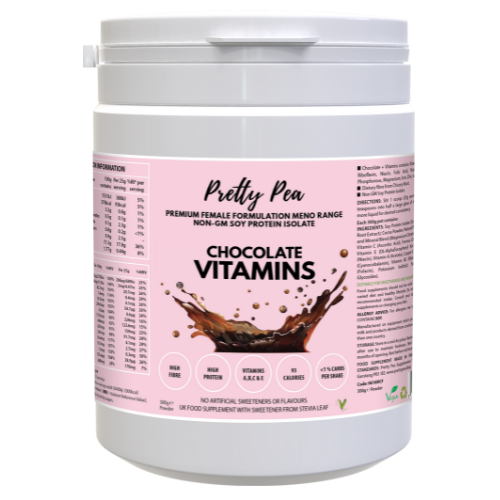
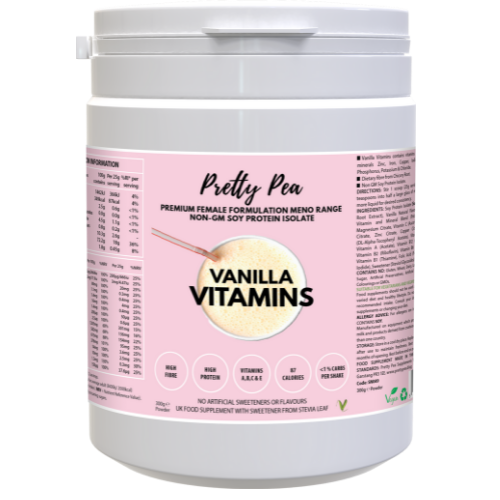
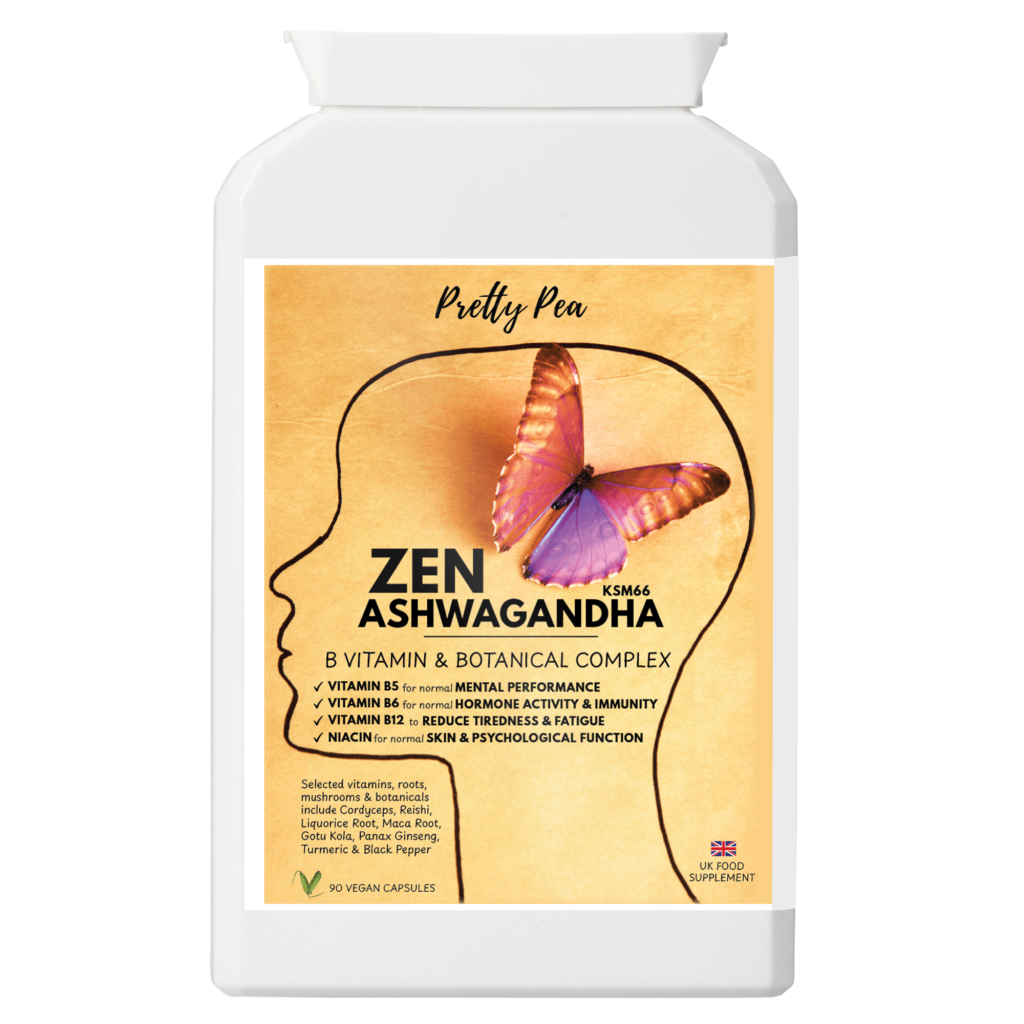
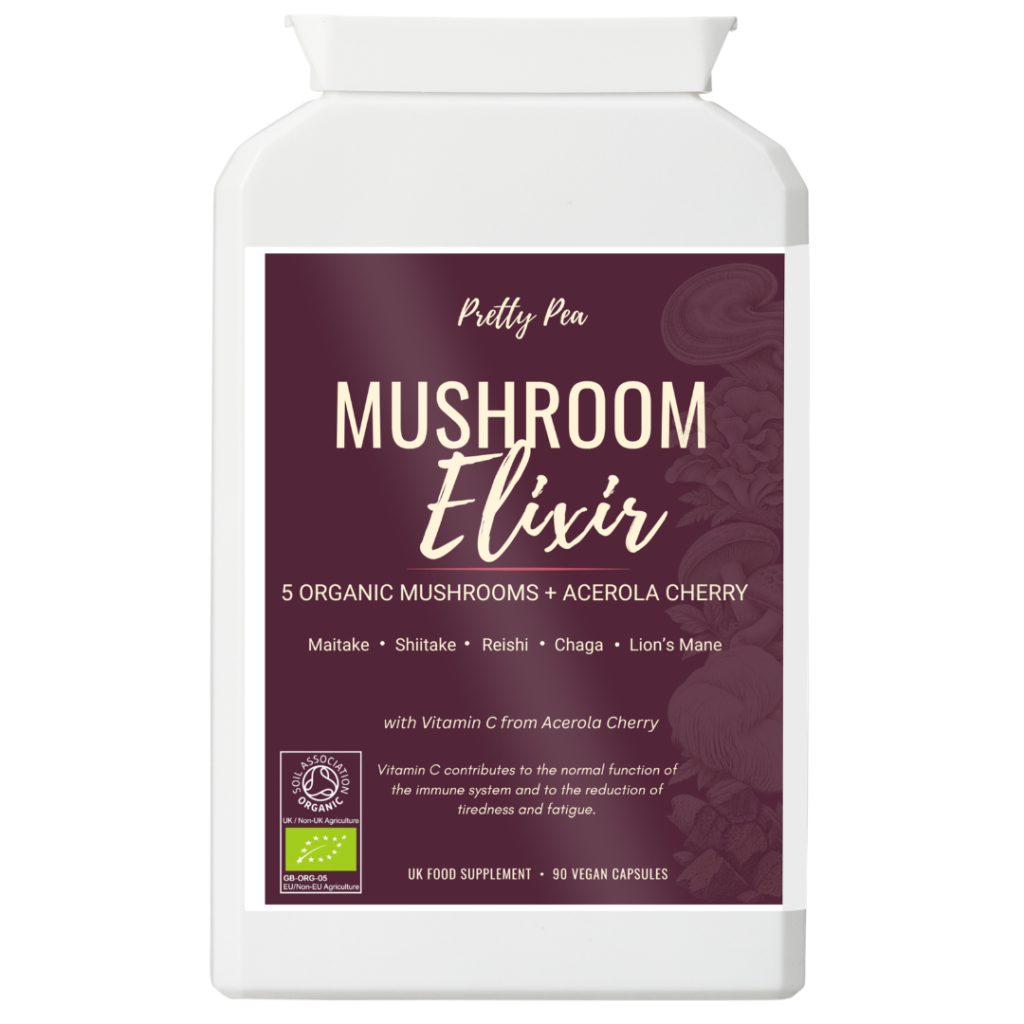
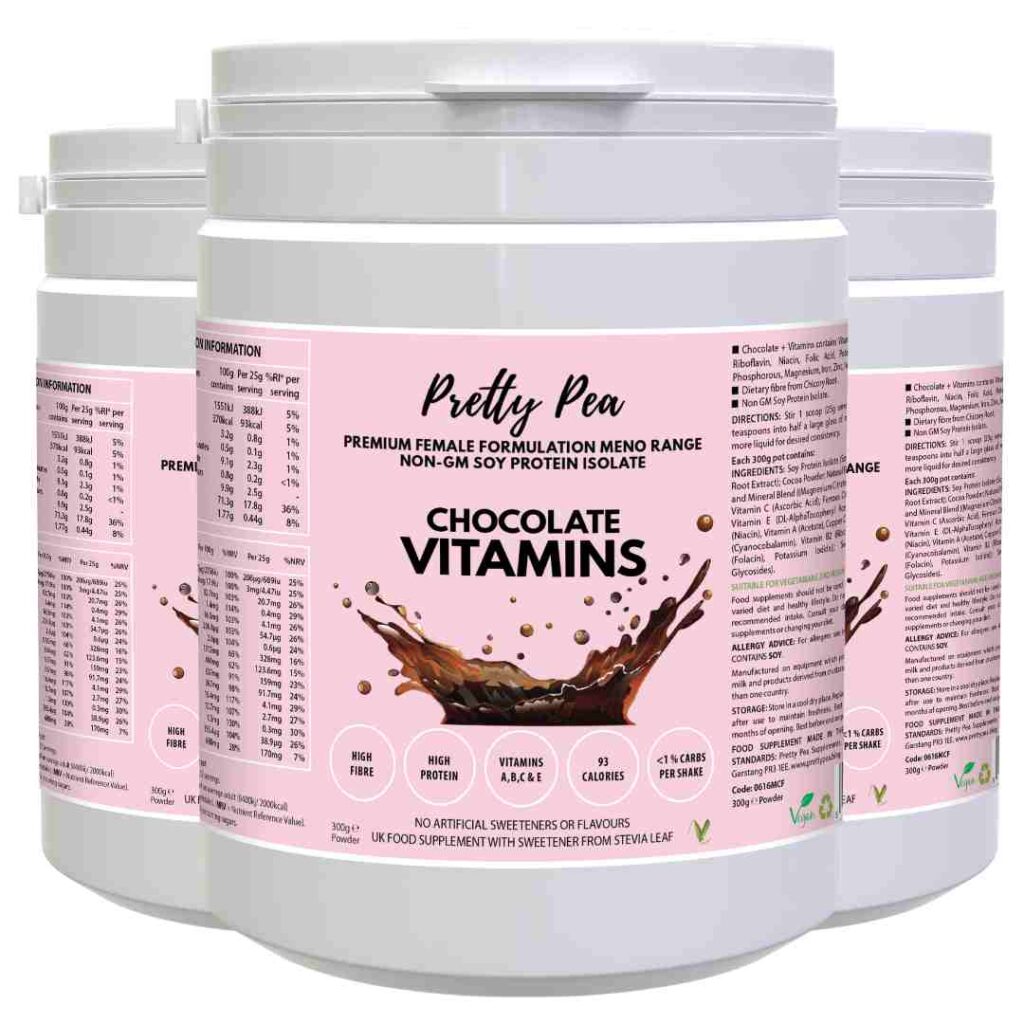
Sources – Hormone Imbalance in Women
NHS. Menopause and perimenopause symptoms.
NHS. Early or premature menopause.
NHS. Postmenopausal bleeding.
NICE. Menopause: identification and management.
NICE Clinical Knowledge Summary. Diagnosis of menopause and perimenopause.
British Dietetic Association. Eating well for the perimenopause and menopause.
Women’s Health Concern. Nutrition in menopause.
Diabetes UK. Insulin resistance.
Diabetes UK. Diabetes symptoms.
Diabetes UK. HbA1c and diagnostic criteria for diabetes.
Disclaimer
This article is for educational purposes only and is not intended to diagnose, treat or replace medical advice. Hormone symptoms can have many possible causes. Speak to your GP if symptoms are severe, persistent, unusual or affecting your quality of life.
