What are the risks of HRT and heart disease for women – have they been overstated?
For years, women considering hormone replacement therapy (HRT) have faced conflicting advice. Some have been told that HRT could increase their risk of heart attacks, strokes and blood clots, while others have heard that starting treatment around menopause may be safer than previously believed.
A large study released in November 2026 offers some encouraging findings. Researchers examined the health records of more than 52,000 women, following them for an average of 12 years, to investigate whether hormone replacement therapy was associated with cardiovascular disease.
The results suggest that women who started HRT between the ages of 45 and 59 did not experience higher rates of heart disease, stroke or blood clots than comparable women who did not take HRT.
However, there are important details behind these findings, particularly when it comes to the age at which HRT is started, the type of treatment prescribed and a woman’s existing cardiovascular risk.
What Did the New 12-Year HRT and Heart Disease Study Investigate?
The research, presented at the American Heart Association’s Scientific Sessions in November 2026, examined health records from 52,330 women in Israel, aged between 45 and 59.
None of the women had a previous diagnosis of heart disease, blood clots or cancer at the beginning of the study.
Researchers compared two groups:
- Women who had started hormone replacement therapy.
- Women of a similar age and health background who had not started HRT.
The researchers matched participants according to factors including blood pressure, cholesterol levels, body mass index (BMI), diabetes, smoking and socioeconomic circumstances.
They then examined their health outcomes over an average follow-up period of 12 years, with some records covering as long as 23 years.
Importantly, the research included different forms of HRT, such as tablets, patches and gels.
The aim was to investigate whether starting hormone therapy during midlife was associated with an increased risk of cardiovascular problems later on.
What Did the Researchers Find About HRT and Heart Disease?
The findings were reassuring.
Across the two groups, researchers found no meaningful difference in the overall risk of cardiovascular disease, blood clots or early death.
HRT and heart disease & cardiovascular risk: The study results
| Health outcome | Women who started HRT | Women who did not take HRT |
|---|---|---|
| Cardiovascular events, including heart attacks and strokes | 2,311 | 2,383 |
| Blood clots | 174 | 175 |
| Death before age 80 | 659 | 653 |
Figures are the reported event counts from the study, with approximately 26,000 women in each group.
Women who had started HRT experienced similar cardiovascular outcomes to women who had not used hormone therapy.
The researchers also reported broadly comparable findings across oral and transdermal forms of treatment.
This is encouraging, particularly given the concerns surrounding HRT and heart disease and cardiovascular health over the past two decades.
However, the results do not establish that all forms of HRT carry identical risks, or that treatment is appropriate for everyone.
The research was observational, meaning it can identify associations but cannot prove that HRT has no effect on cardiovascular risk.
It has also been reported as a conference research abstract and had not undergone full journal peer review at the time of publication.
Why Has HRT Been Linked to Heart Disease in the Past?
Much of the concern surrounding HRT and heart disease can be traced back to the Women’s Health Initiative (WHI), a major US study that reported increased risks of certain health problems associated with combined hormone therapy in 2002.
The findings attracted considerable attention and contributed to a substantial decline in HRT prescriptions.
However, the research also raised questions that remain important today.
Many women in the original trial were older than those typically starting treatment for perimenopause symptoms, and some had been postmenopausal for several years.
The trial also investigated particular oral hormone formulations, which do not represent every HRT treatment currently prescribed.
Subsequent research has examined whether age, timing, hormone formulation and the method of administration influence cardiovascular risk.
This does not mean the original concerns were unfounded. Rather, it suggests that HRT risks cannot be accurately described by treating every woman and every type of hormone therapy as identical.
Does Starting HRT Before Age 60 Make a Difference?
One of the most important factors when considering hormone replacement therapy is when treatment begins.
Current evidence generally suggests a more favourable balance of benefits and risks for many otherwise healthy women who begin systemic HRT before the age of 60 or within approximately 10 years of menopause.
The latest study is relevant because it specifically examined women starting treatment between the ages of 45 and 59.
This is an age range when many women are experiencing perimenopause or the early postmenopausal years.
However, the findings should not automatically be applied to women beginning HRT for the first time much later in life, or to women with established cardiovascular disease.
The appropriate timing and choice of HRT should always consider individual medical history.
Are HRT Patches and Gels Safer for the Heart Than Tablets?
Not all hormone replacement therapies are absorbed into the body in the same way.
Oral HRT passes through the digestive system and liver before entering the bloodstream. Transdermal HRT, including patches, gels and sprays, allows oestrogen to be absorbed through the skin.
This difference can affect certain cardiovascular risks.
According to the NHS:
- HRT tablets: Can slightly increase the risk of blood clots and stroke.
- HRT patches, gels and sprays: Are not associated with an increased risk of blood clots or stroke in the same way.
- Coronary heart disease: HRT generally has little or no effect on the risk, although individual circumstances and treatment types matter.
The November 2026 study reported similar overall results across treatment routes, but it does not overturn the wider evidence showing differences between oral and transdermal oestrogen.
For women with an increased risk of blood clots, NICE recommends considering transdermal rather than oral HRT.
This is one reason why discussing the specific type of HRT with a GP or menopause specialist is important.
Can HRT Actually Protect Against Heart Disease?
This is where the distinction between cardiovascular safety and cardiovascular prevention becomes important.
The latest study suggests that starting HRT during midlife was not associated with an increased risk of cardiovascular disease in the women studied.
However, this does not mean taking HRT will prevent heart attacks or strokes.
NICE guidance specifically advises against prescribing either combined or oestrogen-only HRT solely to prevent cardiovascular disease.
HRT is primarily prescribed to manage symptoms associated with perimenopause and menopause, including hot flushes, night sweats and menopause-related sleep disturbances.
It can also help protect bone health.
While researchers continue to investigate possible cardiovascular effects, hormone therapy should not be viewed as a replacement for established heart disease prevention strategies.
What About Other HRT Risks and Benefits?
Cardiovascular health is only one part of deciding whether to take HRT.
For many women, treatment can significantly improve quality of life by relieving menopause symptoms that interfere with everyday activities, sleep and wellbeing.
HRT can also help prevent bone loss associated with declining oestrogen levels.
However, the risks and benefits depend on the type of treatment.
For example, combined HRT containing oestrogen and a progestogen is associated with a small increase in breast cancer risk, which generally becomes greater with longer use.
Oestrogen-only HRT has a different risk profile and is usually prescribed to women who have had a hysterectomy.
Women who still have a uterus generally require a progestogen alongside systemic oestrogen to protect the womb lining.
These differences highlight why personalised treatment is more useful than broad claims that HRT is either entirely safe or inherently dangerous.
How Can Women Support Heart Health During Menopause?
Regardless of whether you decide to take HRT, looking after cardiovascular health becomes particularly important during midlife.
Oestrogen changes around menopause can influence cholesterol levels, body fat distribution and other aspects of metabolic health.
But hormonal changes are only one part of the picture.
Long-term cardiovascular health also depends on everyday lifestyle factors, including:
- Physical activity: Regular aerobic exercise and strength training can help maintain cardiovascular fitness, muscle strength and metabolic health.
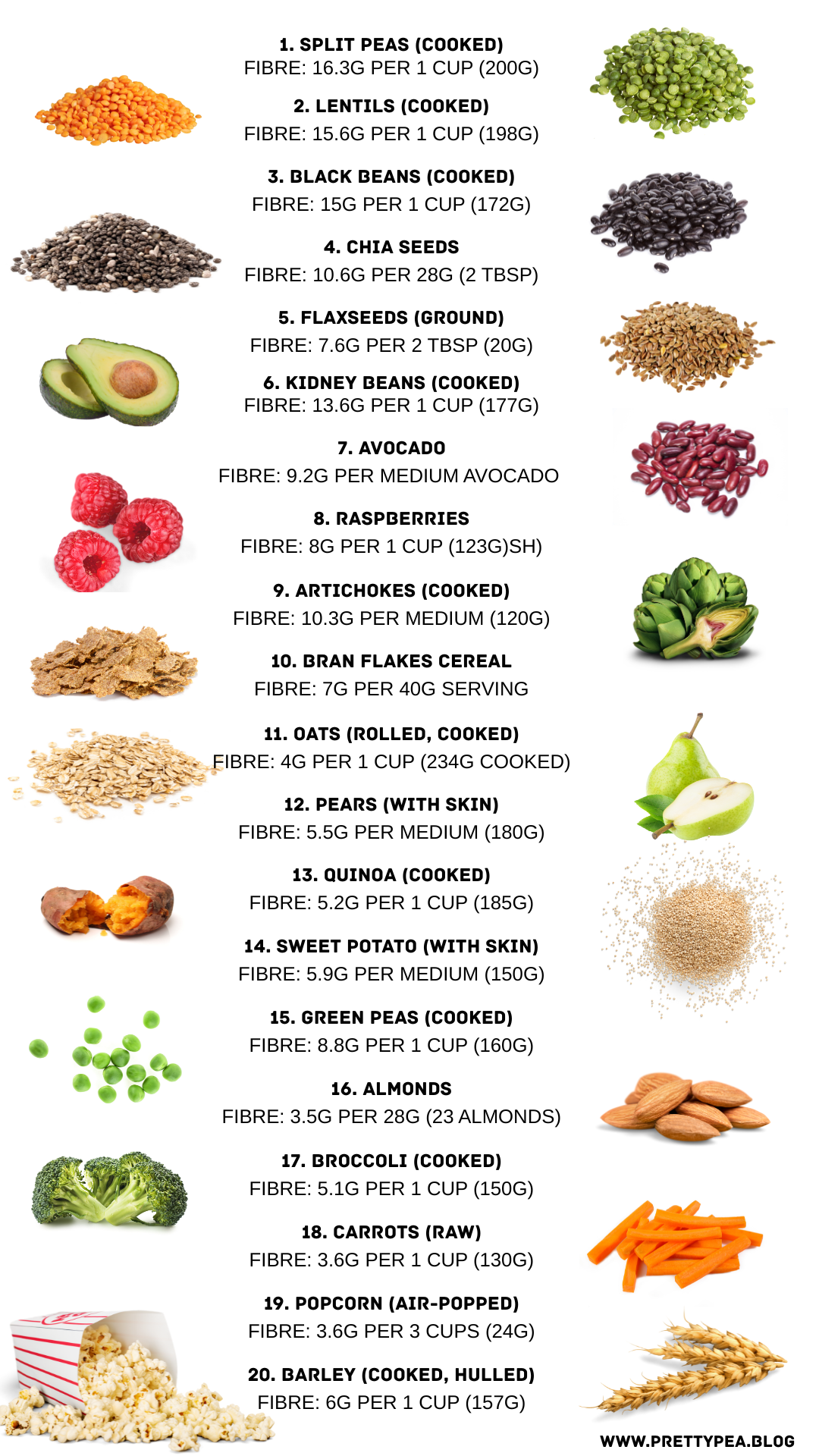
- Dietary fibre: Fibre-rich foods such as oats, beans, lentils, vegetables and wholegrains can contribute to a heart-healthy eating pattern.
- Healthy fats: Including foods such as oily fish, nuts, seeds and olive oil can support a balanced diet.
- Blood pressure and cholesterol: Regular checks can help identify cardiovascular risk factors before they become more serious.
- Smoking and alcohol: Avoiding smoking and limiting alcohol intake are important for long-term heart health.
- Sleep: Addressing persistent sleep disturbances can improve wellbeing and make healthy daily routines easier to maintain.
Nutritional supplements may also have a place where dietary intake is inadequate or a deficiency has been identified, but they should not be considered substitutes for cardiovascular treatment or a balanced diet.
Your next read: Why Fibre Could Be the Secret to a Better Menopause
50 High Fibre Foods Ranked by Fibre Content

What Does This New Research Mean for Women Considering HRT?
The findings add to a growing body of research suggesting that hormone replacement therapy may have a more favourable cardiovascular risk profile for many women who begin treatment around menopause than earlier headlines implied.
However, the study does not establish that HRT is completely risk-free.
It is also important to remember that the study excluded women with previous heart disease, blood clots and cancer.
Women with these conditions, or with other significant health risks, may need specialist advice before starting treatment.
The research provides another reason for informed conversations about HRT, rather than decisions based solely on outdated fears or overly reassuring headlines.
If you’re taking hormone replacement therapy (HRT), you might be wondering whether it’s safe to take vitamins, minerals or menopause supplements alongside it. Perhaps you’re considering fibre or magnesium for your general wellbeing, vitamin D for bone health, or a menopause supplement containing a combination of nutrients and botanical ingredients.
Many commonly used nutritional supplements can be taken alongside HRT, although suitability depends on the ingredients, dosage, type of HRT and any other medicines you’re taking.
As not all supplements are the same certain herbal extracts may interact with HRT, while others can affect how medicines are absorbed or processed by the body.
The type of HRT you use also matters. Tablets, patches, gels and oral progesterone can have different considerations when it comes to combining them with supplements.
So, which supplements are generally suitable, which ingredients deserve extra caution, and does the timing of your supplements matter? Let’s take a closer look at what you need to know.
Your next read: The Menopause Diet 5 Day Plan to Lose Weight
Can you take supplements with HRT?
In general, most standard supplements — including vitamins, minerals and fibre — are considered safe to take alongside HRT.
These include:
- Magnesium
- Vitamin D
- Omega-3
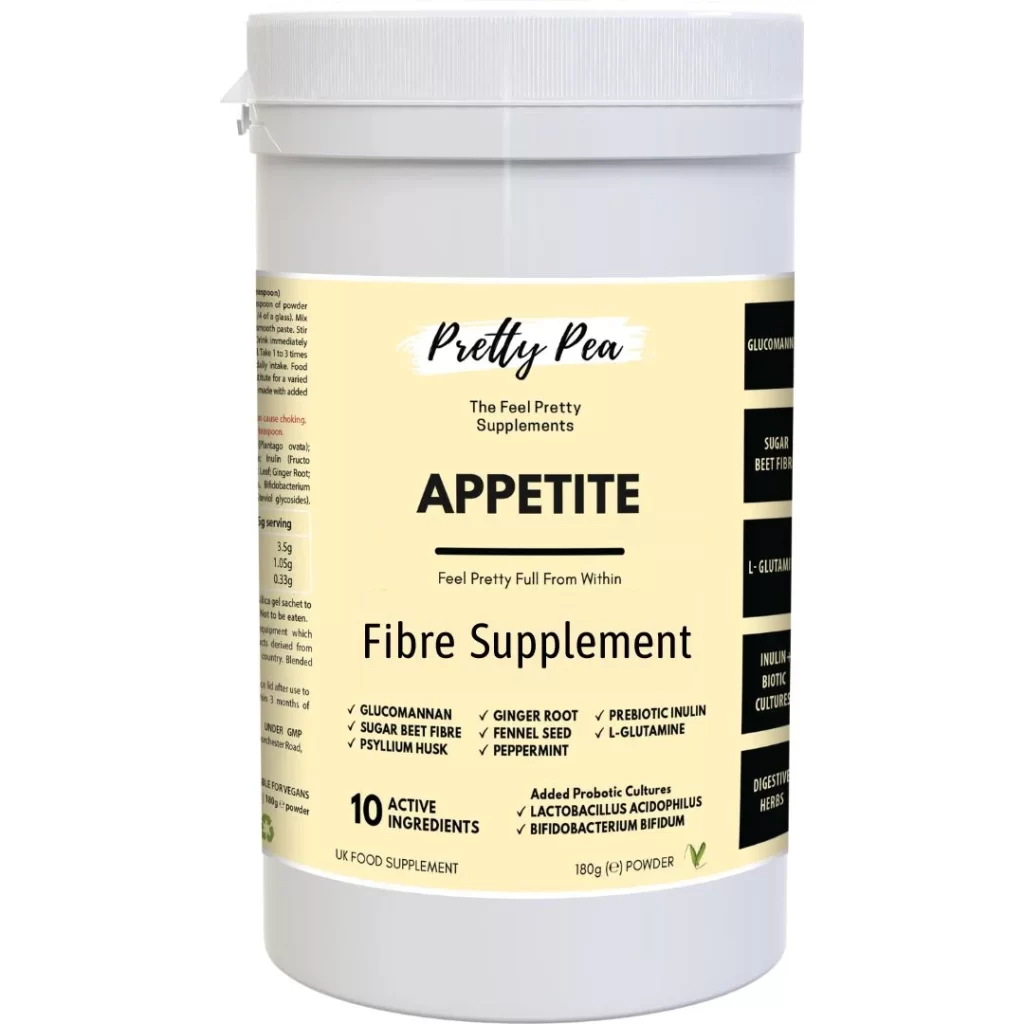
- Fibre supplements
- B vitamins
However, safety can depend on:
- the type of HRT you’re taking
- the specific ingredients in the supplement
- your individual health needs
1. Does the Type of HRT Affect Which Supplements You Can Take?
Not all HRT works in exactly the same way, and the type you’re prescribed can make a difference when considering supplements.
Oral HRT tablets pass through the digestive system and liver, where certain medicines and herbal ingredients may affect how hormones are processed.
HRT patches, gels and sprays deliver oestrogen through the skin, avoiding the initial passage through the digestive system and liver. Some interactions are therefore less likely, although this doesn’t mean every supplement is suitable.
Vaginal oestrogen is generally less likely to interact with other medicines because relatively little enters the bloodstream.
It’s also worth remembering that women using oestrogen patches or gels may take a separate progesterone capsule, such as Utrogestan.
The important point? Always check your complete HRT treatment, rather than considering the oestrogen alone.
Taking Supplements with Utrogestan: Does Timing Matter?
If you’re using an oestrogen patch or gel alongside Utrogestan (micronised progesterone), you may wonder whether you need to change when you take your daily supplements.
Utrogestan is a good example of why timing can be important.
According to the NHS, oral Utrogestan should be taken at bedtime, at least two hours after eating. Taking it with food can affect how the medicine works.
For example, if you take a daily multivitamin or magnesium supplement with your evening meal, you would still need to follow the recommended instructions for taking Utrogestan later at bedtime.
However, some supplements, particularly those containing concentrated fibre such as psyllium husk, may affect the absorption of oral medicines. It’s worth checking with your pharmacist whether additional spacing is needed.
The key takeaway: Taking HRT and nutritional supplements doesn’t necessarily mean you have to avoid combining them. Understanding your particular medication, supplement ingredients and recommended timing can help you use them appropriately.
Always follow the instructions supplied with your prescribed HRT and check with your pharmacist before introducing new supplements.
2. Which Vitamins and Minerals Might Be Useful Alongside HRT?
Many women take nutritional supplements during perimenopause and menopause, particularly when focusing on bone health, energy and general wellbeing.
Vitamin D and Calcium: Both are important for maintaining normal bones. Vitamin D helps the body absorb calcium, while sufficient calcium intake is particularly important as women get older. Supplements may be helpful when dietary intake or vitamin D levels are inadequate.
Magnesium: Contributes to normal muscle function, nervous system function and the reduction of tiredness and fatigue. It doesn’t replace HRT, but it may have a place in a woman’s wider nutritional routine.
B Vitamins: Several B vitamins contribute to normal energy-yielding metabolism, while vitamin B6 contributes to the regulation of hormonal activity. However, more isn’t necessarily better, particularly when combining multiple supplements containing vitamin B6.
NHS guidance on supplement amounts
| Nutrient | NHS guidance for adults | Why it matters |
|---|---|---|
| Vitamin D | No more than 100 µg (4,000 IU) daily | Excessive amounts can cause calcium to build up in the blood, potentially damaging kidneys and bones. |
| Zinc | No more than 25 mg daily from supplements unless advised by a doctor | Excess zinc can interfere with copper absorption, potentially causing anaemia. |
| Iodine | 500 µg or less daily from supplements is unlikely to cause harm | Excessive iodine can affect thyroid function. |
| Magnesium | 400 mg or less daily from supplements is unlikely to cause harm | Higher supplemental doses can cause diarrhoea. |
| Selenium | 350 µg or less daily from supplements is unlikely to cause harm | Excessive amounts can cause hair and nail loss. |
| Vitamin A (retinol) | After menopause, avoid exceeding 1,500 µg daily from food and supplements combined | Particularly relevant because excessive retinol may increase the risk of bone fractures. |
These nutrients have important nutritional roles, but taking additional amounts won’t necessarily improve menopause symptoms if you’re already getting enough.
3. Can You Take a Menopause Supplement While Using HRT?
This is an increasingly relevant question, as many menopause supplements now combine vitamins, minerals, plant extracts and other ingredients in one formula.
The answer depends on what’s actually inside the supplement.
Some formulas focus primarily on nutritional support, while others contain concentrated herbal extracts or phytoestrogens intended to influence menopause symptoms.
Before combining a menopause supplement with HRT, check the complete ingredient list, including the amounts of individual nutrients. If you’re already taking a multivitamin, it’s surprisingly easy to double up on certain ingredients.
A pharmacist can help you check whether your chosen supplement is appropriate for your particular HRT prescription.
4. Can Fibre Supplements Affect HRT Medication?
Fibre supplements, including psyllium husk and glucomannan, are often used to increase daily fibre intake.
However, some fibre supplements can affect how quickly other medicines are absorbed through the digestive system.
For example, the NHS advises separating ispaghula husk (psyllium) products from other medicines and supplements.
This is particularly relevant if you’re taking HRT tablets or oral progesterone. Follow the individual supplement’s instructions and ask your pharmacist about suitable timing.
Fibre supplements should also be taken with sufficient water, as directed on their packaging.

Does Timing Matter When Taking Fibre Supplements with HRT?
Fibre supplements such as psyllium husk are generally compatible with HRT, but timing can be important if you’re taking medication orally.
Psyllium forms a gel when mixed with water and can affect how certain medicines and supplements are absorbed.
For example, the NHS recommends taking other medicines and supplements more than one hour before or after Fybogel, a psyllium-based fibre product.
If you’re taking HRT tablets or oral progesterone, it’s worth checking the recommended timing with your pharmacist. HRT patches and gels aren’t absorbed through the digestive system, so this particular concern doesn’t apply to them.
The key takeaway: You don’t necessarily need to avoid fibre supplements while using HRT. Just check the timing of your oral medicines and always take fibre supplements with sufficient water.
5. What About Herbal Menopause Supplements?
Herbal ingredients deserve particular attention because natural doesn’t automatically mean free from interactions.
St John’s wort is a recognised concern because it can reduce the effectiveness of certain HRT medicines.
Red clover contains isoflavones with oestrogen-like activity. There is insufficient evidence to establish the safety of combining concentrated red clover supplements with HRT.
Black cohosh is another popular menopause ingredient, but evidence for its effectiveness is mixed, and there have been reports of liver problems associated with its use.
Ginseng and evening primrose oil are also found in menopause products, although there is limited research on their safety when combined with HRT.
This doesn’t mean herbal ingredients are harmful. It means that safety should be assessed individually, taking the full formula, dose and any other medicines into account.
Are there any supplements to avoid with HRT?
Some supplements may interact with hormone metabolism and should be used with caution.
Key ingredients to be aware of:
- St John’s Wort – may reduce the effectiveness of HRT by increasing how quickly hormones are processed in the body
- Grapefruit and grapefruit juice – may affect how hormones are broken down, potentially increasing hormone levels
- Some herbal supplements – may influence how the body processes hormones
These effects are linked to how the liver processes hormones (sometimes referred to as enzyme systems like CYP450), which can influence how HRT works in the body.
These interactions don’t necessarily mean you must avoid them completely — but they should be used carefully and ideally discussed with a professional.
Can You Take St John’s Wort with HRT?
St John’s wort is a herbal ingredient sometimes used for low mood, but it’s one supplement that deserves particular caution when taking HRT.
It can increase the activity of certain liver enzymes responsible for breaking down medicines, potentially reducing the effectiveness of some hormone treatments.
The NHS specifically warns that St John’s wort may make HRT tablets and capsules less effective. Patches are generally less affected, although this doesn’t mean the combination is automatically safe.
The key takeaway: Don’t combine St John’s wort with HRT without checking with your GP or pharmacist first. If you’re already taking both, seek advice before making changes to your prescribed treatment.
Can Grapefruit Affect HRT?
You might be surprised to learn that grapefruit can affect how certain medicines are processed by the body, including some forms of HRT.
Grapefruit juice contains natural compounds that can interfere with enzymes involved in breaking down particular medicines. Rather than reducing their effectiveness, this interaction can sometimes increase the amount of medication in the bloodstream.
For example, the prescribing information for Progynova, an oral oestrogen treatment, identifies grapefruit juice as a substance that may increase oestrogen levels.
However, this interaction doesn’t apply equally to every HRT preparation, and it doesn’t mean everyone taking HRT needs to avoid grapefruit.
The key takeaway: Check the patient information leaflet for your particular HRT medication and ask your pharmacist whether grapefruit or grapefruit juice needs to be avoided.
What Does the NHS Say About Taking Supplements with HRT??
Safety information for HRT medications is based on documents called Summary of Product Characteristics (SPCs), approved by the Medicines and Healthcare products Regulatory Agency.
The SPC covers commonly prescribed HRT medicines and used by:
- doctors
- pharmacists
- healthcare professionals
The SPC includes the latest information on :
- known interactions
- contraindications
- safety guidance
Based on current guidance, there are no widely reported direct interactions between standard nutritional supplements and HRT medications, although certain substances (like St John’s Wort) may affect hormone metabolism.
Can phytoestrogens affect HRT?
Phytoestrogens are natural compounds found in plant foods such as soy, flaxseeds and legumes. They have a mild oestrogen-like effect in the body, which is why they’re often discussed in relation to menopause and hormone balance.
For most people, eating phytoestrogen-rich foods as part of a balanced diet is considered safe — even when taking HRT. Foods like tofu, soy milk, flaxseeds and chickpeas are commonly included in a healthy diet and are not typically associated with harmful interactions.
However, higher-dose phytoestrogen supplements may have a stronger effect and are sometimes used specifically for menopause symptoms. If you’re taking HRT, it’s a good idea to speak to a healthcare professional before combining it with concentrated phytoestrogen supplements.
Can You Take More Than One Supplement with HRT?
It’s not unusual to take several supplements during menopause. You might use a daily multivitamin, add magnesium to your routine, or choose a menopause supplement containing a combination of vitamins, minerals and botanical ingredients.
But while individual supplements may be suitable alongside HRT, taking several together can mean you’re getting more of certain nutrients than you realise.
For example, vitamin B6 is commonly included in menopause supplements and multivitamins. Although it contributes to the regulation of hormonal activity and the reduction of tiredness and fatigue and is used in high amounts in clinical studies, excessive amounts over time can cause nerve damage.
Other nutrients, including vitamin D, iodine, zinc and magnesium, also deserve attention when you’re combining different formulas.
Before adding another supplement to your routine, check the amounts of individual ingredients across everything you’re already taking.
More isn’t always better, and the aim should be to complement your nutritional needs rather than unnecessarily double up on ingredients.
Ashwagandha, Lion’s Mane and Functional Mushrooms: Can You Take Them with HRT?
From ashwagandha for stress to lion’s mane for brain fog, botanical and functional mushroom supplements are becoming increasingly popular among women navigating perimenopause and menopause.
But are they safe to take alongside hormone replacement therapy (HRT)?
Unlike conventional vitamins and minerals, these supplements contain biologically active compounds that may have effects beyond basic nutrition. Although some are being investigated for stress, sleep and cognitive wellbeing, research into their interactions with HRT remains limited.
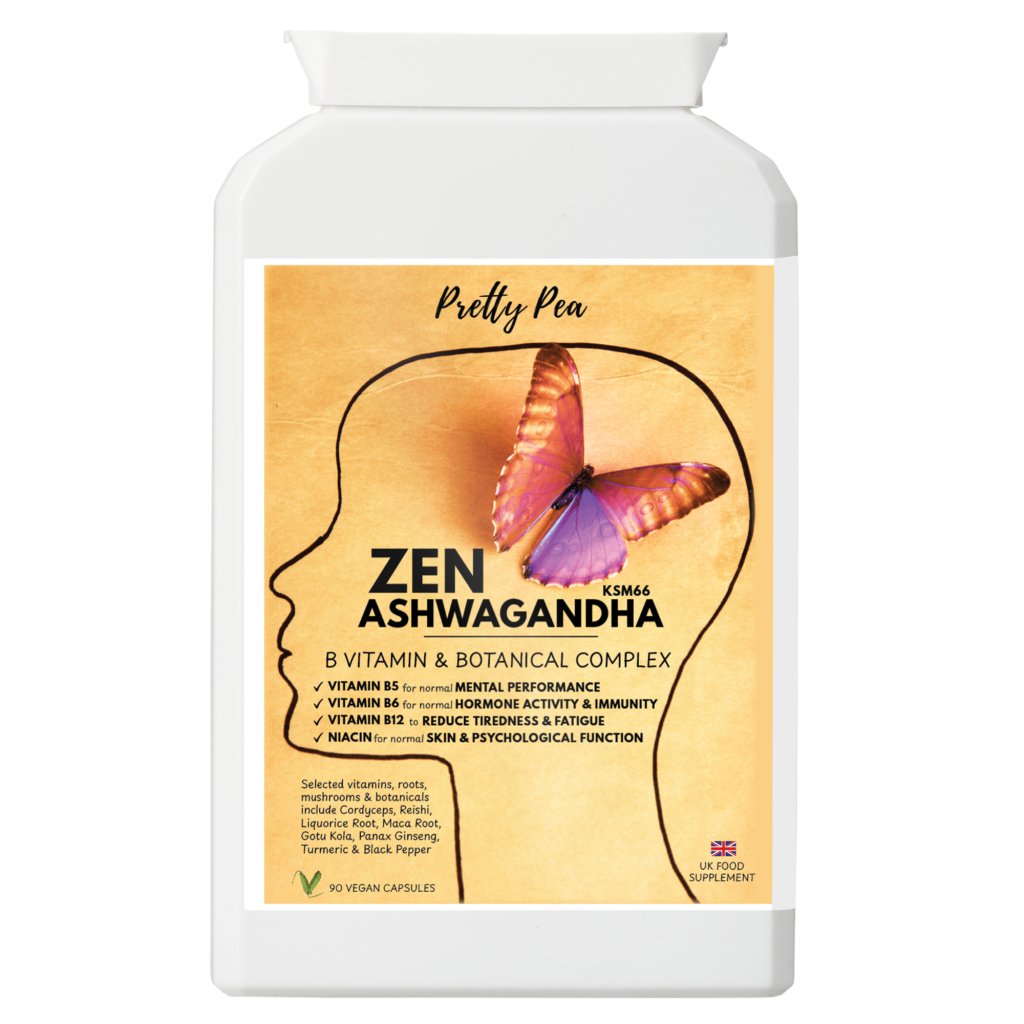
Can You Take Ashwagandha with HRT?
Ashwagandha (Withania somnifera) is a traditional Ayurvedic herb, often described as an adaptogen and promoted for its potential effects on stress, relaxation and sleep.
Some small clinical studies suggest that certain ashwagandha extracts may help improve perceived stress and sleep quality. However, evidence for managing menopausal symptoms specifically remains insufficient.
What about combining ashwagandha with HRT?
There is currently insufficient research to confirm whether ashwagandha is safe to take alongside oestrogen or progesterone-based HRT.
Although a direct interaction has not been clearly established, ashwagandha may influence thyroid function and interact with certain medications, including thyroid treatments, sedatives and medicines for blood pressure or diabetes.
There have also been rare reports of liver injury associated with ashwagandha supplements.
The takeaway: We don’t know if ashwagandha is or isn’t unsuitable for everyone taking HRT as the combination hasn’t been adequately studied. Speak to your GP or pharmacist before using it, particularly if you have thyroid problems or take other medication.
Can You Take Lion’s Mane with HRT?
Lion’s mane (Hericium erinaceus) is an edible mushroom attracting considerable attention for its potential effects on memory, concentration and cognitive health.
Its popularity is understandable, particularly among women experiencing brain fog during perimenopause and menopause.
Lion’s mane contains naturally occurring compounds called hericenones and erinacines, which have been investigated for their effects on nerve growth factor in laboratory and animal studies.
A small amount of human research has explored possible benefits for memory, mood and stress. However, studies remain limited, and there isn’t sufficient evidence to establish lion’s mane as an effective treatment for menopause-related brain fog.
Is lion’s mane safe with HRT?
There is currently little direct research examining lion’s mane supplements alongside hormone replacement therapy.
No established interaction with HRT has been identified, but this should not be interpreted as proof that the combination is safe.
Lion’s mane supplements can also cause unwanted effects in some people, including digestive discomfort, nausea and skin reactions.
The takeaway: Eating lion’s mane as a culinary mushroom is different from taking concentrated extracts. If you’re considering capsules, powders or tinctures alongside HRT, ask your pharmacist to check the product and your prescribed medication.
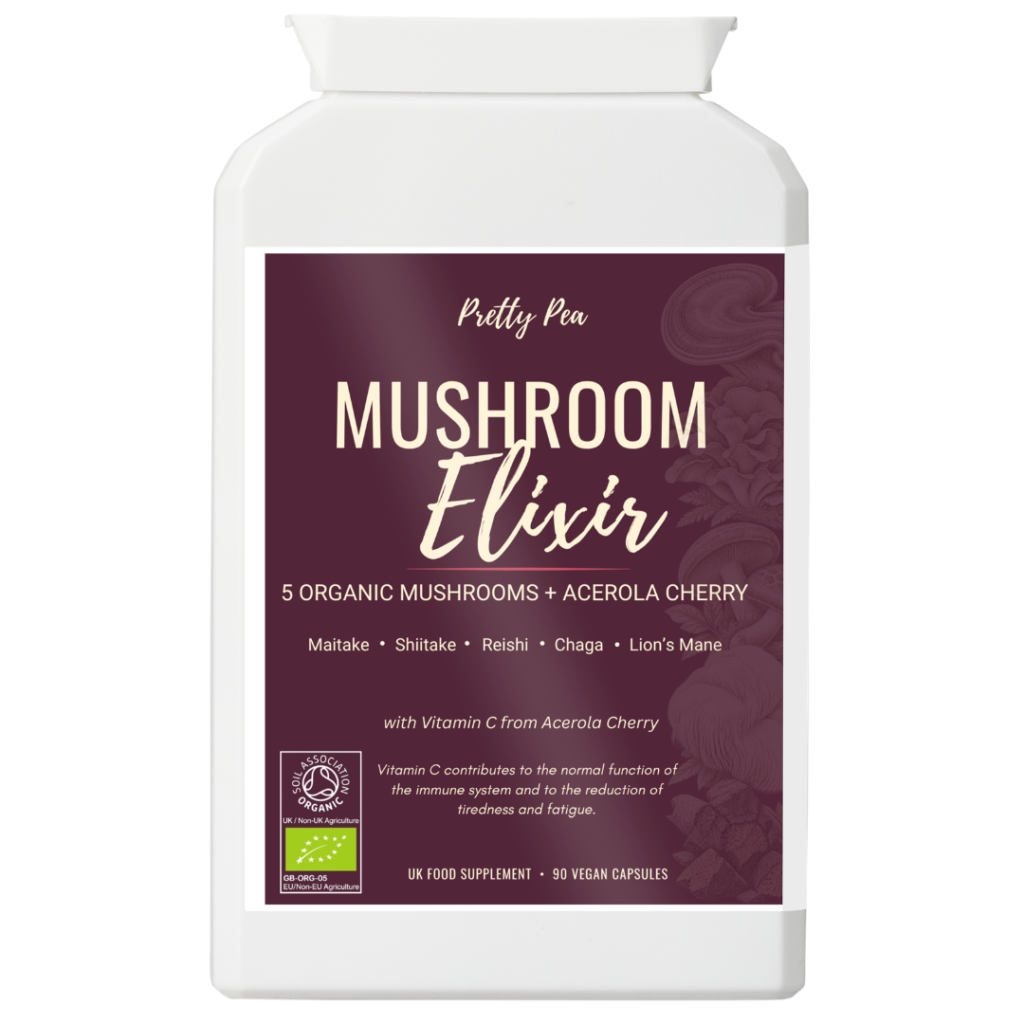
What About Reishi, Shiitake and Other Mushroom Supplements?
Lion’s mane isn’t the only mushroom appearing in supplements marketed towards women’s wellbeing.
Other popular varieties include:
- Reishi: Traditionally used in Asian herbal medicine and frequently marketed for relaxation and immune wellbeing. Research into its clinical benefits remains limited. Concentrated reishi products may increase bleeding risk when combined with blood-thinning medicines, and liver injury has been reported.
- Shiitake: An edible mushroom containing polysaccharides, including beta-glucans. It can be a nutritious addition to meals, but evidence for additional benefits from concentrated shiitake supplements is limited.
- Maitake: Contains various polysaccharides being studied for their biological activity. However, there is insufficient human evidence to recommend maitake extracts for managing menopausal symptoms.
Importantly, the nutritional value of eating mushrooms doesn’t mean that high-strength mushroom extracts provide the same benefits or have the same safety profile.
Should You Avoid Functional Mushrooms While Taking HRT?
Not necessarily. Ordinary edible mushrooms can form part of a healthy, balanced diet.
The greater uncertainty concerns concentrated extracts and multi-ingredient supplements, particularly when taken alongside prescribed medication.
There is currently insufficient evidence to establish the safety of combining many functional mushroom supplements with HRT, and products can vary significantly in their ingredients, concentrations and recommended doses.
If you’re considering one, check the full ingredient list, disclose any other medicines you’re taking and seek advice from your GP or pharmacist.
Bottom line: Natural doesn’t always mean risk-free. Ashwagandha, lion’s mane and functional mushrooms may be interesting areas of research, but none has been established as a replacement for HRT or a proven treatment for menopausal symptoms.
Your next read: The adaptogen that can help menopausal symptoms hot flushes, sweating and palpitations in 60 days
What should you do before taking supplements with HRT?
To stay safe:
- Check your HRT patient information leaflet
- Review supplement ingredient lists carefully
- Avoid combining multiple supplements unnecessarily
- Speak to a GP or pharmacist if unsure
Important safety note
Safety guidance can change over time, and individual responses vary. If you have any concerns about combining supplements with HRT, it’s always best to speak to a qualified healthcare professional.
Can You Take Supplements with HRT: Check Your Vitamin and Mineral Intake
Taking several supplements together can sometimes mean you’re consuming more of certain nutrients than you realise.
For example, vitamin D is frequently included in multivitamins, menopause supplements and standalone bone health formulas. Although vitamin D is important for maintaining normal bones, excessive amounts over time can be harmful.
Zinc is another ingredient worth checking. Taking high doses can interfere with copper absorption, while too much iodine may affect normal thyroid function.
Magnesium is commonly taken during menopause, but higher supplemental doses can cause digestive discomfort, particularly diarrhoea.
Vitamin A also deserves attention. The NHS advises women who have been through menopause to avoid excessive retinol intake because of concerns about bone health.
The takeaway? Before combining supplements, compare their ingredient labels and daily dosages. A nutrient appearing in several products doesn’t necessarily mean you need more of it.
Always seek advice from a healthcare professional if you’re unsure, particularly if you’re taking prescribed medication or have an existing health condition.
FAQ: Can You Take Supplements with HRT
Can You Take Lion’s Mane with HRT?
There is currently limited research examining the safety of combining lion’s mane mushroom supplements with hormone replacement therapy.
Lion’s mane is a functional mushroom being investigated for its potential effects on cognition, memory and mood. However, much of the research is preliminary, and its benefits for menopause-related brain fog haven’t been established.
No well-established direct interaction with HRT has been identified, but the absence of reported interactions is not proof of safety.
Eating lion’s mane as a food is different from taking concentrated mushroom extracts. If you’re considering a supplement, check with your pharmacist first.
Can I Take Ashwagandha with HRT?
There is insufficient research to establish whether ashwagandha supplements are safe to combine with HRT.
Ashwagandha is a botanical ingredient commonly marketed for stress, relaxation and sleep. Although some studies suggest potential benefits, it may affect thyroid function and has very occasionally been associated with liver problems.
There is no well-established direct interaction with HRT, but that doesn’t mean the combination has been proven safe.
If you’re considering ashwagandha while taking oestrogen or progesterone, speak to your GP or pharmacist first, particularly if you take thyroid medication or have an existing health condition.
What Supplements Can I Take with HRT?
Many commonly used nutritional supplements, including vitamin D, magnesium, omega-3 and standard multivitamins, may be suitable alongside HRT.
However, the specific HRT prescription matters. Some fibre supplements can affect the absorption of oral medicines, while certain herbal ingredients may interfere with how medicines work.
Consider what nutritional support you actually need, check the doses and ingredients, and follow the instructions for your prescribed HRT. A pharmacist can help identify any interactions or timing considerations.
Do You Still Need Supplements If You’re Taking HRT?
HRT and nutritional supplements serve different purposes.
HRT replaces hormones that decline during menopause and can help relieve symptoms such as hot flushes, night sweats and vaginal dryness. It can also help protect bone health.
Nutritional supplements, on the other hand, are intended to provide nutrients that may be missing or insufficient in your diet.
For example, vitamin D contributes to the maintenance of normal bones, magnesium supports normal muscle and nervous system function, and B vitamins contribute to normal energy-yielding metabolism.
However, if you’re already getting enough of these nutrients through your diet, additional supplementation may not provide extra benefits.
Taking HRT doesn’t automatically mean you need supplements — but it doesn’t mean nutritional support becomes unnecessary either.
Your diet, age, health circumstances and individual nutritional needs are all worth considering when deciding whether a supplement has a place in your daily routine.
What Vitamins Should You Not Take with HRT?
There isn’t a universal list of vitamins that must be avoided when taking HRT. Most standard-dose vitamins are generally compatible, although suitability depends on your medication, health conditions and the amounts you’re taking.
The bigger concern is often combining several supplements containing the same nutrients, particularly high doses of certain vitamins such as B6.
Herbal ingredients deserve additional caution. For example, St John’s wort may reduce the effectiveness of some HRT medicines, although it is a herbal remedy rather than a vitamin.
What Are the Best Supplements to Take with HRT?
The most useful supplements for you depend on any gaps in your diet, your individual nutritional requirements and individual health needs.
Vitamin D is particularly important for maintaining normal bones, while calcium supplements may be useful when dietary intake is insufficient. Magnesium and B vitamins also contribute to normal functions including energy metabolism, muscle function and nervous system function.
However, taking extra nutrients doesn’t necessarily improve menopause symptoms if you’re already getting enough.
There is no single combination of supplements that everyone taking HRT needs.
Can I Take Menopause Supplements with HRT?
Some menopause supplements may be suitable alongside HRT, but this depends on their ingredients and doses.
Products containing conventional vitamins and minerals are different from those containing concentrated herbal extracts, phytoestrogens or ingredients intended to influence hormone activity.
Check the full ingredient list, particularly if you already take a multivitamin. Ask your pharmacist to review the combination before starting a menopause supplement alongside prescribed HRT.
Can I take vitamins with HRT?
Many commonly used vitamins and minerals can be taken alongside HRT, but suitability depends on the ingredients, dosage, your prescribed medication and individual health circumstances. Always check before combining supplements with HRT, particularly if they contain herbal extracts.
Can supplements affect how HRT works?
Some supplements, particularly herbal ones like St John’s Wort, may affect hormone metabolism and reduce the effectiveness of HRT.
Is magnesium safe with HRT?
Magnesium is generally considered safe and is often used to support sleep, muscle relaxation and overall wellbeing.
Are natural supplements safer than HRT?
Not necessarily. “Natural” does not always mean risk-free. Some herbal supplements can interact with medications, including HRT.
Should I speak to a doctor before taking supplements with HRT?
Yes, especially if you are taking multiple supplements or have any underlying health conditions.
Do phytoestrogens interfere with HRT?
There is no strong evidence that phytoestrogens from foods interfere with HRT. However, high-dose phytoestrogen supplements may have a more noticeable effect, so it’s best to check with a healthcare professional before combining them.
Can I eat soy foods while taking HRT?
Yes, soy foods such as tofu, soy milk and edamame are generally considered safe to eat while taking HRT. These foods contain phytoestrogens, but in amounts that are typically part of a normal, balanced diet.
Are phytoestrogen supplements safe with HRT?
Phytoestrogen supplements are more concentrated than food sources and may have a stronger effect in the body. If you’re taking HRT, it’s advisable to speak to a GP or pharmacist before using these supplements.
Can I take psyllium husk with HRT?
Psyllium husk is a soluble fibre supplement, but it can affect how certain oral medicines and supplements are absorbed. If you’re taking HRT tablets or oral progesterone, check the recommended timing with your pharmacist. This is less of a concern for HRT delivered through the skin, although any other oral medicines still need to be considered.
Womens Supplements
-
Menopause Supplement UK – Women’s Nutritional Support with Vitamins, Fibre & Botanicals
Original price was: £25.00.£19.99Current price is: £19.99. -
Menopause Supplement Bundle 3 for 2 Offer
Original price was: £77.97.£50.00Current price is: £50.00. -

-

-
-
Ashwagandha Supplement plus B Vitamins
Original price was: £25.00.£19.99Current price is: £19.99.
You might also like:
50 High Fibre Foods Ranked by Fibre Content
GLP-1 Foods: The Ultimate List for Appetite Control, Fat Loss & Blood Sugar
The Menopause Diet 5 Day Plan to Lose Weight
Why Fibre Could Be the Secret to a Better Menopause
The 100 Symptoms of Perimenopause
Weird Perimenopause Symptoms: 25 Unusual Signs You Didn’t Expect
Hormone Imbalance in Women: Causes, Symptoms & How Hormones Work
The Ultimate Guide to Fibre Supplements for a Happier Gut: Unlocking Your Digestive Health
10 Green Tea Benefits: The Ultimate Science-Backed Guide
The Ultimate Superfood List: What are Superfoods, Benefits, Best Choices, and How to Use
The Rich List: Insoluble Fibre Rich Food List
Can You Take Supplements with HRT? What’s Safe and What to Avoid.
Can You Take Supplements With HRT: Sources:
- NHS – Taking HRT with other medicines and supplements
- NHS – Herbal remedies for menopause
- NICE – Menopause identification and management
- NHS – Fibre and medication interactions
- MHRA Products | Home (Medicines & Healthcare Products Regulatory Agency)
- NHS guidance on vitamin D, iodine, minerals and vitamin A.

- Progynova – official prescribing information.
- NHS – HRT interactions.
- NHS – Fybogel and other medicines.
- https://www.nccih.nih.gov/health/ashwagandha
- Taking continuous combined HRT with other medicines and herbal supplements – NHS
- https://www.mskcc.org/cancer-care/integrative-medicine/herbs/lions-mane-mushroom
- NCCIH – Ashwagandha: Usefulness and Safety. NCCIH
- Memorial Sloan Kettering – Lion’s Mane Mushroom. Memorial Sloan Kettering Cancer Center
- Memorial Sloan Kettering – Reishi Mushroom. Memorial Sloan Kettering Cancer Center
- NHS – Taking HRT with Other Medicines and Herbal Supplements.
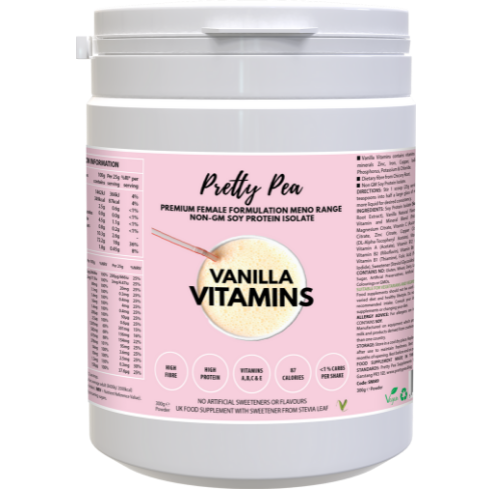
- Vegan Vanilla Protein PowderVitamins for Tiredness
HRT and Heart Disease: Frequently Asked Questions
Does HRT increase the risk of heart attacks?
HRT generally has little or no effect on coronary heart disease risk, according to NHS guidance. A new observational study involving more than 52,000 women found no increased rate of cardiovascular events among women starting HRT between the ages of 45 and 59. However, individual risks vary.
Does HRT increase the risk of stroke?
The type of HRT matters. Oral oestrogen can slightly increase stroke risk, whereas transdermal oestrogen, used in patches, gels and sprays, has not been associated with the same increased risk. For women under 60, the overall risk of stroke is generally low.
Can HRT cause blood clots?
Oral HRT can increase the risk of venous blood clots. Transdermal HRT is generally preferred for women with an increased risk of blood clots because it does not carry the same established increased risk.
Is it safer to start HRT during perimenopause?
For many otherwise healthy women, starting HRT before age 60 or within 10 years of menopause is associated with a more favourable balance of benefits and risks. However, the decision should depend on symptoms, health history and medical advice.
Can you start HRT after age 60?
HRT may still be appropriate for some women after 60, but starting treatment later requires careful assessment. Age, years since menopause, medical history and cardiovascular risk all influence the decision.
Does HRT help lower cholesterol?
Oestrogen can influence cholesterol metabolism, and some forms of HRT may change cholesterol measurements. However, HRT is not recommended as a treatment to lower cholesterol or prevent cardiovascular disease.
Is HRT safe if you have high blood pressure?
High blood pressure does not automatically rule out HRT, particularly when it is well controlled. However, cardiovascular risk should be assessed, and a healthcare professional can advise on whether HRT is appropriate and which type may be preferable.
Can you take HRT if you have a family history of heart disease?
A family history of heart disease does not automatically mean HRT is unsuitable. Your GP will consider your overall cardiovascular risk, including cholesterol, blood pressure, smoking, diabetes and other medical factors.
Is HRT recommended to prevent heart disease after menopause?
No. NICE does not recommend prescribing HRT specifically to prevent cardiovascular disease. Its main role is to manage menopause symptoms, with additional benefits for bone health.
HRT and Heart Disease: The Bottom Line: Is HRT Safe for the Heart?
The latest research offers some reassurance for women considering hormone replacement therapy during midlife.
In a large study with an average follow-up of 12 years, women who started HRT between the ages of 45 and 59 did not have higher rates of heart attacks, strokes, blood clots or early death than comparable women who did not use it.
These are encouraging findings, but they remain preliminary and do not establish that all HRT treatments carry no cardiovascular risk.
Perhaps the most important message is that the benefits and risks of HRT depend on the individual woman, the type of treatment and when it is started.
For women struggling with menopause symptoms, discussing the available options with a knowledgeable healthcare professional can help ensure decisions are based on current evidence rather than fear or outdated assumptions.
Latest Products
-
Menopause Supplement UK – Women’s Nutritional Support with Vitamins, Fibre & Botanicals
Original price was: £25.00.£19.99Current price is: £19.99. -
Menopause Supplement Bundle 3 for 2 Offer
Original price was: £77.97.£50.00Current price is: £50.00. -
-
-
-
Ashwagandha Supplement plus B Vitamins
Original price was: £25.00.£19.99Current price is: £19.99.
HRT and Heart Disease: References and Further Reading
- American Heart Association (November 2026): Long-term study finds modern hormone replacement therapy not linked to heart disease risk. Scientific Sessions 2026, Abstract MDP0654. Preliminary research.
- NICE: Menopause — Identification and Management (NG23). UK clinical guidance.
- NHS: Benefits and Risks of Hormone Replacement Therapy.
- Cochrane (September 2026): Long-term Hormone Therapy for Perimenopausal and Postmenopausal Women.
Medical disclaimer: This article is for general educational purposes and is not a substitute for personalised medical advice. Always discuss starting, stopping or changing HRT with a qualified healthcare professional.