
Glucomannan has become one of the most popular dietary fibres in the health and wellness space, particularly among people looking to support weight management, digestive health, and healthy cholesterol levels. But exactly what is glucomannan, and does it live up to the health claims surrounding it?
Derived from the root of the konjac plant, this natural fibre has unique properties that allow it to absorb large amounts of water and form a gel-like substance in the digestive tract.
In this guide, we’ll explore what glucomannan is, how it works, its potential health benefits, recommended dosage, side effects, and whether it’s worth adding to your daily routine.
What Is Glucomannan?
Glucomannan is a soluble dietary fibre extracted from the root of the konjac plant (Amorphophallus konjac), which is native to parts of Asia, including China, Japan, and Indonesia.
Unlike many other fibres, glucomannan has an exceptional ability to absorb water. In fact, it can absorb up to 50 times its weight in water, making it one of the most viscous dietary fibres available.
When consumed with water, glucomannan expands in the stomach and forms a thick gel. This process can help increase feelings of fullness, slow digestion, and support healthy bowel movements.
Glucomannan fibre has traditionally been used in Asian cuisine and is commonly found in products such as:
- Shirataki noodles
- Konjac rice
- Konjac jelly
- Dietary supplements
How Does Glucomannan Work?
The effectiveness of glucomannan comes from its ability to absorb water and increase viscosity within the digestive system.
Once consumed:
- It absorbs water and expands in the stomach.
- It creates a feeling of fullness (satiety).
- It slows the emptying of food from the stomach.
- It may reduce calorie intake by helping you feel satisfied for longer.
- It acts as a prebiotic fibre, feeding beneficial gut bacteria.
Because it is not fully digested by the body, glucomannan travels through the digestive tract where it can support gut health and regularity.
Nutritional Profile of Glucomannan
Glucomannan contains very few calories because it is primarily fibre.
Per serving, it’s primarily fibre, providing:
- Soluble dietary fibre
- Minimal carbohydrates
- Negligible fat
- Negligible protein
- Very low calorie content
Its primary nutritional value comes from its fibre content.
Glucomannan Supplement
£19.99
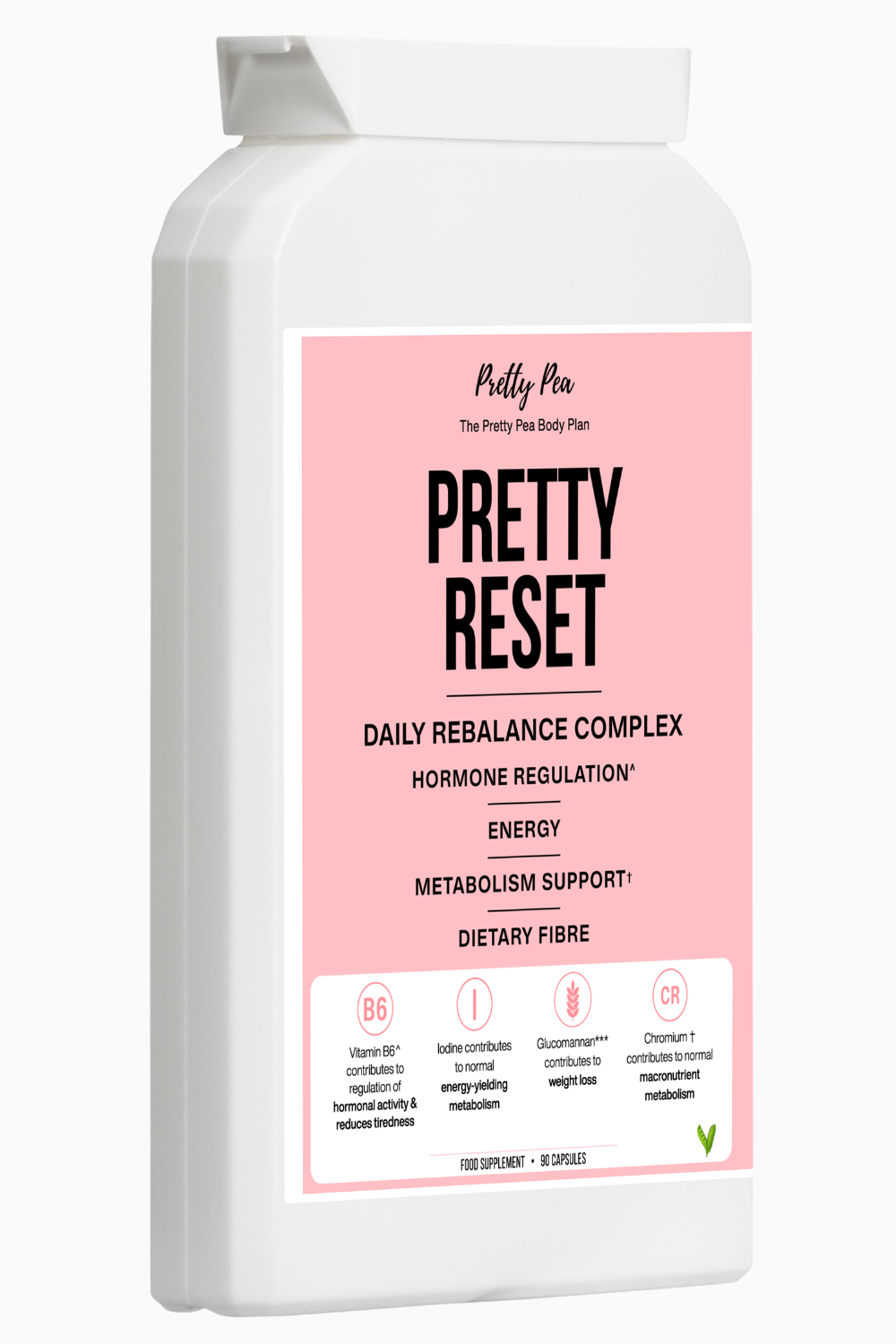
At the heart of Pretty Reset is glucomannan, a natural soluble fibre derived from konjac root.
Glucomannan contributes to weight loss in the context of an energy-restricted diet*.
Combined with vitamin B6, chromium, iodine, green tea extract and botanical ingredients, Pretty Reset has been formulated to complement healthy lifestyle habits.
£19.99 sale
30-days Money Back Guarantee
Free Shipping in UK
Potential Health Benefits of Glucomannan
1. May Support Weight Management
One of the most widely studied uses of glucomannan is weight management.
Because glucomannan expands significantly in the stomach, it may help:
- Increase fullness after meals
- Reduce hunger between meals
- Lower overall calorie intake
Several studies suggest that soluble fibres such as glucomannan may support weight loss when combined with a calorie-controlled diet and regular physical activity.
However, glucomannan fibre is not a magic solution and works best as part of a broader healthy lifestyle.
2. Supports Digestive Health
As a soluble fibre, glucomannan can help improve bowel regularity by increasing stool bulk and water content.
Benefits may include:
- Reduced constipation
- More regular bowel movements
- Improved stool consistency
Research has shown that glucomannan supplementation can be particularly helpful for individuals experiencing occasional constipation.
3. Acts as a Prebiotic
Prebiotics are substances that feed beneficial bacteria in the gut.
When gut bacteria ferment glucomannan, they produce short-chain fatty acids (SCFAs), which may help support:
- Gut barrier function
- Digestive health
- Immune function
- Metabolic health
A healthier gut microbiome is increasingly associated with improved overall wellbeing.
Whilst all prebiotics are fibre, not all fibres are prebiotic. The fermentability of dietary fibre varies greatly. For example, ranging from lignin not being prebiotic at all to pectin being almost complete fermentation.
Read more about the different types of fibre : The Fibre Fix: Insoluble vs Soluble Fibre and Womens Health
4. May Help Maintain Healthy Cholesterol Levels
Some research suggests that glucomannan may contribute to healthy cholesterol levels by binding to bile acids in the digestive tract.
This may help:
- Lower total cholesterol
- Reduce LDL (“bad”) cholesterol
- Support cardiovascular health
The cholesterol-lowering effect appears similar to that of other soluble fibres such as psyllium and beta-glucans from oats.
5. May Help Support Healthy Blood Sugar Control
Because glucomannan slows digestion and carbohydrate absorption, it may help reduce rapid spikes in blood sugar after meals.
Potential benefits include:
- Improved post-meal glucose response
- Slower carbohydrate absorption
- Better glycaemic control
These effects may be particularly beneficial when glucomannan is consumed before carbohydrate-containing meals.
What Happens When You Take Glucomannan?
Within 24 hours:
Glucomannan begins absorbing water in the stomach and digestive tract, forming a viscous gel. Many people don’t notice dramatic changes immediately, but some report feeling fuller after meals when taken correctly with water before eating.
After 1 week:
As glucomannan becomes part of a daily routine, some people find it easier to manage hunger between meals. Others notice improvements in their overall fibre intake, particularly if their diet was previously low in fibre.
After 2 weeks:
Regular use alongside a balanced diet may help support healthy eating habits by promoting fullness before meals. Some people also notice improvements in digestive regularity as their overall fibre intake increases.
After 1 month:
By this stage, glucomannan has become part of a consistent routine. Combined with an energy-restricted diet and healthy lifestyle, it may help support weight management goals. Many users also report finding it easier to meet their daily fibre targets compared with relying on food alone.
Glucomannan and Weight Loss: What Does the Science Say?
Weight loss is often the primary reason people take glucomannan supplements.
Research findings are mixed, but evidence suggests glucomannan may support weight management through:
- Appetite regulation
- Increased satiety
- Reduced calorie intake
- Improved digestive function
EFSA guidelines state Glucomannan can contribute to weight loss when taken 3g daily, taking 1g x 3 daily before meals, with a large glass of water and in the context of an energy-restricted diet.
The most successful outcomes occur when glucomannan is used alongside:
- A balanced calorie-controlled diet
- Regular exercise
- Adequate protein intake
- Healthy sleep habits
No supplement can replace the fundamentals of healthy weight management.
Read more: Can Glucomannan Help Weight Loss? What the Science Says
How Much Glucomannan Should You Take?
Clinical research suggests that 3–4g of glucomannan daily may support feelings of fullness, healthy cholesterol levels, digestive regularity, and weight-management efforts when combined with a balanced diet and healthy lifestyle.
Most studies use doses ranging from:
1–3 grams per day
Typically divided into:
- 1 gram before breakfast
- 1 gram before lunch
- 1 gram before dinner
It is usually recommended to take glucomannan approximately 30–60 minutes before meals with plenty of water.
To achieve weight loss its recommended to take *Glucomannan 3g daily, taking 1g x 3 daily before meals, with a large glass of water and in the context of an energy-restricted diet.
Always follow the dosage instructions provided on the product label.
The 5 Biggest Glucomannan Mistakes
- Taking too little – Research supporting weight loss used 3g per day, not occasional low doses.
- Not drinking enough water – Glucomannan needs water to form the gel that contributes to fullness.
- Taking it at the wrong time – Many studies used glucomannan before meals rather than after eating.
- Expecting overnight results – Consistency over weeks matters more than what happens in the first few days.
- Ignoring the rest of your diet – Glucomannan works best as part of an energy-restricted diet and healthy lifestyle, not as a substitute for them.
Possible Side Effects of Glucomannan
Glucomannan is generally considered safe for most healthy adults when consumed correctly.
However, some people may experience:
- Bloating
- Gas
- Abdominal discomfort
- Diarrhoea
- Loose stools
These symptoms are often temporary and may improve as the digestive system adapts to increased fibre intake.
Important Safety Warning
Because glucomannan absorbs large amounts of water and expands significantly, it should always be taken with plenty of fluids.
Taking glucomannan without sufficient water may increase the risk of choking or oesophageal blockage.
Who Should Avoid Glucomannan?
Speak with a healthcare professional before using glucomannan if you:
- Have swallowing difficulties
- Have digestive tract narrowing or obstruction
- Take medication that may be affected by fibre supplements
- Are pregnant or breastfeeding
- Have a medical condition requiring specialist dietary advice
Food Sources of Glucomannan
Natural sources of glucomannan include products made from konjac root:
Shirataki Noodles
Low-calorie noodles made primarily from konjac flour and water.
Konjac Rice
A rice alternative commonly used in low-carb meal plans.
Konjac Jelly
Popular in Asian countries as a low-calorie snack.
Glucomannan Supplements
Available as:
- Capsules
- Powders
- Tablets
Further reading: GLP-1 Foods: The Ultimate List for Appetite Control, Fat Loss & Blood Sugar
Fibre Supplements.
Browse Pretty Pea Fibre Supplements.

Love your Gut with APPETITE, a Blend of 4 Fibres with prebiotic and live cultures.

Glucomannan capsules for weight management, energy & hormone harmony

Soluble & Insoluble Fibre blend from high fibre foods
Is Glucomannan Worth Taking?
Glucomannan is a well-researched soluble fibre that may support digestive health, satiety, cholesterol management, and healthy blood sugar responses.
While it is unlikely to produce dramatic results on its own, it can be a useful addition to a healthy lifestyle, particularly for individuals who struggle to meet their daily fibre requirements.
As with any supplement, consistency, proper hydration, and a balanced diet remain the most important factors for long-term health.
Key Takeaway
Glucomannan is a natural soluble fibre derived from the konjac root. Its unique ability to absorb water and form a gel in the digestive tract makes it valuable for supporting fullness, digestive regularity, gut health, and healthy cholesterol levels.
Although glucomannan is often marketed for weight loss, the best results occur when it is used alongside a nutritious diet and regular physical activity. For those looking to increase their fibre intake and support overall wellbeing, glucomannan may be a convenient and effective option.
Frequently Asked Questions (FAQ)
What is glucomannan made from?
Glucomannan is extracted from the root of the konjac plant (Amorphophallus konjac), a plant native to Asia.
Is glucomannan good for weight loss?
Glucomannan may support weight loss by increasing feelings of fullness and reducing overall calorie intake, but it works best when combined with a healthy diet and exercise.
How much glucomannan should I take daily?
Most studies use between 1 and 3 grams per day, usually taken before meals with plenty of water.
Does glucomannan help with constipation?
Yes. As a soluble fibre, glucomannan can increase stool bulk and improve bowel regularity, making it useful for relieving occasional constipation.
What are the side effects of glucomannan?
Possible side effects include bloating, gas, abdominal discomfort, diarrhoea, and loose stools, particularly when first increasing fibre intake.
Can glucomannan lower cholesterol?
Research suggests glucomannan may help lower total and LDL cholesterol levels by binding to bile acids in the digestive tract.
Is glucomannan safe to take every day?
For most healthy adults, glucomannan is considered safe when taken according to directions and with adequate water intake
What’s the difference between glucomannan and psyllium husk?
Both are soluble fibres that support digestive health and satiety. Glucomannan generally has a higher water-holding capacity, while psyllium is more commonly used for bowel regularity.
Are shirataki noodles a good source of glucomannan?
Yes. Shirataki noodles are made primarily from konjac root and are one of the most common food sources of glucomannan.
When should I take glucomannan?
Glucomannan is typically taken 30–60 minutes before meals with at least one to two glasses of water.
You might also be interested in:
9 Benefits of Fibre: Why It’s Essential for Gut Health, Weight and Wellbeing
Appetite Regulation: How Fibre vs GLP-1 Compare
Glucomannan for Weight Loss: Does It Work and How Does It Compare to Medications?
What is the Highest Fibre Food
Understanding Visceral Fat: The Ultimate Belly Fat Guide
Weird Perimenopause Symptoms: 25 Unusual Signs You Didn’t Expect



Sources – What is Glucomannan
- Keithley J, Swanson B. Effects of dietary fiber supplements on weight loss in overweight and obese adults: a systematic review of randomized controlled trials. Journal of the American Academy of Nurse Practitioners. 2005;17(11):491-497.
- Onakpoya I, Posadzki P, Ernst E. The efficacy of glucomannan supplementation in overweight and obesity: a systematic review and meta-analysis of randomized clinical trials. Journal of the American College of Nutrition. 2014;33(1):70-78.
- Sood N, Baker WL, Coleman CI. Effect of glucomannan on plasma lipid and glucose concentrations, body weight, and blood pressure: systematic review and meta-analysis. The American Journal of Clinical Nutrition. 2008;88(4):1167-1175.
- Chen HL, Sheu WHH, Tai TS, Liaw YP, Chen YC. Konjac supplement alleviated hypercholesterolemia and hyperglycemia in type 2 diabetic subjects—a randomized double-blind trial. Journal of the American College of Nutrition. 2003;22(1):36-42.
- Doi K. Effect of konjac fibre (glucomannan) on glucose and lipids. European Journal of Clinical Nutrition. 1995;49(Suppl 3):S190-S197.
- EFSA Panel on Dietetic Products, Nutrition and Allergies (NDA). Scientific opinion on the substantiation of a health claim related to glucomannan and reduction of body weight. EFSA Journal. 2010;8(10):1798.
- EFSA Panel on Dietetic Products, Nutrition and Allergies (NDA). Scientific opinion on the substantiation of a health claim related to glucomannan and maintenance of normal blood cholesterol concentrations. EFSA Journal. 2010;8(10):1799.
- Tester RF, Al-Ghazzewi FH. Beneficial health characteristics of native and hydrolysed konjac (Amorphophallus konjac). Journal of the Science of Food and Agriculture. 2016;96(10):3283-3291.
- Behera SS, Ray RC. Konjac glucomannan, a promising polysaccharide of Amorphophallus konjac K. Koch in health care. International Journal of Biological Macromolecules. 2017;95:942-956.
- Slavin JL. Dietary fiber and body weight. Nutrition. 2005;21(3):411-418.
- Barber TM, Kabisch S, Pfeiffer AFH, Weickert MO. The health benefits of dietary fibre. Nutrients. 2020;12(10):3209.
- Makki K, Deehan EC, Walter J, Bäckhed F. The impact of dietary fiber on gut microbiota in host health and disease. Cell Host & Microbe. 2018;23(6):705-715.
- Reynolds A, Mann J, Cummings J, Winter N, Mete E, Te Morenga L. Carbohydrate quality and human health: a series of systematic reviews and meta-analyses. The Lancet. 2019;393(10170):434-445.
- Solah VA, Kerr DA, Adikara CD, et al. Differences in satiety effects of various dietary fibres. Nutrients. 2017;9(12):149.
- U.S. National Library of Medicine. PubMed Database. Available at: https://pubmed.ncbi.nlm.nih.gov/
- European Food Safety Authority (EFSA). Glucomannan health claim opinions. Available at: https://www.efsa.europa.eu/
- National Institutes of Health Office of Dietary Supplements. Dietary Fiber Fact Sheet for Health Professionals. Available at: https://ods.od.nih.gov/
References Most Relevant to Key Claims
- Weight loss and satiety: References 1, 2, 6, 14
- Cholesterol reduction: References 3, 4, 7
- Blood sugar support: References 3, 4
- Gut health and prebiotic effects: References 8, 9, 11, 12
- General fibre health benefits: References 10, 11, 13
