
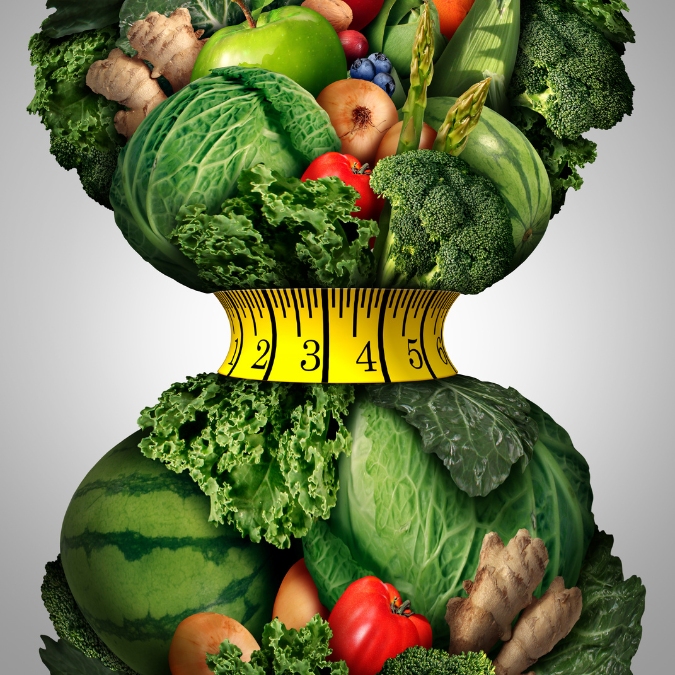
Many people often overlook the importance of dietary fibre in the diet. However, research suggests that consuming sufficient amounts of soluble fibre can play a significant role in promoting weight loss and improving overall health. This comprehensive guide will explore the various ways in which soluble fibre can aid in weight loss, including its impact on gut bacteria, inflammation, and appetite suppression.
Here we share a checklist of the different sources of soluble fibre and what you need to know about the pros and cons of fibre supplements.
Gut Microbiome and Soluble Fibre
The human gut is home to trillions of bacteria, collectively known as the gut microbiome. These bacteria play a crucial role in maintaining overall health, including weight management and metabolism.
Soluble fibre, which is not digested by the gut, serves as a source of nourishment for these beneficial gut bacteria. This type of fibre, known as prebiotic fibre, or fermentable fibre. It’s essential for optimal gut health and body weight management and a nutrient many of us don’t consume enough of.
Studies have shown that a high intake of soluble fibre can positively influence the composition and function of the gut microbiome (1). By providing nourishment to these bacteria, soluble fibre promotes their growth and activity, leading to improved overall health and weight management.
Soluble Fibre and Inflammation
Chronic inflammation is a common underlying factor in many chronic diseases, including obesity. The gut microbiome plays a crucial role in regulating inflammation levels in the body. Soluble fibre has been found to reduce inflammation by promoting the production of short-chain fatty acids (SCFAs) by gut bacteria (2).
SCFAs, such as butyrate, have anti-inflammatory properties and help maintain a healthy gut lining. By reducing gut inflammation, soluble fibre can contribute to improved metabolic health and a lower risk of chronic diseases associated with obesity, such as heart disease and metabolic syndrome (3).
Appetite and Soluble Fibre
While calorie counting is a common approach, certain dietary strategies can naturally reduce appetite, leading to lower calorie intake without conscious effort. Soluble fibre has been shown to be one such strategy.
Viscous soluble fibres, such as pectins, beta-glucans, psyllium, glucomannan, and guar gum, form a gel-like substance in the gut when combined with water (4). This gel slows down the emptying of the stomach, prolonging the feeling of fullness and reducing appetite. Research suggests that consuming high-viscosity soluble fibres can lead to automatic weight loss by reducing calorie intake (5).
Additionally, some evidence suggests that soluble fibre may specifically target belly fat, which is associated with increased health risks (6). By incorporating more high-viscosity soluble fibres into your diet, you can not only suppress your appetite but may just target some stubborn abdominal fat.
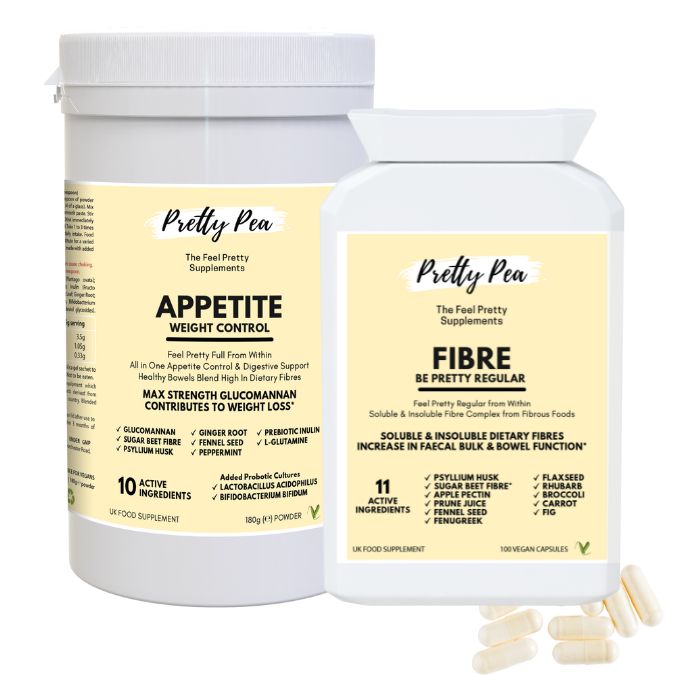
Incorporating Soluble Fibre Foods into Your Diet
To reap the benefits of soluble fibre for weight loss, it is crucial to incorporate fibre-rich foods into your daily diet. Here are some excellent sources of soluble fibre:
- Legumes: Beans, lentils, and chickpeas are not only rich in fibre but also provide a good source of plant-based protein.
- Flaxseeds: These tiny seeds are packed with fibre, omega-3 fatty acids, and antioxidants. They can be easily incorporated into smoothies, yogurt, or baked goods.
- Vegetables: Asparagus, Brussels sprouts, and broccoli are excellent sources of soluble fibre. Aim to include a variety of vegetables in your meals to maximize fibre intake.
- Whole Grains: Oats, quinoa, and brown rice are examples of whole grains that provide both soluble and insoluble fibre. These grains can serve as a nutritious base for your meals.
Remember that when increasing your fibre intake, it is important to do so gradually to allow your body to adjust. Rapidly increasing fibre intake can lead to temporary digestive discomfort, such as abdominal cramps and diarrhoea.
By combining these healthy habits with a high-fibre diet, you can optimize your weight loss journey and improve your overall health.



You may also like:
9 Benefits of Fibre: Why It’s Essential for Gut Health, Weight and Wellbeing
Your Gut Microbiome Is Talking to Your Brain — Are You Listening?
Appetite Regulation: How Fibre vs GLP-1 Compare
Glucomannan for Weight Loss: Does It Work and How Does It Compare to Medications?
What is the Highest Fibre Food
The Ultimate Guide to Fibre Supplements for a Happier Gut: Unlocking Your Digestive Health
10 Green Tea Benefits: The Ultimate Science-Backed Guide
The Ultimate Superfood List: What are Superfoods, Benefits, Best Choices, and How to Use
The Rich List: Insoluble Fibre Rich Food List
Understanding Visceral Fat: The Ultimate Belly Fat Guide
Everything Psyllium How To Use: A Comprehensive Guide on How to Use It for Maximum Health Benefits
Can You Use Psyllium Husk for Weight Loss? Benefits, Dosage & Science Explained
Sources
The impact of dietary fiber consumption on human health: An umbrella review of evidence from 17,155,277 individuals – ScienceDirect
