
Is your body signalling signs of high cortisol? Cortisol isn’t the enemy — it’s essential for survival. It helps you wake up, respond to stress, regulate blood sugar, and maintain energy.
But when cortisol stays elevated for too long, it shifts from helpful to harmful.
And for many women, this isn’t just about stress — it’s about chronic, invisible pressure:
- balancing careers, family, and expectations
- under-eating or dieting for years
- over-exercising in pursuit of results
- running on caffeine and poor sleep
Over time, your body adapts — but not in a way that serves you.
Instead, it starts sending signals.
The problem is, most of these signals are often dismissed or misunderstood
What Is Cortisol and How Should It Work?
Cortisol is a steroid hormone released as part of the hypothalamic–pituitary–adrenal (HPA) axis in response to stress. Its main role is to mobilise energy—raising blood sugar, increasing blood pressure, and priming the body for “fight or flight” (Sapolsky et al., 2000).
Short bursts of cortisol are essential. But when modern-day stressors—like long working hours, poor sleep, or emotional pressure—keep cortisol elevated, it can disrupt many body systems
Cortisol is produced by the adrenal glands and follows a circadian rhythm:
- Peaks in the early morning (to wake you up)
- Gradually declines throughout the day
- Reaches its lowest point at night (to allow sleep)
When this rhythm is disrupted — either too high, too low, or mistimed — symptoms start to appear. Here we share the typically signs of high cortisol in women along with nutrients and popular supplements to lower cortisol:
- Signs of High Cortisol
- 1. Stubborn Belly Fat and Changes in Body Composition
- 2. Fatigue + “Wired But Tired” Feeling
- 3. Sleep Disruption (Especially 2–4am Waking)
- 4. Intense Sugar and Carb Cravings
- 5. Anxiety, Overwhelm, and Nervous System Dysregulation
- 6. Hormonal Imbalances and Cycle Changes
- 7. Weakened Immunity and Slower Recovery
- Root Causes of High Cortisol
- How to Lower Cortisol Naturally
- Supplements That May Support Cortisol Balance
- Key Nutrients for Cortisol Regulation
Signs of High Cortisol
1. Stubborn Belly Fat and Changes in Body Composition
One of the most researched effects of elevated cortisol is increased abdominal fat storage.
Why?
- Cortisol raises blood glucose
- Excess glucose gets stored as fat
- Abdominal fat cells have a higher density of cortisol receptors
This is why you might notice:
- Weight gain around the middle
- A “softer” body composition despite exercise
- Difficulty losing fat even in a calorie deficit
2. Fatigue + “Wired But Tired” Feeling
High cortisol often leads to a misaligned energy rhythm:
- Morning: exhausted, groggy
- Afternoon: energy dips
- Evening: sudden alertness or second wind
This pattern is a key sign your cortisol curve is off.
3. Sleep Disruption (Especially 2–4am Waking)
Cortisol and melatonin work in opposition.
When cortisol is elevated at night:
- Melatonin is suppressed
- Deep sleep is disrupted
- You may wake in the early hours feeling alert or anxious
Blood sugar dips overnight can also trigger cortisol release, waking you suddenly.
4. Intense Sugar and Carb Cravings
Cortisol drives blood sugar fluctuations.
You may experience:
- Strong cravings for quick energy foods
- Afternoon “crashes”
- Dependence on caffeine or sugar
This creates a self-perpetuating cycle of stress and energy instability.
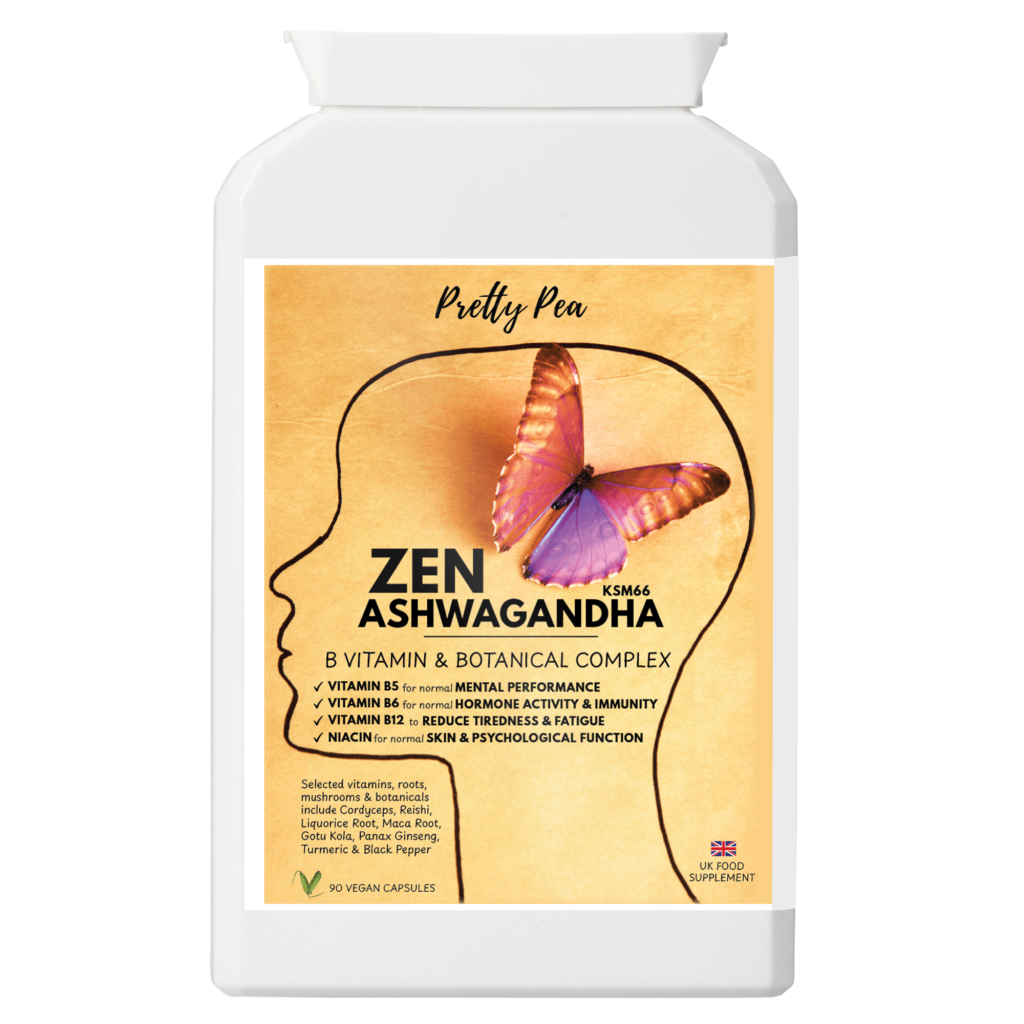
Ashwagandha Supplement plus B Vitamins
5. Anxiety, Overwhelm, and Nervous System Dysregulation
Chronically elevated cortisol keeps your body in a sympathetic (fight-or-flight) state.
This can feel like:
- Constant background anxiety
- Irritability or low tolerance to stress
- Racing thoughts
- Difficulty switching off
Even when life looks “calm,” your body may still feel under threat.
6. Hormonal Imbalances and Cycle Changes
Cortisol directly impacts reproductive hormones.
Chronic stress may contribute to:
- Irregular or missed periods
- Worsened PMS
- Low progesterone symptoms (anxiety, poor sleep)
- Reduced libido
This is partly due to the pregnenolone steal, where the body prioritises cortisol production over sex hormones.
7. Weakened Immunity and Slower Recovery
Over time, high cortisol suppresses immune function.
Signs include:
- Frequent colds or infections
- Longer recovery times
- Increased inflammation
Root Causes of High Cortisol
Common contributors include:
- Chronic psychological stress
- Poor sleep quality or duration
- Blood sugar instability
- Excess caffeine intake
- Overtraining (especially frequent HIIT)
- Undereating or restrictive diets
Often, it’s not one factor — but a combination over time.
How to Lower Cortisol Naturally
1. Stabilise Blood Sugar
- Eat regular meals
- Prioritise protein (20–30g per meal)
- Include fibre and healthy fats
2. Support Your Nervous System Daily
- Walking outdoors
- Breathwork (e.g. slow nasal breathing)
- Mindfulness or journaling
Consistency matters more than intensity.
3. Improve Sleep Quality
- Aim for 7–9 hours
- Avoid screens 60–90 minutes before bed
- Keep a consistent sleep-wake time
4. Adjust Exercise Intensity
If you’re already stressed:
- Reduce excessive HIIT
- Focus on strength training, Pilates, walking
Supplements That May Support Cortisol Balance
Key Nutrients for Cortisol Regulation
Magnesium
Often referred to as the “anti-stress mineral,” magnesium plays a critical role in regulating the nervous system and lowering cortisol levels.
Benefits:
- Supports relaxation and sleep quality
- Helps regulate the HPA axis (stress response system)
- May reduce anxiety and muscle tension
Common signs you may need more:
- Poor sleep
- Muscle tightness
- Headaches
- Anxiety
Vitamin C
Vitamin C is highly concentrated in the adrenal glands and is rapidly depleted during stress.
Benefits:
- Helps reduce cortisol levels during acute stress
- Supports immune function
- Aids adrenal recovery
B Vitamins (Especially B5 & B6)
B vitamins are essential for energy production and adrenal function.
Benefits:
- Support energy levels
- Help the body cope with stress
- Involved in neurotransmitter production (mood regulation)
Omega-3 Fatty Acids
Omega-3s have anti-inflammatory effects and may help regulate the stress response.
Benefits:
- May lower cortisol and inflammation
- Support brain health and mood
- Help stabilise blood sugar
Adaptogens for Stress & Cortisol Balance
Adaptogens help the body adapt to stress rather than simply suppressing it.
Ashwagandha (Withania somnifera)
A well-studied adaptogen shown to help reduce cortisol levels and perceived stress. In one double-blind study, participants taking ashwagandha root extract experienced a 27.9% reduction in serum cortisol compared to placebo.
- May lower serum cortisol
- Supports resilience to stress
- Can improve sleep quality
Liquorice Root (Glycyrrhiza glabra)
Supports adrenal function and may help regulate cortisol metabolism.
- Can prolong cortisol activity (helpful in low cortisol patterns)
- May support energy and reduce fatigue
Important: Not suitable for long-term use in high doses or for those with high blood pressure.
Rhodiola Rosea
A powerful adaptogen known for improving resilience to physical and mental stress.
Benefits:
- May reduce fatigue and burnout
- Supports mental clarity and focus
- Can help regulate cortisol rhythm
Best suited for:
Fatigue, brain fog, burnout
Holy Basil (Tulsi)
Traditionally used in Ayurvedic medicine for stress and mood balance.
Benefits:
- May reduce cortisol and anxiety
- Supports blood sugar balance
- Has calming effects without sedation
Ginseng (Panax Ginseng)
A well-known adaptogen that supports energy and resilience.
Benefits:
- Enhances physical and mental performance
- Supports stress tolerance
- May improve fatigue
Ashwagandha Supplement plus B Vitamins
Nervous System Support Herbs
These don’t directly lower cortisol but help shift the body out of “fight-or-flight.”
Lemon Balm
A calming herb that supports relaxation and sleep.
Benefits:
- Reduces anxiety
- Improves sleep quality
- Supports mood
Passionflower
Often used for anxiety and sleep disturbances.
Benefits:
- Calms the nervous system
- May improve sleep onset
- Helps reduce restlessness
Blood Sugar Support (Indirect Cortisol Control)
Because cortisol and blood sugar are closely linked, stabilising glucose is key.
Cinnamon
Benefits:
- Helps regulate blood sugar
- May reduce insulin spikes
- Supports energy stability
Chromium
Benefits:
- Improves insulin sensitivity
- May reduce sugar cravings
- Supports stable energy
How to Choose What’s Right for You
Not every supplement works the same for everyone.
For example:
- If cortisol is high at night, calming adaptogens (ashwagandha, lemon balm) may help
- If cortisol is low in the morning, stimulating adaptogens (rhodiola, ginseng) may be more appropriate
This is why a personalised approach is often most effective.
Instead of taking everything, focus on:
- Your main symptoms (fatigue vs anxiety vs poor sleep)
- Your daily rhythm (wired at night vs exhausted all day)
- Your lifestyle (diet, stress load, exercise)
Start simple → build gradually.
A Quick Word of Caution
- Always check for interactions (especially with medications)
- Avoid long-term unsupervised use of certain herbs (e.g. liquorice root)
- Quality and dosage matter
When to Seek Further Support
If symptoms persist, consider:
- Salivary cortisol testing (to assess daily rhythm)
- Functional medicine support
- Nutritional and lifestyle interventions tailored to you
FAQ: Signs of High Cortisol in Women
What is the fastest way to lower cortisol?
There’s no instant fix, but combining blood sugar balance, sleep optimisation, and stress management can lead to noticeable improvements within weeks.
Can high cortisol cause weight gain even in a calorie deficit?
Yes. Cortisol can affect metabolism, increase fat storage (especially abdominal), and influence water retention.
Is caffeine bad for cortisol?
In excess, yes. Caffeine can increase cortisol levels, especially when consumed on an empty stomach or during periods of high stress.
How long does it take to rebalance cortisol?
This varies, but many people notice improvements within 4–8 weeks with consistent lifestyle changes.
Frequently Asked Questions (FAQs) Signs of High Cortisol
1. What happens when cortisol is too high?
When cortisol stays elevated for long periods, it can lead to weight gain (especially belly fat), poor sleep, anxiety, weakened immunity, and increased risk of conditions like high blood pressure and type 2 diabetes.
2. Can cortisol cause weight gain?
Yes. Cortisol increases appetite, particularly for sugary and fatty foods, while also promoting abdominal fat storage. This type of fat is linked with metabolic health risks
3. What foods lower cortisol levels naturally?
Foods rich in magnesium (leafy greens, nuts, seeds), vitamin C (citrus, kiwi, peppers), and omega-3 fatty acids (oily fish, flaxseeds, chia) may help regulate cortisol. Green tea and dark chocolate also contain compounds that support stress resilience.
4. Which herbs help reduce cortisol?
Adaptogenic herbs like ashwagandha and licorice root have been studied for their ability to balance stress hormones. Ashwagandha, in particular, has shown significant reductions in cortisol levels in clinical studies.
5. How can I lower cortisol quickly?
Simple lifestyle shifts—like deep breathing, a short walk, drinking water, or practicing mindfulness—can help lower cortisol in the moment. For long-term balance, focus on consistent sleep, regular movement, and a nutrient-dense diet.
6. What is the best time of day to test cortisol levels?
Cortisol naturally peaks in the morning and drops at night. Doctors typically test cortisol in the morning (around 8–9 a.m.) when levels are highest, to assess adrenal function and rhythm.
RELATED ARTICLES
The Menopause Diet 5 Day Plan to Lose Weight
List of The 100 Symptoms of Perimenopause
Early First Symptoms of Perimenopause – 7 Telling Subtle Signs
The Role of Perimenopause Vitamins Supplements: A Guide for Women
Why Fibre Could Be the Secret to a Better Menopause
The Ultimate Superfood List: What are Superfoods, Benefits, Best Choices, and How to Use
Signs of High Cortisol – Sources
- Boyle, N. B., et al. (2017). The effects of magnesium supplementation on subjective anxiety and stress. Nutrients, 9(5), 429.
- Brody, S., et al. (2002). Vitamin C high-dose supplementation reduces cortisol. Psychopharmacology, 159(3), 319–324.
- Chandrasekhar, K., et al. (2012). A prospective, randomized double-blind, placebo-controlled study of safety and efficacy of ashwagandha root extract in reducing stress and anxiety. Indian Journal of Psychological Medicine, 34(3), 255–262.
- Cohen, M. M., et al. (2014). Tulsi—Ocimum sanctum: A herb for all reasons. Journal of Ayurveda and Integrative Medicine, 5(4), 251–259.
- Delarue, J., et al. (2003). Fish oil supplementation reduces stress-induced cortisol secretion. Diabetes & Metabolism, 29(4), 289–295.
- Epel, E. S., et al. (2001). Stress may add bite to appetite in women: a laboratory study of stress-induced cortisol and eating behavior. Psychoneuroendocrinology, 26(1), 37–49.
- Franchimont, D. (2004). Overview of the actions of glucocorticoids on the immune response. European Journal of Clinical Investigation, 34(7), 429–440.
- Fountoulakis, K. N., et al. (2004). Thyroid function and depression: A review. Annals of General Hospital Psychiatry, 3(1), 6.
- Hackett, R. A., & Steptoe, A. (2017). Type 2 diabetes mellitus and psychological stress—a modifiable risk factor. Nature Reviews Endocrinology, 13(9), 547–560.
- Kennedy, D. O., et al. (2010). Vitamins and the brain: mechanisms, effects and their relevance to disease. Nutritional Neuroscience, 13(2), 119–125.
- Kumari, M., et al. (2009). Associations of salivary cortisol with social and economic factors. Psychoneuroendocrinology, 34(9), 1425–1436.
- Nepomnaschy, P. A., et al. (2006). Cortisol levels and menstrual cycle. American Journal of Human Biology, 18(2), 151–162.
- Panossian, A., et al. (2010). Rhodiola rosea as a putative botanical antidepressant. Phytomedicine, 17(7), 481–493.
- Rosmond, R. (2005). Role of stress in the pathogenesis of the metabolic syndrome. Psychoneuroendocrinology, 30(1), 1–10.
- Sapolsky, R. M., et al. (2000). How do glucocorticoids influence stress responses? Endocrine Reviews, 21(1), 55–89.
- Sigurjónsdóttir, H. A., et al. (2001). Liquorice-induced rise in blood pressure. Journal of Human Hypertension, 15(8), 549–552.
- Trüeb, R. M. (2002). Stress and hair loss: Areview. Dermatology, 205(2), 153–157.
- Whitworth, J. A., et al. (2005). Mechanisms of glucocorticoid-induced hypertension. Endocrine Reviews, 26(6), 753–772.
- Yoto, A., et al. (2012). Effects of L-theanine on stress-related symptoms. Biological Psychology, 89(3), 298–303.
- Chandrasekhar, K. et al. (2012). A prospective, randomized double-blind study of safety and efficacy of ashwagandha root extract in reducing stress and anxiety in adults. Indian Journal of Psychological Medicine.
- Lopresti, A.L. et al. (2019). A systematic review of the effects of ashwagandha on stress and anxiety. Medicine (Baltimore).
- Walker, B.R. (2007). Glucocorticoids and cardiovascular disease. European Journal of Endocrinology.
- Brooks, N.A. et al. (2008). Beneficial effects of maca on psychological symptoms in menopausal women. Menopause Journal.
- Jeong, J.W. et al. (2012). Maca extract effects on hormone balance and stress response. Journal of Ethnopharmacology.
- Tsigos, C. & Chrousos, G.P. (2002). Hypothalamic–pituitary–adrenal axis and stress. Endotext.
- Adam, T.C. & Epel, E.S. (2007). Stress, eating and the reward system. Physiology & Behaviour
