

The age at which you experience menopause could have a greater influence on your long-term health than previously realised with new evidence linking premature menopause and heart disease.
A major study published in JAMA Cardiology in March 2026, involving more than 10,000 women, found that those who experienced natural menopause before the age of 40 had an approximately 40% higher lifetime risk of coronary heart disease than women who experienced menopause later.
While menopause is often associated with hot flushes, disrupted sleep, mood changes and weight gain, its impact extends far beyond these more familiar symptoms.
Declining oestrogen levels can influence cholesterol, blood pressure, blood sugar regulation, fat distribution and the health of our blood vessels.
For women experiencing premature menopause, these changes may begin more than a decade earlier than expected, highlighting the importance of taking a proactive approach to cardiovascular health. PubMed+1

What Did the 2026 Menopause and Heart Disease Study Find?
Researchers from Northwestern University analysed data from six long-running American population studies, including the Framingham Heart Study and the Women’s Health Initiative.
The research included:
- 10,036 postmenopausal women.
- Women aged 55–69 at the beginning of their follow-up.
- Approximately 163,600 person-years of follow-up.
- Data collected between 1964 and 2018.
- More than 1,000 coronary heart disease events.
The association remained even after researchers accounted for several established cardiovascular risk factors, including smoking, obesity, high blood pressure and diabetes. News Center+1
Key study finding
40% higher risk
Coronary heart disease associated with premature menopause
Menopause aged 40 or over
1.00
Natural menopause before 40
~1.40
Illustrative comparison of relative hazard, not absolute probability of developing heart disease.
Interestingly, the increased risk was similar across both groups of women studied.
| Study finding | Black women | White women |
|---|---|---|
| Increased relative hazard of coronary heart disease | 41% | 39% |
| Prevalence of premature menopause | 15.5% | 4.8% |
Although premature menopause was more than three times as common among Black women in this study, the associated relative increase in coronary heart disease was remarkably similar. American College of Cardiology+1
Importantly, a 40% increase in relative risk does not mean that 40% of women experiencing premature menopause will develop heart disease. Individual risk depends on numerous other health and lifestyle factors.
What Is the Difference Between Early and Premature Menopause?
Although the terms are frequently used interchangeably, early menopause and premature menopause have different clinical definitions.
| Type of menopause | Age |
|---|---|
| Premature menopause | Before 40 |
| Early menopause | 40–44 |
| Typical menopause | 45–55 |
| Average age of menopause in the UK | Around 51 |
Premature menopause is closely associated with premature ovarian insufficiency (POI), a condition in which the ovaries stop functioning normally before the age of 40. However, ovarian activity can sometimes continue intermittently in women with POI.
For a woman experiencing menopause in her mid-30s, the reduction in ovarian hormone production could begin around 15 years earlier than for a woman experiencing menopause at the average age.
This potentially means many additional years of exposure to the metabolic and cardiovascular changes associated with reduced oestrogen.
Read: 100 Signs of Perimenopause and Early Signs
Why Does Menopause Affect Heart Health?
Oestrogen plays an important role in cardiovascular health, influencing everything from the flexibility of blood vessels to how the body processes fats and glucose.
As oestrogen levels decline during perimenopause and menopause, several changes may occur.
1. Cholesterol Levels Can Increase
Many women notice an increase in LDL cholesterol during the menopausal transition, even when their diet and activity levels have remained relatively unchanged.
Elevated LDL cholesterol contributes to the accumulation of fatty deposits within artery walls, a process known as atherosclerosis.
Over time, this can restrict blood flow to the heart and increase the likelihood of coronary heart disease.
2. Visceral Fat Can Accumulate
Menopause can influence where the body stores fat, encouraging a shift towards abdominal and visceral fat accumulation.
Visceral fat is the deeper fat stored around internal organs and is metabolically more active than the subcutaneous fat stored beneath the skin.
Excess visceral fat is associated with:
- Insulin resistance.
- Chronic low-grade inflammation.
- Unhealthy cholesterol levels.
- High blood pressure.
- Increased cardiovascular disease risk.
Importantly, women can experience an increase in visceral fat without a significant change in their overall body weight.
Read: The difference between belly fat and visceral fat
3. Blood Vessels Can Become Less Flexible
Oestrogen helps support the function of the endothelium, the thin layer of cells lining our blood vessels.
As hormone levels decline, blood vessels may become less responsive and more rigid, potentially contributing to increased blood pressure and poorer vascular function.
4. Blood Sugar Regulation Can Change
Hormonal changes during menopause may contribute to reduced insulin sensitivity, making it more difficult for the body to regulate blood glucose effectively.
Insulin resistance and persistently elevated blood sugar are established cardiovascular risk factors.
5. Muscle Mass Can Decline
Ageing and hormonal changes can contribute to a gradual reduction in muscle mass.
Muscle tissue plays an important role in glucose metabolism, insulin sensitivity and energy expenditure. Maintaining muscle mass throughout menopause may therefore have benefits that extend beyond physical strength and mobility.
These cardiovascular and metabolic changes are among the reasons researchers are increasingly recognising menopause as an important stage in women’s long-term health. News Center+1
Does Premature Menopause Cause Heart Disease?
Although the 2026 study identified a significant association, it does not establish that premature menopause directly causes coronary heart disease.
Researchers are still investigating whether earlier oestrogen loss contributes directly to cardiovascular damage or whether certain underlying biological, genetic, environmental and lifestyle factors predispose women to both premature menopause and heart disease.
It is also worth noting that the study focused on natural menopause and excluded women who had experienced surgically induced menopause.
Nevertheless, the findings strengthen the case for considering a woman’s reproductive history when assessing her long-term cardiovascular health.
Can HRT Help Protect the Heart After Premature Menopause?
Hormone replacement therapy (HRT) may play a particularly important role for women experiencing premature or early menopause.
Unlike women starting HRT at an older age, younger women experiencing premature menopause are replacing hormones that their ovaries would ordinarily still be producing.
UK guidance from NICE and the British Menopause Society recommends hormone replacement for women with premature ovarian insufficiency, unless medically contraindicated, generally continuing until at least the expected age of natural menopause.
Potential benefits include supporting bone health, managing menopausal symptoms and potentially reducing some of the long-term cardiovascular consequences associated with premature hormone deficiency. British Menopause Society+2
However, the 2026 study did not establish whether HRT could offset the observed 40% increase in coronary heart disease risk.
HRT is also not routinely recommended solely for preventing cardiovascular disease in women experiencing menopause at the usual age.
The timing, type and suitability of hormone replacement should be discussed with a healthcare professional.
Read: Can You Take Supplements with HRT: What’s Safe & What to Avoid

How Can Women Protect Their Heart Health During Menopause?
One of the most important messages from this research is that cardiovascular prevention should begin early, rather than waiting until health problems develop.
Monitor Your Cholesterol and Blood Pressure
High cholesterol and high blood pressure often develop without noticeable symptoms.
Women who experience premature menopause may benefit from discussing earlier and regular cardiovascular health checks with their GP, including cholesterol, blood pressure and blood sugar measurements.
Increase Your Dietary Fibre Intake
Soluble fibre, found in foods such as oats, barley, beans, lentils and psyllium husk, can help lower LDL cholesterol and support healthy blood sugar regulation.
Increasing dietary fibre intake may be particularly beneficial during menopause, when changes in cholesterol, metabolism and abdominal fat distribution become more common.
UK dietary guidelines recommend that adults aim for approximately 30g of fibre each day.

Read: Why Fibre Is Key in Menopause
Prioritise Strength Training
Resistance training can help preserve muscle mass, support insulin sensitivity and improve overall metabolic health.
Combining regular strength training with cardiovascular activities such as brisk walking, swimming or cycling can provide complementary health benefits.
Follow a Mediterranean-Style Diet
A diet rich in vegetables, fruit, wholegrains, legumes, nuts, seeds, olive oil and fish can support cardiovascular health.
Replacing some saturated fats with unsaturated fats, reducing excessive salt intake and limiting highly processed foods may also help manage cholesterol and blood pressure.
Monitor Abdominal Fat, Not Just Body Weight
Body weight alone does not always provide an accurate picture of metabolic health.
Monitoring waist measurements alongside weight can provide additional information about changes in abdominal fat distribution, particularly during and after menopause.
Read: Menopause Weight Changes Explained
Avoid Smoking and Manage Other Risk Factors
Smoking is associated with both earlier menopause and cardiovascular disease.
Addressing smoking, excessive alcohol consumption, poor sleep, physical inactivity and existing metabolic conditions can help reduce overall cardiovascular risk.
What Heart Health Checks Should Women Request After Early Menopause?
If you experienced premature or early menopause, it may be worth discussing the following assessments with your GP.
| Health check | Why it matters |
|---|---|
| Full lipid profile | Measures cholesterol and triglycerides |
| Blood pressure | Identifies hypertension |
| HbA1c or blood glucose | Assesses blood sugar regulation |
| Waist circumference | Provides an indication of abdominal fat accumulation |
| Cardiovascular risk assessment | Evaluates multiple risk factors together |
| Family medical history | Helps identify inherited cardiovascular risks |
| HRT review | Assesses whether hormone replacement remains appropriate |
Traditional cardiovascular risk assessments often focus on the likelihood of developing heart disease over the next ten years.
For younger women, this may not fully reflect the potential impact of premature menopause over several decades.
This is why discussing the age at which you experienced menopause with your healthcare professional is important, even if you are otherwise healthy.
Latest Products
-
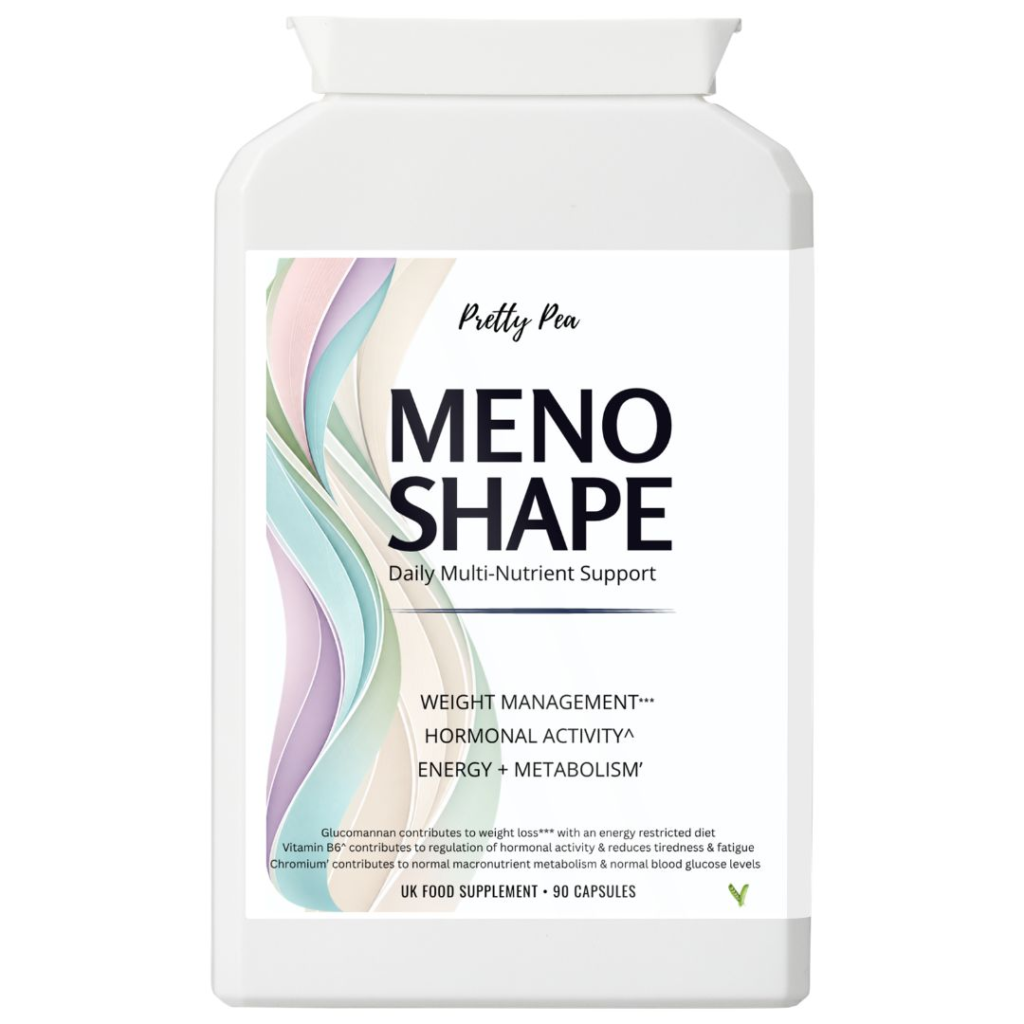
Menopause Supplement UK – Women’s Nutritional Support with Vitamins, Fibre & Botanicals
Original price was: £25.00.£19.99Current price is: £19.99. -
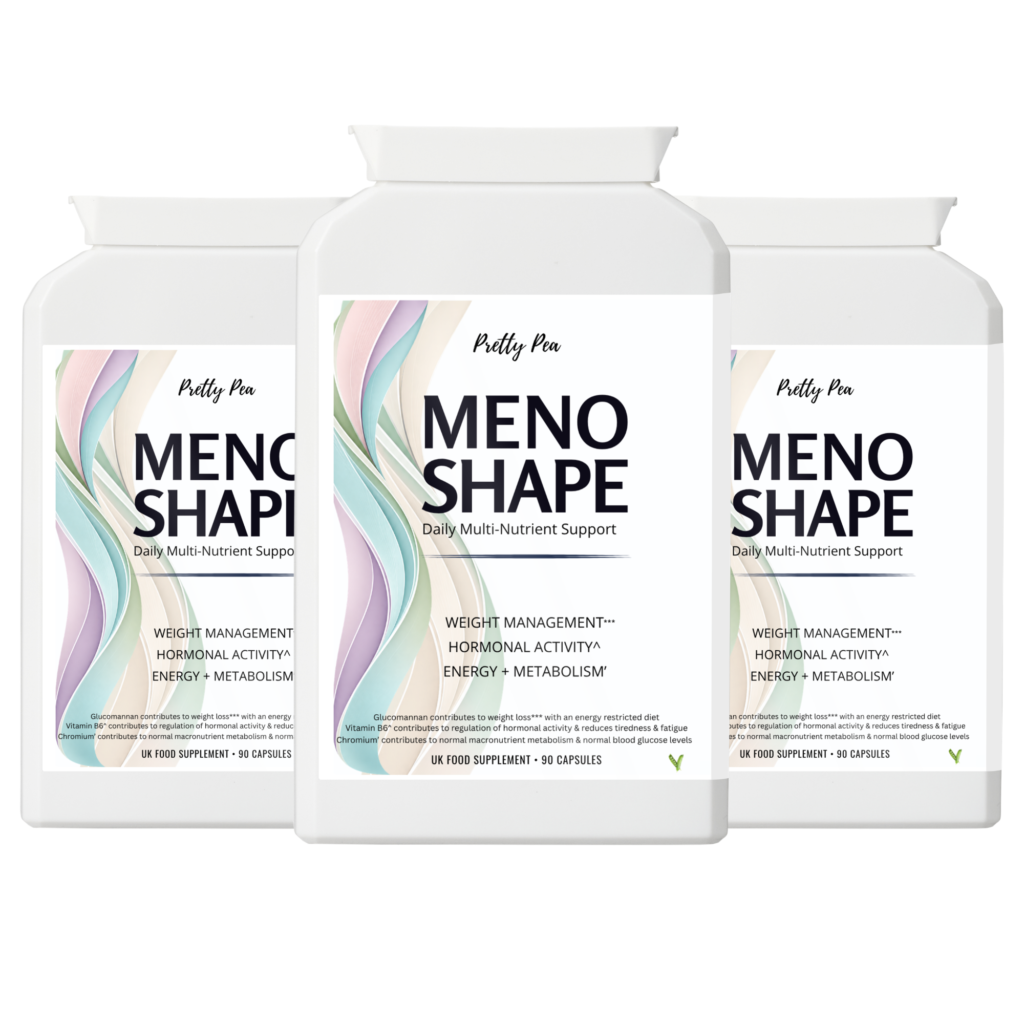
Menopause Supplement Bundle 3 for 2 Offer
Original price was: £77.97.£50.00Current price is: £50.00. -

-

-
-
Original price was: £25.00.£19.99Current price is: £19.99.
-
Original price was: £25.99.£19.99Current price is: £19.99.



FAQ’s Premature Menopause and Heart Disease
Does early menopause increase the risk of heart disease?
Yes. Research has associated both early and premature menopause with increased cardiovascular risk. The 2026 study specifically found an approximately 40% increase in the relative hazard of coronary heart disease among women experiencing natural menopause before 40.
Does menopause increase the risk of a heart attack?
Menopause can contribute to changes in cholesterol, blood pressure, vascular function and metabolism that may increase heart attack risk. However, menopause is only one of several factors influencing cardiovascular health.
Does menopause at 45 increase heart disease risk?
Women experiencing menopause at a younger age may have an increased cardiovascular risk compared with women experiencing menopause later. However, the 40% figure from this particular study applies specifically to natural menopause before 40.
Can HRT reverse the increased heart disease risk associated with premature menopause?
Hormone replacement may help mitigate some of the long-term effects of premature oestrogen deficiency. However, there is insufficient evidence to conclude that HRT completely reverses the additional cardiovascular risk identified in this study.
Can you develop high cholesterol during menopause despite eating healthily?
Yes. Hormonal changes can influence cholesterol metabolism independently of dietary changes. This is one reason regular cholesterol testing can be useful during perimenopause and menopause.
Can you reduce your risk of heart disease after menopause?
Yes. Managing cholesterol, blood pressure, blood sugar, abdominal fat and other cardiovascular risk factors can help reduce the likelihood of developing heart disease. It is beneficial to address these factors at any stage of menopause.
Does surgical menopause also increase cardiovascular risk?
Other research has associated premature surgical menopause, particularly following removal of both ovaries, with increased cardiovascular risk. However, women experiencing surgical menopause were excluded from this particular 2026 study.
The Takeaway
Menopause is more than a reproductive milestone. It represents an important transition in a woman’s metabolic, hormonal and cardiovascular health.
The findings from this 2026 study suggest that the age at which a woman experiences menopause should be considered an important part of her long-term cardiovascular risk profile.
For women experiencing premature or early menopause, understanding this risk provides an opportunity to take preventative action earlier.
An increased risk does not mean heart disease is inevitable. Regular health checks, appropriate consideration of hormone replacement, a heart-healthy diet, sufficient dietary fibre and regular physical activity can all form part of a proactive approach to protecting long-term health.

Sources: Premature Menopause and Heart Disease
- Freaney PM, et al. (2026). Premature Menopause and Lifetime Risk of Coronary Heart Disease. JAMA Cardiology, 11(5), 455–458. Read the original study.
- Northwestern University (2026). Premature Menopause Raises Long-Term Heart Risk by 40 Percent.
- NICE. Menopause: Identification and Management.
- British Menopause Society. Premature Ovarian Insufficiency.
- British Heart Foundation. Menopause and Heart and Circulatory Conditions.
- NHS. Early or Premature Menopause.
- International evidence-based guideline (2024). Premature Ovarian Insufficiency.
