
What Is Plantago Ovata?
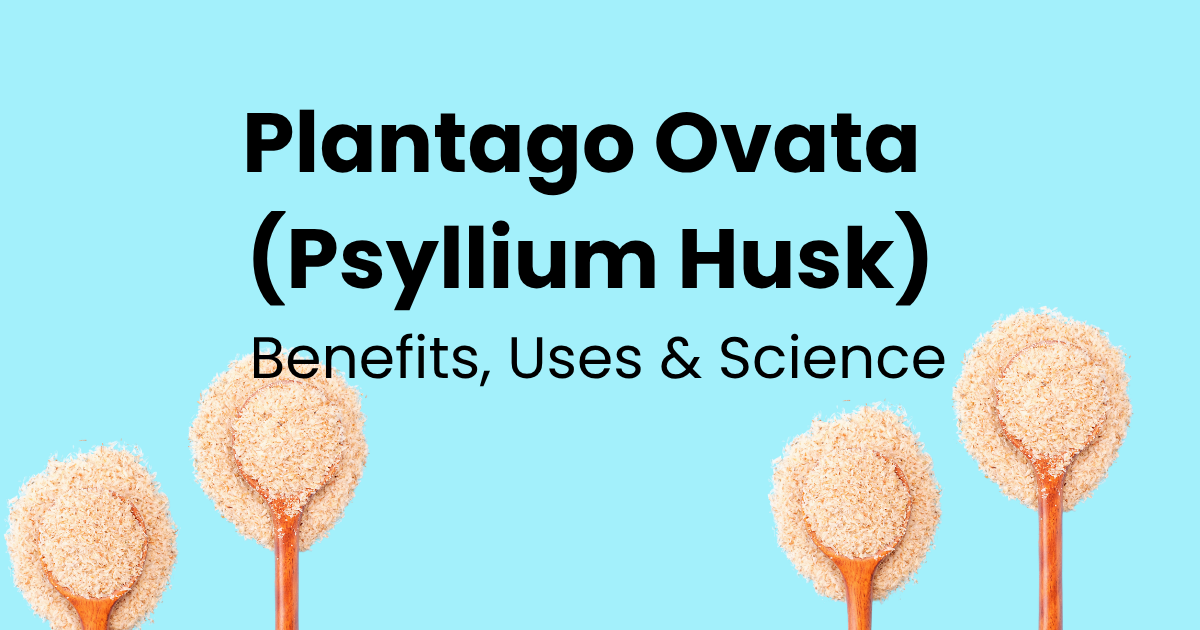
Plantago ovata is the plant that produces psyllium husk, one of the world’s most widely researched sources of soluble dietary fibre. Native to India, Pakistan and parts of the Middle East, its tiny seeds are surrounded by a fibre-rich outer layer that has been used for centuries to support digestive health and overall wellbeing.
When mixed with water, psyllium husk absorbs liquid and forms a gentle gel. This unique property helps explain why it has become one of the most extensively studied fibres for promoting regular bowel movements, supporting healthy cholesterol levels, helping maintain healthy blood sugar levels after meals, and increasing feelings of fullness as part of a healthy, balanced diet.
If you’re looking for a convenient way to increase your daily fibre intake, a high-quality psyllium supplement can make it easier to reach your fibre goals. At Pretty Pea, our fibre range combines carefully selected ingredients to help support digestive wellbeing and make adding more fibre to your daily routine simple.
Get your free Psyllium Husk Recipe Guide below.
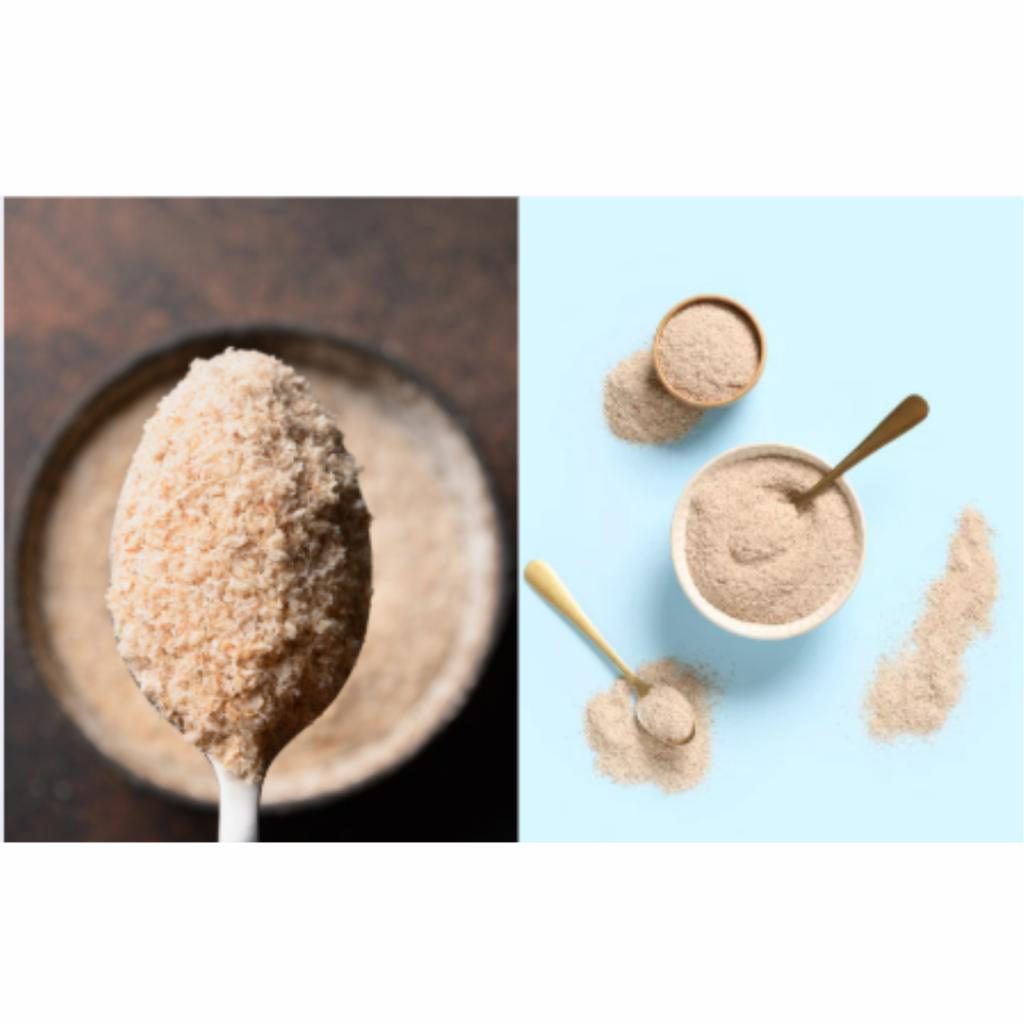
Psyllium Reset Recipe Guide
Guide to make delicious recipes with our multi fibre powder supplement
In this guide, you’ll discover exactly what Plantago ovata is, how psyllium husk works, its evidence-based health benefits, recommended dosages, potential side effects, and how to choose the right fibre supplement for your needs.
Plantago Ovata at a Glance
| Feature | Details |
|---|---|
| Scientific name | Plantago ovata |
| Common names | Psyllium, Blond Psyllium, Ispaghula, Ispaghula Husk |
| Plant family | Plantaginaceae |
| Native regions | India, Pakistan, Iran |
| Main active component | Soluble fibre (arabinoxylans) |
| Common forms | Husk, powder, capsules |
| Main benefits | Digestive health, bowel regularity, cholesterol support, blood sugar support, satiety |
| Suitable for | Most adults looking to increase fibre intake |
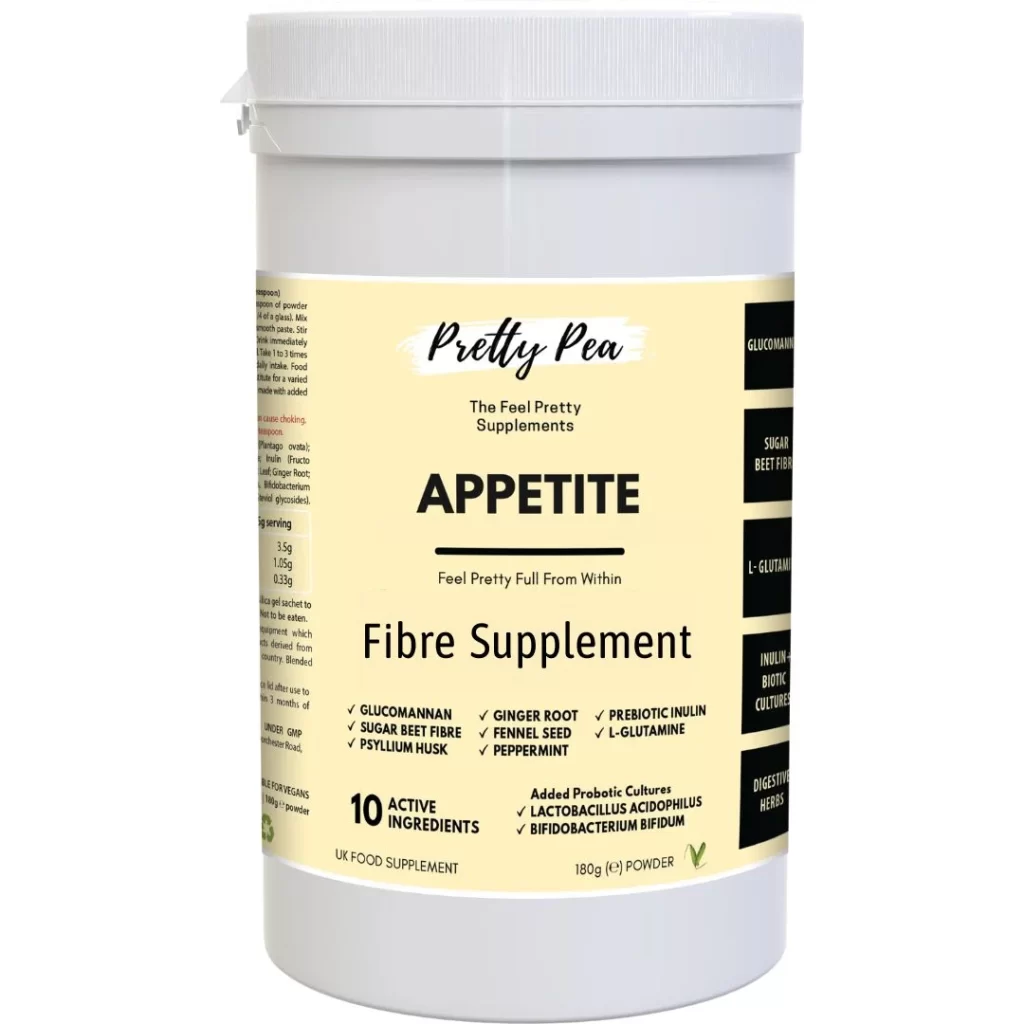
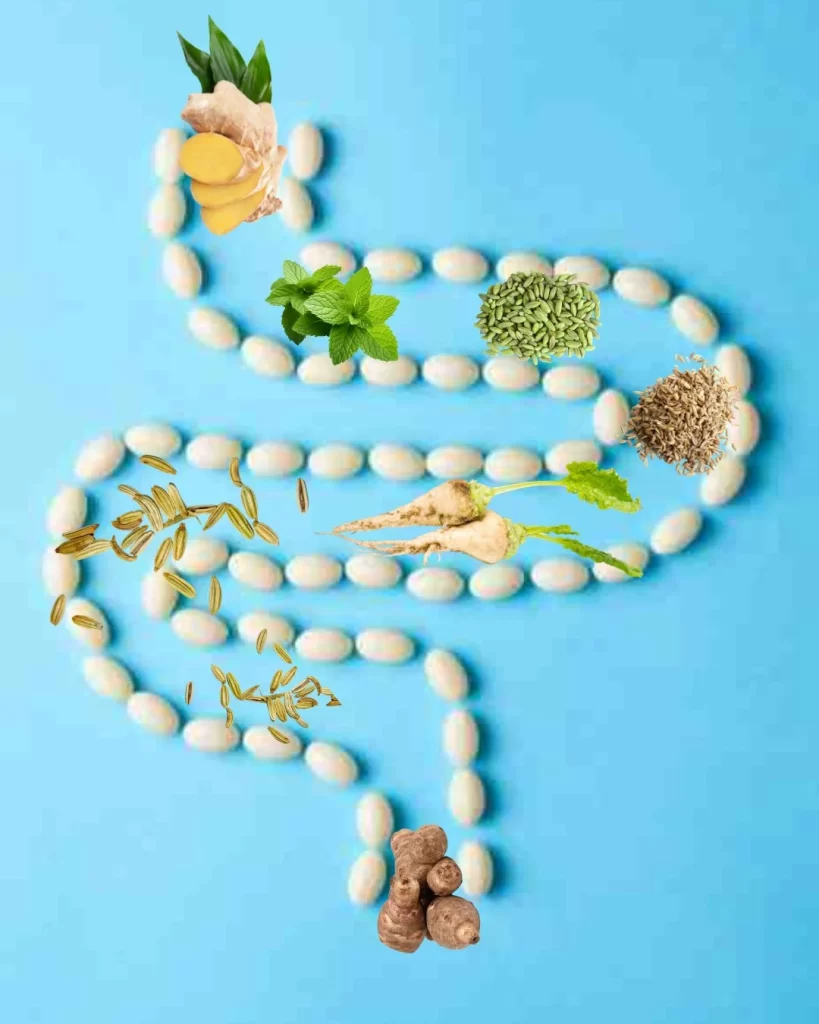
Fibre Powder
Plantago Ovata, Psyllium and Ispaghula: What’s the Difference?
The terms are often used interchangeably, but they refer to slightly different things.
- Plantago ovata is the botanical name of the plant.
- Psyllium husk refers to the outer coating of the seeds.
- Ispaghula husk is another common name for psyllium husk.
- Psyllium seed powder may contain the whole seed rather than just the husk.
Most supplements contain psyllium husk because it provides the highest concentration of soluble fibre.
Where Does Plantago Ovata Come From?
India produces approximately 80–90% of the world’s psyllium supply and remains the leading global exporter.
The plant thrives in dry climates and sandy soils. Once harvested, the seeds are mechanically processed to separate the husk from the seed. The husk is then cleaned, milled and used in supplements, functional foods and fibre-enriched products.
Why Is Plantago Ovata So Unique?
Many fibre sources provide health benefits, but psyllium stands apart because of its exceptional ability to absorb water.
Unlike some fibres that simply add bulk, psyllium forms a soft, viscous gel within the digestive tract. This allows it to work in multiple ways simultaneously.
Its gel-forming properties may help:
- Support regular bowel movements
- Increase stool moisture
- Slow digestion
- Promote fullness after meals
- Support healthy cholesterol levels
- Contribute to healthy blood sugar responses
This combination of actions makes psyllium one of the most versatile fibres available.
The Science Explained Simply
Why Does Psyllium Form a Gel?
The fibre found in psyllium husk consists largely of complex carbohydrates called arabinoxylans.
These fibre molecules attract and hold water. When psyllium comes into contact with liquid, it swells and forms a soft gel.
Think of it like a sponge. The fibre absorbs water and expands, creating a thicker consistency that moves through the digestive system more slowly than liquid alone.
This gel is responsible for many of psyllium’s recognised health benefits.
Nutritional Composition
Psyllium husk is composed almost entirely of dietary fibre.
Typically, it contains:
- 70–80% soluble fibre
- Small amounts of insoluble fibre
- Very few calories
- Negligible fat
- Negligible sugar
- Trace minerals
A typical 5g serving may provide around 4g of fibre, although exact amounts vary between products.
Health Benefits of Plantago Ovata
1. Supports Digestive Health and Regularity
Psyllium is perhaps best known for its role in supporting bowel regularity.
By absorbing water and increasing stool bulk, it helps stools move more comfortably through the digestive tract.
Research suggests psyllium can improve stool frequency and consistency, particularly in individuals consuming insufficient fibre.
A review published in the World Journal of Gastroenterology concluded that psyllium is among the most effective fibre supplements for improving bowel function.
“Psyllium appears to be superior to insoluble fibre for increasing stool water content and overall stool output.”
2. Helps Support Gut Health
Although psyllium is not as highly fermentable as fibres such as inulin, it still contributes to a healthy gut environment.
Some of the fibre reaches the large intestine, where beneficial bacteria can partially ferment it, producing short-chain fatty acids (SCFAs) such as butyrate.
These compounds play important roles in supporting:
- Colon health
- Gut barrier integrity
- Healthy digestive function
- Microbial diversity
Fibre Powder
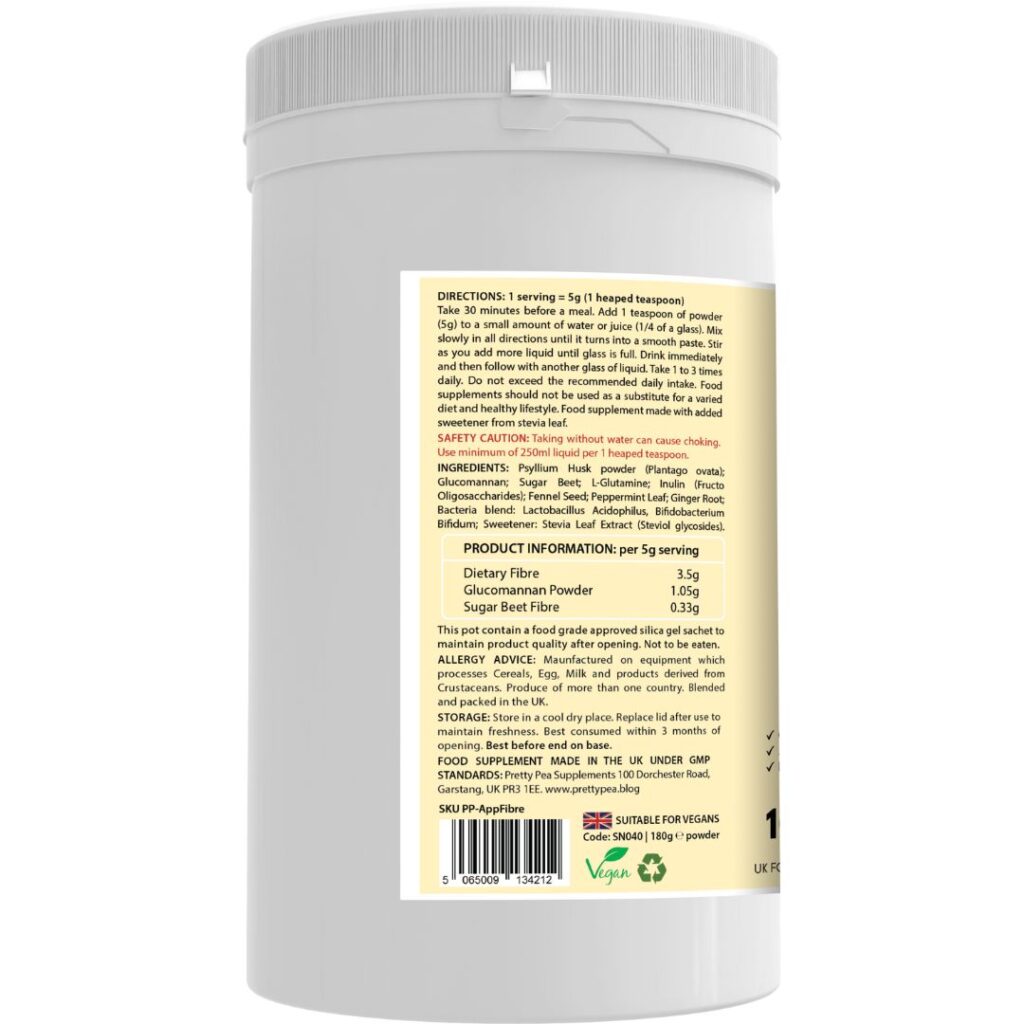
Fibre Full blend with Psyllium Husk powder; Glucomannan; Sugar Beet; L-Glutamine; Inulin (FOS); Fennel Seed; Peppermint Leaf; Ginger Root; Bacteria blend, Lactobacillus Acidophilus, Bifidobacterium Bifidum; Sweetener, Stevia Leaf extract – No Artificial Sweeteners
3. Supports Healthy Cholesterol Levels
One of the most extensively researched benefits of psyllium is its ability to support healthy cholesterol levels.
The gel formed by psyllium can bind bile acids in the digestive tract. Because bile acids are produced from cholesterol, the body must use additional cholesterol to replace those lost.
Numerous clinical studies have demonstrated reductions in LDL cholesterol when psyllium is consumed regularly as part of a healthy diet.
The European Food Safety Authority (EFSA) and U.S. Food and Drug Administration (FDA) both recognise evidence supporting psyllium’s role in maintaining normal cholesterol levels.
4. Supports Healthy Blood Sugar Responses
Psyllium’s gel-forming ability slows the digestion and absorption of carbohydrates.
As a result, glucose may enter the bloodstream more gradually following meals.
Research suggests psyllium may help:
- Support healthy post-meal blood sugar responses
- Improve glycaemic control
- Promote steadier energy levels throughout the day
5. Promotes Fullness and Satiety
Because soluble fibre such as psyllium expands significantly when mixed with water, it can help increase feelings of fullness after eating.
This may help:
- Reduce hunger between meals
- Support portion control
- Complement healthy weight-management habits
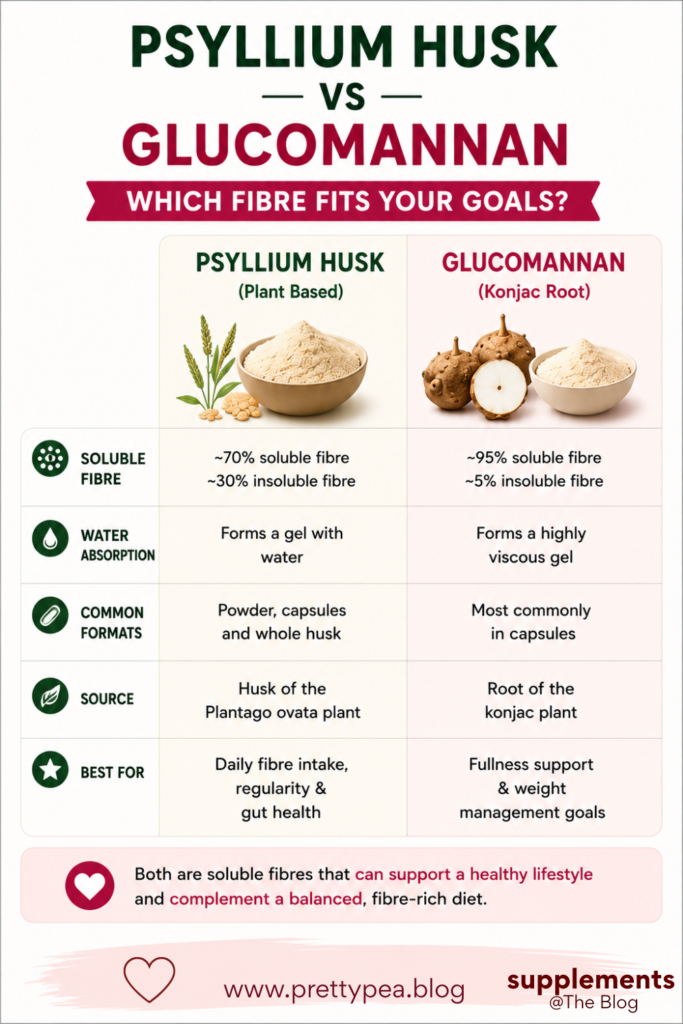
Glucomannan is another soluble fibre to support satiety and may support weight loss when taken as directed. You’ll find Glucomannan in Pretty Pea RESET capsules.
6. Helps Close the Fibre Gap
One of the biggest nutritional challenges in the UK is inadequate fibre intake.
Adults are advised to consume around 30g of fibre daily, yet average intakes remain considerably lower.
Many women consume closer to 18g per day.
For people struggling to reach fibre recommendations through food alone, psyllium can provide a convenient and effective way to increase overall fibre intake.
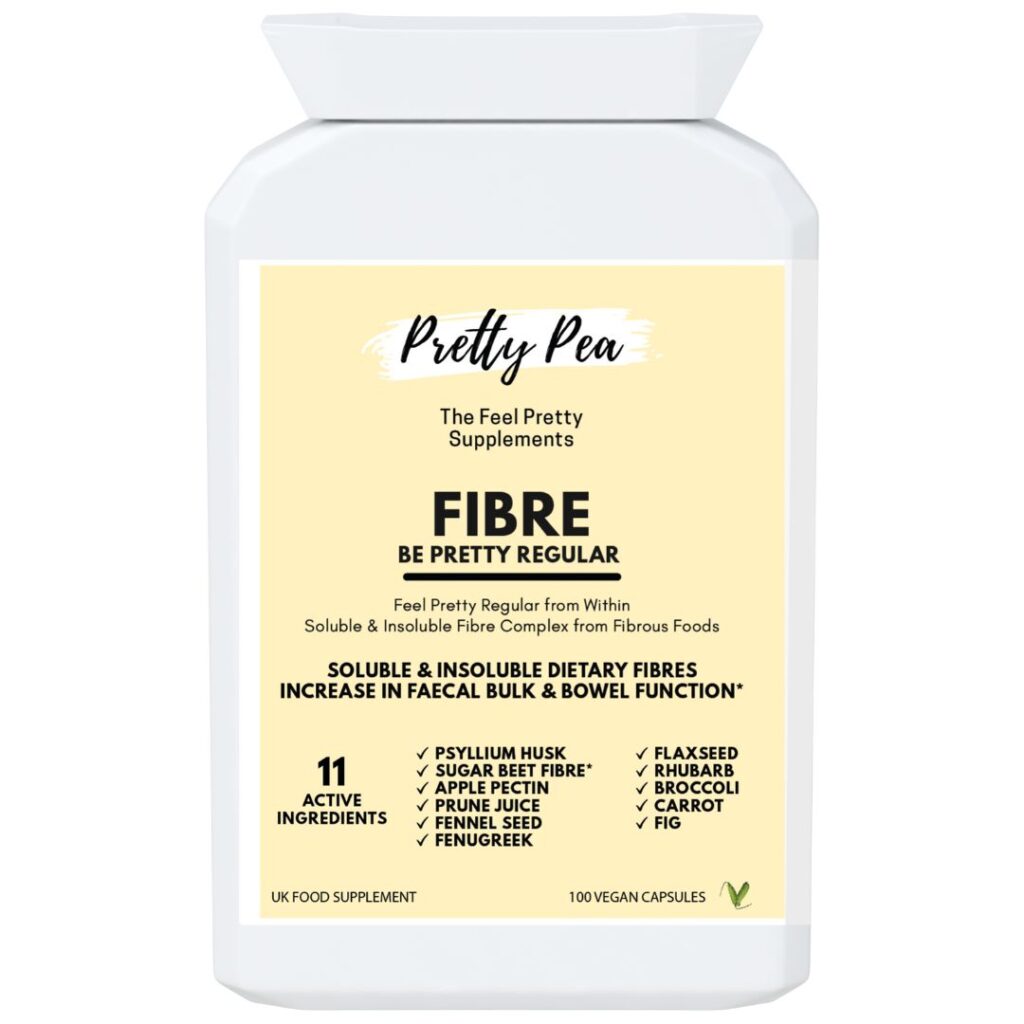
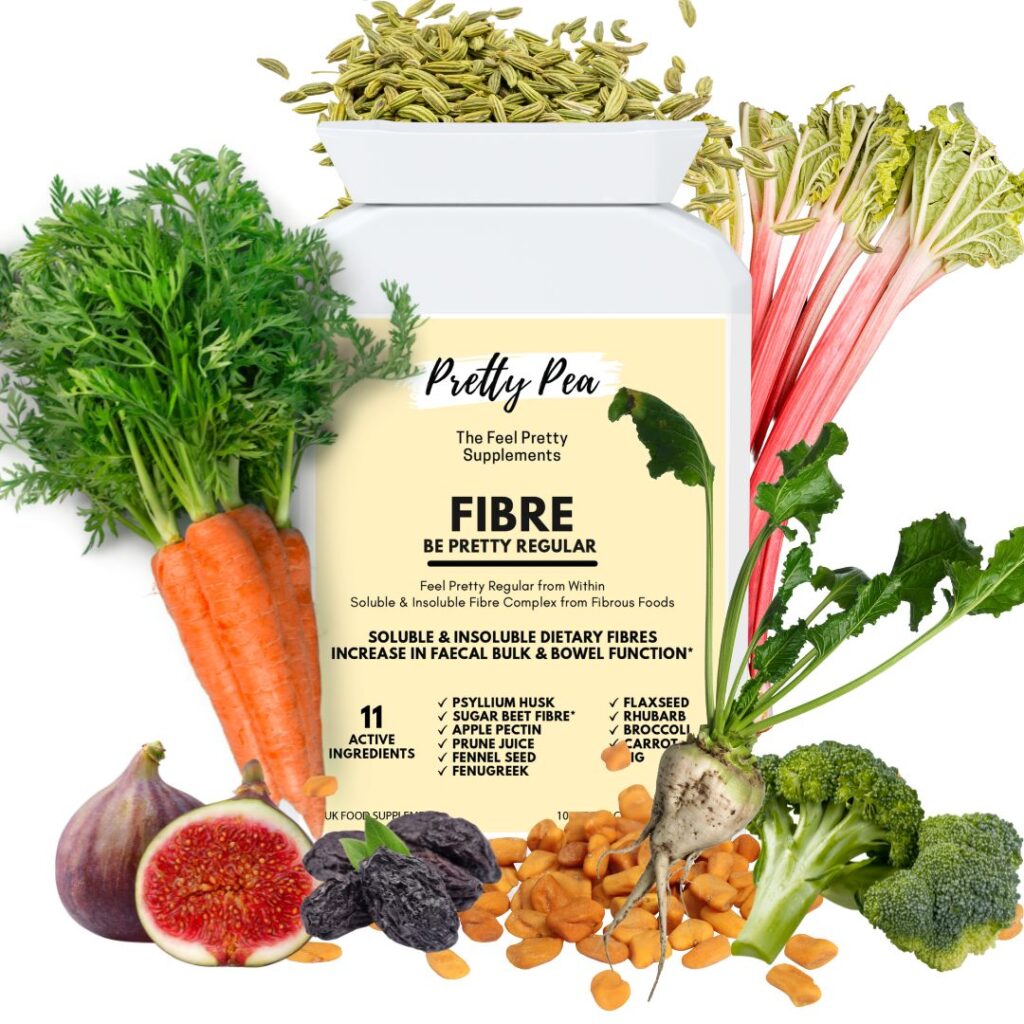
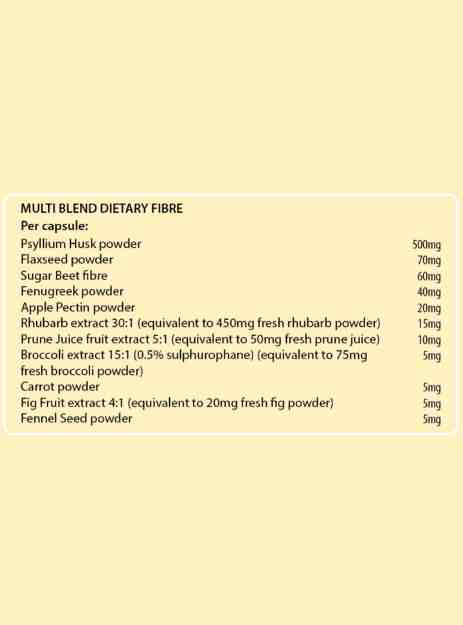
Fibre Capsules
Who May Benefit Most from Plantago Ovata?
Plantago ovata may be particularly useful for:
- Adults who struggle to consume enough fibre
- Individuals looking to support digestive regularity
- Those wanting to support healthy cholesterol levels
- People seeking greater fullness between meals
- Adults interested in supporting overall gut health
- Individuals transitioning to a higher-fibre diet
Is Plantago Ovata a Prebiotic?
Psyllium is often described as a moderately fermentable fibre.
This means some of it can be utilised by beneficial gut bacteria, although not to the same extent as highly fermentable fibres such as:
- Inulin
- Fructooligosaccharides (FOS)
- Galactooligosaccharides (GOS)
For this reason, psyllium occupies a unique position between traditional bulking fibres and highly fermentable prebiotic fibres.
Psyllium Husk Timeline: What to Expect
24 Hours:
Psyllium begins absorbing water and expanding into a gel-like fibre. You may notice increased fullness after meals and a boost to your daily fibre intake.
1 Week:
Some people begin to notice improvements in digestive regularity and find it easier to stay satisfied between meals.
2 Weeks:
As fibre intake becomes more consistent, digestive habits may feel more predictable and maintaining a higher-fibre diet often becomes easier.
1 Month:
Regular psyllium use can become a simple way to support daily fibre intake, digestive health and regularity as part of a balanced lifestyle.
The Biggest Psyllium Husk Mistakes
- Not drinking enough water – Psyllium absorbs water and forms a gel-like substance in the digestive tract. Without adequate fluid intake, it may not work as intended and can cause digestive discomfort.
- Starting with too much – Jumping straight to a large dose can increase the likelihood of bloating, gas or digestive upset. It’s usually best to increase intake gradually.
- Increasing too quickly – Your digestive system needs time to adapt to a higher fibre intake. A gradual increase is often more comfortable than making a dramatic change overnight.
- Taking it inconsistently – Occasional use is unlikely to provide the same benefits as making psyllium part of a regular daily routine.
- Expecting immediate results – While some people notice changes quickly, consistency over days and weeks is often more important than what happens after a single serving.
- Ignoring your overall fibre intake – Psyllium can help increase fibre consumption, but it works best as part of a balanced diet that includes a variety of fibre-rich foods.
Top tip: For best results, take psyllium with plenty of water, start slowly and give your body time to adjust.
Plantago Ovata vs Other Popular Fibre Sources
Plantago Ovata vs Inulin
| Plantago Ovata | Inulin |
|---|---|
| Forms a gel | Does not form a significant gel |
| Excellent for bowel regularity | Primarily prebiotic |
| Generally well tolerated | More likely to cause gas and bloating |
| Supports cholesterol levels | Limited cholesterol evidence |
| Moderate fermentation | High fermentation |
Which is better?
Neither is universally better. Psyllium is often preferred for digestive regularity and cholesterol support, while inulin is frequently chosen for its stronger prebiotic effects.
Plantago Ovata vs Flaxseed
| Plantago Ovata | Flaxseed |
|---|---|
| Almost entirely fibre | Contains fibre, protein and fats |
| Forms a strong gel | Forms a weaker gel |
| Higher soluble fibre content | Contains omega-3 fats |
| Neutral flavour | Nutty flavour |
Which is better?
Psyllium is typically more effective for increasing fibre intake, while flaxseed provides additional nutritional benefits including omega-3 fatty acids.
Fibre Powder
Plantago Ovata vs Chia Seeds
| Plantago Ovata | Chia Seeds |
|---|---|
| Higher fibre concentration | Lower fibre concentration per gram |
| Primarily fibre | Fibre plus protein and healthy fats |
| Minimal calories | More calorie-dense |
| Strong gel formation | Moderate gel formation |
Which is better?
Psyllium provides a more concentrated source of fibre, whereas chia seeds offer broader nutritional benefits.
Plantago Ovata vs Wheat Bran
| Plantago Ovata | Wheat Bran |
|---|---|
| Mostly soluble fibre | Mostly insoluble fibre |
| Forms a gel | Does not form a gel |
| Supports cholesterol levels | Limited cholesterol benefits |
| Suitable for many gluten-free diets | Contains gluten unless specifically processed |
Which is better?
Psyllium tends to offer broader health benefits due to its soluble fibre content and gel-forming properties.
Is Plantago Ovata Safe?
For most healthy adults, psyllium is considered safe and well tolerated.
However, because it absorbs significant amounts of water, adequate fluid intake is essential.
Some people may experience:
- Mild bloating
- Gas
- Temporary digestive discomfort
These effects often improve as fibre intake gradually increases.
Individuals with swallowing difficulties or specific gastrointestinal conditions should consult a healthcare professional before use.
Plantago Ovata Facts
- India produces approximately 80–90% of the world’s psyllium supply.
- Psyllium husk can absorb several times its weight in water.
- It has been used in traditional Ayurvedic practices for centuries.
- Both EFSA and the FDA recognise evidence supporting psyllium’s role in maintaining healthy cholesterol levels.
- Psyllium is one of the few fibres shown to help support both hard and loose stools due to its gel-forming properties.
- Psyllium is one of the most extensively studied fibre supplements available today.
Fibre Supplements.
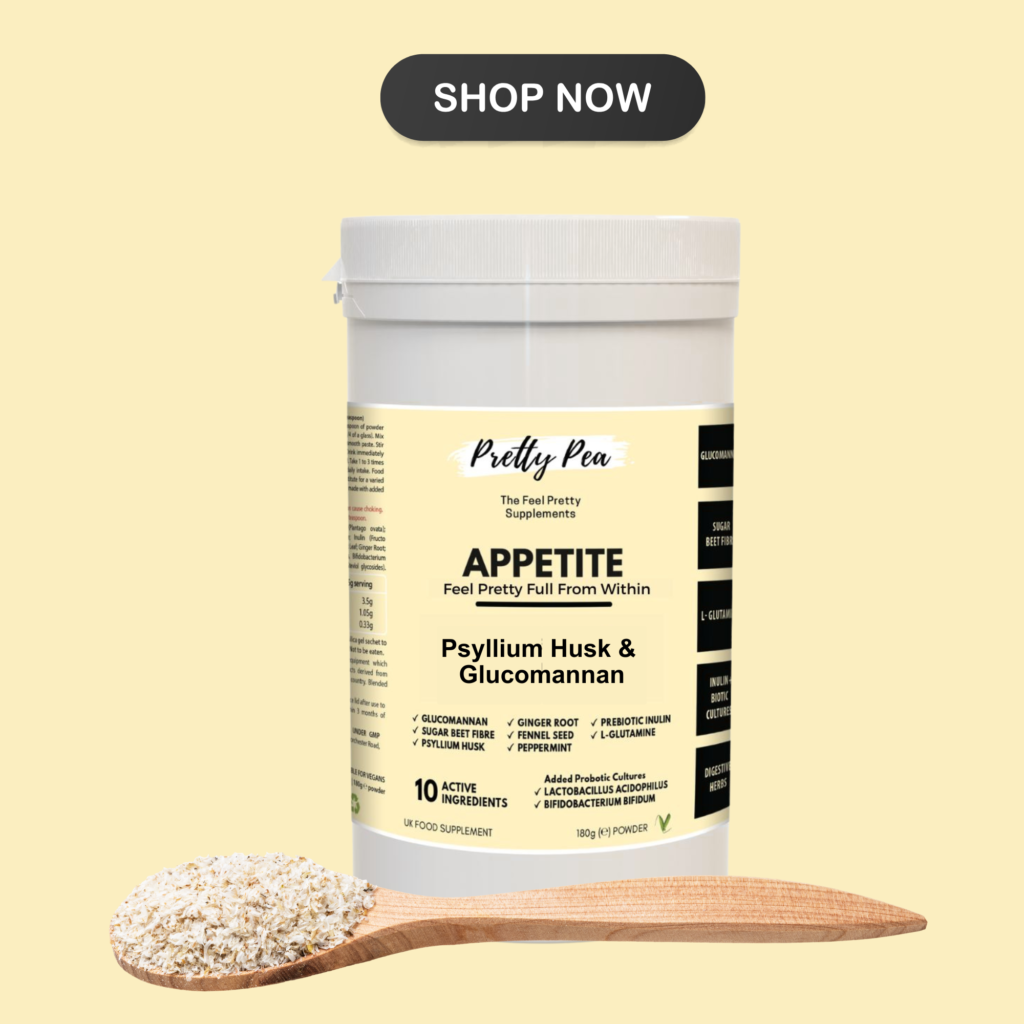
Appetite blends 4 fibres, prebiotics, live cultures & botanicals for digestive love

Glucomannan based capsules combine with metabolism, energy and hormone support nutrients
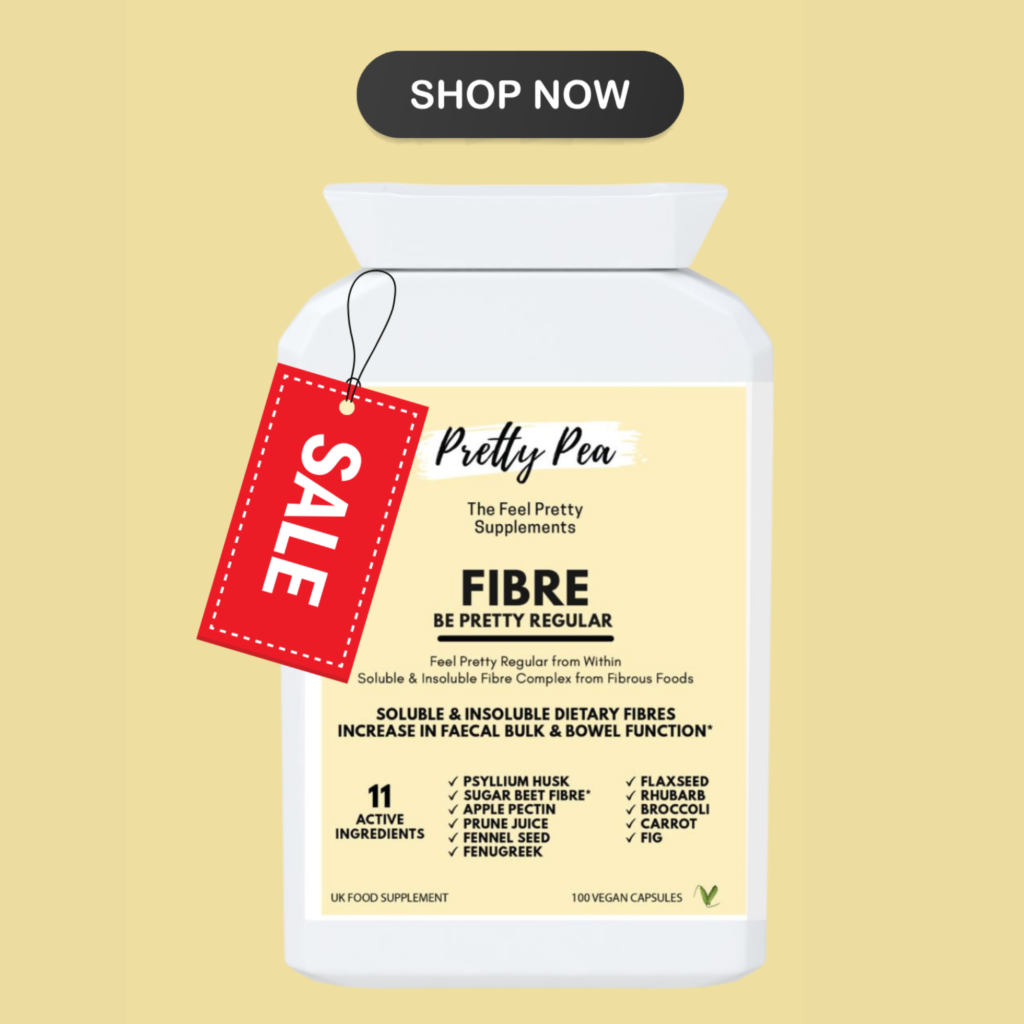
Insoluble and soluble fibre from 11 high fibrous foods
Psyllium Husk FAQ
What is Plantago ovata used for?
Plantago ovata is primarily used as a source of psyllium fibre to support digestive health, bowel regularity, cholesterol management and healthy blood sugar responses.
Is Plantago ovata the same as psyllium husk?
Not exactly. Plantago ovata is the plant, while psyllium husk is the fibre-rich outer coating of its seeds.
Is Plantago ovata the same as ispaghula husk?
Yes. Ispaghula husk and psyllium husk are different names for the same fibre source derived from Plantago ovata.
Is Plantago ovata soluble or insoluble fibre?
It contains both, but is predominantly composed of soluble fibre.
Is Plantago ovata gluten free?
Pure psyllium husk is naturally gluten free. However, individuals with coeliac disease should choose products certified gluten free to avoid cross-contamination.
Is Plantago ovata prebiotic?
It has mild prebiotic properties because some of its fibre can be fermented by beneficial gut bacteria.
Can Plantago ovata help with weight management?
Psyllium may help increase feelings of fullness and support appetite management as part of a balanced diet and healthy lifestyle.
Can Plantago ovata help lower cholesterol?
Yes. Numerous clinical studies have shown psyllium can help support healthy LDL cholesterol levels.
What is the difference between psyllium husk and chia seeds?
Psyllium is a more concentrated source of fibre, while chia seeds provide fibre alongside protein, omega-3 fats and minerals.
What is the difference between psyllium husk and flaxseed?
Psyllium primarily provides fibre, whereas flaxseed also supplies omega-3 fats, protein and lignans.
Can Plantago ovata be taken long term?
Research suggests psyllium can be safely consumed long term by most healthy adults when taken with adequate fluid intake.
Does Plantago ovata cause bloating?
Some people experience temporary bloating when increasing fibre intake, although psyllium is often better tolerated than highly fermentable fibres such as inulin.
Looking For More Fibre Advice?
- Bloating Isn’t Just “Too Much Gas”: The Real Causes of Bloating (and What Actually Helps)
- Soluble vs Insoluble Fibre Explained
- Why Fibre Could Be the Secret to a Better Menopause
- What Is Glucomannan? Benefits, Uses & Side Effects
- 9 Benefits of Fibre: Why It’s Essential for Gut Health, Weight and Wellbeing
- Appetite Regulation: How Fibre vs GLP-1 Compare
- Glucomannan for Weight Loss: Does It Work and How Does It Compare to Medications?
- What is the Highest Fibre Food


Ispaghula husk: Sources
Anderson JW, Davidson MH, Blonde L, et al. Long-term cholesterol-lowering effects of psyllium as an adjunct to diet therapy in the treatment of hypercholesterolemia. American Journal of Clinical Nutrition. 2000.
McRorie JW Jr, Fahey GC Jr. A review of gastrointestinal physiology and the mechanisms underlying the health benefits of dietary fibre. Nutrition Today. 2015;50(2):82–89.
McRorie JW Jr, McKeown NM. Understanding the physics of functional fibres in the gastrointestinal tract. Nutrients. 2017;9(8):895.
Pal S, Radavelli-Bagatini S. Effects of psyllium fibre on blood glucose and serum lipid concentrations in adults. Nutrients. 2021.
Yang J, Wang HP, Zhou L, Xu CF. Effect of dietary fibre on constipation: a meta-analysis. World Journal of Gastroenterology. 2012;18(48):7378–7383.
European Food Safety Authority (EFSA). Scientific Opinion on the substantiation of health claims related to psyllium and maintenance of normal blood cholesterol concentrations. EFSA Journal.
U.S. Food and Drug Administration (FDA). Health Claims: Soluble Fibre from Certain Foods and Risk of Coronary Heart Disease.
National Diet and Nutrition Survey (NDNS). UK Government reports on fibre intake among adults.
