
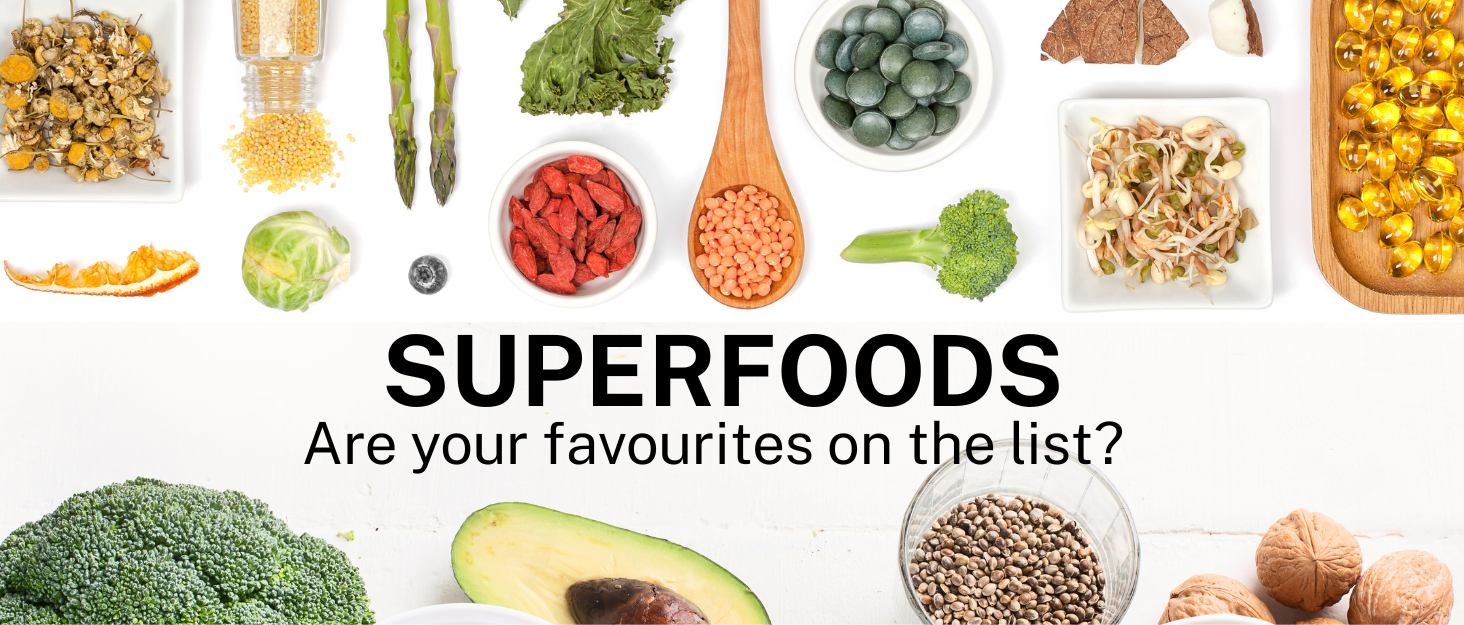
What makes it onto the superfood list? And are some superfoods really better for you than others?
From blueberries and broccoli to chia seeds, spirulina and green powders, the list of so-called superfoods seems to grow every year. But you don’t have to spend a fortune on exotic ingredients to make a meaningful difference to your diet.
Some of the most nutritious foods are probably already sitting in your kitchen.
The real value of superfoods lies in the nutrients they provide — from fibre that supports digestion to vitamins, minerals, healthy fats and naturally occurring plant compounds.
In this guide, we’ll explore which superfoods are worth including in your diet, what makes them nutritionally interesting, and how they can contribute to everyday health, energy, digestion and women’s nutritional needs.
Because when it comes to nutrition, it’s not about finding one miracle ingredient. It’s about what you eat consistently.
What Makes a Food a Superfood onto the Superfood List?
There isn’t an official scientific definition of a superfood. The term is generally used to describe foods particularly rich in beneficial nutrients or naturally occurring plant compounds.
But not all superfoods work in the same way.
Some are rich in antioxidants. Blueberries, raspberries, green tea and colourful vegetables contain polyphenols and other plant compounds studied for their potential effects on health.
Some provide healthy fats. Salmon, walnuts and flaxseeds contain omega-3 fatty acids, while olive oil provides mainly monounsaturated fats.
Others are particularly rich in fibre. Oats, lentils, apples and chia seeds contribute to digestive health and can help you feel satisfied after meals.
And some provide important vitamins and minerals. Leafy greens, dairy foods, nuts, seeds and pulses contribute nutrients involved in normal immune function, energy metabolism and bone health.
The important distinction? These nutrients have different roles in the body, and eating a variety of foods is generally more beneficial than relying on just one.
Superfood List at a Glance: 30 Everyday Nutrient-Rich Foods
From everyday favourites to more unusual nutritional powerhouses, these 30 superfoods provide a variety of vitamins, minerals, fibre, healthy fats and beneficial plant compounds. Discover what makes each food worth including in your diet and simple ways to enjoy them.
| Superfood | Key Nutrients & Benefits | Easy Ways to Eat It |
|---|---|---|
| 1. Blueberries | Antioxidant anthocyanins, fibre, vitamin C | Porridge, yoghurt, smoothies |
| 2. Raspberries | High in fibre, vitamin C and polyphenols | Breakfast bowls, snacks, smoothies |
| 3. Apples | Pectin fibre, polyphenols, digestive health | Whole, sliced, stewed |
| 4. Citrus Fruits | Vitamin C for normal immune function, folate | Fresh fruit, salads |
| 5. Pomegranate | Polyphenols, fibre, antioxidant compounds | Salads, yoghurt, seeds |
| 6. Tomatoes | Lycopene, vitamin C, potassium | Soups, sauces, salads |
| 7. Avocado | Healthy monounsaturated fats, fibre, folate | Toast, salads, dips |
| 8. Mushrooms | B vitamins, selenium, beta-glucans, ergothioneine | Sautéed, soups, omelettes |
| 9. Sweet Potatoes | Beta-carotene for vitamin A, fibre, potassium | Roasted, mashed, baked |
| 10. Carrots | Beta-carotene, fibre, vitamin A support | Raw, roasted, soups |
| 11. Spinach | Folate, vitamin K, plant-based iron | Salads, omelettes, smoothies |
| 12. Kale | Vitamins C and K, fibre, antioxidant compounds | Steamed, soups, salads |
| 13. Broccoli | Fibre, vitamin C, glucosinolates | Steamed, roasted, stir-fries |
| 14. Garlic | Sulphur-containing compounds, prebiotic carbohydrates | Sauces, soups, stir-fries |
| 15. Oats | Beta-glucan soluble fibre, cholesterol support* | Porridge, overnight oats |
| 16. Quinoa | Complete plant protein, fibre, magnesium | Salads, grain bowls |
| 17. Lentils | Fibre, plant protein, iron, folate | Soups, curries, stews |
| 18. Chickpeas | Fibre, protein, folate, digestive health | Hummus, salads, curries |
| 19. Chia Seeds | Fibre, omega-3 ALA, calcium | Puddings, yoghurt, oats |
| 20. Flaxseeds | Fibre, lignans, plant omega-3 fats | Ground into porridge, smoothies |
| 21. Walnuts | Plant omega-3 fats, polyphenols | Snacks, salads, breakfast |
| 22. Almonds | Vitamin E, magnesium, healthy fats | Snacks, nut butter |
| 23. Pumpkin Seeds | Magnesium, zinc, iron, protein | Salads, porridge, snacks |
| 24. Salmon | Omega-3 EPA/DHA, protein, vitamin D | Baked, grilled, salads |
| 25. Greek Yoghurt | Protein, calcium, vitamin B12 | Breakfast, dips, smoothies |
| 26. Kefir | Live cultures, calcium, protein | Drinks, breakfast bowls |
| 27. Soya Foods | Plant protein, isoflavones, fibre (varies by food) | Tofu, edamame, stir-fries |
| 28. Extra Virgin Olive Oil | Monounsaturated fats, polyphenols | Dressings, cooking, drizzling |
| 29. Green Tea & Matcha | Catechins, antioxidant polyphenols | Hot or iced tea |
| 30. Dark Chocolate (70%+) | Cocoa flavanols, iron, magnesium | Small portions, grated over oats |
Oat beta-glucan has an authorised cholesterol-lowering health claim when consumed at 3g daily as part of a balanced diet. Benefits depend on the amount consumed.
Do You Need to Eat All 30 Superfoods?
Absolutely not! There is no need to include every food on this list in your daily diet.
Instead, aim for variety. A combination of colourful fruit and vegetables, fibre-rich wholegrains, nuts, seeds, pulses and healthy fats can provide a broad range of essential nutrients.
And remember, some of the most nutritious foods are also the most affordable. Frozen berries, tinned chickpeas, oats and ordinary mushrooms can be just as worthwhile as expensive superfood powders.
The secret isn’t eating more superfoods — it’s eating a greater variety of nutritious foods consistently.
What Happens When You Eat More Nutrient-Rich Foods?
You won’t necessarily feel an immediate change after eating a handful of blueberries or adding chia seeds to breakfast. Many nutritional benefits develop gradually as part of a consistently balanced diet.
However, depending on your starting diet, you may notice changes such as:
- Better digestive regularity: Increasing fibre from wholegrains, vegetables, pulses and seeds can help support normal bowel movements.
- Feeling fuller after meals: Foods rich in fibre and protein can contribute to satiety, potentially making it easier to manage hunger.
- More consistent energy: Balanced meals containing carbohydrates, protein and healthy fats provide fuel throughout the day.
- Greater nutritional variety: A wider range of foods helps provide different vitamins, minerals and plant compounds.
Longer term, diets rich in fruit, vegetables, wholegrains, pulses and unsaturated fats are associated with better cardiovascular and metabolic health.
The biggest benefits generally come from the overall eating pattern, rather than any single ingredient.
9 Benefits of Fibre: Why It’s Essential for Gut Health, Weight and Wellbeing
Superfood List : Everyday Accessibles
- Blueberries → Antioxidant powerhouse for brain and skin health rich in anthocyanins that support memory and brain health.
- Salmon → high in omega-3 fatty acids, linked to reduced inflammation.
- Spinach → provides iron, folate, and magnesium.
- Ashwagandha → an adaptogen studied for reducing stress and cortisol.
- Spinach & Leafy Greens → Iron, magnesium, and hormone support
- Oats → Heart health, fibre, and blood sugar balance
- Nuts & Seeds (Almonds, Chia, Flax, Walnuts) → Healthy fats and omega-3s
- Green Tea → Catechins for metabolism and longevity
- Dark Chocolate (70%+) → Flavanols and mood support
Read: 10 Green Tea Benefits: The Ultimate Science-Backed Guide
Superfoods for Gut Health – Don’t Forget Fibre
When people think about gut health, fermented foods such as kefir, yoghurt and kimchi often come to mind. But fibre deserves just as much attention.
Different types of dietary fibre behave differently in the digestive system.
Oats contain beta-glucans, a form of soluble fibre. Apples provide pectin, while onions, garlic and chicory contain fermentable carbohydrates that can be used by bacteria in the gut.
Chia seeds and flaxseeds provide fibre alongside healthy fats, while beans and lentils are particularly useful for increasing overall fibre intake.
Fermented foods may also introduce live microorganisms, although not every fermented product contains live cultures or has clinically established probiotic benefits.
UK guidelines recommend 30g of fibre daily for adults, yet many people fall short.
One simple approach is to include more than one source of fibre throughout the day: porridge and berries for breakfast, lentils or beans at lunch, and vegetables with your evening meal.
For a closer look at different fibres, explore our FIBREBIO guide, covering psyllium, glucomannan, inulin and sugar beet fibre.
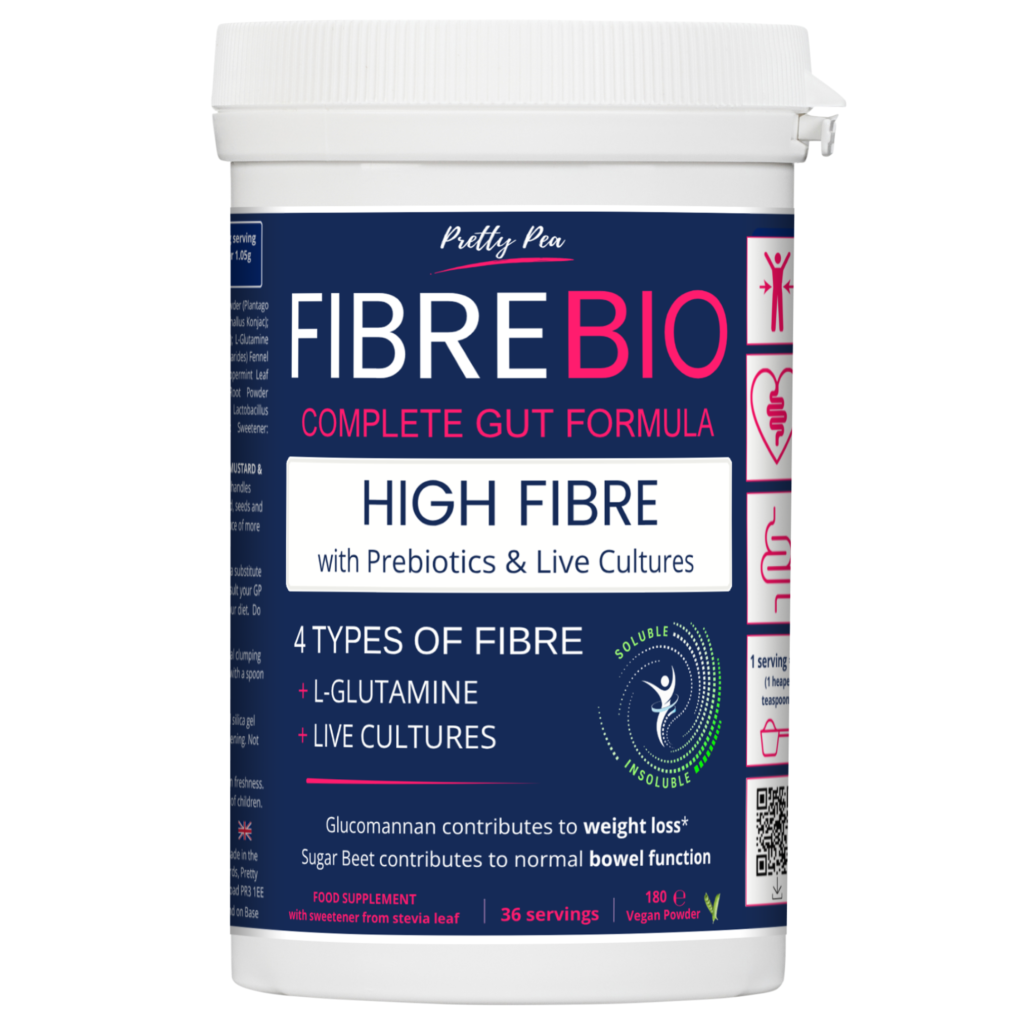
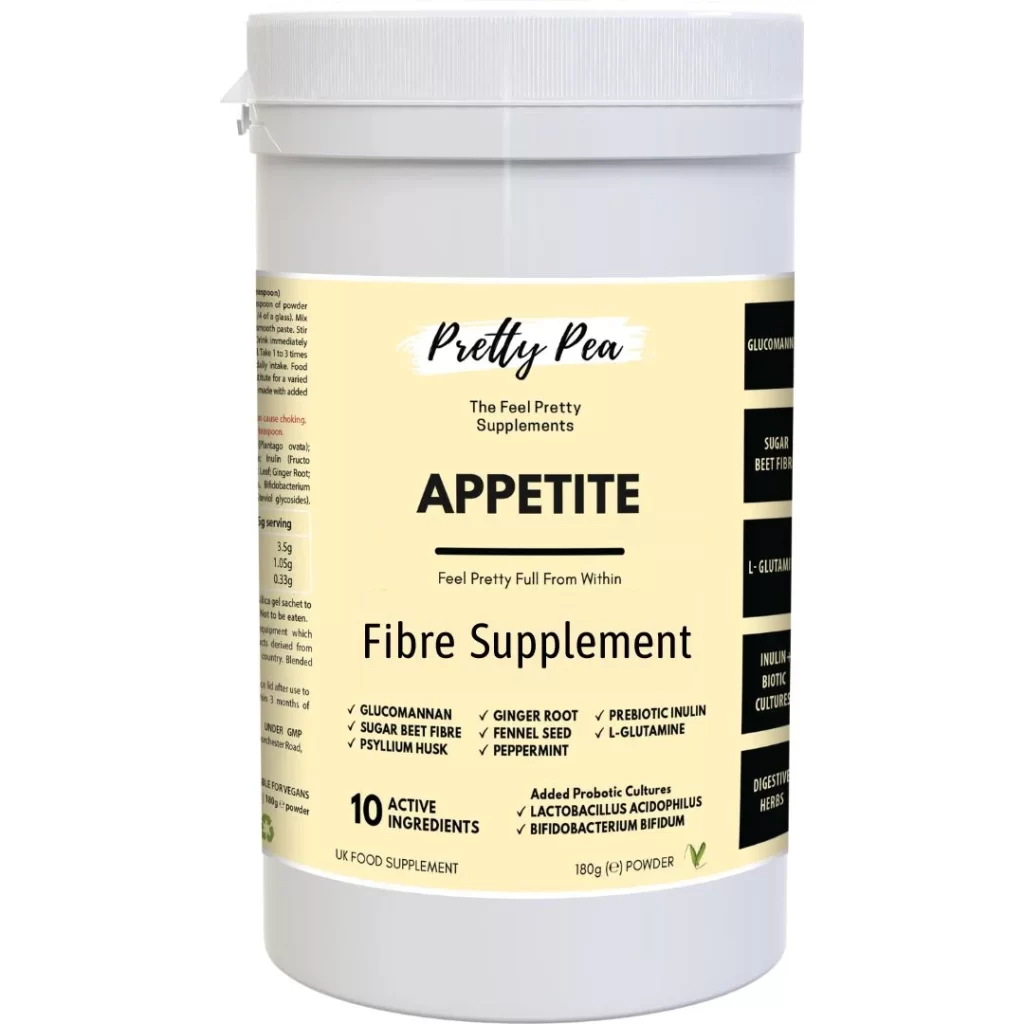
FIBREBIO Psyllium Husk Powder | High Fibre Supplement
Why FIBREBIO?
- High-fibre, diverse multi-fibre formula
- Psyllium husk + glucomannan
- Prebiotics + live cultures
- Sugar beet fibre contributes to an increase in faecal bulk*
- Glucomannan contributes to weight loss in the context of an energy-restricted diet*
- 36 servings | Vegan | UK made
A healthy gut microbiome is directly linked to immunity, digestion, and even mood. Fibre-rich foods like apples, oats, and chia seeds feed beneficial bacteria, while fermented foods like kefir and sauerkraut add probiotics.
Sprouts and green powders (chlorella, wheatgrass, barleygrass) also support detoxification and digestive health.
Nutrient Highlight: Fermented foods improve microbiota diversity and immune function (Marco et al., 2017).
Why it matters: Gut-friendly superfoods help your immune system work smarter, not harder—keeping everything from digestion to energy levels more stable.
Superfoods for Women Over 40: What Really Matters?
As women move through their 40s, perimenopause and menopause, nutritional priorities can change.
Rather than looking for foods that promise to “balance hormones”, it’s more useful to focus on nutrients that support bone health, muscle maintenance, digestion and everyday wellbeing.
For bone health: Yoghurt, calcium-fortified alternatives, tofu made with calcium and leafy greens can contribute calcium. Vitamin D is also important for normal calcium absorption and bone health.
For muscle maintenance: Fish, eggs, Greek yoghurt, beans, lentils and tofu provide protein, which becomes increasingly important alongside regular resistance exercise as we age.
For gut health and satiety: Oats, chia seeds, flaxseeds, beans and vegetables provide dietary fibre. This can be particularly helpful when trying to maintain a balanced diet and manage appetite.
For healthy fats: Salmon, sardines, walnuts, flaxseeds and olive oil provide different types of unsaturated fats.
What about phytoestrogens? Soya foods and flaxseeds contain naturally occurring plant compounds with oestrogen-like activity. Research into their effects on menopausal symptoms is mixed, although these foods can still make nutritious additions to the diet.
There isn’t one particular menopause superfood. A varied, nutrient-rich diet provides a more useful foundation than relying on any single ingredient to influence hormone levels.
Hormones and Energy
Certain superfoods impact hormone balance and energy regulation:
- Omega-3s (salmon, walnuts) regulate inflammation and mood.
- Flaxseeds provide plant omega-3 fats and lignans, compounds with mild phytoestrogenic activity for women’s health.
- Adaptogens like ashwagandha and Siberian ginseng support stress resilience.
- Kelp provides iodine for thyroid health, which regulates metabolism.
Nutrient Highlight: Omega-3s have been shown to reduce symptoms of depression, demonstrating their hormonal and neurological impact (Grosso et al., 2014).
Why it matters: Hormone-balancing superfoods help you feel more energetic, manage stress better, and maintain metabolic stability.
Antioxidants and Cellular Protection
Oxidative stress—an imbalance between free radicals and antioxidants—contributes to aging and diseases like heart disease, cancer, and diabetes.
Superfoods like berries, green tea, and broccoli sprouts are packed with antioxidants that neutralise free radicals.
Nutrient Highlight: A 2010 review found berry consumption improved cardiovascular health by reducing oxidative stress (Basu et al., 2010).
Superfoods for Longevity & Anti-Aging
- Olive Oil: Mediterranean diet cornerstone for heart health
- Green Tea: Linked to lower risk of chronic disease
- Pomegranates: Polyphenols for cardiovascular and skin health
- Tomatoes: Lycopene for skin protection and heart health
- Broccoli & Cruciferous Vegetables: Detoxification and cancer-prevention compounds
Why it matters: Superfoods rich in antioxidants act like a shield for your cells, slowing damage, reducing inflammation, and protecting long-term health.
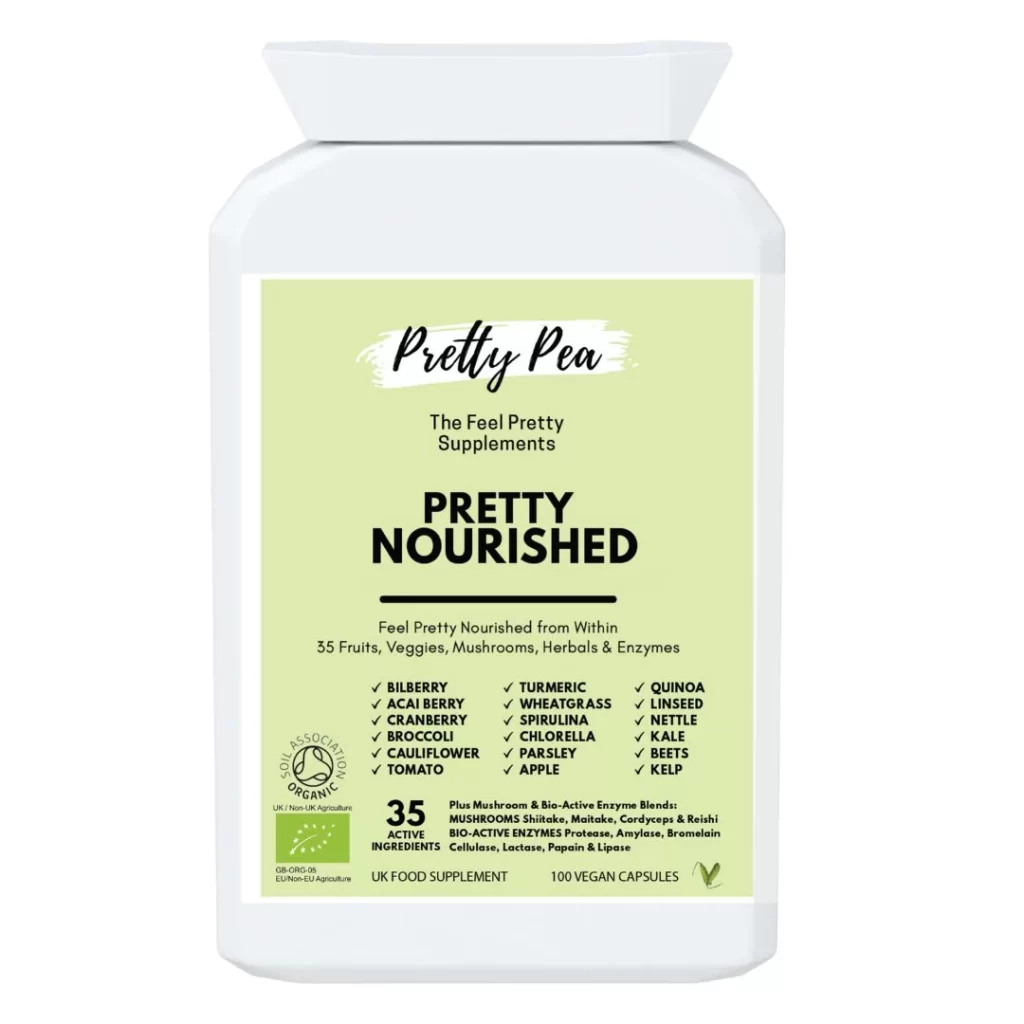
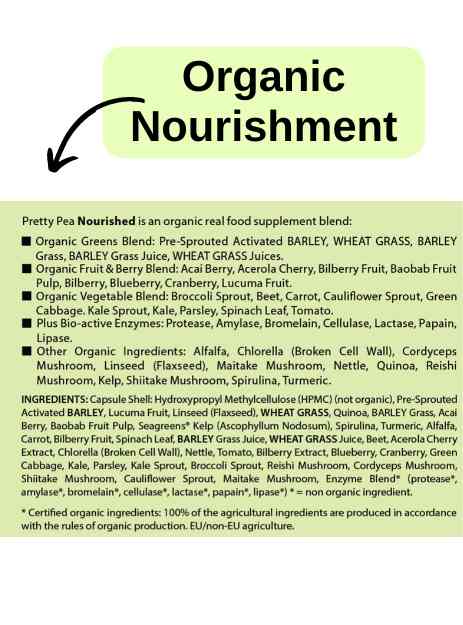
Fruit and Vegetable Supplement
Blood Sugar Control
Research has also recently identified certain ‘superfoods’ as having beneficial impact on glycaemic control, such as:
- Polyphenol foods (e.g., berries, grapes, tea, coffee)
- Fermented dairy products (yoghurt)
- Whole cereals/grains (e.g., mixed grain, barley, oatmeal)
- Nuts (e.g., almonds, Brazil nuts, cashews, hazelnuts, macadamias, pecans, pine nuts, pistachios, walnuts)
- Proteins (including plant based chickpeas, hummus, beans etc)
Studies have found the possibility of an reduction in Hb1Ac with fermented dairy products, especially yoghurts enriched with vitamin D or probiotics or by increasing the fibre intake by 15g.

Why it matters: Everyday foods like yoghurt and an increased fibre intake (by 15 g or up to 35 g) can be used as nutraceuticals to keep blood sugar balance under control (alongside an appropriate diet and exercise plan) and support long term metabolic health.
The American Diabetes Association recommends the consumption of the following ‘superfoods’ in the diet of T2DM patients:
(i) beans (e.g., kidney, pinto, navy or black beans), because they provide protein without the saturated fat;
(ii) dark green leafy vegetables (e.g., spinach, collards and kale), because they provide vitamins, such as vitamin K, iron, calcium and potassium, and are low in calories and carbohydrates;
(iii) citrus fruits, since they contain fibre, vitamin C, folate and potassium;
(iv) berries (e.g., blueberries and strawberries) due to their antioxidant activity;
(v) tomatoes, due to their vitamin C, vitamin E and potassium content;
(vi) fish that is high in omega-3 fatty acids (e.g., salmon, herring, sardines, mackerel, trout and albacore tuna), as omega-3 fats reduce the risk of heart disease and inflammation;
(vii) nuts, which contribute to controlling hunger and are generally a good source of omega-3 fats;
(viii) whole grains (whole oats, quinoa, whole grain barley and farro), which are good sources of fibre, as well as vitamins and minerals; and
(ix) milk and yoghurt (lower in fat and added sugar), which are rich in calcium and vitamin D (enriched products).
Are Superfood Powders Worth Taking?
Green powders, mushroom blends, algae powders and concentrated fruit and vegetable formulas have become increasingly popular.
They can offer a convenient way to include particular ingredients in your routine, especially those you wouldn’t ordinarily eat.
However, a powder isn’t automatically more nutritious than whole food, and the amounts of individual ingredients can vary considerably between products.
Whole fruits, vegetables, pulses and grains also provide water, food structure and dietary fibre that may not be present in the same quantities in concentrated powders.
Consider superfood powders as optional additions to a balanced diet, rather than replacements for everyday fruit and vegetables.
Superfood List – Categories
Everyday Accessible Superfood List
Here’s 15 Foods.. (just for starters)
- Carrots: Good source of beta-carotene for skin and eye health.
- Parsley: Vitamin C and antioxidants.
- Apples: Soluble fibre for gut health. (an apple a day keeps the doctor away)
- Blueberries, Bilberries, Cranberries, Raspberries: Rich in anthocyanins (antioxidants) which help protect the brain and reduce inflammation and good source of fibre and vitamin C.
- Montmorency Cherry: Natural melatonin for sleep support.
- Citrus Fruits: Good source of Vitamin C for immune function and collagen support.
- Kale: Nutritional powerhouse, rich in vitamins A, C, and K, with calcium & fibre. High antioxidant help combat oxidative stress and support heart health.
- Quinoa: This ancient grain high in protein with all 9 essential amino acids (complete protein source). Rich in fibre, magnesium and iron.
- Salmon: Fatty fish excellent sources of omega-3 fatty acids, essential for brain health and reducing inflammation. High in protein and vitamin D.
- Chia Seeds: Nutritional powerhouse, high in omega-3 fatty acids, fibre, and protein. Rich in antioxidants and can help improve digestive health.
- Spinach: Loaded with vitamins A, C, K, plus folate, iron and calcium. Rich in antioxidants it supports overall health.
- Almonds: Rich in healthy fats, protein, and fibre, great snack for sustained energy. Good amount of vitamin E, magnesium and potassium.
- Sweet Potatoes: High in beta-carotene, excellent for eye health and immune support. Good source of fibre, vitamins A and C and potassium.
- Turmeric: Contains curcumin, a powerful anti-inflammatory and antioxidant compound, it can help reduce inflammation and support joint health.
- Greek Yogurt: Rich in protein and probiotics, supports digestive health and provides essential nutrients like calcium, potassium, and vitamin B12.
Why it matters: Everyday foods can be just as “super” as exotic powders. They’re cost-effective, widely available, and easy to add into your routine. Consistently eating these builds a strong nutritional foundation. Because what we eat now lays the foundations for our health 10,20 years ahead.
Mushrooms – Nutrient-Rich Superfoods for Everyday Health
Mushrooms might not be the first food that comes to mind when you think of superfoods, but these humble fungi offer an impressive range of nutrients and naturally occurring compounds.
Technically fungi rather than plants, mushrooms are low in calories and fat while providing B vitamins, selenium, copper, potassium and unique antioxidant compounds.
What makes mushrooms particularly interesting?
- B Vitamins: Including riboflavin (B2) and niacin (B3), which contribute to normal energy metabolism.
- Immune Function: Some mushrooms provide selenium, an essential mineral that contributes to normal immune function.
- Antioxidant Compounds: Mushrooms contain ergothioneine, a naturally occurring compound being studied for its antioxidant properties.
- Gut Health: Mushroom cell walls contain fibres, including beta-glucans, although their effects differ from those of beta-glucans found in oats.
- Vitamin D: Mushrooms exposed to sunlight or UV light can produce vitamin D2, making them a useful dietary option, particularly for plant-based diets. Not all supermarket mushrooms contain significant amounts.
What About Functional Mushrooms?
Beyond everyday varieties such as button, chestnut and portobello mushrooms, there’s growing interest in so-called functional mushrooms.
Shiitake and Maitake: Popular in Asian cooking, these mushrooms contain polysaccharides, including beta-glucans, that researchers are investigating for their biological properties.
Lion’s Mane: Increasingly popular in mushroom coffees and supplements, lion’s mane is being studied for its potential effects on memory, cognition and nerve health. However, human research remains limited.
Reishi: Traditionally used in Asian herbal practices, reishi contains triterpenes and polysaccharides. Despite its popularity in wellness products, many of its advertised benefits are not yet supported by convincing human evidence.
Easy Ways to Eat More Mushrooms
You don’t need expensive mushroom powders to enjoy their nutritional value. Ordinary mushrooms are affordable, versatile and easy to add to everyday meals.
Try sautéing chestnut mushrooms with garlic, adding shiitake to soups and stir-fries, mixing chopped mushrooms into pasta sauces or serving grilled portobello mushrooms as a meat-free option.
Superfood tip: Look for mushrooms labelled UV-exposed or vitamin D enriched. These can provide considerably more vitamin D than conventional mushrooms, making them particularly interesting during the darker winter months.
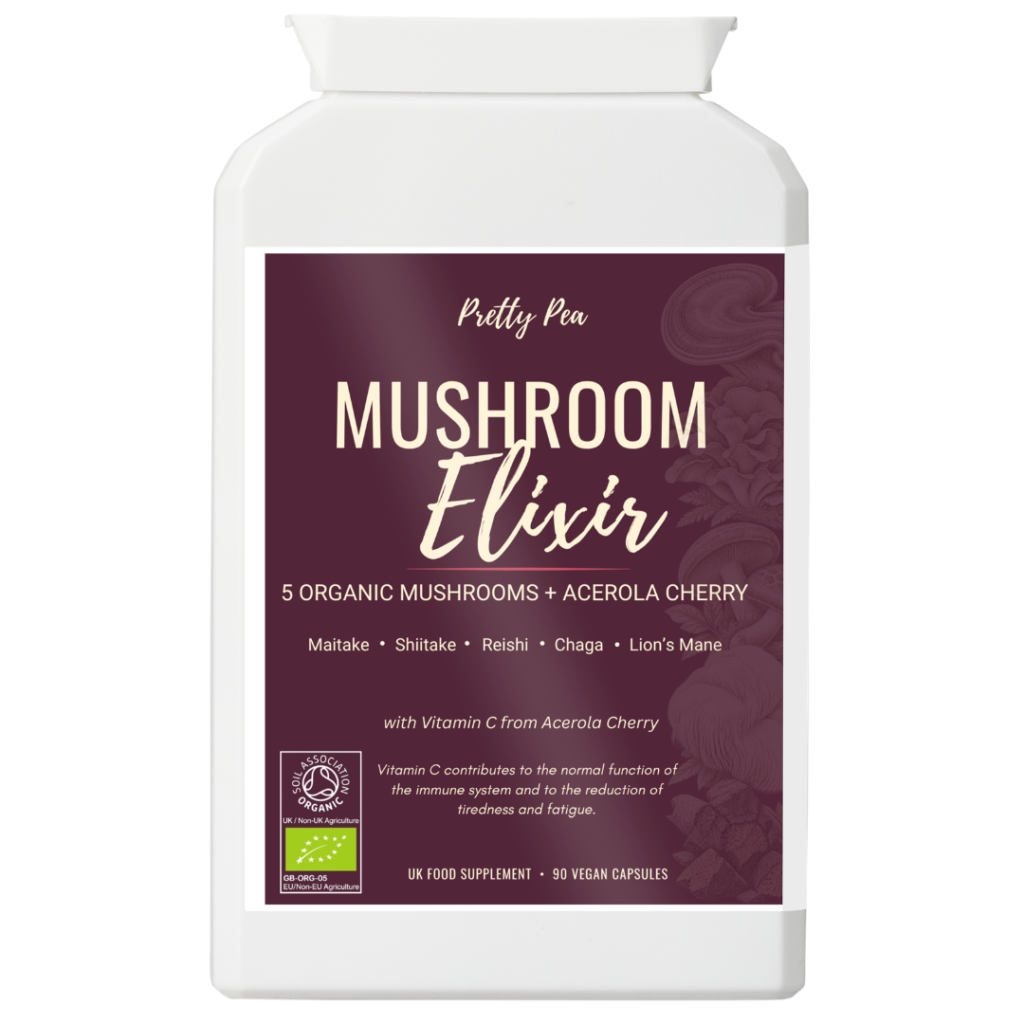
Mushroom supplements
Organic mushroom supplement for mind & body, Chaga, Shiitake, Maitake, Reishi & Lions Mane mushrooms. Mind & body support, with Vitamin C for reduction of tiredness & fatigue, contribute to normal immune function, & protect cells from oxidative stress.
Immune-Boosting Superfood List
- Acerola Cherry: Extremely high vitamin C.
- Papaya & Passionfruit: Vitamin C, fibre, and digestive enzymes.
- Broccoli Sprouts, Cauliflower Sprouts, Kale Sprouts, Alfalfa Sprouts: Sulforaphane-rich for detox and immune support.
- Green Cabbage: Vitamin C and sulphur compounds.
- Nettle: Mineral-rich immune support.
- Black Pepper: Enhances nutrient absorption, especially curcumin from turmeric.
Nutrient highlight: Sprouts contain sulforaphane, which activates detoxification enzymes and may lower cancer risk (Clarke et al., 2008).
Why it matters: Immune superfoods don’t just fight infections; they strengthen your body’s defence system long term. Think of them as daily insurance for your immune resilience.
Brain & Mood Superfood List
- Blueberries, Bilberries, Raspberries: Improve memory and cognition.
- Montmorency Cherry: Supports sleep cycles.
- Ashwagandha: Reduces stress and cortisol.
- Siberian Ginseng: Improves mental stamina.
- Schisandra Berry: Stress resilience and focus.
- Guarana Seed: Natural caffeine for energy and focus.
Why it matters: Brain superfoods sharpen memory, calm stress, and support better sleep—all of which improve productivity and mood in everyday life.
Energy Superfood List
- Pre-Sprouted Activated Barley: Steady-release carbohydrate for endurance.
- Wheatgrass & Wheatgrass Juice: Wheatgrass contains plant pigments, Chlorophyll and micronutrients.
- Barleygrass & Barleygrass Juice: Vitamins A, C, K, and magnesium.
- Chlorella: Detoxifying protein-rich algae.
- Kelp: Thyroid-supporting iodine.
- Guarana Seed: Energy boost.
- Cayenne Pepper: Capsaicin supports metabolism.
Nutrient Highlight: Cayenne pepper has been shown to increase calorie burning and fat oxidation after meals (Ludy et al., 2012).
Why it matters: Energy superfoods keep your body fuelled for both workouts and daily life—helping you perform better, recover faster, and maintain steady energy without crashes.
Women’s Health Superfood List
- Flaxseeds: Lignan phytoestrogen support
- Soy: Isoflavone menopause support
- Leafy Greens & Nettle: Iron, calcium, folate.
- Ashwagandha: Ashwagandha has been studied for stress and sleep.
- Maca Root: Balancing support.
- Montmorency Cherry: Supports restful sleep.
Why it matters: Women’s health superfoods address unique needs across life stages, from fertility to menopause. They provide targeted support for hormones, energy, and bone health.

Gut Health Superfood List
- Apples: Pectin fibre for digestion.
- Parsley: Aids bloating and digestion.
- Chia Seeds & Oats: Prebiotic fibre.
- Garlic & Onions: Feed good gut bacteria.
- Kefir, Kimchi, Sauerkraut: Probiotics.
- Barleygrass, Wheatgrass, Chlorella: Detoxifying chlorophyll sources.
Why it matters: Gut superfoods improve digestion, reduce bloating, and strengthen immunity by nourishing your microbiome.
Trendy Superfood List
- Açai Berry: Antioxidant-rich, often blended in smoothies.
- Goji Berry: Eye and skin health.
- Spirulina & Chlorella: Protein-rich algae.
- Maca Root, Moringa, Baobab: Hormone and energy balance.
- Lacuma Fruit: Antioxidant-rich natural sweetener.
- African Mango: Studied for weight management.
Why it matters: Trendy superfoods are exciting additions, best used to complement—not replace—accessible daily foods. They offer diversity and add nutrient depth to your diet. As creatures of comfort it’s good to try new things!
Longevity & Anti-Aging Superfood List
- Broccoli, Kale, Cauliflower Sprouts: Sulforaphane for cellular protection.
- Olive Oil: Mediterranean diet cornerstone.
- Pomegranates & Berries: Polyphenols for anti-aging.
- Tomatoes: Lycopene for skin and heart protection.
- Green Tea & Matcha: Antioxidant catechins.
- Cayenne Pepper: Circulation support.
- Nettle: Mineral-rich for bones and aging.
Why it matters: Longevity superfoods protect against chronic disease and cellular damage, supporting vitality and healthy aging. They help you feel younger for longer—inside and out.
How to Add Superfoods Into Your Diet
Adding superfoods doesn’t mean overhauling your entire lifestyle. Start with small, sustainable swaps.
Making it onto the Superfood List: Practical Tips:
- Blend berries, spinach, and chia seeds into a smoothie.
- Add garlic and ginger to stir-fries.
- Top oatmeal with walnuts and flaxseeds.
- Swap regular cooking oils for olive oil.
- Choose dark chocolate over milk chocolate.
- Add parsley, kale, or sprouts to salads and smoothies.
- Sprinkle flax or chia seeds on breakfast bowls.
- Use black pepper with turmeric for better absorption.
- Blend wheatgrass or chlorella into juices.
- Swap snacks for apples + almond butter.
Why it matters: Consistency is key. A little every day adds up to a big difference for health.
- Simple swaps:
- White rice → quinoa
- Sugary snacks → 70% dark chocolate + nuts
- Regular tea → green tea or matcha
- Pairings: Healthy fats improve absorption (olive oil with tomatoes for lycopene). See article below for more on Simple Food Swaps & Pairings.
- Meal ideas:
- Protein Smoothie with berries + chia + spinach
- Overnight oats with flax + walnuts
- Stir-fry with broccoli + garlic + ginger
- See more Simple Food Group Swaps – Make Life Easier for Yourself
Key takeaway: Small daily additions of superfoods make the biggest long-term difference.
See the: List of the 20 Highest Fibre Food
Superfood Recipe Ideas
Breakfast: Start your day with a nutrient-packed breakfast by adding blueberries, chia seeds, and Greek yogurt to your morning smoothie or oatmeal. This combination provides a balance of antioxidants, protein, and healthy fats to keep you energized throughout the day
Lunch: Prepare a quinoa salad with kale or spinach as the base with, top with cherry tomatoes, cucumber, and avocado. Toss with a simple lemon vinaigrette for a refreshing and satisfying meal that’s packed with vitamins, minerals, and healthy fats.
Dinner: Make a salmon and sweet potato sheet pan dinner. Season salmon fillets and sweet potato wedges with olive oil, turmeric, and your favorite spices. Roast in the oven until the salmon is cooked through and the sweet potatoes are tender. Serve with a side of steamed spinach for a nutrient-dense meal.
Snack: Create energy bites using a combination of oats, almond butter, chia seeds, and dark chocolate chips. Roll the mixture into small balls and refrigerate for a convenient and healthy snack that’s perfect for on-the-go.

Seasonal Superfood List: What to Eat Throughout the Year
Each season offers a variety of superfoods that can keep your diet fresh, diverse and flavourful and can be more cost-effective too
In the spring, look for leafy greens like spinach and kale, as well as berries such as strawberries and blueberries. These foods are rich in vitamins and antioxidants that can help rejuvenate your body after the winter months.
Summer brings a bounty of colourful fruits and vegetables, including tomatoes, bell peppers, and watermelon. These hydrating and nutrient-dense options are perfect for refreshing salads and cooling snacks. Summer is also a great time to enjoy fresh herbs like basil and mint, which add flavour and health benefits to your meals.
Autumn is the season for root vegetables and squash, such as sweet potatoes, pumpkins, and carrots. These hearty superfoods are high in beta-carotene and fiber, making them ideal for comforting soups and roasted dishes. Apples and pears are also in season and provide a sweet, nutritious treat.
Winter offers a variety of nutrient-rich superfoods like citrus fruits, which are high in vitamin C and can help boost your immune system. Cruciferous vegetables such as Brussels sprouts, cabbage, and broccoli are also abundant and provide essential vitamins and minerals to support your health during the colder months.
Budget-Friendly Superfoods: Eating Healthy Without Breaking the Bank
Healthy eating doesn’t have to be expensive. Many superfoods are budget-friendly and widely available. For instance, beans and lentils are affordable sources of protein, fiber, and essential nutrients. They can be used in a variety of dishes, from soups and stews to salads and casseroles.
Frozen fruits and vegetables are another cost-effective option. They are often just as nutritious as fresh produce and can be stored for longer periods, reducing food waste. Incorporate frozen berries into smoothies, or add frozen spinach and broccoli to soups and stir-fries.
Buying in bulk can also help save money. Nuts, seeds, and whole grains like quinoa and oats are often available in bulk sections of grocery stores. Purchasing these items in larger quantities can reduce the cost per serving and ensure you always have nutritious ingredients on hand.
Are Superfood Lists Overrated
Yes and no. While some “superfood” marketing is exaggerated, the nutrient density and proven benefits of many foods are supported by science.
While superfoods offer numerous health benefits, it’s essential to approach them with realistic expectations.
Debunking Superfood List Myths
One common myth is that consuming superfoods alone can cure diseases or compensate for an otherwise unhealthy diet. In reality, superfoods should be part of a balanced diet that includes a variety of nutrient-dense foods.
The key is context: adding açai powder won’t fix a poor diet, but including nutrient-rich foods as part of a balanced eating pattern (like the Mediterranean, plant-rich diets) can support health and longevity.
Another misconception is that superfoods are inherently better than other nutritious foods. While superfoods are nutrient-dense, many other foods, like whole grains, legumes, and a wide range of fruits and vegetables, also offer significant health benefits. It’s important to focus on overall dietary patterns rather than singling out specific foods.
Lastly, the idea that superfoods must be exotic or expensive is a myth. Many accessible and affordable foods, such as spinach, sweet potatoes, and beans, are considered superfoods due to their high nutrient content. Eating a balanced and varied diet is more important than seeking out trendy or rare ingredients.
Why it matters: Superfoods are upgrades, not cures. Their power is in consistent use within a whole-food diet. Where to start? Here’s a handy superfood list to get you started..
Everyday Accessible Superfood List
- Blueberries: Antioxidant powerhouse for brain and skin health
- Spinach & Leafy Greens: Iron, magnesium, and hormone support
- Oats: Heart health, fibre, and blood sugar balance
- Nuts & Seeds (Almonds, Chia, Flax, Walnuts): Healthy fats and omega-3s
- Green Tea: Catechins for metabolism and longevity
- Dark Chocolate (70%+): Flavanols and mood support
Immune-Boosting Superfood List
- Citrus Fruits (Oranges, Lemons, Kiwi): Vitamin C and immune defence
- Garlic: Natural antimicrobial and heart health benefits
- Ginger: Anti-inflammatory and digestion aid
- Turmeric: Curcumin for inflammation and joint support
- Mushrooms (Shiitake, Reishi, Maitake): Immune-modulating compounds
Brain & Mood Superfood List
- Avocado: Healthy fats for brain function
- Walnuts: Omega-3s and cognitive health
- Blueberries: Linked to memory support in aging
- Dark Chocolate (70% minimum): Boosts serotonin and focus
- Matcha: L-theanine + caffeine for calm alertness
Energy & Fitness Superfood List
- Quinoa: Plant-based complete protein
- Beetroot: Nitrates for improved endurance
- Bananas: Fast fuel for workouts
- Salmon: Protein + omega-3s for recovery
- Pumpkin Seeds: Magnesium for energy production
Women’s Health Superfood List
- Flaxseeds: Phytoestrogens for hormonal balance
- Berries: Rich in antioxidants for skin and hormone health
- Lentils & Beans: Iron and fibre for energy and satiety
- Soy: Isoflavones for menopause support
- Dark Leafy Greens: Folate for reproductive health
Gut Health Superfood List
- Kefir: Fermented probiotic drink
- Sauerkraut & Kimchi: Fermented vegetables for microbiome health
- Garlic & Onions: Natural prebiotics
- Oats: Beta-glucans for digestion
- Chia Seeds: Fibre-rich and gut-friendly
Exotic & Trendy Superfood List
- Acai Berries: Antioxidant-rich smoothie bowl favourite
- Goji Berries: Traditional Chinese medicine staple
- Spirulina: Algae with high protein and micronutrients
- Maca Root: Energy, libido, and hormone balance
- Moringa: “Miracle tree” leaves rich in vitamins and minerals
- Baobab: African fruit high in vitamin C and fibre
Latest Products
-
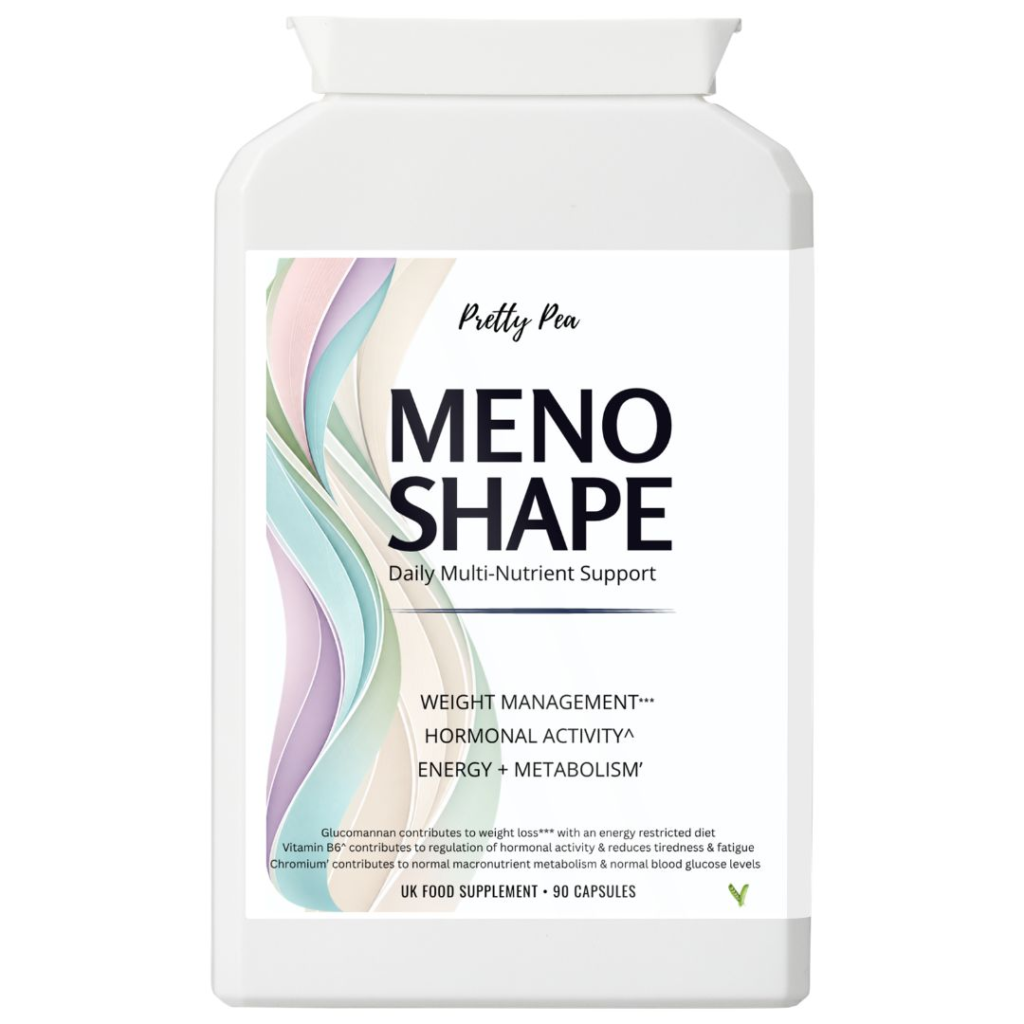
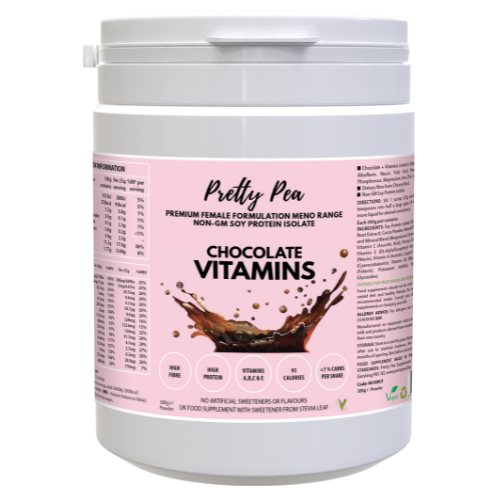
Menopause Supplement UK – Women’s Nutritional Support with Vitamins, Fibre & Botanicals
Original price was: £25.00.£19.99Current price is: £19.99. -
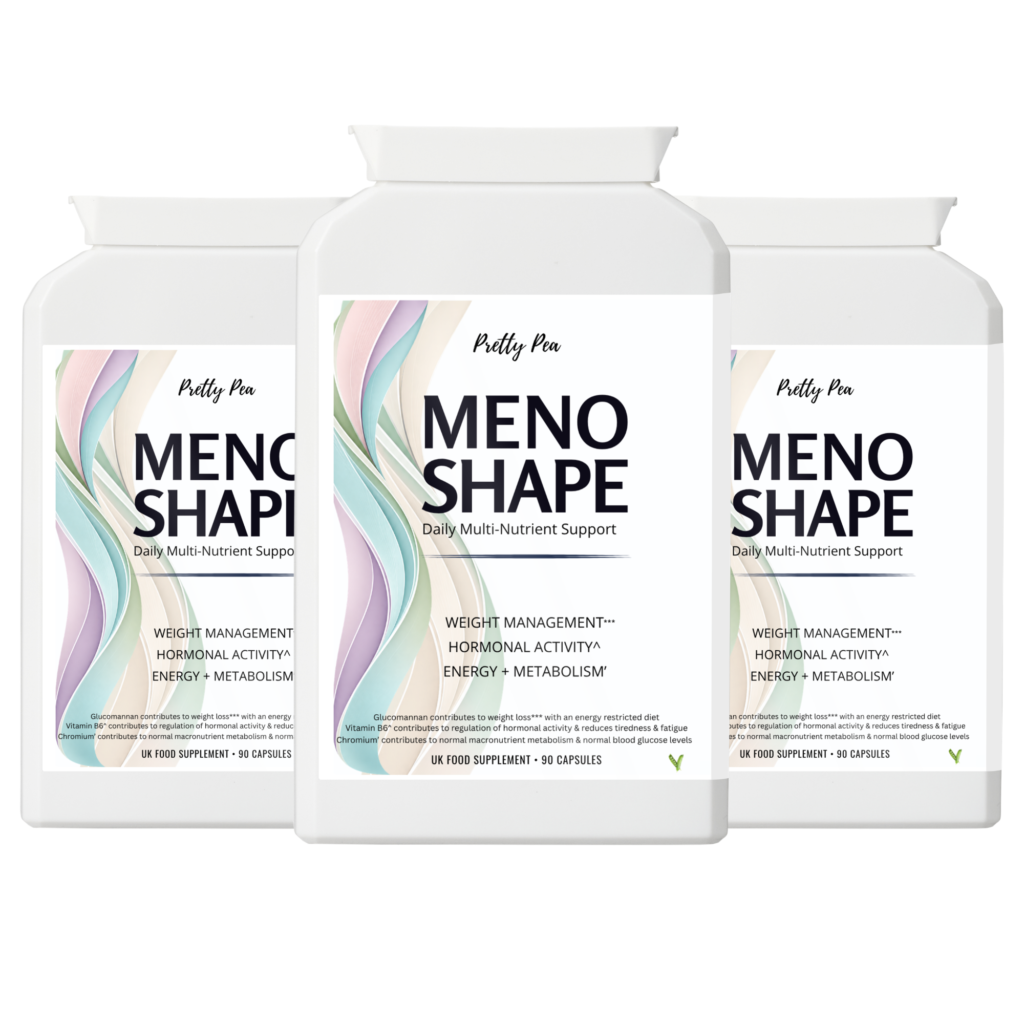
Menopause Supplement Bundle 3 for 2 Offer
Original price was: £77.97.£50.00Current price is: £50.00. -

-

-
-
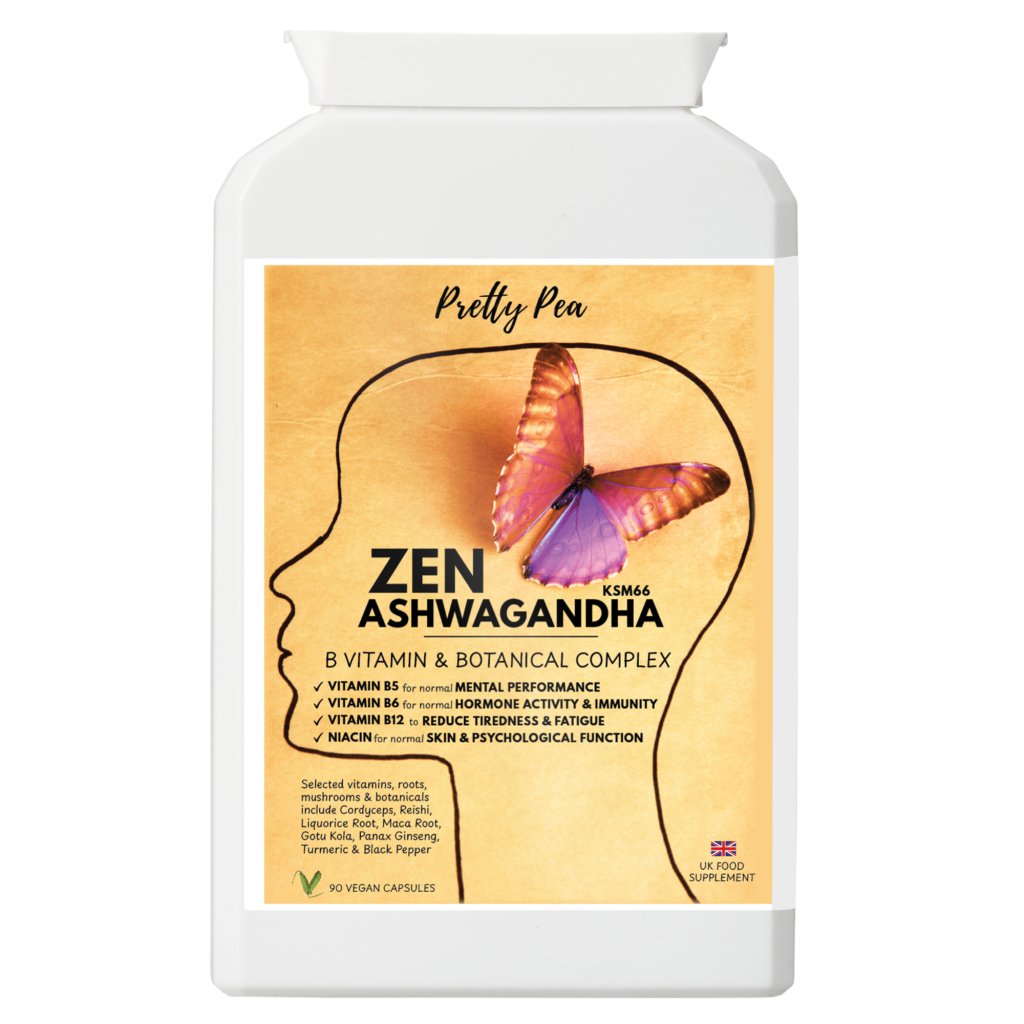
Ashwagandha Supplement plus B Vitamins
Original price was: £25.00.£19.99Current price is: £19.99.
Superfood List: Frequently Asked Questions (FAQs)
Which superfoods help boost energy naturally?
Foods like spirulina, oats, and chia seeds provide vitamins and antioxidants that naturally increase energy and stamina.
What are the best superfoods for immunity?
Blueberries, turmeric, and green tea contain nutrients that support immune function and help fight inflammation.
How can women over 40 include the superfood list in their diet?
Add them to smoothies, salads, or daily meals. Focus on antioxidant-rich fruits, leafy greens, and protein-packed seeds.
Can foods in the superfoods list help with weight management?
Many superfoods are high in fiber and protein, which can help you feel full longer and support healthy weight management.
How do I use superfoods in everyday meals?
Incorporate them into breakfasts, snacks, or main meals: sprinkle seeds on yogurt, add greens to smoothies, or include berries in oatmeal.



You may also be interested in:
Your Gut Microbiome Is Talking to Your Brain — Are You Listening?
Appetite Regulation: How Fibre vs GLP-1 Compare
The Ultimate Guide to Fibre Supplements for a Happier Gut: Unlocking Your Digestive Health
The Rich List: Insoluble Fibre Rich Food List
Understanding Visceral Fat: The Ultimate Belly Fat Guide
Everything Psyllium How To Use: A Comprehensive Guide on How to Use It for Maximum Health Benefits
The 100 Symptoms of Perimenopause
Superfood List : Sources
- Basu, A., et al. (2010). Berries: Emerging impact on cardiovascular health. Nutr Rev, 68(3), 168–177.
- Estruch, R., et al. (2013). Primary prevention of cardiovascular disease with a Mediterranean diet. N Engl J Med, 368(14), 1279–1290.
- Grosso, G., et al. (2014). Role of omega-3 fatty acids in the treatment of depressive disorders: A comprehensive meta-analysis. PLoS ONE, 9(5), e96905.
- Josling, P. (2001). Preventing the common cold with a garlic supplement: A double-blind, placebo-controlled survey. Adv Ther, 18(4), 189–193.
- Krikorian, R., et al. (2010). Blueberry supplementation improves memory in older adults. J Agric Food Chem, 58(7), 3996–4000.
- Lansley, K. E., et al. (2011). Dietary nitrate supplementation reduces the O2 cost of walking and running. J Appl Physiol, 110(3), 591–600.
- Marco, M. L., et al. (2017). Health benefits of fermented foods: Microbiota and beyond. Curr Opin Biotechnol, 44, 94–102.
- Messina, M. (2014). Soy foods, isoflavones, and menopausal health. Nutr J, 13, 118.
- Clarke et al. 2008
- Ludy et al. 2012,
- Superfoods for Type 2 Diabetes: A Narrative Review and Proposal for New International Recommendations – PMC
- What superstar foods are good for diabetes? | ADA
