Most women are told to expect hot flushes and irregular periods during perimenopause — but for many, the first symptoms are far less obvious. In reality, there are dozens of weird perimenopause symptoms that can affect the brain, nervous system, skin, and even the senses. Because they’re not widely discussed, these symptoms are often mistaken for stress, ageing, or unrelated health issues. Here we share 25 lesser known menopause symptoms.
Why Perimenopause Causes Unusual Symptoms
Perimenopause isn’t just a reproductive transition — it’s a whole-body hormonal Why Do Weird Perimenopause Symptoms Happen?
Many of the more unusual symptoms of perimenopause are caused not by low hormone levels alone, but by rapid hormonal fluctuations — particularly in oestrogen.
Oestrogen interacts with multiple systems in the body, including:
- The central nervous system (mood, cognition, sensory processing)
- The autonomic nervous system (heart rate, temperature, stress response)
- The immune system (inflammation, allergies)
- The skin and connective tissue (collagen, hydration)
Because oestrogen receptors are widely distributed throughout the body, even small hormonal shifts can trigger unexpected neurological and sensory symptoms.
Neuroendocrine research shows that oestrogen helps regulate brain energy metabolism, neurotransmitters, and synaptic function, which explains why symptoms can feel neurological rather than hormonal (Brinton, 2013).
Read: Early Signs of Perimenopause in Your 40s: What to Look For
25 Weird Perimenopause Symptoms
Neurological & Sensory Symptoms
1. Brain fog
Brain fog is one of the most commonly reported yet least understood symptoms. It can include difficulty concentrating, forgetfulness, and slower mental processing.
Oestrogen plays a role in glucose metabolism in the brain, which affects cognitive performance. Fluctuations may temporarily reduce efficiency in brain energy use, leading to these symptoms.
2. Tingling sensations
Often described as “pins and needles,” this sensation (also called paresthesia) can occur due to changes in nerve sensitivity and circulation.
Hormonal fluctuations can affect how the nervous system transmits signals, making sensations feel more intense or unusual.
3. Electric shock sensations
Some women report brief, sudden “zapping” feelings, often in the head or body. While not fully understood, this may relate to neurotransmitter instability, similar to sensations reported during other hormonal transitions.
4. Dizziness
Hormonal changes can affect blood pressure regulation and inner ear balance, leading to feelings of lightheadedness or instability.
5. Tinnitus
Tinnitus — a ringing or buzzing in the ears — is increasingly reported during perimenopause.
Oestrogen is thought to influence blood flow and neural activity in the auditory system, and fluctuations may disrupt these processes, leading to auditory sensitivity or phantom sounds.
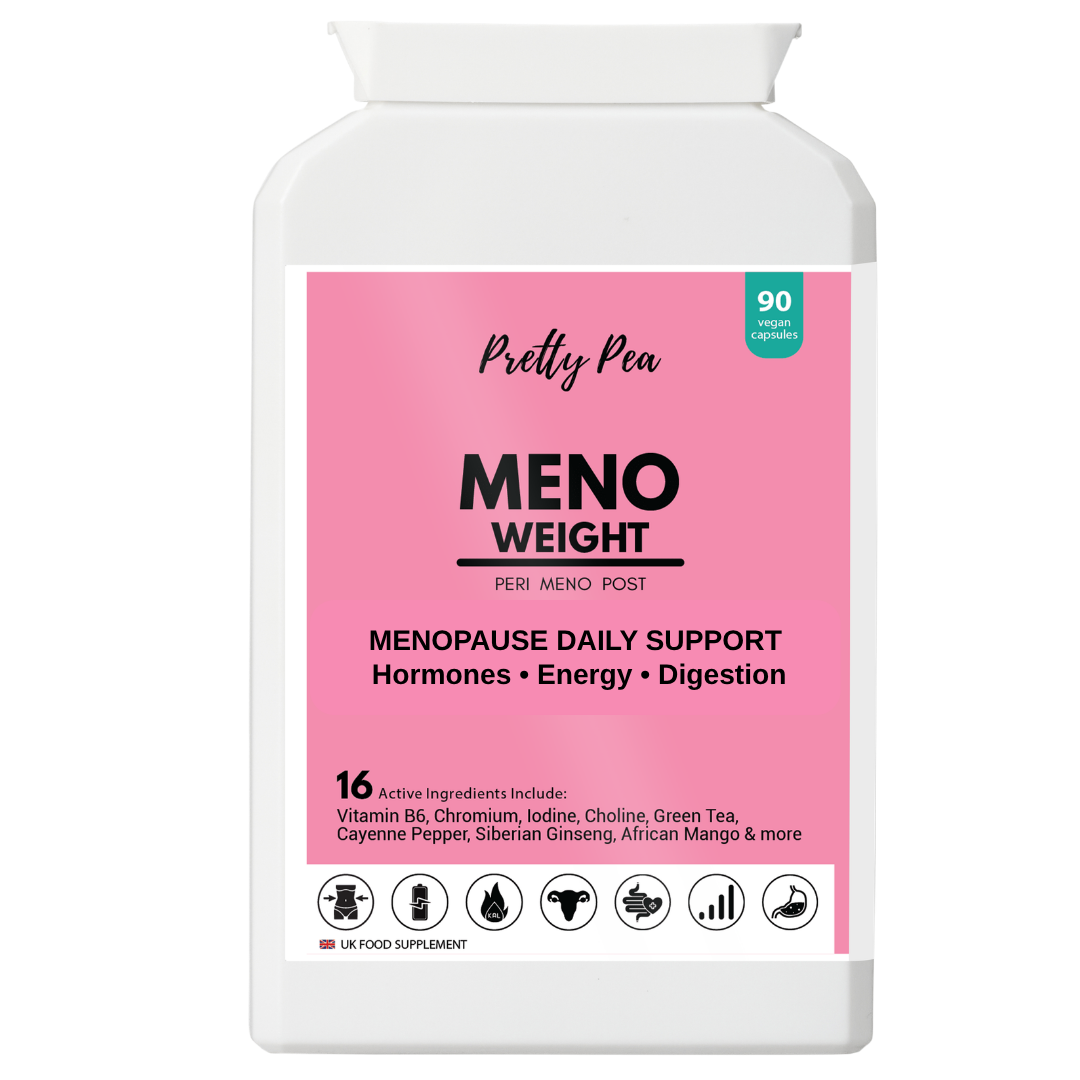
Menopause Supplement UK – Women’s Nutritional Support with Vitamins, Fibre & Botanicals
Mouth, Taste & Sensory Changes
6. Burning mouth syndrome
This can feel like a tingling, burning, or scalding sensation affecting the tongue, lips, or entire mouth.
It is thought to be linked to:
- Nerve sensitivity changes
- Reduced saliva production
- Hormonal effects on oral tissues
Although not widely discussed, it is recognised as a potential menopausal symptom in clinical literature.
7. Changes in taste
Food may taste metallic or different.
8. Dry mouth
Reduced saliva production.
Ear & Hearing Symptoms
9. Tinnitus
Tinnitus — a ringing or buzzing in the ears — is increasingly reported during perimenopause.
Oestrogen is thought to influence blood flow and neural activity in the auditory system, and fluctuations may disrupt these processes, leading to auditory sensitivity or phantom sounds.
10. Ear pressure
Feeling of fullness or blockage.
Dental & Oral Changes
11. Gum sensitivity
Increased bleeding or soreness.
12. Tooth discomfort
Heightened sensitivity without dental issues.
Skin, Hair & Body Changes
13. Itchy skin
Often without visible rash.
14. Crawling skin sensation
Itchy or crawling skin
This sensation, sometimes described as “formication,” can feel like insects moving on the skin.
It may be linked to:
- Declining collagen levels
- Reduced skin hydration
- Changes in nerve sensitivity
Oestrogen supports skin structure and hydration, so fluctuations can affect both the physical and sensory experience of the skin.
15. Sudden acne
Breakouts similar to teenage years.
16. Dry eyes
Irritation or discomfort.
Cardiovascular & Physical Symptoms
17. Heart palpitations
Palpitations can feel like a racing, pounding, or irregular heartbeat.
Oestrogen influences:
- Blood vessel function
- Heart rhythm stability
- Stress hormone response
As levels fluctuate, the cardiovascular system may become more sensitive, leading to noticeable changes in heart rhythm — often benign but sometimes distressing.
18. Cold sensitivity
Feeling unusually cold.
19. Shortness of breath
Especially during mild activity.
Emotional & Psychological Symptoms
20. Sudden anxiety
Even without obvious triggers.
21. Feeling “not like yourself”
A common but hard-to-describe experience.
22. Irritability
Lower tolerance for stress.
Other Unexpected Symptoms
23. Digestive changes
Bloating or altered digestion.
24. Increased allergies
Heightened sensitivity to allergens.
25. Changes in body odour
Subtle shifts due to hormonal changes.
Menopause Supplement UK – Women’s Nutritional Support with Vitamins, Fibre & Botanicals
Are These Symptoms Normal?
Yes — while these symptoms can feel unusual, they are commonly reported during perimenopause.
Large studies, including the Study of Women’s Health Across the Nation (SWAN), show that many women experience non-traditional symptoms during hormonal transition (Avis et al., 2001).
Common vs Weird Perimenopause Symptoms
Common Symptoms
- Hot flushes
- Night sweats
- Irregular periods
- Mood swings
Weird (Less Known) Symptoms
- Tingling or electric sensations
- Burning mouth
- Tinnitus
- Crawling skin
- Changes in taste or smell
Why These Symptoms Are Often Missed
Weird perimenopause symptoms are often overlooked because:
- They don’t match common expectations
- They can appear before menstrual changes
- They mimic other conditions
This can lead to delays in recognising the role of hormones.
What Research Says About Unusual Symptoms
Large observational studies show that perimenopause symptoms extend far beyond reproductive changes.
The SWAN study (Study of Women’s Health Across the Nation) found that women frequently report psychological, neurological, and physical symptoms during midlife hormonal transition (Avis et al., 2001).
Additionally, research highlights the role of oestrogen in regulating brain function, sensory processing, and systemic inflammation, supporting the wide range of symptoms observed (Brinton, 2013).
When Should You Seek Advice?
You should consider speaking to a healthcare professional if:
- Symptoms are persistent
- They impact your daily life
- You’re unsure of the cause
Related: Full Symptom List
You can explore the complete breakdown in this guide to the 100 symptoms of perimenopause
Related: The Menopause Diet 5 Day Plan to Lose Weight
Why Fibre Could Be the Secret to a Better Menopause
Menopause Weight Changes Explained
Best Menopause Supplements UK (2026)
FAQ: Weird Perimenopause Symptoms
Can perimenopause mimic other health conditions?
Yes. Symptoms can resemble anxiety disorders, thyroid issues, or neurological conditions, which is why they are sometimes misdiagnosed.
What are weird perimenopause symptoms?
Weird perimenopause symptoms include unusual or unexpected changes such as tinnitus, burning mouth, tingling sensations, and brain fog, caused by hormonal fluctuations.
Can perimenopause cause strange neurological symptoms?
Yes. Hormonal fluctuations can affect brain function and the nervous system, leading to symptoms such as brain fog, dizziness, tingling sensations, and sensory sensitivity.
Why do I feel like something is wrong but tests are normal?
Many perimenopause symptoms don’t show up on standard tests because they are caused by hormonal fluctuations rather than disease.
Can perimenopause affect your senses?
Yes. Changes in taste, smell, hearing, and skin sensitivity are all reported during perimenopause.
Are these symptoms permanent?
No. Symptoms often fluctuate and may improve as hormone levels stabilise.
See Supplements
-
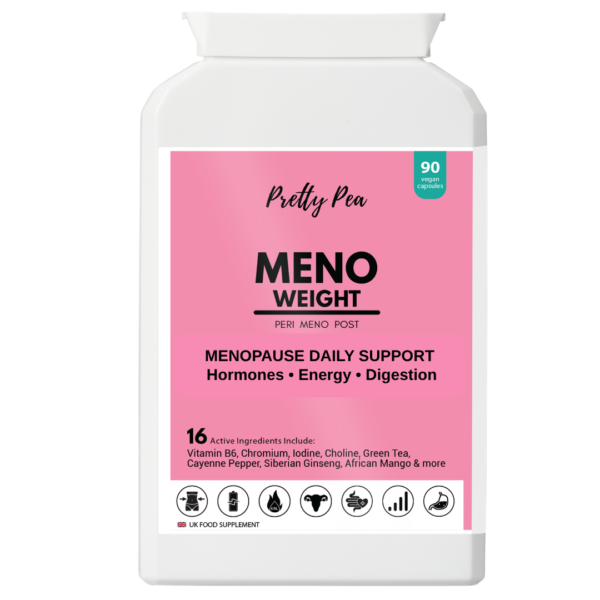
Menopause Supplement UK – Women’s Nutritional Support with Vitamins, Fibre & Botanicals
Original price was: £25.00.£19.99Current price is: £19.99. -
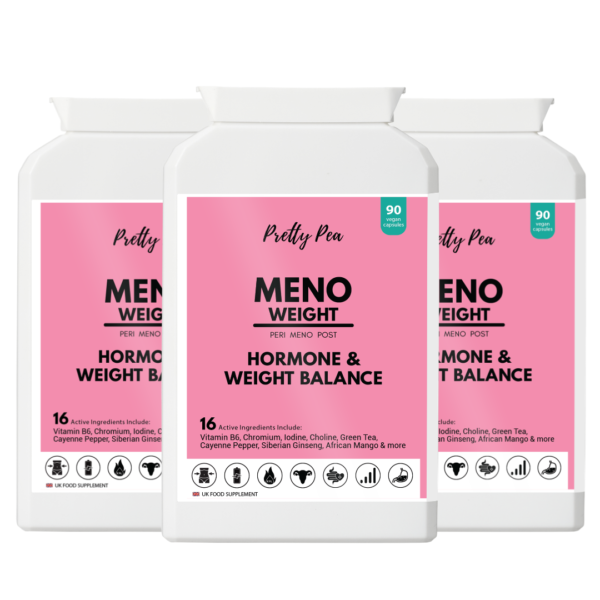
Menopause Supplement Bundle 3 for 2 Offer
Original price was: £77.97.£50.00Current price is: £50.00. -

-
-
Ashwagandha Supplement plus B Vitamins
Original price was: £25.00.£19.99Current price is: £19.99. -
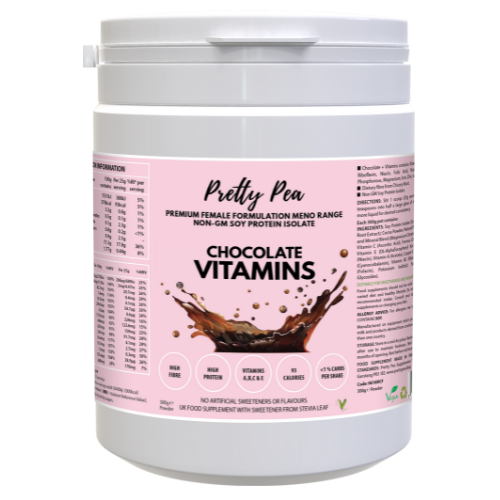
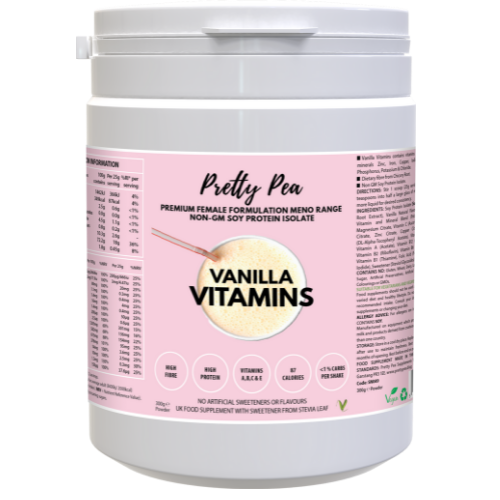
Vitamins & Chocolate Protein Powder Bundle x 3
Original price was: £74.97.£65.50Current price is: £65.50.




Related Reading:
Hormone Imbalance in Women: Causes, Symptoms & How Hormones Work
Bloating Isn’t Just “Too Much Gas”: The Real Causes of Bloating (and What Actually Helps)
Understanding Visceral Fat: The Ultimate Belly Fat Guide
Everything Psyllium How To Use: A Comprehensive Guide on How to Use It for Maximum Health Benefits
Can You Use Psyllium Husk for Weight Loss?


Weird Perimenopause Symptoms – References
- Brinton RD. (2013). Estrogen regulation of brain metabolism
- Avis NE et al. (2001). SWAN study
- National Health Service – Menopause overview
- British Menopause Society