
Menopause weight changes are commonly reported by women, but the underlying causes are often misunderstood.
Rather than being caused by a single factor, research shows that menopause-related weight changes are influenced by a combination of hormonal shifts, ageing, lifestyle, and changes in body composition.
This article explores what scientific research says about menopause and weight changes, and how nutrition may support overall metabolic balance.
What Research Says About Menopause Weight Changes
Multiple studies show that menopause is associated with changes in body composition rather than simply “weight gain”.
Research published in JAMA Internal Medicine found that weight gain is common during midlife, with women gaining an average of around 2–2.5 kg over several years, regardless of menopause status.
A review of midlife women’s health literature shows:
- increased fat distribution around the abdominal area
- gradual loss of lean muscle mass
- metabolic rate changes associated with ageing and hormonal shifts
These changes are commonly observed during the menopausal transition rather than being caused by menopause alone.
Hormonal Changes and Body Composition
Declining oestrogen levels have been associated with changes in how fat is stored in the body.
Research indicates:
- fat distribution tends to shift toward visceral (abdominal) areas
- muscle mass may gradually decrease with age
- insulin sensitivity may change over time
However, these effects vary widely between individuals and are influenced by lifestyle factors.
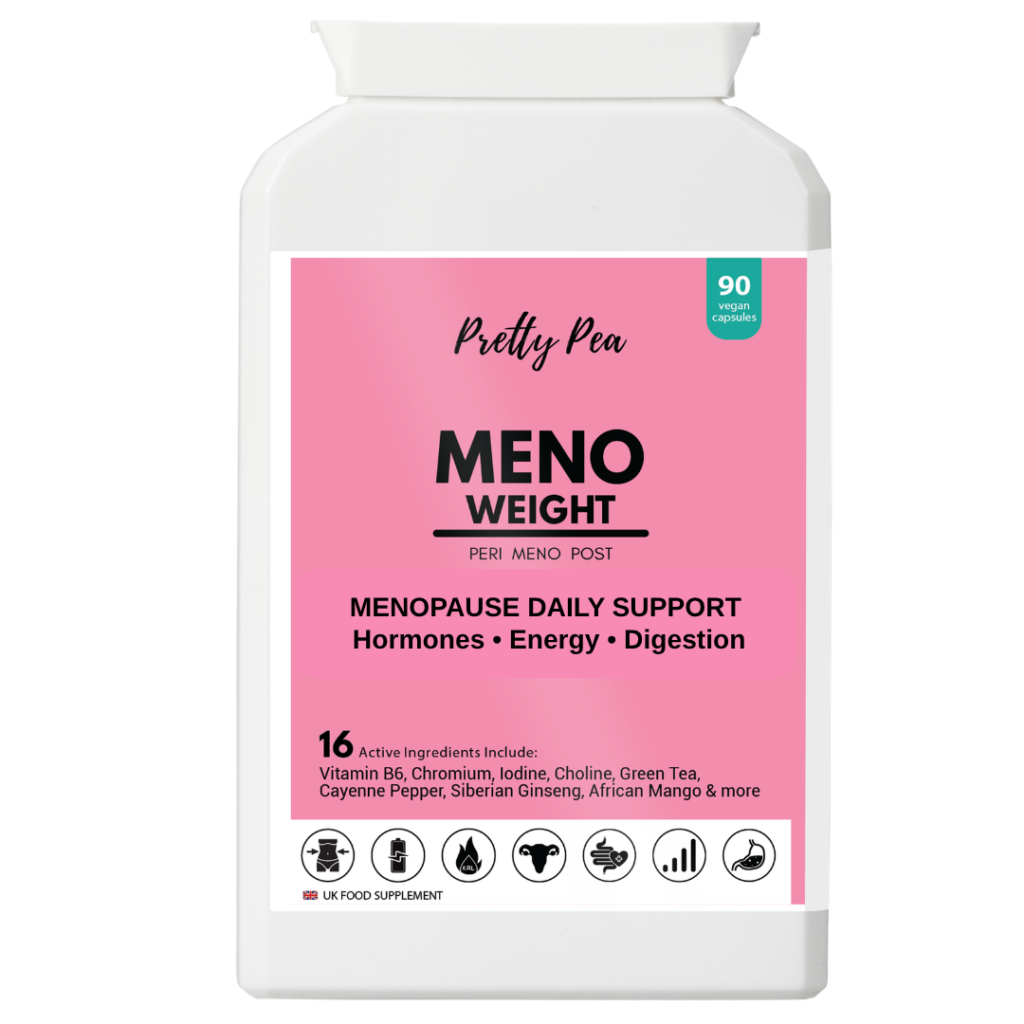
Menopause Supplement UK – Women’s Nutritional Support with Vitamins, Fibre & Botanicals
Comparison: What Actually Drives Menopause Weight Changes
Hormones vs Lifestyle Factors
| Factor | Impact Level | Explanation |
| Hormonal changes | Moderate | Influences fat distribution patterns |
| Ageing | High | Natural decline in metabolic rate |
| Diet quality | High | Major driver of energy balance |
| Physical activity | High | Affects muscle mass and metabolism |
| Sleep & stress | Moderate | Affects appetite regulation |
Research consistently shows that lifestyle factors play a larger role than hormones alone in long-term weight changes.
You’re Eating Less but Not Seeing Results
One reason a menopause diet may stop working is that the body often responds differently to food during perimenopause and menopause.
Falling oestrogen levels can affect how the body stores fat, responds to insulin, manages blood sugar and maintains muscle mass. This means that simply cutting calories or eating “healthy” may not be enough if meals are low in protein, low in fibre, too irregular or heavily focused on restriction.
A more effective approach is usually to build meals around protein, high-fibre carbohydrates, colourful plants and healthy fats, while also supporting sleep, stress levels and strength training.
The goal is not to eat less and less, but to help your body feel more stable, satisfied and supported.
What Does the Science Say About Metabolism and Ageing?
Many women feel as though their metabolism suddenly slows during perimenopause and menopause. While hormonal changes can influence body composition and where fat is stored, research suggests the picture is more complex.
Research indicates:
- this decline is largely linked to loss of lean muscle mass
- physical activity levels significantly influence metabolic rate
- dietary protein intake may support muscle maintenance
Ageing and Metabolism
Research indicates that metabolism remains relatively stable throughout much of adulthood before gradually declining later in life. However, factors such as reduced physical activity, loss of muscle mass, changes in sleep quality and dietary habits can all contribute to weight gain over time.
Muscle Mass Matters
One of the most important age-related changes is the gradual loss of muscle mass. Because muscle tissue requires more energy than fat tissue, losing muscle can reduce the number of calories the body burns at rest. This is one reason why strength training and adequate protein intake are often recommended during midlife.
Hormones Influence Fat Distribution
Declining oestrogen levels during perimenopause and menopause may affect where body fat is stored. Many women notice a shift towards greater fat accumulation around the abdomen, even if their overall body weight changes very little.
Appetite and Food Intake
Hormonal changes, poor sleep and increased stress can all influence hunger and food choices. Research suggests that sleep disruption alone may increase appetite and cravings, making it more difficult to maintain previous eating habits.
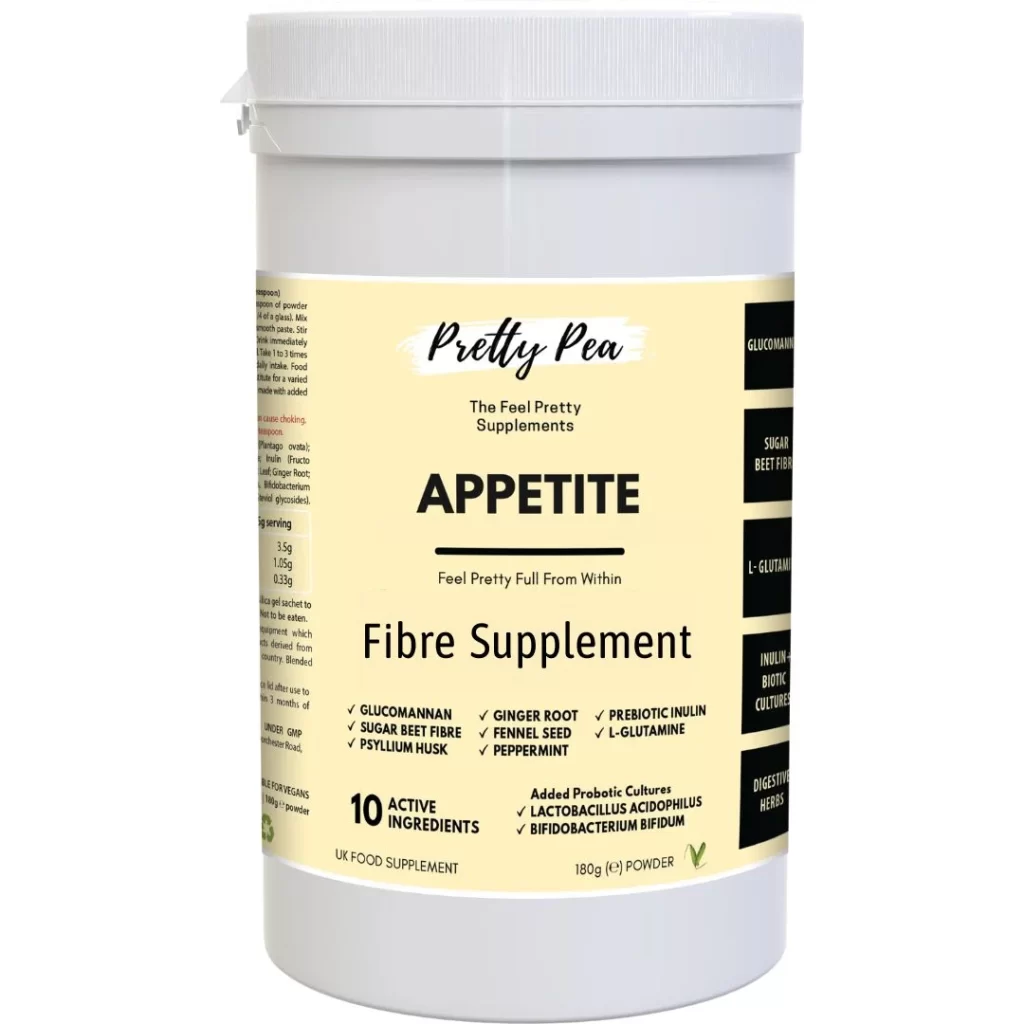
See Pretty Pea supplements for Appetite Fibre and other satiety support supplements.
Nutrition and Menopause Weight Changes
Rather than focusing on restriction, nutrition research emphasises:
- maintaining adequate protein intake
- ensuring sufficient fibre intake
- supporting micronutrient balance
Dietary fibre is associated with improved satiety and digestive function, which may support overall dietary regulation.
Your Next Read: Why Fibre Could Be the Secret to a Better Menopause
Across research studies:
- Menopause is associated with changes in fat distribution, particularly increased abdominal fat
- Hormones influence fat distribution but are not the sole cause
- Loss of muscle mass contributes to changes in metabolism
- Ageing and lifestyle factors play a major role alongside hormonal changes
- Diet quality and physical activity remain the most important modifiable
- Supplements support nutrition but do not replace diet
Menopause Weight Gain: Myth vs Fact
There is a lot of advice online about menopause weight gain, but not all of it is accurate. Understanding the difference between myth and fact can help you focus on strategies that are more likely to support your health and wellbeing.
Myth: Weight gain during menopause is unavoidable.
Fact: While many women notice changes in body weight and body composition during perimenopause and menopause, weight gain is not inevitable. Lifestyle factors such as diet, physical activity, sleep and stress management can still make a meaningful difference.
Your next read: The Menopause Diet 5-Day Plan to Lose Weight
Myth: Menopause automatically slows your metabolism.
Fact: Ageing is associated with gradual changes in energy expenditure, but menopause is only one part of the picture. Factors such as reduced muscle mass, lower activity levels and changes in daily habits can also influence calorie needs.
Myth: Eating less is always the answer.
Fact: Severely restricting calories can make it difficult to get enough protein, fibre and essential nutrients. Many women find that focusing on food quality, protein intake, strength training and fibre-rich foods is more sustainable than extreme dieting.
Myth: Menopause only affects the number on the scale.
Fact: Hormonal changes may influence where fat is stored. Some women notice that weight is more likely to accumulate around the abdomen, even if their overall weight has not changed dramatically.
Myth: If your old weight loss plan worked before, it should still work now.
Fact: The strategies that worked in your 20s or 30s may not always be as effective during perimenopause and menopause. Changes in sleep, stress, muscle mass and hormones often mean that a different approach is needed.
Myth: It’s all about hormones.
Fact: Hormones play a role, but they are only one piece of the puzzle. Sleep quality, stress levels, physical activity, protein intake and fibre intake can all influence body weight and appetite during midlife.
The Bottom Line
Menopause weight gain is often more complex than a simple calorie equation. Understanding the factors involved can help you make informed decisions and focus on habits that support long-term health rather than quick fixes.
Where Supplements Fit In
May support:
- nutritional intake consistency
- fibre intake (e.g. glucomannan)
- vitamin and mineral balance
They should be viewed as part of a broader nutritional approach and fill any nutritional gaps.
Read more at: Best Menopause Supplements UK (2026): What to Look For + Evidence-Based Comparison Guide

Ashwagandha Supplement plus B Vitamins
Menopause Weight Changes Explained (UK Guide): What Research Says About Body Composition, Metabolism & Nutrition
Menopause Weight Changes: FAQ
Why do women gain weight during menopause?
Weight changes during menopause are linked to hormonal shifts, ageing, and lifestyle factors that affect body composition and metabolism.
Is menopause the main cause of weight gain changes?
Research shows menopause contributes to changes in fat distribution, but lifestyle factors such as diet and activity have a larger overall impact.
Can diet help with menopause weight changes?
A balanced diet with adequate protein, fibre, and nutrients may support overall metabolic health and body composition.
Do supplements help with menopause weight changes?
Supplements do not directly affect weight but may support nutritional intake, including fibre and micronutrients.
What is the main change during menopause?
The main change is a shift in body composition rather than simple weight gain, often including changes in fat distribution and muscle mass.
Latest Products
-
Menopause Supplement UK – Women’s Nutritional Support with Vitamins, Fibre & Botanicals
Original price was: £25.00.£19.99Current price is: £19.99. -
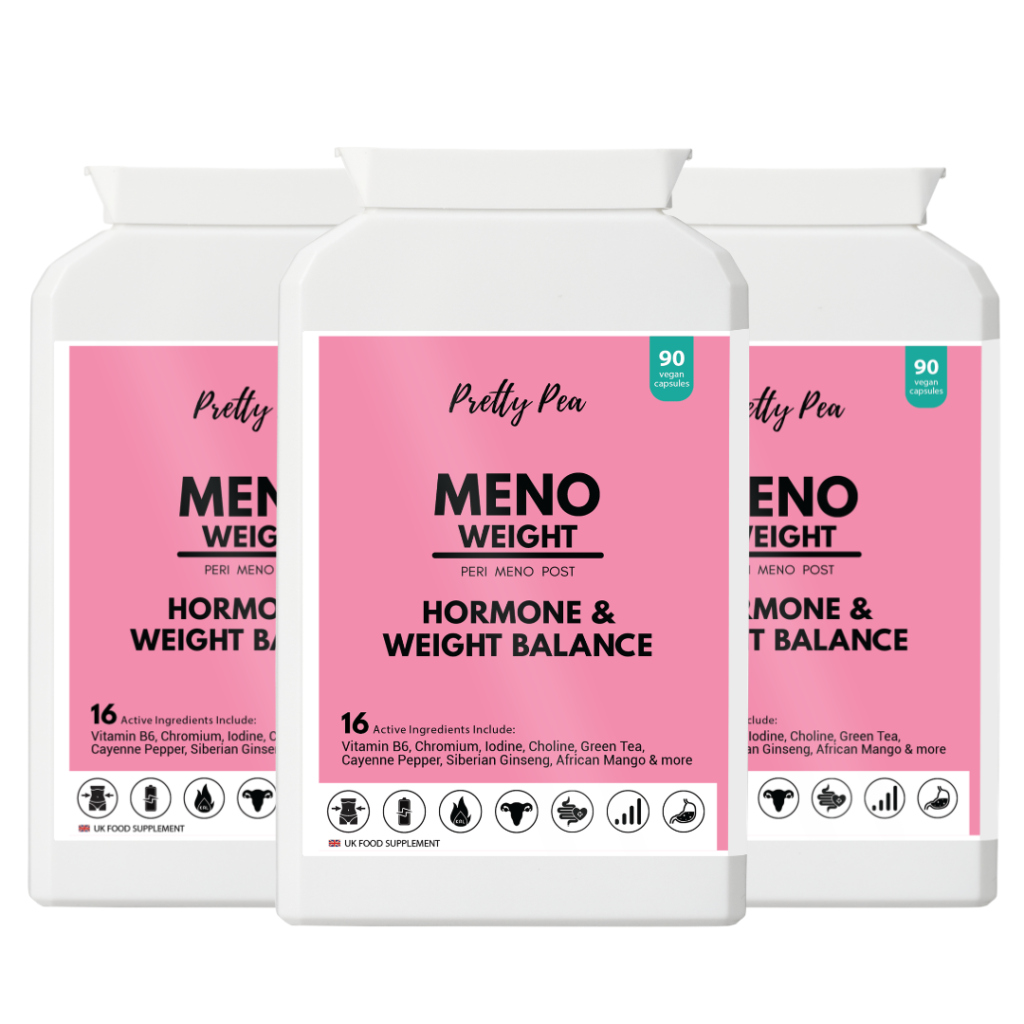
Menopause Supplement Bundle 3 for 2 Offer
Original price was: £77.97.£50.00Current price is: £50.00. -

-
-
Ashwagandha Supplement plus B Vitamins
Original price was: £25.00.£19.99Current price is: £19.99. -
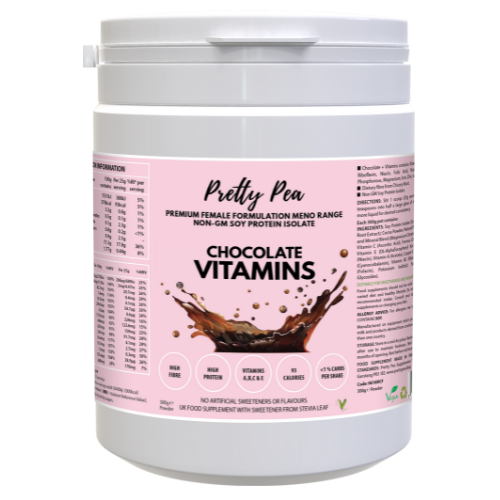
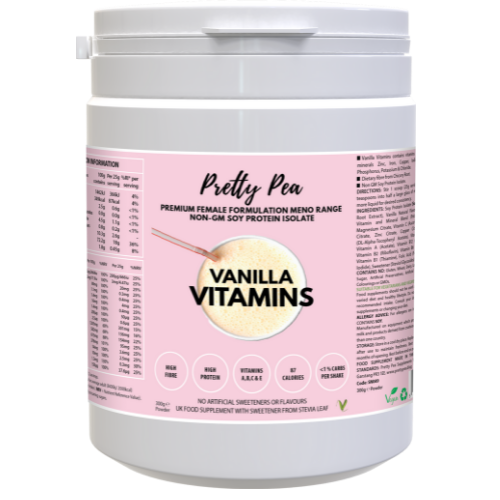
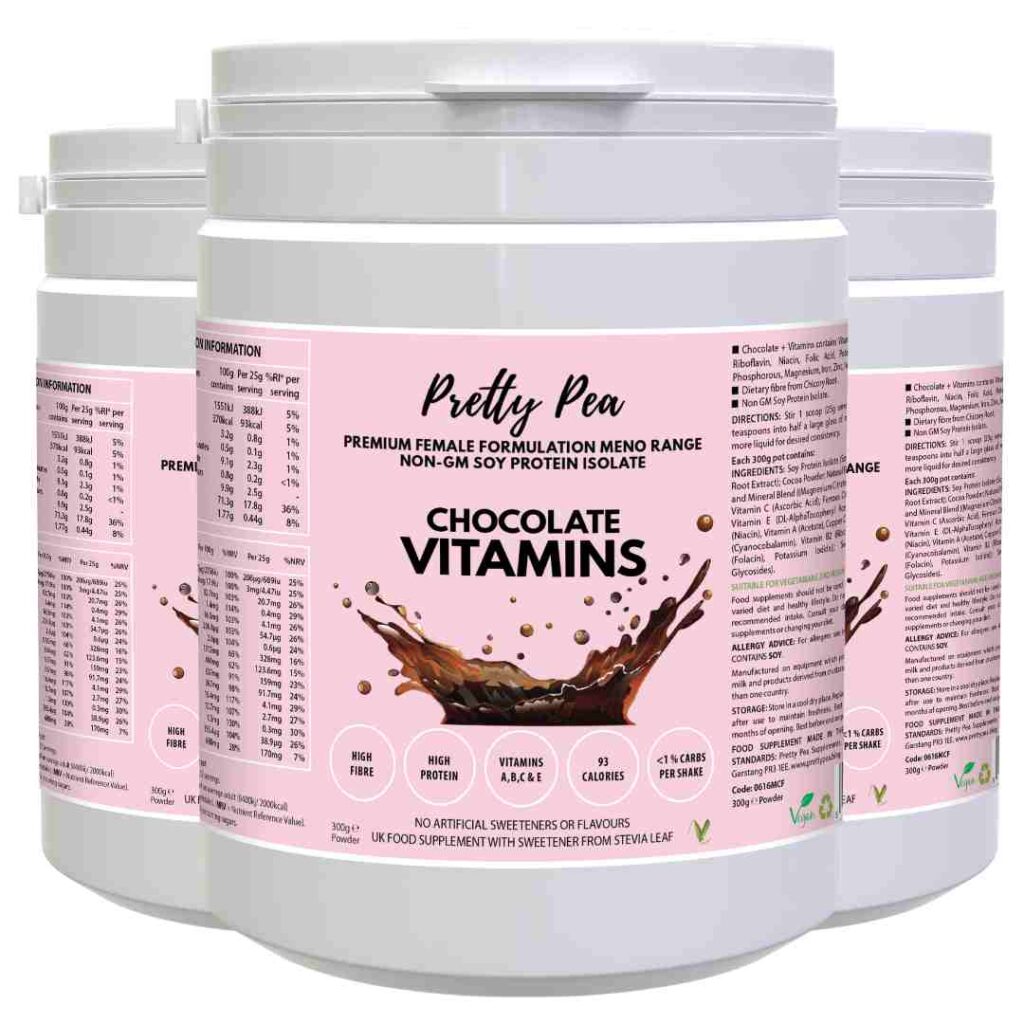
Vitamins & Chocolate Protein Powder Bundle x 3
Original price was: £74.97.£65.50Current price is: £65.50.
You might also be interested in:
The Menopause Diet 5 Day Plan to Lose Weight
Understanding Visceral Fat: The Ultimate Belly Fat Guide
Appetite Regulation: How Fibre vs GLP-1 Compare
Glucomannan for Weight Loss: Does It Work and How Does It Compare to Medications?
The 100 Symptoms of Perimenopause
Early Signs of Perimenopause in Your 40s: What to Look For

Menopause Weight Changes Explained (UK Guide): What Research Says About Body Composition, Metabolism & Nutrition
Menopause Weight Changes: References & Evidence
This article is based on findings from peer-reviewed research and major health organisations, including:
- Research on body composition changes during menopause published in journals such as The Journal of Clinical Endocrinology & Metabolism, which shows that menopause is associated with increased abdominal fat distribution and changes in lean body mass.
- Reviews of midlife women’s health from the International Journal of Obesity, highlighting that age-related factors and lifestyle have a significant impact on weight changes during menopause.
- Evidence summaries from the National Institutes of Health (NIH) indicating that hormonal changes influence fat distribution, but overall energy balance remains a key driver of weight change.
- Guidance from the NHS, which emphasises the importance of diet, physical activity, and lifestyle factors in maintaining a healthy weight during menopause.
- Systematic reviews available via PubMed Central (PMC), showing that menopause is associated with shifts in body composition rather than simple weight gain alone.
- Weight Gain at the Time of Menopause | JAMA Internal Medicine | JAMA Network
Summary of Evidence
Across research studies:
- Menopause is associated with changes in fat distribution, particularly increased abdominal fat
- Loss of muscle mass contributes to changes in metabolism
- Ageing and lifestyle factors play a major role alongside hormonal changes
- Diet quality and physical activity remain the most important modifiable factors
