
If you’ve ever increased your fibre intake and suddenly felt more bloated, sluggish, or constipated — you’re not alone. Many women focus on adding more fibre but forget the other half of the equation: water. So much water with fibre is necessary?
Fibre works by absorbing fluid in the gut. Without enough water, it can’t do its job properly — and instead of easing digestion, it may make things worse.
Let’s break it down properly.
How Fibre Works in the Body
There are two main types of fibre:
1️⃣ Soluble Fibre
Found in oats, flaxseeds, beans, and glucomannan (konjac root), soluble fibre dissolves in water and forms a gel-like substance in the digestive tract.
This:
- Slows digestion
- Supports fullness
- Helps regulate bowel movements
- Contributes to normal blood glucose responses
But here’s the key: it needs water to form that gel.
2️⃣ Insoluble Fibre
Found in wholegrains and vegetables, insoluble fibre adds bulk to stool and helps it pass through the gut more efficiently.
Again — it relies on hydration to move comfortably through the digestive system.
How Much Water Do You Really Need With Fibre?
General Daily Guidance
In the UK, women are typically advised to drink around 1.6–2 litres of fluid daily (around 6–8 glasses), depending on body size and activity level.
When increasing fibre intake, especially through supplements, you may need slightly more.
If You’re Taking Fibre Supplements (Including Glucomannan)
For glucomannan specifically, EFSA guidance states:
The beneficial effect is obtained with 3g per day, taken in three doses of 1g each, with 1–2 glasses of water before meals, in the context of an energy-restricted diet.
That means:
- At least 250–500ml of water per dose
- Never take without sufficient liquid
- Avoid taking just before lying down
This is particularly important because glucomannan can expand significantly as it absorbs water.
What Happens If You Don’t Drink Enough?
When fibre doesn’t get enough water, it can:
- Feel heavy in the stomach
- Increase bloating temporarily
- Worsen constipation
- Cause uncomfortable gas
Instead of softening stool, dry fibre can sit in the gut and slow things down.
This is why some women think “fibre doesn’t work for me” — when actually, hydration was the missing piece.
Fibre Supplements.

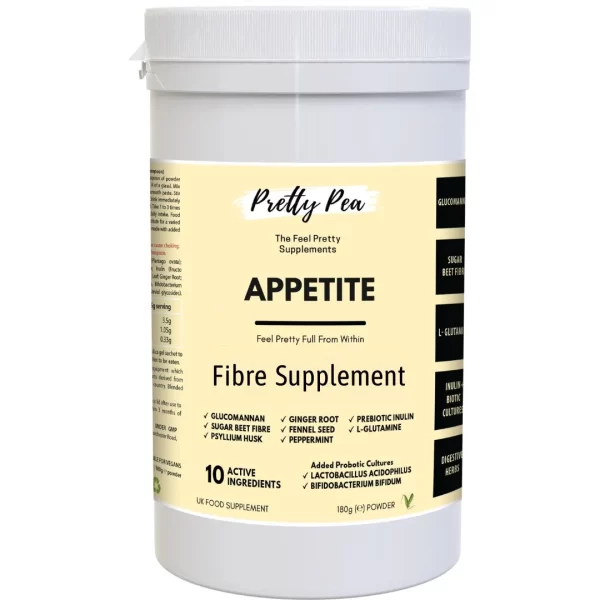
Gut love with blend of 4 soluble fibres, prebiotic Inulin, live cultures, L-Glutamine & herbs

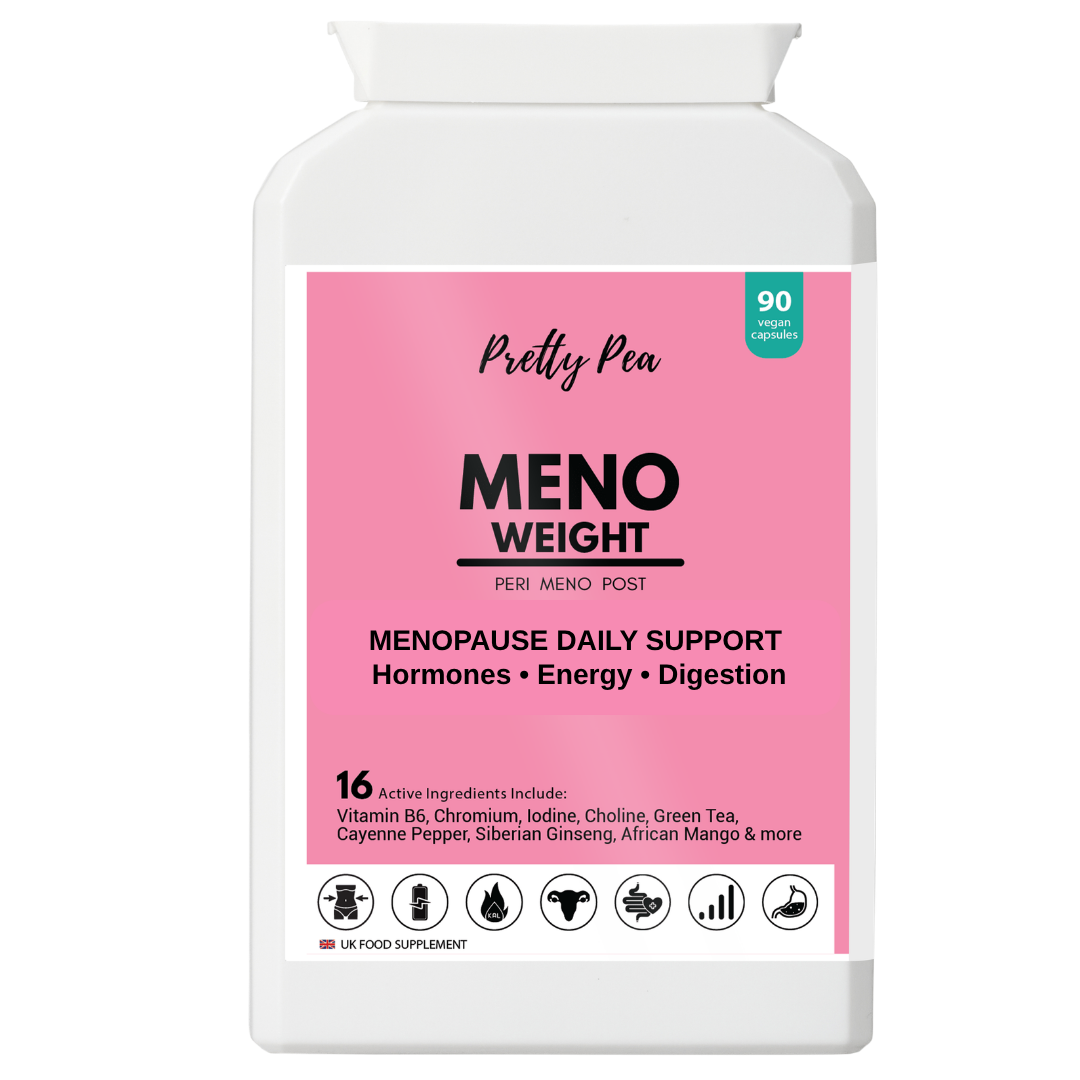
Max strength Glucomannan, supporting satiety, energy, metabolism & hormonal activity
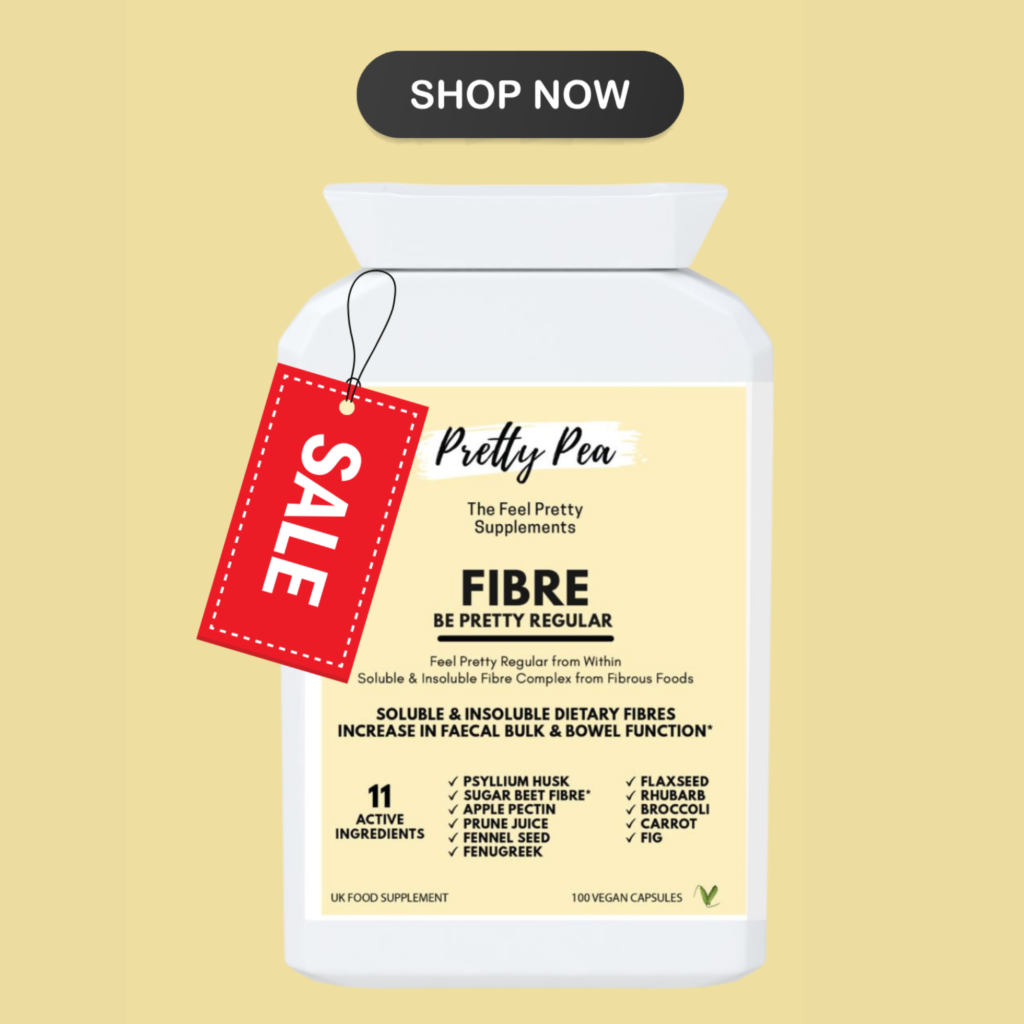
Soluble & insoluble capsules from 11 high fibre foods supporting bowel function.
A Quick Self-Check
If you’ve recently increased fibre and feel uncomfortable, ask yourself:
- Have I increased water at the same time?
- Am I spacing water throughout the day?
- Am I drinking with each fibre dose?
Often, adjusting fluid intake solves the issue within days.
A Very Common Story
Many women in their 30s and 40s increase fibre because they’re feeling more bloated, struggling with midlife weight changes, or noticing slower digestion.
They start a fibre supplement — but keep their usual coffee-heavy, low-water routine.
Within a week they think:
“This made me worse.”
In reality, fibre was doing exactly what it’s designed to do — but without enough water to support it.
Hydration isn’t optional with fibre. It’s essential.
How to Increase Fibre Without Digestive Drama
Here’s the safest way to do it:
✔ Increase fibre gradually (over 1–2 weeks)
✔ Drink an extra glass of water for each fibre serving
✔ Spread fibre intake across the day
✔ Keep caffeine balanced with water
✔ Aim for pale straw-coloured urine as a hydration indicator
Does Drinking More Water Alone Improve Digestion?
Interestingly, studies show that water alone doesn’t necessarily relieve constipation unless fibre intake is adequate.
A 2010 review in the American Journal of Gastroenterology found that increased fluid intake improves stool frequency primarily when fibre intake is sufficient.
It’s the combination that works best.
Key Takeaway
If you’re increasing fibre, especially soluble fibre like glucomannan:
💧 Pair every dose with water
💧 Aim for at least 1.6–2 litres daily
💧 Increase gradually
💧 Stay consistent
Fibre and water are partners. One without the other doesn’t deliver the full benefit.
FAQ – Fibre and Water
Can I drink tea or coffee instead of water with fibre?
While tea and coffee count toward total fluid intake, plain water is best when taking fibre supplements. Caffeine can have a mild diuretic effect, so relying solely on coffee isn’t ideal.
Can too much fibre without water cause constipation?
Yes. Increasing fibre without enough water can make stools harder and more difficult to pass. Fibre needs fluid to soften and move comfortably through the digestive tract.
Does fibre make you more thirsty?
It can. Soluble fibre absorbs water in the gut, so your body may signal thirst more strongly — especially if you increase intake quickly.
How long does it take for fibre and water to improve digestion?
Some people notice changes within a few days, but for many women — especially 30+ — it may take 1–3 weeks of consistent intake for digestion to feel more regular.
Is sparkling water okay with fibre?
Yes, but still ensure you’re drinking enough total fluid. If you’re prone to bloating, carbonated drinks may increase temporary gas.
Should I drink water before or after taking fibre?
If using supplements, drink water with the fibre dose and continue sipping throughout the day for best comfort.
Does fibre help menopause bloating?
Fibre can support digestive regularity, which may reduce bloating related to sluggish digestion. Hormonal bloating is different, but improving gut function often helps overall comfort.
Latest Products
-
Menopause Supplement UK – Women’s Nutritional Support with Vitamins, Fibre & Botanicals
Original price was: £25.00.£19.99Current price is: £19.99. -
Menopause Supplement Bundle 3 for 2 Offer
Original price was: £77.97.£50.00Current price is: £50.00. -

-
-
Ashwagandha Supplement plus B Vitamins
Original price was: £25.00.£19.99Current price is: £19.99. -
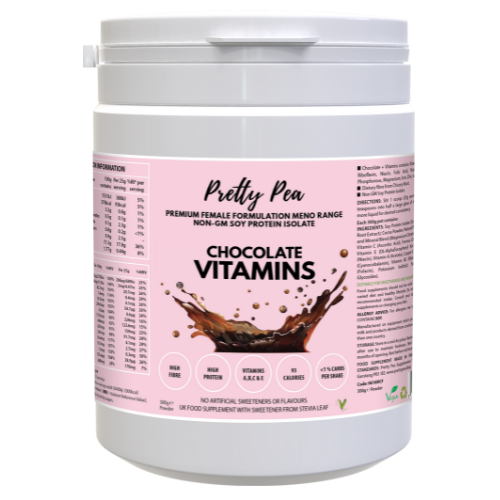
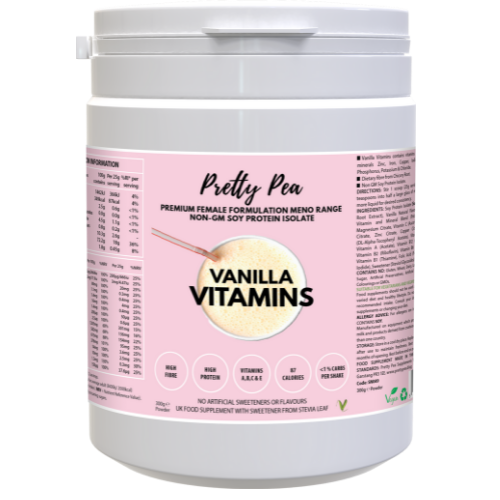
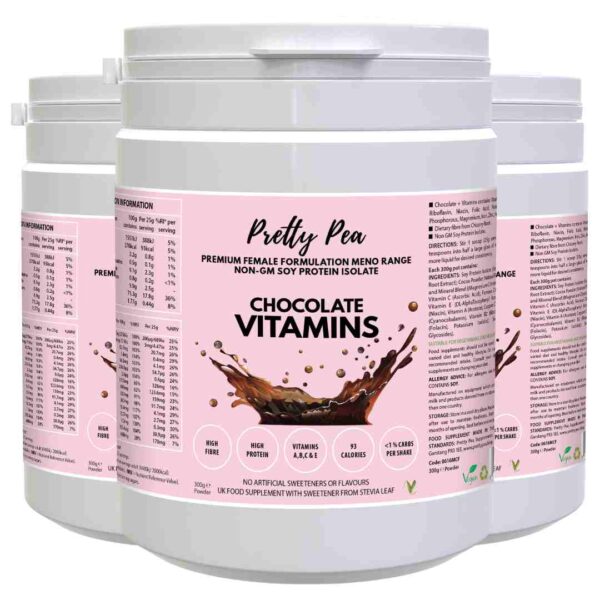
Vitamins & Chocolate Protein Powder Bundle x 3
Original price was: £74.97.£65.50Current price is: £65.50.

You might also like..
- Bloating Isn’t Just “Too Much Gas”: The Real Causes of Bloating (and What Actually Helps)
- Plantago Ovata (Psyllium Husk): Benefits, Uses, Science and FAQs
- GLP-1 Foods: The Ultimate List for Appetite Control, Fat Loss & Blood Sugar
- 50 High Fibre Foods Ranked by Fibre Content (+ Full Nutrition Chart)
- Best Fibre Supplements for Women | Complete UK Fibre Supplement Guide
Your Gut Microbiome Is Talking to Your Brain — Are You Listening?
Appetite Regulation: How Fibre vs GLP-1 Compare
What is the Highest Fibre Food
The Ultimate Guide to Fibre Supplements for a Happier Gut: Unlocking Your Digestive Health
10 Green Tea Benefits: The Ultimate Science-Backed Guide
The Ultimate Superfood List: What are Superfoods, Benefits, Best Choices, and How to Use
The Rich List: Insoluble Fibre Rich Food List
Understanding Visceral Fat: The Ultimate Belly Fat Guide
Everything Psyllium How To Use: A Comprehensive Guide on How to Use It for Maximum Health Benefits
Simple Food Group Swaps – Make Life Easier for Yourself
The 100 Symptoms of Perimenopause



Sources – How Much Water With Fibre
- European Food Safety Authority (EFSA). Scientific Opinion on the substantiation of a health claim related to glucomannan and weight loss. EFSA Journal, 2010.
- McRorie JW. Evidence-Based Approach to Fiber Supplements and Clinically Meaningful Health Benefits. Nutrition Today, 2015.
- Anti M et al. Water supplementation enhances the effect of high-fiber diet on stool frequency. American Journal of Gastroenterology, 1998.
- NHS UK. Healthy hydration guidance and daily fluid recommendations.