Author: Cate Boyd
-

The Menopause Diet 5-Day Plan to Lose Weight
Losing weight during menopause can feel frustrating, especially when the same eating habits that used to work suddenly stop making a difference. The Menopause Diet 5-Day Plan to Lose Weight is designed to make healthy eating simpler, with balanced meals that support protein intake, fibre, blood sugar balance and fullness. Hormonal changes, a slower metabolism,…
-
How To Use Psyllium Husk: A Comprehensive Guide for Maximum Health Benefits
If you’re wondering how to use psyllium husk, you’re not alone. Psyllium husk is one of the most popular fibre supplements in the UK, used to support digestive health, regular bowel movements, healthy cholesterol levels, blood sugar balance, and feelings of fullness. But knowing how to use psyllium husk correctly is important. Taking the right…
-

Bloating Isn’t Just “Too Much Gas”: The Real Causes of Bloating (and What Actually Helps)
Bloating Isn’t Always About Food When it comes to causes of bloating most people think bloating means they “ate badly.” But bloating is often far more complicated than simply eating broccoli or drinking fizzy drinks. For some people, it’s constipation.For others, it’s hormones.For many, it’s stress, gut dysfunction, altered gut bacteria, or digestive slowing that…
-
Weird Perimenopause Symptoms: 25 Unusual Signs You Didn’t Expect
Most women are told to expect hot flushes and irregular periods during perimenopause — but for many, the first symptoms are far less obvious. In reality, there are dozens of weird perimenopause symptoms that can affect the brain, nervous system, skin, and even the senses. Because they’re not widely discussed, these symptoms are often mistaken…
-
Early Signs of Perimenopause in Your 40s: What to Look For
Wondering if your symptoms could be early signs of perimenopause? This guide explains common symptoms and causes, including changing oestrogen and progesterone levels, irregular periods, poor sleep, mood changes, brain fog, weight gain, hot flushes and changes in energy.
-

The 100 Symptoms of Perimenopause: Full List + Early Signs
Most women associate menopause with hot flushes and missed periods, but the early signs of perimenopause often begin years earlier and can feel confusing or unrelated. Perimenopause is the transitional stage before menopause, but many women don’t realise just how many symptoms it can cause. In fact, there are over 100 symptoms of perimenopause —…
-
Menopause Weight Changes Explained (UK Guide): What Research Says About Body Composition, Metabolism & Nutrition
Menopause weight changes are commonly reported by women, but the underlying causes are often misunderstood. Rather than being caused by a single factor, research shows that menopause-related weight changes are influenced by a combination of hormonal shifts, ageing, lifestyle, and changes in body composition. This article explores what scientific research says about menopause and weight…
-
How to Choose the Best Menopause Supplement (What to Look For) – Evidence-Based Comparison Guide
With a growing number of menopause supplements available in the UK, it can be difficult to understand what actually matters when choosing a product. Rather than focusing on marketing claims, it is more useful to look at evidence-based nutrients and formulation quality. This guide explores the best supplements during menopause in the UK, focusing on…
-

Signs You May Have High Cortisol: What Your Body Could Be Telling You (And How to Fix It)
Is your body signalling signs of high cortisol? Cortisol isn’t the enemy — it’s essential for survival. It helps you wake up, respond to stress, regulate blood sugar, and maintain energy. But when cortisol stays elevated for too long, it shifts from helpful to harmful. And for many women, this isn’t just about stress —…
-
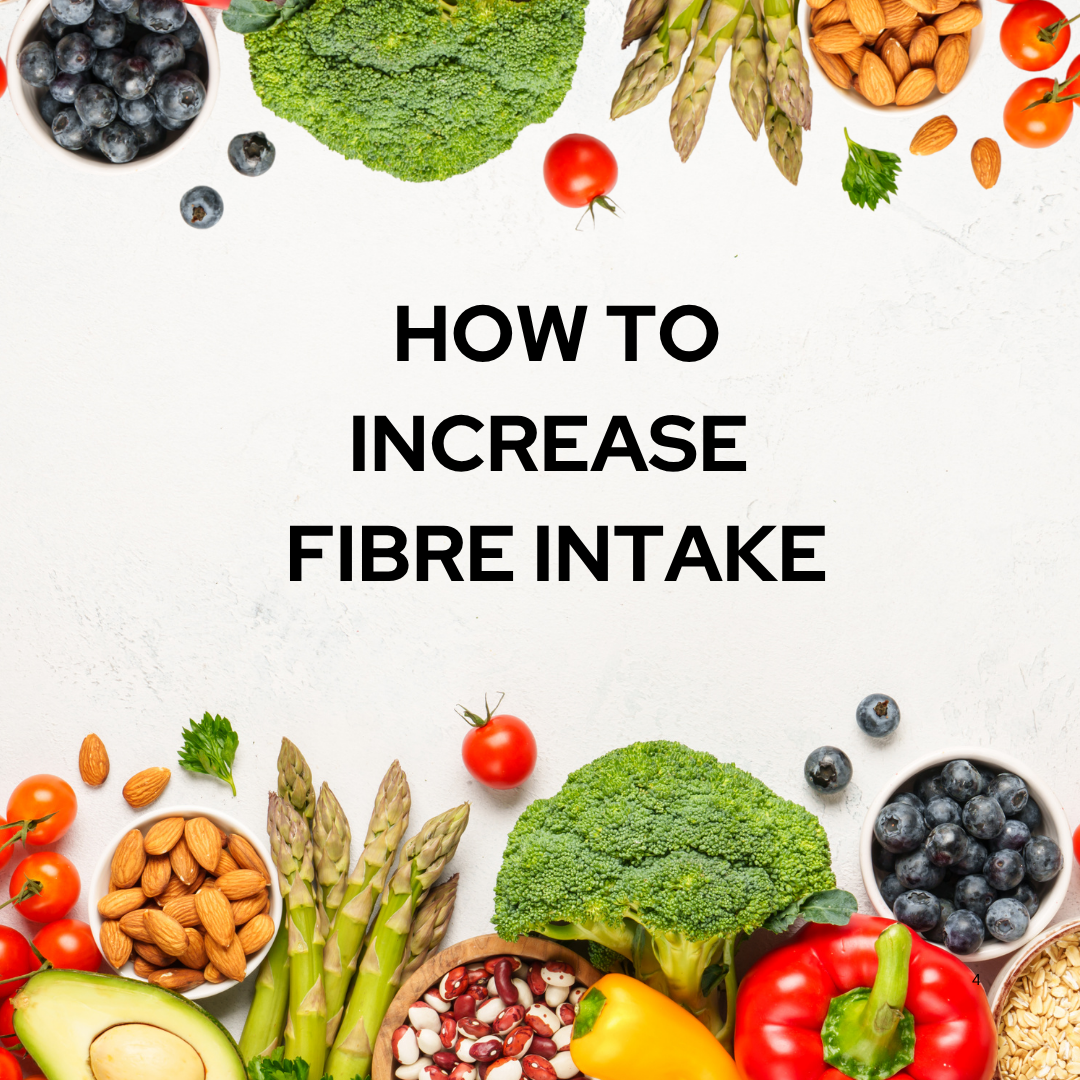
How to Increase Fibre Intake (30g a Day): Easy, Science-Backed Tips That Actually Work
How to Increase Fibre Intake (30g a Day): A Simple, Science-Backed Guide for Women 30+ If you’ve ever tried to “eat healthier” and felt overwhelmed, fibre is one of the easiest — and most powerful — places to start. I’ll be honest: for years, I thought I was eating well. Porridge for breakfast, salads here…