Author: Cate Boyd
-

Can You Take Supplements with HRT? What’s Safe and What to Avoid
If you’re taking hormone replacement therapy (HRT), it’s completely normal to wonder if you can take supplements with HRT. Many women turn to vitamins, minerals and natural supplements to support energy, sleep, mood and overall health — especially during menopause. In most cases, common supplements can be taken with HRT. However, some ingredients may affect…
-
15 Best High Fibre Foods for Weight Loss (That Actually Keep You Full)
If you’ve ever tried to “eat less” only to end up hungry, snacking and thinking about food all day, you’re not alone. For many women, weight loss doesn’t fail because of a lack of willpower — it often fails because meals simply aren’t filling enough. That’s where fibre can make a real difference. High fibre…
-
9 Benefits of Fibre: Why It’s Essential for Gut Health, Weight and Wellbeing
The 9 benefits of fibre may surprise you. As we move into our 40s, many women notice subtle but frustrating changes — digestion may feel slower, weight becomes harder to manage, and energy levels can fluctuate more than before. While hormones often take the spotlight, one overlooked factor is fibre intake. In fact, many adults…
-

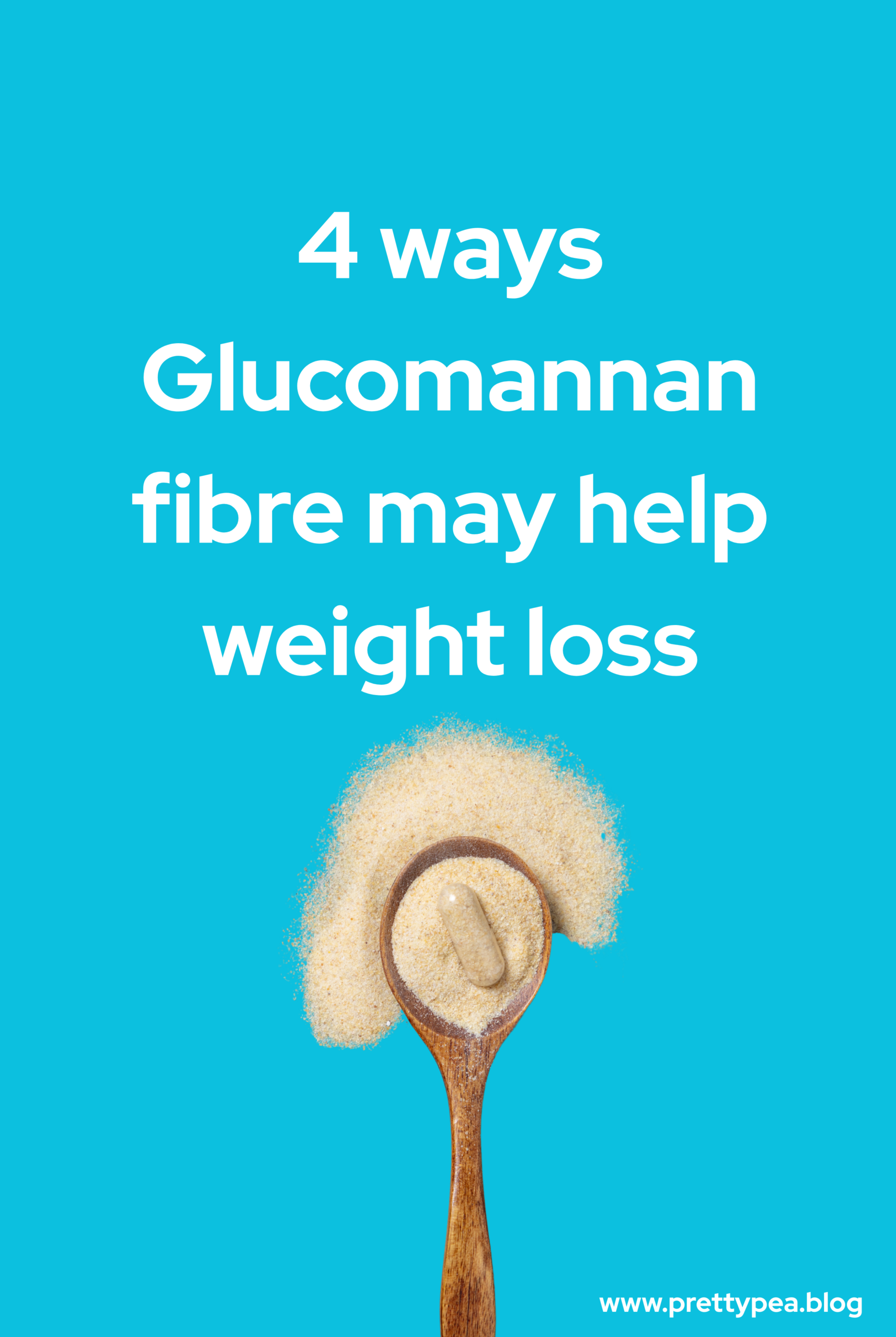
Can Glucomannan Help Weight Loss? What the Science Says
Weight loss can feel challenging, particularly when appetite and cravings make it difficult to maintain balanced eating habits. Increasing dietary fibre intake has become a popular strategy that may help support satiety, and one fibre in particular that has received attention around weight loss is glucomannan. Let’s break down the science of this unique fibre…
-

Fibre for Weight Loss? The Science Women Should Know
Fibre for weight loss? Weight loss advice can feel overwhelming. One week carbs are the enemy, the next it’s fats. But one nutrient consistently recommended by nutrition experts is fibre. For many women, especially those over 30 experiencing hormonal changes, metabolism shifts and busy lifestyles, fibre may be one of the simplest nutritional tools to…
-
Why Fibre and Water Always Go Together
If you’ve ever increased your fibre intake and suddenly felt more bloated, sluggish, or constipated — you’re not alone. Many women focus on adding more fibre but forget the other half of the equation: water. So much water with fibre is necessary? Fibre works by absorbing fluid in the gut. Without enough water, it can’t…
-
Tired, Bloated, or Moody? Signs You Need More Fibre?
Tired, bloated, or moody? Could it be fibre deficiency and signs you need more fibre? If you’ve been feeling tired, bloated, uncomfortable after meals, or simply “not quite yourself,” you’re not alone. Many women experience these symptoms for months — sometimes years — without realising they may be linked to something surprisingly simple: low fibre…
-
Cayenne Pepper Benefits: How It Supports Digestion, Metabolism, Appetite in Women after 30
Cayenne pepper has been used for centuries in traditional diets, yet in recent years it has gained renewed attention for its potential role in digestion, metabolism, and weight balance. For many women, especially after 30, changes in appetite, energy, and digestion can feel confusing and frustrating. Slower metabolism, bloating, and irregular digestion often appear gradually…
-

Appetite Regulation: How Fibre vs GLP-1 Compare
GLP-1 medications have changed the conversation around appetite, blood sugar, and weight regulation. But long before injections entered the picture, the body already had its own systems for managing hunger and fullness — and dietary fibre plays a key role in supporting them. So how does fibre vs GLP-1 compare? This doesn’t mean fibre works…
-

Your Gut Microbiome Is Talking to Your Brain — Are You Listening?
If you’ve ever had “butterflies” before a big event or lost your appetite when stressed, you’ve experienced the gut-brain connection in action. Emerging research shows that the trillions of bacteria living in your gut – friends with benefits (collectively known as the gut microbiome) are a key regulator of gut-brain function and have a powerful…