Tired, bloated, or moody? Could it be fibre deficiency and signs you need more fibre?
If you’ve been feeling tired, bloated, uncomfortable after meals, or simply “not quite yourself,” you’re not alone. Many women experience these symptoms for months — sometimes years — without realising they may be linked to something surprisingly simple: low fibre intake.
While fibre is often associated with digestion or “going to the loo,” it actually plays a critical role in energy, hormones, mental clarity, and even skin health.
In today’s busy world, it’s easy to rely on quick meals, convenience foods, and irregular eating patterns. Over time, this can lead to a low fibre diet, affecting digestion, energy, mood, and overall wellbeing.
Shockingly, most UK women only get about 17g of fibre daily—far below the recommended 30g [1]. That shortfall could be silently affecting everything from your gut to your hormones.
In this article, we explore the most common signs you need more fibre, how fibre deficiency symptoms can show up in everyday life, and what you can do to support your gut health naturally.
- Why These Symptoms Are Often Missed
- What Is Fibre Deficiency—and Why Does It Matter?
- 10 Hidden Signs of Fibre Deficiency in Women Over 30
- Digestive Signs: Constipation, Bloating, and Gas
- The Science: Why Fibre Impacts Energy, Mood, and Digestion
- The Fibre Gap: A UK Health Crisis
- Quiz: Are You Fibre Deficient?
- First Steps to Increasing Fibre Intake
- Quick Ways to Increase Your Fibre (That Won’t Upset Your Gut)
- Can You Test for Fibre Deficiency?
- Should You Use a Fibre Supplement?
Why These Symptoms Are Often Missed
Fibre deficiency rarely announces itself clearly. Instead, it tends to develop slowly, with subtle changes that are easy to ignore.
A bit of bloating after lunch. Feeling sluggish in the afternoon. Irregular digestion. Mild skin breakouts. Mood dips before your period. Many women assume these are caused by stress, hormones, ageing, or lack of sleep — and simply learn to live with them.
At Pretty Pea, we regularly hear from women who believed feeling uncomfortable was “normal.” It was only when they began paying attention to their fibre intake that they realised how much better they could feel day to day.
Because fibre affects so many systems in the body, low intake can present in unexpected ways — making it one of the most overlooked nutritional gaps in women’s health.

What Is Fibre Deficiency—and Why Does It Matter?
Fibre deficiency occurs when your body doesn’t get enough dietary fibre from plant-based sources. Fibre isn’t just “roughage”—it:
- Feeds beneficial gut bacteria
- Regulates blood sugar and insulin levels
- Supports estrogen detox
- Helps eliminate waste efficiently
A deficiency can trigger a chain reaction of gut issues, hormone imbalances, and chronic inflammation.
Fibre deficiency symptoms aren’t limited to digestion. Many women are surprised to learn that low fibre can affect how they feel emotionally and physically.
Possible non-digestive signs include:
- Fluctuating energy levels
- Mood swings or irritability
- Brain fog
- Skin breakouts or dullness
- Increased sugar cravings
- Difficulty feeling full after meals
Fibre helps regulate blood sugar, supports the gut microbiome, and assists with hormone metabolism. When fibre intake is low, these systems may become less stable.
Over time, this can contribute to mood changes, appetite fluctuations, and skin concerns — all of which are often attributed to stress or hormones alone.
10 Hidden Signs of Fibre Deficiency in Women Over 30
- Persistent bloating or gas after meals
- Constipation or inconsistent bowel movements
- Chronic tiredness despite sleeping well
- Mood swings or low mood around your cycle
- Hormonal acne, especially on the chin or jaw
- Sugar cravings, especially mid-afternoon
- Brain fog or poor focus
- Weight gain, particularly around the belly
- Frequent UTIs or infections
- Feeling hungry soon after eating
Many of these are linked to gut dysbiosis and hormone fluctuations, both of which fibre directly supports [2][3].
For many women, the early signs of low fibre intake don’t feel serious enough to act on. A bit of bloating after meals, irregular digestion, low energy, or feeling “out of sync” can easily be blamed on stress, hormones, or a busy lifestyle.
At Pretty Pea, we regularly hear from women who thought these symptoms were simply part of getting older or juggling multiple responsibilities. Many describe pushing through discomfort, relying on coffee or quick snacks, and putting their own wellbeing last.
Often, it’s only when they begin paying attention to fibre intake — through simple dietary changes or gentle supplementation — that they realise how much better they can feel day to day. Improved digestion, more stable energy, and greater comfort become noticeable reminders that small nutritional foundations really matter.
This awareness can be empowering. Rather than searching for complex solutions, many women find that addressing basic fibre intake is one of the most practical first steps towards feeling more balanced and supported.
Read: The Rich List: Insoluble Fibre Rich Food List

Digestive Signs: Constipation, Bloating, and Gas
One of the clearest gut health signs of low fibre intake is digestive discomfort.
Common digestive symptoms include:
- Constipation or irregular bowel movements
- Feeling bloated after meals
- Excess gas or abdominal discomfort
- Feeling “heavy” or sluggish after eating
- Incomplete emptying
Fibre plays a crucial role in keeping digestion moving smoothly. It adds bulk to stool, supports healthy gut bacteria, and helps regulate bowel function.
When your diet lacks fibre, digestion can slow down. Waste moves more slowly through the gut, leading to discomfort, bloating, and constipation.
The Science: Why Fibre Impacts Energy, Mood, and Digestion
1. Fibre, Mood & the Gut-Brain Axis
Your gut produces 90% of serotonin, the mood-regulating hormone. Fibre helps feed gut bacteria that influence mood and reduce anxiety and depression symptoms [4][5].
Read: Your Gut Microbiome Is Talking to Your Brain — Are You Listening?
2. Blood Sugar Swings = Energy Crashes
Low fibre = rapid digestion = blood sugar spikes and crashes. Fibre slows glucose absorption, which supports stable energy and fewer cravings [6].
Read: Appetite Regulation: How Fibre vs GLP-1 Compare
3. Hormone Detox via the Gut
Excess estrogen is excreted via the gut—and fibre is essential for binding and removing it. Without enough fibre, estrogen re-enters circulation, leading to PMS, mood changes, and weight gain [7].
Read: The 100 Symptoms of Perimenopause
The Fibre Gap: A UK Health Crisis
According to NHS guidance, adults should aim for around 30g of fibre per day.
However, most people in the UK consume significantly less.
This gap explains why fibre deficiency symptoms are so widespread.
- Only 9% of adults meet the 30g daily fibre target
- The average UK woman consumes just 17g per day [1]
That shortfall is linked to:
- Higher risk of bowel cancer
- Poor gut health
- Increased rates of diabetes, heart disease, and obesity [8]
Quiz: Are You Fibre Deficient?
Answer these questions honestly:
Do you:
☐ Feel bloated most days?
☐ Struggle with constipation or irregular digestion?
☐ Rarely eat whole grains, beans, or seeds?
☐ Feel tired after meals?
☐ Experience frequent sugar cravings?
☐ Eat fewer than 5 portions of fruit and veg per day?
☐ Rely heavily on processed or convenience foods?
Your Results:
- 0–2 ticks: Likely getting reasonable fibre
- 3–4 ticks: Possible low fibre intake
- 5+ ticks: High chance you need more fibre
If you ticked several boxes, your symptoms may be linked to a low fibre diet.
First Steps to Increasing Fibre Intake
Improving fibre intake doesn’t need to be complicated.
Start small and be consistent.
Practical ways to increase fibre:
1. Add plants to every meal
Aim for fruit, vegetables, or whole grains at each meal.
2. Swap refined for whole
Choose wholemeal bread, brown rice, and oats where possible.
3. Include seeds and legumes
Chia seeds, lentils, chickpeas, and flaxseed are excellent sources.
4. Increase gradually
Raising fibre too quickly can cause bloating. Go slowly.
5. Drink more water
Fibre works best with adequate hydration.
6. Consider gentle supplementation
If diet alone isn’t enough, plant-based fibre supplements can help bridge the gap.
Quick Ways to Increase Your Fibre (That Won’t Upset Your Gut)
If you’re fibre-deficient, start slow to avoid bloating.
Here are easy ways to boost intake without digestive discomfort:
| Fibre Source | Approx. Fibre (g) | How to Use |
| 1 tbsp chia seeds | 5g | In yogurt, smoothies |
| ½ cup cooked lentils | 8g | In soups, salads |
| 1 apple with skin | 3–4g | As a snack |
| 1 tbsp psyllium husk | 5g | In water or porridge |
| Prebiotic fibre supplement | 4–6g | Daily with water |
👉 Bonus Tip: Choose soluble, prebiotic fibres (like PHGG or inulin) that support gut bacteria and are gentler on the stomach [9].
Read: What is the Highest Fibre Food
Can You Test for Fibre Deficiency?
There’s no direct test, but common signs (bloating, sluggish digestion, hormonal symptoms) are strong indicators. If you’re unsure:
✅ Track your fibre intake for 3 days
✅ Use apps like MyFitnessPal or Cronometer
✅ Aim for 30g/day minimum (gradually increasing if needed)
Should You Use a Fibre Supplement?
For many women, especially with busy lives, fibre supplements can be a simple and effective way to close the gap.
Look for:
- Prebiotic fibre blends (inulin, or FOS)
- No added sugar or artificial sweeteners
- Low FODMAP or gut-friendly formulas
Avoid stimulant-based laxative powders.
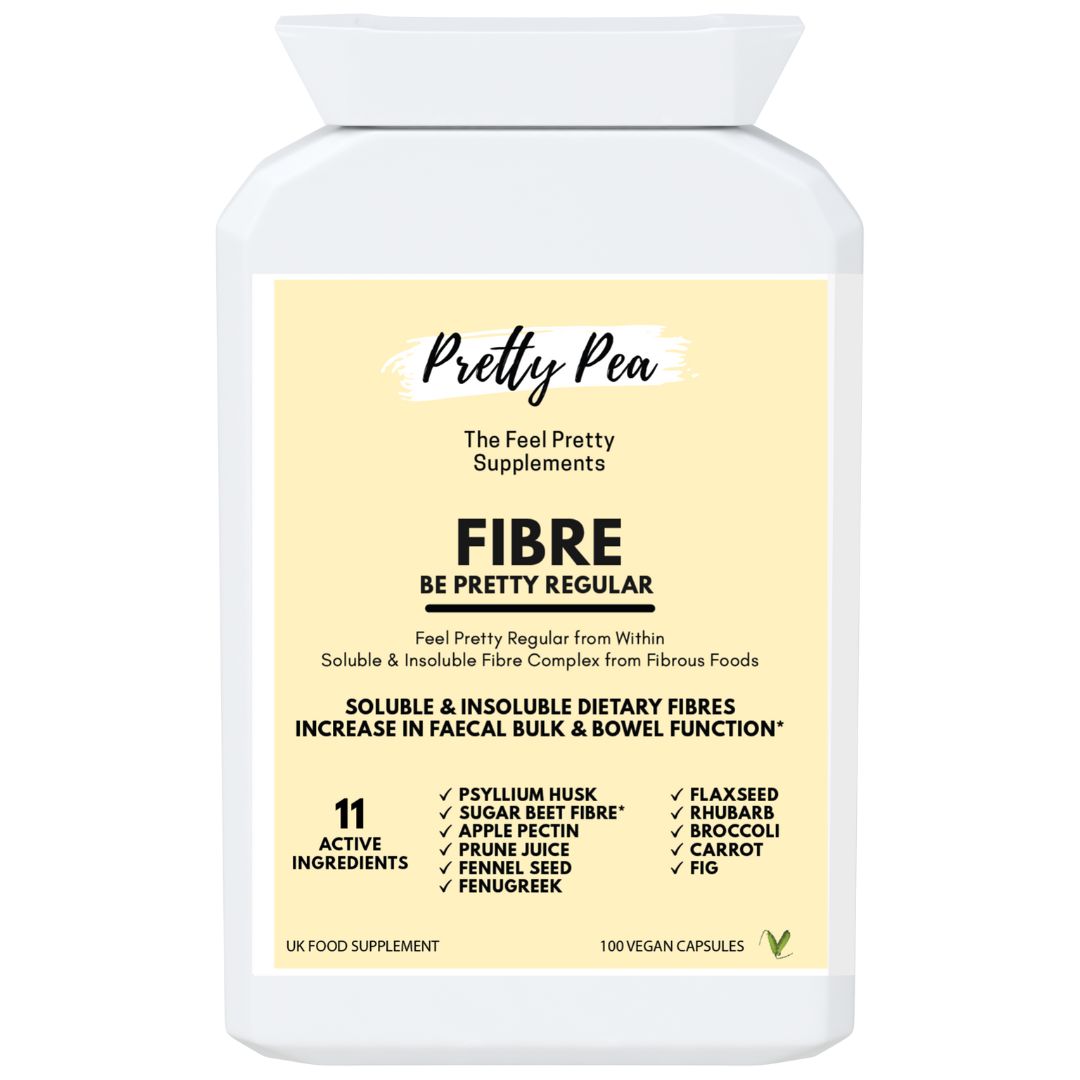
FIBRE CAPSULES
High fibre pills derived from psyllium husk, flaxseed, sugar beet, prune juice, fig fruit, rhubarb, pectin, fenugreek and other naturally high fibre botanicals and foods. More than just roughage, these fibre pills contains cellulose, pectin, hemicellulose, lignin and gums.
Fibre Pills Ingredients: Psyllium Husk, Flaxseed, Sugar Beet Fibre, Fenugreek, Apple pectin, Rhubarb, Prune Juice, Broccoli, Carrot, Fig Fruit, Fennel Seed. Vegan, Dairy Free, Gluten Free. 100 capsules
✅ Key Takeaways
- Fibre is essential for gut health, energy, hormones, and mood
- Most UK women don’t meet the daily fibre target
- A deficiency can trigger bloating, cravings, fatigue, and PMS
- Start increasing fibre with food and consider gentle supplementation
Frequently Asked Questions
How do I know if I’m not getting enough fibre?
Common signs include bloating, constipation, fatigue, and irregular appetite. Tracking your food for a few days can help reveal gaps.
Can fibre help with bloating?
Yes, when increased gradually. Sudden increases may temporarily worsen bloating.
Is fibre important during menopause?
Fibre supports digestion, blood sugar balance, and appetite regulation, all of which may change during menopause.
Should I use a fibre supplement?
Reaching recommended levels consistently can be challenging without conscious planning, especially during busy periods of life. Supplements can be helpful if diet alone doesn’t meet your needs. Choose gentle, plant-based options.
How long does it take to feel better?
Some people notice changes within days, while others need a few weeks of consistent intake.
A Note from the Founder
Pretty Pea was created from a simple belief: that women deserve honest, evidence-informed support through every stage of life. Through my own experience of changing digestion, energy, and wellbeing, I saw how easily uncomfortable symptoms can become “normalised.”
That experience shaped our approach — gentle formulations, transparent ingredients, and practical solutions that fit into real life. Our aim is to help women feel informed, confident, and supported, so that looking after their health feels achievable, not overwhelming.
You might also like..
The Ultimate Guide to Fibre Supplements for a Happier Gut: Unlocking Your Digestive Health
10 Green Tea Benefits: The Ultimate Science-Backed Guide – Pretty Pea
Understanding Visceral Fat: The Ultimate Belly Fat Guide – Pretty Pea
Simple Food Group Swaps – Make Life Easier for Yourself – Pretty Pea
Signs You Need More Fibre: References & Studies
- Public Health England (2020). NDNS: Results from years 9–11 (2016–2019).
- Slavin JL (2005). Dietary fibre and body weight. Nutrition.
- Goldin BR et al. (1982). Dietary fibre effects on estrogen metabolism. J Natl Cancer Inst.
- Cryan JF et al. (2019). The gut microbiota: a key regulator of brain and behaviour. Nat Rev Neurosci.
- Schmidt K et al. (2015). Prebiotic intake and emotional processing. Psychopharmacology.
- Weickert MO, Pfeiffer AF (2018). Impact of dietary fibre on glucose regulation. Curr Opin Clin Nutr.
- Brenner D et al. (2001). Fibre reduces estrogen reabsorption and breast cancer risk. Am J Clin Nutr.
- British Nutrition Foundation (2022). Fibre fact sheet.
- Holscher HD (2017). Dietary fibres and prebiotics and the gastrointestinal microbiota. Gut Microbes.