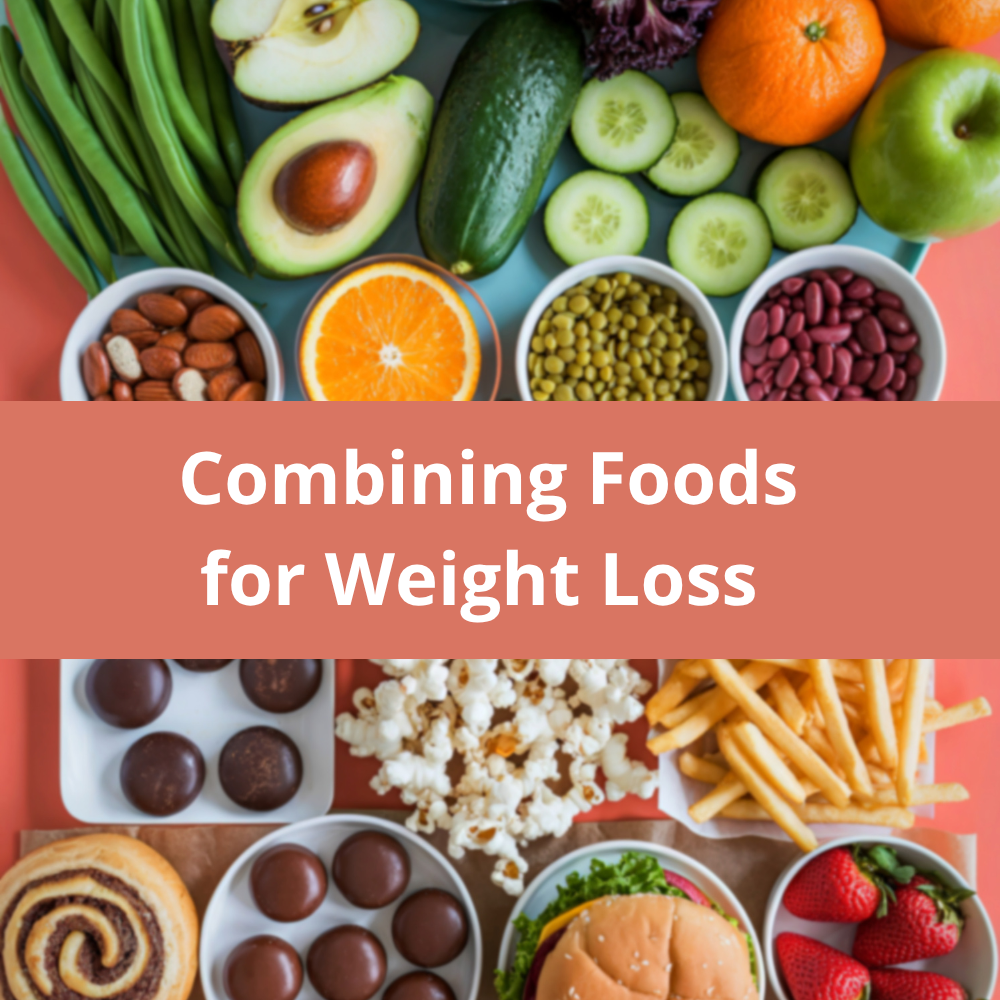
Trying to lose weight can feel overwhelming. Who really wants to start the day calculating macros or tracking every calorie? For most busy women, that approach simply isn’t realistic — or sustainable. One of the most overlooked factors is how to combine our foods.
Of course, calories and food choices matter. But so does how we eat. And often, there’s a much simpler way to support weight management without overcomplicating every meal.
Most of us choose meals based on habit, convenience or taste. But once we’ve eaten, that food remains in the body for hours — being digested, absorbed and influencing how our body responds behind the scenes.
Our food is in our body anywhere between 14 to 58 hours.
That bolus of food makes it’s way down the esophagus to your stomach for digestion and breakdown in your digestive tract and at the same time is dictating how your body responds, signalling our fat storage hormone on / off ‘switch’ and metabolic health.
If you think about it we keep our body pretty busy with just eating.
Every meal you eat is dictating how your body responds affecting things like blood sugar, energy levels and hunger signals. It can influence how full you feel, how quickly you get hungry again, and how your body manages fat storage and metabolism.
When you think about it, your body is constantly working to process what you eat — and the way foods are combined can either support that process, or make it harder.
So what actually drives your food choices?
Are your meals planned and structured, or more reactive to your day?
Do you rotate the same handful of meals each week?
Do you think about calories — or just assume you are?
And what about balance?
Are you including protein, healthy fats and fibre at most meals — or are some meals more carbohydrate-heavy and less filling?
Because what’s on your plate is about far more than just calories.
The combination of carbohydrates, fats and protein directly affects how quickly food is digested, how stable your blood sugar remains, and how satisfied you feel after eating.
Small changes in how you pair foods can make a significant difference — not just to weight management, but to energy, cravings and long-term metabolic health.
By focusing on simple food pairings, you can support your body more effectively — without strict dieting, complicated tracking, or feeling like every meal needs to be calculated. Here we explore:
- Simple Food Pairing Rules for Weight Loss
- Why Food Combining Matters to your Body
- The Impact of Carbs and Fat Storage Hormone Insulin
- How Combining High-Carb + High-Fat Meals Stall Weight Loss
- The Role of Carbohydrates in Food Combinations
- The Role of Proteins in Food Combinations
- The Role of Fats in Food Combinations
- What To Add To Sweet Treats
- Food Group Pairings
Simple Food Pairing Rules for Weight Loss
Understanding how to combine foods for weight loss can make a significant difference to how your body responds to meals. By pairing carbohydrates, protein and fats in the right way, you can help stabilise blood sugar levels, reduce hunger, support appetite control and more consistent energy throughout the day.
You don’t need to track every calorie or follow a strict plan to improve how your body responds to food. Instead, focusing on a few simple pairing principles can help you feel fuller, reduce cravings and support steady energy levels throughout the day.
1. Always pair carbohydrates with protein or fat
Eating carbohydrates on their own (like toast or fruit) can lead to a quicker rise and fall in blood sugar, which may leave you feeling hungry again soon after.
👉 Instead pair them with:
- protein (eggs, yogurt, chicken)
- healthy fats (nuts, seeds, avocado)
Example food combining for weight loss:
- Toast → Toast + eggs or nut butter
- Fruit → Fruit + yogurt or nuts
2. Add fibre to every meal
Fibre slows digestion, supports gut health and helps you feel fuller for longer.
Try to include:
- vegetables
- whole grains
- seeds (like chia or flax)
👉 This is especially important at breakfast and lunch, where fibre is often low.
Check out the top 20 Highest Fibre Food here.
Further reading: Appetite Regulation: How Fibre vs GLP-1 Compare
3. Build meals around protein
Protein is one of the most satisfying nutrients and plays a key role in appetite control.
👉 For balanced meals for weight loss aim to include a protein source in every meal:
- eggs
- chicken
- fish
- tofu
- Greek yogurt
Add a scoop of Pretty Pea protein to your fruit smoothies.
4. Avoid “naked carbs”
Carbohydrates eaten alone (like biscuits, cereal or white toast) are quickly digested and can lead to energy dips and increased hunger.
👉 Instead of cutting carbs out completely, just pair them better.
5. Balance your plate
A simple way to structure meals:
- ½ plate: vegetables (fibre)
- ¼ plate: protein
- ¼ plate: carbohydrates
- healthy fats
👉 This naturally supports better blood sugar balance and satiety.
6. Think about meals, not just calories
Two meals with the same calories can affect your body very differently depending on how they’re combined.
👉 It’s not just what you eat — it’s how you eat it.
Why Food Combining Matters to your Body
When we eat, our body breaks food down into glucose (from carbs), amino acids (from protein), and fatty acids (from fats). How quickly these nutrients enter the bloodstream depends on the combination of food group on your plate.
- Carbs alone tend to cause a sharp rise in blood sugar balance and insulin.
- Adding protein or fat slows digestion, blunts the glucose spike, and keeps you fuller for longer.
- Certain food combinations can even increase the absorption of key nutrients, like pairing healthy fats with fat-soluble vitamins (A, D, E, K).
Why it matters: The way food group are paired affects energy levels, appetite control, blood sugar balance, and long-term metabolic health.
How Carbs, Glucose, and Insulin Work
When you eat carbohydrates, they’re broken down into glucose (sugar), which enters the bloodstream.
- This rise in glucose signals the pancreas to release insulin, a hormone that helps shuttle glucose into cells for energy.
- If your cells don’t need the extra glucose right away, insulin directs the surplus to be stored as glycogen in muscles and the liver.
- Once glycogen stores are full, excess glucose is converted into fat for long-term storage.
- Insulin is a double edge sword – we need it to shuttle glucose and give us energy and nutrients from our food, but when it’s busy the body is NOT is fat burning mode.
Why it matters: Regularly eating more carbs than your body needs—especially refined carbs—leads to frequent insulin spikes and more fat storage over time .
The Impact of High-Carb + High-Fat Meals
Individually, carbs or fats are not inherently “bad.” But when they’re eaten together in large amounts, the body responds differently.
- High carb + high fat meals (e.g., pizza, fries, pastries, burgers) cause blood sugar spikes from carbs + fat storage signals from insulin.
- Because fat is more than double the calories of protein or carbs (9 calories per gram), excess energy from these meals is more easily stored as body fat. (protein and carbs are 4 calories per gram)
- Studies suggest this combination encourages overeating, as the mix of sugar and fat strongly activates the brain’s reward system .
Why it matters: Meals high in both refined carbs and fats may be the most fat-storing and hardest to resist—contributing to weight gain and metabolic problems over time.
The Role of Carbohydrates in Food Combinations
Carbohydrates are the body’s main energy source. They are all digested into glucose, which triggers insulin release.
- Refined carbs (white bread, pastries, sugary drinks) are absorbed quickly, leading to sharp blood sugar and insulin spikes.
- Whole carbs (brown rice, oats, beans) contain fibre, which slows absorption and reduces glucose peaks.
- When carbs are combined with protein or fat, digestion slows further, leading to steadier blood sugar balance
Why it matters: Combining carbs wisely can help stabilise blood sugar balance, prevent energy crashes, reduce cravings and support appetite control.
The Role of Proteins in Food Combinations
Proteins are broken down into amino acids, which are building blocks for muscles, enzymes, and hormones.
- Protein stimulates the release of glucagon, which balances insulin.
- When combined with carbs, protein slows gastric emptying and reduces the glycaemic response.
- Protein increases satiety hormones, helping reduce overeating.
Why it matters: Adding protein to meals helps control hunger, reduce blood sugar spikes, and support muscle health.
The Role of Fats in Food Combinations
Dietary fats are digested more slowly than carbs or protein, and they don’t directly raise blood sugar.
- Fats slow gastric emptying, which can flatten glucose and insulin curves.
- Healthy fats (olive oil, avocado, nuts) improve absorption of fat-soluble vitamins and antioxidants.
- Pairing fats with refined carbs, however, can amplify insulin-driven fat storage.
Why it matters: Combining fats with vegetables and protein enhances nutrition, while combining fats with refined carbs can be negative.
Food Group Swaps – Smarter Ways to Enjoy Treats
Completely cutting out treats isn’t realistic—or enjoyable. Instead, you can balance your indulgences by pairing them smartly.
Examples of Smarter Treat Pairings
- Berries + Ice Cream → Fibre from berries slows sugar absorption.
- Dark Chocolate + Almonds → Healthy fats and protein blunt the glucose spike.
- Cookie + Glass of Milk → Protein helps balance cookie carb absorption.
- Fruit + Greek Yogurt → Protein and probiotics for better satiety.
- Cake + Handful of Walnuts → Adds fibre, protein, and omega-3s.
Why it matters: You don’t have to give up desserts—pairing them with protein, fibre, or healthy fats helps reduce sugar spikes and keeps energy stable.
Food Group Pairings
✅ Good Food Group Pairings
- Oats + Nuts/Seeds → Slower glucose release, sustained energy.
- Rice + Chicken + Vegetables → Balanced blood sugar, more satiety.
- Salad + Olive Oil or Avocado → Better absorption of vitamins and antioxidants.
- Apple + Peanut Butter → Protein and fat help blunt sugar spike from fruit.
- Wholegrain Toast + Egg + Spinach → Balanced mix of carbs, protein, and fibre.
❌ Bad Food Group Pairings
- Sugary Drinks + Fast Food Burger/Fries → High fat + high refined carbs = insulin spike and fat storage.
- Pastry + Coffee with Sugar → Quick glucose surge followed by energy crash.
- White Bread + Jam → Rapid glucose release without protein or fat buffer.
- Doughnuts or Cake → Refined carbs with added fats = poor metabolic response.
Why it matters: Choosing the right food pairings helps you feel fuller, energised, and metabolically balanced, while poor pairings can trigger energy crashes, cravings, and fat storage.
Frequently Asked Questions (FAQs) About Food Group Pairings.
Why is food pairing important for blood sugar?
Food pairings affect how quickly glucose enters your bloodstream. Pairing carbs with protein or fat slows digestion and helps prevent blood sugar spikes.
What are the best foods to pair with carbs?
Protein-rich foods (chicken, eggs, fish, legumes) or healthy fats (avocado, nuts, olive oil) are excellent pairings to help balance blood sugar and insulin response.
Is it bad to eat carbs alone?
Eating carbs alone, especially refined ones, can cause quick spikes in blood sugar and insulin. While not always harmful, doing so regularly may contribute to cravings, fatigue, and weight gain.
Do food combinations affect weight loss?
Yes. Balanced pairings reduce hunger and prevent overeating, which supports weight management. Poor pairings (like refined carbs with fats) may promote fat storage.
Does combining fat with vegetables really help?
Yes. Healthy fats like olive oil or avocado increase absorption of fat-soluble vitamins (A, D, E, K) and antioxidants found in vegetables.
Nutrition Support for Women During Menopause 3 for 2 Offer
3 for 2 offer. Perimenopause supplements & menopause nutrition support.
Please note that other promotional offers do not apply to sale products.
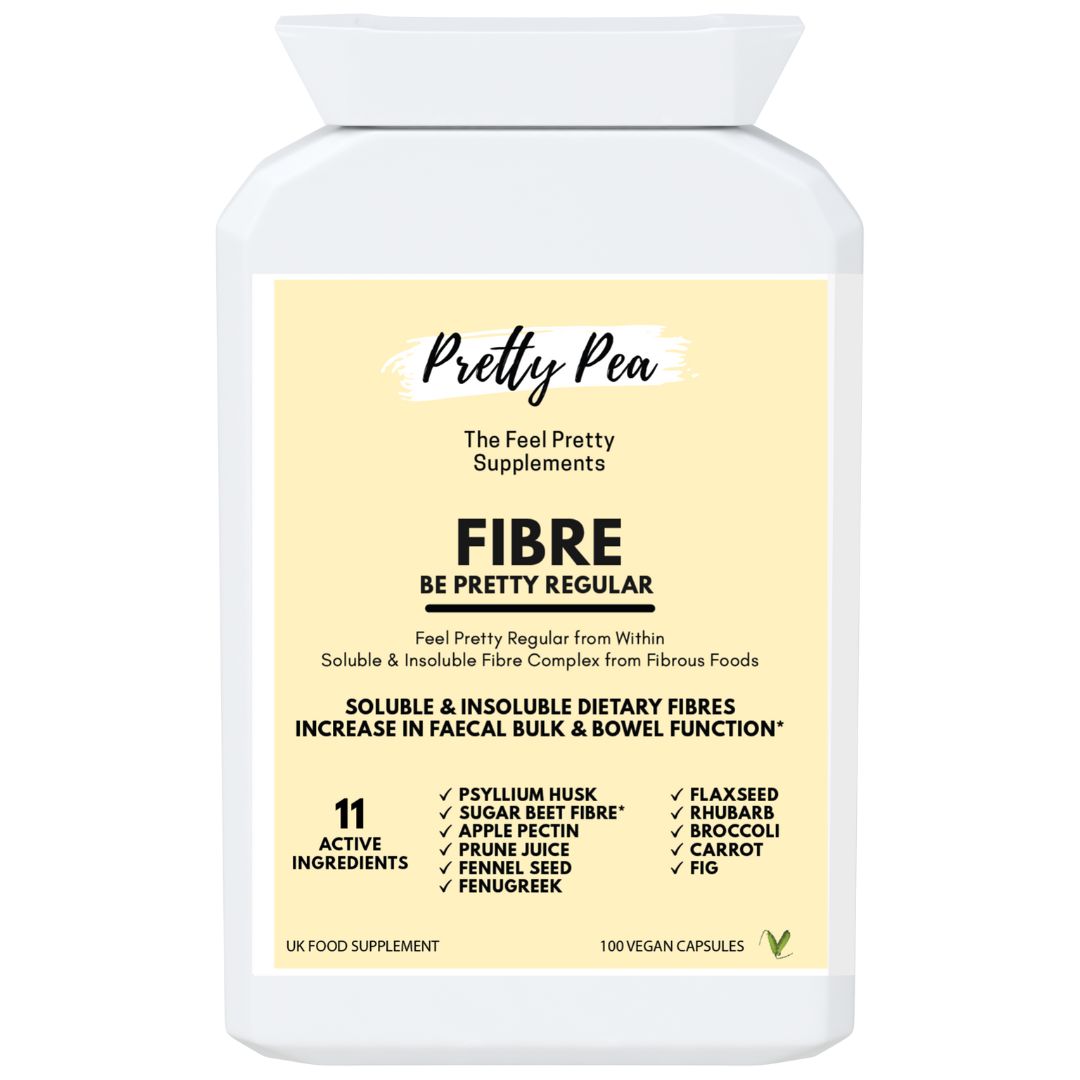
FIBRE CAPSULES
High fibre pills derived from psyllium husk, flaxseed, sugar beet, prune juice, fig fruit, rhubarb, pectin, fenugreek and other naturally high fibre botanicals and foods. More than just roughage, these fibre pills contains cellulose, pectin, hemicellulose, lignin and gums.
Fibre Pills Ingredients: Psyllium Husk, Flaxseed, Sugar Beet Fibre, Fenugreek, Apple pectin, Rhubarb, Prune Juice, Broccoli, Carrot, Fig Fruit, Fennel Seed. Vegan, Dairy Free, Gluten Free. 100 capsules

You may also be interested in:
Understanding Visceral Fat: The Ultimate Belly Fat Guide
Glucomannan for Weight Loss: Does It Work and How Does It Compare to Medications?
How to Combine Foods for Weight Loss: Sources
- Brown, M. J., et al. (2004). Carotenoid bioavailability is higher from salads ingested with full-fat dressing than with fat-reduced dressing or no fat. Am J Clin Nutr, 80(2), 396–403.
- Collier, G., & O’Dea, K. (1983). The effect of co-ingestion of fat on the glucose, insulin, and gastric inhibitory polypeptide responses. Am J Clin Nutr, 37(6), 941–944.
- Granfeldt, Y., et al. (1992). The glycaemic index of foods: A physiological basis for carbohydrate exchange. Diabetologia, 35(6), 526–528.
- Ludwig, D. S. (2002). The glycemic index: Physiological mechanisms relating to obesity, diabetes, and cardiovascular disease. JAMA, 287(18), 2414–2423.
- Lundsgaard, A. M., et al. (2020). The effect of a high-fat, high-carbohydrate meal on metabolism. J Physiol, 598(4), 755–768.
- Nuttall, F. Q., & Gannon, M. C. (1991). Plasma glucose and insulin response to macronutrients. Diabetes Care, 14(9), 824–838.
- Small, D. M. (2009). Individual differences in the neurophysiology of reward and the obesity epidemic. Int J Obes, 33(S2), S44–S48.
- Weigle, D. S., et al. (2005). A high-protein diet induces sustained reductions in appetite, caloric intake, and body weight. Am J Clin Nutr, 82(1), 41–48.