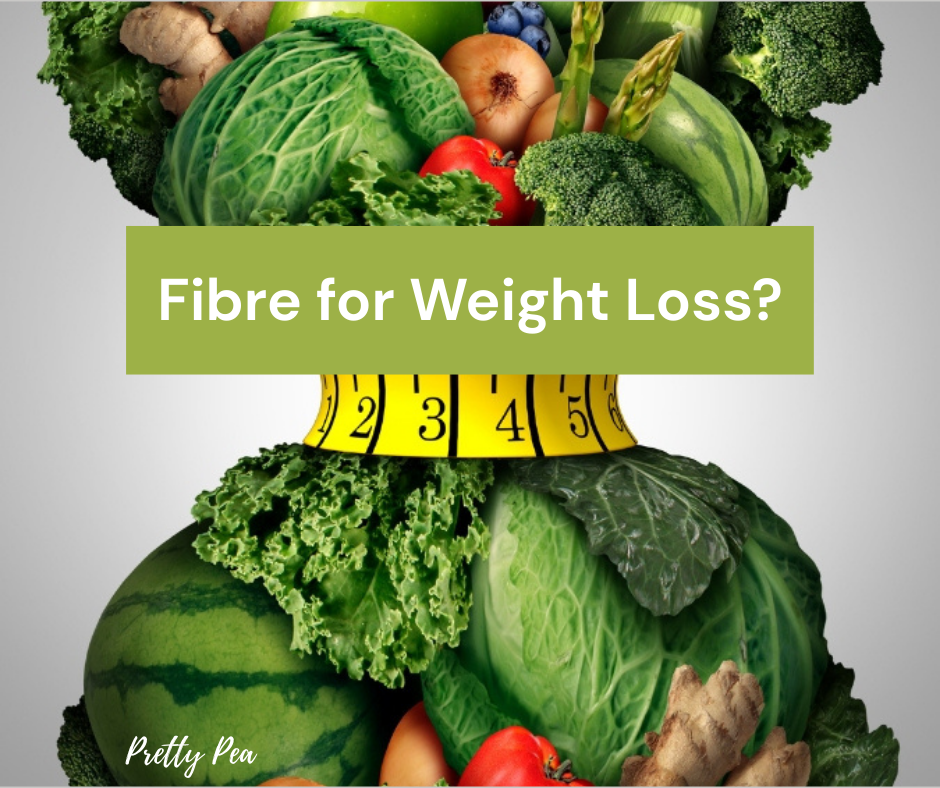
Fibre for weight loss? Weight loss advice can feel overwhelming. One week carbs are the enemy, the next it’s fats. But one nutrient consistently recommended by nutrition experts is fibre.
For many women, especially those over 30 experiencing hormonal changes, metabolism shifts and busy lifestyles, fibre may be one of the simplest nutritional tools to support weight management.
But can fibre really help you lose weight? And if so, what does the science actually say?
Here we explore the research and why fibre deserves more attention in your daily routine.
- Why Fibre Matters More Than Most People Think
- Fibre and Fullness: Why It May Reduce Hunger
- Fibre, Blood Sugar and Cravings
- The Role of Fibre in Gut Health
- Glucomannan: Science Backed Fibre for Weight Loss
- Why Fibre Can Be Especially Helpful for Women Over 30
- Easy Ways to Increase Fibre in Your Diet
- FAQ Fibre for Weight Loss
Why Fibre Matters More Than Most People Think
Dietary fibre is found in plant-based foods such as:
- vegetables
- fruit
- oats
- legumes
- whole grains
Unlike many nutrients, fibre isn’t fully digested by the body. Instead, it travels through the digestive system, helping regulate digestion, support gut bacteria and promote fullness.
Despite its importance, most people in the UK don’t get enough.
The NHS recommends 30g of fibre per day, yet surveys suggest the average UK adult consumes closer to 18g daily.
For women trying to manage weight, that gap could matter more than they realise.
Fibre and Fullness: Why It May Reduce Hunger
One of the main ways fibre may support weight management is through satiety, the feeling of fullness after eating.
Fibre slows the digestion process. This means food remains in the stomach longer, helping reduce hunger signals.
A well-known study published in the Annals of Internal Medicine looked at whether simply increasing fibre intake could improve weight loss outcomes. Participants who increased their fibre intake to 30 grams per day lost weight even without other strict dietary changes.
Researchers concluded:
“A simple dietary message to increase fibre intake may be easier to follow and may lead to meaningful weight loss.”
This finding is particularly relevant for women who find complicated diets difficult to maintain long term.
Fibre, Blood Sugar and Cravings
Another reason fibre may support weight management is its impact on blood sugar levels.
When we eat refined carbohydrates or sugary foods, blood glucose rises quickly. This can lead to a spike followed by a crash, often triggering cravings and hunger.
Fibre helps slow the absorption of carbohydrates, leading to a more gradual release of glucose into the bloodstream.
A review in the Journal of Nutrition found that higher fibre intake was linked to improved blood sugar control and reduced appetite levels.
For many women navigating hormone changes, this steadier energy balance can make a real difference to daily food choices.
The Role of Fibre in Gut Health
Your gut microbiome — the trillions of bacteria living in your digestive system — plays a growing role in weight regulation.
Fibre acts as a prebiotic, feeding beneficial gut bacteria.
When these bacteria break down fibre, they produce compounds called short-chain fatty acids, which may influence metabolism, inflammation and appetite regulation.
Research from King’s College London highlights how fibre-rich diets support a diverse gut microbiome, which is associated with better metabolic health.
While gut health research is still evolving, scientists increasingly recognise the link between fibre intake, gut bacteria and weight management.
Read: Your Gut Microbiome is talking to you – are you listening?
Glucomannan: Science Backed Fibre for Weight Loss
Some fibres have been studied more extensively for weight management, including glucomannan.
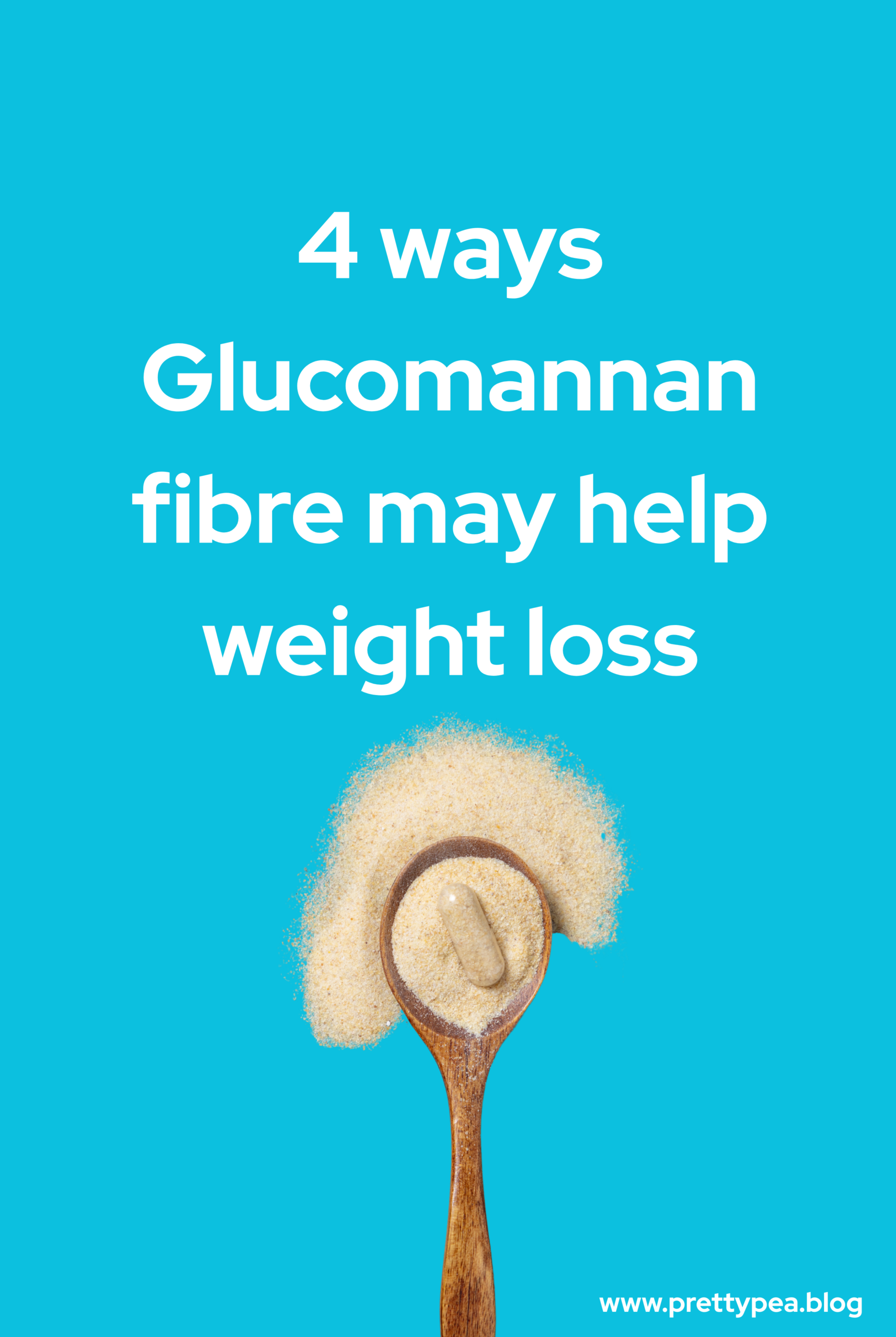
Glucomannan is a natural soluble fibre derived from the konjac root. It has a remarkable ability to absorb water and expand in the stomach, which may promote fullness.
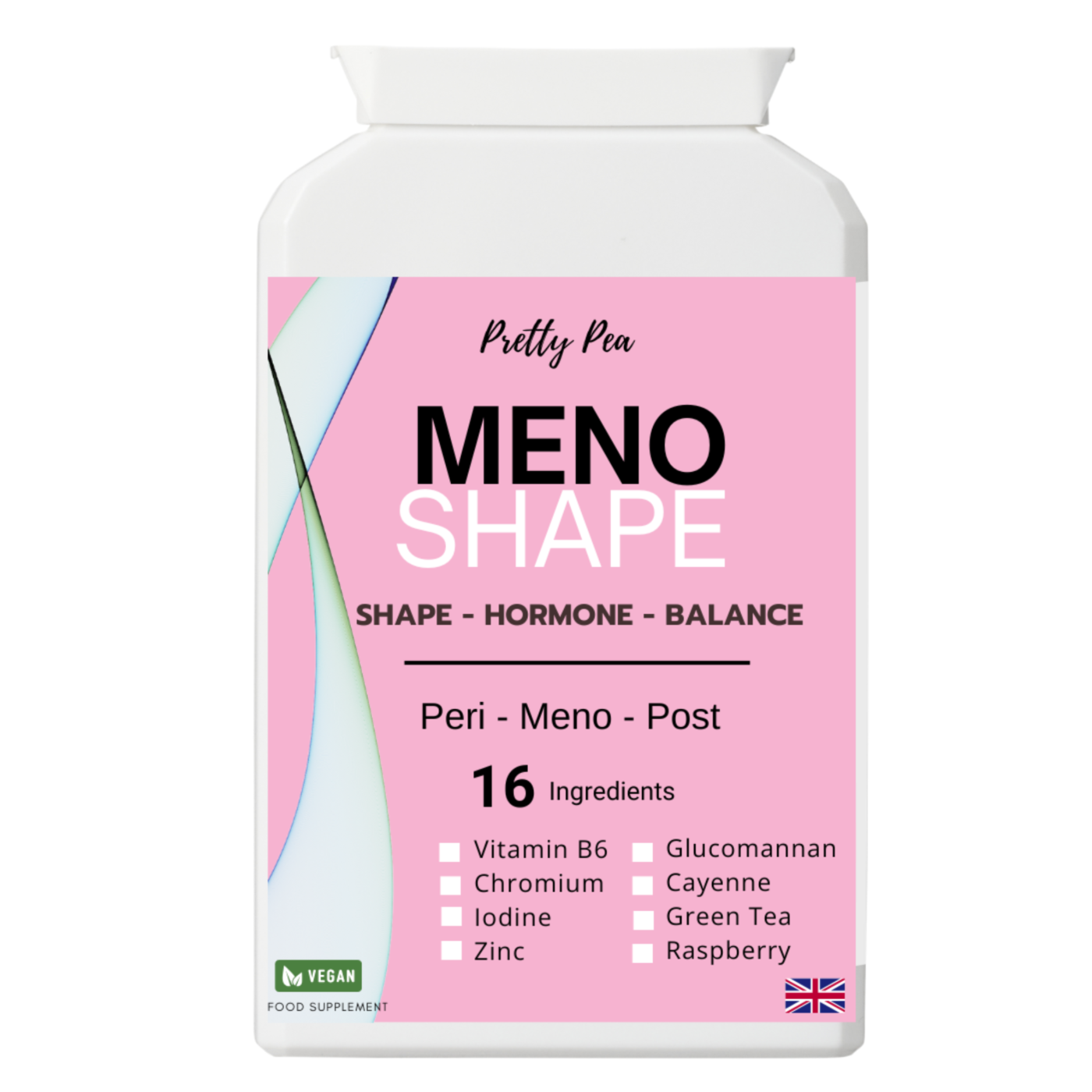
MENO SHAPE
MENO FORMULA For Every Woman’s Ever Evolving Body. Nutrition support during perimenopause, menopause & beyond
The European Food Safety Authority (EFSA) reviewed evidence on glucomannan and concluded that:
Glucomannan contributes to weight loss in the context of an energy-restricted diet.
This approved health claim is based on studies showing that 3 grams per day, taken with water before meals, may support weight loss when combined with a calorie-controlled diet.
Because glucomannan expands significantly in liquid, it is important that it is always taken with plenty of water.
You’ll find Glucomannan in Pretty Pea Meno Shape capsules.
Why Fibre Can Be Especially Helpful for Women Over 30
Many women notice weight changes in their 30s and 40s.
Hormonal shifts, increased stress, changes in muscle mass and busy schedules can all affect metabolism and appetite.
Higher fibre intake may help by:
- supporting digestive health
- helping control appetite
- stabilising blood sugar levels
- promoting healthy gut bacteria
While fibre for weight loss is not a magic solution (because there isn’t one), it can be an important foundation of a balanced diet.
Easy Ways to Increase Fibre in Your Diet
If you want to increase fibre intake, small changes can make a big difference.
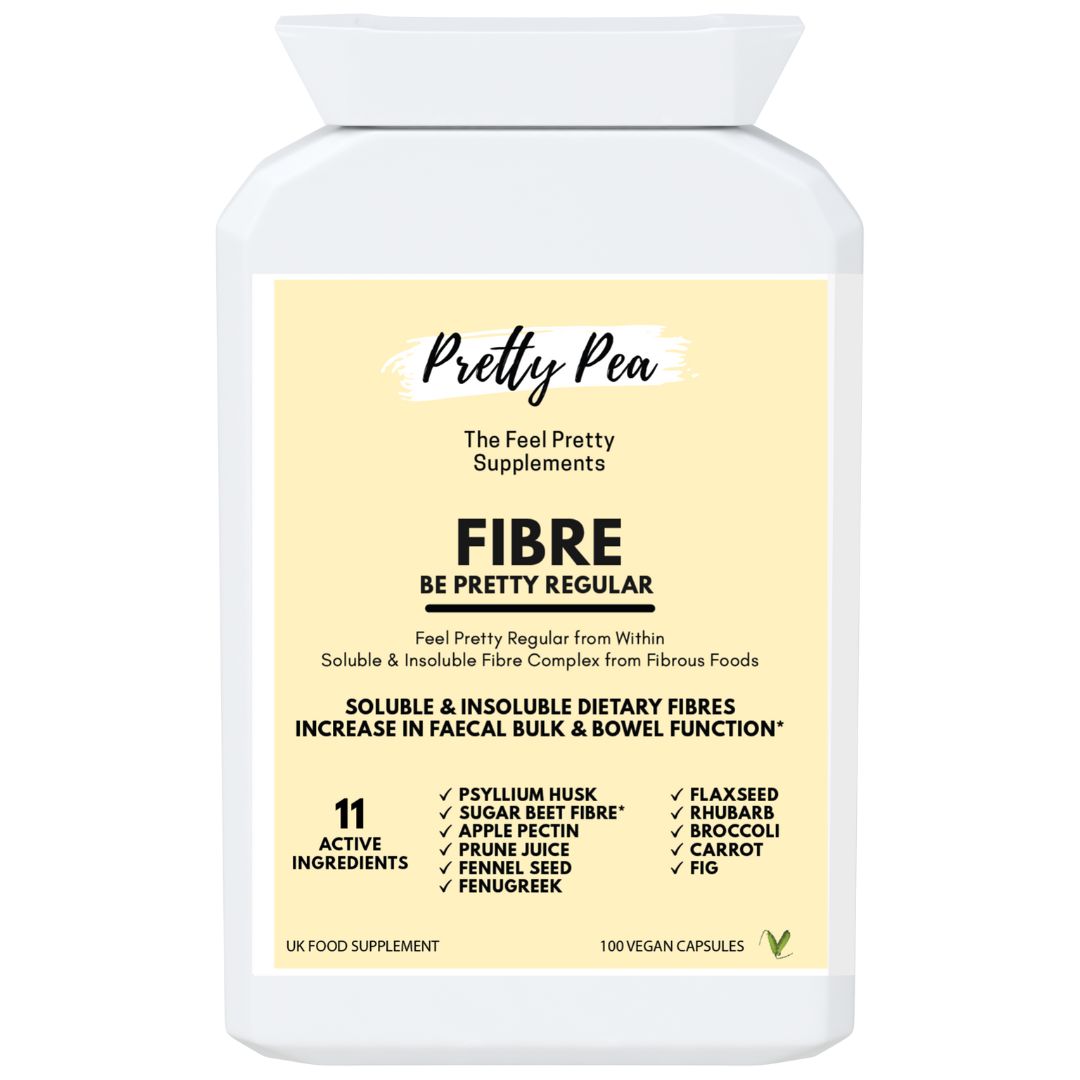
Some simple ideas include:
- starting the day with oats or wholegrain cereals
- adding beans or lentils to soups and salads
- choosing wholegrain bread instead of white
- including more vegetables at meals
- adding fibre-rich supplements when needed
If you are increasing fibre intake, remember to do so gradually and drink plenty of water to support digestion.
The Bottom Line
Fibre is not a quick fix for weight loss. But the science suggests it can play a meaningful role in supporting appetite control, gut health and blood sugar balance.
For women trying to manage weight in a sustainable way, increasing fibre intake may be one of the simplest steps toward better health.
Rather than focusing on restrictive diets, building meals around fibre-rich foods may help support long-term wellbeing.
Sometimes the most effective changes are also the most straightforward.
FAQ Fibre for Weight Loss
How much fibre should women eat per day in the UK?
The NHS recommends adults consume around 30 grams of fibre per day. However, most UK adults only consume about 18 grams daily, meaning many people fall short of recommended levels.
Increasing fibre gradually through whole foods or supplements can help support digestion, appetite control and overall health
Does fibre help reduce appetite?
Yes. Fibre slows digestion and increases feelings of fullness after meals. This may help reduce overall calorie intake and prevent frequent snacking.
Certain soluble fibres, such as glucomannan, expand in the stomach when taken with water, which may further support appetite control.
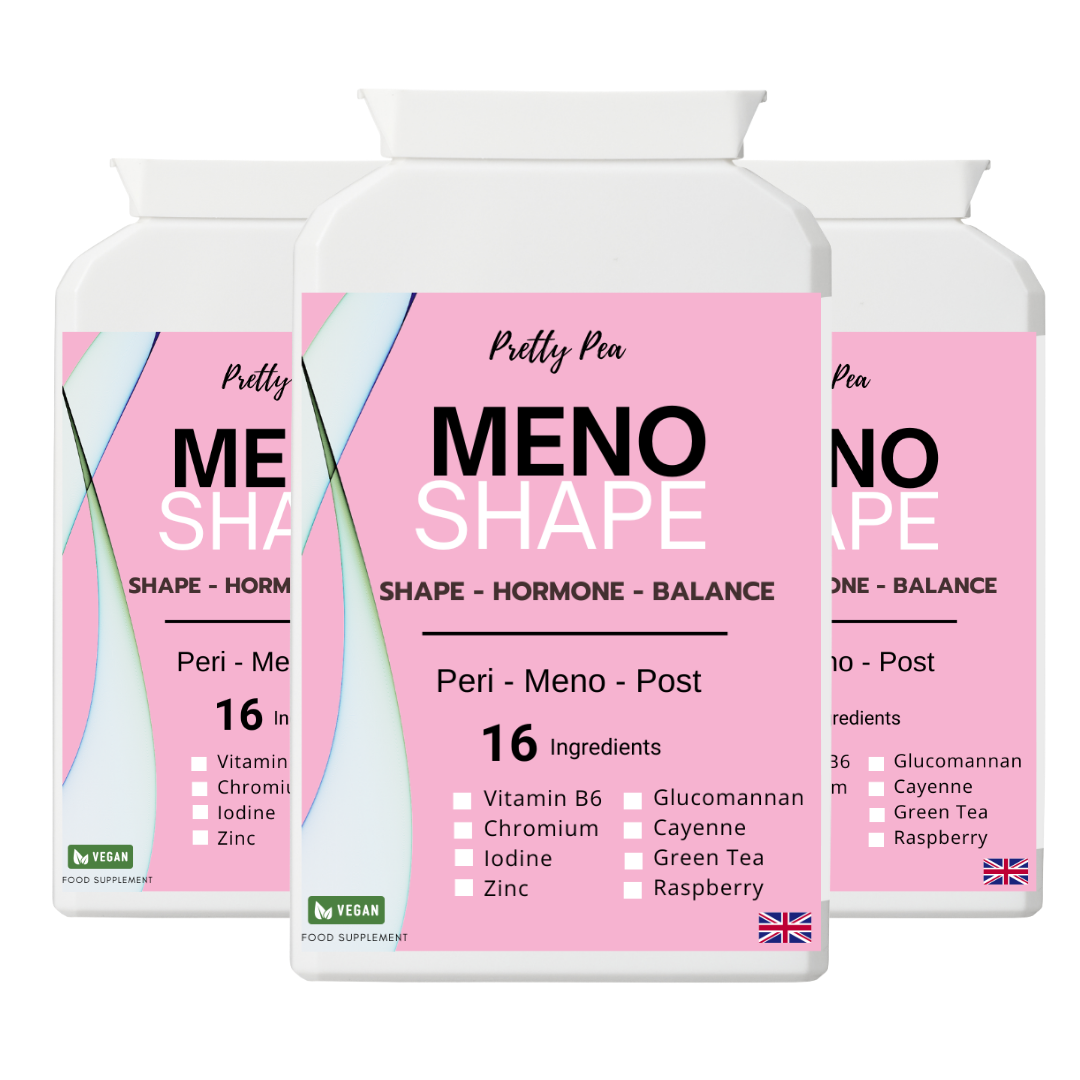
Nutrition Support for Women During Menopause 3 for 2 Offer
Can fibre help with menopause weight gain?
Weight gain during menopause is often linked to hormonal changes, metabolism shifts and lifestyle factors.
Higher fibre intake may help support weight management by promoting fullness, stabilising blood sugar levels and supporting gut health.
While fibre alone will not cause weight loss, it can be a helpful part of a balanced diet and healthy lifestyle.
What is glucomannan and how does it work?
Glucomannan is a natural soluble fibre derived from the konjac root. It absorbs water and expands in the stomach, which may help increase feelings of fullness.
The European Food Safety Authority (EFSA) has approved a health claim stating that glucomannan contributes to weight loss when consumed as part of an energy-restricted diet.
Is it safe to increase fibre intake quickly?
It is best to increase fibre gradually to allow the digestive system to adjust. Rapid increases may cause temporary bloating or discomfort.
Drinking plenty of water is also important, particularly when taking soluble fibre supplements such as glucomannan.
You might also like..
Appetite Regulation: How Fibre vs GLP-1 Compare
What is the Highest Fibre Food
The Ultimate Guide to Fibre Supplements for a Happier Gut: Unlocking Your Digestive Health
10 Green Tea Benefits: The Ultimate Science-Backed Guide
The Ultimate Superfood List: What are Superfoods, Benefits, Best Choices, and How to Use
The Rich List: Insoluble Fibre Rich Food List
Understanding Visceral Fat: The Ultimate Belly Fat Guide
Everything Psyllium How To Use: A Comprehensive Guide on How to Use It for Maximum Health Benefits
The 100 Symptoms of Perimenopause
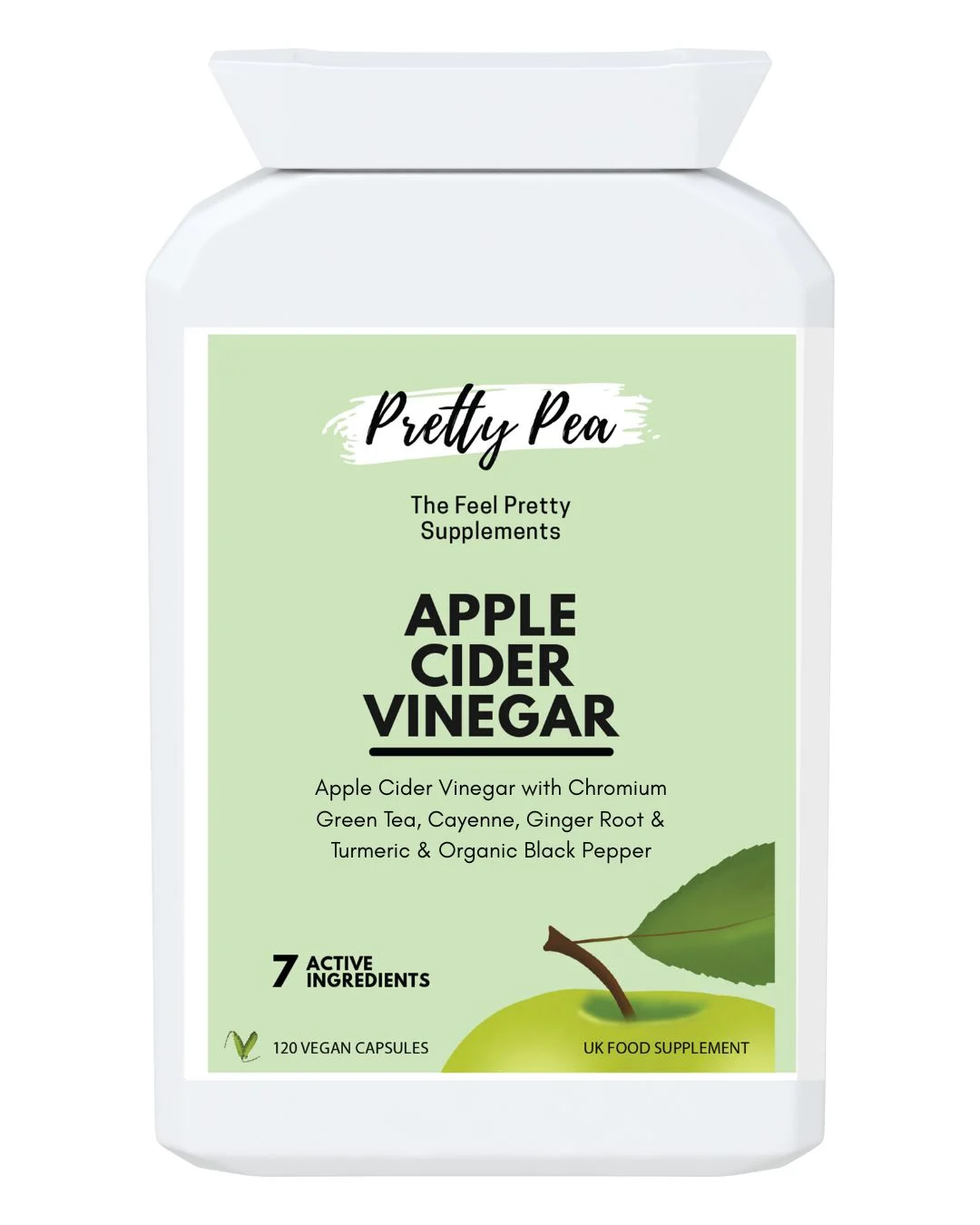
Apple Cider Vinegar Supplement
Pretty Pea brings you Apple Cider Vinegar supplement at its best. Combining Apple Cider Vinegar capsules into a complex formula that includes Chromium plus Green Tea Leaf, Cayenne, Ginger Root, Turmeric and Organic Black Pepper.
Fibre for Weight Loss – References
Anderson JW et al. Dietary fiber and weight management. Journal of the American College of Nutrition.
Ma Y et al. A high-fiber diet and weight loss. Annals of Internal Medicine.
Slavin JL. Dietary fiber and body weight. Nutrition Reviews.
European Food Safety Authority (EFSA). Scientific opinion on the substantiation of a health claim related to glucomannan and weight loss.
King’s College London. Gut microbiome research and dietary fibre studies.