The 9 benefits of fibre may surprise you. As we move into our 40s, many women notice subtle but frustrating changes — digestion may feel slower, weight becomes harder to manage, and energy levels can fluctuate more than before.
While hormones often take the spotlight, one overlooked factor is fibre intake.
In fact, many adults consume significantly less than the recommended daily intake, which can have a noticeable impact on digestion, appetite and overall wellbeing.
Fibre supplements can offer a convenient way to support intake — and their benefits go far beyond digestion.
- 1. Supports More Regular Digestion
- 2. Helps You Feel Fuller for Longer
- 3. May Help Reduce Cravings
- 4. Supports Gut Health
- 5. Can Support Weight Management
- 6. Helps Support Heart Health
- 7. May Help Balance Energy Levels
- 8. Supports Hormonal Health Indirectly
- 9. Encourages Long-Term Healthy Habits
- Convenient Way to Increase Fibre Intake
- Key Takeaway: 9 Benefits of Fibre
1. Supports More Regular Digestion
Digestive changes are common with age. Fibre helps add bulk to stool and supports regular bowel movements.
A review published in Alimentary Pharmacology & Therapeutics found that increased fibre intake is associated with improved bowel regularity.
Read more in our article: The Ultimate Guide to Fibre Supplements for a Happier Gut: Unlocking Your Digestive Health
2. Helps You Feel Fuller for Longer
Fibre slows digestion and can increase satiety.
A study in the Journal of Nutrition found that higher fibre intake is associated with reduced hunger and lower overall calorie intake.
Many women find this particularly helpful when managing weight after 40.
Read more in our article: Appetite Regulation: How Fibre vs GLP-1 Compare
3. May Help Reduce Cravings
Fluctuations in blood sugar can contribute to cravings.
Soluble fibre slows carbohydrate absorption, which may help stabilise blood sugar levels and reduce sudden hunger.
4. Supports Gut Health
Certain fibres can act as a prebiotic, feeding beneficial gut bacteria.
A diverse gut microbiome is linked with better digestion, immune function and even mood.
5. Can Support Weight Management
Weight changes during midlife are common.
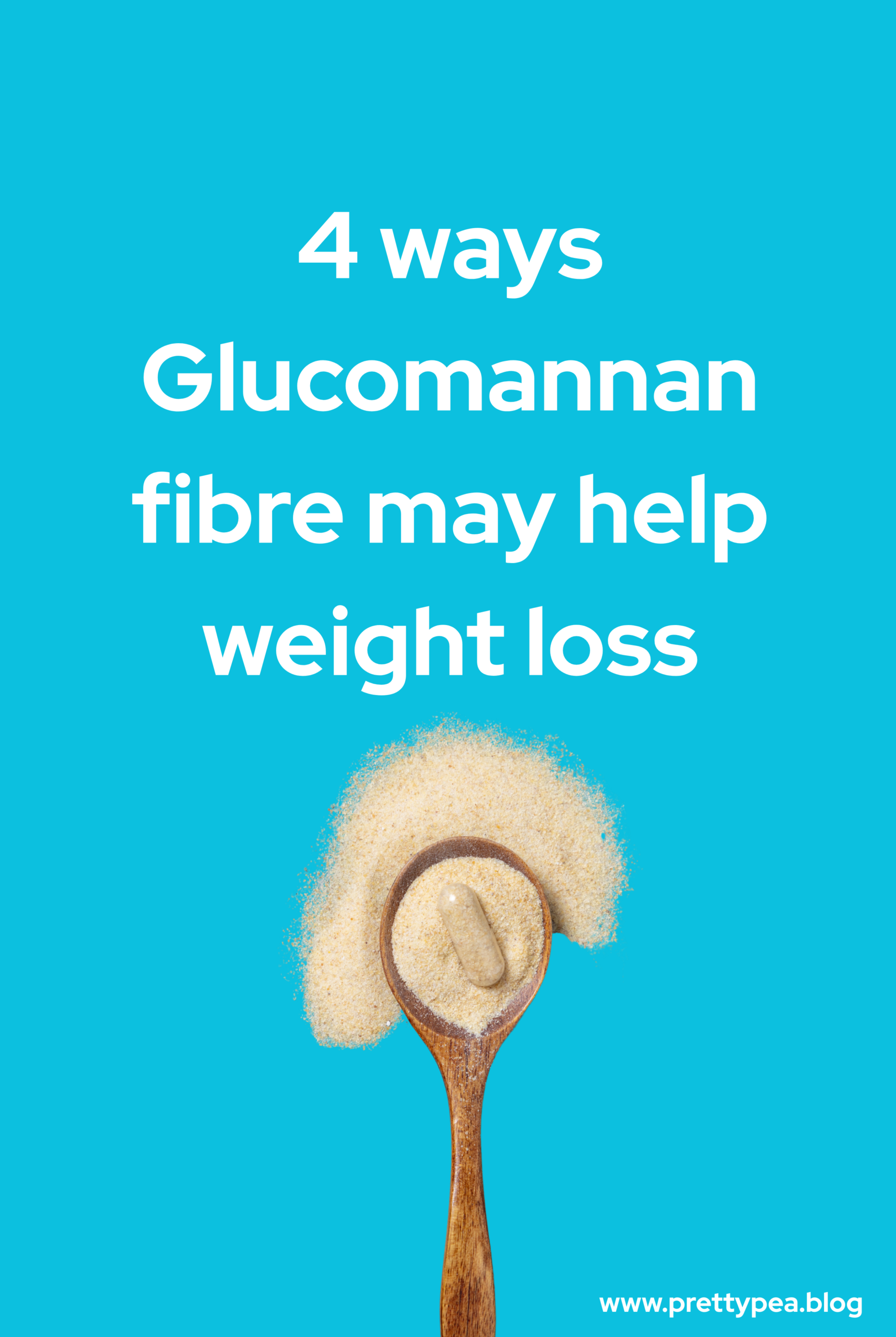
Research suggests that increasing fibre intake, such as Glucomannan, may support weight management by promoting fullness and reducing overall calorie intake.
This fibre’s exceptional ability to absorb water means it can expand up to 50 times its weight, forming a thick gel-like substance in the digestive tract.
This gel slows digestion, promotes satiety so you feel fuller for longer.
6. Helps Support Heart Health
Certain fibres can help maintain healthy cholesterol levels.
Studies have shown that soluble fibre may help reduce LDL cholesterol when consumed regularly.
7. May Help Balance Energy Levels
Low fibre meals can lead to rapid spikes and dips in blood sugar.
Including fibre — including via supplements — may help support more stable energy throughout the day.
8. Supports Hormonal Health Indirectly
Gut health plays a role in hormone regulation.
The gut microbiome is involved in the metabolism of estrogen, which may influence hormonal balance during midlife.
9. Encourages Long-Term Healthy Habits
Adding fibre often leads to broader dietary awareness — more whole foods, more hydration and improved nutrition overall.
Check out: What is the Highest Fibre Food
Convenient Way to Increase Fibre Intake
Many people struggle to reach recommended fibre levels through diet alone. Fibre supplements can be a practical addition to help bridge the gap.
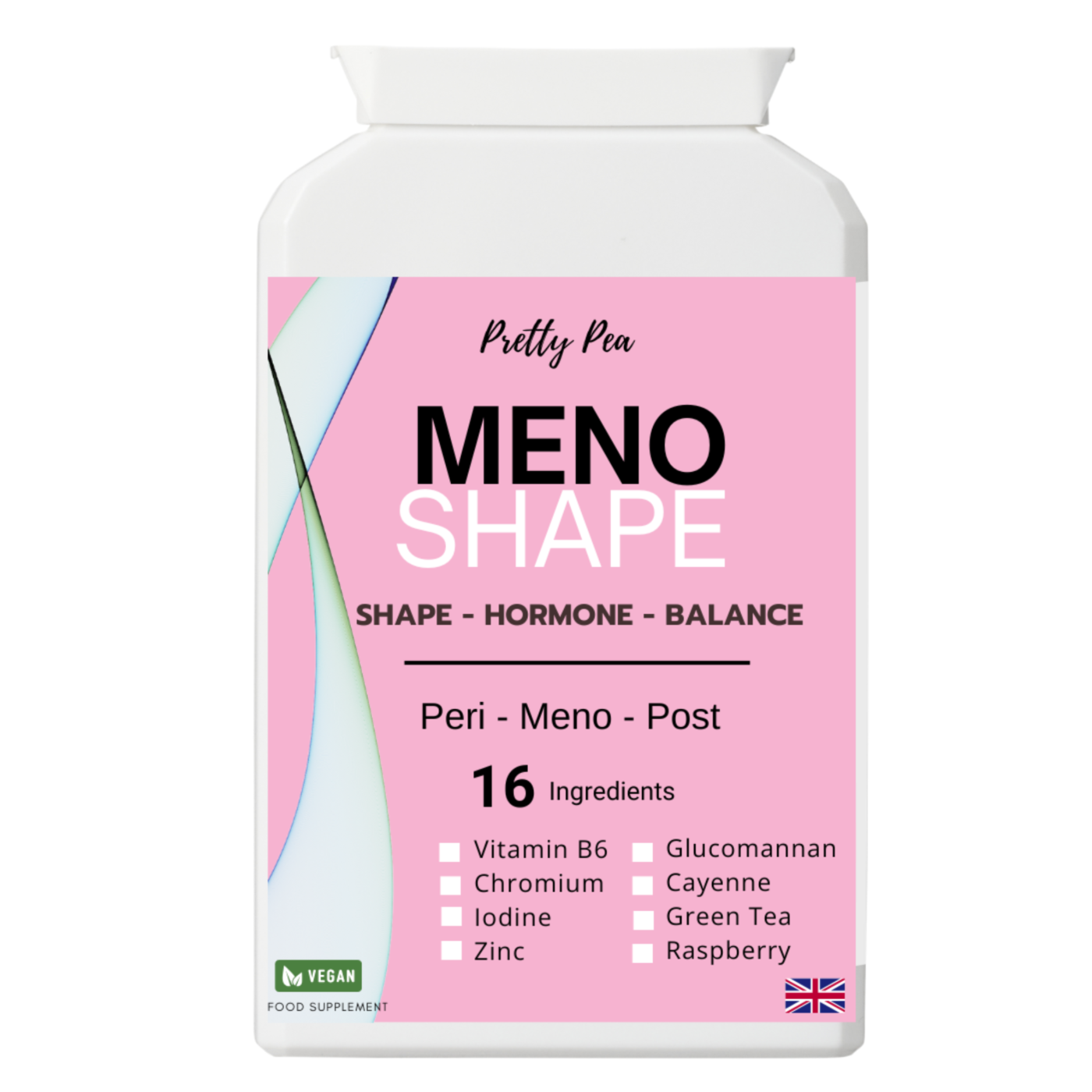
Glucomannan fibre is a key ingredient in Pretty Pea Meno Shape supplements.
9 Benefits of Fibre: Why It’s Essential for Gut Health, Weight and Wellbeing
MENO FORMULA For Every Woman’s Ever Evolving Body. Nutrition support during perimenopause, menopause & beyond
Key Takeaway: 9 Benefits of Fibre
Fibre supplements are often viewed as a simple digestive aid, but their benefits can extend much further — particularly for women over 40 navigating changes in metabolism, hormones and energy.
While they’re not a replacement for a balanced diet, they can be a valuable addition to a broader approach to health and wellbeing.
How much fibre should women over 40 aim for daily?
In the UK, adults are generally advised to consume around 30g of fibre per day. However, many people consume significantly less than this.
Gradually increasing fibre intake — through foods and, where appropriate, supplements — may help support digestion and overall health.
Can fibre supplements help with weight management?
Fibre supplements may support weight management by increasing feelings of fullness and helping to reduce overall calorie intake.
Some types of fibre, particularly soluble fibre, slow digestion and may help regulate appetite. However, they are most effective when combined with a balanced diet and healthy lifestyle.
What is the best time to take fibre supplements?
Fibre supplements are often taken before meals with water, which may help support fullness.
However, timing can vary depending on the type of fibre and individual preference. It’s important to follow product guidance and stay well hydrated.
Can fibre supplements help with menopause symptoms?
Fibre does not directly treat menopause symptoms, but it may support areas that are commonly affected, such as:
• digestion
• weight management
• blood sugar balance
Additionally, gut health plays a role in hormone metabolism, which may indirectly support overall wellbeing during menopause.
Are fibre supplements safe to take daily?
Fibre supplements are generally considered safe for most people when used as directed.
However, it’s important to:
• increase intake gradually
• drink plenty of water
• consult a healthcare professional if you have underlying conditions or take medication
Why can fibre sometimes cause bloating?
Increasing fibre intake too quickly can lead to bloating or discomfort, especially if the gut is not used to higher fibre levels.
This can usually be managed by:
• increasing fibre gradually
• drinking more water
• supporting gut health over time
What types of fibre are most beneficial?
There are two main types of fibre:
• Soluble fibre – helps slow digestion and support blood sugar balance
• Insoluble fibre – supports bowel regularity
Both types are important, and a mix of fibre sources is generally recommended.
Can I get enough fibre from food alone?
It is possible to meet fibre needs through a diet rich in:
• vegetables
• fruits
• whole grains
• legumes
However, many people find this challenging in practice, which is why fibre supplements can be a convenient addition.
How long does it take to notice benefits from fibre?
Some people notice improvements in digestion within a few days, while other benefits — such as appetite regulation or gut health — may take longer and depend on overall diet and consistency.
Do fibre supplements affect gut bacteria?
Yes, certain fibres act as prebiotics, meaning they help feed beneficial gut bacteria.
Supporting a healthy gut microbiome is linked with digestion, immunity and overall health.
9 Benefits of Fibre: Why It’s Essential for Gut Health, Weight and Wellbeing
MENO FORMULA For Every Woman’s Ever Evolving Body. Nutrition support during perimenopause, menopause & beyond
You might also like..
Your Gut Microbiome Is Talking to Your Brain — Are You Listening?
10 Green Tea Benefits: The Ultimate Science-Backed Guide
The Ultimate Superfood List: What are Superfoods, Benefits, Best Choices, and How to Use
The Rich List: Insoluble Fibre Rich Food List
Understanding Visceral Fat: The Ultimate Belly Fat Guide
Everything Psyllium How To Use: A Comprehensive Guide on How to Use It for Maximum Health Benefits
Simple Food Group Swaps – Make Life Easier for Yourself
The 100 Symptoms of Perimenopause
9 Benefits of Fibre: Sources
Slavin, J. (2013). Dietary fibre and body weight. Nutrition
Anderson, J.W. et al. (2009). Health benefits of dietary fibre. Nutrition Reviews
Reynolds, A. et al. (2019). Carbohydrate quality and health outcomes. The Lancet
Makki, K. et al. (2018). The impact of dietary fibre on gut microbiota. Cell Host & Microbe