Cayenne pepper has been used for centuries in traditional diets, yet in recent years it has gained renewed attention for its potential role in digestion, metabolism, and weight balance.
For many women, especially after 30, changes in appetite, energy, and digestion can feel confusing and frustrating. Slower metabolism, bloating, and irregular digestion often appear gradually — making it difficult to know where to start.
In this article, we explore the science-backed benefits of cayenne pepper, how its active compound capsaicin works in the body, and why it is increasingly used in modern nutritional formulations.
What Is Cayenne Pepper?
Cayenne pepper is made from dried and ground chilli peppers belonging to the Capsicum family. Its distinctive heat comes from capsaicin, a bioactive compound responsible for many of its health effects.
Capsaicin interacts with receptors in the nervous system and digestive tract, influencing:
- Heat production
- Appetite regulation
- Blood flow
- Digestive activity
These properties make cayenne particularly interesting in nutritional support for gut health and metabolic balance.
How Cayenne Supports Metabolism
One of the most researched benefits of cayenne pepper is its effect on metabolism.
What Studies Suggest
Research indicates that capsaicin may:
- Increase thermogenesis (heat production)
- Support calorie expenditure
- Enhance fat oxidation
- Reduce appetite temporarily
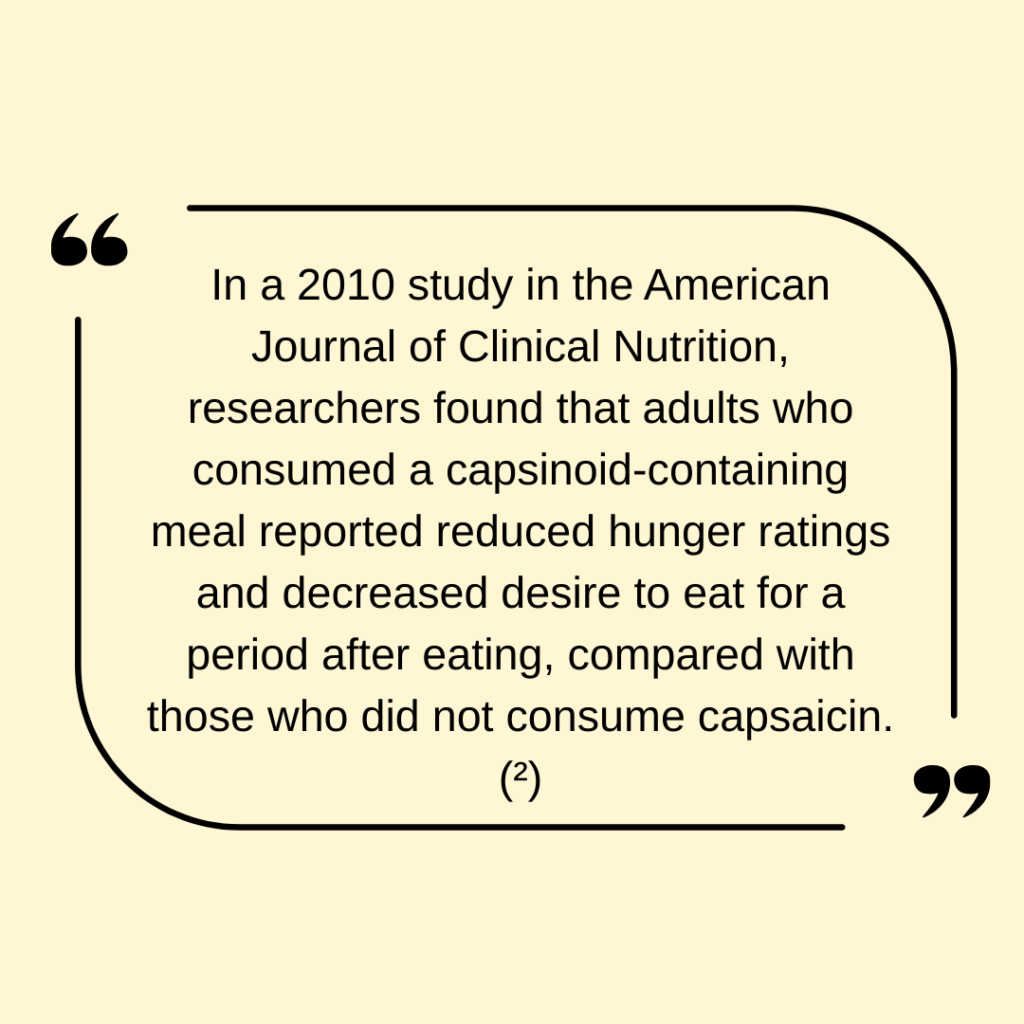
Several human studies have shown that capsaicin consumption can modestly increase energy expenditure and fat burning, particularly when combined with balanced nutrition.
For women experiencing metabolic slowing during midlife, this gentle support can be valuable as part of a wider lifestyle approach.
Importantly, cayenne is not a “quick fix” — its benefits are subtle and cumulative, working best alongside fibre-rich diets and regular movement.
Cayenne and Digestive Health
Cayenne pepper also plays a role in supporting digestion.
Potential Digestive Benefits
Capsaicin may:
- Stimulate digestive enzyme production
- Increase gastric blood flow
- Support gut motility
- Encourage regular bowel movement patterns
Contrary to common myths, moderate cayenne intake does not damage the stomach in healthy individuals. In fact, some studies suggest capsaicin may help protect the stomach lining by improving circulation.
When combined with fibre, cayenne may help support smoother digestion and reduce feelings of sluggishness after meals.
Cayenne Pepper Benefits: Research Findings
A 2001 paper in European Journal of Clinical Nutrition evaluated the impact of red pepper in meals and found that spicy components could enhance digestive enzyme secretion and gastric blood flow.
While the study focused on healthy volunteers without digestive disease, the authors noted that stimulating these physiological processes could support more efficient digestion and nutrient breakdown. (³)
Appetite Control and Cravings
Many women struggle with increased cravings and fluctuating appetite after 30.
Cayenne may help by influencing satiety signals.

Cayenne Pepper Benefits: Research Findings
Studies show that capsaicin consumption may:
- Reduce hunger
- Lower calorie intake at meals
- Decrease desire for high-fat foods
- Improve post-meal fullness
This effect is believed to involve hormonal pathways linked to appetite regulation and gut-brain communication.
Extract from study:
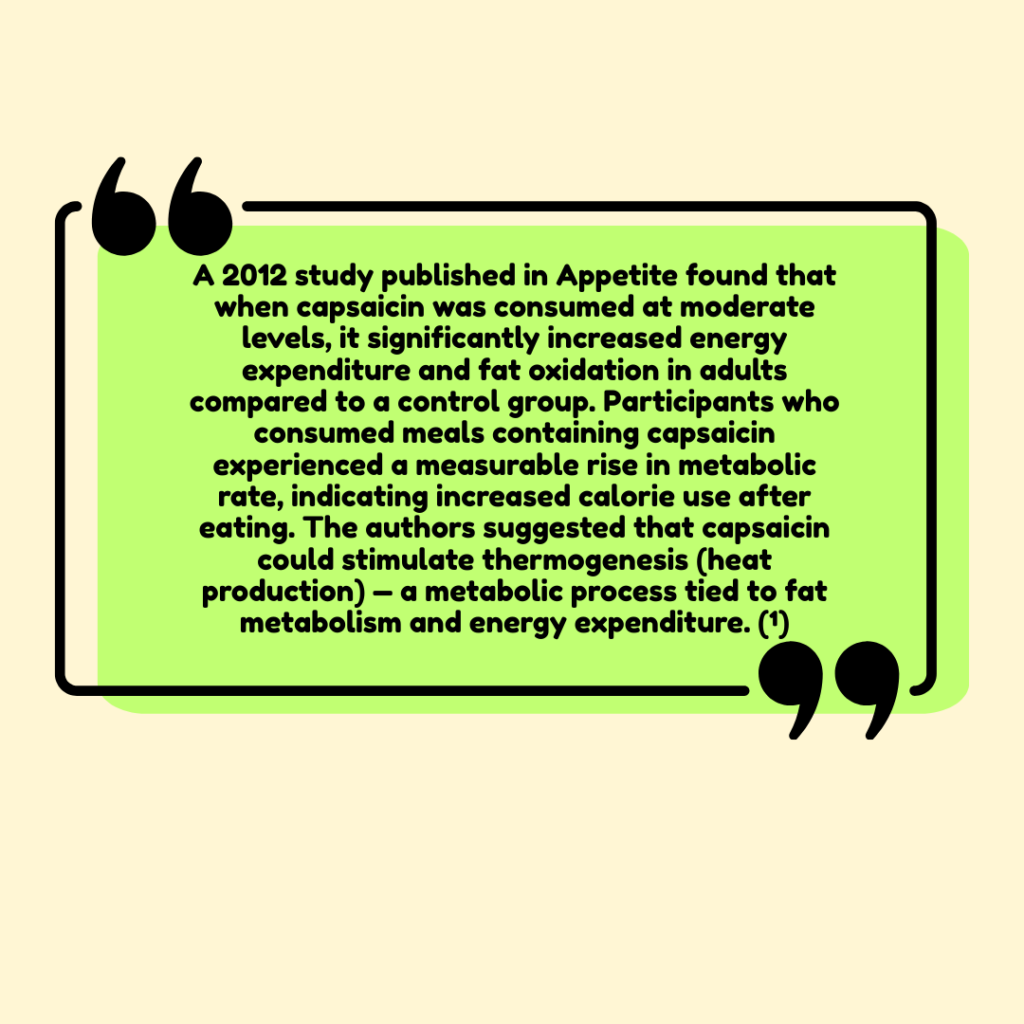
“Capsaicinoids reduce subjective appetite sensations and decrease subsequent energy intake in human subjects.” (²)
This suggests that including capsaicin (from cayenne) in meals may help support feelings of fullness and reduce cravings — useful for women balancing appetite and energy after 30 when metabolic signals can become less stable.
While results vary between individuals, cayenne can be a helpful addition for women seeking better appetite awareness.
When Low Energy and Bloating Become Normal
For many women, digestive discomfort and low energy slowly become part of everyday life.
A bit of bloating after meals. Afternoon fatigue.
Cravings in the evening.
Feeling “heavy” despite eating reasonably well.
At Pretty Pea, we often hear from women who assumed these symptoms were inevitable — caused by age, stress, or hormones.
Many are surprised when small changes, such as improving fibre intake and adding supportive ingredients like cayenne, lead to noticeable improvements.
Better digestion. More stable energy. Greater comfort.
These shifts remind us that wellbeing often begins with simple nutritional foundations.
Cayenne for Women Over 30 and During Menopause
Hormonal changes can influence:
- Fat distribution
- Blood sugar regulation
- Appetite
- Digestive function
During perimenopause and menopause, many women experience increased abdominal fat and reduced metabolic flexibility.
Cayenne may support this transition by:
- Encouraging thermogenesis
- Supporting blood flow
- Aiding digestion
- Enhancing satiety
Although cayenne isn’t a hormone regulator per se, capsaicin has been studied for its indirect effects on hormonal pathways involved in appetite and metabolic regulation.
Cayenne Pepper Benefits: Research Findings
A 2015 randomized controlled trial in Physiology & Behavior examined the metabolic effects of capsaicin ingestion and noted changes in ghrelin and peptide YY, both hormones linked to hunger and satiety.
Participants who consumed capsaicin showed trends toward higher satiety hormones and lower hunger hormones after meals. (⁴)
These hormonal shifts may partly explain why some people report feeling more satisfied after meals containing spicy components like cayenne.
When combined with fibre, protein, and plant-based nutrition, cayenne fits well into a holistic approach to midlife wellbeing.
Cayenne in Supplements vs Food
Cayenne can be consumed through food or supplements.
In Food
- Fresh chillies
- Hot sauces
- Spiced dishes
Benefits: Natural, enjoyable
Limitations: Inconsistent dosing
In Cayenne Pepper Supplements
- Standardised capsaicin content
- Gentle controlled dosage
- Combined with fibre or botanicals
Benefits: Convenience, consistency
Limitations: Quality varies
High-quality formulations focus on moderate, safe amounts designed for daily support rather than extreme stimulation.
Nutrition and Plant Compounds: What’s Really in Cayenne
Cayenne pepper isn’t just “spicy” — it’s rich in plant bioactives, micronutrients, and antioxidants that contribute to its health-related effects.
Key Plant Compounds in Cayenne
- Capsaicin — the compound that gives cayenne its heat; linked with metabolic and appetite effects in research on capsaicin and metabolism.
- Phenolic compounds and flavonoids — secondary plant metabolites with antioxidant activity found widely across Capsicum species.
- Vitamins A and C — potent antioxidants that support immune and skin health.
These compounds work together to provide not only flavour but also nutritional value that can support overall wellbeing when included as part of a balanced diet.
Is Cayenne Safe?
For most healthy adults, cayenne is safe when consumed in moderate amounts.
Use with Caution If You:
- Have severe acid reflux
- Have stomach ulcers
- Are sensitive to spicy foods
- Are pregnant
- Take certain medications
Start low and monitor your response.
Quality supplements use carefully balanced doses to minimise irritation.
How to Use Cayenne for Best Results
For sustainable benefits:
✔ Combine with fibre-rich foods
✔ Stay well hydrated
✔ Use consistently
✔ Avoid excessive doses
✔ Focus on lifestyle first
Cayenne works best as part of a wider gut-health and metabolism strategy.
Does cayenne really help with weight loss?
Cayenne may modestly support metabolism and appetite control, but it works best alongside balanced nutrition and exercise.
Can cayenne reduce bloating?
It may help by supporting gut motility and digestion, especially when paired with fibre.
Is cayenne good during menopause?
It can support metabolic and digestive changes associated with hormonal transition.
Should I take cayenne daily?
Moderate daily intake is generally safe for most people.
Is cayenne better than other fat burners?
Cayenne offers gentle, natural support without stimulants.
A Note from the Founder
Pretty Pea was created from personal experience of how digestion, energy, and confidence can shift over time — often without clear guidance.
I learned first-hand that small nutritional foundations, like fibre and plant-based support, make a meaningful difference. Ingredients such as cayenne are chosen not for hype, but for their evidence-backed ability to work gently with the body.
Our aim is to help women feel supported, informed, and empowered in everyday wellbeing — without extremes.
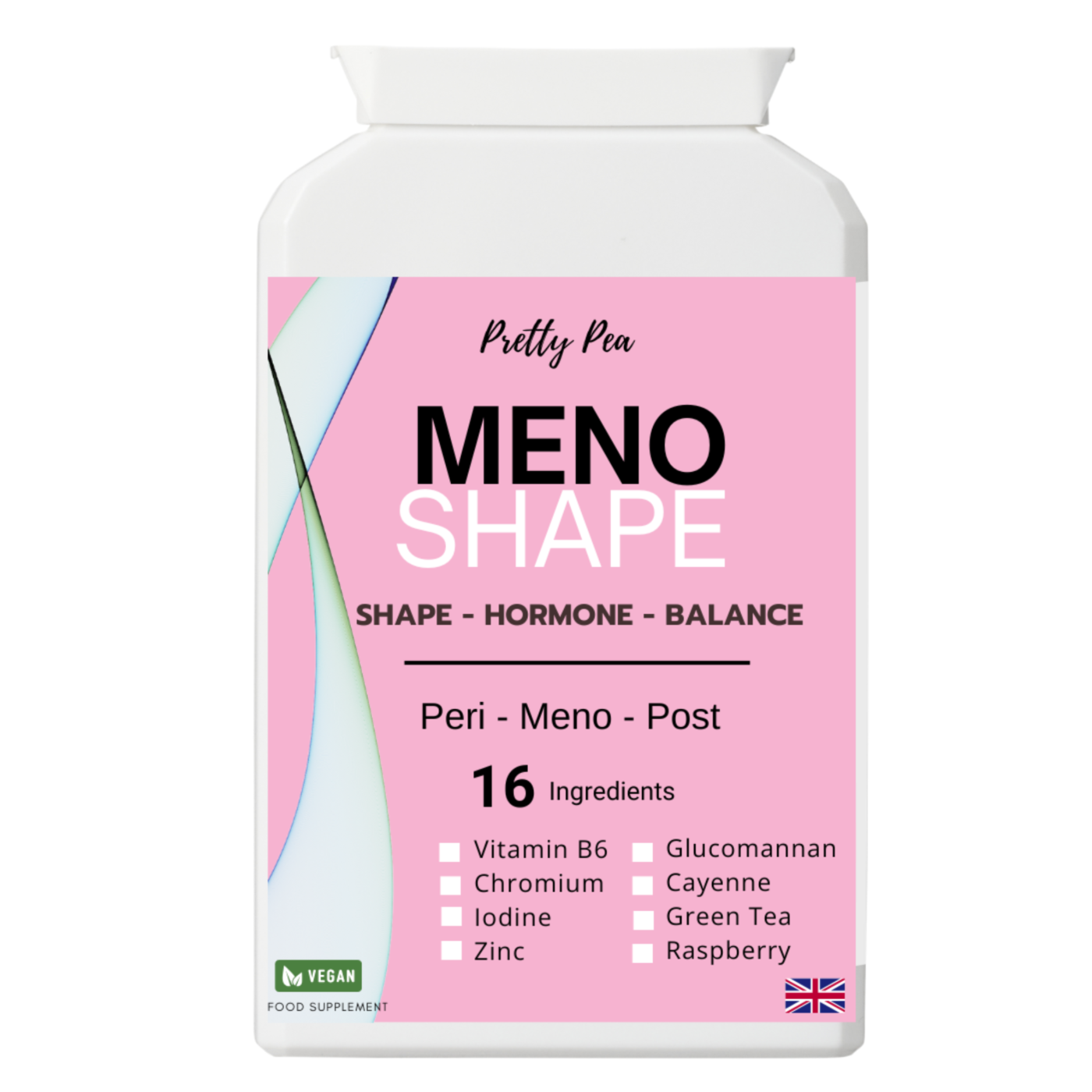
MENO SHAPE
MENO FORMULA For Every Woman’s Ever Evolving Body. Nutrition support during perimenopause, menopause & beyond
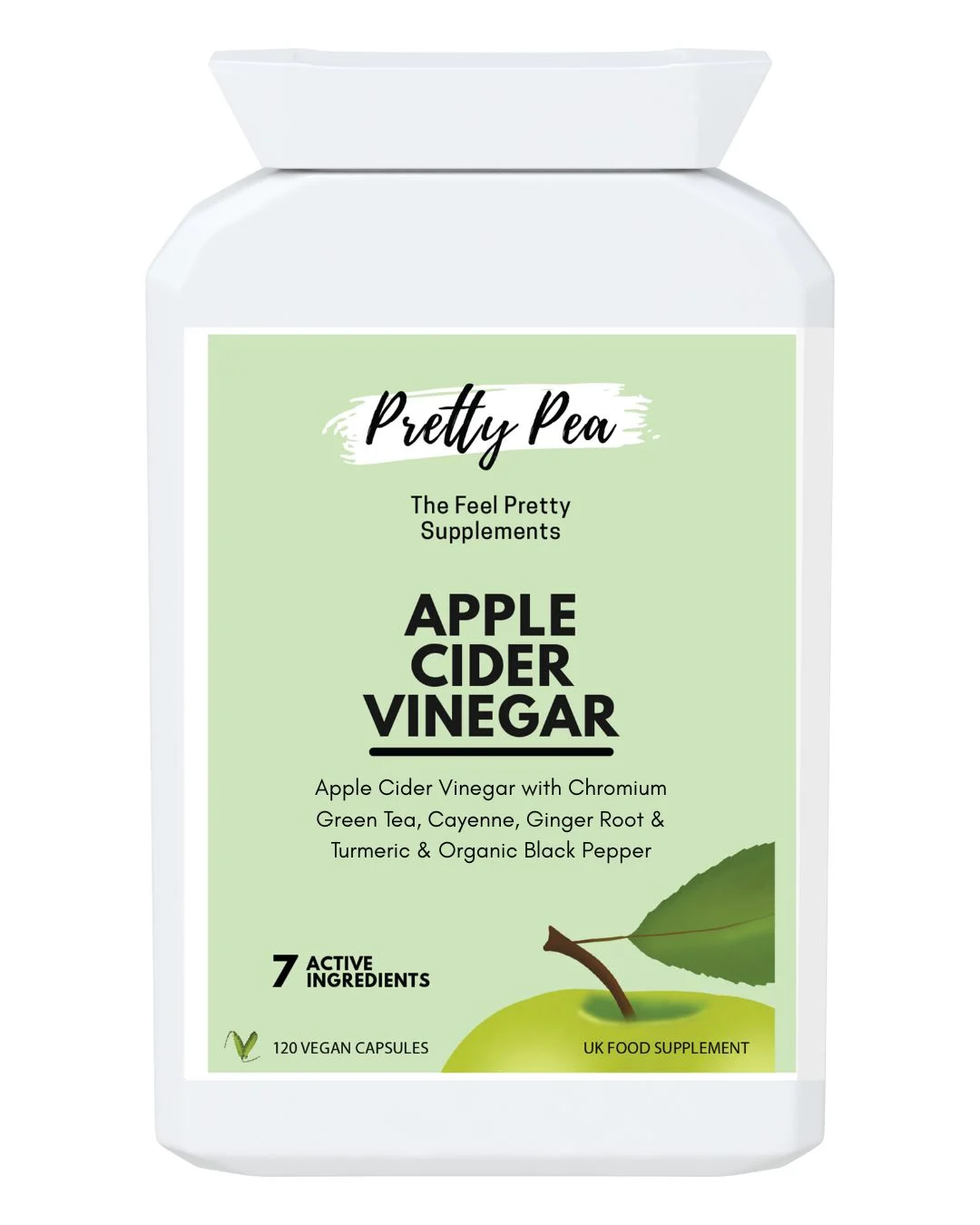
Apple Cider Vinegar Supplement
Pretty Pea brings you Apple Cider Vinegar supplement at its best. Combining Apple Cider Vinegar capsules into a complex formula that includes Chromium plus Green Tea Leaf, Cayenne, Ginger Root, Turmeric and Organic Black Pepper.
You might also like..
Your Gut Microbiome Is Talking to Your Brain — Are You Listening?
What is the Highest Fibre Food
The Ultimate Guide to Fibre Supplements for a Happier Gut: Unlocking Your Digestive Health
10 Green Tea Benefits: The Ultimate Science-Backed Guide
The Ultimate Superfood List: What are Superfoods, Benefits, Best Choices, and How to Use
The Rich List: Insoluble Fibre Rich Food List – Pretty Pea
Understanding Visceral Fat: The Ultimate Belly Fat Guide – Pretty Pea
Simple Food Group Swaps – Make Life Easier for Yourself – Pretty Pea
The 100 Symptoms of Perimenopause – Pretty Pea


References – Cayenne Pepper Benefits
- Appetite (2012) — capsaicin and metabolic rate increase
https://pubmed.ncbi.nlm.nih.gov/22830540/ - American Journal of Clinical Nutrition (2010) — capsaicin and appetite regulation
https://pubmed.ncbi.nlm.nih.gov/20053876/ - European Journal of Clinical Nutrition (2001) — red pepper and digestion
https://pubmed.ncbi.nlm.nih.gov/11673708/ - Physiology & Behavior (2015) — capsaicin and appetite hormones
https://pubmed.ncbi.nlm.nih.gov/25455380/