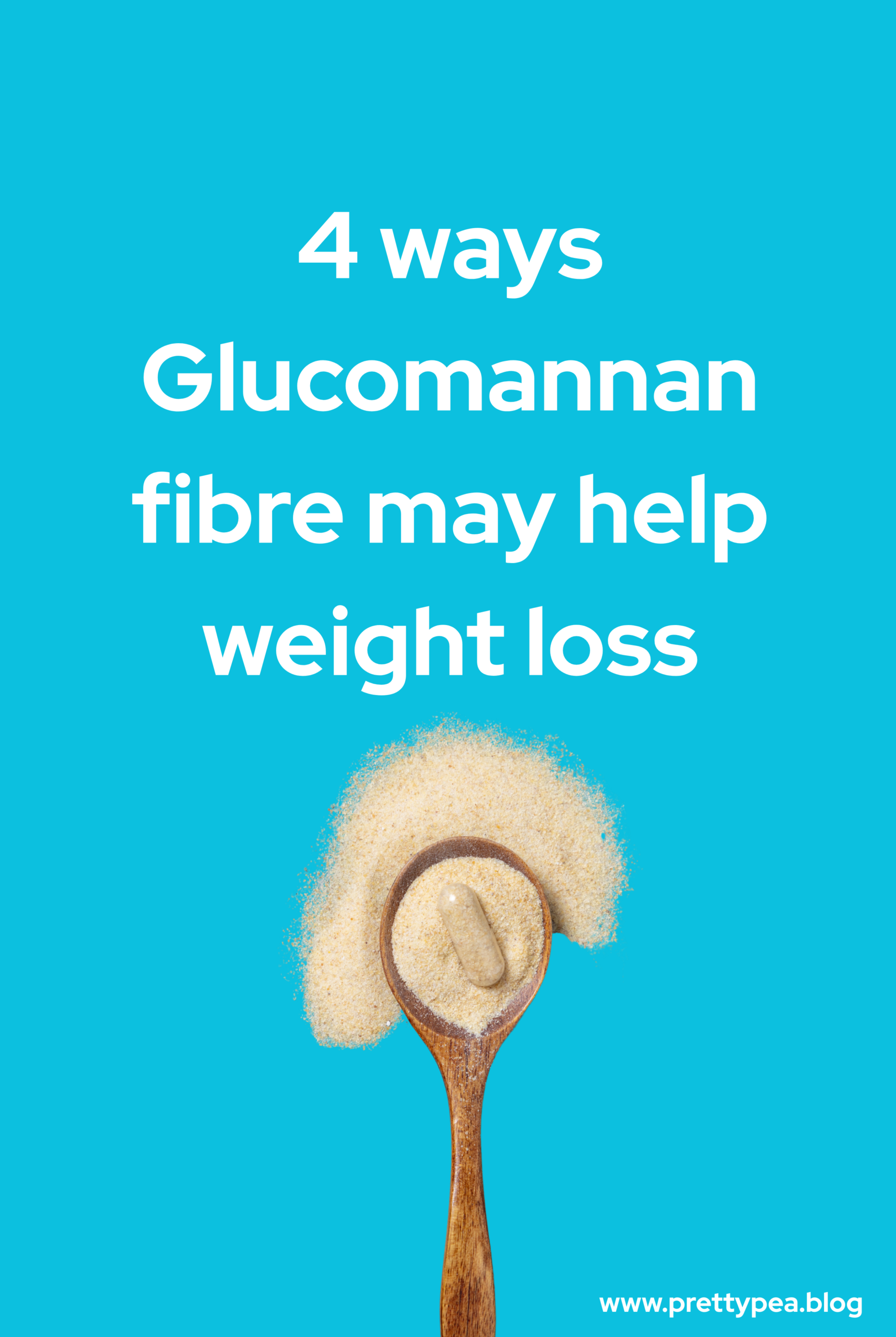
Weight loss can feel challenging, particularly when appetite and cravings make it difficult to maintain balanced eating habits. Increasing dietary fibre intake has become a popular strategy that may help support satiety, and one fibre in particular that has received attention around weight loss is glucomannan.
Let’s break down the science of this unique fibre and the ways glucomannan may help women lose weight, naturally and sustainably.
What Is Glucomannan?
Glucomannan is a natural, water-soluble dietary fibre extracted from the root of the konjac plant (also called elephant yam).
With roots in Chinese medicine for its yin-nourishing properties, Glucomannan has been used for centuries in Japanese cuisine, virtually calorie free, can be found in tofu, noodles and vegetarian meat.
It has a remarkable ability to absorb water — up to 50 times its weight — forming a viscous gel in the stomach.
Because of this property, it is often used in foods and supplements designed to support:
- appetite control
- digestive health
- healthy cholesterol levels
How Does Glucomannan Work?
Konjac Glucomannan is most well-known for its considerable soluble fibre content, exceptional viscosity, and gel-forming capacity owing to its unique water-absorbing properties.
This fibre’s exceptional ability to absorb water means it can expand up to 50 times its weight, forming a thick gel-like substance in the digestive tract.
When mixed with water, glucomannan expands in your stomach, forming a gel-like substance that promotes fullness, slows digestion, and reduces appetite.
This gel slows digestion, promotes satiety so you feel fuller for longer. Filling up on this fibre has become a popular natural alternative to weight loss jabs.
How Glucomannan May Support Weight Management
Several mechanisms may explain how glucomannan supports weight management.
1. Promotes Fullness
When glucomannan absorbs water, it expands in the stomach. This can increase feelings of fullness, which may help reduce the desire to snack between meals and reduce overall calorie intake.
Several studies have shown that glucomannan supplementation can help lower total calorie intake without drastically changing your diet.
2. Slows Digestion
Soluble fibres like glucomannan form a gel that slows gastric emptying. This may help maintain satiety for longer after meals.
3. Supports Blood Sugar Balance
Fibre can slow carbohydrate absorption, helping to prevent insulin spikes and moderate blood sugar fluctuations helping reduce energy crashes and sugar cravings — common struggles during perimenopause.
4. Improves Gut Health
It also acts as a prebiotic, feeding good gut bacteria that may support metabolism, mood, and digestion.
What Does the Science Say?
Some clinical studies suggest glucomannan may support weight loss when used alongside a balanced diet.
✅ Study 1: Glucomannan + Weight Loss
In a double-blind study published in the International Journal of Obesity, 176 healthy overweight adults were given either glucomannan or a placebo before meals for 5 weeks.
Results:
Those taking glucomannan alongside a balanced 1200 kcal diet lost significantly more weight than the placebo group.
✅ Study 2: Glucomannan + Appetite Control
A comprehensive review of fibre supplements found that glucomannan was one of the only fibres to consistently aid weight loss, thanks to its unique water-absorbing properties and effect on satiety hormones like ghrelin.
How to Take Glucomannan Safely
| Form | Capsules, powder, gummies |
| When to take | 15–30 minutes before meals |
| Dosage | 1–3g per day (usually divided across meals) |
| Water intake | Always take with 1–2 glasses of water |
Glucomannan is supported by the European Food Safety Authority (EFSA) for weight loss when taking 3g daily, split 1g x 3 before meals, with water, as part of a calorie controlled diet.
Glucomannan is commonly taken before meals with water, allowing the fibre to expand before food is consumed.
It is important to drink sufficient water when consuming glucomannan to ensure it moves safely through the digestive system.
As with any supplement, individuals should consult a healthcare professional if they have medical conditions or take medications.
⚠️ Always introduce gradually and consult your GP, especially if you’re on medication (it may interfere with absorption).
Is Glucomannan Right for You?
If you’re:
- Over 30 and struggling with appetite or weight plateaus
- Experiencing hormonal weight gain (especially around the belly)
- Looking for a gentle, natural supplement with real science behind it
— then glucomannan may be worth exploring.
It won’t do the work for you, but it can make the work easier — by calming cravings and supporting digestion, naturally and in our opinion is one of the best fibre supplements for weight management.
Key Takeaway
The Fibre That Works With You, Not Against You
Glucomannan is a unique soluble fibre that may support weight management by promoting fullness and helping regulate appetite.
Unlike harsh fat-burners or fad diets, glucomannan supports your biology — not fights it. For women navigating real life, real hormones, and real busy schedules, it could be a simple but powerful addition to your routine.
Whether you’re navigating weight changes with what feels like a slower metabolism, hormone shifts, and stubborn cravings that can all feel like your body has changed — glucomannan is one natural ingredient that might just help tip the balance back in your favour.
While it is not a quick fix, it can be a useful addition to a balanced diet rich in whole foods and fibre.
Understanding how nutrients like fibre influence satiety can help create sustainable approaches to nutrition and wellbeing.
Want to Try Glucomannan Fibre Supplements?
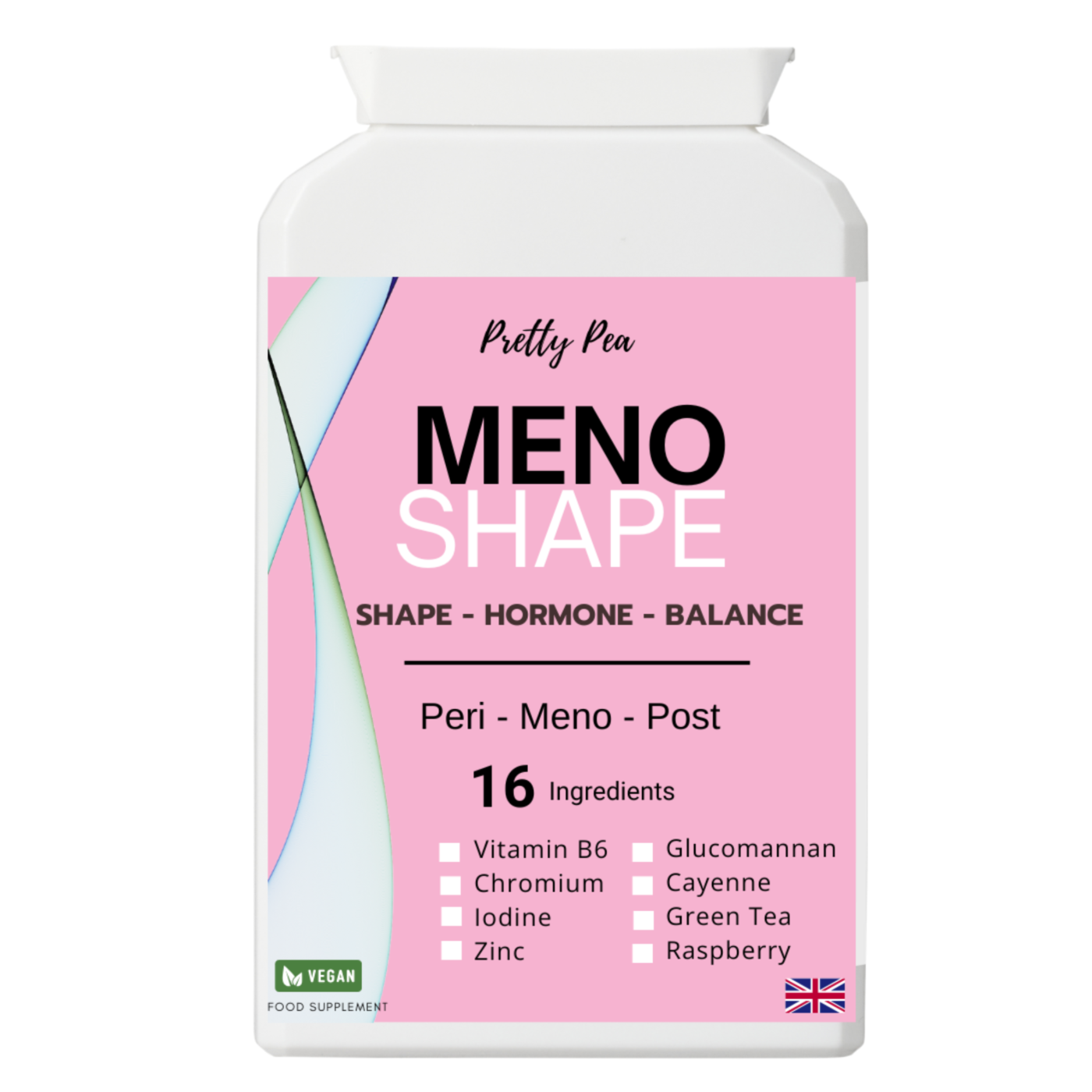
MENO SHAPE
MENO FORMULA For Every Woman’s Ever Evolving Body. Nutrition support during perimenopause, menopause & beyond
FAQ
What is Glucomannan?
Glucomannan is a soluble dietary fibre extracted from the konjac root. It absorbs water and expands in your stomach, helping you feel fuller. This naturally slows digestion and can support a balanced eating routine.
How does Glucomannan contribute to weight management?
EFSA-approved studies show that glucomannan contributes to weight loss in the context of an energy-restricted diet. Taken before meals with plenty of water, it can help you feel fuller and reduce overall calorie intake over time.
How should I take Glucomannan for best results?
For the beneficial effect, a daily intake of 3g divided into three doses is recommended, taken with 1–2 glasses of water before meals. Consistent use over several weeks alongside a balanced diet is key.
Are there any side effects?
Glucomannan is generally well tolerated by most people. Some people may experience mild bloating or soft stools at first as their body adjusts. Drinking plenty of water with each dose helps reduce this effect.
Can everyone take Glucomannan?
Glucomannan is suitable for most adults, including vegetarians and vegans. People with difficulty swallowing, gastrointestinal disorders, or who are on medication affecting the gut should however consult a healthcare professional before use.
How long does it take to see effects?
Every body is different. Some people notice reduced appetite within a week, while others may take several weeks of consistent use. Pairing glucomannan with a healthy, energy-controlled diet improves results significantly.
Is Glucomannan safe during menopause or perimenopause?
Yes — glucomannan is generally safe for most women 30+ and during menopause. It’s vegan-friendly and free from artificial colours or flavours. If you have any digestive conditions or take medication, check with a healthcare professional before starting.
Can Glucomannan help with bloating?
Glucomannan is a soluble fibre that absorbs water in your gut, helping your digestive system work smoothly. While it won’t “cure” bloating, many women notice less digestive discomfort and a feeling of lightness when taken consistently with plenty of water.
Glucomannan Fibre Supplement
MENO SHAPE
MENO FORMULA For Every Woman’s Ever Evolving Body. Nutrition support during perimenopause, menopause & beyond
You might also be interested in:
What is the Highest Fibre Food
Appetite Regulation: How Fibre vs GLP-1 Compare
References: Can Glucomannan help weight loss