Bloating Isn’t Always About Food
When it comes to causes of bloating most people think bloating means they “ate badly.”
But bloating is often far more complicated than simply eating broccoli or drinking fizzy drinks.
For some people, it’s constipation.
For others, it’s hormones.
For many, it’s stress, gut dysfunction, altered gut bacteria, or digestive slowing that creates the perfect environment for gas build-up and abdominal pressure.
And frustratingly? Two people can eat the exact same meal and only one ends up looking six months pregnant by the evening.
That’s because bloating is not one single condition — it’s a symptom with multiple possible root causes.
Causes of Bloating – What Bloating Actually Is
Bloating is the sensation of:
- abdominal fullness
- pressure
- tightness
- swelling or distension
Sometimes there’s visible stomach expansion. Sometimes there isn’t.
In many cases, bloating is caused by:
- excess gas production
- poor gas clearance
- slowed digestion
- altered gut sensitivity
- fluid retention
- constipation
- gut microbiome imbalances
Research increasingly shows that gut dysbiosis (imbalances in gut bacteria) and disorders like IBS and SIBO can play a major role in chronic bloating.
1. Constipation: The Most Overlooked Cause
A surprising number of people are constipated without realising it.
You do not need to go a week without a bowel movement to be constipated.
Signs include:
- incomplete emptying
- small hard stools
- needing coffee to “go”
- daily bloating that worsens through the day
- feeling heavy after meals
When stool sits in the colon longer than it should, bacteria ferment food residues for longer, producing more gas.
This is one reason fibre can help some people dramatically — but make others worse initially.
The Fix
- Increase fibre gradually
- Hydrate properly
- Walk daily
- Don’t ignore the urge to go
- Magnesium citrate may help some people
- Consider pelvic floor dysfunction if constipation persists
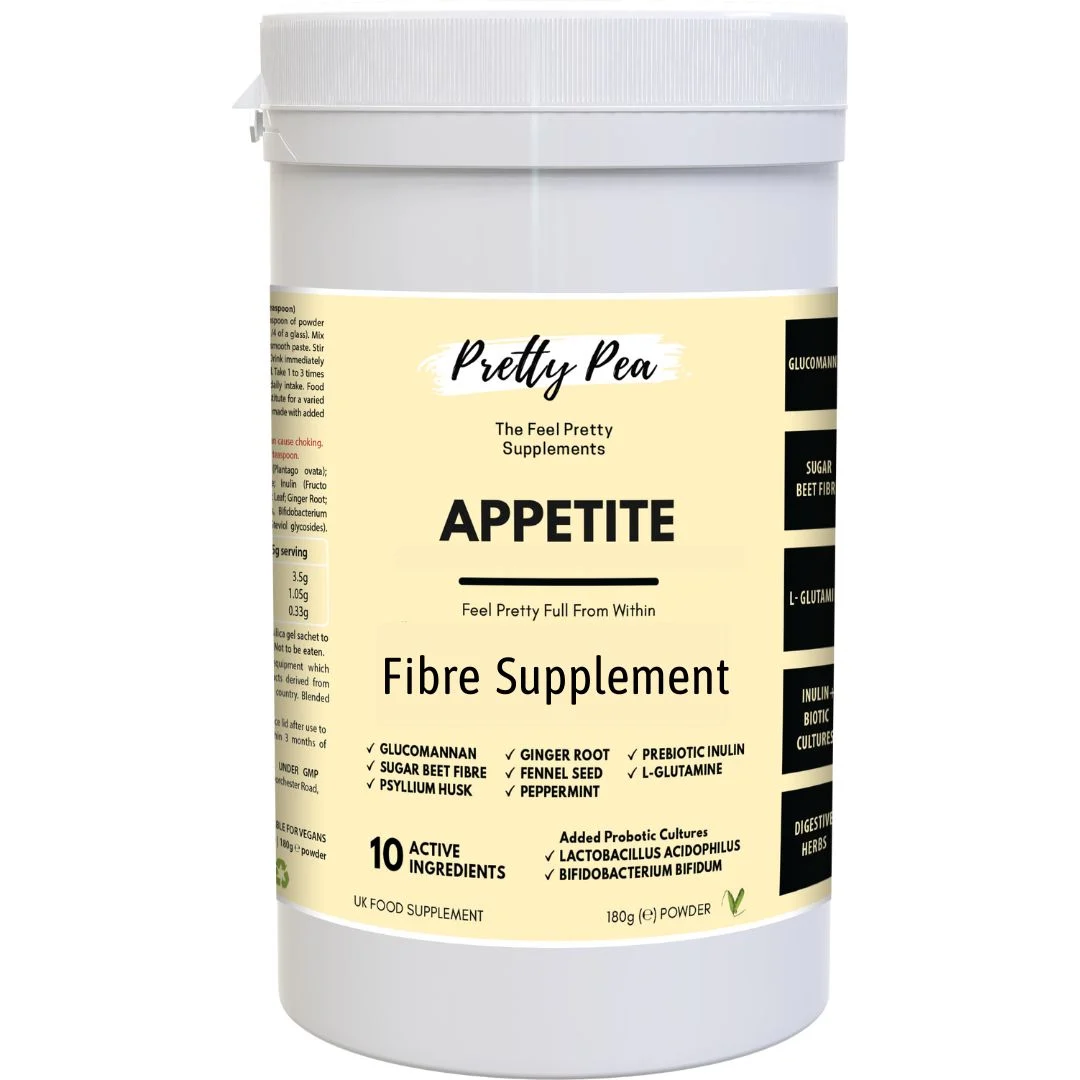
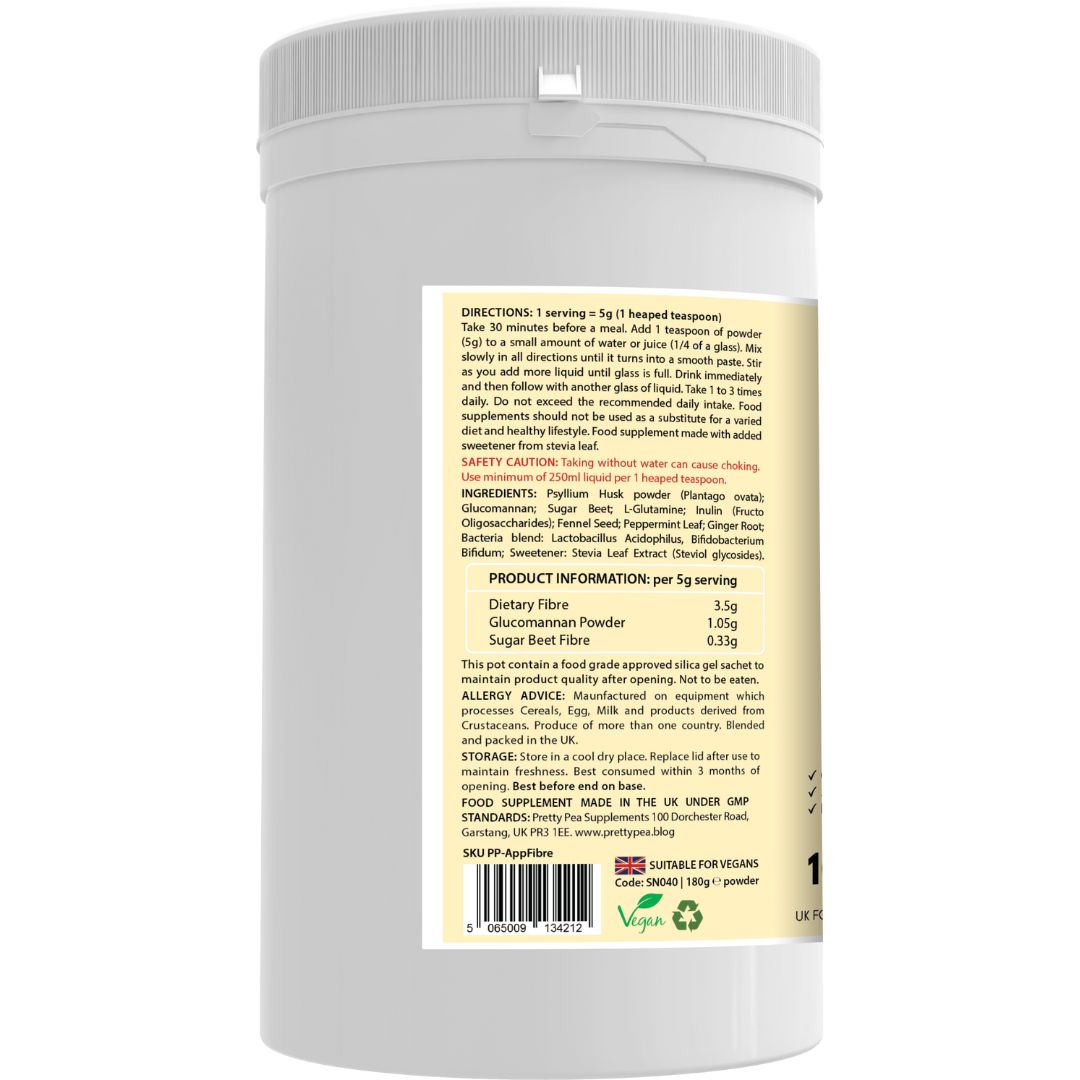
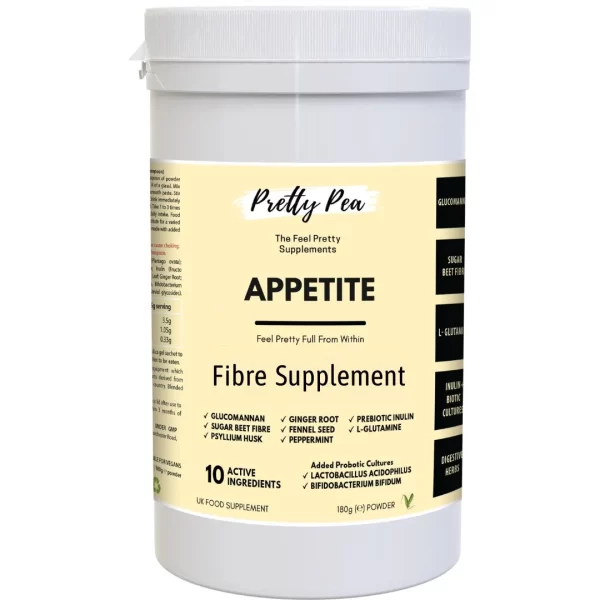
Fibre Powder
2. IBS and Gut Hypersensitivity
Many people with IBS don’t actually produce dramatically more gas than other people.
Instead, they’re more sensitive to normal amounts of gas and intestinal stretching.
This is called visceral hypersensitivity.
Studies show IBS is linked with altered gut-brain communication, gut dysbiosis and changes in intestinal motility.
This explains why stress and anxiety can make bloating dramatically worse.
Common IBS Bloating Triggers
- large meals
- high FODMAP foods
- stress
- poor sleep
- hormonal shifts
- eating too quickly
The Fix
- Track patterns, not random foods
- Trial a structured low-FODMAP approach if appropriate
- Eat slower
- Nervous system regulation matters more than most people realise
Research shows low-FODMAP diets can significantly reduce IBS symptoms including bloating.
3. SIBO: When Bacteria Are in the Wrong Place
One of the biggest reasons chronic bloating gets missed is because people are told:
“Your tests are normal.”
Meanwhile they still look heavily bloated after eating almost anything.
SIBO (Small Intestinal Bacterial Overgrowth) occurs when excessive bacteria populate the small intestine instead of mostly remaining in the colon.
These bacteria ferment carbohydrates too early in digestion, producing gas, pressure and bloating.
Symptoms often include:
- bloating shortly after eating
- excessive burping
- food intolerances
- constipation or diarrhoea
- brain fog
- abdominal discomfort
Research shows significant overlap between IBS and SIBO.
The Fix
Treatment depends on the root cause, but may include:
- improving gut motility
- addressing constipation
- dietary strategies
- targeted antibiotics prescribed by clinicians
- reducing grazing/snacking constantly
This is why random probiotics sometimes help… and sometimes make people worse.
4. Hormones and Bloating in Women
Many women notice:
- bloating before periods
- worsening bloating during perimenopause
- abdominal puffiness linked to stress or poor sleep
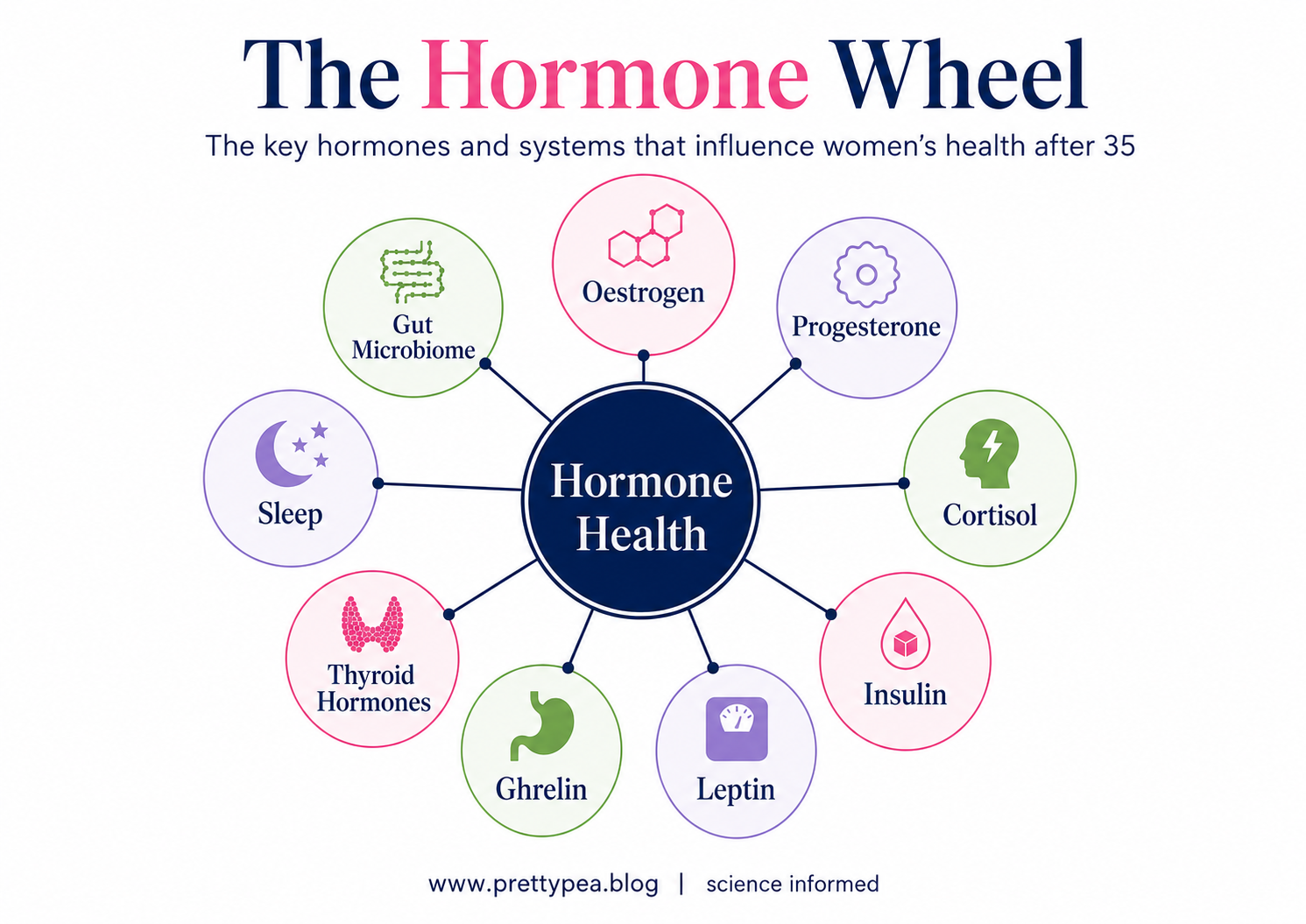
Hormones influence:
- fluid retention
- bowel motility
- gut sensitivity
Lower oestrogen and progesterone fluctuations can slow digestion and alter gut function.
This is why menopause bloating is real — and not “just ageing.”
Stress hormones also affect digestion. When the nervous system is chronically activated, blood flow shifts away from digestion and motility can slow down.
Your next read: Hormone Imbalance in Women: Causes, Symptoms & How Hormones Work
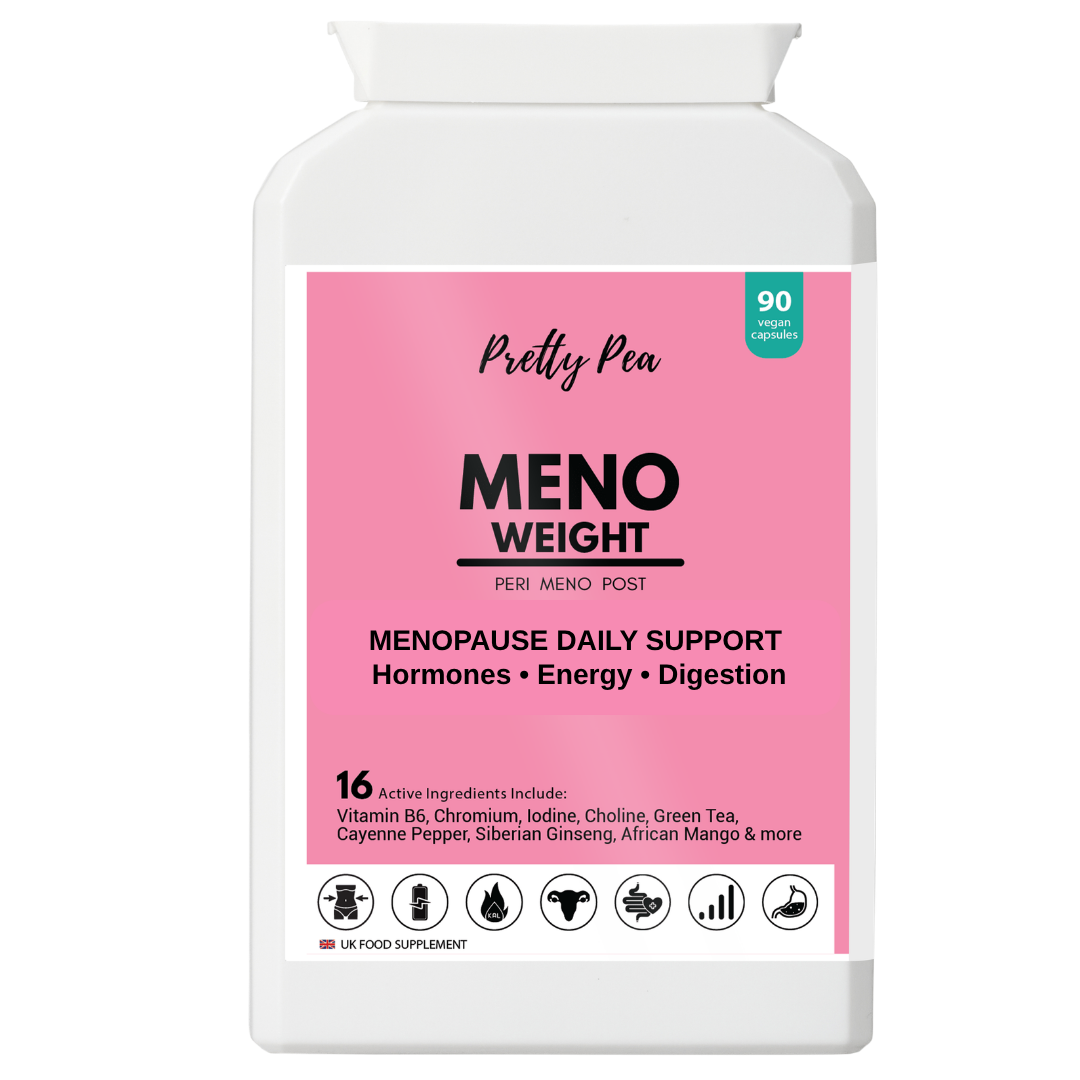
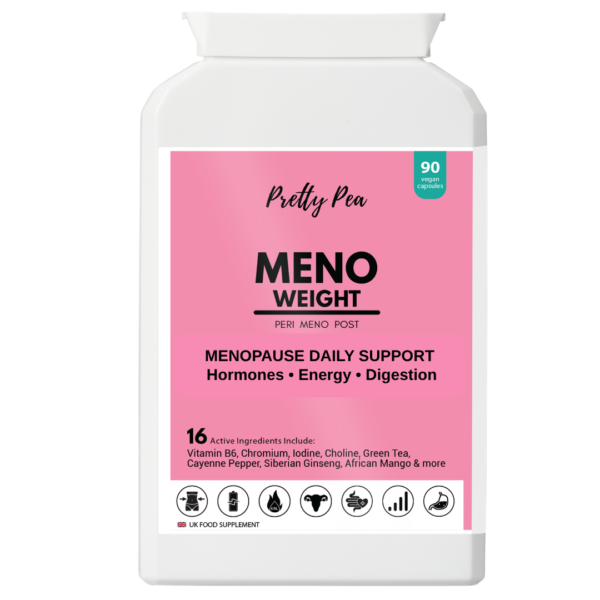
Menopause Supplement UK – Women’s Nutritional Support with Vitamins, Fibre & Botanicals
5. Eating “Healthy” Foods Too Quickly
One of the most relatable causes of bloating?
People suddenly trying to become healthy overnight.
Huge salads.
Protein bars.
Chia puddings.
Beans.
Green powders.
The gut often needs time to adapt.
Fibre is incredibly beneficial long term, but increasing it too aggressively can temporarily increase gas production.
The Fix
Increase fibre slowly:
- start low
- build gradually
- increase water alongside it
Your gut microbiome adapts over time.
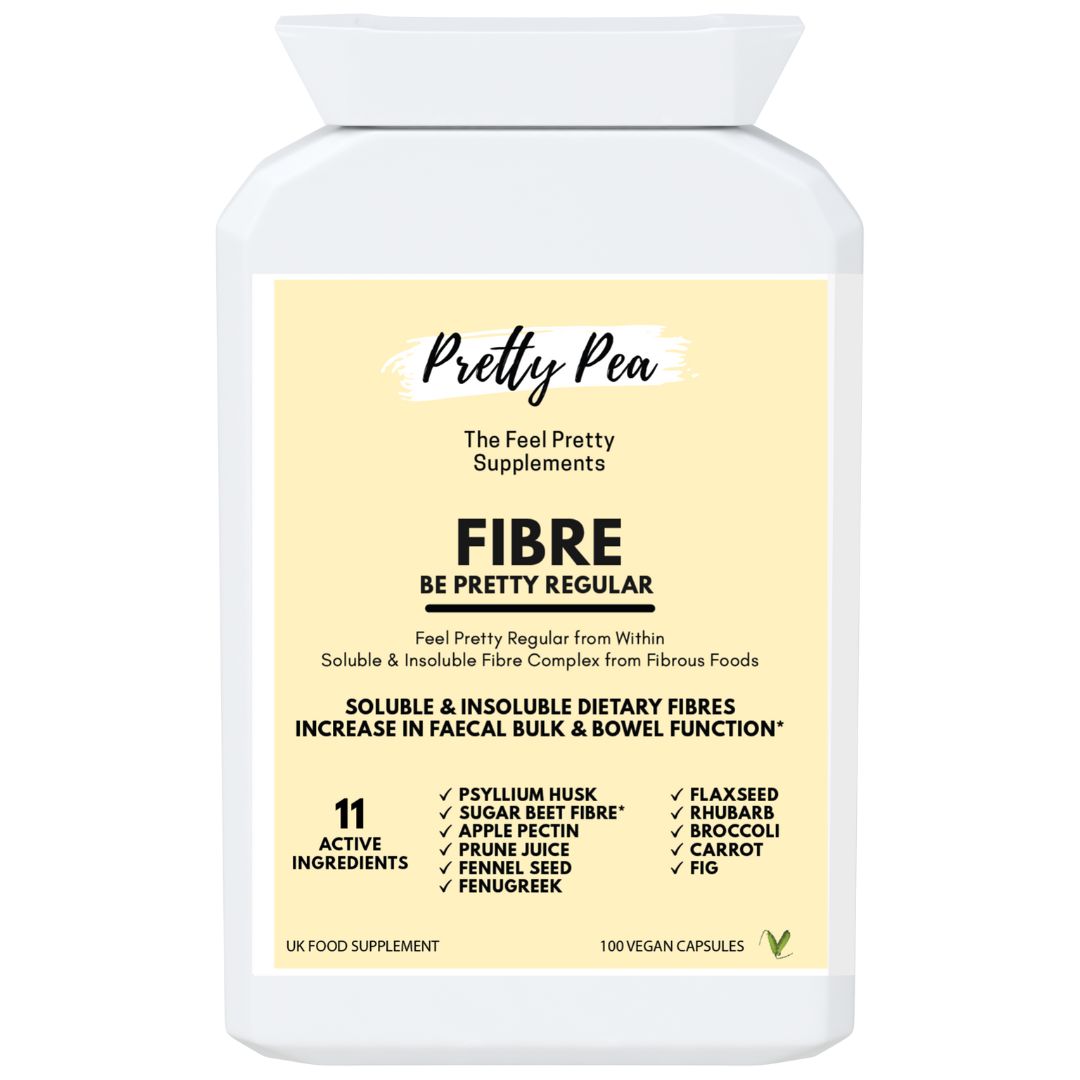
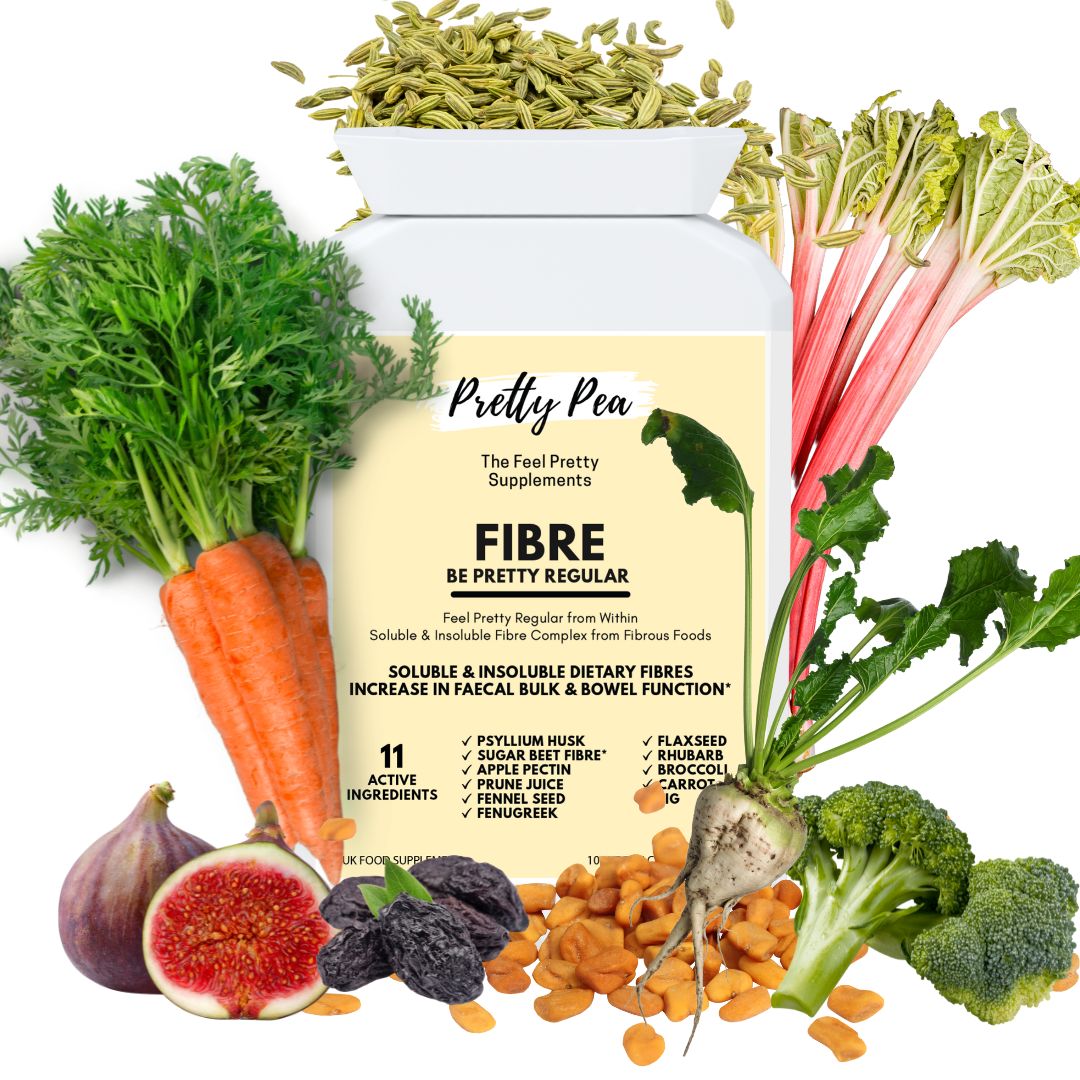
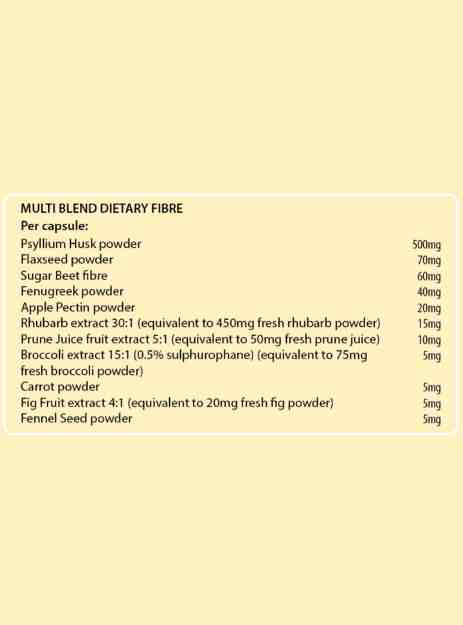
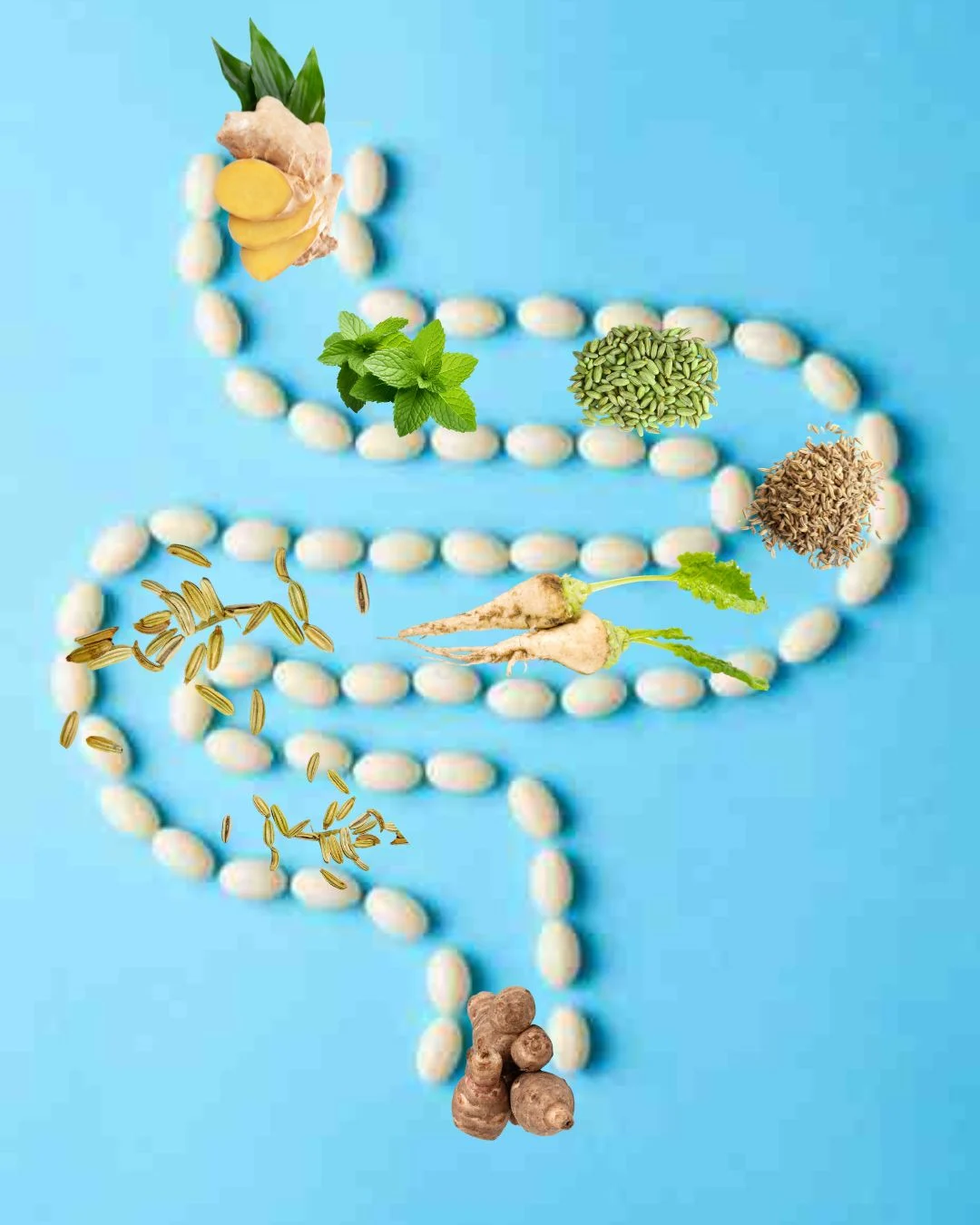
Fibre Capsules
6. Food Intolerances Aren’t Always the Problem
Many people assume:
“I’m bloated, so I must be intolerant to gluten or dairy.”
Sometimes true. Often not.
Many bloating triggers are actually related to:
- quantity
- gut bacteria
- stress
- digestion speed
- constipation
FODMAP carbohydrates are a common trigger because they ferment rapidly in the gut.
But overly restrictive diets can backfire by:
- reducing microbiome diversity
- increasing food fear
- worsening stress around eating
7. Stress and the Gut-Brain Connection
This is the piece most people underestimate when it comes to causes of bloating.
The gut and brain communicate constantly.
Stress can:
- slow digestion
- alter gut motility
- increase gut sensitivity
- worsen IBS symptoms
Research increasingly links IBS with disturbances in the gut-brain axis.
This explains why some people bloat more:
- during stressful weeks
- around travel
- after poor sleep
- during anxiety flare-ups
When Bloating Might Need Medical Attention
See a healthcare professional if bloating is:
- persistent and worsening
- accompanied by unexplained weight loss
- associated with vomiting
- linked with blood in stool
- waking you at night
- severe and painful
- associated with iron deficiency or major bowel habit changes
What Actually Helps Most People Long Term
The best bloating solutions are usually boring — but effective.
Helpful foundations:
- regular meals
- adequate fibre
- hydration
- movement
- stress management
- improving constipation
- slower eating
- identifying patterns instead of eliminating everything
Quick-fix “debloat teas” rarely address root causes.
For for more fibre advice:
- What Is Inulin? Benefits, Uses and What the Science Says About This Prebiotic Fibre
- Plantago Ovata (Psyllium Husk): Benefits, Uses, Science and FAQs
- GLP-1 Foods: The Ultimate List for Appetite Control, Fat Loss & Blood Sugar
- 50 High Fibre Foods Ranked by Fibre Content
- Best Fibre Supplements for Women | Complete UK Fibre Supplement Guide
- Appetite Regulation: How Fibre vs GLP-1 Compare
- Glucomannan for Weight Loss: Does It Work and How Does It Compare to Medications?
Causes of Bloating FAQ
Why do I look pregnant after eating?
This can happen from gas build-up, slowed digestion, constipation, IBS, SIBO or increased abdominal sensitivity.
Can stress really cause bloating?
Yes. Stress affects the gut-brain axis, digestion speed and gut sensitivity, all of which can worsen bloating.
Is bloating always caused by food intolerance?
No. Constipation, hormones, stress, IBS and gut dysbiosis are all common causes.
What foods commonly trigger bloating?
Common triggers include onions, garlic, beans, excess sugar alcohols, fizzy drinks and large amounts of high-FODMAP foods.
Does fibre help or worsen bloating?
Both can happen. Increasing fibre too quickly may temporarily worsen bloating, but long term fibre often improves gut health and bowel regularity.
See Supplements
-
Menopause Supplement UK – Women’s Nutritional Support with Vitamins, Fibre & Botanicals
Original price was: £25.00.£19.99Current price is: £19.99. -
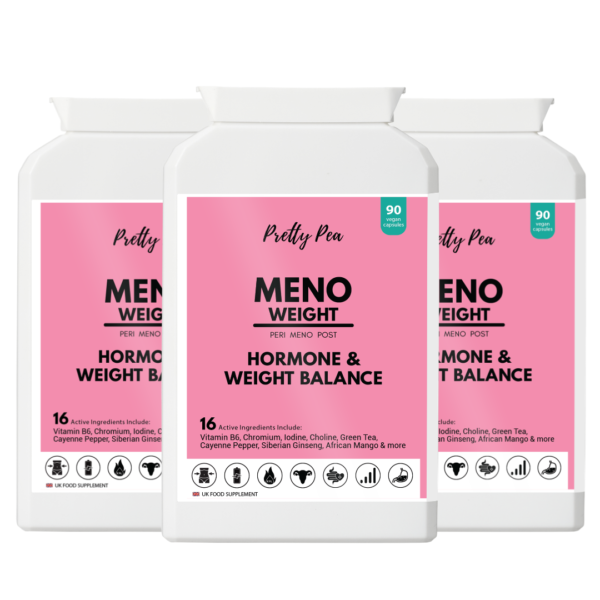
Menopause Supplement Bundle 3 for 2 Offer
Original price was: £77.97.£50.00Current price is: £50.00. -

-
-
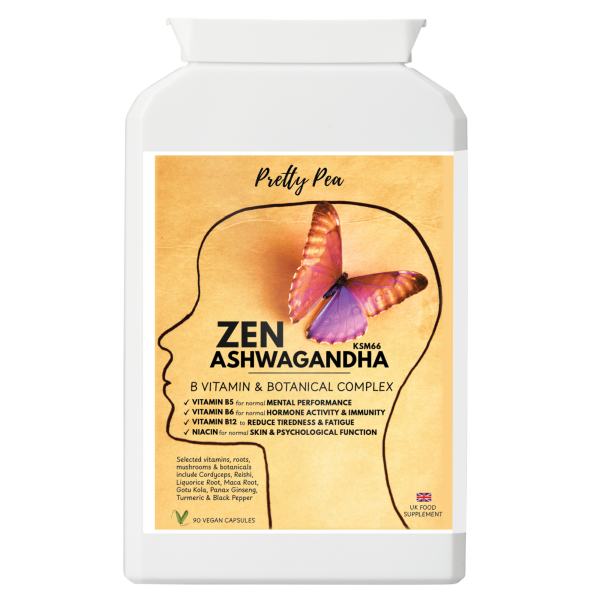
Ashwagandha Supplement plus B Vitamins
Original price was: £25.00.£19.99Current price is: £19.99. -
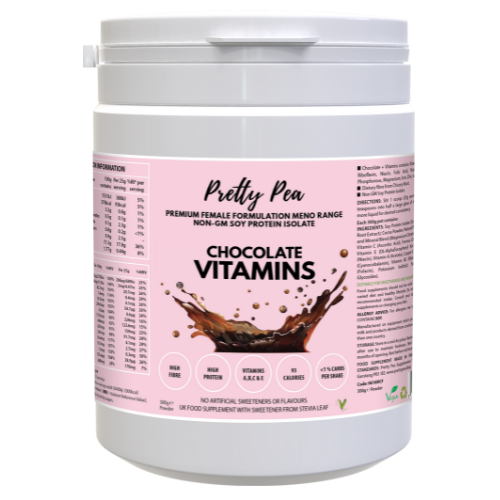
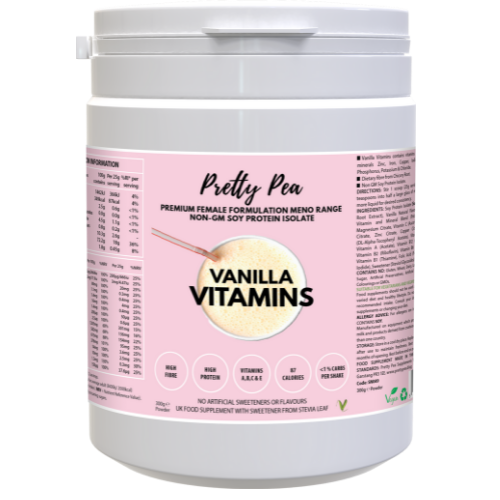
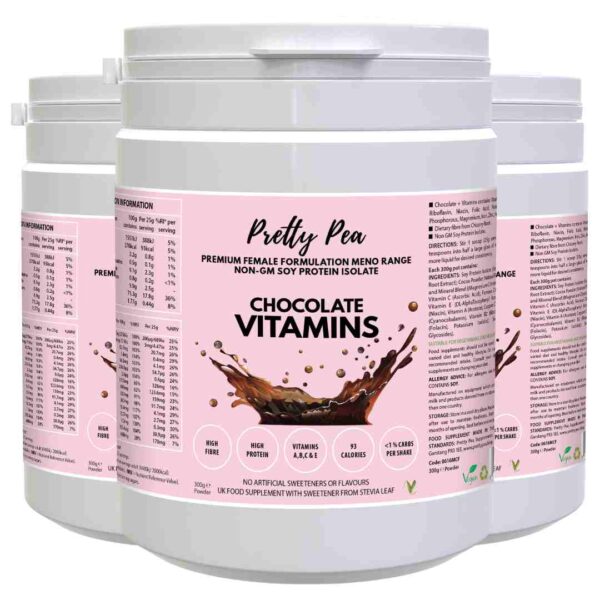
Vitamins & Chocolate Protein Powder Bundle x 3
Original price was: £74.97.£65.50Current price is: £65.50.

Causes of Bloating : Sources
- Ghoshal UC et al. Small Intestinal Bacterial Overgrowth and Irritable Bowel Syndrome. 2017.
- Menees S et al. The Gut Microbiome and Irritable Bowel Syndrome. 2018.
- Takakura W & Pimentel M. Small Intestinal Bacterial Overgrowth and IBS — An Update. 2020.
- Halmos EP et al. A Diet Low in FODMAPs Reduces Symptoms of IBS. Gastroenterology. 2014.
- Mayo Clinic. Small Intestinal Bacterial Overgrowth (SIBO). 2024.
- Cleveland Clinic. SIBO Overview. 2024.
- Verywell Health. What Causes IBS? 2023.
- TIME Magazine. What Causes Bloating — and What to Do About It. 2022.