If you’ve ever tried to “eat less” only to end up hungry, snacking and thinking about food all day, you’re not alone.
For many women, weight loss doesn’t fail because of a lack of willpower — it often fails because meals simply aren’t filling enough.
That’s where fibre can make a real difference.
High fibre foods can help you feel fuller for longer, support digestion, and may even help regulate appetite and cravings. In fact, many nutrition experts consider fibre one of the most underrated nutrients for sustainable weight management.
The problem? Most people still aren’t getting enough of it.
So if you’re trying to eat in a way that feels more satisfying and less restrictive, here are some of the best high fibre foods for weight loss — plus why they work.
Why Fibre Can Help With Weight Loss
Fibre is the part of plant foods your body doesn’t fully digest.
That may not sound glamorous, but it’s exactly what makes it so helpful.
Fibre can support weight management by:
- slowing digestion
- helping you feel fuller after meals
- supporting blood sugar balance
- reducing the urge to snack constantly
- supporting gut health
One of the most relatable signs of low fibre intake?
Feeling hungry not long after eating.
If breakfast leaves you starving by 11am or you always crave something sweet after lunch, it may be less about “self-control” and more about what your meals are missing.
A large review published in The Lancet in 2019 found that higher fibre intake is associated with better body weight regulation and improved overall health outcomes.
15 Best High Fibre Foods for Weight Loss
1. Oats
Fibre per serving: around 4g per 40g serving
Oats are one of the best breakfast staples for appetite support.
They contain a type of soluble fibre called beta-glucan, which helps slow digestion and may increase fullness after eating.
They’re especially useful if your usual breakfast leaves you hungry an hour later.
Easy ways to use them:
porridge, overnight oats, protein oats, added to smoothies
2. Chia Seeds
Fibre per serving: around 5g per tablespoon
Tiny but powerful.
Chia seeds absorb liquid and form a gel-like texture, which can help increase satiety. They’re also easy to sprinkle into foods without changing the flavour too much.
Easy ways to use them:
overnight oats, yoghurt, smoothies, puddings
3. Lentils
Fibre per serving: around 8g per 100g cooked
Lentils are one of the most effective foods for staying fuller for longer.
They also provide plant protein, which makes them even more helpful for appetite control.
If you often find salads unsatisfying, adding lentils can make a huge difference.
Easy ways to use them:
soups, curries, salads, bolognese, lunch bowls
4. Raspberries
Fibre per serving: around 6–7g per 100g
Fruit sometimes gets unfairly blamed in weight loss conversations, but berries are one of the best foods for fibre.
Raspberries are naturally sweet, satisfying and much more filling than many processed snack options.
Easy ways to use them:
breakfast bowls, yoghurt, snacks, smoothies
5. Avocado
Fibre per serving: around 6–7g per half avocado
Avocados provide fibre and healthy fats, which is a brilliant combination for satiety.
Meals that include both fibre and fat tend to feel much more satisfying than low-fat, low-fibre meals.
Easy ways to use them:
toast, eggs, salads, wraps, smoothies
6. Chickpeas
Fibre per serving: around 7g per 100g cooked
Chickpeas are ideal for building meals that feel substantial.
They’re also incredibly versatile and pair well with Mediterranean-style meals, salads and soups.
Easy ways to use them:
hummus, curries, salads, traybakes, roasted snacks
7. Pears
Fibre per serving: around 5–6g per medium pear
Pears are one of the highest fibre fruits and make a great snack when paired with protein or healthy fats.
If you tend to reach for biscuits or something sweet mid-afternoon, a pear can be a much more filling option.
8. Broccoli
Fibre per serving: around 3–4g per 100g
Broccoli is low in calories but high in volume and fibre, making it a great food for adding bulk to meals.
Sometimes meals don’t need to be “smaller” — they need to be more filling.
9. Sweet Potato
Fibre per serving: around 4g per medium potato
Sweet potatoes can be a more satisfying carb option than many processed alternatives because they provide fibre alongside carbohydrates.
They’re also incredibly versatile and pair well with protein-based meals.
10. Black Beans
Fibre per serving: around 8g per 100g cooked
Beans are one of the most underrated foods for appetite control.
They provide both fibre and protein, which is a powerful combination if you’re trying to reduce constant hunger.
11. Apples (with skin)
Fibre per serving: around 4g per medium apple
Simple, convenient and surprisingly effective.
Apples are a brilliant example of how whole foods can be more satisfying than many “diet snacks”.
12. Flaxseeds
Fibre per serving: around 3g per tablespoon
Flaxseeds are easy to add to porridge, yoghurt or smoothies and may help support digestion and satiety.
Ground flaxseeds are usually easier to absorb than whole ones.
13. Quinoa
Fibre per serving: around 5g per 185g cooked
Quinoa is a helpful alternative to lower-fibre grains and can make meals feel more substantial.
It’s also useful if you want more variety than rice or pasta.
14. Brussels Sprouts
Fibre per serving: around 4g per 100g
A surprisingly effective fibre food.
Roasted well, they’re much better than their reputation suggests.
15. Psyllium Husk
Fibre per serving: varies, often 4–5g per teaspoon
Psyllium husk is a concentrated soluble fibre often used in supplements and digestive support products.
It can be a useful addition for people who struggle to meet fibre needs through food alone.
15 Best High Fibre Foods for Weight Loss (That Actually Keep You Full)
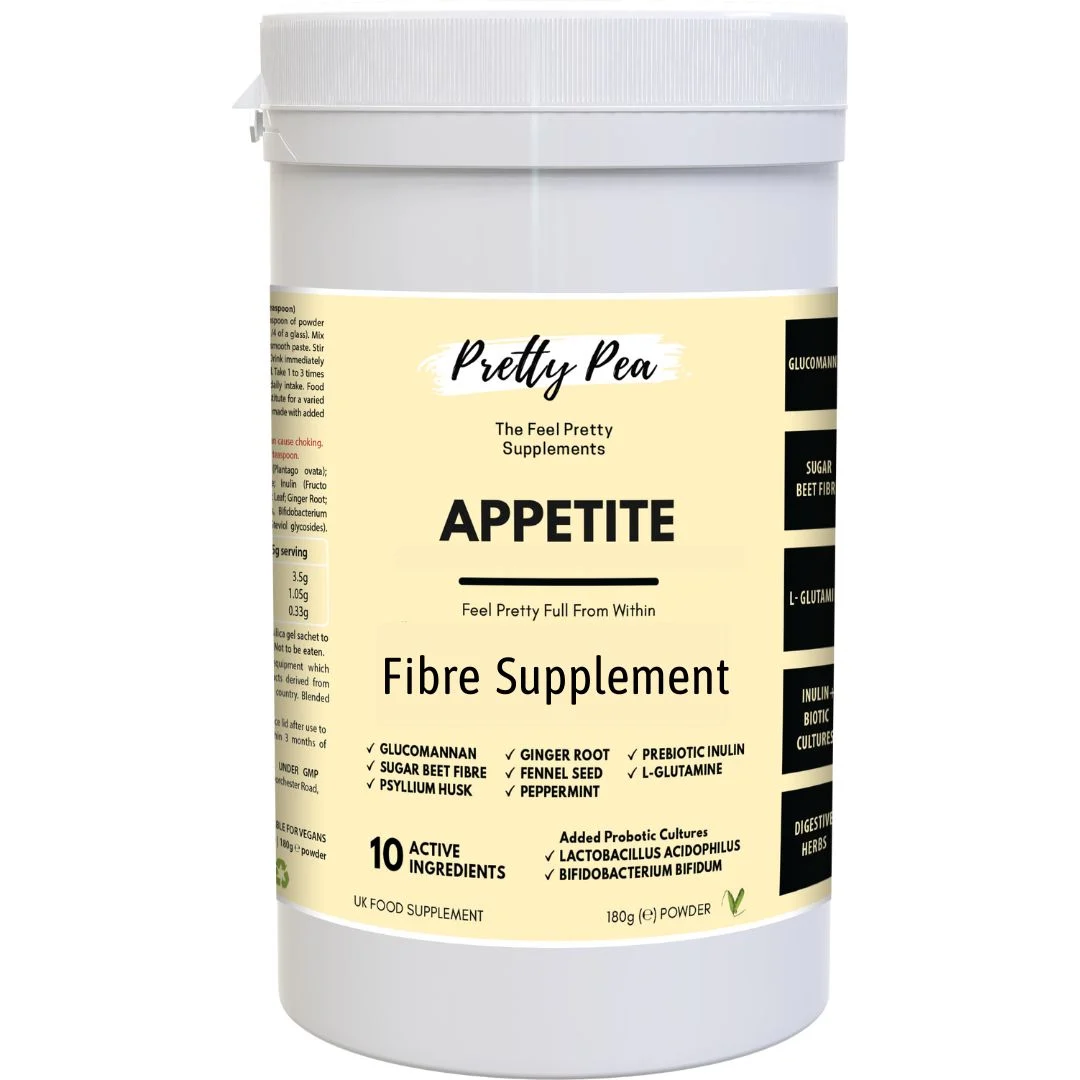
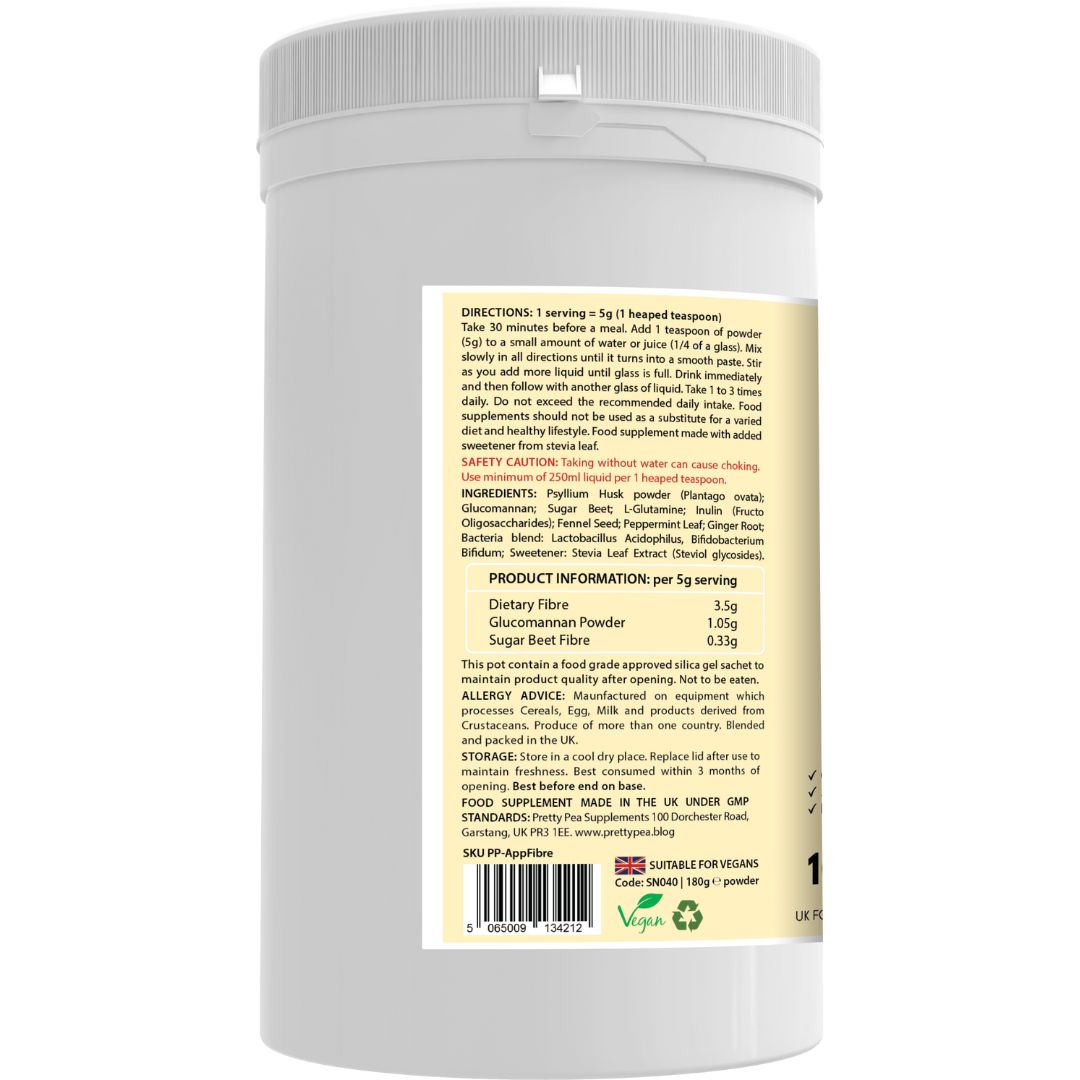
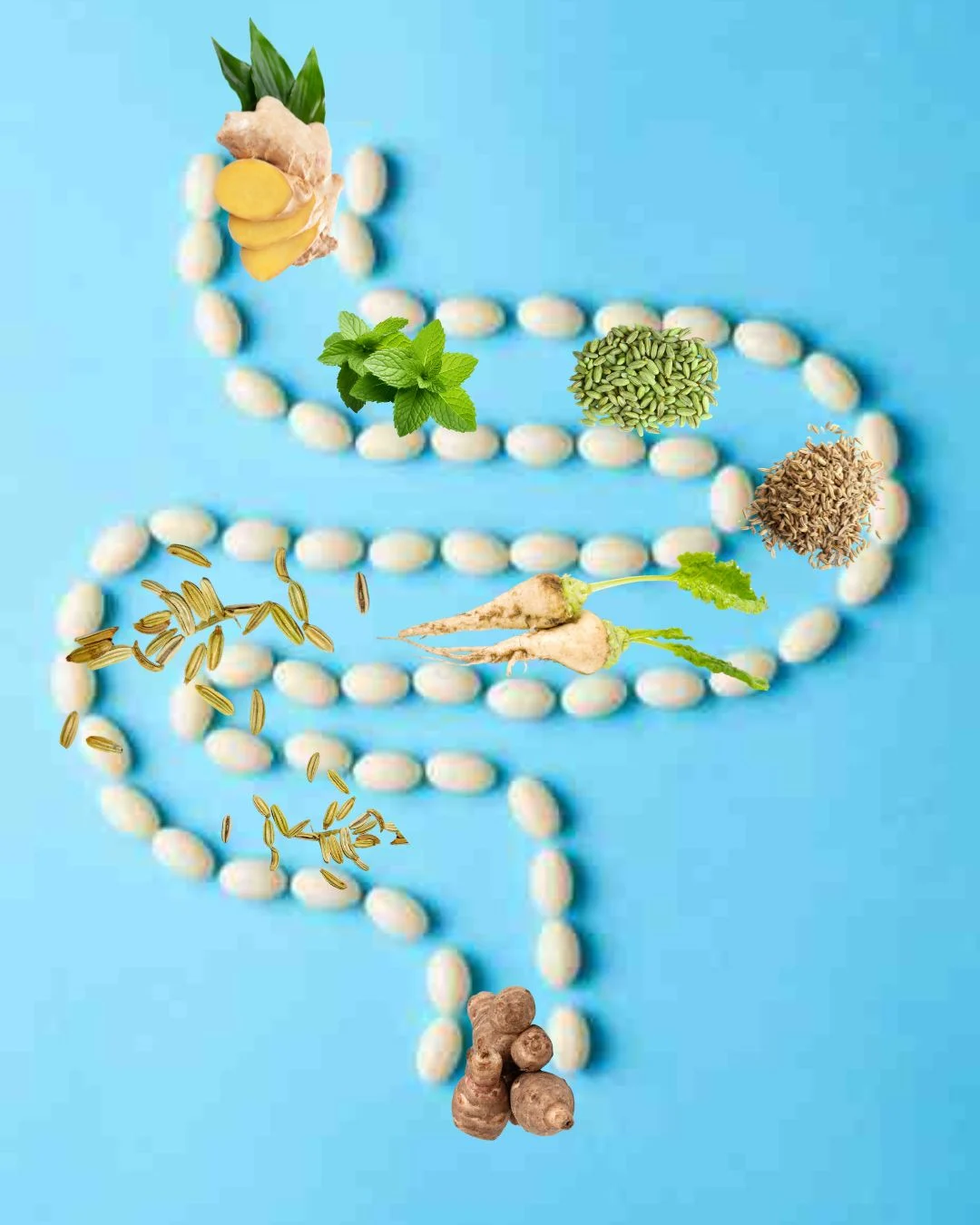
Fibre Full blend with Psyllium Husk powder; Glucomannan; Sugar Beet; L-Glutamine; Inulin (FOS); Fennel Seed; Peppermint Leaf; Ginger Root; Bacteria blend, Lactobacillus Acidophilus, Bifidobacterium Bifidum; Sweetener, Stevia Leaf extract – No Artificial Sweeteners
What the Research Says About Fibre and Weight Loss
Research consistently suggests that higher fibre intake may support healthier body weight and appetite regulation.
Study highlight 1
A major review published in The Lancet found that people who consumed more fibre tended to have better body weight outcomes and improved health markers overall.
Study highlight 2
A review published in Nutrition Reviews reported that increasing fibre intake was associated with greater fullness, reduced hunger and lower energy intake in many studies
Study highlight 3
Fibre type matters: A systematic review in Obesity Reviews found that some types of fibre — particularly more viscous fibres such as beta-glucans, pectins and guar gum — were more likely to reduce appetite and short-term food intake than less viscous fibres (59% vs 14%).
That’s what makes fibre so helpful:
it supports a way of eating that feels more sustainable.
How to Eat More Fibre Without Feeling Overwhelmed
If your current diet is relatively low in fibre, the key is not to overhaul everything overnight.
Start small:
- add chia or flax to breakfast
- swap white carbs for higher fibre versions
- include beans or lentils in meals
- snack on fruit instead of ultra-processed foods
- consider a fibre supplement if needed
The goal isn’t perfection.
It’s simply making meals more satisfying and supportive.
Key Takeaway
When it comes to sustainable weight loss, feeling full matters.
High fibre foods can support appetite, digestion and healthier eating patterns in a way that feels far more realistic than restrictive dieting.
If you’re constantly hungry, snacking or craving sugar, increasing fibre intake could be one of the most helpful changes you make.
Sometimes it’s not about eating less.
It’s about eating in a way that actually works with your body.
FAQ Section
What is the best high fibre food for weight loss?
There isn’t one single “best” food, but oats, lentils, chia seeds, chickpeas and berries are among the most helpful because they support fullness and are easy to include regularly.

15 Best High Fibre Foods for Weight Loss (That Actually Keep You Full)
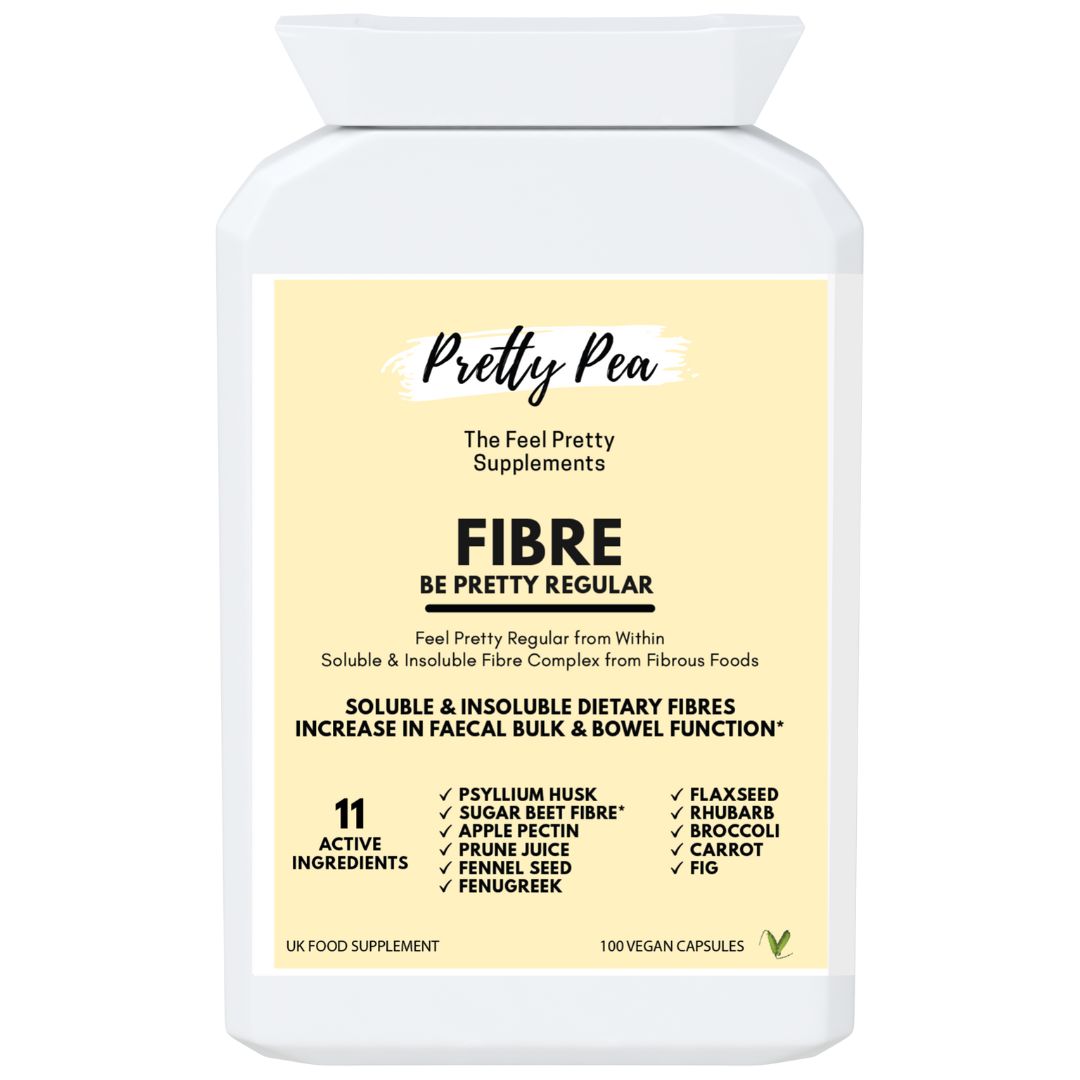
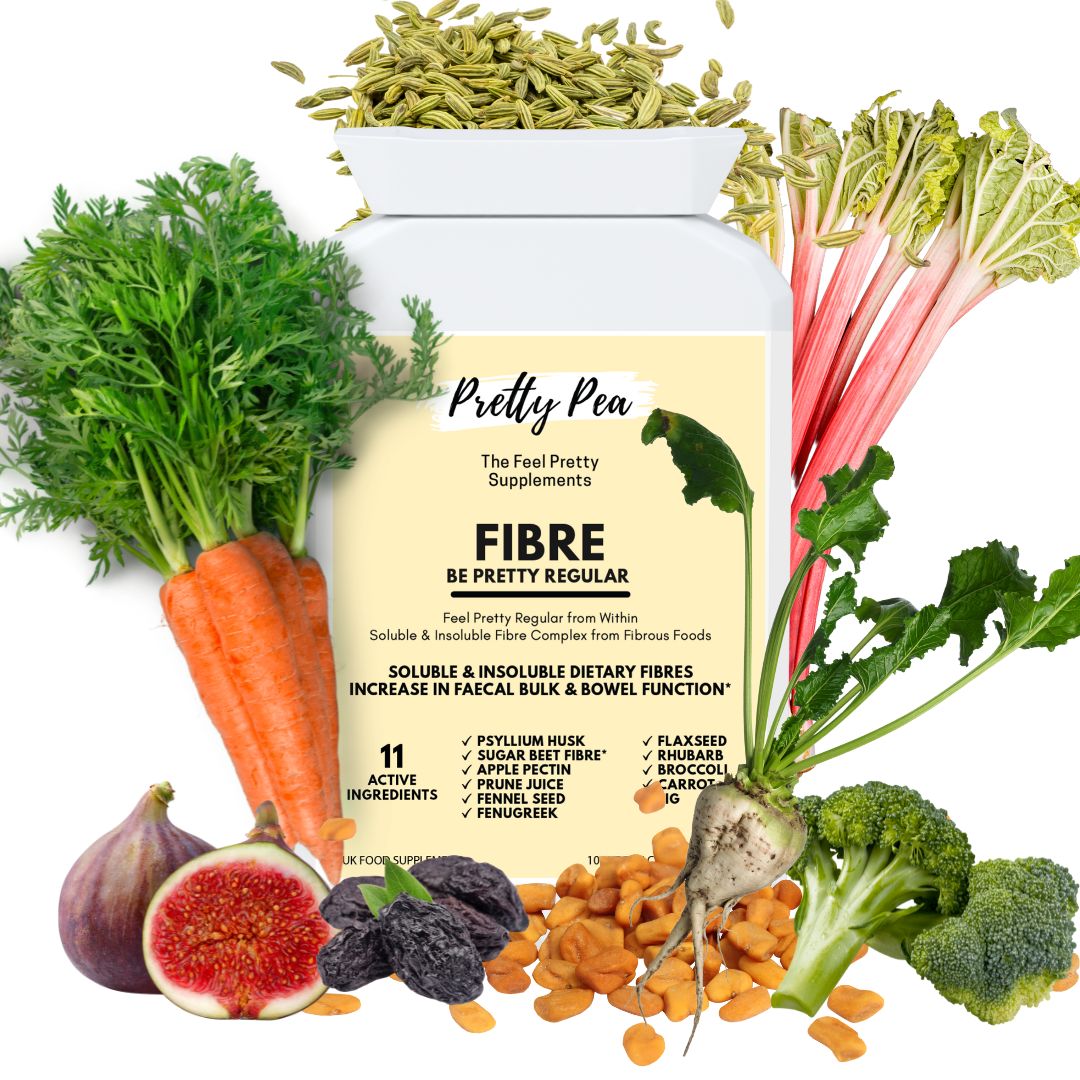
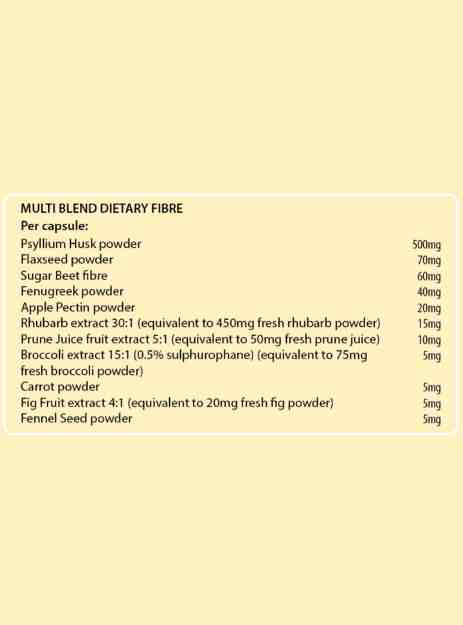
High fibre pills derived from psyllium husk, flaxseed, sugar beet, prune juice, fig fruit, rhubarb, pectin, fenugreek and other naturally high fibre botanicals and foods. More than just roughage, these fibre pills contains cellulose, pectin, hemicellulose, lignin and gums.
Fibre Pills Ingredients: Psyllium Husk, Flaxseed, Sugar Beet Fibre, Fenugreek, Apple pectin, Rhubarb, Prune Juice, Broccoli, Carrot, Fig Fruit, Fennel Seed. Vegan, Dairy Free, Gluten Free. 100 capsules
How much fibre should I eat per day for weight loss?
In the UK, adults are generally advised to aim for around 30g of fibre per day. Many people eat much less than this, which may affect appetite and digestion.
Can fibre help reduce cravings?
Yes, fibre may help reduce cravings by slowing digestion and supporting more stable blood sugar levels, which can help with appetite regulation.
Do I need a fibre supplement if I eat healthy?
Not always. It is possible to get enough fibre from whole foods, but many people find it difficult in practice. A supplement can help bridge the gap where needed.
Further reading you might also like:
9 Benefits of Fibre: Why It’s Essential for Gut Health, Weight and Wellbeing
Appetite Regulation: How Fibre vs GLP-1 Compare
What is the Highest Fibre Food
The Ultimate Guide to Fibre Supplements for a Happier Gut: Unlocking Your Digestive Health
Insoluble Fibre Rich Food List
Understanding Visceral Fat: The Ultimate Belly Fat Guide
Everything Psyllium How To Use: A Comprehensive Guide on How to Use It for Maximum Health Benefits
The Ultimate Superfood List: What are Superfoods, Benefits, Best Choices, and How to Use
Sources: Best High Fibre Foods for Weight Loss
- Reynolds A, Mann J, Cummings J, et al. (2019). Carbohydrate quality and human health: a series of systematic reviews and meta-analyses. The Lancet.
- Slavin JL. (2013). Dietary fibre and body weight. Nutrition.
- Howarth NC, Saltzman E, Roberts SB. (2001). Dietary fibre and weight regulation. Nutrition Reviews.
- Wanders AJ, van den Borne JJGC, de Graaf C, et al. (2011). Effects of dietary fibre on subjective appetite, energy intake and body weight. Obesity Reviews.
- Anderson JW, Baird P, Davis RH Jr, et al. (2009). Health benefits of dietary fibre. Nutrition Reviews.