Glucomannan for Weight Loss: How does it compare to medications, such as Ozempic?
Glucomannan is a natural, water-soluble fibre that has gained attention for its potential role in weight loss and appetite control. Often found in supplements derived from the konjac root, it works by expanding in the stomach to help you feel fuller for longer.
With growing interest in both natural approaches and prescription treatments for weight management, many people are looking for simple, effective ways to support their health. This has led to increased curiosity around how fibre supplements like glucomannan compare to other options used to manage appetite and weight.
In this article, we’ll explore how glucomannan works, its potential benefits for weight loss, and how it differs from prescription medications designed to help manage type 2 diabetes — so you can make an informed choice about what may be right for you.
What is Glucomannan
Glucomannan is a water-soluble dietary fibre extracted from the root of the konjac plant, native to Asia. It has been used for centuries in traditional Asian cuisine and medicine for its ability to expand in water, forming a gel-like substance. This quality makes glucomannan unique and highly effective as a natural supplement for managing weight and promoting overall health.
When consumed, glucomannan absorbs water in the stomach, expanding to form a thick gel. This process slows down the digestive system, creating a feeling of fullness and reducing appetite.
As a result, individuals taking glucomannan are more likely to eat fewer calories, which can contribute to weight loss.
The supplement has gained attention for its ability to:
1. Promote Satiety: By expanding in the stomach, glucomannan helps create a sense of fullness, which reduces the likelihood of overeating and snacking.
2. Slow Digestion: The thick gel formed by glucomannan slows the absorption of nutrients, particularly carbohydrates and fats, leading to more balanced blood sugar levels and prolonged satiety.
3. Improve Gut Health: As a dietary fibre, glucomannan also helps to improve bowel regularity and support the growth of healthy gut bacteria, both of which contribute to overall digestive health.
In recent years, glucomannan has been extensively studied for its weight loss benefits. Studies suggest that regular intake of glucomannan, combined with a healthy diet and lifestyle, can support significant weight reduction in overweight and obese individuals.
Glucomannan and Weight Loss
The primary way glucomannan supports weight loss is by promoting feelings of fullness (satiety), which may naturally reduce calorie intake. There are several specific mechanisms through which glucomannan works to help people shed unwanted pounds:
1. Reduced Appetite
By expanding in the stomach, glucomannan physically takes up space, which triggers receptors that tell the brain you’re full. This reduces the desire to consume more food during meals, and may even help prevent snacking between meals.
A study published in the American Journal of Clinical Nutrition found that glucomannan supplements led to significant weight loss in overweight individuals. Participants who took the fibre lost an average of 5.5 pounds over an eight-week period without making any drastic changes to their diet or exercise routine .
Study: (2005) – “Glucomannan and Obesity: A Critical Review”
This critical review of multiple clinical trials examined the impact of glucomannan on weight loss and obesity. One of the key studies within this review involved overweight individuals who were given glucomannan supplements over an 8-week period. The participants consumed 1 gram of glucomannan three times daily before meals, without making any other lifestyle changes.
Results: Participants lost an average of 5.5 pounds (2.5 kg) over the course of the study. The researchers concluded that glucomannan supplementation led to significant reductions in body weight, primarily due to its ability to create a feeling of fullness and reduce overall calorie intake.
Conclusion: The findings highlighted glucomannan as a promising, natural, and effective supplement for weight loss, primarily through appetite suppression and delayed gastric emptying.
2. Calorie Control
Since glucomannan acts as a bulking agent in the stomach, it can slow the emptying of the stomach. This delays the absorption of calories, particularly from carbohydrates, helping to regulate blood sugar levels and prevent insulin spikes. When blood sugar is controlled, it reduces hunger and the likelihood of overeating.
3. Lower Fat Absorption
Some studies have suggested that glucomannan may help reduce the absorption of fat. The thick gel formed by glucomannan can trap dietary fats, preventing them from being absorbed into the bloodstream and instead allowing them to be excreted. This could contribute to lower calorie intake and, over time, promote fat loss.
Study: (2008) – “Effect of Glucomannan on Plasma Lipid and Glucose Concentrations, Body Weight, and Blood Pressure: Systematic Review and Meta-Analysis”
This meta-analysis reviewed several randomized controlled trials to assess the effects of glucomannan on body weight, blood pressure, and metabolic markers.
Among the analyzed studies, one trial followed 200 obese adults over a 16-week period. Participants were divided into two groups: one group took 1 gram of glucomannan three times daily before meals, and the other group received a placebo.
Results: The glucomannan group experienced an average weight loss of 8-10 pounds (3.6-4.5 kg) by the end of the study, while the placebo group showed minimal weight change. In addition to weight loss, the glucomannan group also showed improvements in blood lipid profiles and blood sugar regulation.
Conclusion: The meta-analysis confirmed that glucomannan supplementation supports weight loss and improves cardiovascular health markers, likely due to its ability to delay gastric emptying and improve satiety.
4. Improved Gut Health
Dietary fibre is known for its benefits in promoting gut health, and glucomannan is no exception. Glucomannan helps maintain healthy digestive functions with normal bowel/ colonic function and helps promote intestinal regularity.
It has a prebiotic effect, feeding the beneficial bacteria in your gut. These bacteria play an important role in regulating weight by influencing metabolism, appetite, and even inflammation. Glucomannan helps to stimulate the growth of beneficial colon bacteria, stimulating the growth of Bifidobacteria.
A well-functioning gut microbiome can help reduce cravings for unhealthy foods and regulate the hormones that influence hunger and fullness. In this way, glucomannan supports a healthy gut environment, which may further aid weight loss efforts.
5. Blood Sugar Control
The EFSA consider glucomannan suitable for diabetics. Glucomannan helps induce a low glycemic response and therefore helps sustain steady blood sugar levels. Preventing energy crashes may help snacking and over-eating.
When taken at 2.5-5 grams daily, Glucomannan helps to control/ balance blood insulin / glucose levels. With it’s beneficial effect on blood glucose and blood insulin levels it can help to reduce the glycemic index of a meal.
Additionally, for people with elevated blood cholesterol Glucomannan, when taken at 3-13 grams per day, helps maintain normal blood cholesterol levels.
Glucomannan’s Endorsement by the European Food Safety Authority (EFSA)
The European Food Safety Authority (EFSA) has approved glucomannan as an effective weight loss supplement when used in conjunction with a calorie-controlled diet. In its scientific opinion, the EFSA determined that taking 3 grams of glucomannan daily (taken with water, in three 1-gram doses before meals) contributes to weight loss.
EFSA’s assessment was based on a review of clinical studies that consistently showed a reduction in body weight in overweight or obese individuals when glucomannan was taken at this dosage. The mechanism by which glucomannan aids weight loss, according to the EFSA, is through the creation of a feeling of fullness (satiety) by expanding in the stomach, which leads to reduced calorie intake.
Glucomannan for Weight Loss: Does It Work and How Does It Compare to Medications?
Glucomannan and prescription weight loss medications work in very different ways, even though they may both be discussed in relation to appetite and weight management.
Glucomannan is a natural, soluble fibre derived from the konjac root. When taken with water, it expands in the stomach, helping to promote a feeling of fullness. This may support reduced calorie intake as part of a balanced diet.
Prescription medications such as Ozempic belong to a class of drugs known as GLP-1 receptor agonists. These medications work by influencing appetite regulation, slowing gastric emptying, and helping to manage blood sugar levels.
While both can affect appetite, their roles are not directly comparable.
Glucomannan works mechanically by adding bulk and promoting satiety, whereas medications act on hormonal pathways involved in hunger and metabolism.
For this reason, glucomannan is often used as a dietary support tool, while prescription medications are used under medical supervision for specific health conditions, including obesity and type 2 diabetes.
If you are considering using either approach, it’s important to choose what is appropriate for your individual health needs and to seek professional advice where necessary.
How They Work
The key difference between glucomannan and these types of weight loss injections lies in their mechanisms of action. Glucomannan works primarily through physical expansion in the stomach, whereas weight loss jabs act on the brain’s hunger-regulating centres by increasing the levels of GLP-1.
Their effect on satiety is often more pronounced because it directly influences hormonal pathways that regulate hunger and fullness. It reduces the desire to eat by making the individual feel full after smaller meals.
Glucomannan, on the other hand, promotes fullness by slowing digestion and physically taking up space in the stomach. While it may not have the same dramatic appetite-suppressing effects, it still provides effective satiety without altering hormonal systems.
Comparing Weight Loss Outcomes
Studies show that both can support weight loss, but the degree of weight loss may vary. Some of these medications have been shown to result in significant weight loss in clinical trials, with some individuals losing up to 15% of their body weight over the course of a year .
In comparison, glucomannan supplementation tends to lead to more moderate weight loss. Most studies report average weight loss of 5-10 pounds over several weeks to months. However, glucomannan’s slower, steadier approach may be more sustainable for long-term use, especially when combined with healthy lifestyle changes.
Side Effects
The side effects of weight loss medications and glucomannan present a critical point of comparison, especially for those looking for a safe, long-term solution to weight loss.
• Weight Loss Jabs Side Effects: While effective for weight loss, it comes with several potential side effects. Prescription weight loss medications are typically used under medical supervision and may not be suitable for everyone. They are usually prescribed based on individual health needs and medical history. As with any medication, they may also come with potential side effects, which should be discussed with a healthcare professional.
• Glucomannan Side Effects: Glucomannan is considered safe when taken in appropriate amounts. However, those with a sensitive digestion or don’t regularly consume the fibre RDA (25-30g) it may cause mild transient gastrointestinal issues, such as bloating, gas, or mild diarrhoea, especially when first introduced into the diet. These symptoms tend to resolve quickly, as the body adjusts to the increased fibre intake. These individuals are advised to start on a reduced dose.
Long-Term Sustainability & Re-Gaining Weight
For those seeking sustainable, long-term weight loss solutions, glucomannan may be a more suitable choice. Since glucomannan is a natural fibre supplement, it can be used indefinitely without significant health risks. Its ability to promote gut health and support healthy digestion makes it a valuable addition to any weight loss plan.
In addition, many women do not currently consume the recommended amount of fibre (25g-30g per day) and would benefit from an increase to their dietary fibre intake.
On the other hand, prescription drugs are typically not recommended for indefinite use due to their side effects and potential risks. Individuals may need to stop the medication after achieving their weight loss goals, which can lead to the risk of weight regain if lifestyle changes are not made as the body will have adapted to requiring fewer calories.
When might a fibre supplement like glucomannan help?
While improving your diet should always be the foundation of weight management, some people find it difficult to consistently get enough fibre from food alone.
A fibre supplement such as glucomannan may be helpful if you:
- struggle with appetite or frequent snacking
- find it difficult to feel full between meals
- have a low-fibre diet
- are trying to manage portion sizes
- want additional support alongside a balanced diet
While the jabs may seem like the quick fix with faster and more dramatic results in terms of weight loss, glucomannan offers several key advantages for individuals looking for a safer, natural, and sustainable approach to managing their weight.
Sustainable Weight Loss
Glucomannan promotes gradual, steady weight loss, which is more likely to be sustainable over time. Results will of course vary depending on diet, lifestyle and individual factors.
But by encouraging healthy eating habits and improving satiety, glucomannan can help individuals maintain their weight loss without relying on medication.
Glucomannan offers the added benefit of improving gut health. This can have positive effects on overall well-being, including better digestion, improved immune function, and reduced inflammation and even mood.
A simple way to increase fibre intake
If you’re not getting enough fibre through food alone, a supplement can be a convenient way to support your intake.
A glucomannan-based fibre supplement can help support fullness and make it easier to manage appetite as part of a balanced diet.
Explore 20 of the Highest Fibre Food
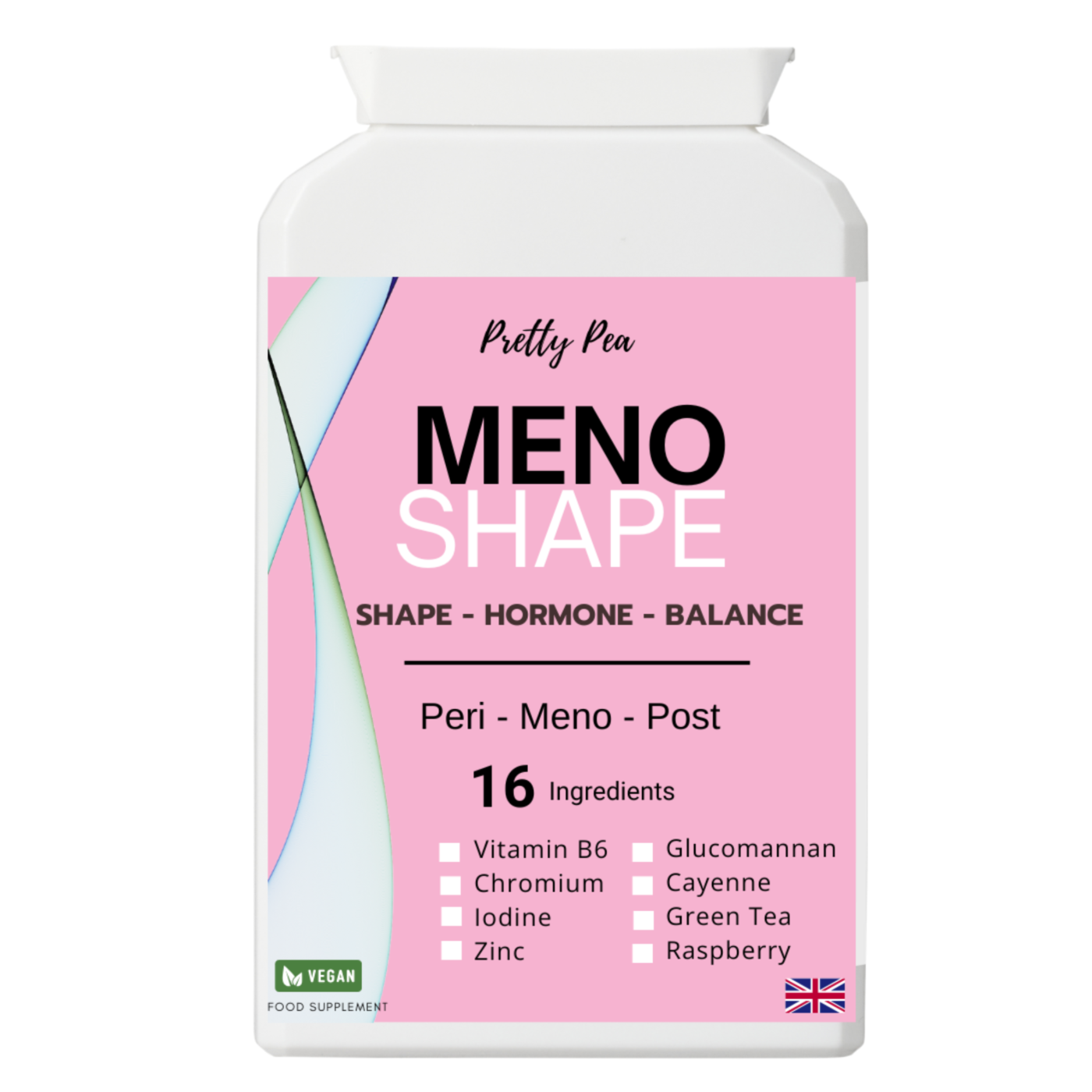
Pretty Pea Meno Shape is designed to provide a simple, effective source of fibre that can be taken before meals.
Glucomannan for Weight Loss: Does It Work and How Does It Compare to Medications?
MENO FORMULA For Every Woman’s Ever Evolving Body. Nutrition support during perimenopause, menopause & beyond
You may also like: The Ultimate Guide to Fibre Supplements for a Happier Gut: Unlocking Your Digestive Health
FAQ: Glucomannan and Weight Loss Medications
Can glucomannan replace weight loss medications like Ozempic?
No, glucomannan is a dietary fibre supplement and works differently from prescription medications such as Ozempic. While it may support fullness and appetite control, it is not a substitute for medical treatments. Always speak to a healthcare professional before making changes to your treatment plan.
How does glucomannan help with weight loss?
Glucomannan is a soluble fibre that absorbs water and expands in the stomach, helping you feel fuller for longer. This may support reduced calorie intake as part of a balanced diet.
Is glucomannan as effective as Ozempic?
Glucomannan and medications such as Ozempic work in very different ways. Prescription medications are designed to affect appetite and blood sugar regulation, while glucomannan supports fullness and digestion. Their effects are not directly comparable.
Is glucomannan safe to take?
Glucomannan is generally considered safe when taken as directed, alongside adequate water. However, it may not be suitable for everyone, and it’s best to check with a healthcare professional if you have any medical conditions or take medication.
Can I take glucomannan with other supplements?
In most cases, glucomannan can be taken with other supplements, but timing may matter as it can affect absorption. It’s best taken before meals with water and spaced away from other supplements or medications.
You can find Glucomannan in Pretty Pea Meno Shape

Glucomannan for Weight Loss: Does It Work and How Does It Compare to Medications?
MENO FORMULA For Every Woman’s Ever Evolving Body. Nutrition support during perimenopause, menopause & beyond
Sources: Glucomannan for Weight Loss
Reference: EFSA-health-claims-overview.pdf
1. Keithley, J., & Swanson, B. (2005). Glucomannan and obesity: a critical review. Alternative Therapies in Health and Medicine, 11(6), 30-34.
2. Sood, N., Baker, W. L., & Coleman, C. I. (2008). Effect of glucomannan on plasma lipid and glucose concentrations, body weight, and blood pressure: systematic review and meta-analysis. The American Journal of Clinical Nutrition, 88(4), 1167-1175.
3. Astrup, A., Rössner, S., Van Gaal, L., Rissanen, A., Niskanen, L., Al Hakim, M., … & Davies, M. (2009). Effects of liraglutide in the treatment of obesity: a randomized, double-blind, placebo-controlled study. The Lancet, 374(9701), 1606-1616.
4. Wadden, T. A., Bailey, T. S., Billings, L. K., Davies, M., Frias, J. P., Koroleva, A., … & Rosenstock, J. (2021). Effect of subcutaneous semaglutide vs placebo as an adjunct to intensive behavioral therapy on body weight in adults with overweight or obesity: The STEP 3 randomized clinical trial. JAMA, 325(14), 1403-1413.
5. Kaats, G. R., Bagchi, D., & Preuss, H. G. (2015). Konjac Glucomannan dietary supplementation causes significant fat loss in compliant overweight adults. Journal of the American College of Nutrition, 34(6), 422-427.