If you’re taking hormone replacement therapy (HRT), it’s completely normal to wonder if you can take supplements with HRT. Many women turn to vitamins, minerals and natural supplements to support energy, sleep, mood and overall health — especially during menopause.
In most cases, common supplements can be taken with HRT. However, some ingredients may affect how hormones are processed in the body, so it’s important to understand what’s safe, what to be cautious about, and when to check with a healthcare professional.
Can you take supplements with HRT?
In general, most standard supplements — including vitamins, minerals and fibre — are considered safe to take alongside HRT.
These include:
- Magnesium
- Vitamin D
- Omega-3
- Fibre supplements
- B vitamins
However, safety can depend on:
- the type of HRT you’re taking
- the specific ingredients in the supplement
- your individual health needs
Are there any supplements to avoid with HRT?
Some supplements may interact with hormone metabolism and should be used with caution.
Key ingredients to be aware of:
- St John’s Wort – may reduce the effectiveness of HRT by increasing how quickly hormones are processed in the body
- Grapefruit and grapefruit juice – may affect how hormones are broken down, potentially increasing hormone levels
- Some herbal supplements – may influence how the body processes hormones
These effects are linked to how the liver processes hormones (sometimes referred to as enzyme systems like CYP450), which can influence how HRT works in the body.
These interactions don’t necessarily mean you must avoid them completely — but they should be used carefully and ideally discussed with a professional.
What does official guidance say?
Safety information for HRT medications is based on documents called Summary of Product Characteristics (SPCs), approved by the Medicines and Healthcare products Regulatory Agency.
The SPC covers commonly prescribed HRT medicines and used by:
- doctors
- pharmacists
- healthcare professionals
The SPC includes the latest information on :
- known interactions
- contraindications
- safety guidance
Based on current guidance, there are no widely reported direct interactions between standard nutritional supplements and HRT medications, although certain substances (like St John’s Wort) may affect hormone metabolism.
Can phytoestrogens affect HRT?
Phytoestrogens are natural compounds found in plant foods such as soy, flaxseeds and legumes. They have a mild oestrogen-like effect in the body, which is why they’re often discussed in relation to menopause and hormone balance.
For most people, eating phytoestrogen-rich foods as part of a balanced diet is considered safe — even when taking HRT. Foods like tofu, soy milk, flaxseeds and chickpeas are commonly included in a healthy diet and are not typically associated with harmful interactions.
However, higher-dose phytoestrogen supplements may have a stronger effect and are sometimes used specifically for menopause symptoms. If you’re taking HRT, it’s a good idea to speak to a healthcare professional before combining it with concentrated phytoestrogen supplements.
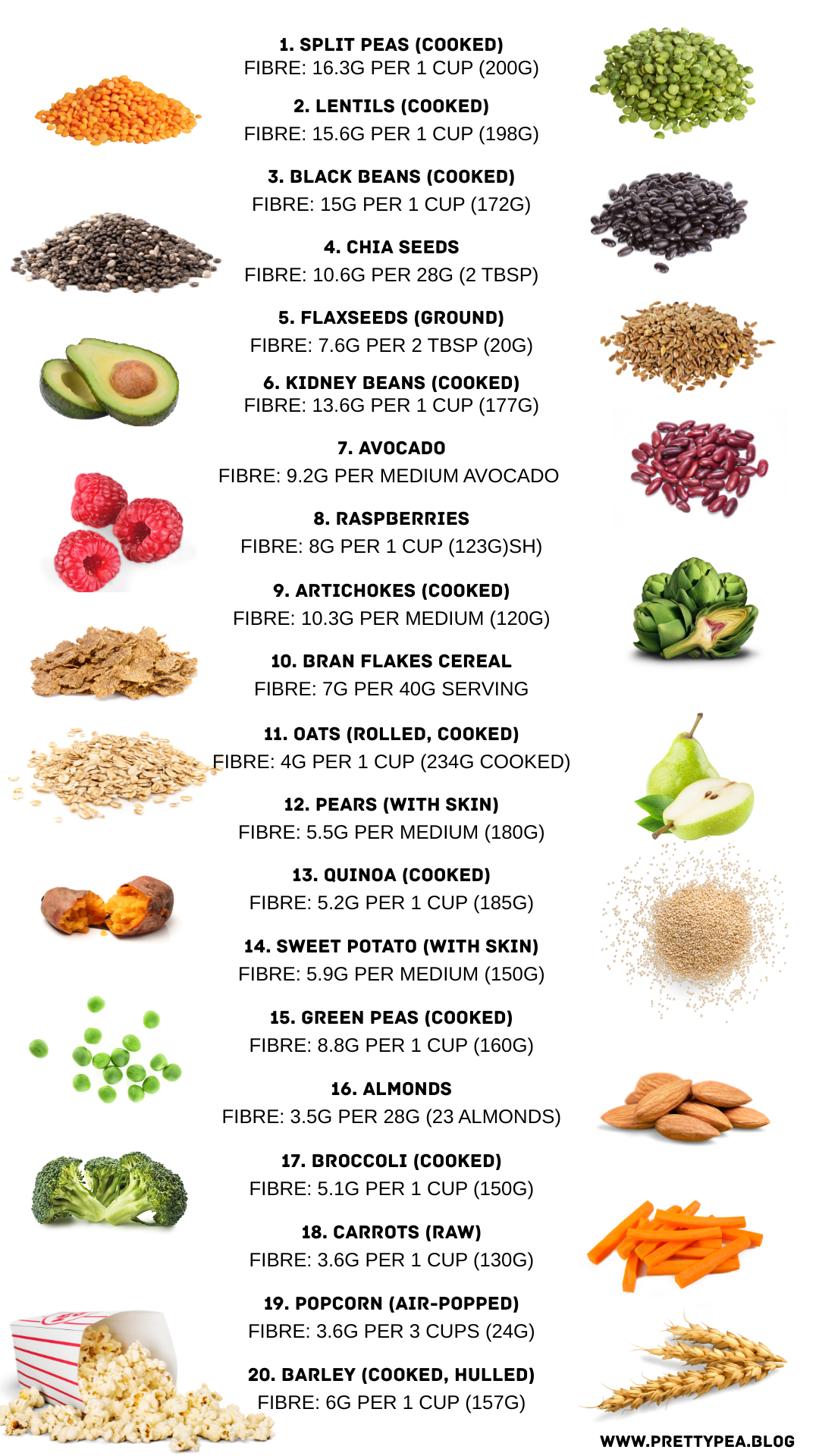
See the top 20 High Fibre foods
What should you do before taking supplements with HRT?
To stay safe:
- Check your HRT patient information leaflet
- Review supplement ingredient lists carefully
- Avoid combining multiple supplements unnecessarily
- Speak to a GP or pharmacist if unsure
Important safety note
Safety guidance can change over time, and individual responses vary. If you have any concerns about combining supplements with HRT, it’s always best to speak to a qualified healthcare professional.
FAQ: Supplements and HRT
Can I take vitamins with HRT?
Yes, most common vitamins such as vitamin D, B vitamins and magnesium are generally safe to take with HRT.
Can supplements affect how HRT works?
Some supplements, particularly herbal ones like St John’s Wort, may affect hormone metabolism and reduce the effectiveness of HRT.
Is magnesium safe with HRT?
Magnesium is generally considered safe and is often used to support sleep, muscle relaxation and overall wellbeing.
Are natural supplements safer than HRT?
Not necessarily. “Natural” does not always mean risk-free. Some herbal supplements can interact with medications, including HRT.
Should I speak to a doctor before taking supplements with HRT?
Yes, especially if you are taking multiple supplements or have any underlying health conditions.
Do phytoestrogens interfere with HRT?
There is no strong evidence that phytoestrogens from foods interfere with HRT. However, high-dose phytoestrogen supplements may have a more noticeable effect, so it’s best to check with a healthcare professional before combining them.
Can I eat soy foods while taking HRT?
Yes, soy foods such as tofu, soy milk and edamame are generally considered safe to eat while taking HRT. These foods contain phytoestrogens, but in amounts that are typically part of a normal, balanced diet.
Are phytoestrogen supplements safe with HRT?
Phytoestrogen supplements are more concentrated than food sources and may have a stronger effect in the body. If you’re taking HRT, it’s advisable to speak to a GP or pharmacist before using these supplements.
Sources: MHRA Products | Home (Medicines & Healthcare Products Regulatory Agency)
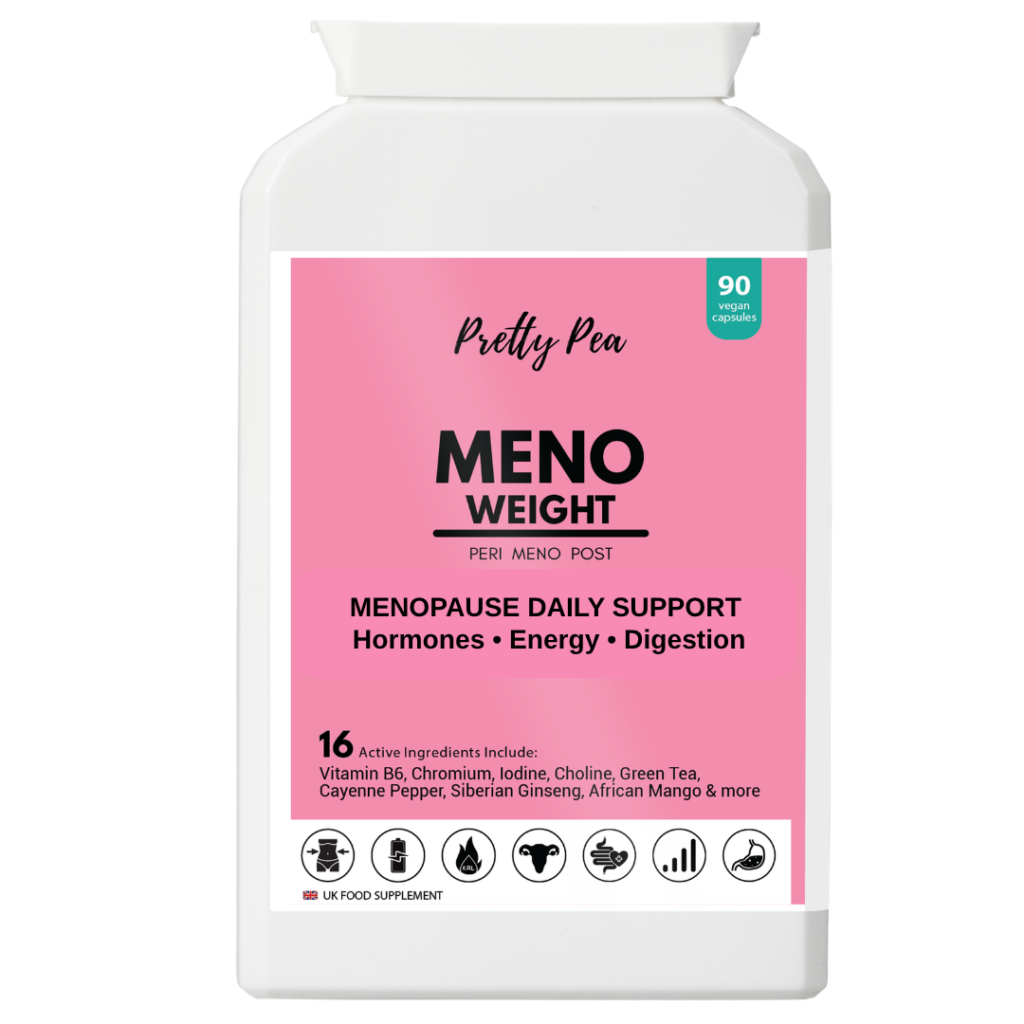
Menopause Supplement UK – Women’s Nutritional Support with Vitamins, Fibre & Botanicals
A carefully formulated menopause supplement designed to support women’s nutritional needs during this stage of life. This daily supplement combines vitamins, minerals, and botanical ingredients that contribute to general wellbeing, energy levels, and everyday nutritional balance.
As women go through perimenopause and menopause, nutritional requirements can change. This formula is designed to help support those changing needs as part of a healthy lifestyle and balanced diet.
Key nutrients and botanical extracts have been selected to complement overall wellness, including:
– Vitamin and mineral support for general health maintenance
– Glucomannan fibre to support digestion
– Botanical ingredients traditionally used in women’s wellness routines
– Nutrients that contribute to normal energy-yielding metabolism and normal hormonal activity
This supplement is suitable for women looking to support their daily nutrition during perimenopause and menopause as part of a balanced diet and active lifestyle. Commonly searched as a menopause supplement for women, this product is designed to support nutritional intake during menopause.