-
How to Combat Menopause Gain Weight
Menopause can feel like an unwelcome chapter in a woman’s life, often bringing along stubborn weight gain. As your body responds to fluctuating hormones these changes can disrupt both your routines and self-image. But it doesn’t have to be this way! The right strategies can help you reclaim your body and your confidence. With practical
-
Early Menopause Symptoms- What Every Woman Needs to Know
Understanding Early Menopause Symptoms: A Comprehensive Guide for Women Menopause creeps up on many women. Talking from personal experience it doesn’t usually come with an announcement, nor a schedule of what to expect and when, and what took me most by surprise was that early menopause symptoms can happen much earlier than expected. Contrary to
-
Feeling Tired all the time? You need to know the Vitamins For Fatigue
Fatigue is complex and affected by a wide variety of processes in the body, and because of this, certain aspects of the tired feeling can be shaped by vitamins.
-
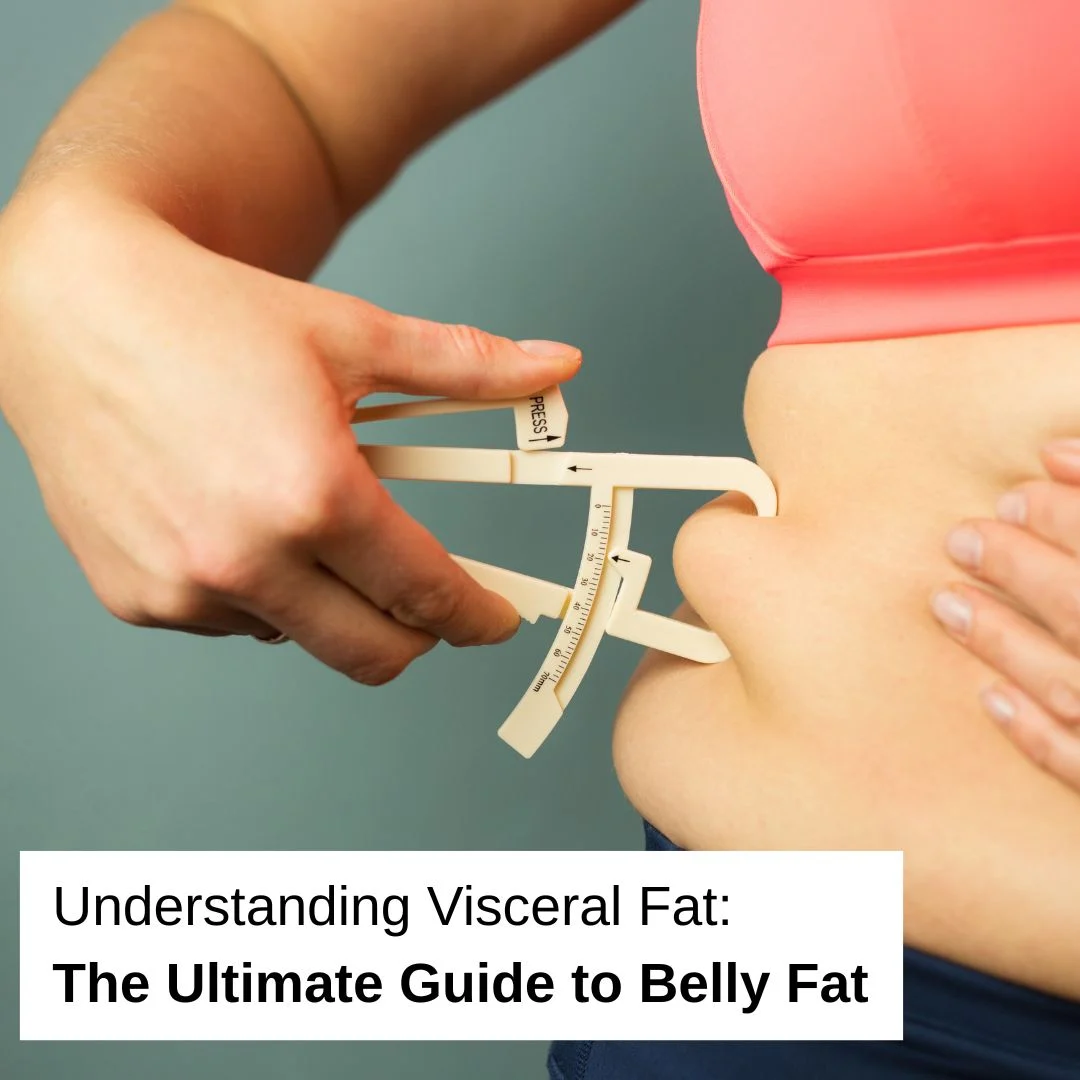
Understanding Visceral Fat: The Ultimate Belly Fat Guide
What is Visceral Fat Can you pinch more than an inch? There is a shred of merit in this saying as what you can pinch actually matters when you’re looking how to lose belly fat. It’s common to see abdominal fat being called various names such as cortisol belly or menopause belly fat, visceral fat,
-
7 Benefits Of Resistance Training For Women
Exercise is very beneficial for perimenopause, menopause and post-menopausal women and resistance training can make a significant difference to health.
-
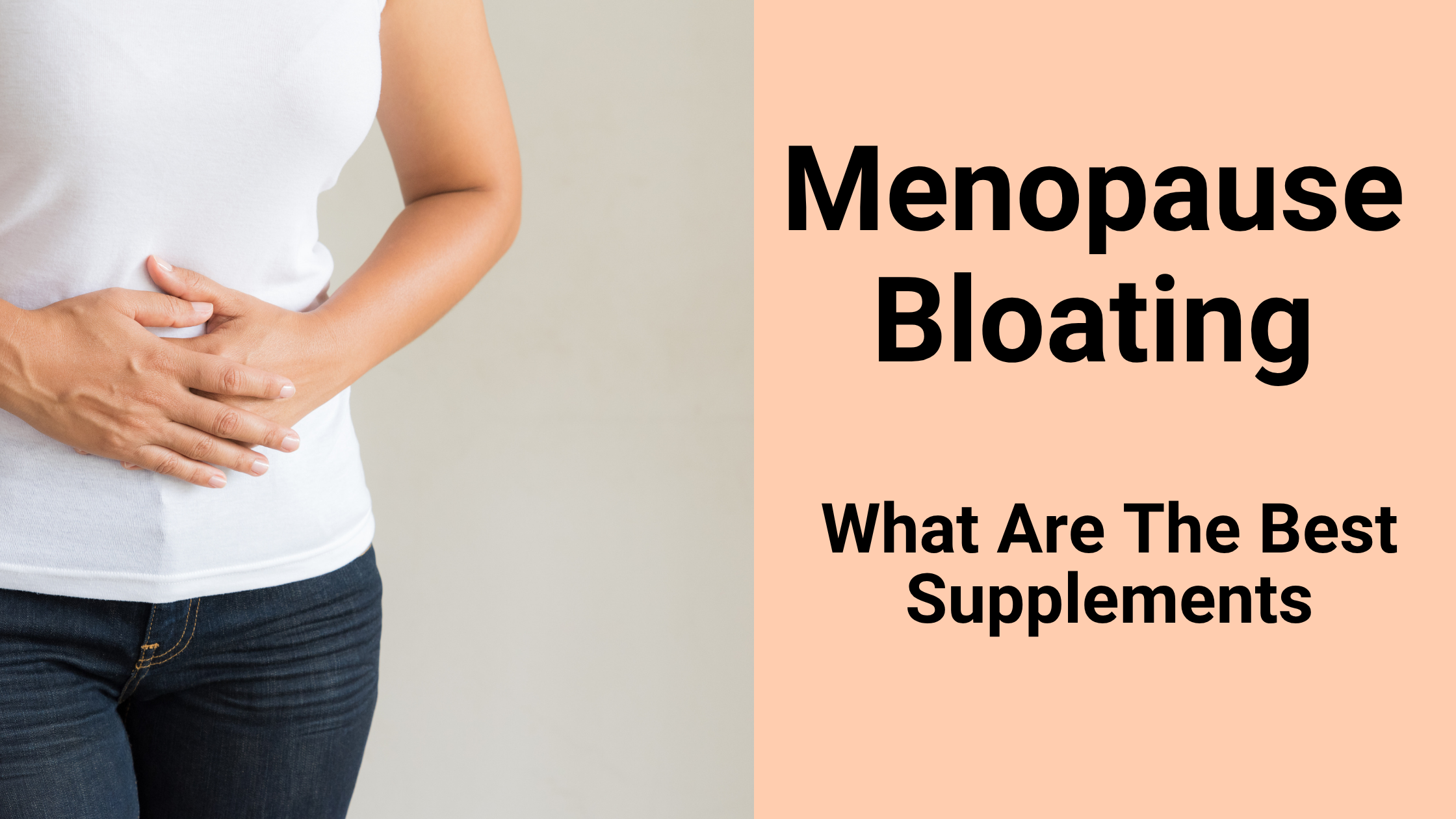
Find the best supplement for menopause bloating – Understanding Why Women Bloat
Bloating is an uncomfortable condition that affects as many as 75% of women at various stages of their lives. This is particularly so during hormonal transitions such as menstruation, pregnancy and menopause. As hormone levels fluctuate, the body undergoes numerous changes, leading to that frustrating feeling of fullness and discomfort. But don’t let menopause bloating